Yellow mucus with coughing can signal airway inflammation, infection, kennel cough, bronchitis, or pneumonia. Learn emergency signs, what vets ask, and safe ...
Article
•
Designer Mixes
Do Dogs Get Pneumonia

Shari Shidate
Designer Mixes contributor
Pneumonia can happen in dogs, and it may be more common than many pet parents realize, especially in dogs who are prone to aspiration or already dealing with a respiratory infection. The good news is that most dogs do very well with prompt veterinary care and solid at-home support. As a veterinary assistant, I have seen how quickly a cough and low energy can turn around once we address the underlying cause and help the lungs heal.
This guide will walk you through what pneumonia is, what it looks like in real life, how it is diagnosed and treated, and what you can do at home to support recovery. This article is for information and is not a substitute for veterinary care. If you are worried your dog may be struggling to breathe, treat it as urgent and get help right away.
What pneumonia is in dogs
Pneumonia is inflammation of the lung tissue and air sacs (where oxygen exchange happens), most often caused by infection. When those air spaces fill with fluid, mucus, inflammatory cells, or debris, breathing becomes harder and oxygen delivery drops. Dogs may compensate for a while, then suddenly seem much worse.
You may also hear the term pneumonitis, which is lung inflammation that can start from irritation rather than infection. A common example is aspiration pneumonitis from inhaling stomach contents. It can sometimes become infected and turn into aspiration pneumonia, which is one reason vets take aspiration events so seriously.
There are different types of pneumonia in dogs, and the type matters because treatment is not always the same.
Common types
- Bacterial pneumonia: Often follows a viral infection, kennel cough, or aspiration. Antibiotics are typically needed.
- Viral pneumonia: Can occur with respiratory viruses. Secondary bacterial infections are common.
- Aspiration pneumonia: Happens when food, water, vomit, reflux, or medications are inhaled into the lungs. This is common in dogs with vomiting, regurgitation, megaesophagus, laryngeal paralysis, or after anesthesia.
- Fungal pneumonia: Caused by fungi such as blastomycosis, histoplasmosis, or coccidioidomycosis, depending on geography. Treatment can be longer and more complex.
- Parasitic pneumonia: Less common, but possible with lungworms in certain regions.
How dogs get pneumonia
Most pneumonia cases start with one of these pathways:
- Infection traveling down from the upper airway: A dog gets a cough, tracheitis, or bronchitis, and bacteria take advantage of irritated tissues.
- Aspiration: Material goes down the wrong pipe and inflames or seeds the lungs.
- Weakened defenses: Very young puppies, seniors, dogs with immune suppression, and dogs with chronic disease can be more vulnerable.
Environment and exposure can play a role too, especially in crowded boarding or daycare settings where respiratory infections spread more easily.
Symptoms to watch for
Pneumonia can look like a “bad cold” at first. Then symptoms may intensify over 24 to 72 hours. Also, coughing is common, but it is not guaranteed. Some dogs, especially with aspiration, show mostly fast or labored breathing and low energy.
Typical signs
- Coughing (can be wet, productive, or honking)
- Fast breathing or increased effort to breathe
- Lethargy, weakness, “just not themselves” behavior
- Fever (best confirmed with a thermometer, since “feeling warm” is not reliable)
- Nasal discharge
- Reduced appetite
- Dehydration
- Exercise intolerance, stopping on walks
Emergency signs
If you see any of the following, go to an emergency veterinarian right away:
- Blue, gray, or very pale gums
- Open-mouth breathing at rest (not panting from heat or stress)
- Severe belly effort with breathing or very rapid breathing
- Collapsing, extreme weakness, or inability to stand
- High fever (often over about 103°F or 39.4°C) plus respiratory distress
Diagnosis: what your vet may do
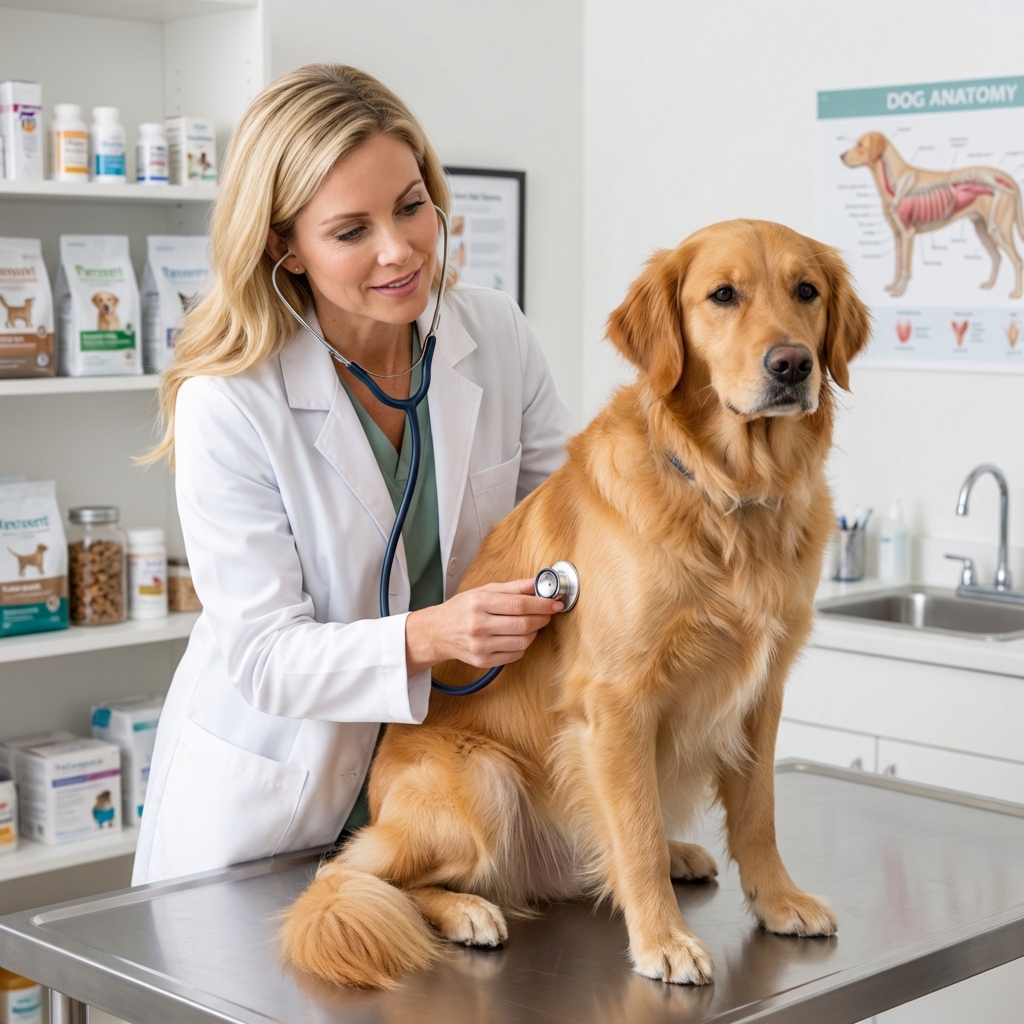
Pneumonia is not something we can diagnose reliably by symptoms alone. Coughing can also come from kennel cough, chronic bronchitis, collapsing trachea, heart disease, or even airway irritation. Diagnosis usually involves a mix of physical exam and imaging.
Common diagnostic steps
- Physical exam: Your veterinarian listens for crackles, harsh lung sounds, or quiet areas that suggest fluid or consolidation.
- Chest X-rays: This is a key tool. Pneumonia often shows patterns of lung consolidation, and aspiration pneumonia frequently affects certain lung lobes.
- Pulse oximetry: Measures oxygen saturation. Low numbers can indicate the need for oxygen therapy or hospitalization.
- Bloodwork: Can show inflammation, infection, dehydration, and overall organ status before medications.
- Airway sampling: In some cases, a transtracheal wash or bronchoalveolar lavage may be recommended to identify the organism and guide antibiotic choices.
- Fecal testing or specialized tests: If parasites or fungi are suspected.
If your dog has repeated pneumonia, your veterinarian may also look for underlying causes like swallowing disorders, reflux, laryngeal paralysis, or immune issues.
Treatment options
Treatment depends on the type of pneumonia, severity, and your dog’s overall health. Some mild cases can be treated at home, but many dogs need hospitalization, especially if oxygen levels are low or breathing effort is high.
One important note: if your vet suspects aspiration pneumonitis (inflammation from irritation) rather than established infection, they will decide whether antibiotics are needed right away or whether close monitoring and supportive care are the better plan. This decision is case-by-case and is one reason an exam and imaging matter.
Hospital care
- Oxygen therapy: Via oxygen cage, nasal cannula, or flow-by oxygen.
- Injectable antibiotics: Often started while awaiting culture results if bacterial pneumonia is suspected.
- IV fluids: For dehydration and to support circulation, especially if a dog is not eating or drinking well.
- Nebulization and coupage: Nebulization adds moisture to loosen secretions; coupage is gentle tapping on the chest to help move mucus so it can be coughed up.
- Anti-nausea support: Especially important if aspiration risk is present.
- Pain control or fever management: As appropriate and safe for the individual dog.
At-home care (when your vet says it is safe)
- Oral antibiotics: Usually a longer course than many owners expect. It is common to treat for weeks, and recheck X-rays may be recommended.
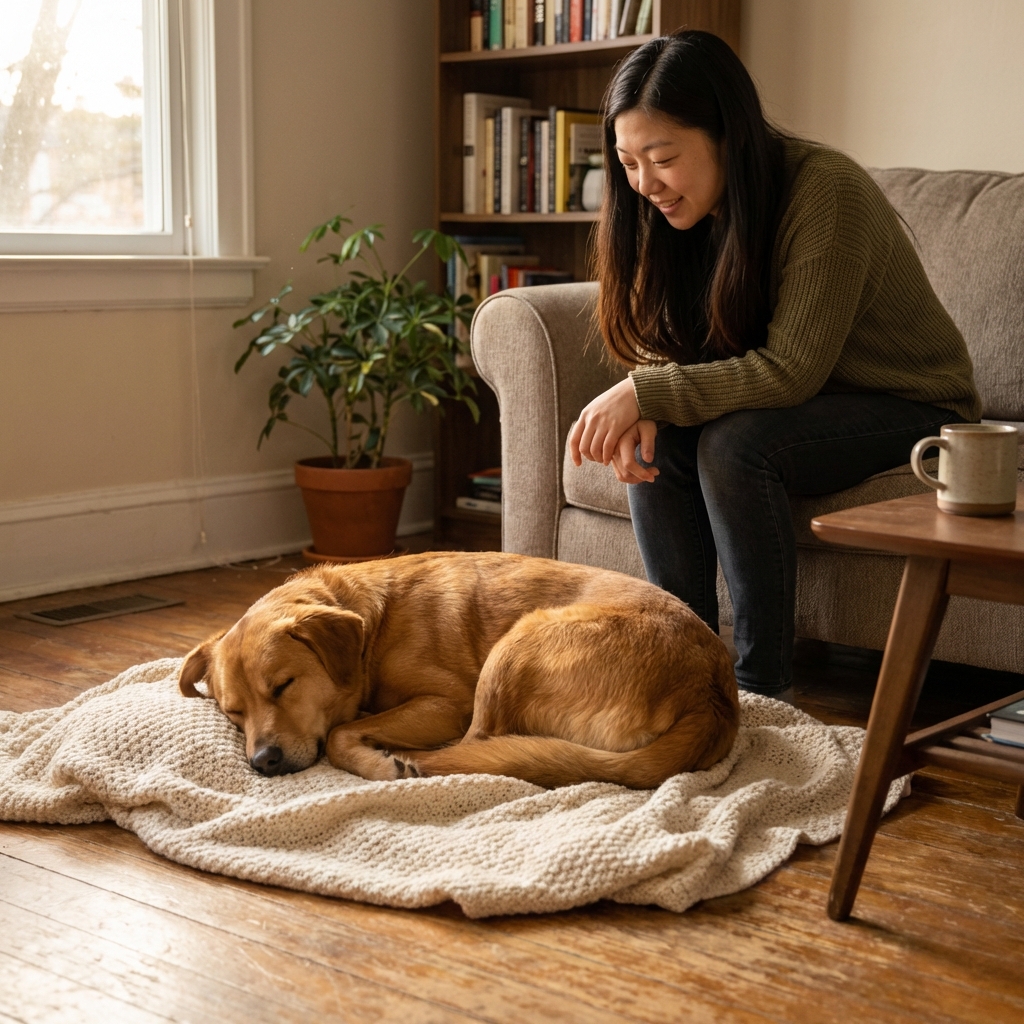
- Rest: Activity restriction reduces oxygen demand and helps healing.
- Hydration and nutrition support: Keeping calories and fluids up is a big part of recovery.
Important: Do not use human cough medicines unless your veterinarian specifically directs you to. Some ingredients can be dangerous for dogs, and suppressing a productive cough can be counterproductive in pneumonia.
Home care checklist: what helps most
Once your vet has started the medical plan, your job at home is to support breathing, hydration, and consistent medication timing.
1) Give medications exactly as prescribed
- Set phone alarms for doses.
- Do not stop antibiotics early, even if your dog seems better.
- Call your vet if vomiting, diarrhea, refusal to eat, or extreme lethargy shows up after starting meds.
2) Support hydration
- Offer fresh water frequently.
- Ask your vet about adding water to meals or using a pet-safe electrolyte plan if dehydration is a concern.
3) Make breathing easier
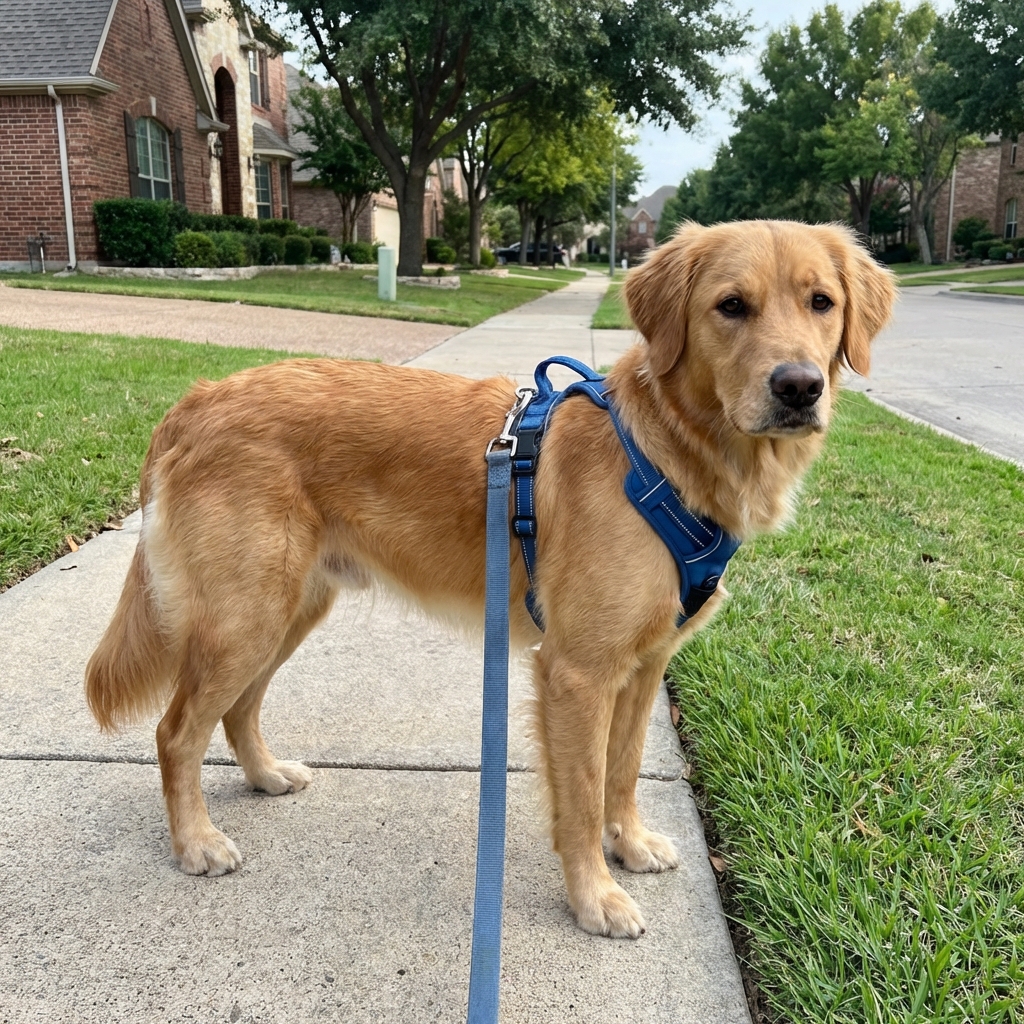
- Use a harness, not a neck collar, to reduce pressure on the airway.
- Keep your dog in a calm, cool environment. Heat and stress increase breathing workload.
- Short, slow potty breaks only. No running, no fetch, no long walks.
4) Gentle humidity
Many dogs do well with moisture in the air. A humidifier in the resting area can help loosen secretions. Another option is sitting in a steamy bathroom for 10 to 15 minutes, if your dog is calm and your vet agrees. Keep it comfortable, avoid overheating, and stop if your dog seems more stressed or their breathing worsens.
5) Nutrition that is easy to eat
- Warm food slightly to increase aroma.
- Offer smaller, more frequent meals.
- If aspiration risk exists, follow your vet’s feeding plan closely. This may include a specific posture or upright feeding routine (sometimes a Bailey chair for megaesophagus). Elevated bowls are helpful for some dogs, but not for all, so use them only if your veterinarian recommends it for your dog’s situation.
Recovery timeline and follow-up
Many dogs feel noticeably better within a few days of appropriate therapy, but the lungs can take longer to fully clear. It is common for energy and appetite to return before cough resolves.
Typical expectations
- First 48 to 72 hours: Breathing effort and fever should start improving with effective treatment.
- 1 to 2 weeks: Coughing often decreases; stamina begins to return.
- Several weeks: Some dogs need prolonged antibiotics and recheck imaging to confirm resolution.
Your veterinarian may recommend a recheck exam and chest X-rays, especially for moderate to severe pneumonia, aspiration cases, or if symptoms linger.
Is it contagious?
Pneumonia itself is not always “catching.” For example, aspiration pneumonia is not something another dog can catch from your dog. However, some of the illnesses that lead to pneumonia (like kennel cough and other respiratory infections) can spread between dogs.
If your dog is coughing and you are not sure of the cause, play it safe until you have answers: avoid dog parks, daycare, grooming, and close nose-to-nose greetings, and follow your veterinarian’s guidance on isolation.
Preventing pneumonia
Not all cases are preventable, but you can reduce risk quite a bit.
Smart prevention steps
- Vaccinate appropriately: Ask your vet about core vaccines and respiratory vaccines based on lifestyle (boarding, grooming, daycare).
- Manage vomiting and reflux: Chronic regurgitation is a major aspiration risk. Treating the cause protects the lungs.
- Safe feeding habits: Slow-feed dogs who inhale their meals. Avoid force-feeding or giving liquids by syringe unless a vet instructs you.
- Post-anesthesia monitoring: Follow discharge directions carefully after dental procedures or surgery, and report coughing, lethargy, or poor appetite immediately.
- Reduce airway irritation: Avoid heavy smoke exposure, strong sprays, and dusty environments when possible.
Higher-risk dogs
Some dogs deserve extra caution.
- Puppies: Smaller airways and developing immune systems mean they can deteriorate faster. Any breathing struggle warrants prompt care.
- Seniors: They may have concurrent heart or airway issues. Your vet may recommend more monitoring and earlier imaging.
- Flat-faced breeds: Bulldogs, Pugs, and similar breeds already work harder to breathe. Even mild pneumonia can become serious quickly.
When to call your vet during recovery
Call your veterinarian if you notice any of these changes during treatment:
- Breathing rate increasing at rest
- New or worsening lethargy
- Refusing food for more than 24 hours
- Repeated vomiting or diarrhea
- Cough becoming more frequent, more wet, or more distressing
- Any blue-tinged gums or collapse
Resting breathing rate
If your vet has you monitoring resting respiratory rate, ask what cutoff number should trigger a call, because it varies based on size, breed, and health history. As a general reference, many healthy resting dogs are roughly in the 15 to 30 breaths per minute range. A sustained increase above your dog’s normal, especially with effort, is worth a call.
Bottom line
Yes, dogs can get pneumonia, and it can range from mild to life-threatening. The most important thing you can do is treat respiratory symptoms with respect, get a diagnosis early, and follow through on the full treatment plan. With the right care, most dogs get back to their happy, tail-wagging selves.
If you are unsure whether your dog’s cough is “just a cough,” trust your instincts and schedule an exam. In respiratory medicine, sooner is almost always easier.