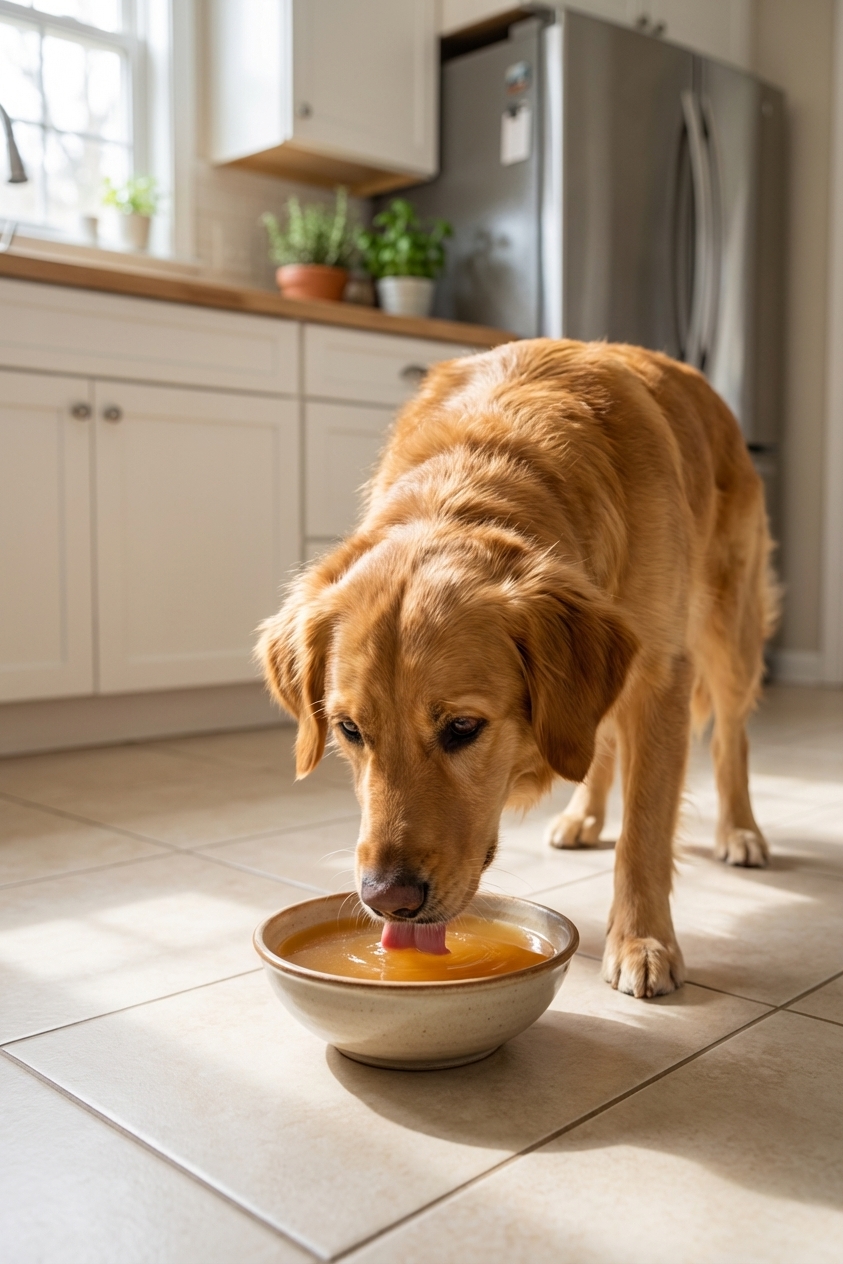
Chicken and rice can soothe mild stomach upset and help dogs transition back to normal food. Learn safe recipes, portions, how long to feed it, and when to c...
Article
•
Designer Mixes
Do Dogs Get Dementia?

Shari Shidate
Designer Mixes contributor
Yes, dogs can get dementia. The medical term you may hear is Canine Cognitive Dysfunction (CCD). It shares some similarities with Alzheimer’s disease in people, but it is not identical. As a veterinary assistant here in Frisco, Texas, I want you to know something important right up front: cognitive decline is common in senior dogs, it is often missed at first, and there are practical steps that can help many dogs stay comfortable and engaged.
Quick note: This article is educational and not a substitute for veterinary care. If you are worried about sudden or severe changes, call your veterinarian.
Let’s walk through the signs, what may be happening in the brain, how veterinarians diagnose it, and what you can do at home starting today.
What is canine dementia (CCD)?
Canine Cognitive Dysfunction is an age-related brain condition that affects memory, learning, awareness, and sleep patterns. In CCD, changes occur in the brain over time, including oxidative damage, inflammation, and the buildup of proteins such as beta-amyloid, which has been described in canine aging and CCD research. The result is that a dog who once felt confident and “with it” can become disoriented, anxious, or less responsive to everyday routines.
CCD is not the same thing as “just getting old.” Normal aging can mean a slower pace, a grayer muzzle, or needing more rest. Dementia affects behavior and daily functioning in noticeable ways.
How common is dementia in dogs?
Cognitive change becomes more common as dogs age. In published research, estimates vary by study and how CCD is defined, but a frequently cited range is:
- About 14 to 35% of dogs 8 years and older showing at least some signs
- Roughly 50% of dogs 11 to 12 years and older showing signs
- Up to 60 to 70% of dogs 15 to 16 years and older showing signs
The tricky part is that early CCD can look like simple “quirks,” especially in a busy household. If your dog is a senior, it is worth paying attention to small changes now because earlier support tends to work better.
Note: Prevalence numbers differ across studies and populations. Your veterinarian can help interpret what you are seeing in your individual dog.
Signs to watch for (DISHAA)
Veterinary teams often use a helpful acronym called DISHAA to group common dementia signs. If you are noticing several of these, it is time to talk with your vet.
- D: Disorientation (gets stuck behind furniture, stares at walls, seems lost in familiar places)
- I: Interaction changes (less interested in you and the family, clingier than usual, avoids attention, changes with other pets)
- S: Sleep-wake cycle changes (restless at night, pacing, vocalizing, sleeping more during the day)
- H: House soiling (accidents indoors despite being trained, seems to forget how to signal)
- A: Activity changes (less play, repetitive behaviors like pacing or licking, decreased exploration)
- A: Anxiety (new fears, separation distress, increased startle response)
A big clue: CCD tends to be gradual and progressive. If your dog seems suddenly confused overnight, that can signal a medical problem that needs prompt evaluation.
Stages and progression
CCD is typically progressive, but the pace varies. Thinking in broad stages can help you describe changes clearly at your vet visit.
- Mild: occasional disorientation, subtle sleep changes, a little more clingy or a little less social
- Moderate: more frequent nighttime pacing, more accidents, noticeable confusion in familiar rooms, increased anxiety
- Advanced: significant day-night reversal, frequent disorientation, getting stuck often, reduced response to cues, major changes in daily functioning
If things feel like they are progressing quickly over days, not months, call your veterinarian. Rapid change is a red flag for other medical issues.
What else can look like dementia?
This is one of the most important parts of understanding CCD. Many conditions can mimic dementia, and some are treatable. Your veterinarian will want to rule out issues such as:
- Arthritis or chronic pain (can cause irritability, sleep disruption, accidents from difficulty getting outside)
- Hearing or vision loss (can look like confusion or ignoring cues)
- Urinary tract infection (common cause of accidents, restlessness, behavior changes)
- Kidney or liver disease (toxins can affect the brain and behavior)
- Thyroid disease (low thyroid can change energy and behavior)
- Brain tumor or neurologic disease (may cause seizures, circling, sudden personality changes)
- Medication side effects (sedation, agitation, appetite changes)
Because of this overlap, I encourage you to avoid self-diagnosing. Think of it this way: your dog’s behavior is a symptom, and we want to find the cause.
How vets diagnose CCD
There is not one simple in-clinic “dementia test” for dogs. Diagnosis is usually made by:
- History: what changes you have seen and when they started
- Physical exam and neurologic exam
- Lab work: blood and urine tests to rule out metabolic causes
- Blood pressure checks when appropriate
- Imaging (MRI or CT) if red flags suggest another brain condition
A helpful tip: bring a short list of examples, and if possible, a quick video of pacing, staring episodes, or nighttime restlessness. Those details can be incredibly useful to your vet team.
What you can do at home
There is no cure for CCD, but many dogs do better with a combination of medical support and lifestyle changes. Here are practical steps that are kind and realistic.
1) Keep routines steady
Dogs with cognitive decline feel safer when the day is consistent. Try to keep meals, potty breaks, walks, and bedtime on a predictable schedule.
2) Make navigation easier
- Use night lights in hallways and near water bowls
- Add non-slip rugs to prevent falls
- Block off stairs if vision or balance is changing
- Use a baby gate to reduce wandering into tight spaces
- Keep food, water, and beds in easy-to-reach areas
3) Gentle enrichment (avoid frustration)
Small “brain workouts” can help maintain engagement, but too much challenge can increase anxiety. Keep it simple and end on a win.
- Food puzzles set to easy mode
- Snuffle mats
- Short training refreshers using familiar cues
- “Find it” games with smelly treats
If your dog seems confused, simplify. If your dog gets worked up, take a break and go back to something soothing like a calm sniff walk or a chew that is safe for your dog.
4) Physical activity, adjusted for age
Movement supports circulation, muscle, sleep quality, and mood. Choose low-impact options like relaxed sniff walks. For arthritic dogs, your vet may recommend pain management or physical therapy so exercise stays comfortable.
5) Support better sleep
Night pacing and vocalizing can be exhausting for everyone. Strategies that may help include:
- A consistent bedtime routine
- A last potty break right before sleep
- Comfortable bedding with joint support
- White noise if your dog startles easily
If nights are a major struggle, speak with your veterinarian. There may be medical options to help, and it is always worth checking for pain or a UTI.
6) Safety for wanderers
- Keep ID tags on and microchip information up to date
- Supervise time in the yard, especially at night
- Consider a secure, easy-to-find “resting zone” (a bed in a familiar corner) rather than giving full-house access
Medications and supplements
Your veterinarian will tailor recommendations to your dog’s health history and current medications. Options may include:
- Selegiline (FDA-approved in the U.S. for canine cognitive dysfunction under the brand name Anipryl). Your vet will decide if it fits your dog.
- Medications for anxiety or sleep that may be used off-label when appropriate (your vet will choose based on your dog’s full picture).
- Therapeutic diets formulated for brain aging. Some include antioxidants and medium-chain triglycerides (MCTs), and some evidence suggests MCTs may support brain energy metabolism in aging dogs.
- Omega-3 fatty acids (DHA and EPA) which have supportive evidence for brain and inflammation health
Please avoid adding supplements “because TikTok said so.” Some products interact with medications or are not safe for dogs with certain conditions. A quick call to your vet can save you a lot of worry and expense.
Nutrition for senior brain health
Nutrition will not “cure” dementia, but it can support overall brain and body health. I am a big believer in simple, sustainable upgrades.
- High-quality protein to help maintain muscle mass in senior years
- Healthy fats including vet-approved omega-3 sources
- Antioxidant-rich foods (dog-safe options like blueberries in small amounts)
- Steamed or lightly cooked vegetables for added nutrients and fiber
If you are interested in homemade meals, go slowly and do it safely. A sudden diet shift can cause stomach upset, and unbalanced homemade diets can create nutrient deficiencies over time. Ask your veterinarian about a balanced plan, especially if your dog has kidney disease, pancreatitis history, or food sensitivities.
CBD and cannabis safety
The research on CBD for CCD is still developing. CBD may have a role in anxiety or pain for some dogs, but it is not a proven dementia treatment. Always talk with your veterinarian first, especially because product quality and dosing vary widely.
Important safety note: THC is toxic to dogs. Many “CBD” products are mislabeled, and some contain more THC than expected. If you suspect cannabis exposure, contact your veterinarian or a pet poison hotline right away.
When to call the vet quickly
Some symptoms should not wait, because they may point to pain, infection, toxin exposure, or neurologic disease.
- Sudden confusion or behavior change within hours to days
- New seizures or collapse
- Head tilt, loss of balance, circling, or one-sided weakness
- Not eating or drinking, vomiting, or diarrhea along with confusion
- Crying, panting, or signs of pain at night
- Accidents with straining or blood in urine
Trust your gut. You know what is normal for your dog.
Quality of life
Living with a dog with cognitive decline can be emotional. I encourage you to track a few simple markers weekly:
- Is your dog eating and drinking well?
- Are they able to rest comfortably?
- Do they still enjoy favorite things like treats, sniffing outdoors, or your company?
- How often are accidents happening, and are they distressed afterward?
- Are there more good days than hard days?
Many dogs with CCD can still have a beautiful life with the right support. You are not “failing” if you need help, and you are not alone if you feel overwhelmed.
Quick FAQ
At what age do dogs get dementia?
It varies by dog, but signs are more common in the senior years. Larger breeds may show age-related changes earlier than smaller breeds because they often age faster overall.
Is dementia in dogs painful?
Dementia itself is not typically described as painful, but it can cause anxiety and distress. Many senior dogs also have arthritis or other conditions that do cause pain, so pain screening is essential.
Can dogs with dementia recognize their owners?
Many do, especially early on. As CCD progresses, recognition can become inconsistent, particularly in unfamiliar settings or at night.
Does CBD help canine dementia?
The research is still developing. CBD may have a role in anxiety or pain for some dogs, but it is not a proven dementia treatment. Always talk with your veterinarian first.
Sources
- Landsberg GM, Hunthausen W, Ackerman L. Behavior Problems of the Dog and Cat (commonly cited veterinary behavior reference; CCD overview and DISHAA framework).
- Overall KL. Clinical Behavioral Medicine for Small Animals (veterinary behavior reference discussing cognitive dysfunction and differentials).
- Pan Y, Larson B, Araujo JA, et al. Studies on dietary interventions (including MCTs) and cognitive performance in aging dogs.
- Veterinary information on selegiline (Anipryl) labeling and use for canine cognitive dysfunction in the U.S.
If you would like, I can replace these with a tighter list of specific, link-ready citations that match your publication style guide.