Wondering if your cat loves you? A vet assistant explains 12 bond and trust signals—slow blinks, bunts, purring, greetings, sleep habits—plus stress look...
Article
•
Designer Mixes
Do Cats Remember People?

Shari Shidate
Designer Mixes contributor
If you have ever left for a trip and wondered whether your cat will “forget” you, you are not alone. As a veterinary assistant, I hear this question all the time, especially from families bringing home a new rescue or visiting a cat they have not seen in years.
The sweet truth is that many cats can recognize familiar people, sometimes after a long separation. But feline memory does not work exactly like human memory. Cats tend to hold onto learned associations, like whether a person predicts safety, routine, and good things (or the opposite), more than they recall a detailed “story” about someone.
How cat memory works
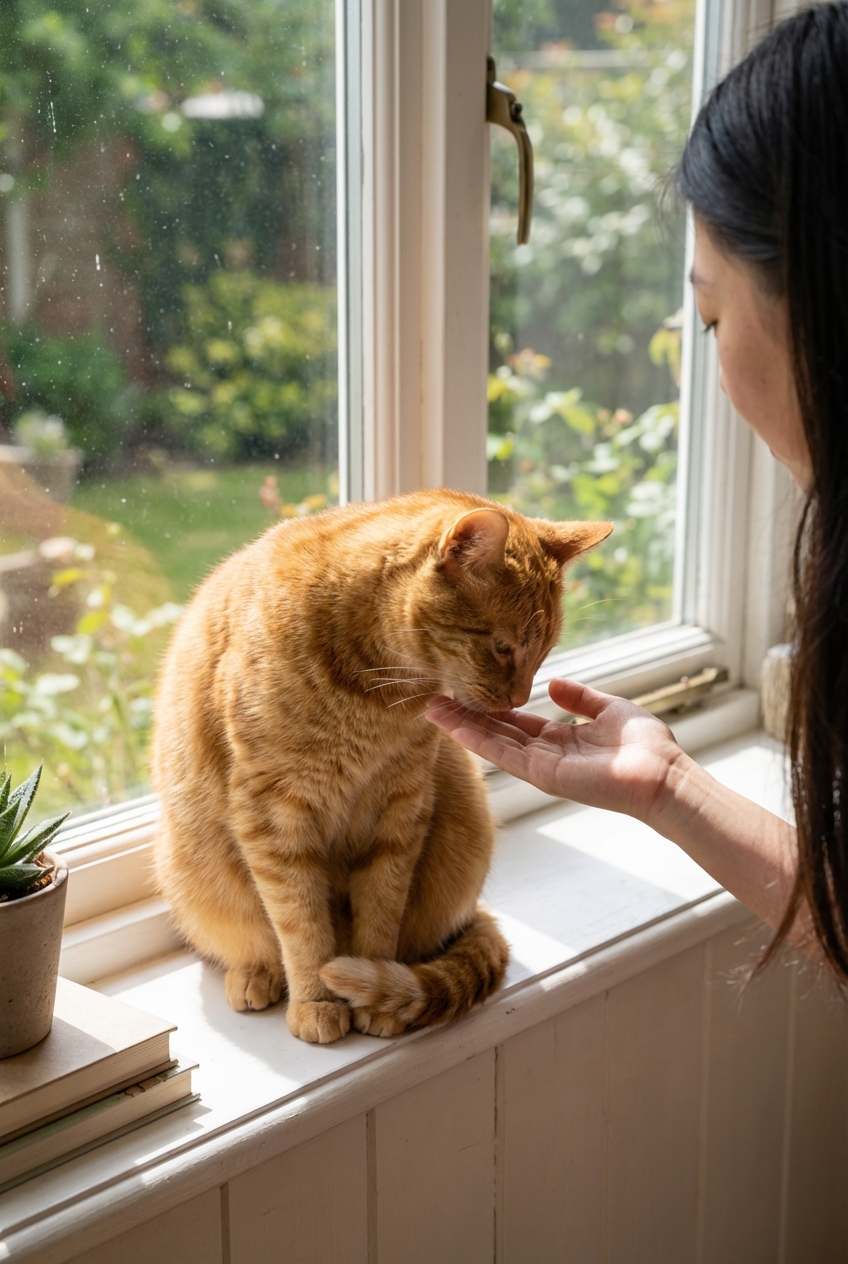
Cats have multiple types of memory, and each one can influence whether they recognize a person.
Short-term memory
Short-term memory helps cats keep track of what just happened. It is useful for everyday life, like remembering where they heard a sound or where a toy disappeared. This is not usually the type of memory that makes them recognize an old friend months later.
Long-term memory
Long-term memory is where things get interesting. Cats can store information for weeks to months, and some cats may retain familiarity much longer, especially when it is tied to strong experiences, survival, or routine. That includes remembering a caregiver who fed them, comforted them, played with them, or frightened them.
Procedural memory
This is “muscle memory,” like knowing how to jump to a favorite shelf or how to nudge a cabinet that hides treats. Procedural memory is one reason cats thrive on routine and can quickly return to familiar habits in a familiar home.
Do cats recognize people?
Yes, many cats can recognize individuals. Recognition is often based on a bundle of cues rather than a single feature.
- Scent: Cats rely heavily on smell. Your cat may know you by the scent of your skin, your hair, your laundry, and even your usual products like soap or lotion. If your scent changes (new perfume, a hospital smell, a new pet in the house), your cat may need a little extra warm-up time.
- Voice and sound: Cats can learn voices and footsteps. Some cats come running when they hear a specific family member’s car door or keychain.
- Body language: Cats are excellent observers. The way you move, how you approach, and whether you respect their space matters.
- Routine: If you are the “breakfast person” or the “laser pointer person,” your cat may associate you with predictable good things.
That said, a cat may recognize you and still act standoffish at first. In cat language, caution is not the same as forgetting.
How long do cats remember people?
There is no single timeline because familiarity depends on experience, repetition, and the strength of the cat’s associations. In general, cats tend to retain familiarity longer when:
- They had a stable, positive relationship with that person
- The person was a primary caregiver (food, comfort, play, grooming)
- There were consistent routines and repeated interactions
- The relationship included strong experiences, positive or negative
Anecdotally, many shelters and veterinary teams hear stories of cats recognizing an owner after months or even years apart, especially when scent and voice cues return. Not every cat will respond dramatically, but long-term recognition is absolutely possible for some individuals.
Why your cat seems different
Sometimes guardians feel hurt when a cat does not instantly cuddle after a separation. A few practical reasons:
- Stress changes behavior: Travel, boarding, moving homes, or a change in household members can make a cat more guarded.
- They need a reintroduction period: Cats often do best with slow, choice-based interactions.
- Medical issues: Pain, dental disease, arthritis, or hyperthyroidism can make a cat less social or more irritable.
- Mixed associations: If you are the person who gives medication or clips nails, your cat may recognize you clearly and still feel conflicted.
If your cat’s behavior changes suddenly or they seem disoriented, schedule a vet visit. Behavior is a health clue in cats.
Signs your cat recognizes you
Cats show recognition in subtle, very “feline” ways. Look for:
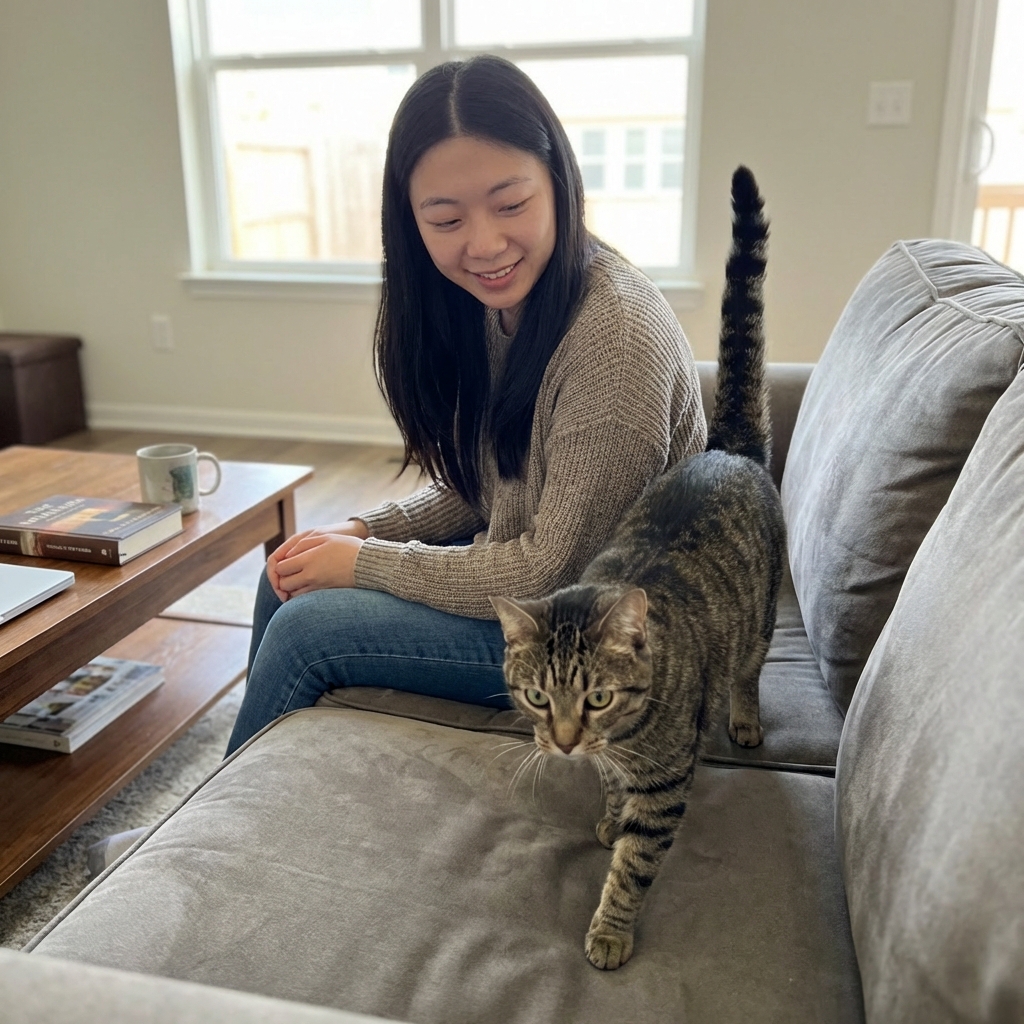
- Approaching with a relaxed body and tail held upright
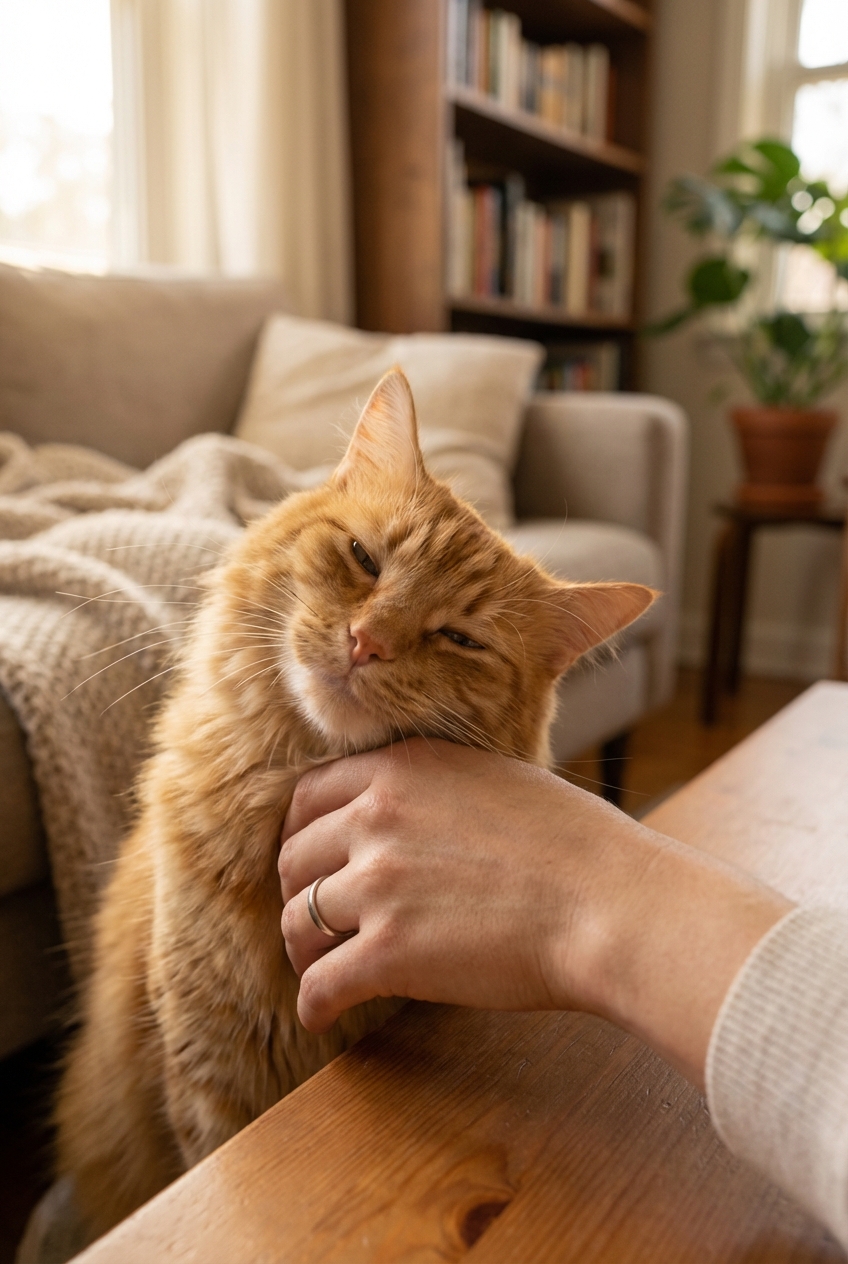
- Slow blinking at you
- Head bunting or rubbing cheeks on you (scent-marking)
- Choosing to sit nearby, even without touching
- Meowing in a familiar tone or responding to your voice
- Following you from room to room
- Showing you their belly briefly (not always an invitation to pet)
Do cats remember kindness and fear?
Yes, and this is one of the most important parts of feline memory. Cats are excellent at forming associations. If something repeatedly leads to comfort, safety, and good outcomes, they learn to trust it. If something repeatedly leads to fear, pain, or unpredictability, they may avoid it, sometimes for a long time.
This is why gentle handling and positive reinforcement matter so much. For cats, trust is not about one grand gesture. It is about small, consistent “you are safe with me” moments.
Action tip: If your cat is shy, sit on the floor, turn your body slightly sideways, and let them come to you. Offer a treat and use a soft voice. Choice builds confidence.
Help your cat trust you again
Whether you are returning after time away or building a bond with a new cat, you can strengthen comfort and familiarity with a few evidence-based habits:
Use scent
- Leave a worn T-shirt or small blanket with your scent in their safe space.
- Avoid strong new fragrances right before reuniting, if possible.
Rebuild routine
- Feed at consistent times.
- Use predictable “scripts,” like a calm phrase before meals or play.
Use food strategically
- Offer high-value treats during calm moments.
- Pair your presence with good things, not forced petting.
Play to bond
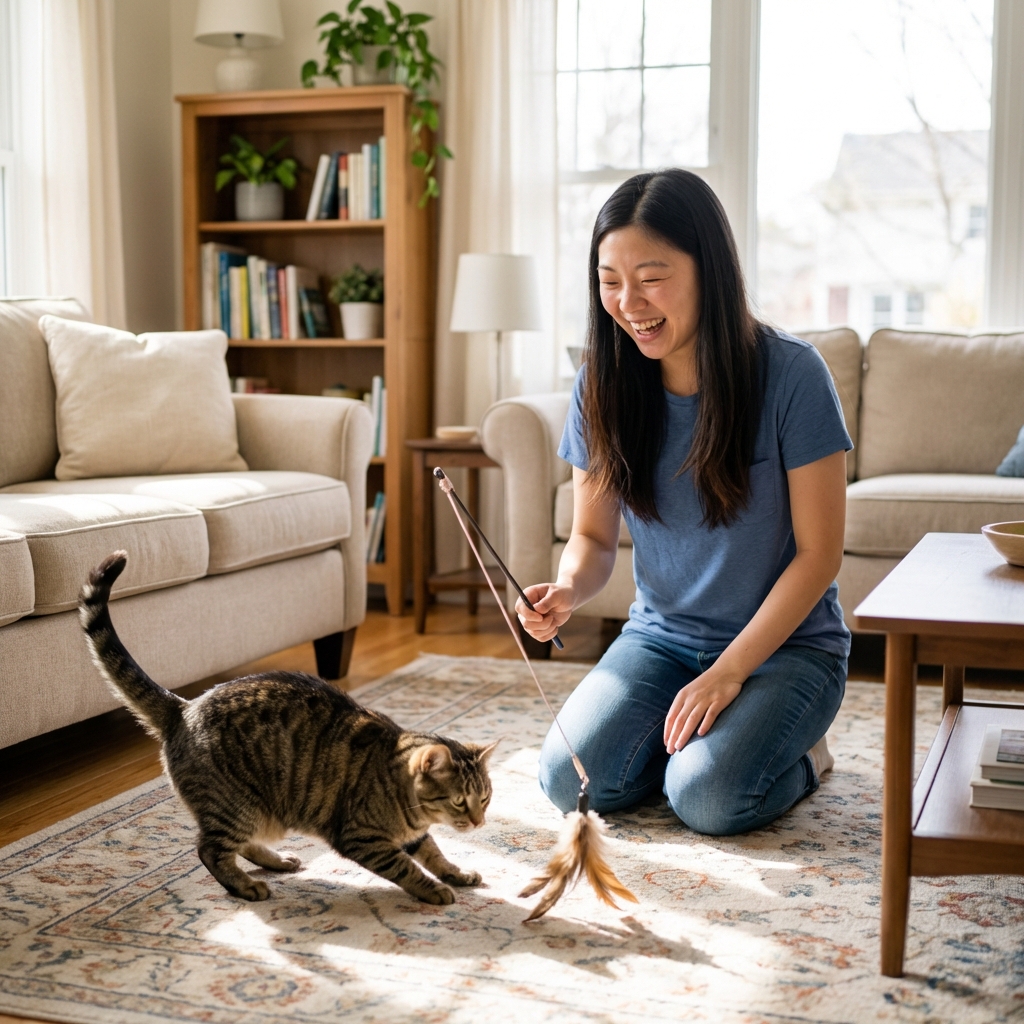
- Interactive play (wand toys, chase games) helps many cats feel connected.
- End play with a small snack to complete the “hunt, catch, eat” cycle.
Respect boundaries
- Stop petting before your cat gets overstimulated.
- Watch for tail flicking, skin twitching, ears turning back, or sudden freezing.
After-travel mini checklist
If you are coming home from a trip, a gentle reset can help your cat settle faster:
- Enter quietly and let your cat approach first.
- Wash your hands and consider changing clothes if you smell like other animals, strong disinfectants, or unfamiliar places.
- Offer a small treat and use your usual calm voice.
- Keep feeding and litter box routines the same on day one.
- Do a short play session if your cat seems interested, then give them space.
When to call the vet
True memory loss is not the most common reason a cat “acts different,” but health can absolutely affect recognition and behavior. Talk with your veterinarian if you notice:
- Sudden confusion or getting lost in familiar spaces
- Changes in sleep-wake cycles or nighttime yowling
- House soiling in a previously litter-trained cat
- Increased irritability, hiding, or unexpected aggression
- Reduced grooming or appetite changes
Senior cats can develop cognitive dysfunction, and many common conditions can mimic it. These include pain or arthritis, hyperthyroidism, kidney disease, high blood pressure, and sensory decline like vision or hearing loss. The earlier you check in, the more options you have to help.
The bottom line
Cats can recognize familiar people, especially when the relationship involved consistent care, safety, and routine. They identify us through scent, sound, and patterns, and their responses may be quiet but meaningful. If your cat seems hesitant after time apart, it does not mean you were forgotten. It usually means they need a little time and a lot of gentle consistency to feel secure again.