Is your cat hiding, yowling, overgrooming, or having litter box issues? Learn common stress triggers and natural calming strategies—routine, safe zones, pl...
Article
•
Designer Mixes
Do Cats Get Jealous? Territorial Behavior Signs

Shari Shidate
Designer Mixes contributor
Cats may not feel jealousy in the same way humans describe it, and we cannot truly know their subjective experience. But they absolutely can show jealous-looking behavior when something changes in their social world. In my work as a veterinary assistant, I see this most often after a new pet arrives, a baby comes home, a partner moves in, or even when a person starts giving attention to a new hobby that takes time away from the cat.
What we call “jealousy” in cats is usually a mix of very normal feline needs: access to key resources (food, litter box, safe resting spots), predictability (routine), and territory (space and scent). The good news is that many mild cases improve with the right setup and a little patience, often over days to weeks. More complex multi-cat tension can take longer.
Do cats actually get jealous?
Research in animal behavior suggests cats form social bonds and can respond strongly to changes in attention, access, and routine. So while your cat is not likely labeling their feelings as “jealousy,” their behavior can suggest something closer to: “My environment changed and I do not feel as secure.”
Many “jealous” moments are really territorial or stress-based behaviors . Cats rely on scent, body language, and location to feel safe. When a new person or animal disrupts that, your cat may try to re-establish predictability and comfort.
Think of it this way: cats are not being spiteful. They are communicating discomfort, uncertainty, or competition for resources.
Territory vs. jealousy
Territorial behavior is about claiming and protecting space. “Jealousy” is the label we put on it when that behavior seems triggered by attention given to someone else.
Common triggers
- A new cat, dog, or roommate in the home
- Outdoor cats visible through windows
- Moving furniture, remodeling, or changing litter box locations
- New smells on you, like visiting another pet
- Competition for key resources such as food bowls or favorite sleeping spots
Signs your cat feels threatened
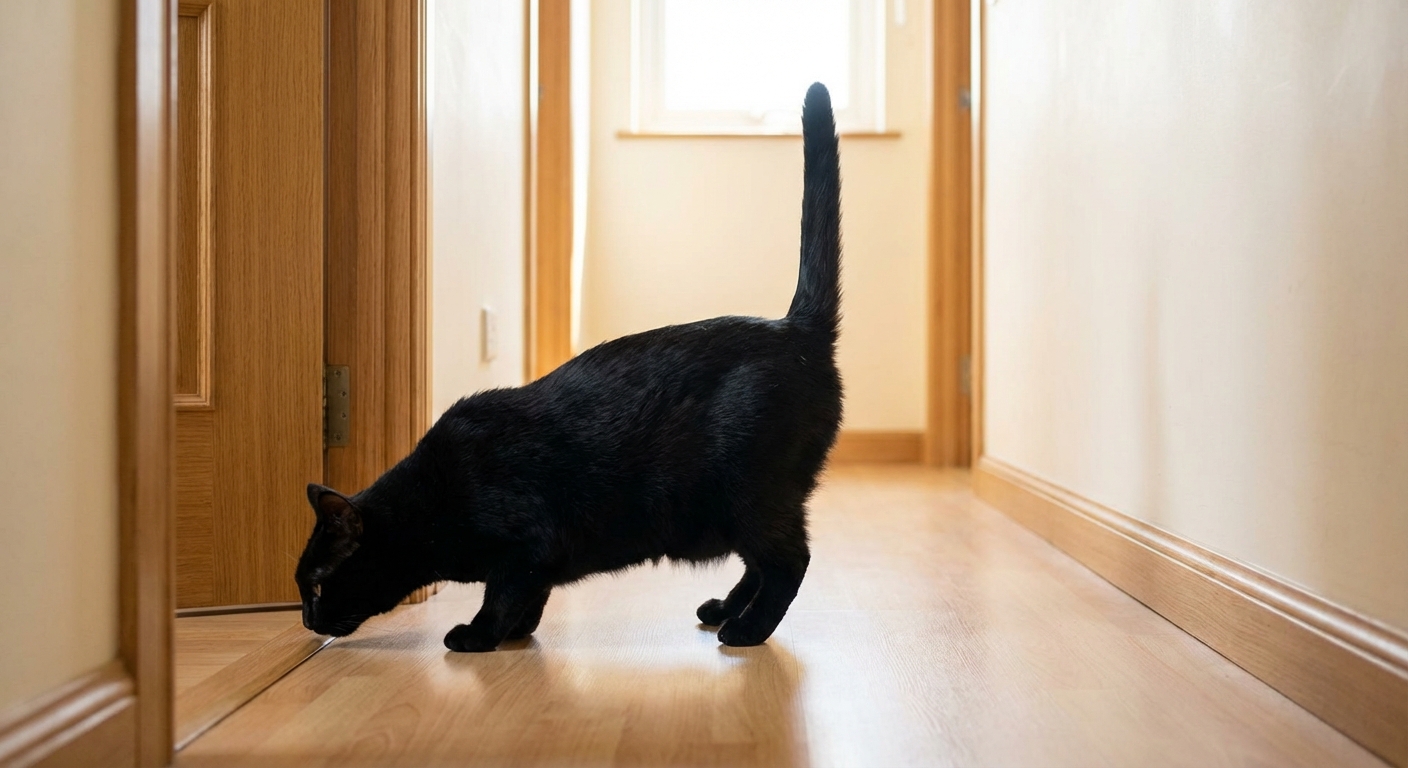
Some cats get clingy. Others get bossy. Some get quiet and withdraw. Here are common behaviors that can look like jealousy but are typically territorial stress signals.
Body language
- Stiff posture, crouching, or freezing when another pet approaches
- Tail swishing, ears turning sideways or flattening
- Hard staring or blocking access to rooms, hallways, or people
- Sudden hiding or avoiding a previously loved spot
Behavior
- Swatting or chasing when you pet another animal
- Interruption behaviors, like pushing between you and another pet or sitting on your keyboard
- Overgrooming or increased shedding associated with stress
- Vocalizing more than usual, especially when attention shifts
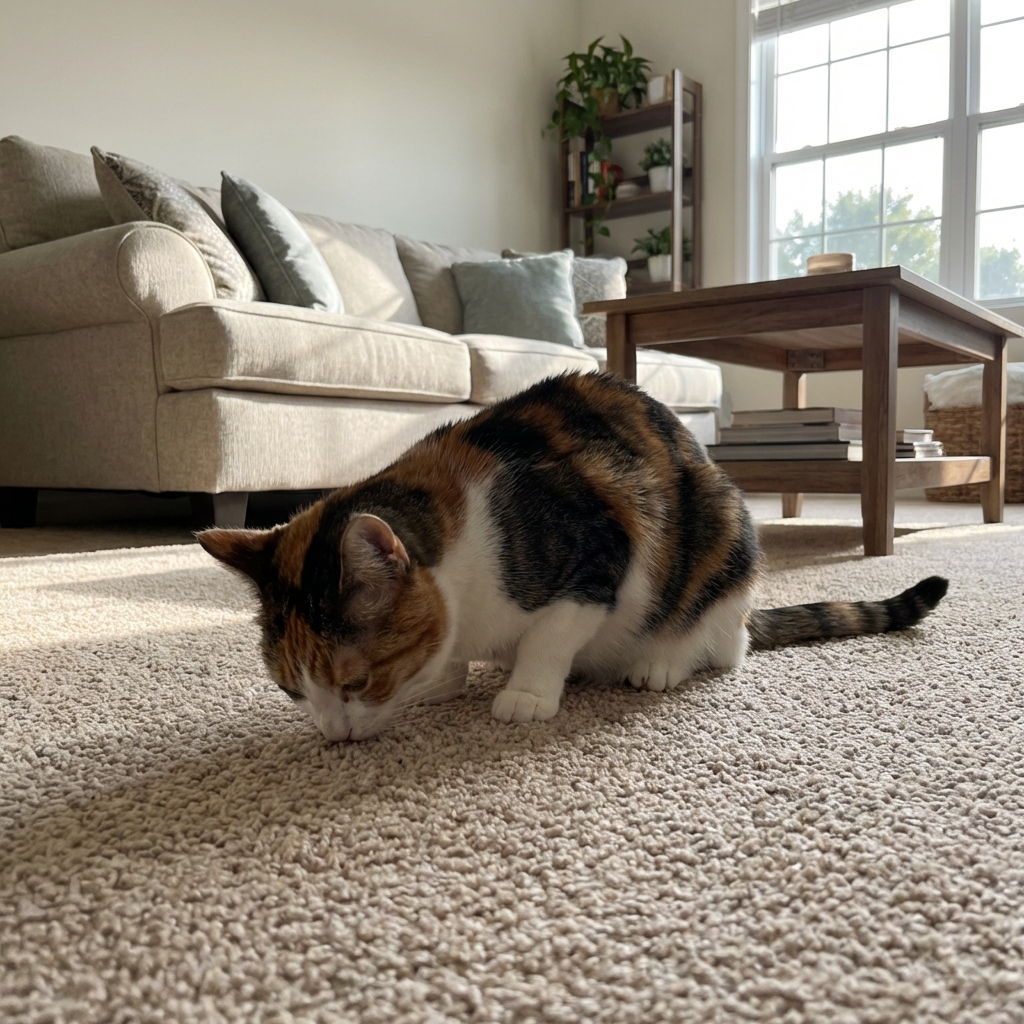
- Urine marking on walls, furniture, laundry, or near doors and windows
- Litter box changes like peeing outside the box, especially after household changes
If you are seeing urine marking, aggression, or sudden litter box accidents, it is worth taking it seriously. Those signs can be behavioral, but they can also signal medical problems like urinary tract disease, pain, or other illness.
Common situations
1) A new cat
This is the classic trigger. Cats are highly scent-driven. If a new cat enters the territory too quickly, the resident cat may feel like their home is no longer secure.
2) A new dog
Dogs often rush greetings, stare, and follow. For many cats, that is overwhelming. The cat may begin guarding pathways, perches, or even access to you.
3) A baby or routine change
Noise, new smells, less sleep, and less one-on-one time can create a perfect storm of stress. Your cat may become more needy or more avoidant.
4) Outdoor cats at the window
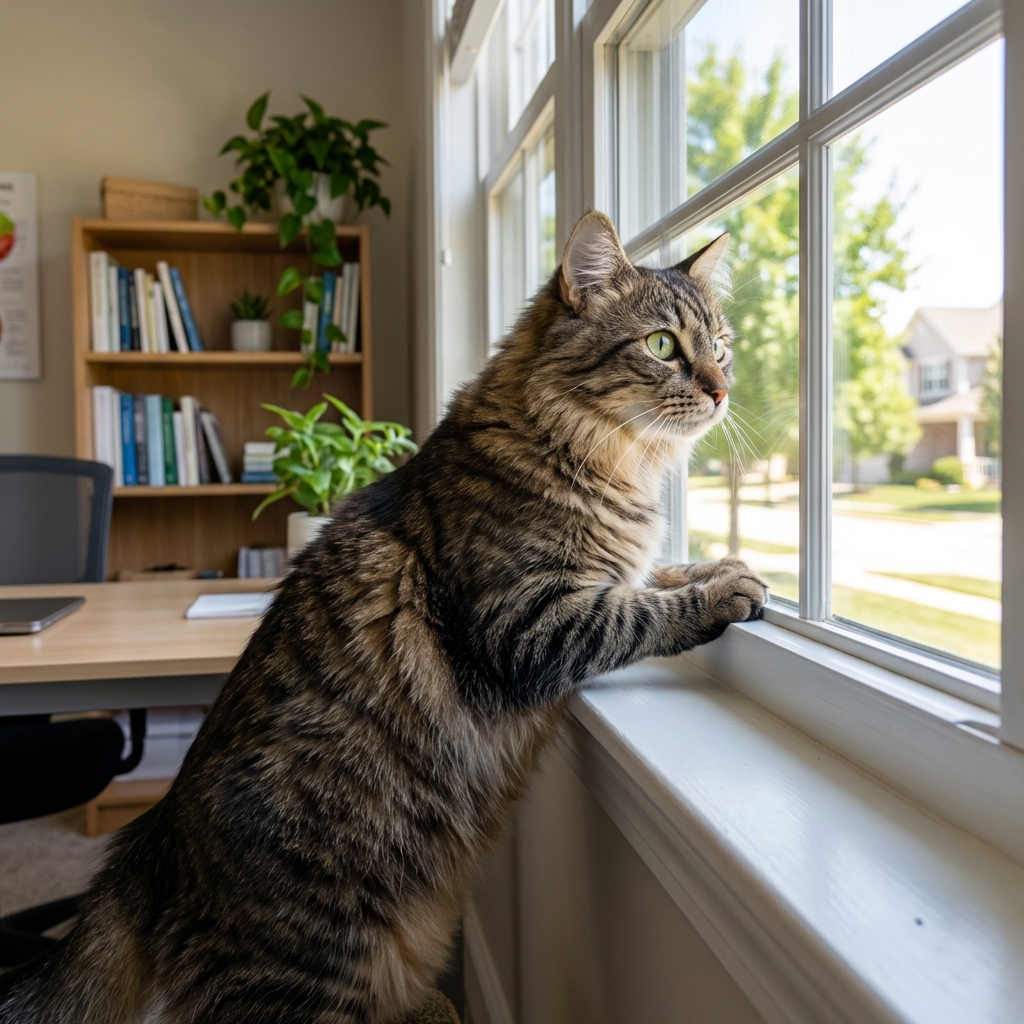
Even if your cat is an only pet, seeing or smelling neighborhood cats can cause redirected aggression or marking. Window perches can turn into “battle stations.”
How to reduce stress
When in doubt, think: more resources, more vertical space, and more predictable routines .
Set up the space
- Give each cat their own essentials: separate food stations, water, and resting spots.
- Spread resources out: multiple stations in multiple locations, not side by side, so one cat cannot guard everything.
- Follow the litter box rule: one box per cat, plus one extra, placed in different locations.
- Add vertical territory: cat trees, wall shelves, and window perches so cats can share space without crowding.
- Create escape routes: avoid dead ends where one cat can block another.
Build positive associations
- Use food strategically: feed high-value treats when the “rival” is nearby at a comfortable distance.
- Try short daily play: wand toys help relieve stress and improve confidence.
- Add enrichment: puzzle feeders and hunt-style feeding can reduce tension and give cats an outlet.
- Reward calm behavior: praise and treat your cat when they choose to relax instead of patrol.
Protect your bond
- Keep a few minutes of daily one-on-one time that is predictable.
- Let your cat choose the contact. Avoid forcing cuddles when they are tense.
- Maintain routines around meals and bedtime as much as possible.
- If petting one cat in front of another reliably sparks swatting or chasing, separate them and give attention in different areas for now.
Practical note: synthetic feline facial pheromone products help some cats feel more secure, but results vary. They tend to work best as part of a broader plan that includes environment changes and predictable routines.
Slow introductions
If a new cat or dog is part of the story, slow introductions are one of the most effective ways to prevent long-term conflict.
- Start separated: give the new pet a dedicated room with food, water, and a litter box (for cats).
- Swap scents: exchange bedding or gently rub each pet with a soft cloth, then place it near the other pet’s space.
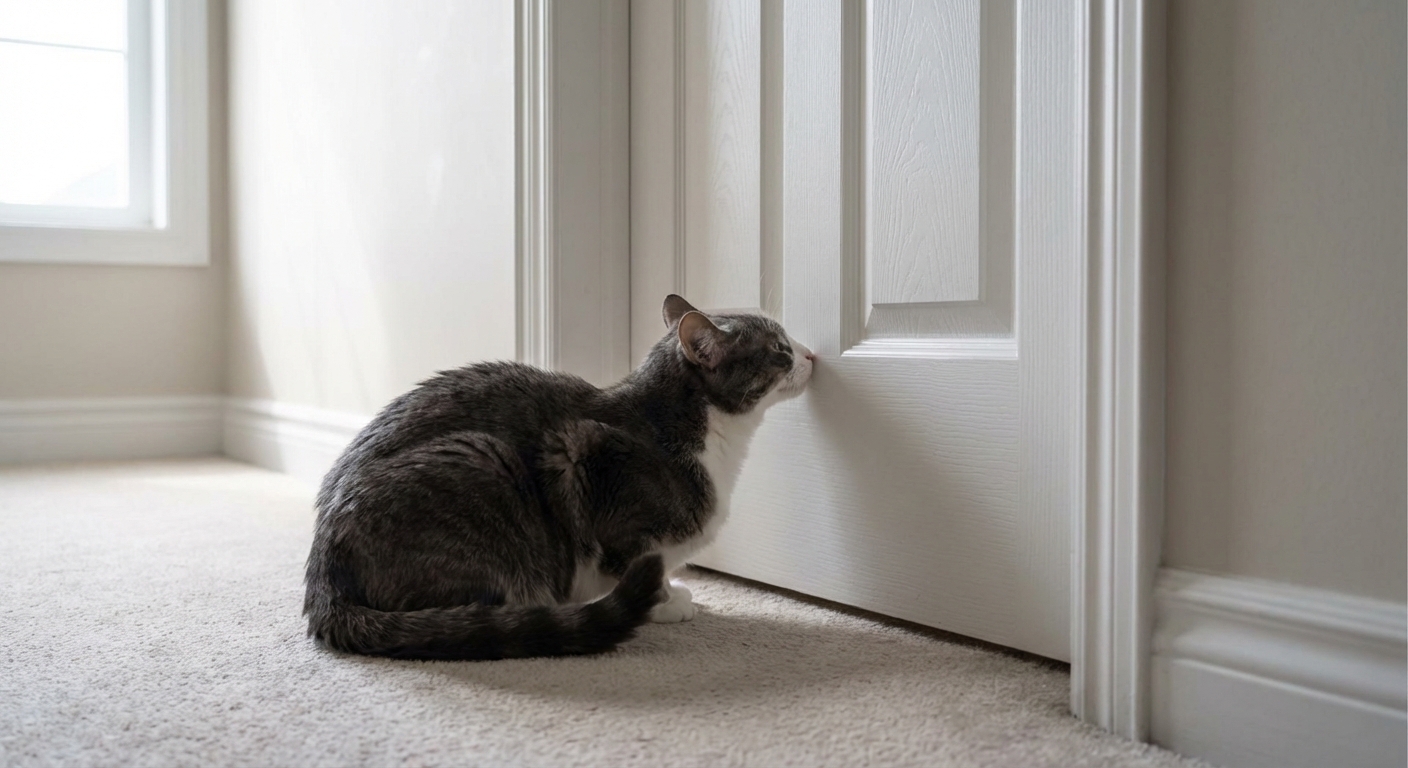
- Feed near the door: offer meals or treats on opposite sides of the closed door, then gradually move closer as everyone stays relaxed.
- Add a visual step: use a baby gate or cracked door for brief, calm viewing sessions paired with treats.
- Increase time slowly: build up to supervised time together, ending on a calm note before tension escalates.
What not to do
When a cat acts “jealous,” it can be tempting to correct them the way you would a dog or a child. With cats, punishment often increases fear and makes behavior worse.
- Do not yell or spray water. It can increase anxiety and damage trust.
- Do not force introductions. Rushing can turn stress into long-term conflict.
- Do not remove all favored spaces. Cats need safe zones to decompress.
When to call your vet
Please reach out for help if you notice any of the following:
- New or worsening urination outside the litter box
- Aggression that includes bites, injuries, or ambush behavior
- Signs of pain, straining to urinate, or frequent trips to the litter box
- Any sudden behavior change, especially in an older cat
As a veterinary assistant, I always encourage a medical check first for litter box issues and sudden behavior changes. Urinary problems can become emergencies, especially in male cats. Once medical issues are ruled out, a certified cat behavior consultant can help with a personalized plan.
Quick checklist
- Add one new perch or vertical resting space
- Separate feeding stations by distance or barriers
- Increase interactive play to 5 to 10 minutes daily
- Try puzzle feeders or hunt-style feeding for enrichment
- Schedule a vet visit if there are litter box changes or sudden behavior shifts
- Use treats to reward calm behavior around the “rival”
Your cat is not trying to be difficult. They are asking for security. With a few thoughtful changes, most cats settle back into their confident, affectionate selves.