Vomiting or diarrhea in cats can turn serious fast. Learn safe home care steps, hydration and bland diet tips, probiotics, red flags for the vet, and risky r...
Article
•
Designer Mixes
Do Cats Fart?

Shari Shidate
Designer Mixes contributor
Yes, cats fart. It’s usually quieter, less frequent, and easier to miss than it is with dogs or people. As a veterinary assistant, I can tell you that feline gas is usually harmless. But persistent gas, new very smelly gas, or gas that shows up with other symptoms can be your cat’s way of saying, “Hey, my stomach is not happy.”
In this guide, we’ll talk about what’s normal, what’s not, why the smell can be so strong, and how to help your cat feel better.
What causes cat farts?
Farts are produced when gas builds up in the digestive tract and exits through the rectum. That gas can come from two main places: swallowed air and fermentation in the intestines.
Common reasons
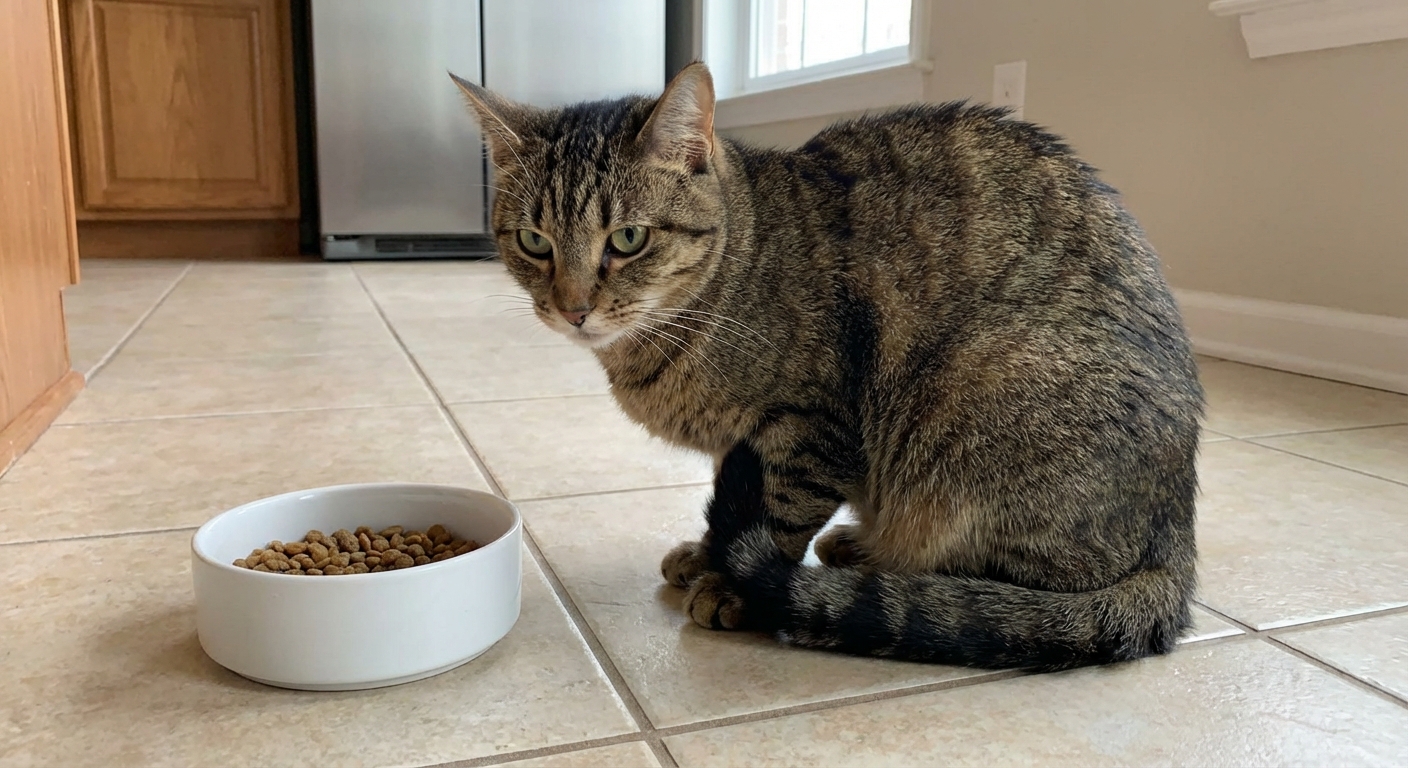
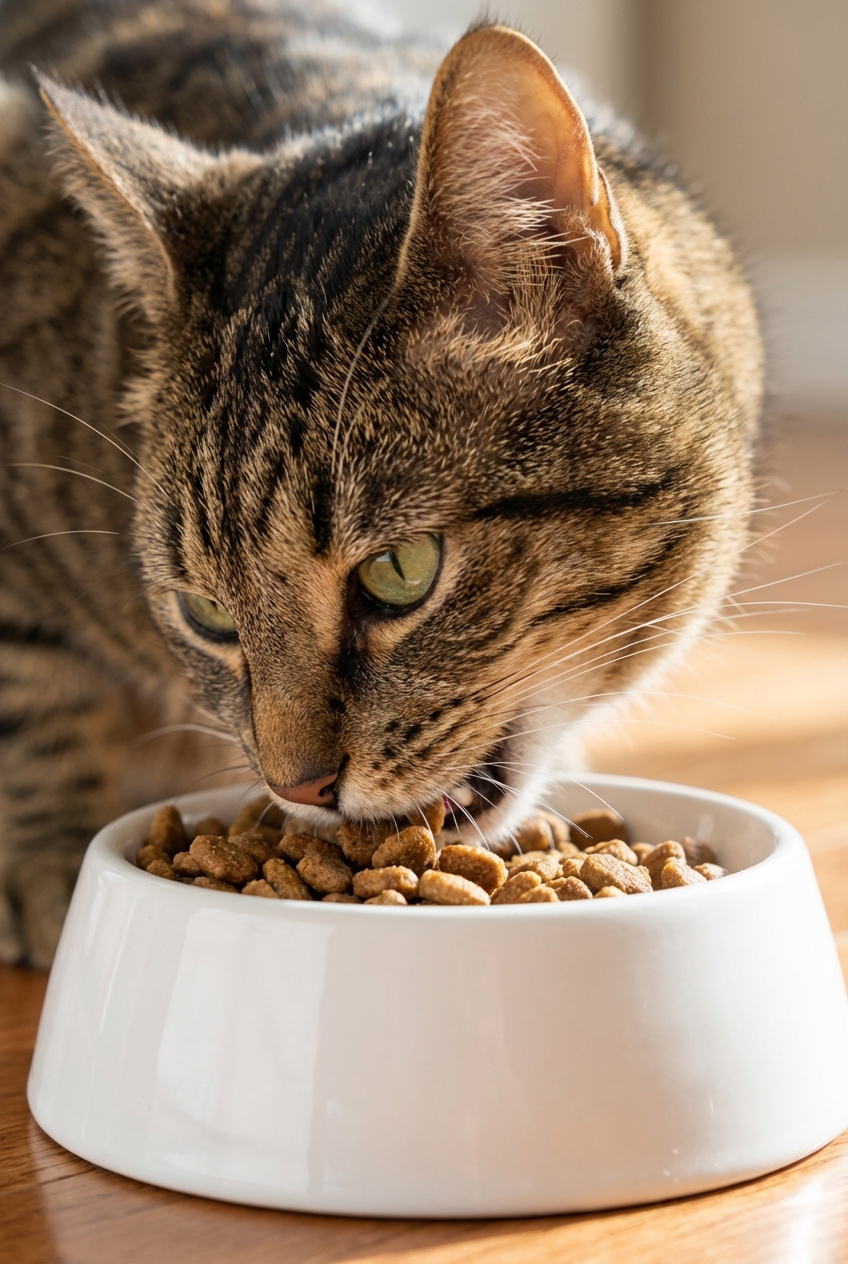
- Eating too fast (swallowing air along with food)
- Diet changes (even switching between flavors of the same brand can do it for some cats)
- People food or rich treats, especially dairy, fatty foods, or seasoning-heavy foods
- Hairballs and heavy grooming, which may irritate the stomach or change gut movement in some cats
Food sensitivities and digestion trouble
Cats are obligate carnivores. That means their bodies are built to digest animal protein and fat efficiently, and they may struggle more with certain carbohydrates, gums, and high-fiber add-ins. Some cats also react to specific proteins (like chicken or fish) or to richer treats .
If the gut has difficulty breaking something down, bacteria in the intestines ferment it. Fermentation produces gas, and that gas can be very smelly.
Is smelly cat gas normal?
Unfortunately, yes. Even a healthy cat can produce a truly impressive odor. That said, very foul gas that is new, happens daily for several days, becomes frequent, or shows up with other symptoms is worth paying attention to.
A quick rule of thumb I share with pet parents: one odd toot is usually no big deal. A pattern is a clue.
When gas is a warning sign
Contact your veterinarian if you notice gas along with any of the following:
- Diarrhea or very soft stool
- Vomiting (more than an occasional hairball, or more than once in a day)
- Blood or mucus in stool
- Straining to poop, or constipation
- Loss of appetite or new picky eating
- Weight loss or poor coat quality
- Abdominal pain (hunched posture, hiding, growling when picked up)
- Excessive gurgling sounds or visible bloating
These can point to issues like parasites (including Giardia or roundworms) , food intolerance, inflammatory bowel disease, pancreatitis, or other gastrointestinal conditions that need proper diagnosis and treatment.
Gas is not a diagnosis. It is a symptom. The goal is to find the pattern and the cause.
Get help sooner
Seek veterinary advice sooner than later if your cat is a kitten, a senior, has a known GI condition, may have eaten something they should not (string, toys, plants), has a swollen belly, seems painful, or cannot keep food down.
How to reduce cat gas at home
If your cat seems otherwise healthy, these steps can make a real difference. Go slowly and make one change at a time so you can tell what helped.
1) Slow down fast eating
- Try a puzzle feeder or slow feeder bowl
- Offer smaller, more frequent meals
- Separate cats at mealtime if competition causes scarfing
2) Transition food gradually
In day-to-day practice, diet changes are a very common reason veterinarians see gas and diarrhea.
- Days 1 to 3: 25% new food, 75% current food
- Days 4 to 6: 50% new food, 50% current food
- Days 7 to 9: 75% new food, 25% current food
- Days 10+: 100% new food
If your cat has a sensitive stomach, stretch this transition to 2 to 3 weeks.
3) Review treats and table scraps
Many cats cannot tolerate dairy well, even if they love it . Rich treats can also trigger gas. Keep treats simple, species-appropriate, and limited to a small percentage of daily calories.
4) Ask your vet about probiotics
Some cats benefit from veterinary-formulated probiotics, especially after stress, antibiotics, or a diet change. Ask your vet which product and dose is appropriate. Avoid using human probiotics unless your veterinarian specifically recommends them.
5) Address hairballs
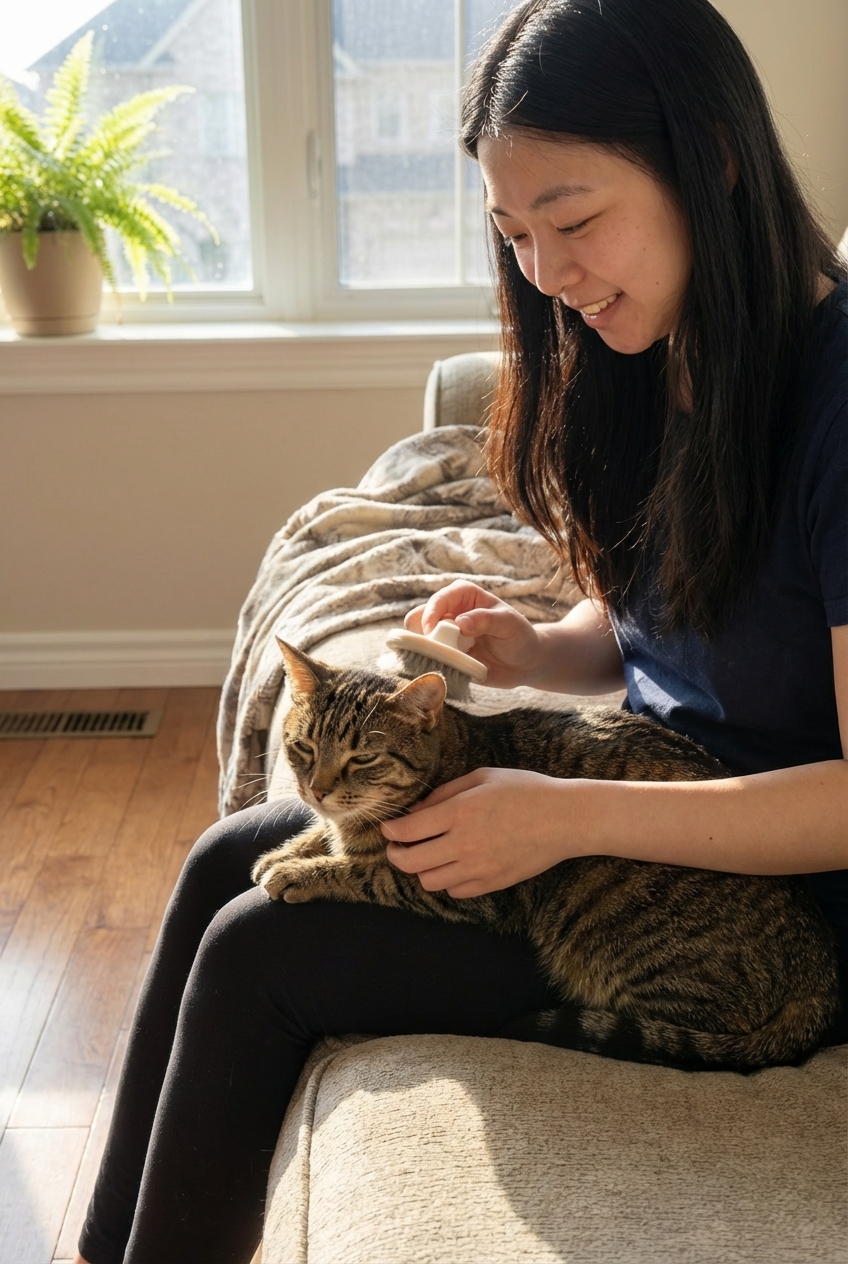
Regular brushing can reduce swallowed hair. In some cats, a vet-recommended hairball remedy or a diet designed for hairball control helps stool move more smoothly .
What not to do
- Do not give over-the-counter gas meds (including simethicone) unless your vet tells you to.
- Do not use essential oils or “detox” remedies. Cats are more sensitive to many ingredients than people realize.
- Do not abruptly fast your cat to “reset” their stomach. Cats can get sick if they stop eating, especially if they are overweight.
- Do not switch foods repeatedly trying to solve it quickly. More changes can mean more upset.
Silent but frequent farts
Silent gas can still be meaningful. Cats often pass small amounts of gas without obvious sound. If you notice it frequently, or you are smelling it regularly in a small space, treat it like a pattern and do a quick check-in:
- Has the food or treat routine changed?
- Is stool normal in color, shape, and frequency?
- Any vomiting, decreased appetite, or hiding behavior?
- Any new stressors (moving, visitors, new pets)?
If everything else is normal, try the at-home steps above for a week or so. If it is still happening daily, or if any red flags show up, it is time for a veterinary visit.
What your vet may check
If gas is persistent, your veterinarian may recommend:
- Physical exam to assess abdominal comfort and hydration
- Fecal testing to check for parasites (and sometimes Giardia) . Some clinics may add other tests depending on your cat’s history and symptoms.
- Diet trial with a novel protein or hydrolyzed diet
- Bloodwork to look for inflammation, organ function changes, or metabolic concerns
- Imaging (x-rays or ultrasound) if pain, vomiting, or bloating are present
That might sound like a lot, but the upside is this: once you identify the cause, many cats improve dramatically with the right food and targeted support.
The bottom line
Cats do fart, and most of the time it is normal. But gas that is frequent, newly very foul-smelling, or paired with diarrhea, vomiting, appetite changes, weight loss, bloating, or discomfort deserves attention.
Start with simple, cat-friendly fixes like slowing meals and making diet changes gradually. If your gut says something is off, trust it and call your veterinarian. Your cat cannot tell you their stomach hurts, but their digestion often tells the story.