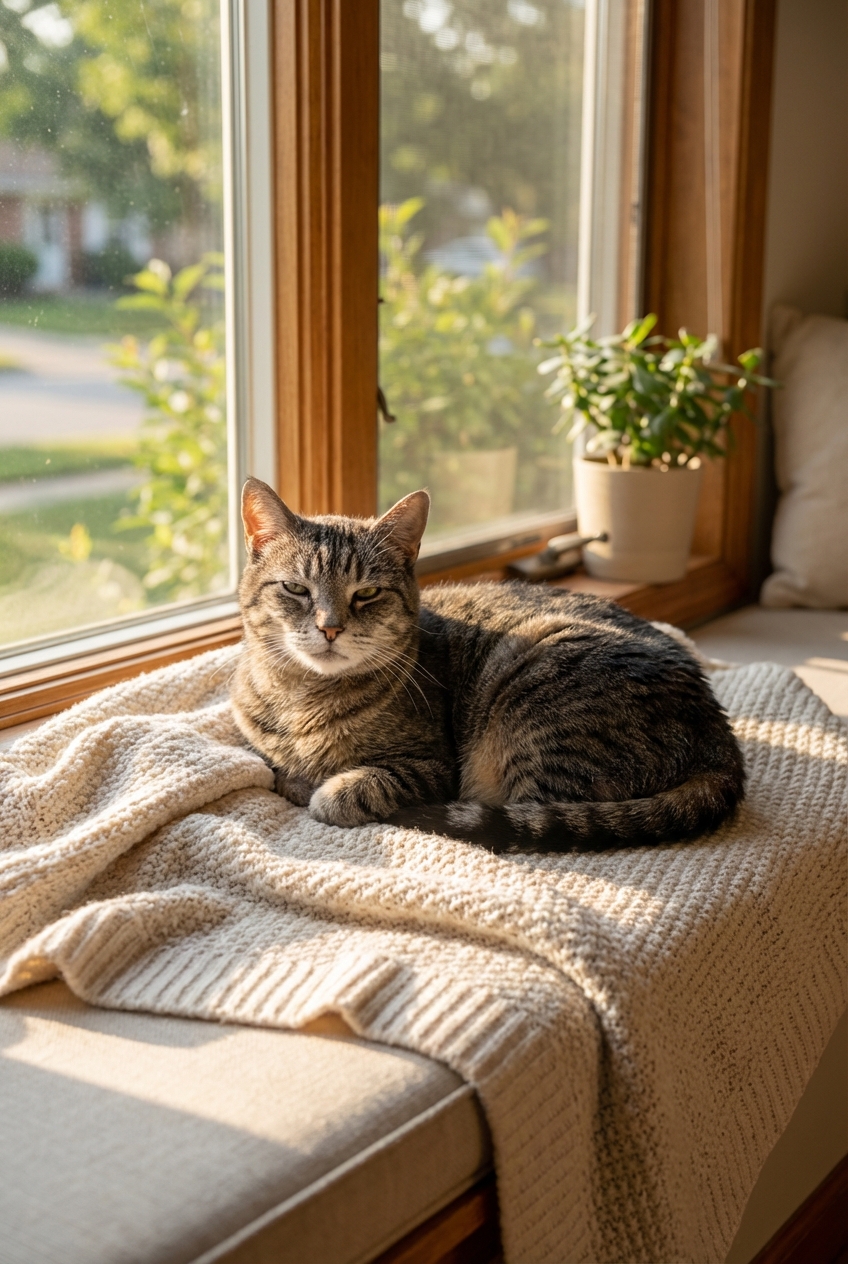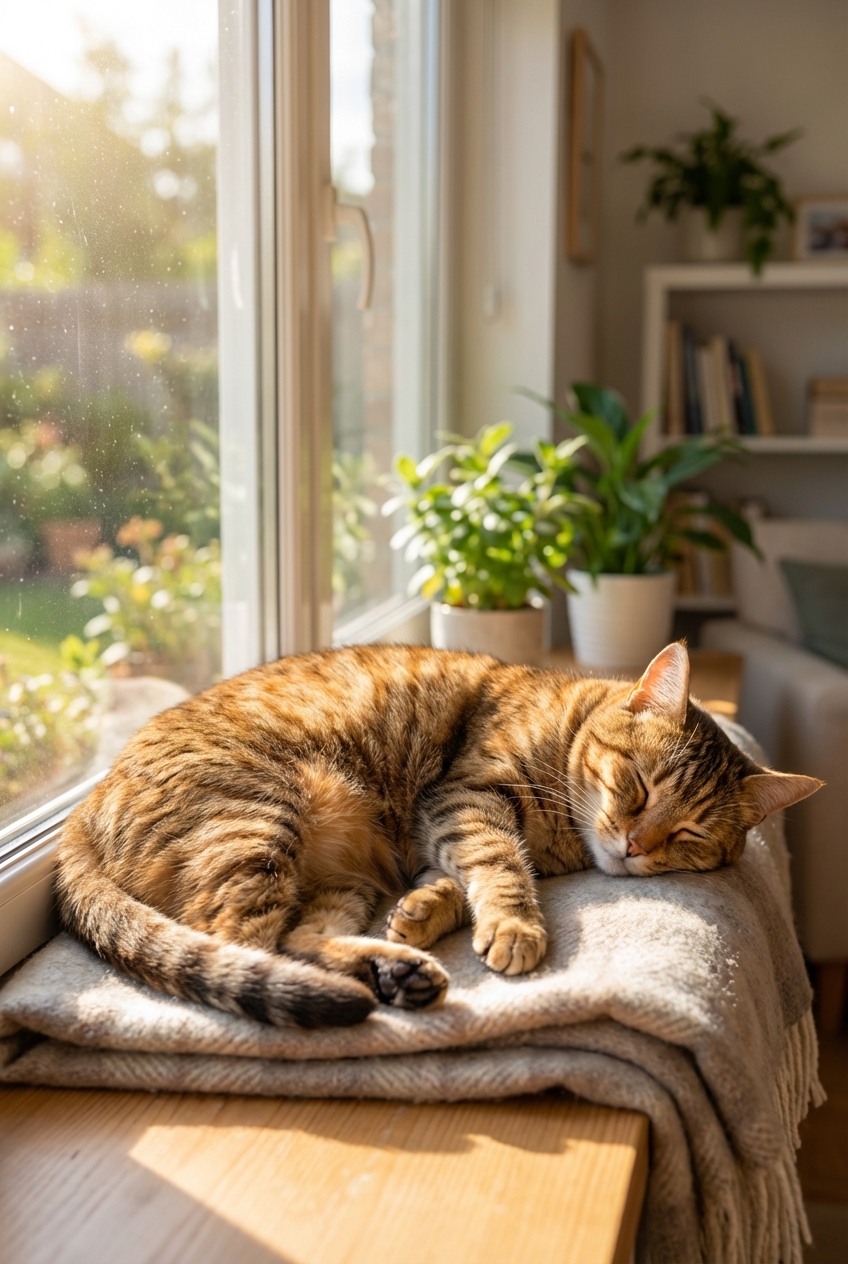
Cats may sleep 12–16 hours daily, but sudden changes can signal lethargy. Learn red flags, simple at-home checks, and when to call your vet or seek urgent ...
Article
•
Designer Mixes
Do Cats Dream?

Shari Shidate
Designer Mixes contributor
If you have ever watched your cat snoozing with tiny paw twitches or whiskers quivering, you have probably wondered: do cats dream? While we cannot ask a cat what they saw in their sleep (or prove dream “storylines”), the science of feline sleep strongly suggests that cats experience dream-like brain activity, especially during a stage called REM sleep.
As a veterinary assistant, I love this topic because it connects everyday “cute cat moments” to real, measurable biology. Let’s walk through your cat’s sleep cycle, what those sleepy movements likely mean, and when sleep behaviors could signal a health concern.
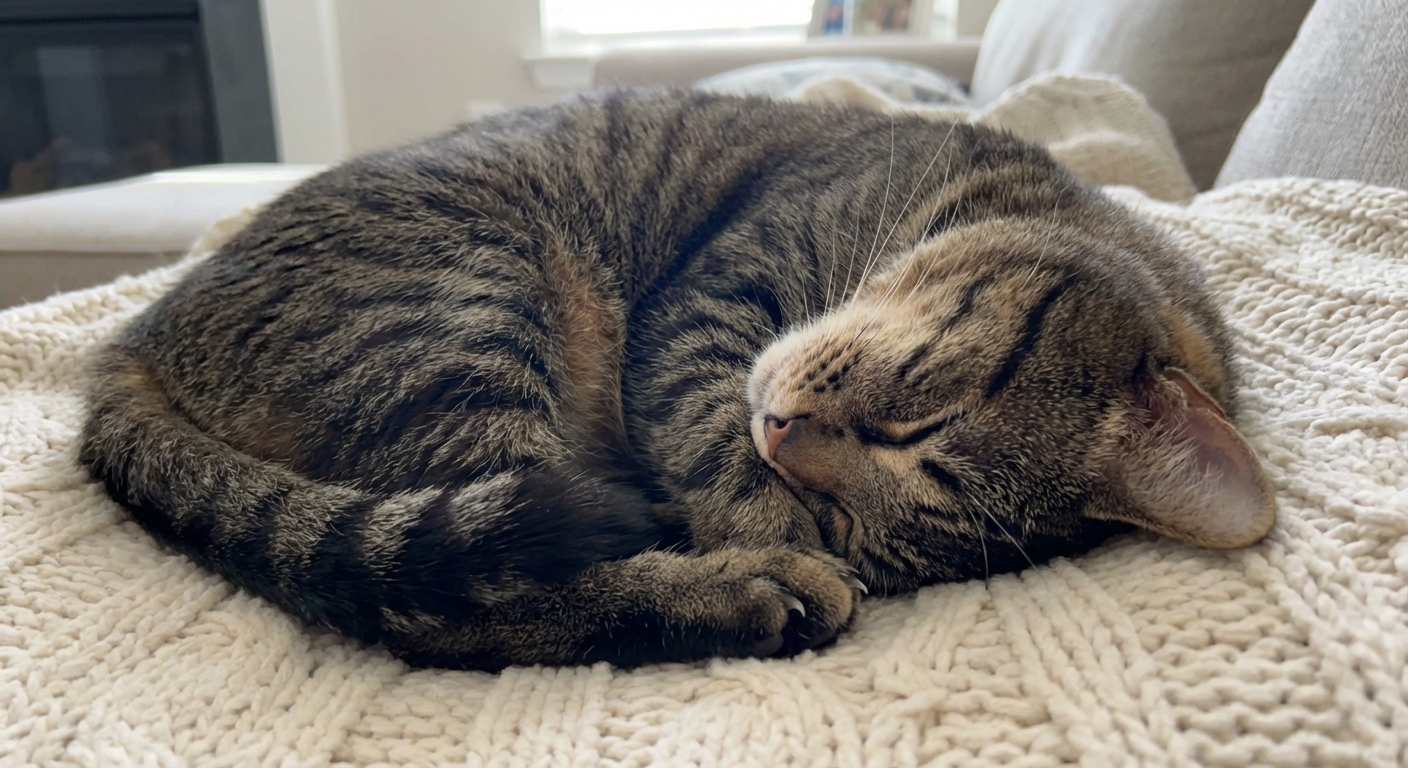
Yes, cats likely dream
Dreaming is most closely linked with REM (rapid eye movement) sleep in humans. During REM, the brain is highly active, and most skeletal muscles are kept in a state of near-complete relaxation (called REM atonia). This helps prevent the body from fully acting out whatever the brain is processing. Some muscles still work normally, like those needed for breathing, and small twitches can still happen.
Cats also cycle through non-REM and REM sleep. Researchers have identified REM sleep in cats using EEG (electroencephalography) patterns in research settings. Because REM is strongly associated with dreaming across many mammals, the most evidence-based answer is: cats very likely dream, especially during REM sleep. We infer this from brain activity and behavior during REM, even though we cannot directly confirm dream content.
What might they dream about? Most likely daily experiences and instinctive behaviors: stalking, chasing, climbing, playing, and eating.
Your cat’s sleep cycle
Cats are champion sleepers. Many adult cats sleep roughly 12 to 18 hours per day, and some sleep even more depending on age, activity level, environment, and health. They are also crepuscular, meaning they tend to be most active around dawn and dusk, which helps explain why a cat can snooze all afternoon and still zoom at bedtime.
Non-REM sleep
Non-REM includes lighter and deeper stages. Overall, it is usually a quieter phase of sleep where brain activity slows compared with waking life, and the body focuses on restoration and energy conservation.
- Breathing tends to be steady.
- Muscles are relaxed, with fewer twitches.
- During deeper non-REM stages, they may be harder to wake with noise or touch.
REM sleep
REM sleep is an “active brain” stage. In terms of arousal threshold, REM is often a lighter stage (many cats can wake more easily), even though the brain is busy. In cats, REM can occur multiple times per sleep session, often in short bursts.
- Eyes may move under the eyelids.
- Whiskers, ears, tail, or paws may twitch.
- Soft vocalizations (tiny mews or chirps) can happen.
Those little movements are one reason people suspect cats are dreaming. The brain is active, but the body is largely prevented from fully acting it out.
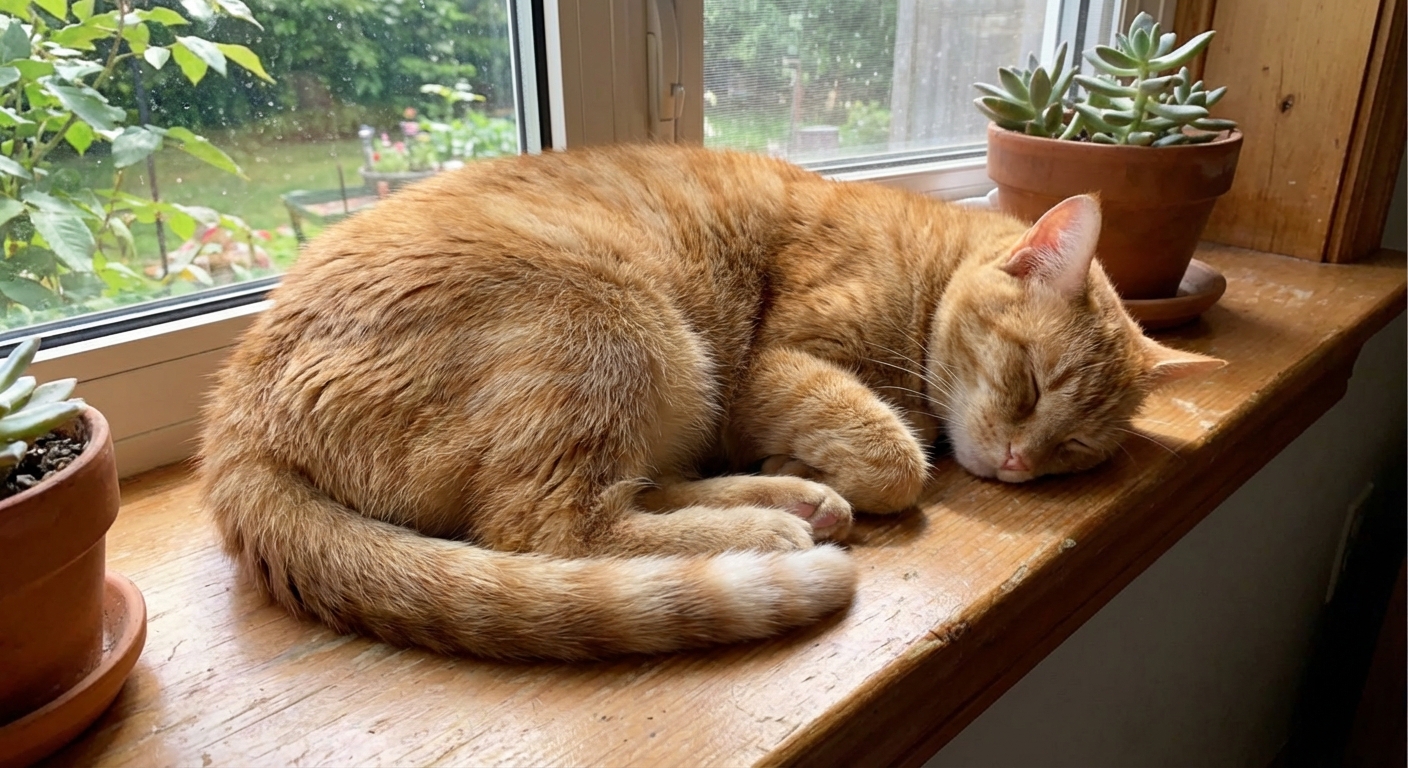
What twitching in sleep means
Small movements during sleep are typically normal. Common signs you may see during REM include:
- Paw paddling or a brief “running” motion
- Tail tip flicks
- Ear swivels as if tracking a sound
- Whisker tremors
- Gentle jaw movement, like tiny chews
Most of the time, this is just a healthy sleep cycle. If your cat looks peaceful and returns to normal behavior when awake, you can usually enjoy the cuteness and let them rest.
If you are trying to tell normal REM twitching from something more concerning, a simple at-home clue is responsiveness. Many cats can be gently awakened from a normal dream-twitch episode and will act like themselves right away. With a seizure or certain neurologic events, pets may be difficult to interrupt and can seem confused or disoriented afterward. Only a veterinarian can diagnose the cause, but this is a helpful observation to share.
Kittens vs adult cats
Kittens tend to have more REM sleep than adult cats, and they may twitch and squirm more during naps. That fits with how quickly young animals develop and how much their brains are processing as they learn the world.
Senior cats may also sleep more overall, but changes in sleep quality or patterns in older cats can sometimes be related to pain, thyroid disease, cognitive changes, or other medical issues. If sleep suddenly looks different in an older cat, it is worth mentioning to your veterinarian.
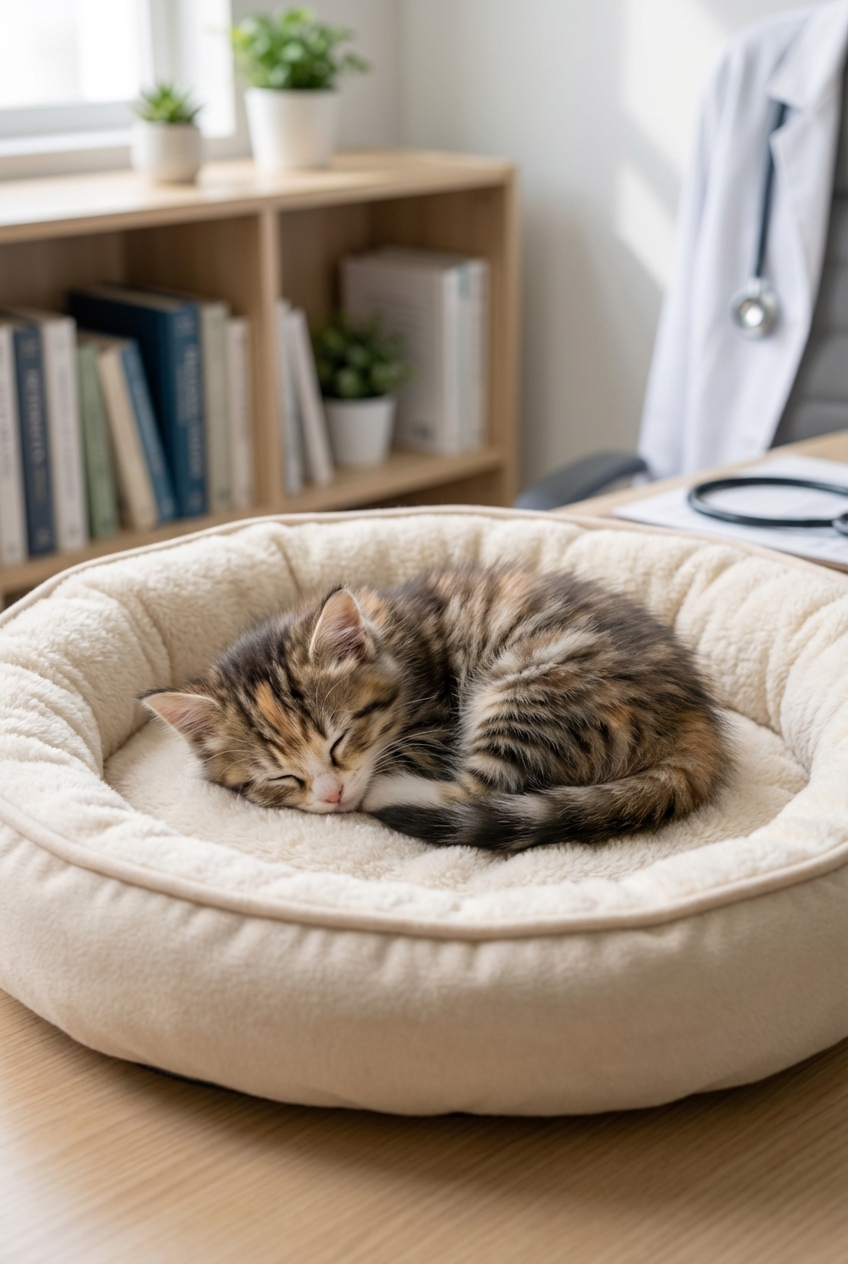
Sleep positions
Cats choose sleeping positions based on comfort, temperature, and how safe they feel. Individual personality matters too, so use these as gentle clues, not firm rules.
- Curled into a tight ball: conserving warmth, protecting the belly, common in cooler rooms or when resting lightly.
- Belly up, legs relaxed: often a sign of comfort and safety, though some cats simply prefer it.
- Loaf position (paws tucked): restful, but ready to move if needed.
- Stretched out: cooling down, relaxing muscles, deep comfort.
No single position proves dreaming, but it can give you helpful context about your cat’s comfort level and environment.
When it is not normal
Most twitching is harmless, but there are a few scenarios where you should pay closer attention.
Call your veterinarian if you notice:
- Violent thrashing or repeated episodes where your cat seems distressed during sleep (this can be caused by several issues, including pain, neurologic events such as seizures, or REM sleep behavior disorder)
- Stiffening, loss of bladder or bowel control, drooling, or disorientation after an episode (can be seen with seizures and other neurologic problems)
- Sudden changes in sleep habits, especially with appetite or weight changes or increased vocalization
- Breathing concerns such as open-mouth breathing, wheezing, loud or new snoring, or labored effort while asleep (in some cats this can be related to airway anatomy, obesity, or heart and lung conditions)
- Excessive sleepiness plus hiding, limping, or behavior changes (pain and illness can cause this)
If you are unsure, it is perfectly okay to take a short video of the episode to show your veterinarian. Videos are incredibly helpful for distinguishing normal REM twitching from something that needs medical care.
Support better sleep
Sleep is not just downtime. It is part of your cat’s physical and mental wellness. A few simple steps can help:
- Create a quiet resting space: a soft bed in a low-traffic area can reduce startle-waking.
- Encourage daily play: short play sessions (even 5 to 10 minutes) support natural hunt-rest cycles.
- Feed a consistent diet and schedule: routine helps regulate activity and rest patterns.
- Keep up with preventive vet care: dental disease, arthritis, obesity, and thyroid issues can all affect sleep quality.
- Watch the litter box: changes in urination or stool can signal discomfort that interrupts sleep.
And one gentle reminder: if your cat is deep in REM and twitching, it is usually best not to wake them unless you truly need to. Let them finish their very important rest.
Bottom line
Based on what we know about feline sleep cycles and REM brain activity, cats very likely dream. Those tiny twitches and whisker wiggles are usually a normal part of healthy sleep. Enjoy the moment, take note of any unusual changes, and when in doubt, check in with your veterinarian.