Use this vet-informed puppy vaccine timeline to stay on track with DHPP and rabies, add lifestyle vaccines as needed, and learn safe socialization plus what ...
Article
•
Designer Mixes
Distemper in Dogs Symptoms

Shari Shidate
Designer Mixes contributor
Canine distemper is one of those words that makes veterinary teams pause, because it can move fast, hit multiple body systems, and be heartbreaking when it is severe. The good news is that distemper is also one of the most preventable serious diseases we see, thanks to vaccination and smart puppy care.
In this guide, I will walk you through the most common distemper in dogs symptoms, what to do if you suspect it, what care typically looks like, and how to protect your dog and any other pets at home.

What distemper is
Canine distemper is caused by the canine distemper virus (CDV). It is contagious and spreads mainly through respiratory droplets and aerosolized secretions in close quarters, like coughing and sneezing.
Indirect spread can also happen through contaminated hands, clothing, bowls, or surfaces, but close contact and shared air are typically the main drivers. CDV is an enveloped virus, which means it is generally easier to kill with common disinfectants than hardier viruses like parvovirus.
Distemper can affect:
- Respiratory system (nose, throat, lungs)
- Gastrointestinal tract (stomach and intestines)
- Nervous system (brain and spinal cord)
- Skin and eyes
Some dogs recover with supportive care, while others develop long-term neurologic problems. Severity depends on the dog’s immune response, vaccination status, and how quickly care begins.
How dogs catch distemper
Distemper is most common in:
- Puppies who are too young to be fully vaccinated
- Unvaccinated dogs of any age
- Dogs with unknown vaccine history (rescues, strays)
- High-exposure environments like shelters, dog parks, daycare, grooming, or multi-dog homes with frequent visitors
Wildlife can also carry strains that impact dogs. Raccoons, skunks, foxes, and coyotes are often mentioned because they can contribute to local exposure risk.

Incubation period
The incubation period is often about 1 to 3 weeks from exposure to noticeable illness. This is one reason distemper can feel like it “came out of nowhere” and why tracking where your dog has been in the past few weeks can help your veterinarian assess risk.
Symptoms may start mild and then worsen over days. In some dogs, neurologic signs can show up later, even after the respiratory or digestive signs seem to improve.
Distemper in dogs symptoms
Distemper symptoms can look like several common illnesses at first, which is why early veterinary evaluation matters.
Early signs
- Fever (may come and go)
- Low energy, depression, sleeping more
- Reduced appetite
- Watery eyes, squinting, eye redness
- Runny nose (often starts clear, can become thicker)
- Coughing or noisy breathing
Digestive signs
- Vomiting
- Diarrhea
- Dehydration (dry gums, tacky saliva, sunken eyes)
Neurologic signs (more concerning)
When distemper affects the nervous system, symptoms can become more serious and may be long-lasting even in survivors.
- Muscle twitching or rhythmic jerking (myoclonus)
- Wobbliness, stumbling, weakness
- Head tilt or abnormal eye movements
- Seizures
- Behavior changes, confusion, sensitivity to touch
Skin and paw pad changes
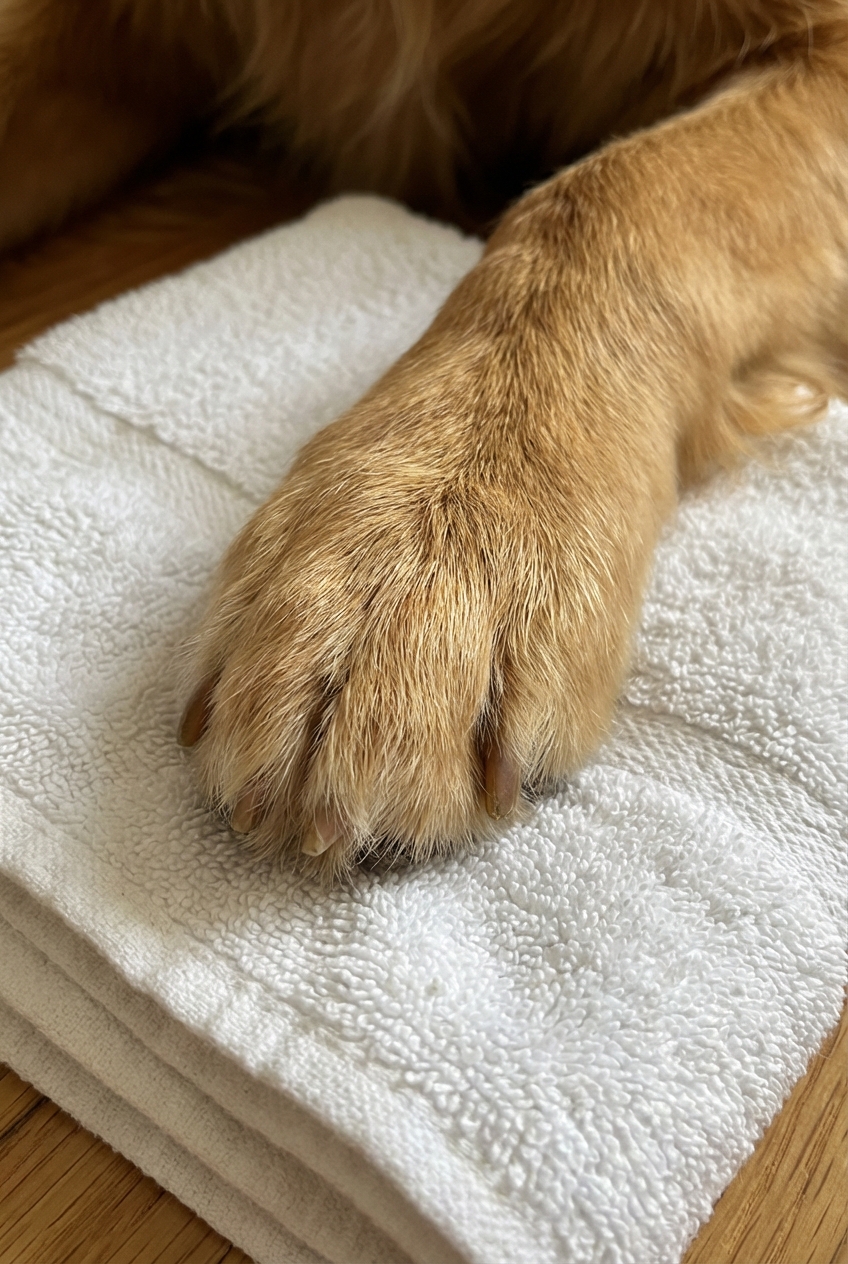
- Thickening or hardening of paw pads (sometimes called “hard pad” disease)
- Thickened nose in some cases
Important: Not every dog will show every symptom. Some dogs have mostly respiratory signs, others have GI upset, and some present later with neurologic symptoms.
When to seek emergency care
Please do not “wait and see” if your dog is unvaccinated or under-vaccinated and shows signs that could fit distemper. Call a veterinarian the same day.
Go to an emergency clinic now if you see:
- Seizures
- Severe lethargy or collapse
- Difficulty breathing, blue or gray gums
- Repeated vomiting or diarrhea, especially with dehydration
- Any neurologic signs such as twitching, stumbling, or sudden confusion
What to do if you suspect distemper
1) Isolate your dog right away
Keep your dog away from other dogs (and ferrets) until a veterinarian tells you it is safe. Distemper is contagious, and isolation helps protect other pets in your home and community.
- No dog parks, daycare, training classes, grooming, or playdates
- Use a separate room if possible
- Do not share bowls, toys, bedding
2) Call your veterinarian before you arrive
Let the clinic know you are concerned about a contagious illness. This helps them plan safe intake procedures for you, your dog, and other patients.
3) Avoid giving leftover medications
Human cold and flu medications can be dangerous for dogs, and antibiotics do not treat viruses. Your veterinarian can prescribe supportive medications that fit your dog’s symptoms.
How veterinarians diagnose distemper
Diagnosis can involve a combination of:
- History (age, vaccination status, exposure risk)
- Physical exam (eyes, nose, lungs, hydration, neurologic exam)
- Lab tests such as bloodwork
- Specific distemper testing, often using PCR testing on samples like conjunctival or nasal swabs, and sometimes whole blood or urine (test options vary by clinic and region)
Because symptoms overlap with other infections, your veterinarian may also test for other causes of respiratory and gastrointestinal disease (for example, kennel cough complex, pneumonia, or parvovirus in young puppies with severe GI signs).
One practical note: recent modified-live vaccination can complicate interpretation of some distemper test results. Your veterinarian will factor vaccine timing into the plan.
Distemper care and treatment
There is no simple at-home cure for distemper, and there is no one medication that “kills” the virus. Treatment focuses on supporting the body, preventing complications, and managing symptoms while the immune system does its job.
Supportive care may include
- Fluids for dehydration (often IV fluids for moderate to severe cases)
- Anti-nausea medications and GI support as needed
- Anti-diarrheal medications only when appropriate and veterinarian-directed (they are not right for every situation)
- Nutrition support to maintain calories and strength
- Antibiotics only if there is concern for secondary bacterial infections, like pneumonia
- Nebulization or oxygen support if breathing is affected
- Seizure control medications if neurologic symptoms occur
- Eye medications for conjunctivitis or eye discomfort
Some dogs need hospitalization. Others can be managed at home with close supervision, depending on severity and your veterinarian’s plan.

Home care tips (only with veterinary guidance)
If your veterinarian approves home care, these practical steps can make a big difference.
Keep your dog hydrated
- Offer fresh water frequently.
- Ask your vet whether an oral rehydration strategy is appropriate for your dog.
- Watch for dehydration signs: dry gums, sticky saliva, weakness.
Support nutrition gently
Small, frequent meals are often easier than one big meal. If your dog has vomiting or diarrhea, ask your veterinarian what diet is best. In many cases, a bland, easily digestible diet is recommended short-term, but the plan should fit your dog’s specific symptoms.
Reduce stress and stimulation
Quiet rest helps healing. Keep lights soft, voices calm, and activity minimal. If neurologic symptoms are present, discuss safety strategies to prevent falls or injury.
Track symptoms daily
Write down:
- Temperature if your vet recommends checking it
- Appetite and water intake
- Vomiting or diarrhea frequency
- Coughing severity
- Any twitching, wobbliness, or seizures
This log helps your veterinarian adjust care quickly.
Is distemper contagious to people or cats?
People: Canine distemper is not considered zoonotic. There is no evidence it infects humans.
Cats: Cats do not get canine distemper. You may hear the term “feline distemper,” but that is a different disease called feline panleukopenia (a parvovirus).
Ferrets: Ferrets are highly susceptible to canine distemper, and infection is often fatal. If you have ferrets in the home, tell your veterinarian right away so you can get clear isolation guidance.
Even though humans are not the target species, people can still carry infectious secretions on hands, clothing, shoes, and gear. Good hygiene helps reduce accidental spread between pets.
Cleaning and quarantine basics
Your veterinarian will guide you on isolation duration, but in general, plan to be cautious. Dogs can continue to shed virus for weeks after illness, and the right timeline depends on your dog’s course and your household risk.
Cleaning is important, but it can also be reassuring to know this: CDV is an enveloped virus, so it is generally easier to inactivate with standard disinfectants than parvovirus. That said, it can survive longer in cool, damp conditions, so thorough cleaning still matters.
- Wash hands after handling your sick dog.
- Use separate leashes, bowls, bedding, and toys.
- Clean surfaces that may have mucus or saliva.
- Ask your vet which disinfectants are appropriate and safe for your home (many clinics recommend options like dilute bleach solutions or accelerated hydrogen peroxide products, used correctly).
- Keep good ventilation and launder fabrics on hot settings when possible.
Prevention: vaccines are the real game changer
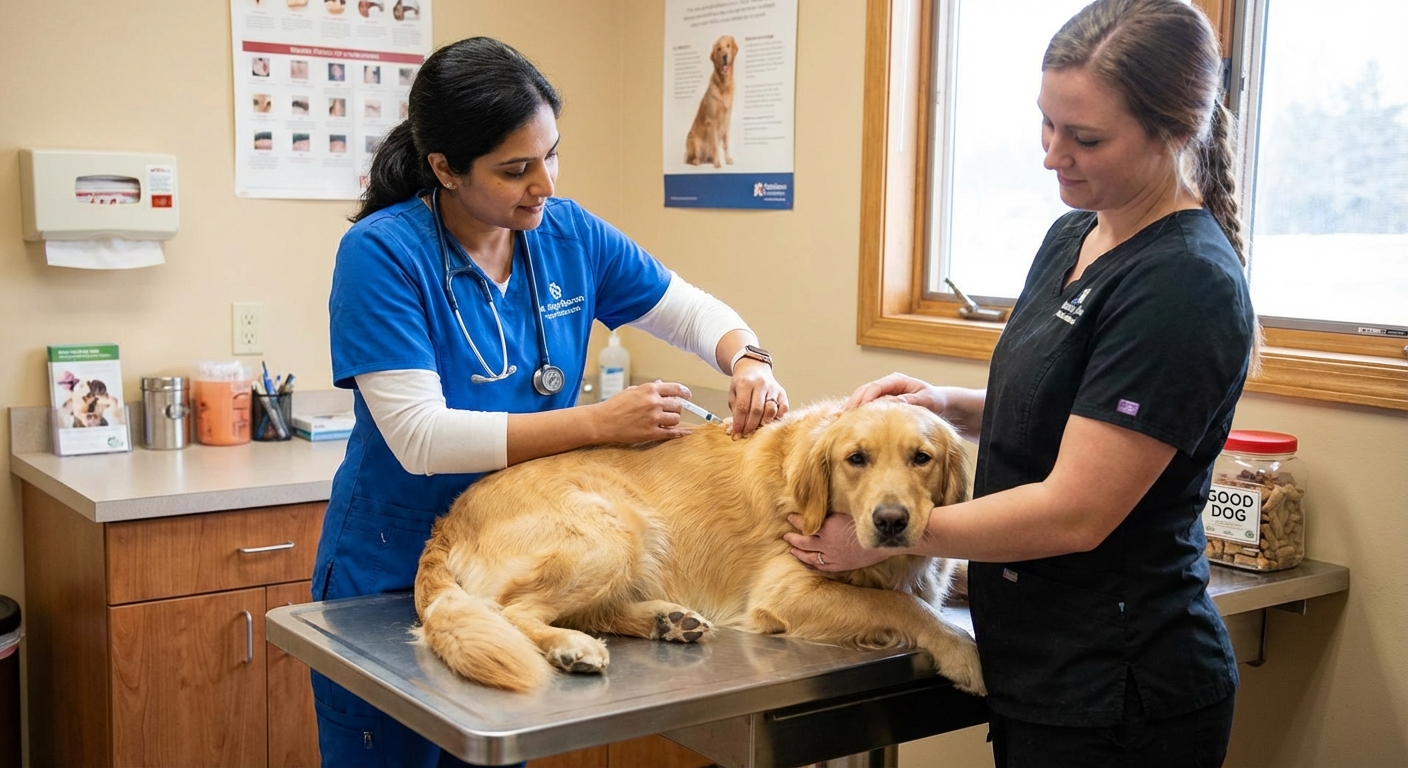
Vaccination is the single best protection against canine distemper. Most dogs are vaccinated using the DHPP vaccine series (distemper, adenovirus, parvovirus, and parainfluenza).
Puppy vaccine timing (general guidance)
Puppies usually need a series of vaccinations because maternal antibodies can interfere with early protection. A common approach is vaccination every 2 to 4 weeks until at least 16 weeks of age, but your veterinarian will set a schedule based on your puppy’s age and risk factors.
Adult dogs
Many dogs get a booster about 1 year after the puppy series, then boosters are often given every 3 years for core protection, depending on the product used and your veterinarian’s recommendations. If your dog is overdue or you adopted a dog with unknown history, your vet can recommend a safe catch-up plan.
If you are unsure whether your dog is protected, assume they are not and talk with your veterinarian. Distemper prevention is much easier than distemper treatment.
Frequently asked questions
Can a vaccinated dog get distemper?
It is uncommon, but no vaccine is perfect. Most vaccinated dogs have strong protection and, if they do get sick, the disease is often less severe than in unvaccinated dogs. Vaccine timing and immune status matter.
How long does distemper last?
It varies. Some dogs improve over days to weeks with supportive care, while neurologic symptoms can persist or appear later. Your veterinarian can give the best estimate based on your dog’s clinical course.
How long is a dog contagious?
It depends, but shedding can continue for weeks. Follow your veterinarian’s isolation instructions closely, especially if you have other dogs, puppies, or ferrets in the home.
Is distemper always fatal?
No, but it can be. Prognosis depends on severity, especially whether the nervous system is involved, and how quickly supportive care begins.
Takeaways
- Distemper can start like a simple cold but can become serious quickly.
- The incubation period is often 1 to 3 weeks, so exposure may have happened earlier than you think.
- Watch for fever, eye and nose discharge, coughing, vomiting, diarrhea, and especially neurologic signs like twitching or seizures.
- Isolate and call your veterinarian promptly if distemper is possible.
- Supportive veterinary care is essential.
- Vaccination is the best prevention.
If distemper is on your radar, bring your dog’s vaccine records, recent exposure history (parks, daycare, grooming, shelter intake), and a symptom timeline to your veterinary visit. It helps your veterinary team move faster and make safer decisions for everyone involved.