Vet-informed guide to a short-term bland diet for dogs: chicken and rice 1:2 ratio, daily cup ranges by weight, how many meals to split into, and red flags t...
Article
•
Designer Mixes
Diet for Dogs With Diarrhea

Shari Shidate
Designer Mixes contributor
Diarrhea is one of the most common reasons dog caregivers call a vet clinic, and I get it. It is messy, stressful, and it can make you worry fast. The good news is that many cases of mild diarrhea improve with the right short-term diet, smart hydration, and close observation.
This guide focuses on evidence-based nutrition steps you can use at home, plus clear signs that it is time to call your veterinarian. If your dog seems painful, weak, or just not themselves, get help sooner rather than later.
When diarrhea is an emergency
Diet can help uncomplicated cases, but diarrhea can also be a symptom of something serious like intestinal obstruction, pancreatitis, parvovirus, or toxin exposure. Contact a veterinarian promptly if you notice any of the following:
- Blood in the stool (bright red or black, tarry stool)
- Repeated vomiting, especially if your dog cannot keep water down
- Marked lethargy, collapse, pale gums, or severe weakness
- Bloated abdomen, repeated unproductive retching, or obvious abdominal pain
- Diarrhea lasting more than 24 hours in a puppy, senior dog, or any dog with chronic illness
- Known ingestion of toxins, spoiled food, foreign objects, bones, or medications
- Signs of dehydration: tacky or dry gums, sunken eyes, reduced urination, skin that "tents" and stays up, or worsening lethargy
- Fever, or diarrhea that continues beyond 48 hours even if your dog seems okay
Puppies and small dogs can dehydrate quickly, so if you are on the fence, call.
Infectious risk note: If your dog is a puppy, unvaccinated, or has been around other dogs (parks, daycare, shelters), call your veterinarian early. Some causes, including parvovirus and giardia, can spread to other pets and require prompt care.
What diarrhea can mean
Diarrhea often reflects intestinal irritation or inflammation, infection, diet change, stress, or impaired absorption of water and nutrients. Common triggers include:
- Dietary indiscretion (trash, greasy food, sudden diet change)
- Stress or excitement
- Parasites (like giardia or worms)
- Food intolerance or allergy
- Antibiotic side effects or other medications
- Viral or bacterial infection
- Chronic conditions (IBD, pancreatitis, endocrine disease)
The diet approach below is meant for mild, short-lived diarrhea in an otherwise bright, hydrated dog.
First priority: hydration
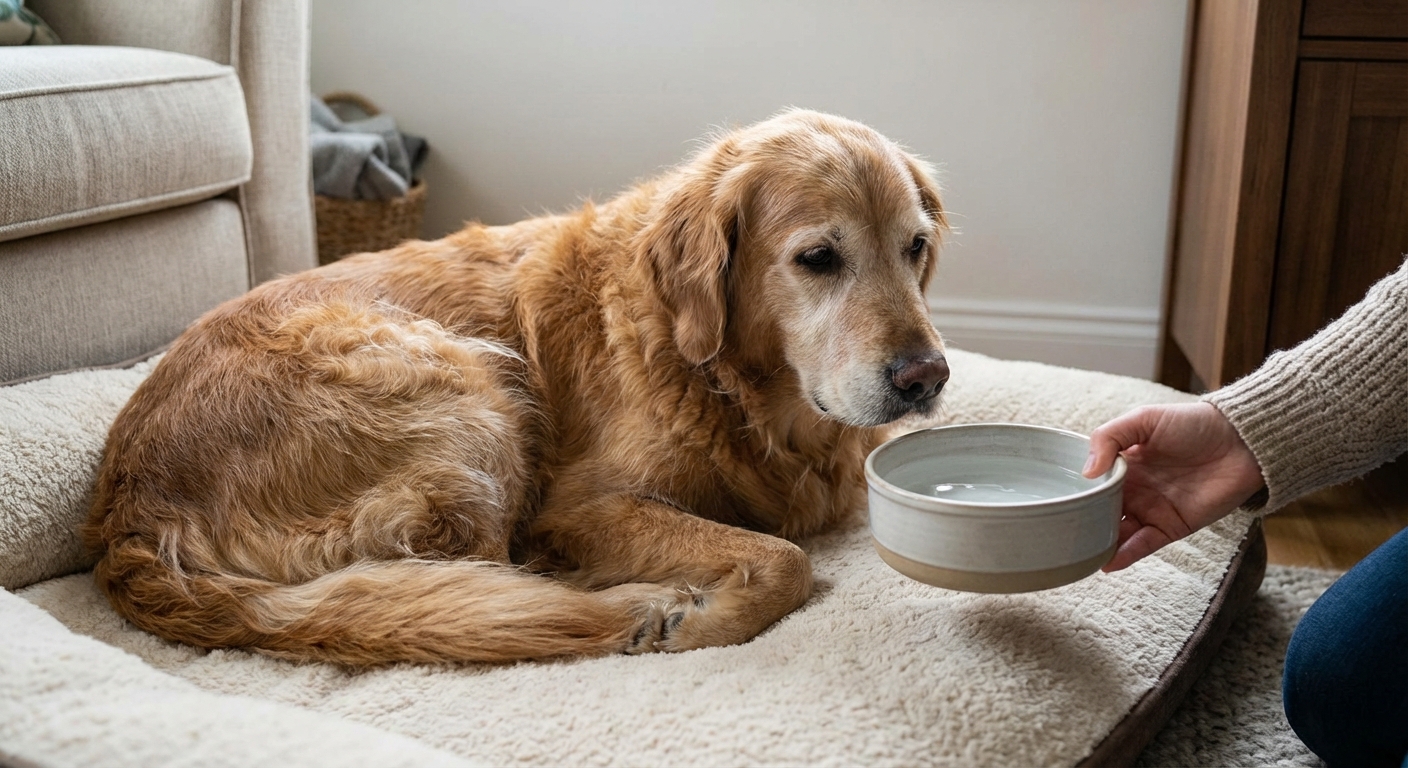
Loose stool pulls water and electrolytes out of the body. Before you worry about the perfect food, make sure your dog is drinking and can keep fluids down.
At-home hydration tips
- Offer fresh water frequently. Some dogs drink better from a wide bowl.
- If your dog is not vomiting, you can ask your veterinarian about offering a small amount of an unflavored pediatric electrolyte solution. Use only products that are xylitol-free and avoid formulations with added sweeteners or unfamiliar ingredients. Electrolyte products are not appropriate for some dogs (for example, certain heart, kidney, or endocrine conditions, or dogs on sodium restriction).
- Encourage drinking with low-sodium broth made from plain meat and water, with all fat skimmed off. Avoid onion and garlic in broths. If your dog has a history of pancreatitis or reacts to fatty foods, skip broth unless your veterinarian approves it.
- Ice cubes or crushed ice can help dogs who gulp and then vomit.
If your dog is vomiting repeatedly, do not push fluids at home. That is a vet visit.
The 24 to 72 hour diet plan
For many dogs, the winning formula is simple: feed small, bland, low-fat meals that are easy to digest, then transition back gradually once stools normalize.
Step 1: Consider whether to pause food
For healthy adult dogs who are bright and not vomiting, some veterinarians may recommend a short 8 to 12 hour pause from food to let the intestine settle. Others prefer starting small bland meals right away. If you are unsure, skip fasting and start with small bland meals.
- Do not fast puppies, toy breeds prone to low blood sugar, pregnant dogs, or dogs with diabetes or other medical conditions unless your veterinarian instructs you to.
Step 2: Start small and frequent
Feed 4 to 6 small meals per day for the first day. Smaller portions are gentler on the gut and can reduce urgency.
How much to feed: As a general guide, start with about 25 to 50% of your dog’s usual daily amount (or daily calories) divided into 4 to 6 small meals for the first 24 hours, then increase toward normal over the next 1 to 2 days as stools firm up. If your dog is very small, has other health conditions, or seems unusually hungry or weak, check in with your veterinarian for a more specific plan.
Bland diet options
Choose one protein and one carbohydrate for 2 to 3 days.
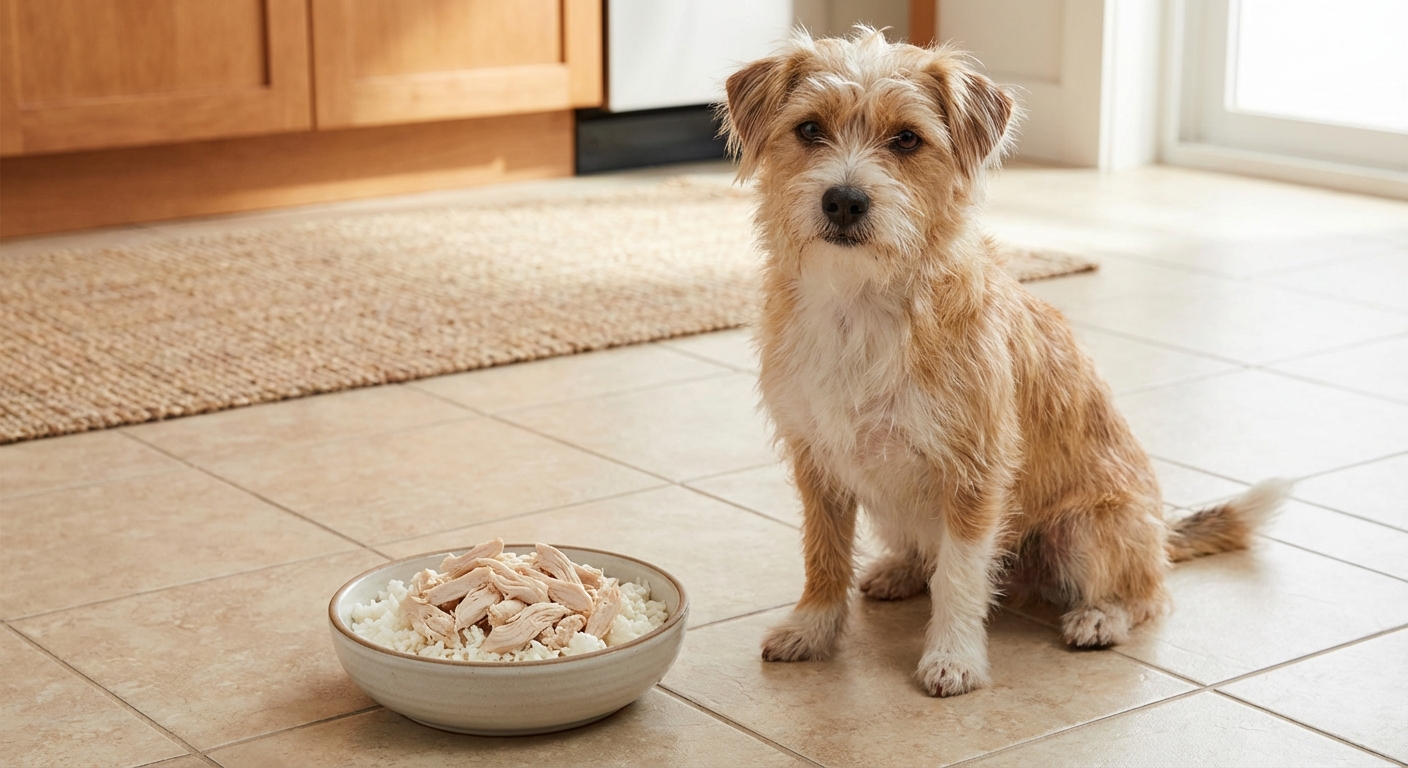
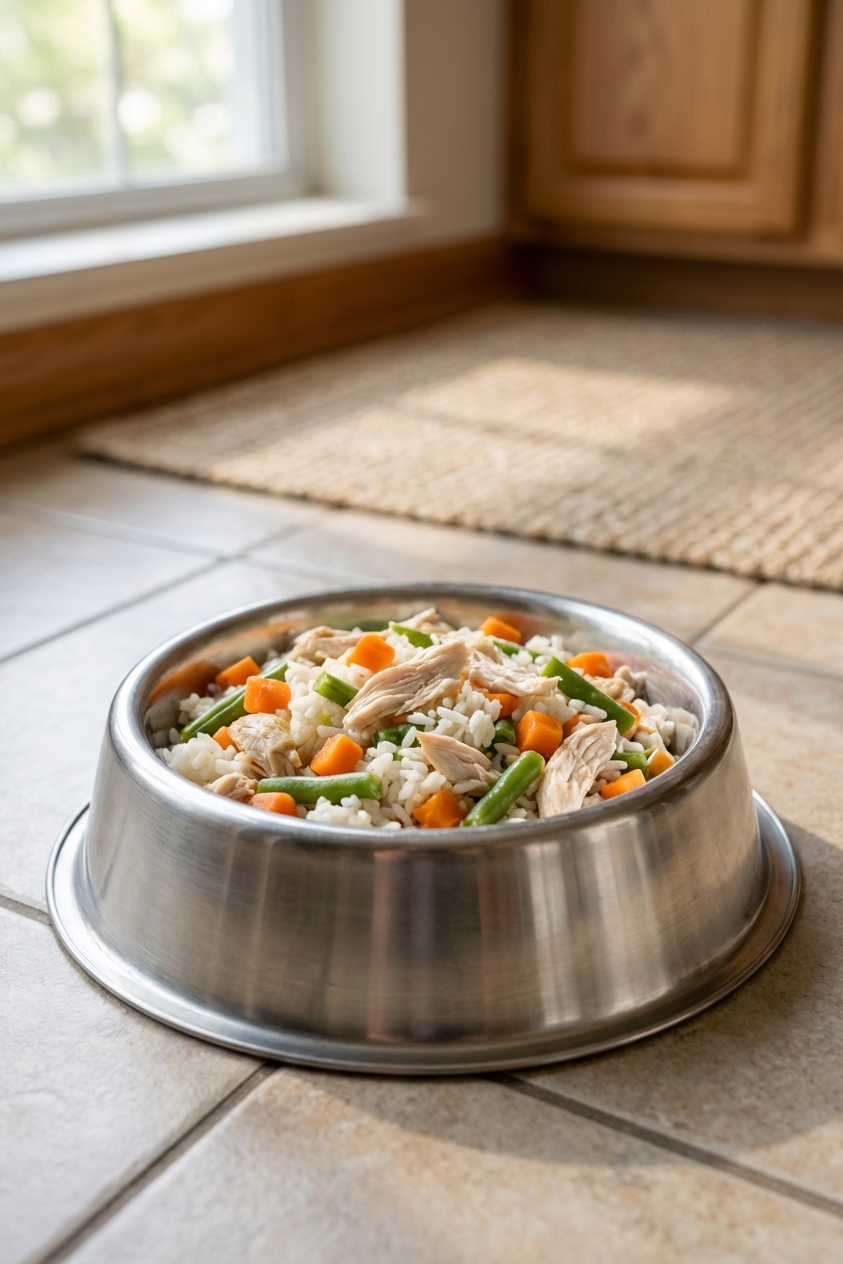
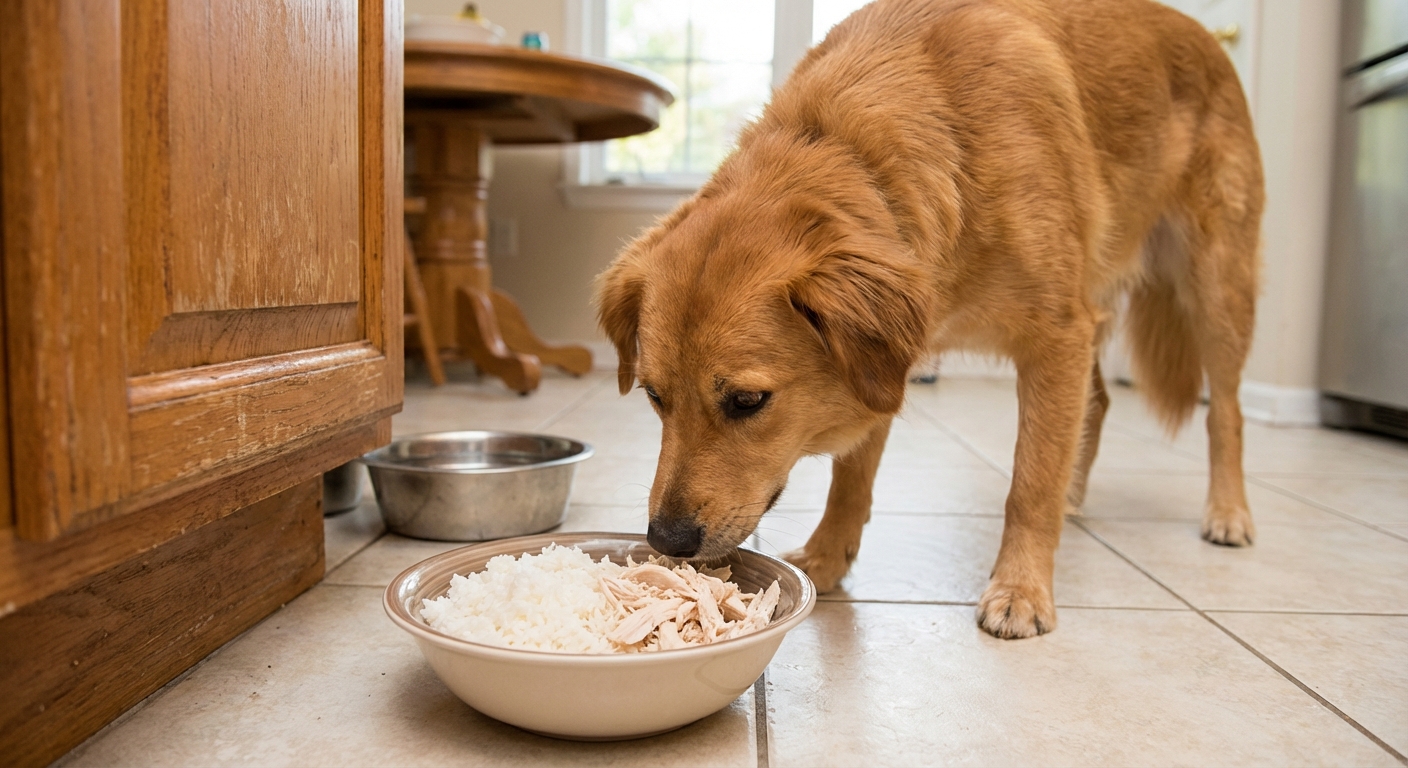
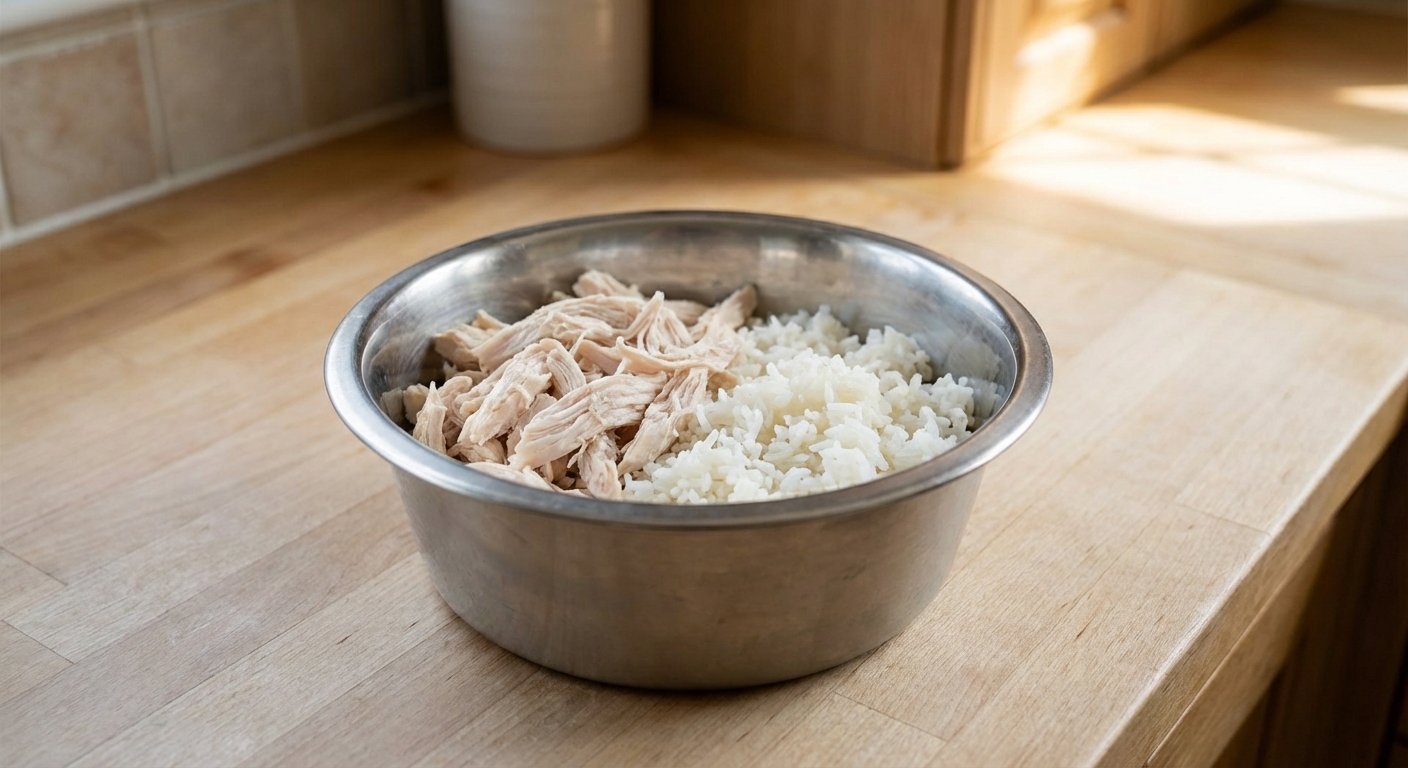
- Lean protein: boiled skinless chicken breast, boiled turkey breast, or very lean ground beef fully cooked and rinsed to remove fat
- Easy carbs: plain white rice, well-cooked pasta, or plain mashed potato made with water only
- Fiber helper (optional): plain canned pumpkin (not pie filling). Typical amounts are about 1 teaspoon per 10 pounds of body weight, up to 1 to 2 tablespoons for large dogs. Start low, especially for small dogs, and stop if stools become bulky or gassy.
A common starting ratio is 1 part protein to 2 parts carbohydrate. For very loose stool, leaning a bit more on the rice or potato for the first 24 hours can help.
Foods to avoid
- Fatty meats, bacon, sausage, skin-on poultry, fried foods
- Dairy (many dogs become temporarily lactose intolerant)
- Rich treats, chews, bones, or table scraps
- Large amounts of raw vegetables or other high-roughage foods
- Spicy foods or anything seasoned
Prescription GI diets
If diarrhea is recurring or your dog is sensitive, veterinary GI diets can be very helpful. They are formulated to be highly digestible with controlled fat and fiber. If your dog is not improving within 24 to 48 hours, ask your vet whether a GI diet is appropriate.
Helpful add-ons
Food is the foundation, but a couple of targeted add-ons may help the intestinal lining recover.
Probiotics
Multiple veterinary studies support certain probiotics for acute diarrhea, especially in stress-related diarrhea and when antibiotics are involved. Use a dog-specific probiotic with clear strain labeling and storage instructions. If you are unsure, your veterinarian can recommend one they trust.
Soluble fiber
Soluble fiber can help gel watery stool. Options include:
- Plain canned pumpkin (not pie filling)
- Psyllium husk in very small amounts (ask your vet for dosing)
Omega-3s later
Fish oil can support inflammation long-term, but it can also loosen stool in some dogs at first. Save omega-3 supplements for after stools are normal again, unless your veterinarian specifically advises otherwise.
How to tell if it is improving
Improvement usually looks like:
- Fewer urgent trips outside
- Less wateriness, more formed stool
- Less mucus
- Normal appetite and energy returning
Keep an eye out for new blood, worsening frequency, or a dog who seems more tired or uncomfortable. Those are reasons to call.
Back to normal food
Once your dog has had 24 to 48 hours of normal stool, transition slowly back to their regular diet. A gentle transition lowers the chance of relapse.
- Day 1: 75% bland diet, 25% regular food
- Day 2: 50% bland diet, 50% regular food
- Day 3: 25% bland diet, 75% regular food
- Day 4: 100% regular food
If loose stool returns at any point, step back to the previous ratio and consider calling your veterinarian.
Diarrhea that keeps coming back
Recurring diarrhea is your clue to look deeper. Nutrition still matters, but you may also need diagnostics and a longer-term plan.
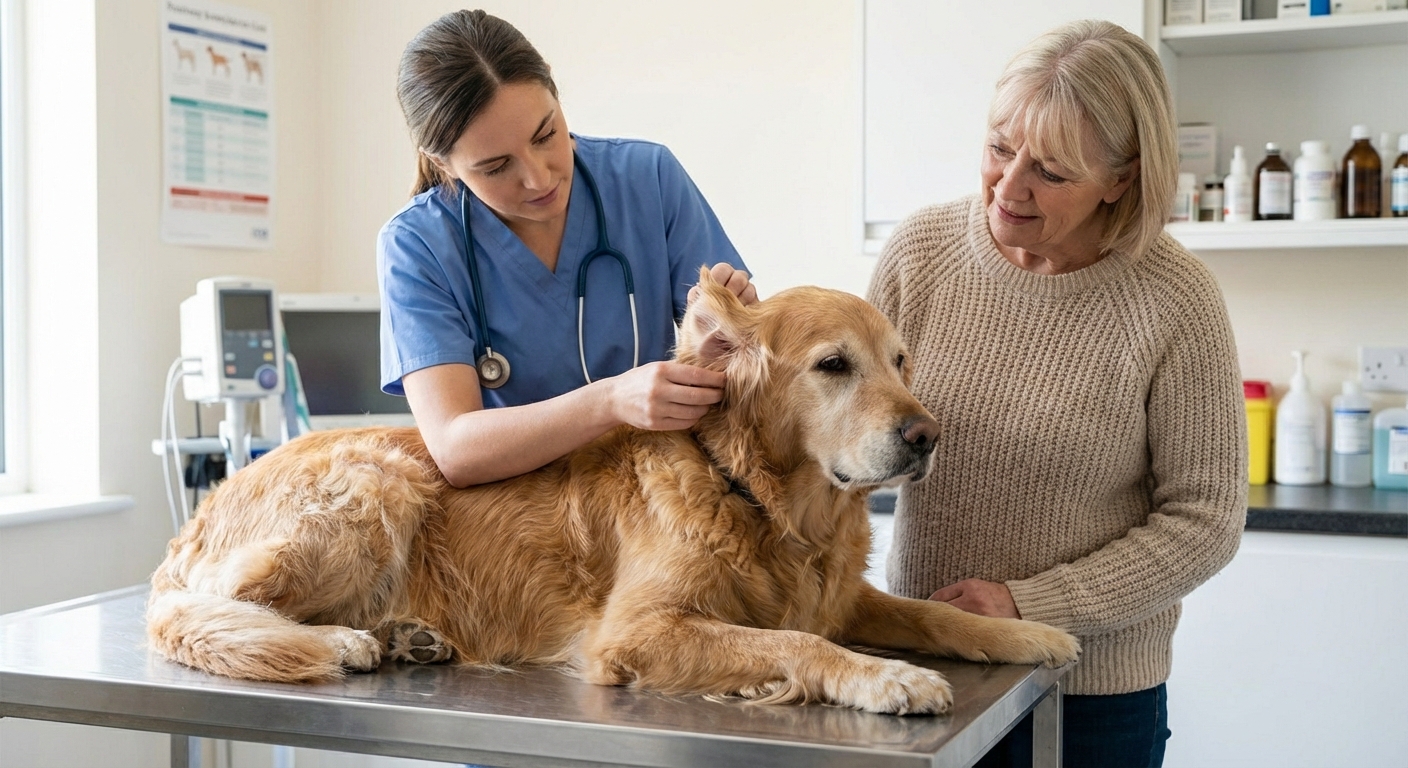
Common next steps at the vet
- Fecal testing for parasites and giardia
- Diet history review and treat audit
- Bloodwork to screen for systemic disease and dehydration
- Pancreatitis testing if vomiting, abdominal pain, or fatty-food trigger is suspected
- Food trial using a hydrolyzed protein or novel protein diet if food sensitivity is suspected
Long-term diet strategies
- Consistent, high-quality diet: avoid frequent brand hopping unless medically necessary
- Measured fat intake: especially for dogs prone to pancreatitis
- Appropriate fiber level: some dogs do better with more soluble fiber, others worsen
- Limited ingredient approach: helps identify triggers
Medication caution
Please do not give over-the-counter human anti-diarrheal medications unless your veterinarian directs you. Some products are unsafe for dogs, can mask serious disease, or are risky for herding breeds with certain genetic sensitivities (for example, loperamide may be dangerous in dogs with an MDR1 mutation).
A calm 24 hour checklist
- Check energy level and hydration every few hours
- Offer water frequently, and monitor vomiting
- Pause treats and switch to bland, low-fat meals in small portions
- Pick up stool quickly and note color, mucus, or blood
- If your dog is a puppy, unvaccinated, or exposed to many dogs, call your veterinarian early
- Call your veterinarian if symptoms worsen, your dog seems unwell, or diarrhea does not improve within 48 hours
Gentle food, low fat, small portions, and plenty of fluids can make a big difference. If your dog looks unwell, do not wait it out. Get help early.