Vet-informed guide to a short-term bland diet for dogs: chicken and rice 1:2 ratio, daily cup ranges by weight, how many meals to split into, and red flags t...
Article
•
Designer Mixes
Diet for Dogs With Diarrhea

Shari Shidate
Designer Mixes contributor
Seeing diarrhea in your dog can be stressful and messy, and it is also your dog’s way of saying, “My gut needs help.” The good news is that many mild cases improve quickly with the right short-term diet, smart hydration, and a calm transition back to normal food. As a veterinary assistant in Frisco, Texas, I have seen how a simple plan can make a big difference when pet owners know what to do and when to call the vet.
First, know when diarrhea is an emergency
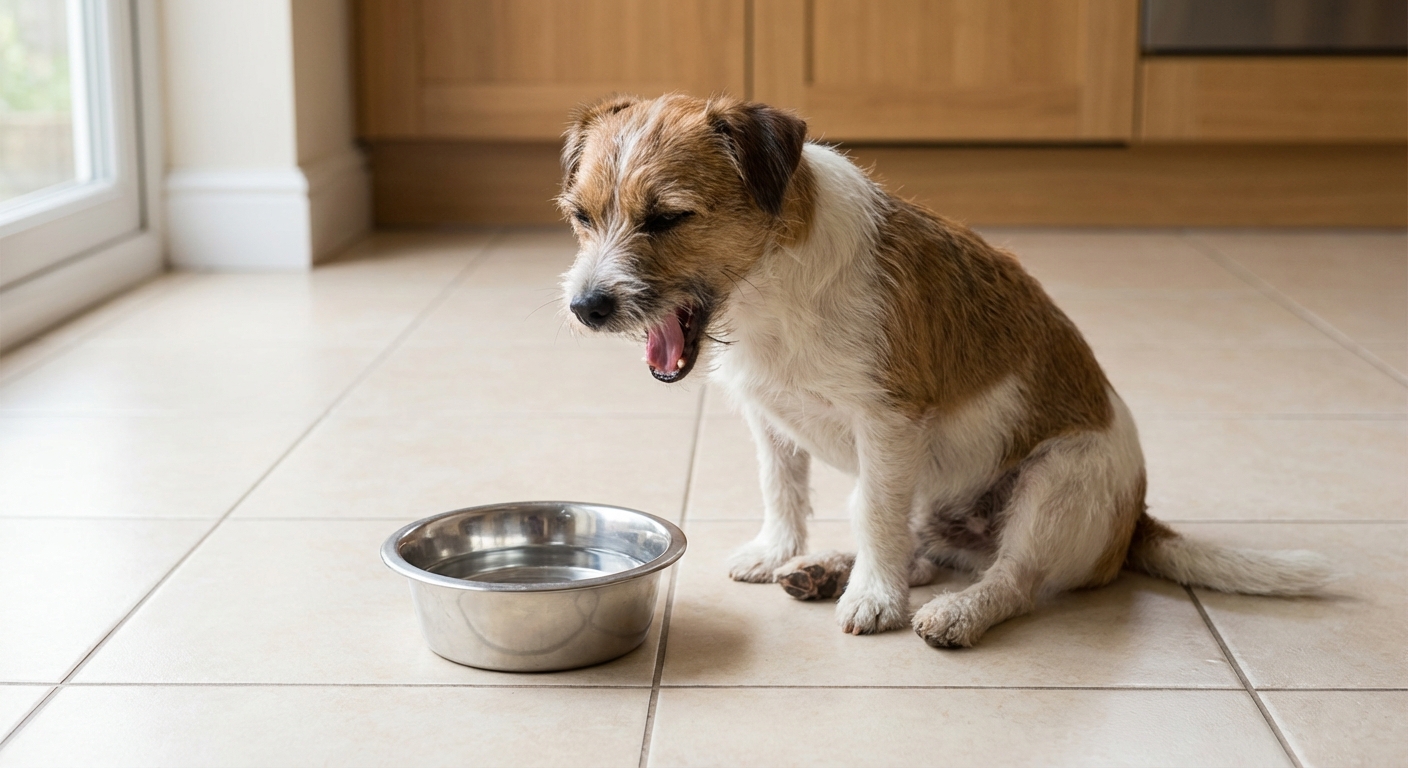
Diet can help many cases, but some situations need veterinary care right away. Contact your veterinarian or an emergency clinic if you notice any of the following:
- Blood in the stool (bright red) or black, tarry stool
- Repeated vomiting, severe lethargy, collapse, or signs of pain
- Distended belly, unproductive retching, or restlessness (bloat concern)
- Pale gums or trouble breathing
- Diarrhea in a puppy, senior dog, or an immunocompromised dog
- Known ingestion of toxins (xylitol, grapes/raisins, rodent bait, medications) or foreign objects
- Diarrhea that is very watery, very frequent, or profuse, especially in a small dog (dehydration risk even if under 24 hours)
- Diarrhea lasting more than 24 to 48 hours, or worsening despite diet changes
- Signs of dehydration: tacky gums, sunken eyes, weakness, or noticeably reduced urination
If your dog is otherwise bright, drinking, and acting mostly normal, short-term nutritional support at home is often reasonable for a brief window. When in doubt, call your vet. A quick phone consult can prevent a long night.
Why diarrhea happens (and why food matters)
Diarrhea is a symptom, not a diagnosis. Common triggers include diet change, table scraps, stress, parasites, bacterial imbalance, viral illness, food intolerance, inflammatory bowel disease, pancreatitis, and certain medications (including some antibiotics and NSAIDs).
The goal of a diarrhea diet is simple: reduce irritation, improve stool consistency, and support healing in the intestinal lining. That usually means a short-term shift to highly digestible foods, lower fat, and careful portions, plus hydration.
Hydration comes first
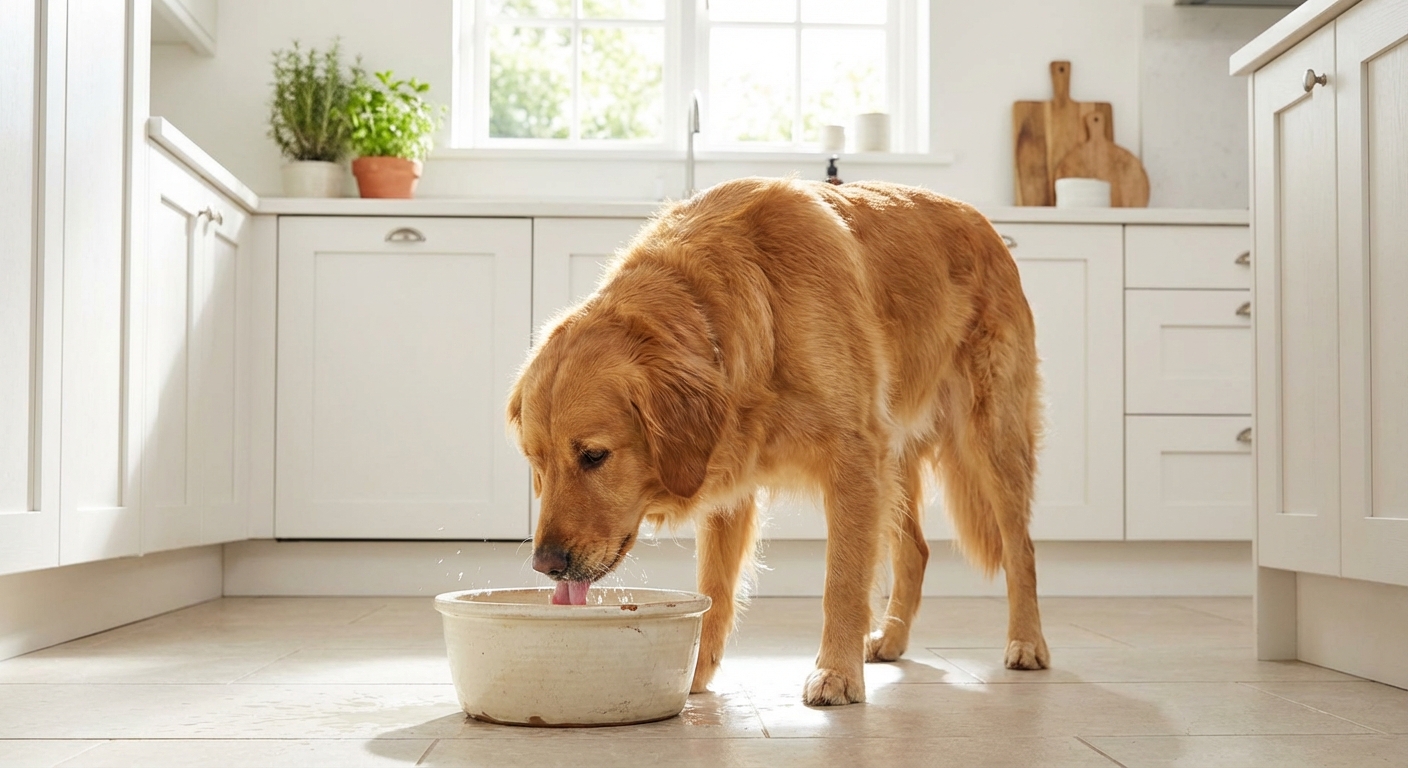
With diarrhea, your dog can lose water and electrolytes quickly. Keep fresh water available at all times. If your dog is drinking too fast and vomiting, offer small amounts more often.
Helpful hydration options
- Fresh water frequently refreshed
- Ice chips for dogs that gulp water
- Low-sodium broth (no onion or garlic added) to encourage drinking. Many store-bought broths contain onion or garlic powder, so check the label carefully.
Important: Do not use sports drinks or electrolyte products made for people unless your veterinarian directs you. Some contain sweeteners or sodium levels that are not appropriate for dogs.
Note: A dry nose is not a reliable sign of dehydration. If you are not sure your dog is staying hydrated, call your veterinarian.
A reliable short-term diet
For many mild cases, a short-term bland diet helps the gut rest and recover. The key is highly digestible protein, low fat, and simple carbohydrates, offered in small meals.
In this context, mild usually means your dog is alert, willing to drink (and often still interested in food), with no blood in the stool and no repeated vomiting.
Step 1: Food break (only if your vet agrees)
For some healthy adult dogs with mild diarrhea and no vomiting, a veterinarian may recommend a short 8 to 12 hour break from food (water still offered) to let the intestines settle. This is not a fit for every dog, and many vets prefer starting small bland meals right away. Puppies, toy breeds, seniors, and dogs with medical conditions may not be safe candidates for fasting. If you are unsure, skip fasting and offer small bland meals, or call your veterinarian for guidance.
Step 2: Choose a gentle protein
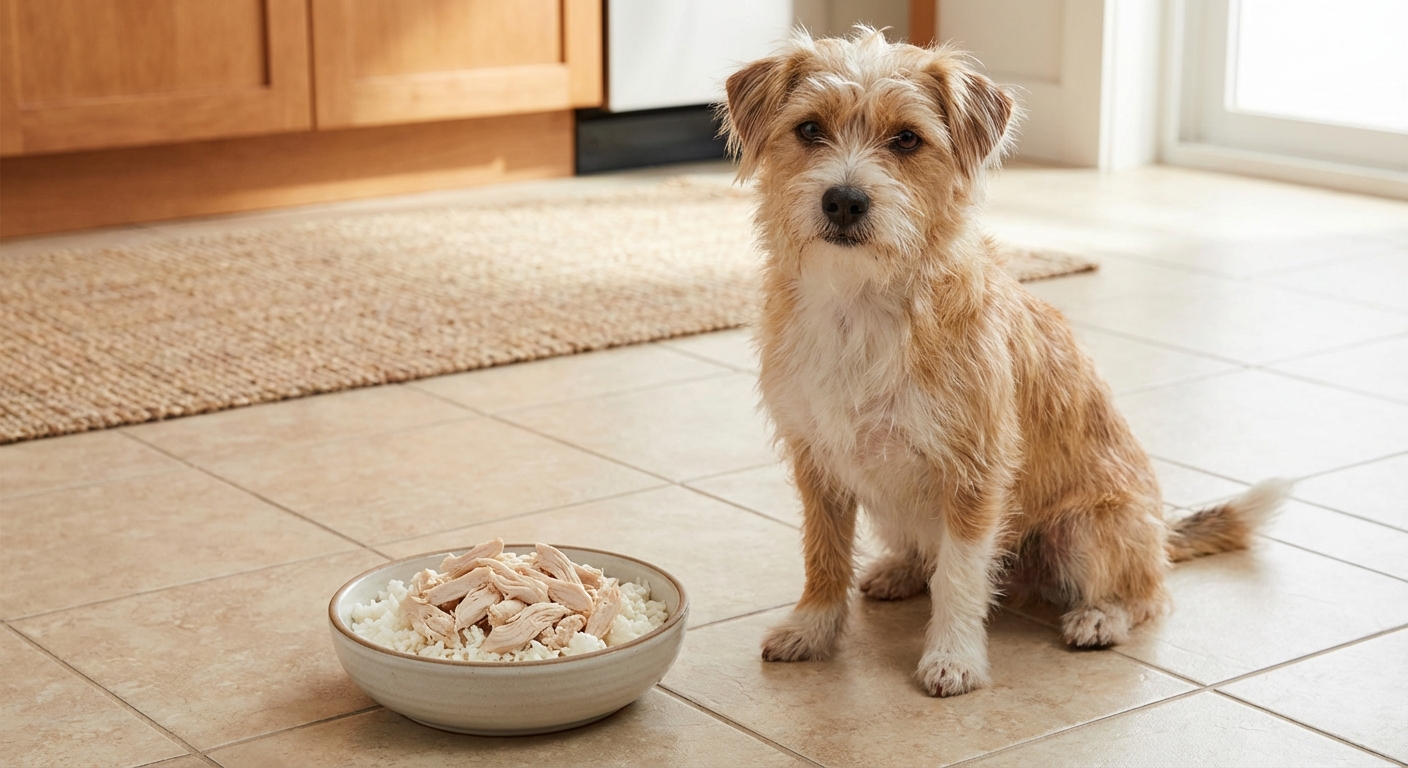
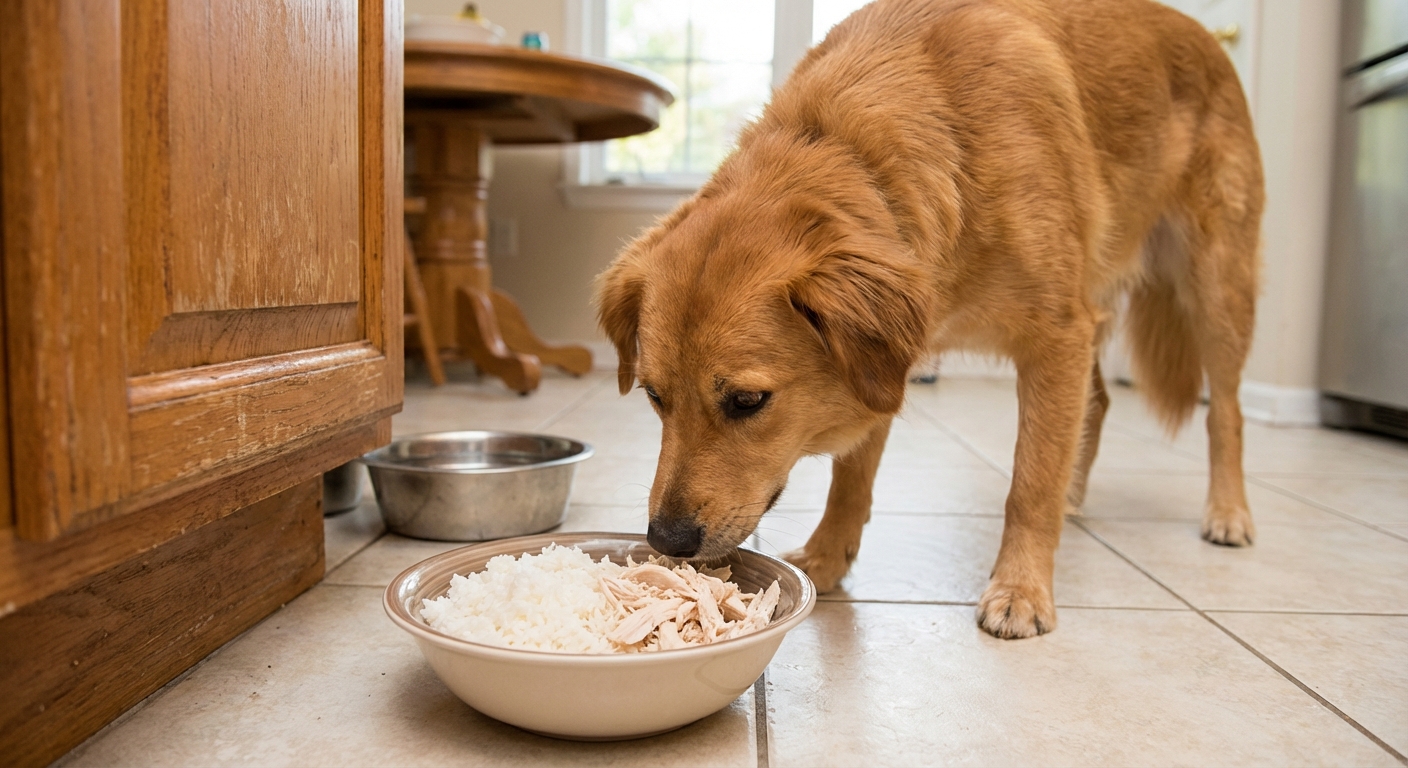
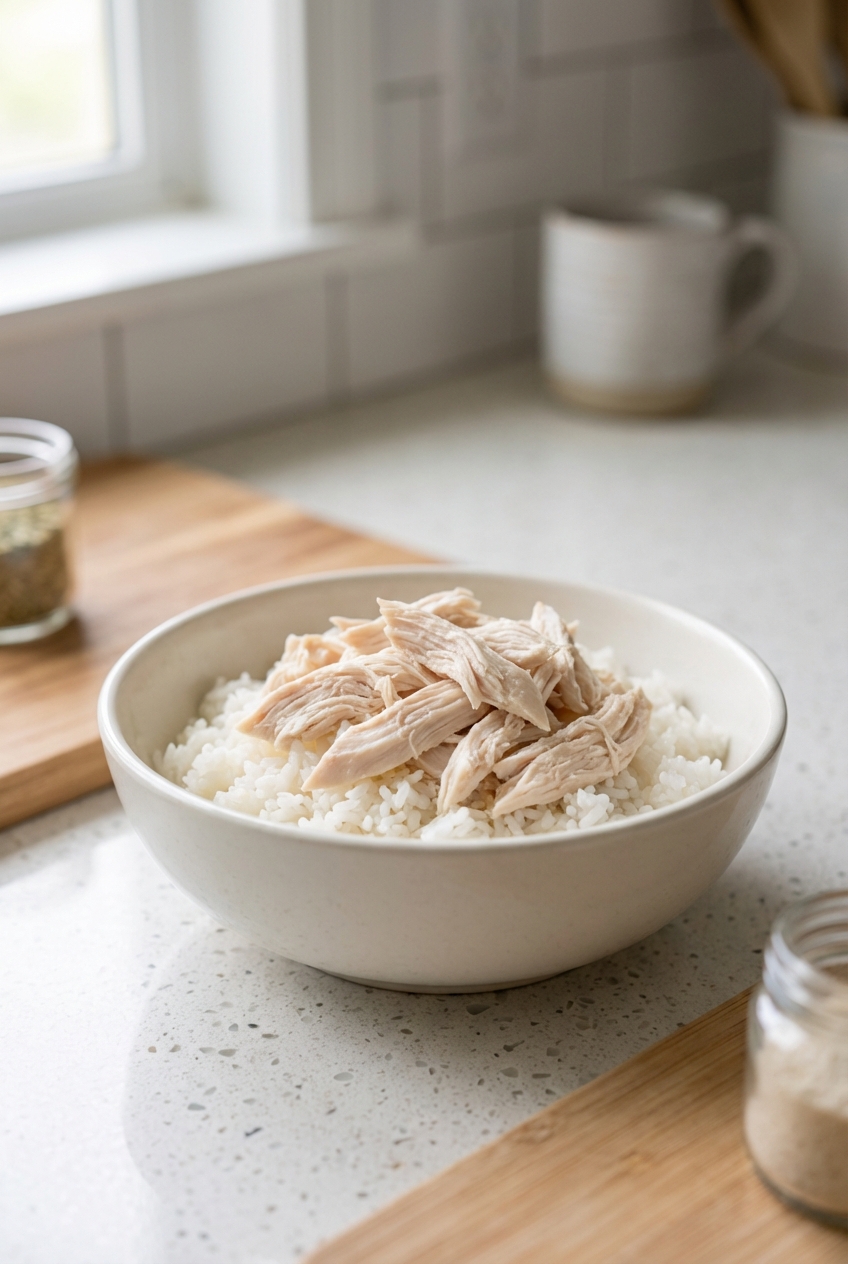
- Boiled skinless chicken breast (shredded, fat drained)
- Boiled lean ground turkey (rinsed after cooking to reduce fat)
- Boiled white fish like cod (plain, no butter or oils)
Avoid high-fat meats (sausage, bacon, fatty beef) during diarrhea. Fat can worsen loose stool and may trigger pancreatitis in susceptible dogs.
Step 3: Add an easy carb
- White rice (well-cooked and soft)
- Plain mashed potato (no butter, no milk)
- Pasta (plain, well-cooked)
Rice is classic, but it is not the only option. The “best” carb is the one your dog tolerates and that you can keep simple.
Step 4: Consider gut-friendly fiber
Fiber can help by absorbing extra water and feeding beneficial gut bacteria. Too much can cause gas or worsen loose stool, so start small.
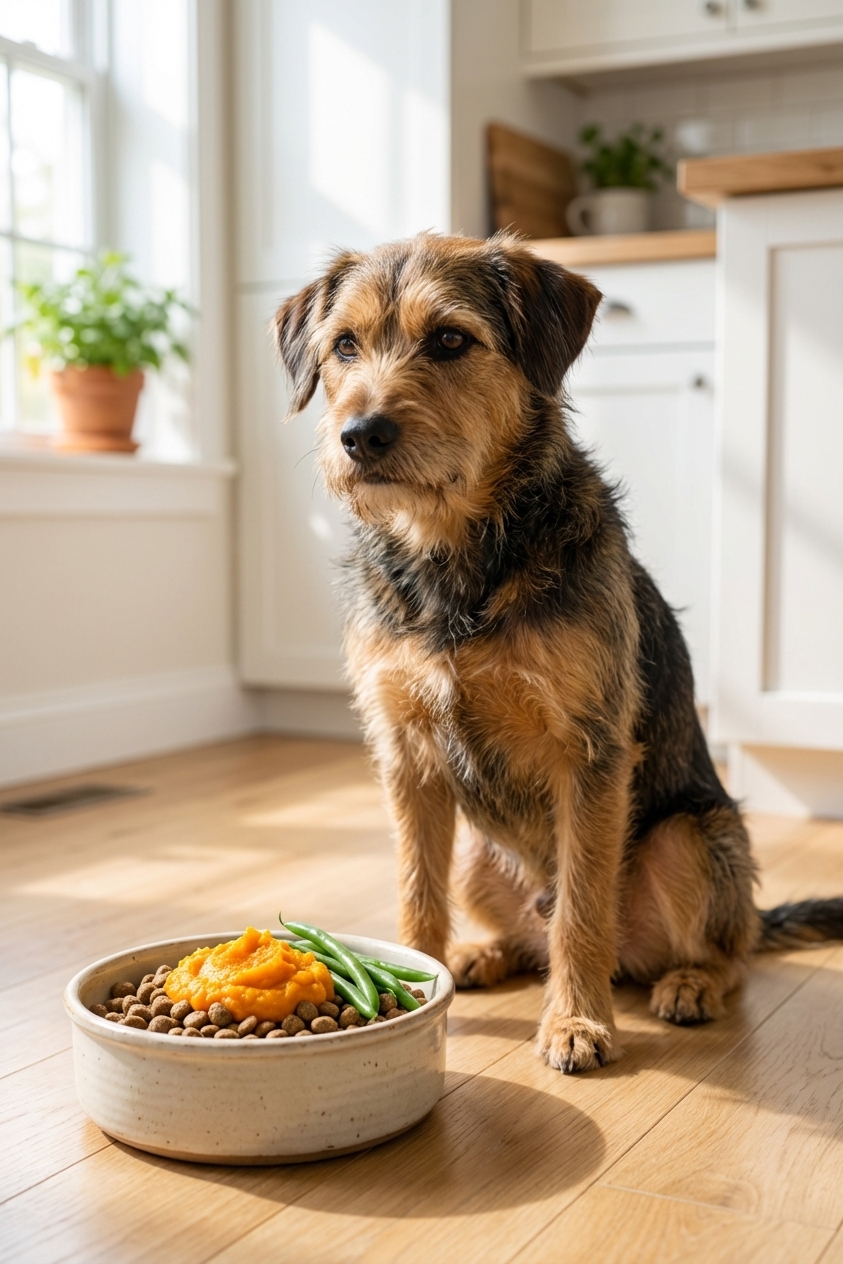
- Plain canned pumpkin (not pie filling). Start small: about 1 teaspoon for very small dogs, 1 to 2 teaspoons for small dogs, and 1 to 2 tablespoons for medium to large dogs.
- Psyllium husk (only with vet guidance for dosing, and always with water available)
Simple bland meal ratio
A common starting point is about 1 part protein to 2 parts carb for 1 to 3 days, served in smaller portions more frequently. If your dog is improving but still soft, stay on the bland plan briefly. If there is no improvement, call your veterinarian.
Important: Chicken and rice (or similar bland meals) are not nutritionally complete long-term. They are meant as a short-term bridge while your dog’s gut calms down.
How much to feed and how often
When the gut is irritated, large meals can push things through too fast. Think small and steady.
- Feed 3 to 6 small meals per day for the first 24 to 48 hours.
- Start with a smaller portion than usual, then gradually increase if stools improve.
- If vomiting occurs, pause food and call your veterinarian for next steps.
How to track improvement
Most mild cases should look at least a little better within 24 to 48 hours. Improvement can mean fewer urgent trips outside, less watery stool, and stool that starts to hold its shape again.
- Keep a simple note of how many diarrhea episodes occur in a day.
- Watch stool consistency and any new signs like mucus, blood, or straining.
- If your dog is having many episodes in a short time, do not wait just because it has not been 24 hours. Call your veterinarian.
Vet diets and add-ons
If diarrhea is recurring, severe, or your dog has a sensitive stomach, veterinary therapeutic diets can be very helpful because they are formulated to be highly digestible and nutritionally complete.
What your veterinarian may recommend
- Prescription GI diets (highly digestible, balanced nutrients)
- Probiotics designed for dogs, often strains like Enterococcus faecium or multi-strain blends with quality control
- Deworming or fecal testing to rule out parasites such as Giardia
Probiotics can be a great tool, but choose products made specifically for pets and stored properly. Human probiotics are not automatically harmful, but they are not always the right strains or dose for dogs.
Foods to avoid
These commonly make diarrhea worse, prolong symptoms, or trigger vomiting:
- High-fat foods (greasy meats, fried foods, cheese-heavy snacks)
- Milk and many dairy products (some dogs are lactose intolerant)
- Rich treats and chews, especially new ones
- Raw diets during an active GI upset (higher bacterial exposure)
- Sudden food switches
- Seasonings and sauces (especially anything with onion, onion powder, chives, or large amounts of garlic)
Also: never give over-the-counter anti-diarrheal medications (like loperamide) unless your veterinarian specifically instructs you. Some dogs are more sensitive to these medications, including breeds commonly associated with the MDR1 mutation such as Collies, Shelties, and Australian Shepherds.
Transition back to normal food
Once stools are formed and your dog is acting normal for at least 24 hours, transition slowly so you do not trigger another flare-up.
Simple 4-day transition
- Day 1: 75% bland diet, 25% regular food
- Day 2: 50% bland diet, 50% regular food
- Day 3: 25% bland diet, 75% regular food
- Day 4: 100% regular food
If stool loosens again, step back to the previous day’s ratio and slow the transition.
If diarrhea keeps coming back
Recurring diarrhea is a sign you need more information, not just a different bland recipe. Your veterinarian may suggest:
- Fecal testing (including Giardia testing)
- Diet trials for food sensitivities (strict limited-ingredient or hydrolyzed protein diets)
- Bloodwork to check hydration, organ function, and inflammation markers
- Pancreatitis evaluation if vomiting, pain, or high fat exposure is involved
- Ultrasound or additional diagnostics for chronic cases
Chronic loose stool can also be related to stress, environmental changes, or too many rich treats. A food and symptom journal can be surprisingly helpful.
Quick at-home checklist
- Confirm no emergency red flags
- Prioritize water and watch for dehydration
- Feed small, low-fat bland meals for 1 to 3 days
- Add plain pumpkin if your dog tolerates it (start small)
- Use a dog-specific probiotic if recommended
- Transition slowly back to normal food
- Call your veterinarian if symptoms last beyond 24 to 48 hours, or sooner if diarrhea is watery and frequent, your dog is small, or your dog seems unwell
A reminder from my side of the exam room
Most pet owners feel a little guilty when their dog has diarrhea, like they missed something. Please do not beat yourself up. GI upsets happen, even in well-cared-for dogs. What matters is responding early, keeping things simple, and getting veterinary help when the signs point to something more serious.