Diarrhea in senior cats can signal diet issues, IBD, parasites, hyperthyroidism, kidney disease, pancreatitis, or more. Learn warning signs, vet diagnostics,...
Article
•
Designer Mixes
Diarrhea In Older Cats: Trusted Insights And Help

Shari Shidate
Designer Mixes contributor
If your senior cat has diarrhea, it can feel extra scary. Older cats can dehydrate quickly, and digestive upsets in seniors are more likely to warrant a closer look for an underlying condition, even though simple dietary indiscretion can still happen. The encouraging news is that many causes are treatable, and a smart plan at home plus timely veterinary care can get you back to normal, comfortable litter box habits.
As a veterinary assistant, I like to start with two goals: protect hydration right now, and figure out why it is happening so it does not keep coming back.
Note: This article is for education and is not a substitute for veterinary diagnosis or treatment.
What counts as diarrhea in a senior cat?
Diarrhea means stools that are looser or more watery than your cat’s normal, often with increased frequency, urgency, or accidents outside the box. In older cats, even a short bout can matter because:
- They are at higher risk of dehydration, especially if they also have kidney disease or are not drinking well.
- They may lose weight faster if the diarrhea reduces nutrient absorption.
- Ongoing or recurring diarrhea can be an early sign of a bigger issue like inflammatory bowel disease, hyperthyroidism, parasites, or cancer.
Clues in the stool can help
These patterns can help your veterinarian narrow down where the problem might be:
- Large bowel signs: small, frequent stools; straining; mucus; fresh red blood.
- Small bowel signs: larger volume watery stool; weight loss; sometimes black, tarry stool (digested blood); poor coat quality.
These are not perfect rules, but they are useful details to share.
Common causes of diarrhea in older cats
There is no single “most common” cause that fits every cat, but these are frequent culprits we see with seniors:
Diet changes and food sensitivities
A sudden switch in food, new treats, table food, or rich human foods can trigger diarrhea. Some cats also develop sensitivities with age, especially to certain proteins or additives.
Stress and routine changes
New pets, visitors, moving, construction noise, or even a new litter type can upset the gut. Stress-related diarrhea is real, and stress is often a contributor even when it is not the only cause.
Parasites and infections
Giardia, roundworms, and other parasites can occur even in indoor cats. Seniors can also be more vulnerable if their immune system is not as robust. Viral causes are possible, and some cats can develop an imbalance of gut bacteria (dysbiosis) that contributes to diarrhea.
Inflammatory bowel disease (IBD) and chronic enteropathy
IBD can cause ongoing loose stool, vomiting, increased intestinal sounds, and weight loss. Diagnosis often involves lab work and sometimes ultrasound or biopsy.
Hyperthyroidism
Overactive thyroid is common in older cats and may cause diarrhea along with weight loss despite a big appetite, restlessness, and increased thirst.
Kidney disease, liver disease, and pancreatitis
These conditions can affect digestion and appetite and may show up as intermittent diarrhea or soft stools.
Cancer
Intestinal lymphoma or other cancers can cause chronic diarrhea, weight loss, poor appetite, or blood in stool. This is one reason chronic diarrhea in seniors should not be ignored.
Medications and supplements
Antibiotics, some pain medications, dewormers, and even certain supplements can cause diarrhea. Always tell your vet exactly what your cat is taking, including flea and tick products.
Toxins and foreign material
In curious cats, sudden diarrhea can also follow exposure to toxins or irritants such as certain houseplants, spoiled food, human medications, or chewing on non-food items. If you suspect toxin exposure, call your vet or animal poison control right away.
Red flags: when to call the vet urgently
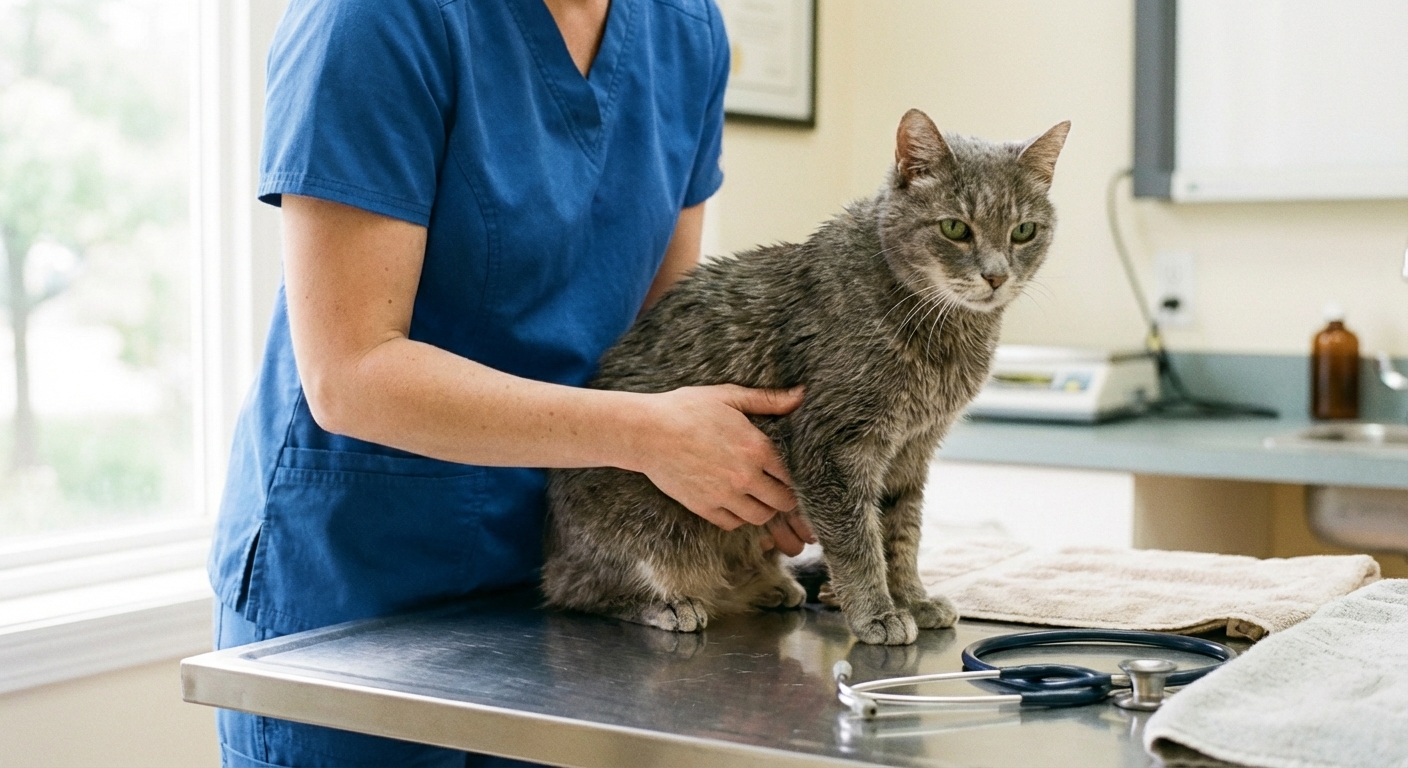
For older cats, I recommend calling your veterinarian sooner rather than later if any of the following are true:
- Diarrhea lasting more than 24 to 48 hours or that keeps returning
- Loss of appetite, weakness, or hiding behavior
- Blood in the stool (red streaks or black, tarry stool)
- Repeated vomiting or inability to keep water down
- Signs of dehydration such as tacky gums, sunken eyes, or marked lethargy
- Rapid weight loss or known chronic disease (kidney disease, diabetes, hyperthyroidism)
- Higher-risk medications that could complicate illness (steroids, chemotherapy, NSAIDs)
If your senior cat seems painful, cannot stand well, or is severely lethargic, treat it as an emergency.
What you can do at home right now
Home care is about support, not guessing the diagnosis. If your cat is bright, eating at least somewhat, and there are no red flags, these steps are reasonable while you arrange care if needed.
1) Focus on hydration
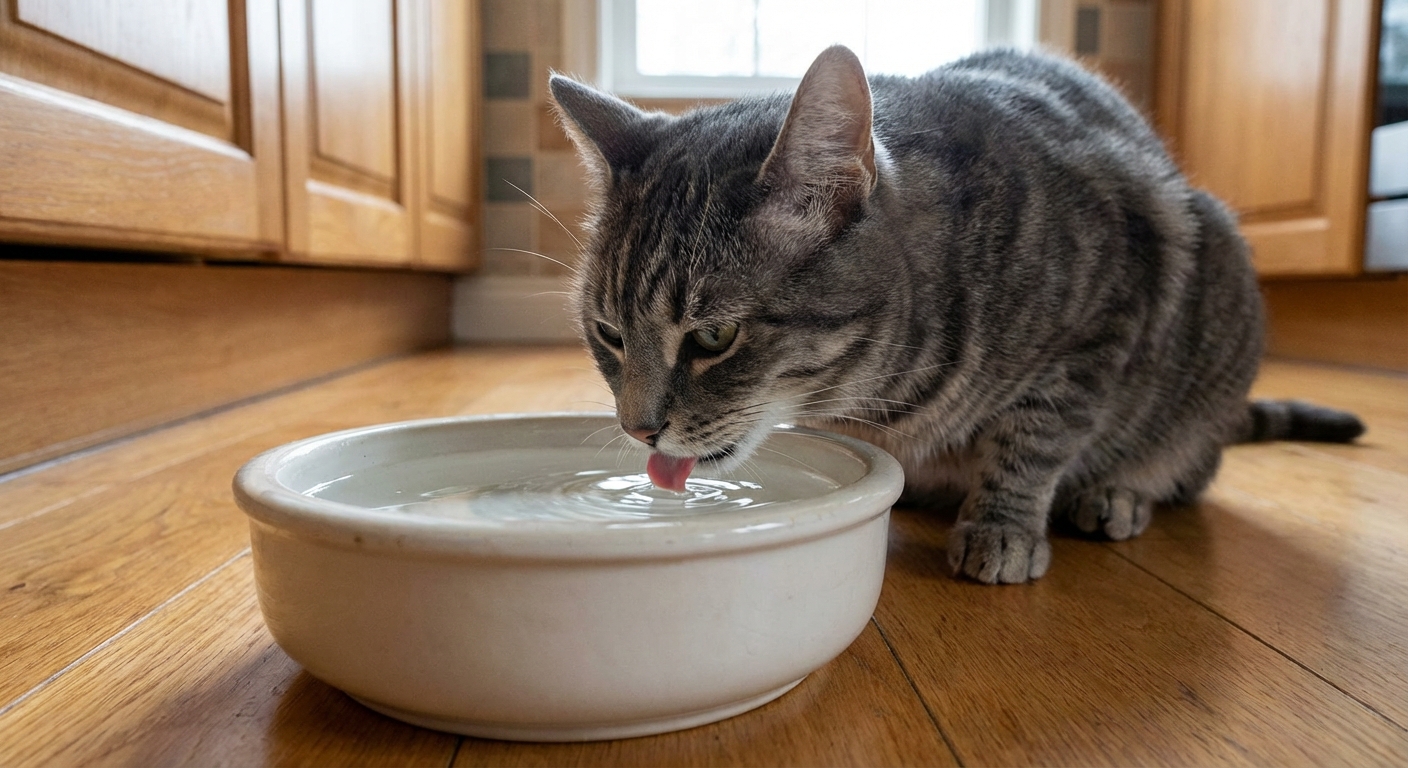
- Offer fresh water in multiple places.
- Try a pet fountain if your cat likes running water.
- Offer more wet food if your cat will eat it.
- Ask your vet if an oral rehydration solution is appropriate. Avoid flavored sports drinks or sweetened electrolyte products unless your vet specifically recommends one.
2) Keep meals simple and consistent
Avoid sudden diet changes, rich treats, dairy, and table scraps. If your vet has previously recommended a gastrointestinal diet for your cat, this is a good time to use it.
For cats, fasting is not usually recommended, especially for seniors, because they can be prone to hepatic lipidosis if they stop eating. Offer small, frequent meals instead.
3) Avoid quick diet fixes
It is very tempting to switch foods abruptly or add “something extra” to stop diarrhea. In many cats, sudden changes can make things worse. Do not add fiber supplements, pumpkin, oils, or “natural” remedies unless your veterinarian advises it for your cat’s specific situation.
4) Do not give human anti-diarrheal medications
Many over-the-counter medications are unsafe for cats or can mask a serious problem. Always check with your veterinarian first.
5) Save a stool sample if you can
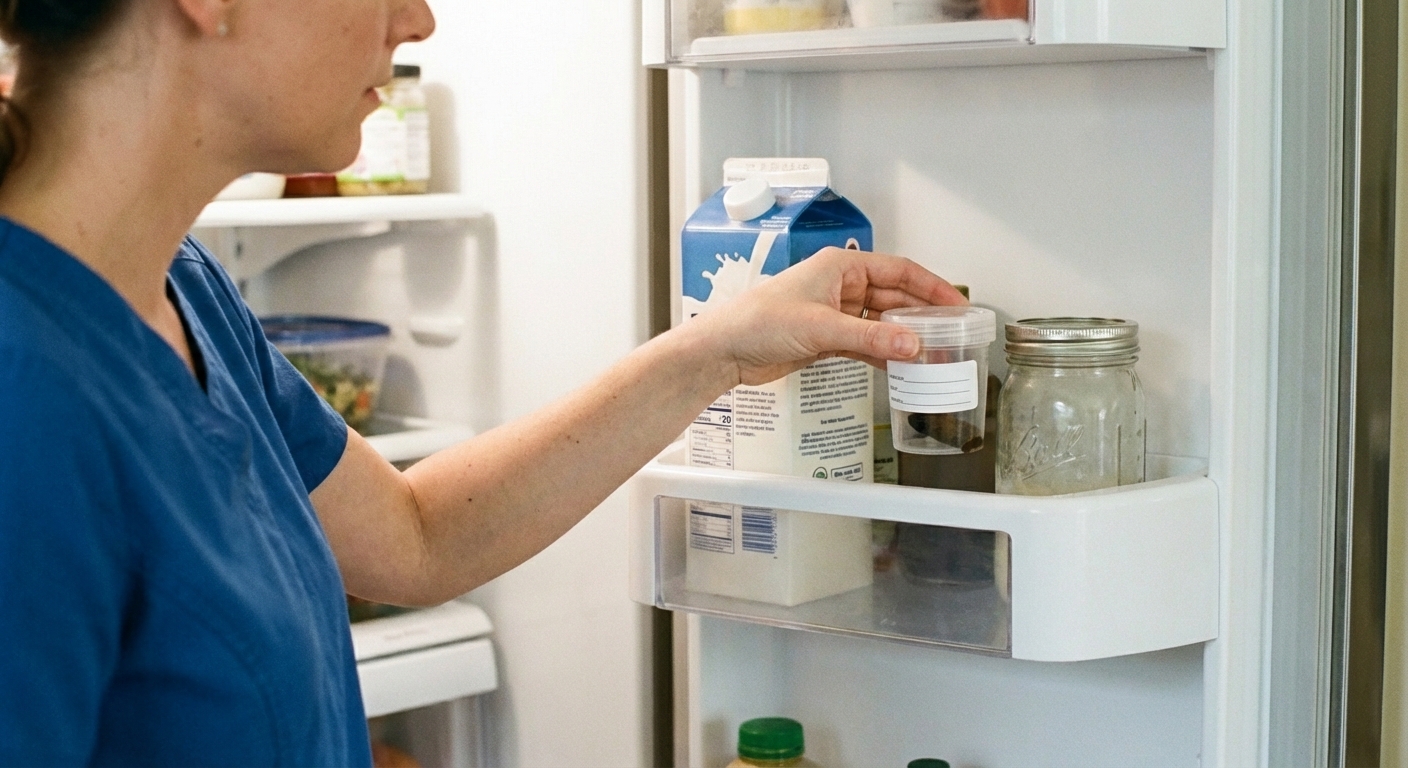
If you can collect a fresh sample (or bring a photo of the stool), it can help your clinic test for parasites or other issues. Use a clean container or a sealed bag and refrigerate if you cannot go in right away. Ideally, bring it to your clinic within 24 hours. Do not freeze it unless your clinic instructs you to, since different tests have different handling needs.
6) Track the details
Write down when it started, how often your cat is going, whether your cat is straining, stool volume, any vomiting, appetite changes, new foods, new medications, and whether there is blood or mucus. These details help your vet move faster.
7) Make the litter box easy to reach
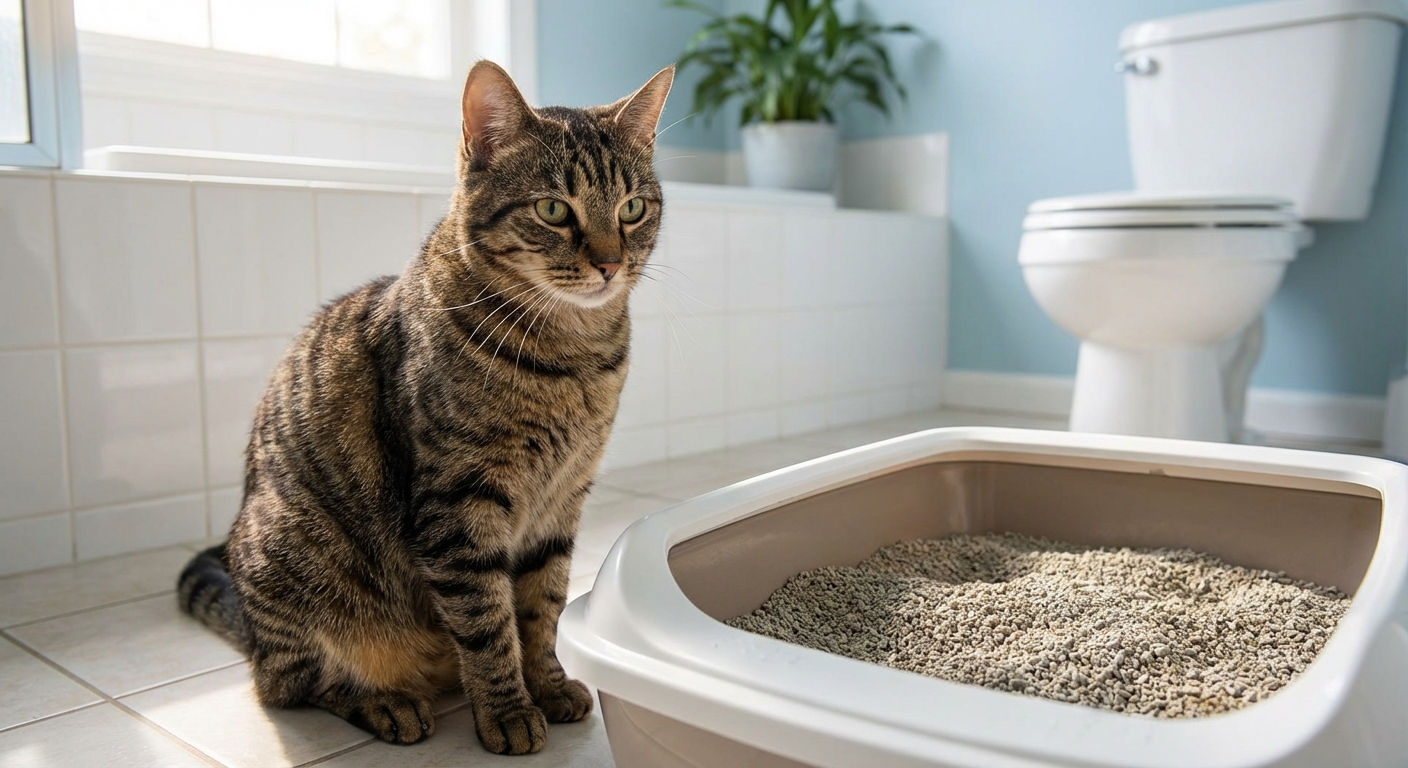
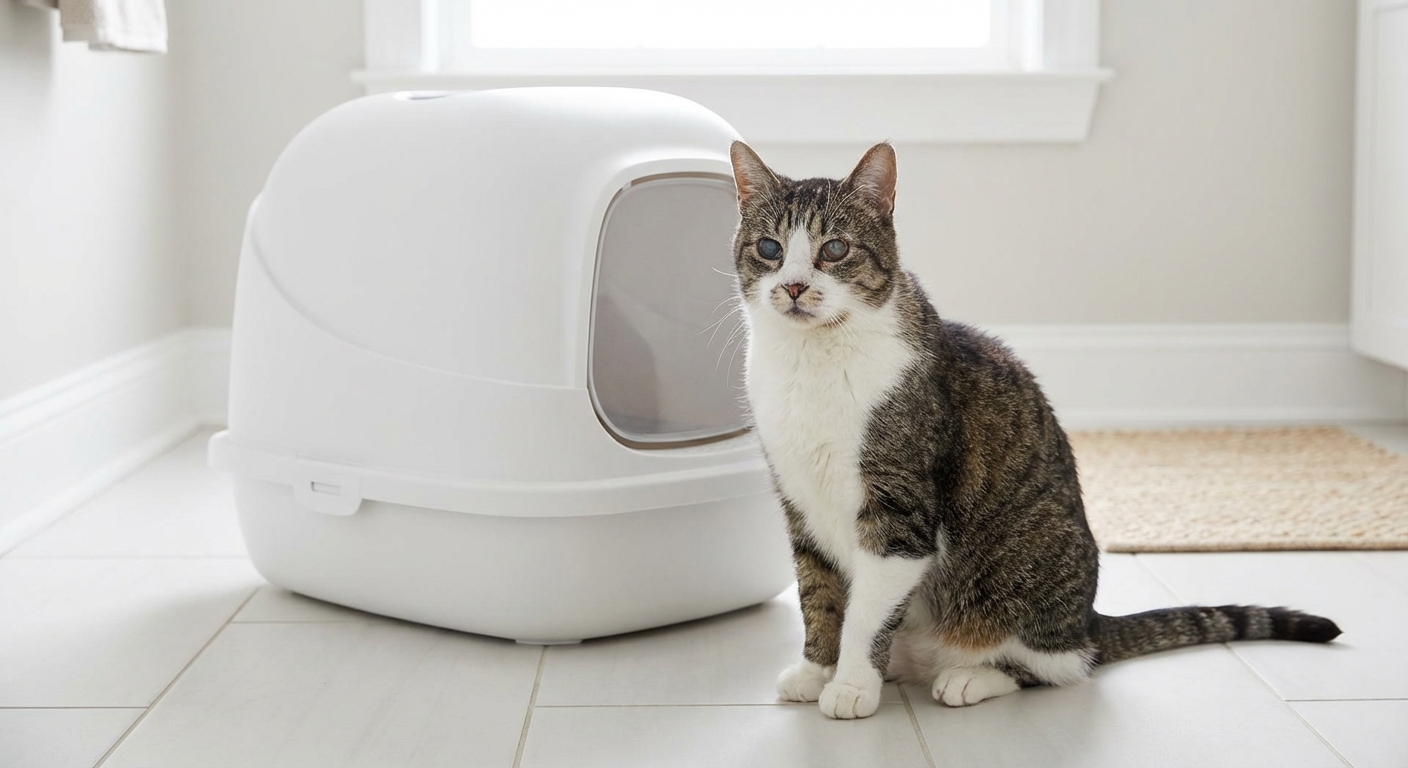
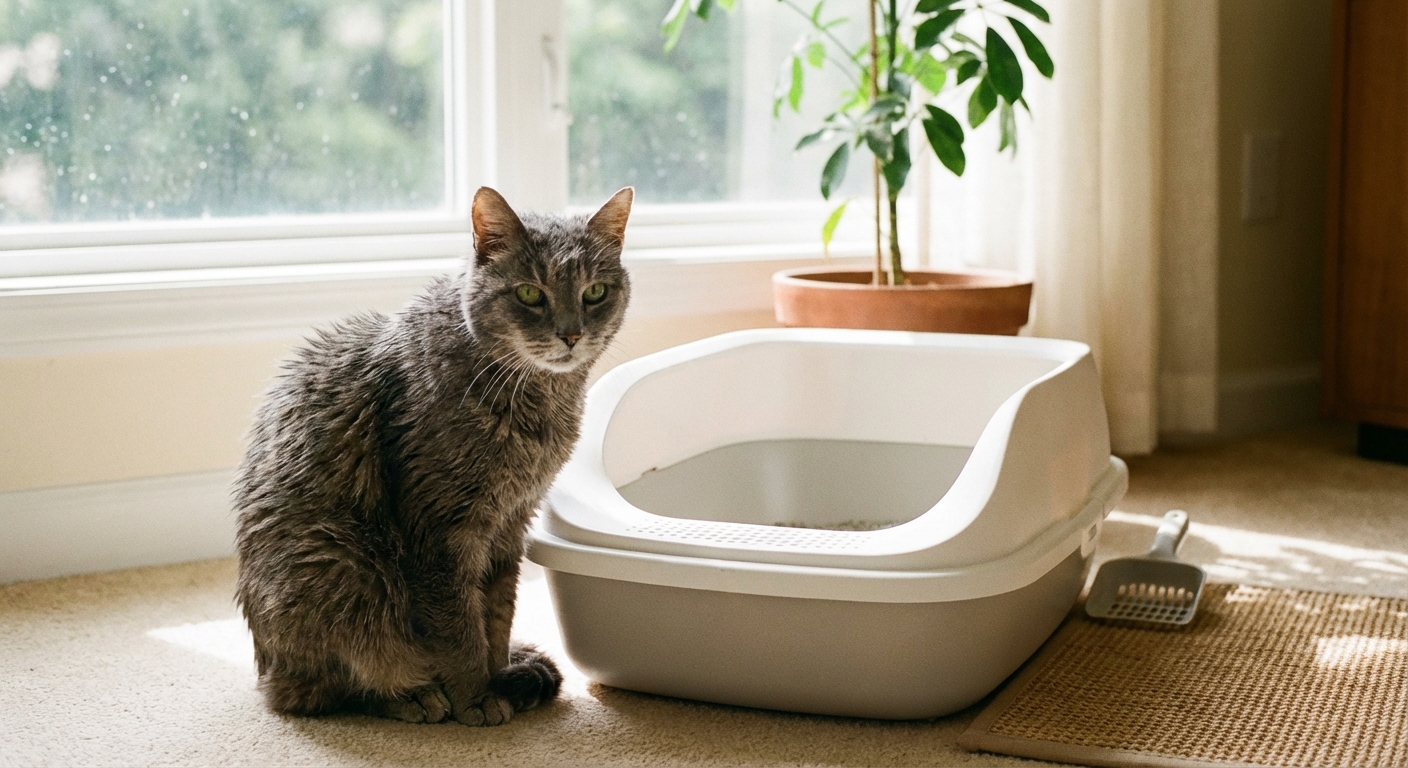
Diarrhea plus stiff senior joints can lead to accidents. Consider a low-entry box, add an extra box on each level of your home, and keep boxes very clean. If your cat gets messy, gently clean the rear end with a damp cloth and dry thoroughly to help prevent skin irritation.
What your veterinarian may recommend
Senior cats benefit from targeted testing because the “why” matters. Depending on your cat’s symptoms and history, your vet may suggest:
- Fecal testing for parasites and Giardia
- Bloodwork to assess hydration, kidney and liver values, infection or inflammation, and overall health
- Total T4 testing to check for hyperthyroidism
- Urinalysis to evaluate kidney function and hydration status
- Abdominal ultrasound to look at intestinal thickness, lymph nodes, pancreas, and other organs
- Diet trial with a prescription GI or hydrolyzed protein diet
- Probiotics formulated for pets
- Medications such as dewormers, anti-nausea meds, B12 supplementation, or antibiotics when truly indicated
Evidence-based note: antibiotics are not always the best first step for diarrhea, because many cases are not caused by bacteria, and antibiotics can disrupt the gut microbiome. Your vet will weigh risks and benefits for your specific cat.
Long-term support for sensitive senior stomachs
Once your cat is stable, the best prevention is consistency plus a little extra attention to gut health.
Choose a diet your cat thrives on
- Transition slowly over 7 to 10 days when changing foods.
- Ask your vet about GI, novel protein, or hydrolyzed diets if food sensitivity is suspected.
- Keep treats simple and limited.
Support the microbiome
Your veterinarian may recommend a specific probiotic. Use products made for cats, with clear dosing and quality control.
Reduce stress
- Keep litter boxes clean and easy to access.
- Maintain predictable feeding times.
- Use gentle environmental enrichment like window perches or interactive play.
Schedule senior wellness checks
Routine exams and labs help catch hyperthyroidism, kidney disease, and other common senior issues before they snowball into recurring GI trouble.
Quick FAQ
Is diarrhea normal in older cats?
No. It is common, but not normal. In seniors, diarrhea is a symptom worth investigating, especially if it lasts more than a day or two or keeps returning.
What if the diarrhea is occasional but keeps coming back?
Recurring diarrhea often points to a chronic issue like IBD, diet intolerance, parasites, hyperthyroidism, or disease affecting other organs. A planned workup with your vet usually saves time and money compared to repeated short-term fixes.
Can dehydration happen even if my cat is still drinking?
Yes. With watery stool, fluid losses can outpace intake. Seniors and cats with kidney disease are especially at risk.
A gentle next step
If your older cat has diarrhea today, start by supporting hydration, keeping food consistent, and watching closely for red flags. If anything feels “off” or the diarrhea is not improving quickly, call your veterinarian. You are not overreacting. With senior cats, early help is often the kindest and most effective approach.