Kitten diarrhea can turn dangerous fast. Learn likely causes, safe at-home hydration and diet steps, what not to do, and the urgent red flags that mean call ...
Article
•
Designer Mixes
Diarrhea in Kittens: Help & Care

Shari Shidate
Designer Mixes contributor
Seeing diarrhea in a kitten can be scary, especially because little bodies get dehydrated fast. The good news is that many cases are mild and fixable, but some are true emergencies. In this guide, I will help you sort out what is urgent, what you can do at home safely, and what your vet will likely recommend so you feel supported and prepared.
What counts as diarrhea in a kitten
Diarrhea means stool that is looser than normal, more frequent than normal, or both. It can look like soft-serve, pudding, large-volume watery stool, or stool with mucus.
Occasional soft stool can happen with stress or a diet change, but repeated loose stool, watery stool, or blood should always be taken seriously in kittens.
Why kittens are higher risk
- Dehydration happens quickly because kittens have less fluid reserve.
- Parasites are common in young cats, even indoor kittens.
- Low blood sugar can develop if they stop eating.
- Viral infections can spread fast, especially in multi-cat homes or shelters.
Emergency signs: go to the vet now
If you notice any of the signs below, do not wait it out. Call your veterinarian or an emergency clinic right away.
- Diarrhea with lethargy, weakness, collapse, or unusual hiding
- Blood in stool (bright red or black, tarry stool)
- Vomiting repeatedly, or vomiting plus diarrhea together
- Not eating, especially in younger kittens
- Neonates and very young kittens (under about 8 weeks): not eating or missing a feeding is urgent
- Older kittens: missing a meal can still be a red flag when paired with diarrhea, low energy, or repeated watery stool
- Watery diarrhea that is frequent or large-volume, or lasting more than 12 to 24 hours
- Smaller and younger kittens, or any kitten producing large amounts of water-like stool, should be seen sooner
- Dehydration signs: sticky or dry gums, weakness, or eyes that look sunken (this can be subtle and hard to judge in kittens)
- Fever (warm ears are not reliable, a rectal thermometer is needed)
- Known or suspected toxin exposure, including certain plants, human medications, or essential oils
- Very young kittens under 8 weeks with any significant diarrhea
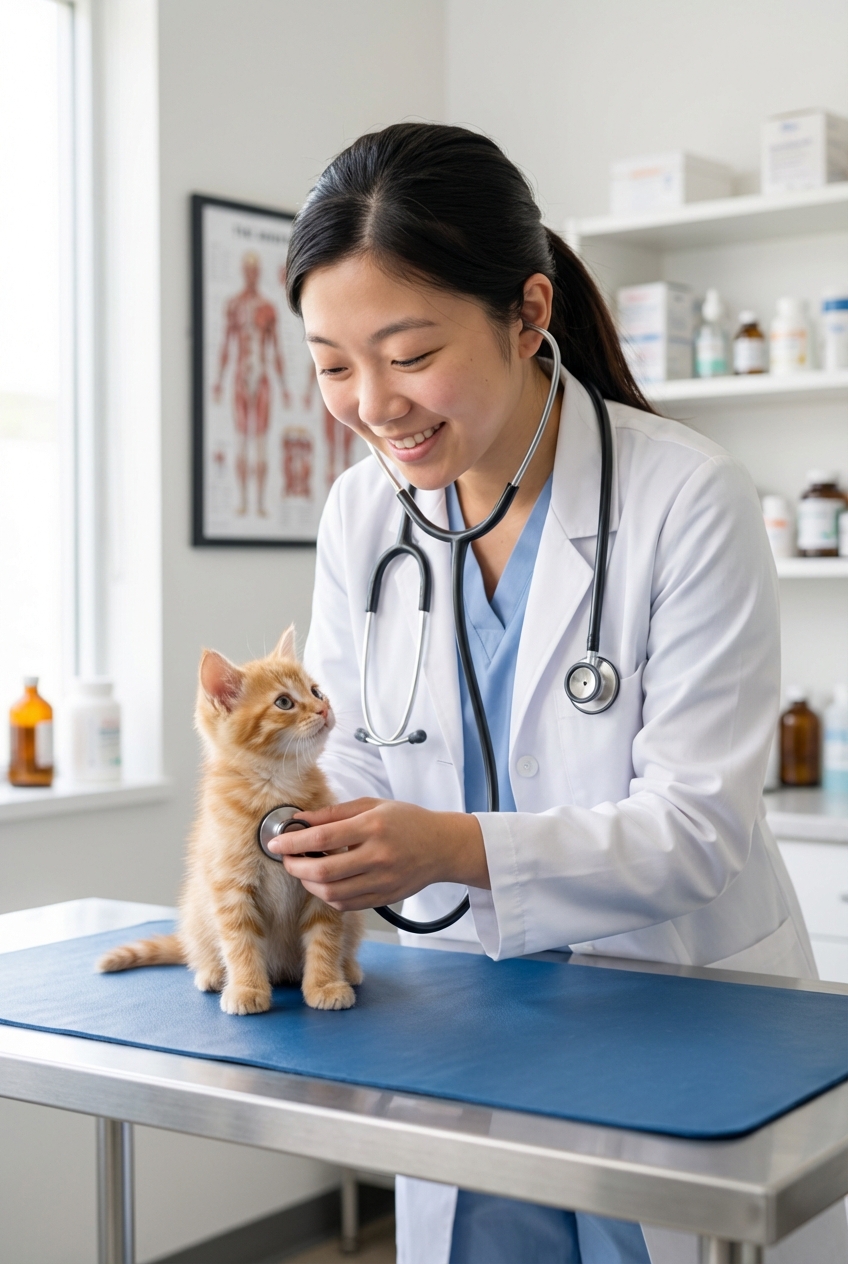
Common causes of diarrhea in kittens
Kittens can develop diarrhea for many reasons. Sometimes more than one factor is happening at once.
1) Diet changes and food intolerance
Switching foods too fast, new treats, human foods, or sudden changes in milk replacer brand can upset the gut. Some kittens also react to certain proteins or rich foods.
2) Parasites
Roundworms, hookworms, coccidia, and Giardia are frequent culprits. Many kittens have parasites even if they look healthy at first. A fecal test is the best way to confirm.
3) Stress
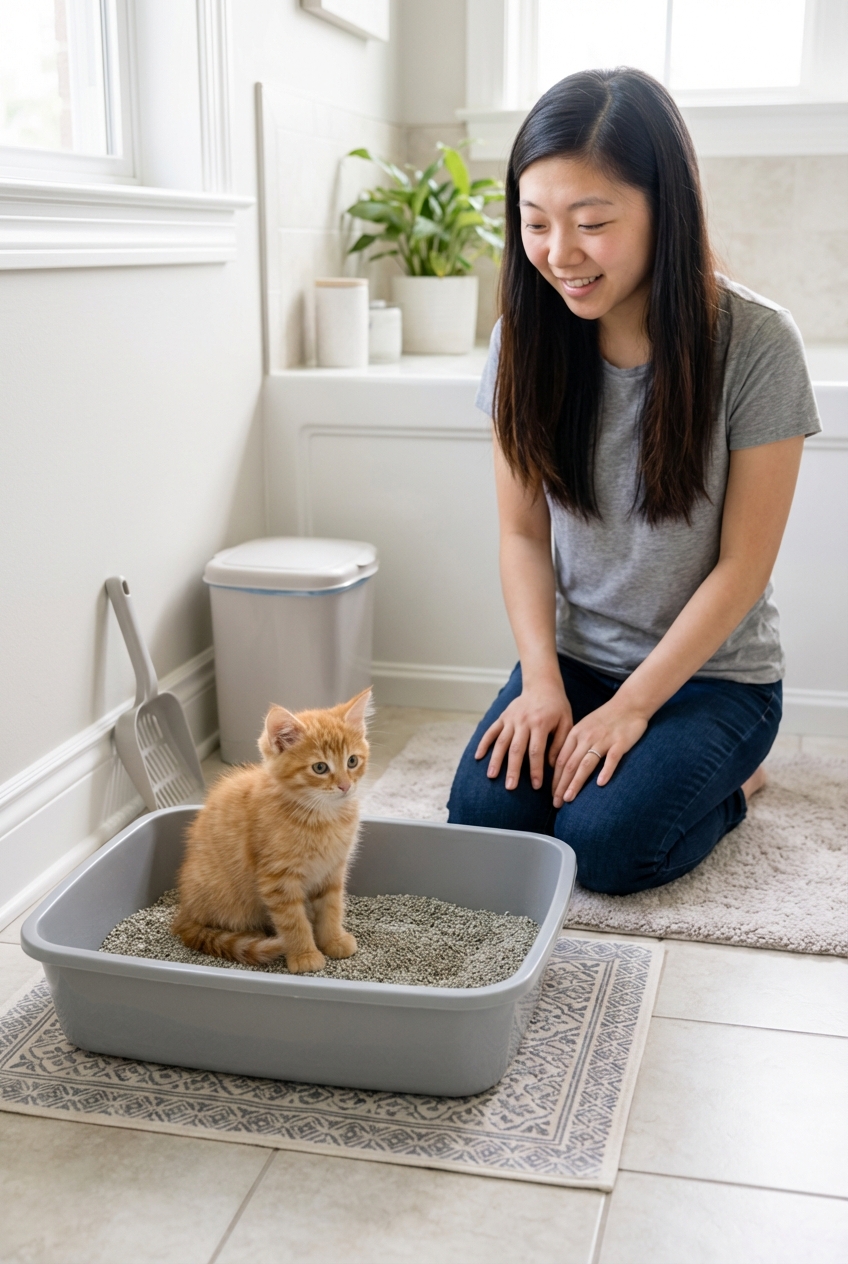
New home, travel, new pets, loud changes, or a new litter box location can cause temporary loose stool.
4) Viral and bacterial infections
Upper respiratory viruses do not typically cause diarrhea directly, but some kittens can develop softer stool from stress, reduced appetite, or medications during a respiratory illness. Panleukopenia (feline parvo) can cause severe diarrhea and dehydration. Bacterial overgrowth or imbalance can also occur, especially after antibiotics.
5) Antibiotic-related diarrhea
Antibiotics can disrupt healthy gut flora. If your kitten started diarrhea after antibiotics, call your vet before stopping any medication.
6) Overfeeding or incorrect formula mixing
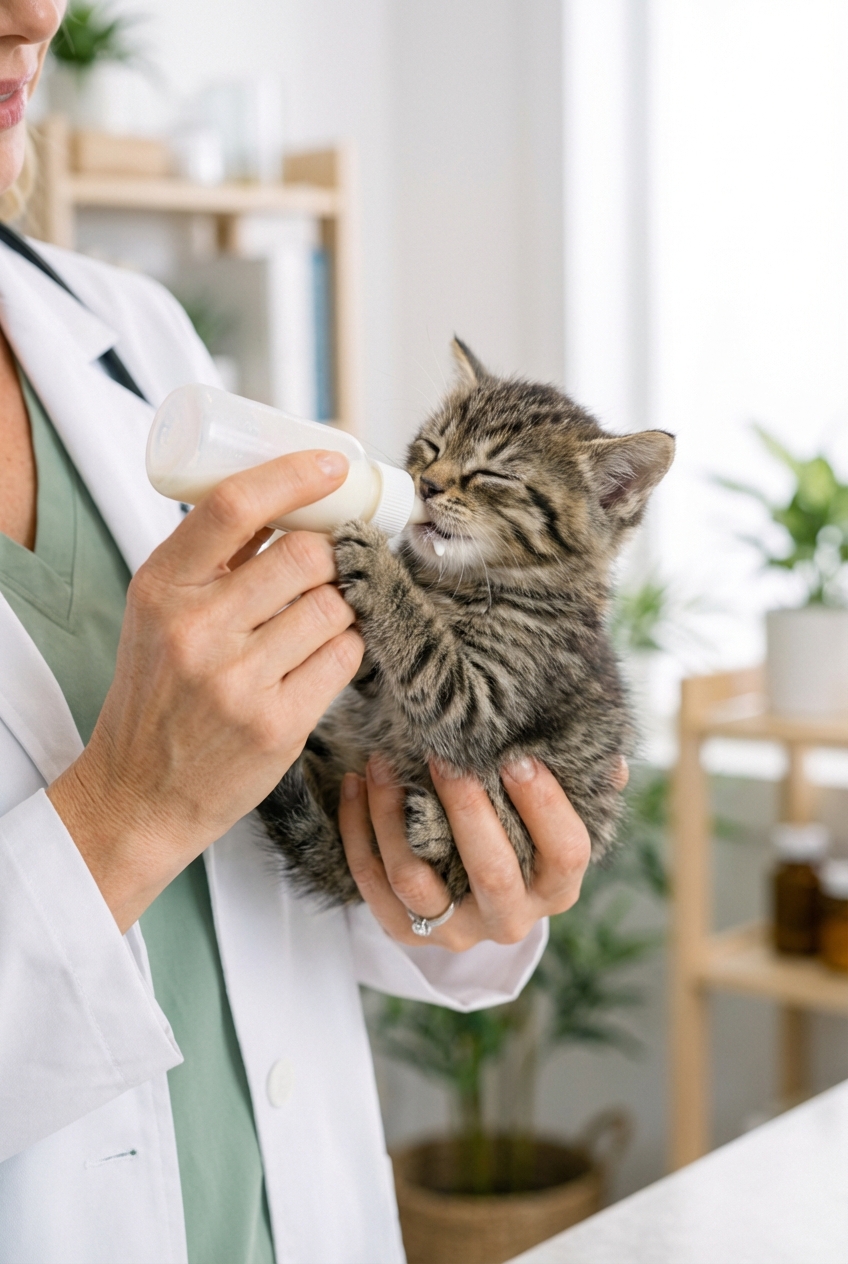
In bottle babies, diarrhea is often linked to formula issues: too concentrated, too dilute, too much per feeding, or formula that is too cold.
What you can do at home, safely
Home care is only for kittens that are still bright, active, and eating, and whose diarrhea is mild and short-lived. When in doubt, call your vet, even if you are just checking whether home care is appropriate.
Keep hydration front and center
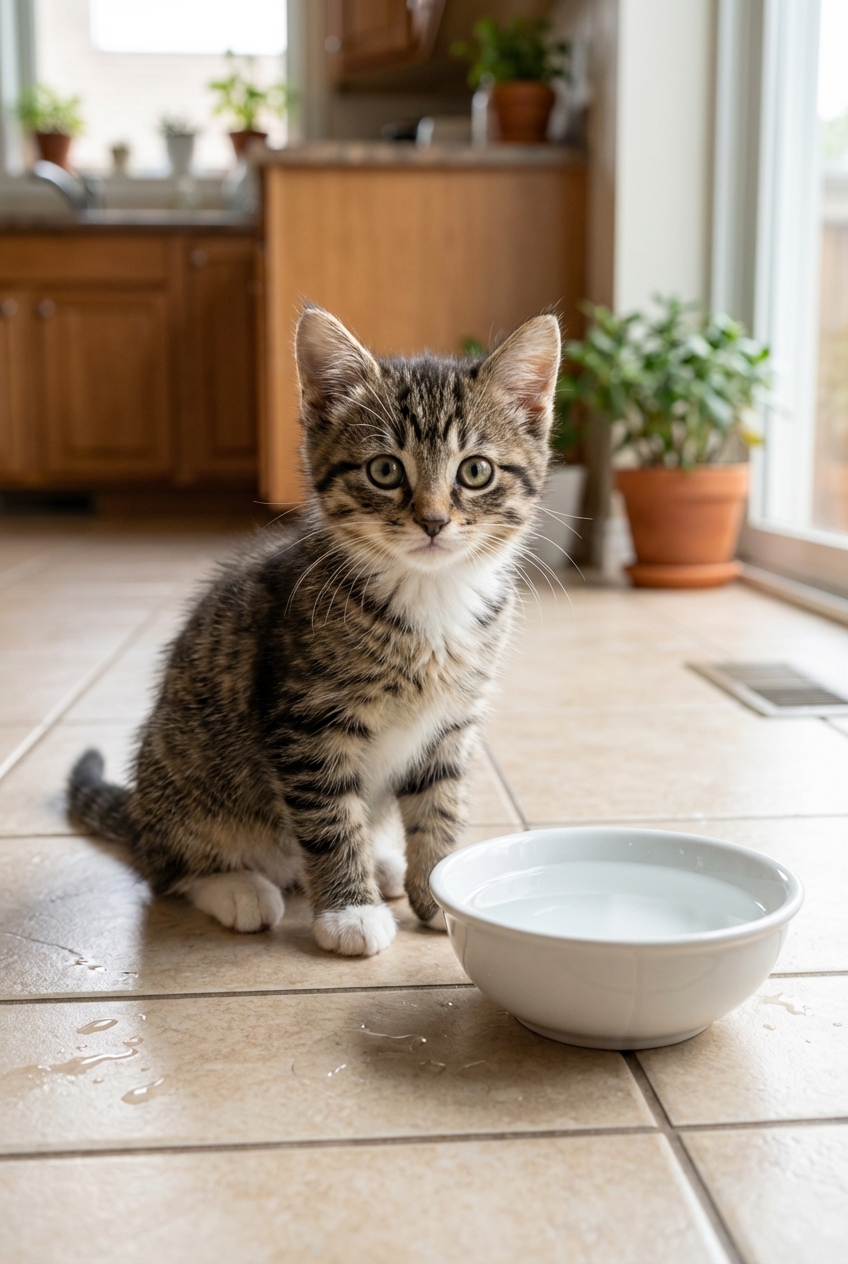
- Offer fresh water at all times.
- If your kitten eats wet food, that helps increase fluid intake.
- Do not force water into a kitten’s mouth, as it can lead to aspiration.
- If your kitten will not drink, or you are considering an oral rehydration product, ask your vet first so you use a safe option and the right amount.
Important: Do not give human anti-diarrhea medications (like loperamide) unless your veterinarian specifically instructs you to. Some can be dangerous for cats and especially kittens.
Feed small, frequent meals
For many kittens, a gentle approach works best: smaller amounts more often, using a consistent diet they tolerate. If you recently switched foods, consider returning to the previous food and making changes more gradually after your kitten is stable.
If you are thinking about a “bland diet,” check with your veterinarian first. Kittens have specific nutritional needs, and many vets prefer a kitten-appropriate, highly digestible GI diet rather than a do-it-yourself recipe.
Keep everything clean
Diarrhea can spread parasites and germs through litter and paws.
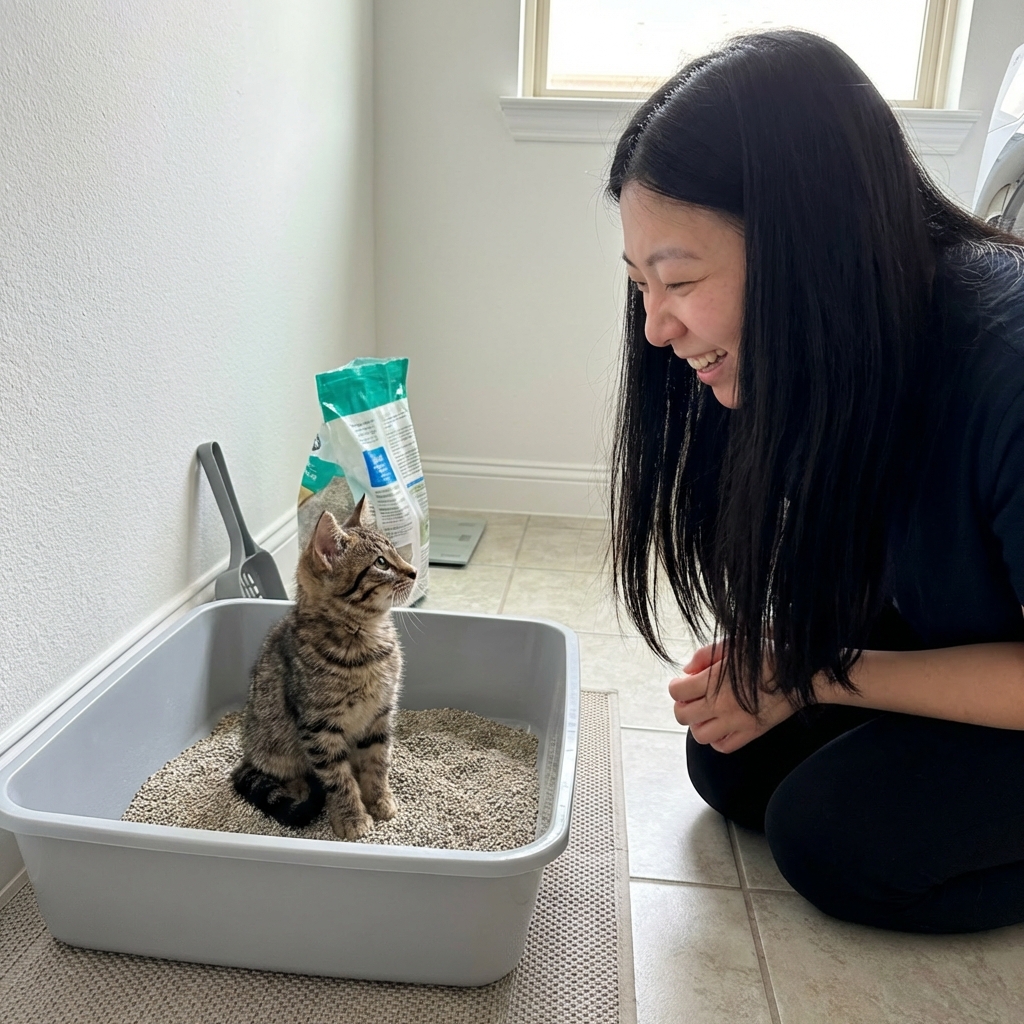
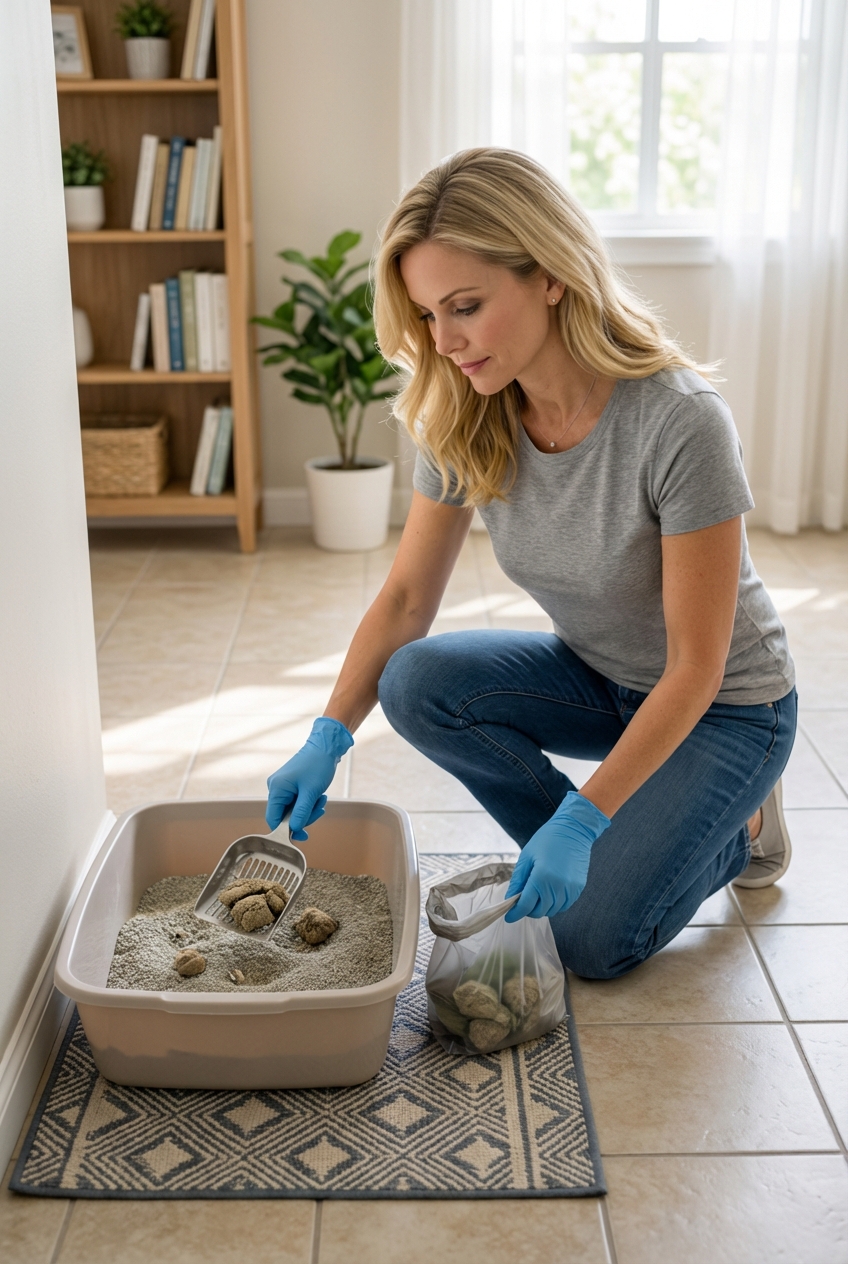
- Scoop the litter box promptly and wash hands after cleaning.
- Clean soiled fur with warm water and a soft cloth, then dry thoroughly.
- Wash bedding and sanitize surfaces with a pet-safe disinfectant.
If Giardia or other parasites are suspected, be extra cautious with hygiene. Keep kids from handling stool or dirty paws, and immunocompromised household members should avoid cleanup when possible.
Should you fast a kitten with diarrhea?
In adult dogs, short fasting sometimes gets mentioned. In kittens, fasting is usually not recommended because they can develop low blood sugar and weaken quickly.
If your kitten is not eating, that is a reason to call your veterinarian promptly, not a reason to wait.
How to check for dehydration at home
You do not need fancy tools to notice early dehydration signs.
- Gums: Healthy gums should feel moist, not tacky or dry.
- Energy: A dehydrated kitten often becomes quieter and less playful.
- Eyes: Sunken eyes can be a dehydration sign, but it is not always obvious in kittens.
- Skin tent (limited reliability in young kittens): Gently lift skin over the shoulders and release. If it stays “tented,” dehydration may be present. This is less reliable in very young kittens, so consider it one clue, not the final answer.
If you suspect dehydration, it is safer to go in. Kittens may need warmed fluids given under the skin or through an IV, and that can be life-saving.
What your veterinarian may do
In clinic, the goal is to identify the cause and stabilize your kitten.
Common diagnostics
- Fecal test for parasites and Giardia
- Parvovirus (panleukopenia) testing if symptoms fit
- Physical exam checking hydration, temperature, abdominal pain
- Sometimes bloodwork if illness is more severe
Common treatments
- Deworming even if parasites are not seen, depending on age and history
- Targeted medication for coccidia or Giardia when indicated
- Fluids to correct dehydration
- Probiotics formulated for cats, if appropriate
- Diet support using a highly digestible veterinary diet
Your vet may also ask about diet, recent moves, new pets, and vaccination history because those details matter.
Bring a stool sample
If your vet is testing for parasites, a fresh stool sample can help speed things up.
- Use a clean bag or a small, clean container.
- If you can, bring a sample that is less than 12 hours old.
- Store it in the refrigerator (not the freezer) until you leave for the appointment.
- Wash hands well afterward and disinfect any surfaces that touched stool.
Very young or orphaned kittens
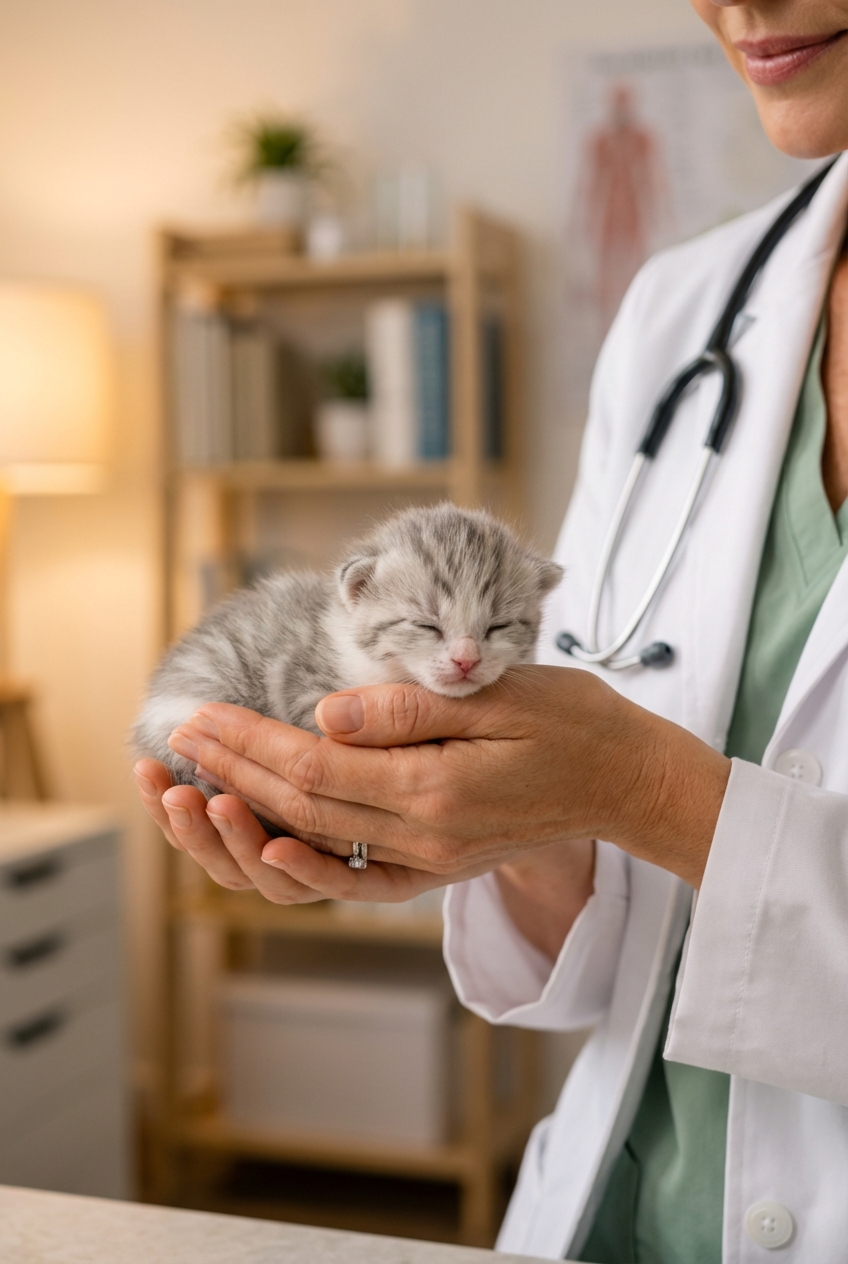
With bottle babies, diarrhea can become severe very quickly. If you are caring for an orphan kitten, please get veterinary guidance early.
Key tips for bottle-fed kittens
- Use a kitten milk replacer intended for kittens, not cow’s milk.
- Mix formula exactly as directed.
- Keep feeding tools clean and discard formula that has sat out.
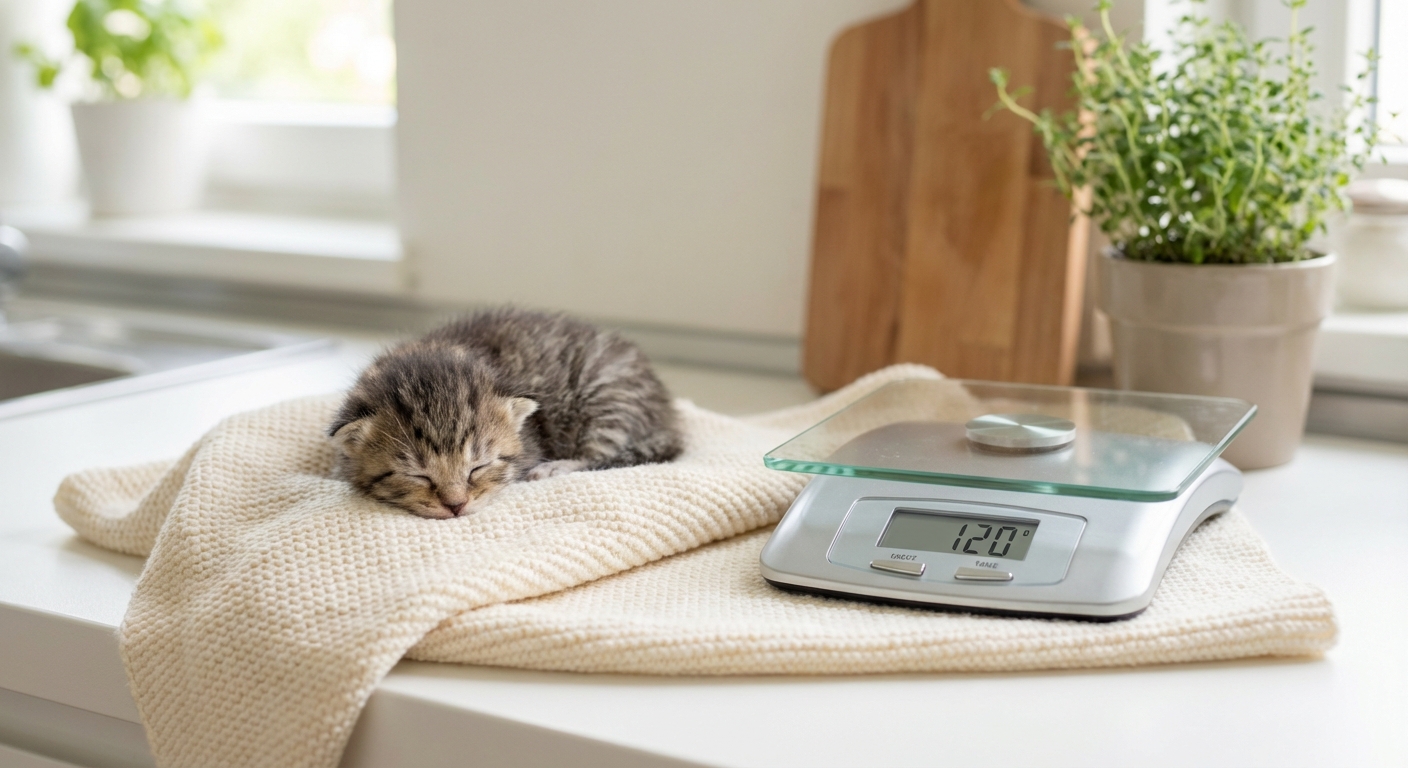
- Track weight daily with a kitchen scale. A kitten that is not gaining weight needs help.
If a neonate has watery diarrhea, weakness, or chills, treat it as urgent.
Preventing diarrhea going forward
Once your kitten is back to normal stools, a little prevention goes a long way.
- Schedule routine deworming and fecal checks as recommended by your veterinarian.
- Transition foods slowly over 7 to 10 days when possible.
- Keep the litter box clean and reduce stress with predictable routines.
- Vaccinate on schedule to reduce risk of serious viral disease.
- If you have multiple cats, consider separating the kitten until stools are normal and your vet clears them. Keep up strict hygiene even with separation (separate litter boxes, handwashing, and cleaning floors and surfaces).
Quick checklist: what to tell your vet
Having details ready can speed up the right care.
- Age and approximate weight
- How long diarrhea has been happening
- Frequency and appearance (watery, mucus, blood, black stool)
- Vomiting or not
- Energy level and appetite
- Diet and any recent changes, including treats
- Deworming history and vaccination status
- Any possible exposure to other cats, shelter environments, or toxins
If you are unsure whether your kitten’s diarrhea is “bad enough,” you are not overreacting. Kittens can go downhill quickly. A simple phone call to your vet can make the next step much clearer.