A practical 24–72 hour diet and hydration plan for mild dog diarrhea, with bland food options, safe add-ons like probiotics, foods to avoid, and clear red ...
Article
•
Designer Mixes
Diarrhea in Dogs: Treatment and Care Guide

Shari Shidate
Designer Mixes contributor
Seeing diarrhea in your dog can be stressful, messy, and honestly a little scary. The good news is that many cases are mild and improve quickly with the right at-home care. The important caveat is that diarrhea can also be a sign of dehydration, parasites, pancreatitis, toxin exposure, or other conditions that need veterinary help.
As a veterinary assistant in Frisco, Texas, I always tell pet parents this: your job is to protect hydration, reduce gut irritation, and watch closely for red flags. Let’s walk through exactly what to do, when to worry, and how to prevent the next episode.
What counts as diarrhea?
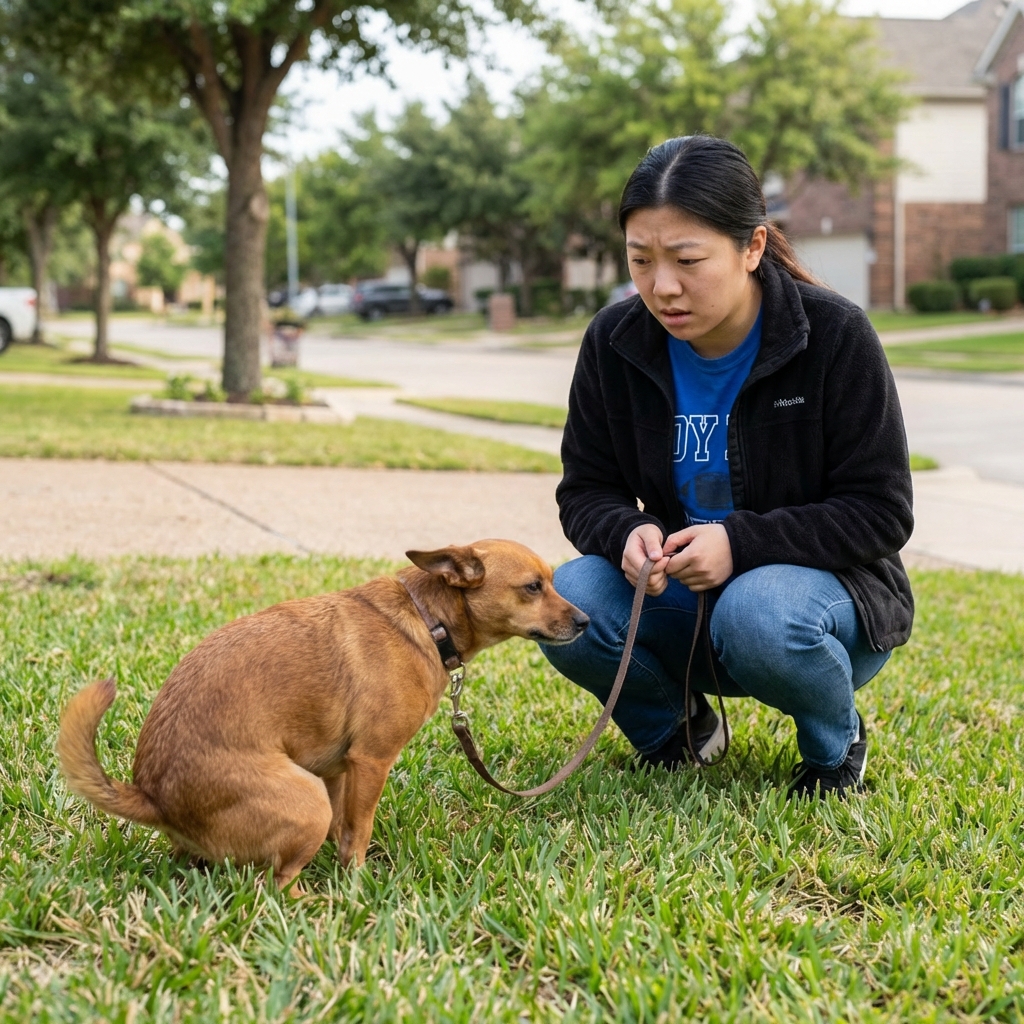
Diarrhea is stool that is looser than normal, more frequent than normal, or both. It can look like soft-serve, pudding, watery stool, or even mucus and blood mixed in.
Acute vs. chronic
- Acute diarrhea is short-term, typically less than about 2 to 3 weeks.
- Chronic diarrhea lasts longer than about 2 to 3 weeks, or keeps coming back (recurrent diarrhea). This raises concern for parasites, food intolerance, inflammatory bowel disease, endocrine problems, or other ongoing issues.
Large bowel vs. small bowel
This can help you describe symptoms to your veterinarian:
- Large-bowel diarrhea: more frequent, smaller amounts, straining, urgency, mucus, and sometimes bright red blood.
- Small-bowel diarrhea: larger volume, fewer trips, very watery stool, and sometimes weight loss if it is ongoing.
Common causes (and why they matter)
Diarrhea is a symptom, not a diagnosis. Knowing what tends to cause it helps you respond more effectively.
- Dietary indiscretion: trash snacks, table scraps, greasy foods, sudden new treats, chews, bones.
- Diet change: switching foods too quickly can upset the gut microbiome.
- Stress: boarding, travel, new baby, storms, schedule changes.
- Parasites: Giardia, roundworms, hookworms, whipworms, coccidia.
- Bacterial or viral infection: more common in puppies or unvaccinated dogs.
- Pancreatitis: often triggered by fatty meals; can become serious fast.
- Food intolerance or allergy: can cause recurring loose stool, gas, itchy skin, ear infections.
- Toxins or medications: some human foods, supplements, NSAIDs, and antibiotics can trigger diarrhea.
If you suspect your dog got into something toxic, call your veterinarian or a poison hotline right away. Time really matters.
Can it be contagious?
Yes. Some causes of diarrhea can spread to other pets (and a few can pose a risk to people). Giardia, coccidia, and parvovirus (especially in unvaccinated puppies) are common concerns.
- Pick up stool promptly.
- Wash your hands after cleanup.
- Clean soiled surfaces and wash bedding.
- Keep sick dogs away from dog parks, daycare, and shared water bowls until your vet gives the all-clear.
First: check for red flags
Before you try home care, do a quick safety check. These signs mean you should contact a veterinarian urgently.
Call your vet today (or go in) if you notice:
- Blood in stool (bright red streaks or black, tarry stool)
- Repeated vomiting or cannot keep water down
- Severe lethargy, weakness, collapse, or pale gums
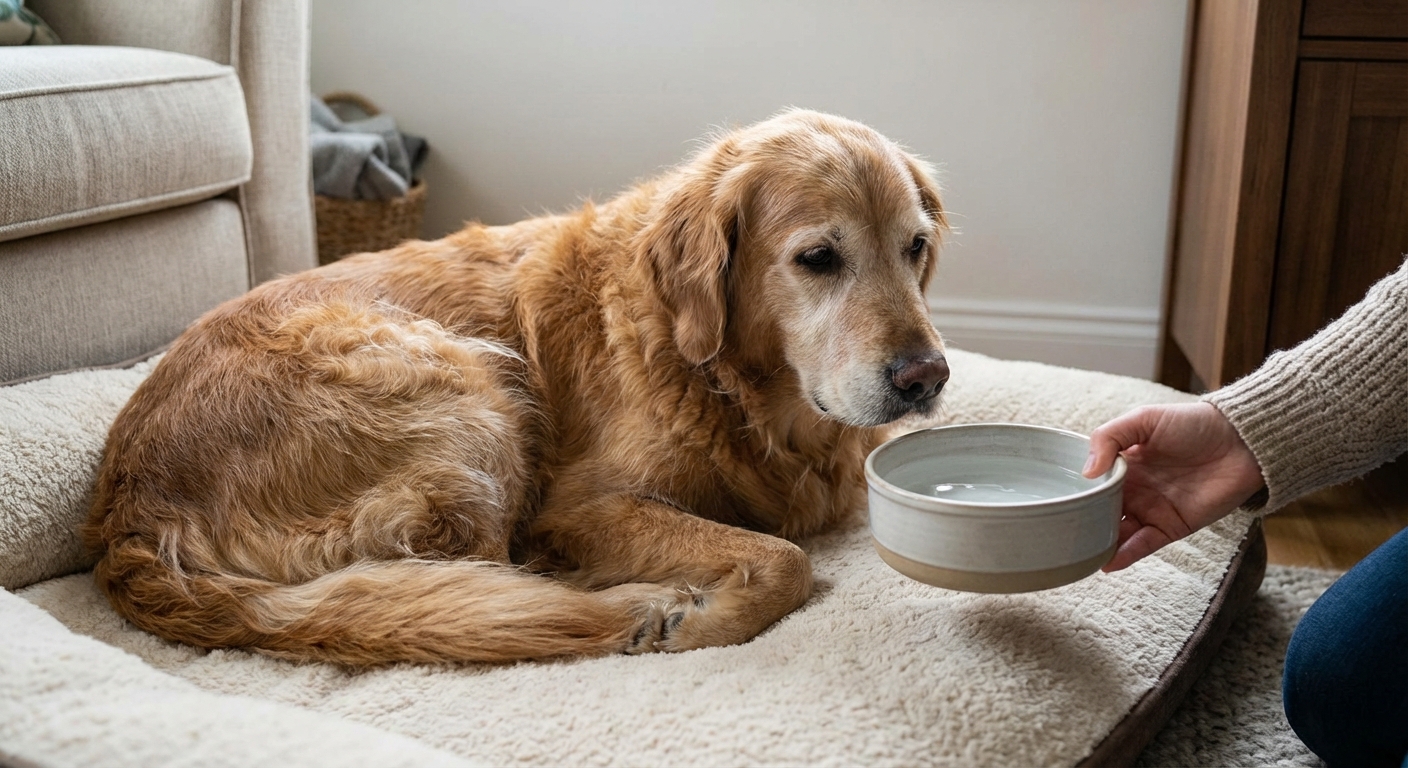
- Signs of dehydration (tacky or dry gums, sunken eyes, reduced urination, marked tiredness, or skin staying “tented” longer than normal). Skin tenting can be less reliable in seniors and overweight dogs.
- Abdominal pain (hunched posture, crying, guarding belly)
- Suspected toxin exposure or foreign body (toy pieces, corn cobs, socks)
- Puppies, seniors, or immune-compromised dogs with diarrhea, even if it seems mild
- Diarrhea lasting more than 24 to 48 hours despite bland diet
- Watery diarrhea every hour or large-volume diarrhea
If your dog seems “off” in a way you cannot quite explain, trust that instinct. It is always okay to call your vet and ask what they recommend.
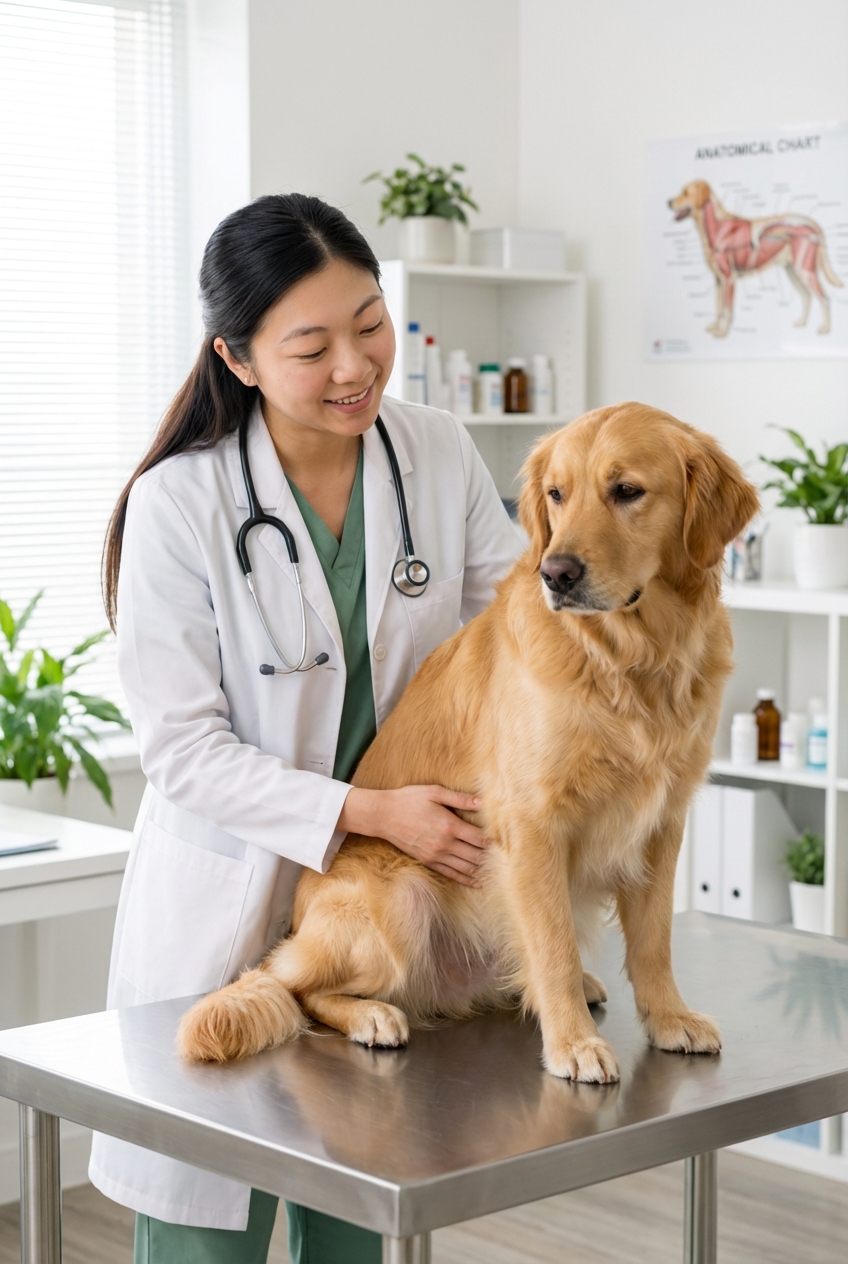
At-home care for mild diarrhea
If your dog is bright, alert, drinking, and has no red flags, you can often start with simple supportive care at home.
Step 1: Pause rich foods and treats
Stop all treats, chews, table scraps, and fatty foods. Many cases improve just from removing the trigger.
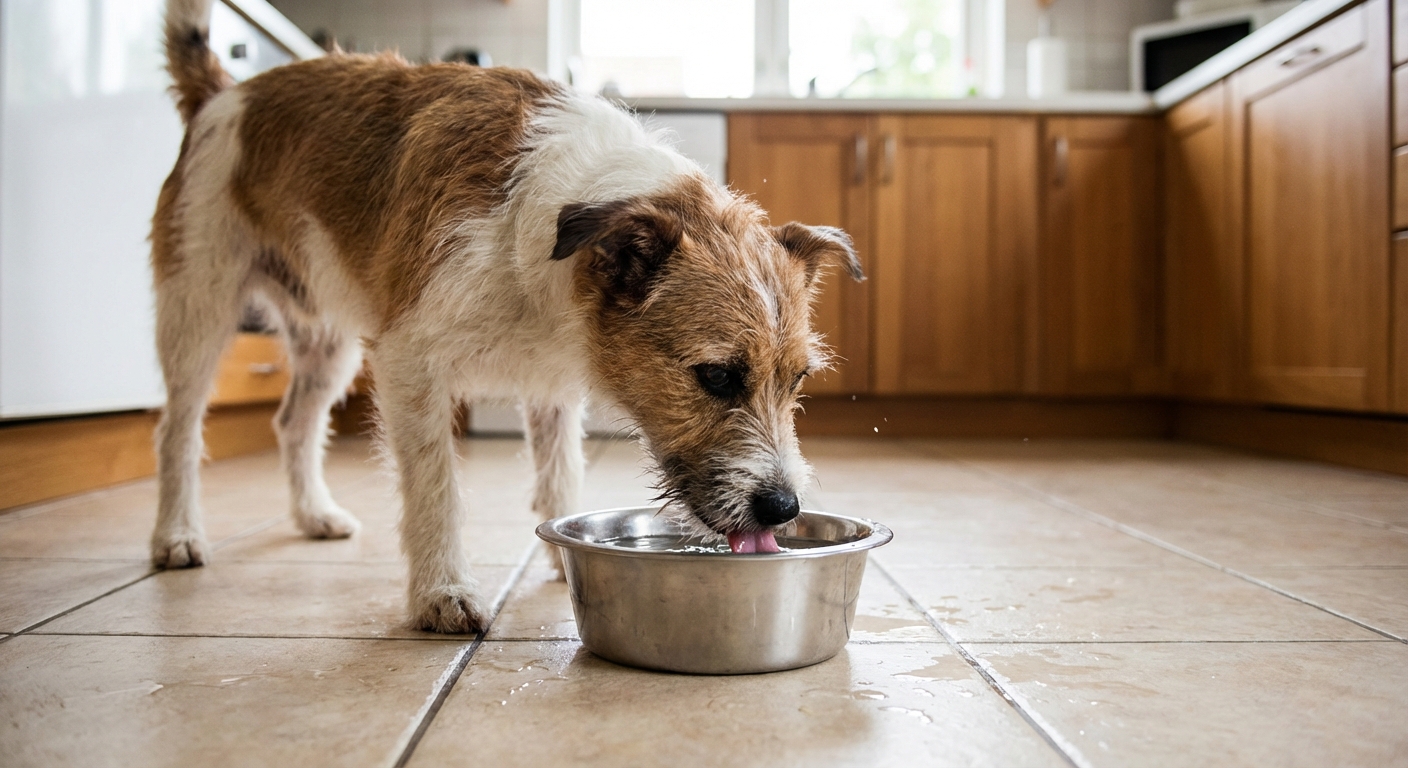
Step 2: Hydration is the priority
Diarrhea pulls water and electrolytes out of the body. Encourage frequent drinking.
- Offer fresh water at all times.
- Offer ice chips for dogs that gulp water too fast.
- Ask your vet whether an electrolyte solution is appropriate for your dog’s size and condition.
If your dog will not drink, that is a reason to call your vet.
Step 3: Fasting (only if your vet recommends it)
Some veterinarians may recommend a brief fast for uncomplicated acute diarrhea in otherwise healthy adult dogs, often 8 to 12 hours. Many vets prefer starting a bland diet right away instead.
Fasting is generally avoided for puppies, toy breeds prone to low blood sugar, seniors, diabetic dogs, dogs with other chronic illnesses, and dogs that are vomiting or seem weak. When in doubt, skip fasting and use a bland diet, or call your vet for guidance.
Step 4: Switch to a bland diet
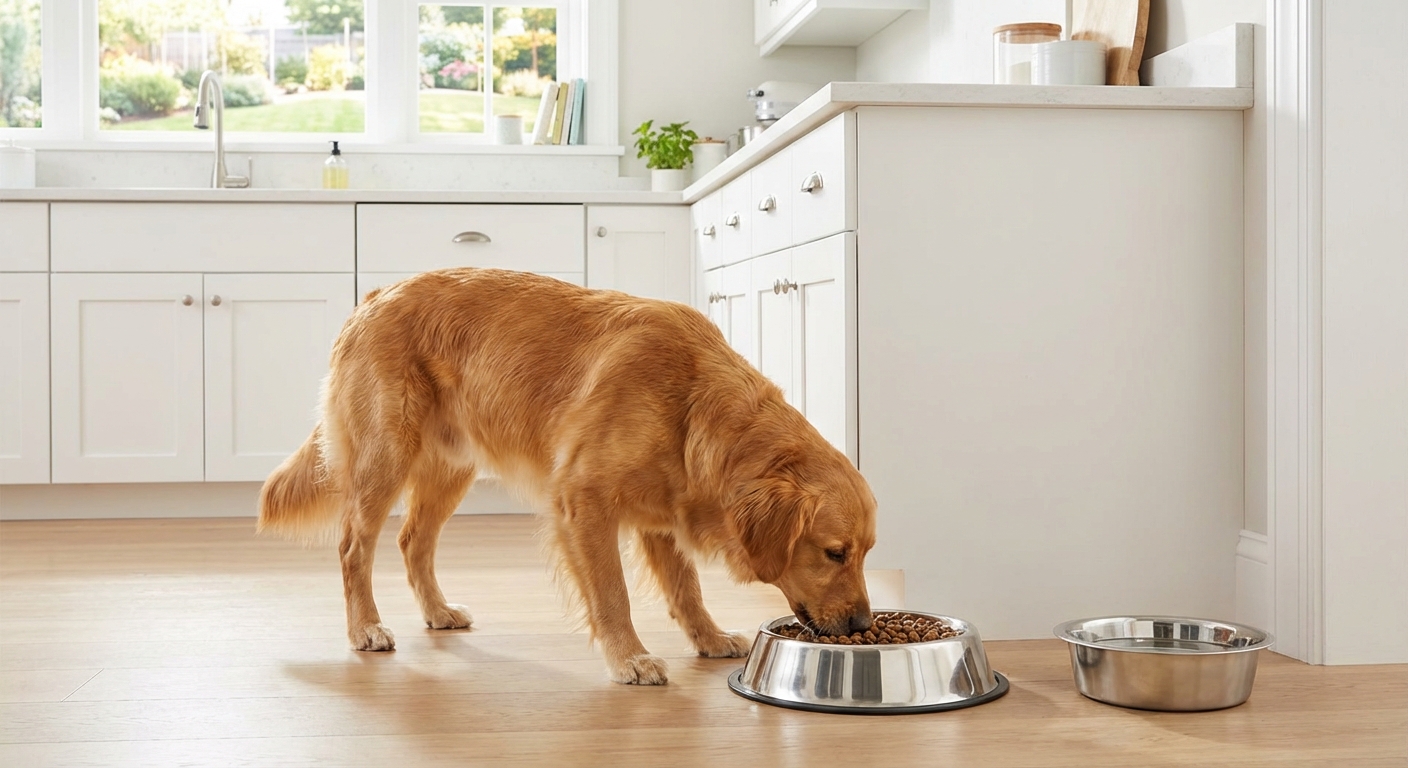
A bland diet is simple, low-fat, and easy to digest. Feed small meals, not one big serving.
- Boiled skinless chicken breast plus plain white rice
- Lean ground turkey (well-cooked, drained) plus white rice
- Prescription GI diets from your vet can be even gentler and more complete, especially for sensitive stomachs or recurrent cases.
How much is “small”? A common starting point is about 1/4 to 1/2 of their usual meal size per feeding, divided into 3 to 4 small meals a day. Exact portions vary by dog, so call your vet if you are unsure.
When to avoid chicken and rice: If your dog has a history of pancreatitis, needs a very low-fat plan, or you suspect chicken does not agree with them, a prescription GI diet is often the safest choice. Your vet can also recommend an alternative protein and carb that fits your dog’s situation.
If stools improve, continue the bland diet for 2 to 3 days, then transition slowly back to normal food over 3 to 7 days.
Step 5: Add gut support (the safe kind)
Many dogs benefit from a veterinary probiotic. These can help stabilize the microbiome and support stool quality. Choose products made for pets, and follow label directions or your vet’s guidance.
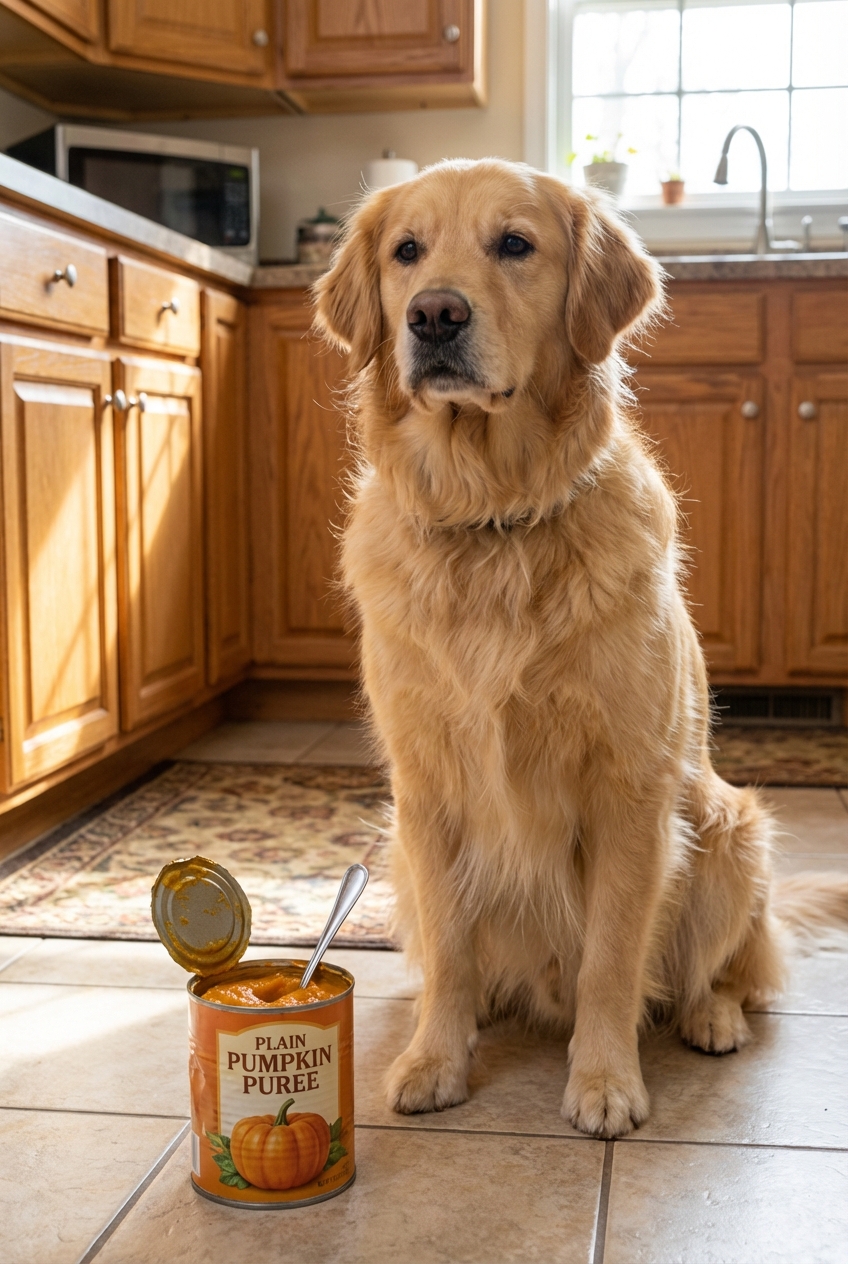
Also, a small amount of plain canned pumpkin (not pumpkin pie filling) can help some dogs because of its fiber content. For many medium to large dogs, people often start with 1 to 2 teaspoons and see how it goes. For small dogs, start with 1/2 to 1 teaspoon. Too much fiber can worsen gas or loose stool in some dogs, so keep it modest and stop if it seems to make things worse.
What not to do
When your dog has diarrhea, it is tempting to try whatever worked for a friend’s dog. Please be careful.
- Do not give human anti-diarrhea medications unless your veterinarian specifically instructs you to. Some can be dangerous, especially for herding breeds or dogs with certain conditions.
- Do not keep feeding fatty foods to “keep calories up.” Fat can worsen diarrhea and trigger pancreatitis.
- Do not ignore chronic or recurring diarrhea. Repeated gut inflammation can lead to nutrient malabsorption and ongoing discomfort.
- Do not switch foods repeatedly trying to chase the perfect stool. Too many changes can keep the gut irritated.
When to bring a stool sample
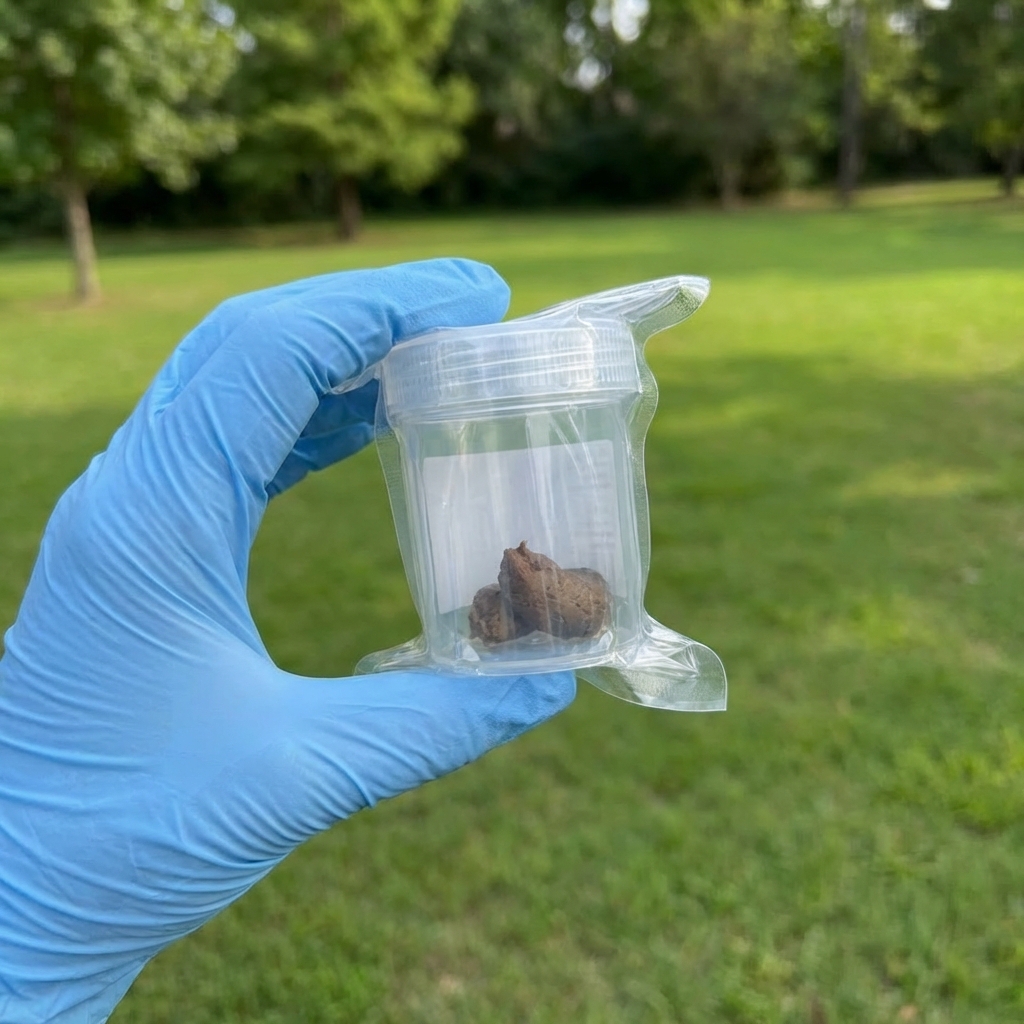
If diarrhea lasts longer than a day or two, returns often, or happens in a puppy, your veterinarian will likely ask for a stool sample to check for parasites and other issues.
Tips for a good sample
- Collect fresh stool in a clean bag or container.
- Bring it to the clinic the same day if possible.
- If you cannot, refrigerate it briefly and bring it in as soon as you can.
Even dogs on monthly preventatives can still pick up intestinal parasites. Most common heartworm, flea, and tick preventatives do not prevent Giardia, and routine deworming does not guarantee a dog cannot get exposed again. Testing still matters.
How vets treat diarrhea
Treatment depends on the cause and your dog’s overall condition. Your vet may recommend:
- Fecal testing and targeted deworming if parasites are found
- Fluids (subcutaneous or IV) for dehydration
- Prescription gastrointestinal diet for gut rest and recovery
- Probiotics and sometimes gut-protectant medications
- Anti-nausea medication if vomiting is also present
- Bloodwork to check pancreas, liver, kidney function, and electrolytes
- X-rays or ultrasound if a foreign body, obstruction, or pancreatitis is suspected
Antibiotics are not automatically needed for diarrhea and are best used when there is a clear medical reason. Overuse can disrupt the gut microbiome.
Feeding after diarrhea
Once stool is improving, the key is not to rush. A sudden return to rich foods can restart the problem.
A gentle transition plan
- Days 1 to 2 after improvement: 100% bland diet
- Days 3 to 4: 75% bland diet + 25% regular food
- Days 5 to 6: 50% bland diet + 50% regular food
- Days 7 to 8: 25% bland diet + 75% regular food
- Day 9+: back to regular food if stool stays normal
If diarrhea returns during the transition, pause and call your vet for guidance.
Prevention
Some diarrhea is unavoidable, especially with curious pups, but you can reduce the odds.
- Make food changes slowly over 7 to 10 days.
- Limit treats and avoid fatty table scraps.
- Keep trash secured and supervise outdoor time if your dog scavenges.
- Use parasite prevention recommended by your veterinarian.
- Schedule regular fecal testing, especially for dogs who visit parks, daycare, or boarding.
- Support the gut during known stress (travel, boarding) with vet-approved probiotics.
Quick checklist
- Is my dog drinking and acting mostly normal?
- Any blood, repeated vomiting, or severe lethargy?
- How long has the diarrhea lasted?
- Did my dog eat something new, fatty, or questionable?
- Can I start a bland diet and a veterinary probiotic today?
- Do I need to bring a stool sample to my vet?
If you take only one thing from this guide, let it be this: protect hydration and do not wait too long if your dog is worsening. Early care is almost always easier and less expensive than late care.