Vet-informed guide to a short-term bland diet for dogs: chicken and rice 1:2 ratio, daily cup ranges by weight, how many meals to split into, and red flags t...
Article
•
Designer Mixes
Diarrhea in Dogs: Step-by-Step Help for Pet Owners

Shari Shidate
Designer Mixes contributor
Seeing diarrhea in your dog can be scary, messy, and honestly overwhelming. As a veterinary assistant in Frisco, Texas, I have talked with many pet parents who worry they will miss something serious. The good news is that many cases are mild and short-lived, especially when caused by diet changes or scavenging, but severity can vary a lot by your dog’s age, size, and the underlying cause.
This guide walks you through what to do today, what to watch for, and how to prevent repeat episodes, using practical, evidence-based advice.
Quick note: This article is educational and not a substitute for a veterinary exam or diagnosis. If you are unsure at any point, call your veterinarian.
First: Is this an emergency?
Some diarrhea can be safely managed at home, but certain signs mean your dog needs veterinary care right away.
Go to an emergency vet now if you notice:
- Repeated vomiting or your dog cannot keep water down
- Bloody diarrhea (bright red blood or black, tarry stool)
- Severe lethargy, collapse, or weakness
- Large-volume watery diarrhea that is happening frequently (risk of rapid dehydration)
- Bloated abdomen, obvious pain, or unproductive retching
- Pale/white gums or very fast breathing
- Fever (over 102.5°F) or your dog feels very hot and is acting unwell
- Possible toxin exposure (rodent bait, grapes/raisins, xylitol, medications, marijuana, household chemicals)
- Suspected foreign body (toy, sock, corn cob, bone pieces)
- Puppies, seniors, or dogs with chronic illness (kidney disease, diabetes, Addison’s disease, cancer) who develop diarrhea
- Unvaccinated puppies or known exposure to parvovirus risk (sick dog contact, shelter, outbreak)
- Dehydration signs such as sticky or tacky gums, sunken eyes, marked lethargy, or weakness (thirst and urination patterns are not always reliable)
Call your vet within 24 hours (same day is ideal) if:
- Diarrhea lasts more than 24 hours for puppies, small dogs, seniors, or dogs with other health conditions
- Diarrhea lasts more than 48 hours for a stable, otherwise healthy adult dog
- Your dog is still playful but has frequent watery stool
- There is mucus or straining, even without blood
- Your dog recently started a new food, treat, chew, supplement, or medication
- You have multiple pets with diarrhea (possible contagious cause)
If you are unsure, call. A quick phone conversation can save you a lot of worry and can prevent a small GI issue from becoming a dehydration problem.
Step 1: Quick check and notes (10 minutes)
Before you change anything, take a quick look at your dog and write down a few details. Vets rely on this information, and it helps you spot patterns.
What to check
- Energy level: normal, slightly quiet, or very lethargic
- Appetite: eating normally, picky, or refusing food
- Water intake (do they drink when offered?)
- Urination (are they urinating at least some?)
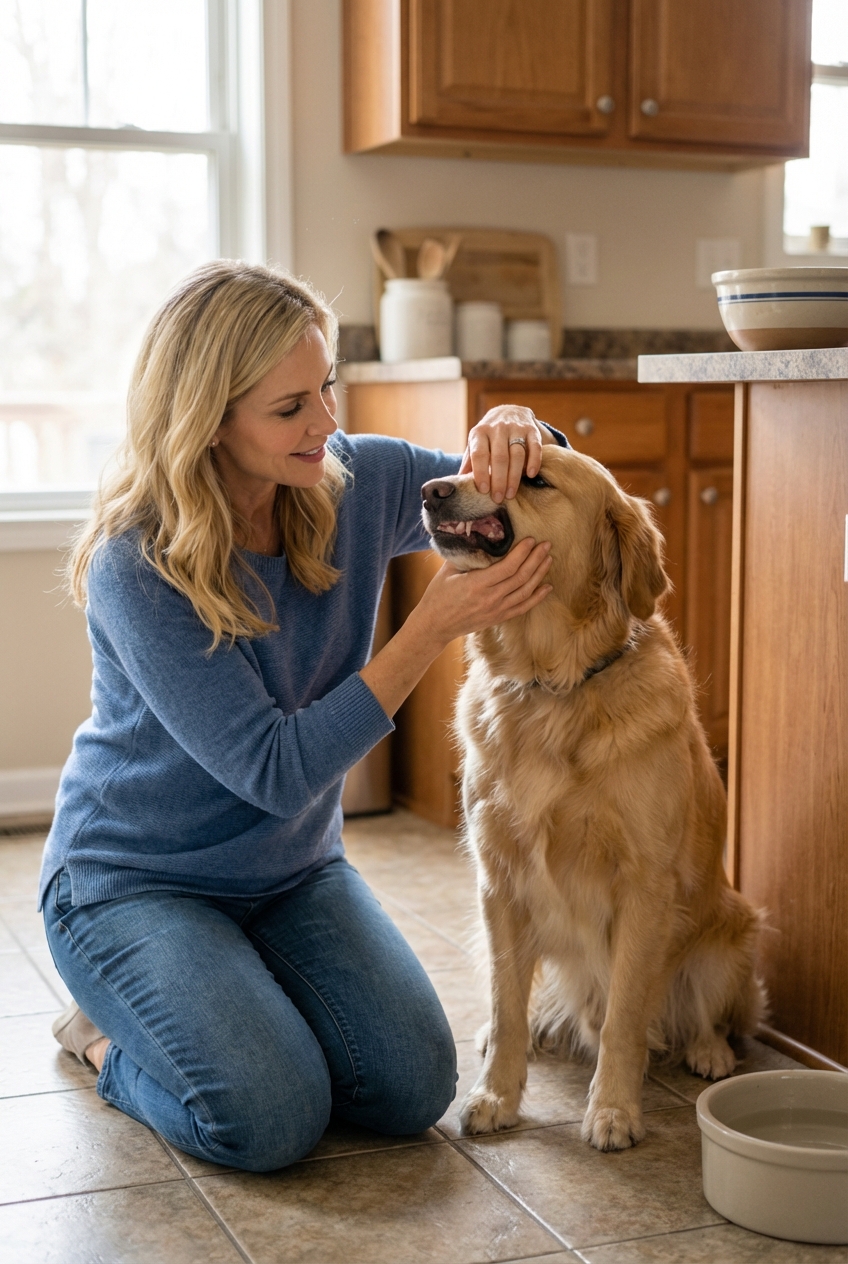
- Gums: should be pink and moist, not pale or tacky
- Abdominal discomfort: tense belly, hunching, yelping
- Temperature if you can safely take it rectally: normal is about 100.0°F to 102.5°F
What to write down
- When diarrhea started
- How often your dog is going
- Stool appearance: watery, pudding-like, mucus, blood, black/tarry
- Any vomiting, coughing, or sneezing
- Any new foods, scavenging, trash, pond water, boarding, dog park visits
- Parasite prevention status and last dose
Step 2: Protect hydration first
With diarrhea, the biggest immediate risk is fluid loss. Many dogs can handle a mild upset stomach, but dehydration can become dangerous quickly, especially for small dogs and puppies.
At-home hydration tips
- Offer fresh water at all times.
- If your dog gulps and then vomits, offer small amounts frequently (every 10 to 15 minutes). As a general starting point, that might look like 1 to 2 teaspoons for very small dogs, 1 to 2 tablespoons for medium dogs, and a few tablespoons for large dogs. If vomiting continues, stop and seek veterinary care.
- Ask your veterinarian before using an electrolyte product, especially if your dog has heart, kidney, or endocrine disease.
Do not force water. If your dog will not drink, is vomiting water back up, or seems weak, that is a vet visit.
Step 3: Food plan (next 24 hours)
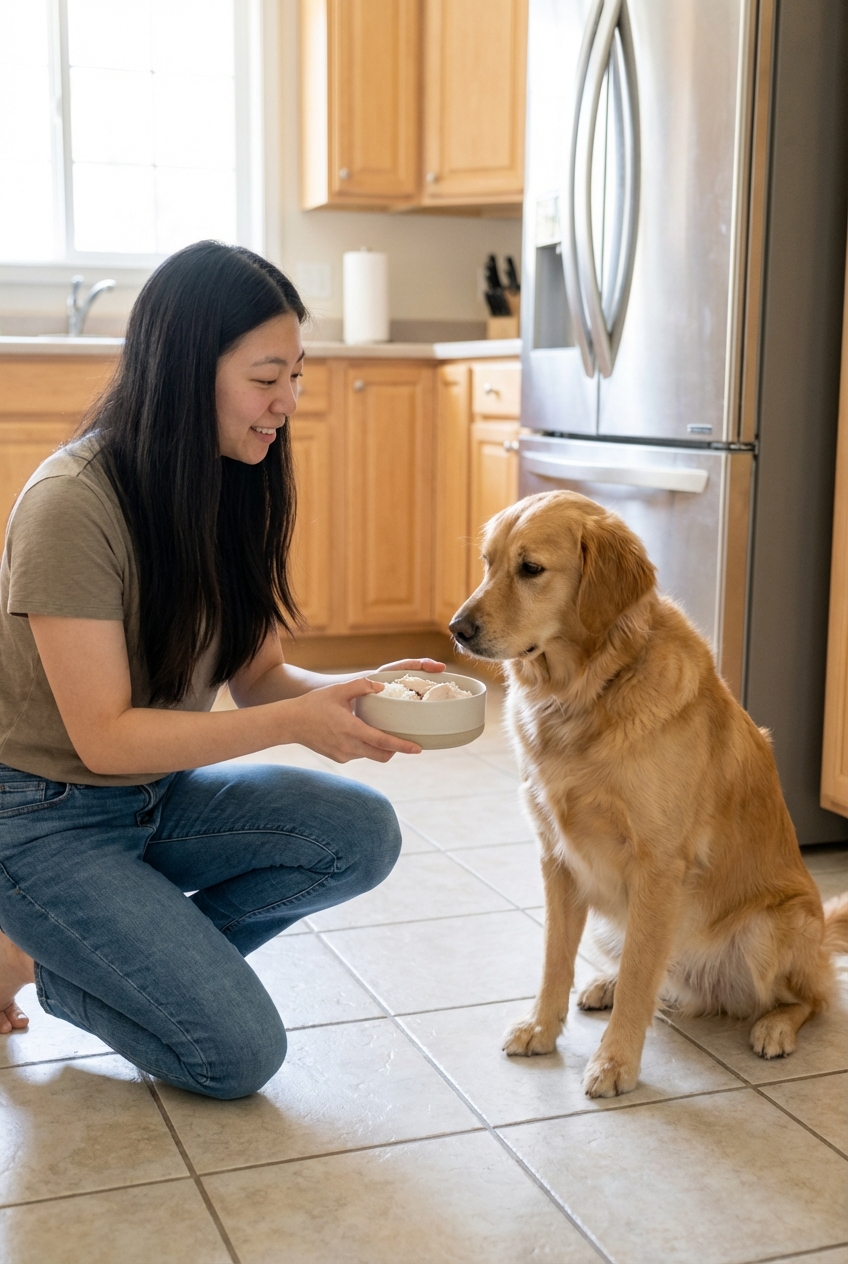
There is no single approach that fits every dog. Some dogs do best with a short rest for the GI tract, and others do better with small bland meals right away. If your dog is an adult, otherwise healthy, and not vomiting, many veterinarians recommend small bland meals for a couple of days.
Important: Do not fast puppies, toy breeds, or dogs with diabetes without veterinary guidance. They can become weak or develop low blood sugar more quickly.
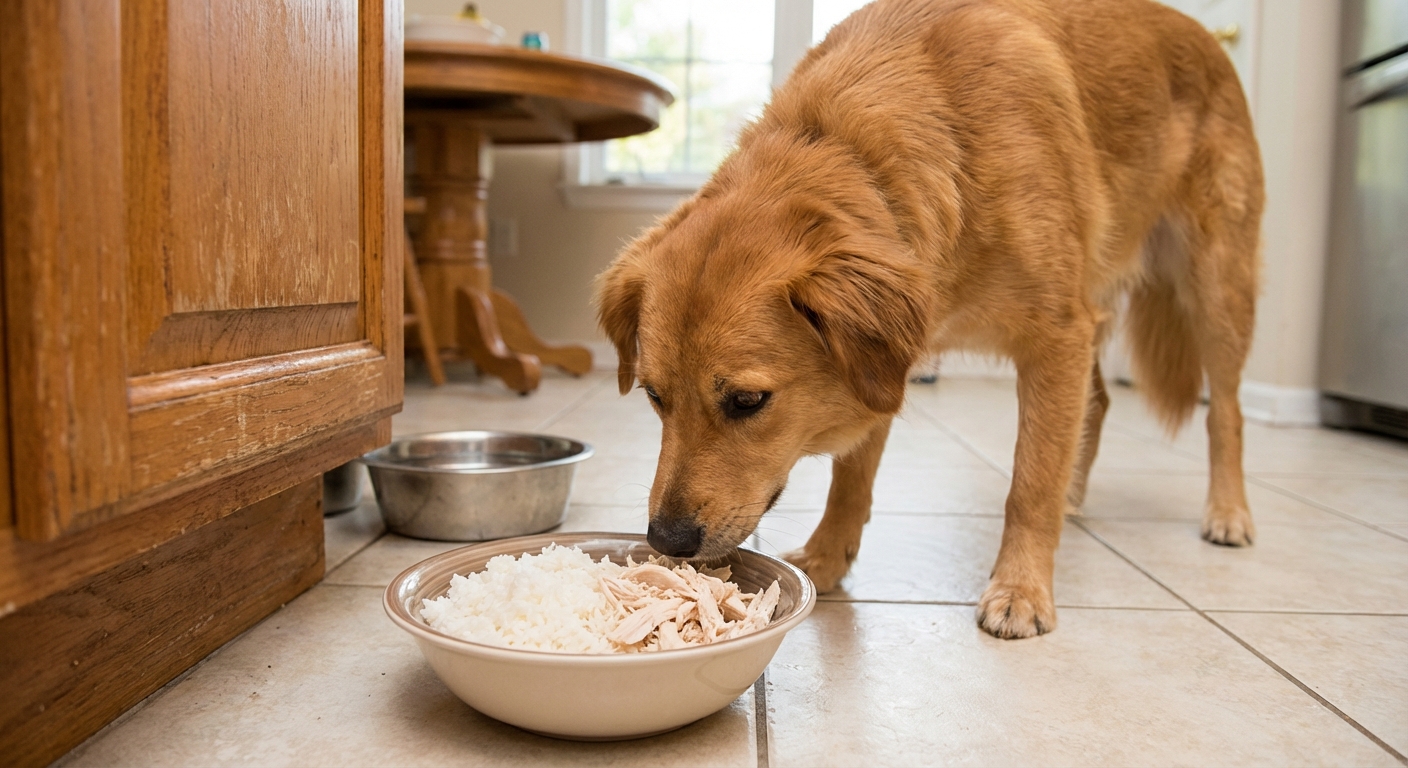
Option A: Bland diet
Feed small meals, about 3 to 6 times per day.
- Boiled skinless chicken breast or lean ground turkey (drained)
- White rice
Start with a small portion. If your dog keeps it down and stool starts to improve, continue for 24 to 48 hours.
Option B: Prescription GI diet
If your veterinarian has recommended a veterinary gastrointestinal diet in the past, this is often more nutritionally complete than home bland diets and can be gentler on sensitive dogs.
Foods to avoid
- Fatty foods (bacon, sausage, greasy leftovers)
- Rich treats and chews
- Milk and heavy dairy (many dogs are lactose intolerant)
- Sudden diet changes
- Cooked bones (splinter and obstruct) and high-risk chews like rawhides (higher risk of GI irritation and obstruction)
Tip from the clinic: The most common trigger I see is a simple one, a dog getting into the trash or being offered a “little bite” of something rich. When your dog has diarrhea, simple is your best friend.
Step 4: Safe support
Supportive care can help the intestinal lining recover, but safety depends on your dog’s age, size, and other health issues.
Probiotics
Veterinary probiotics can be helpful for acute diarrhea and stress-related diarrhea. Look for products made for dogs, and follow label directions. If your dog is immunocompromised, ask your vet first.
Fiber support
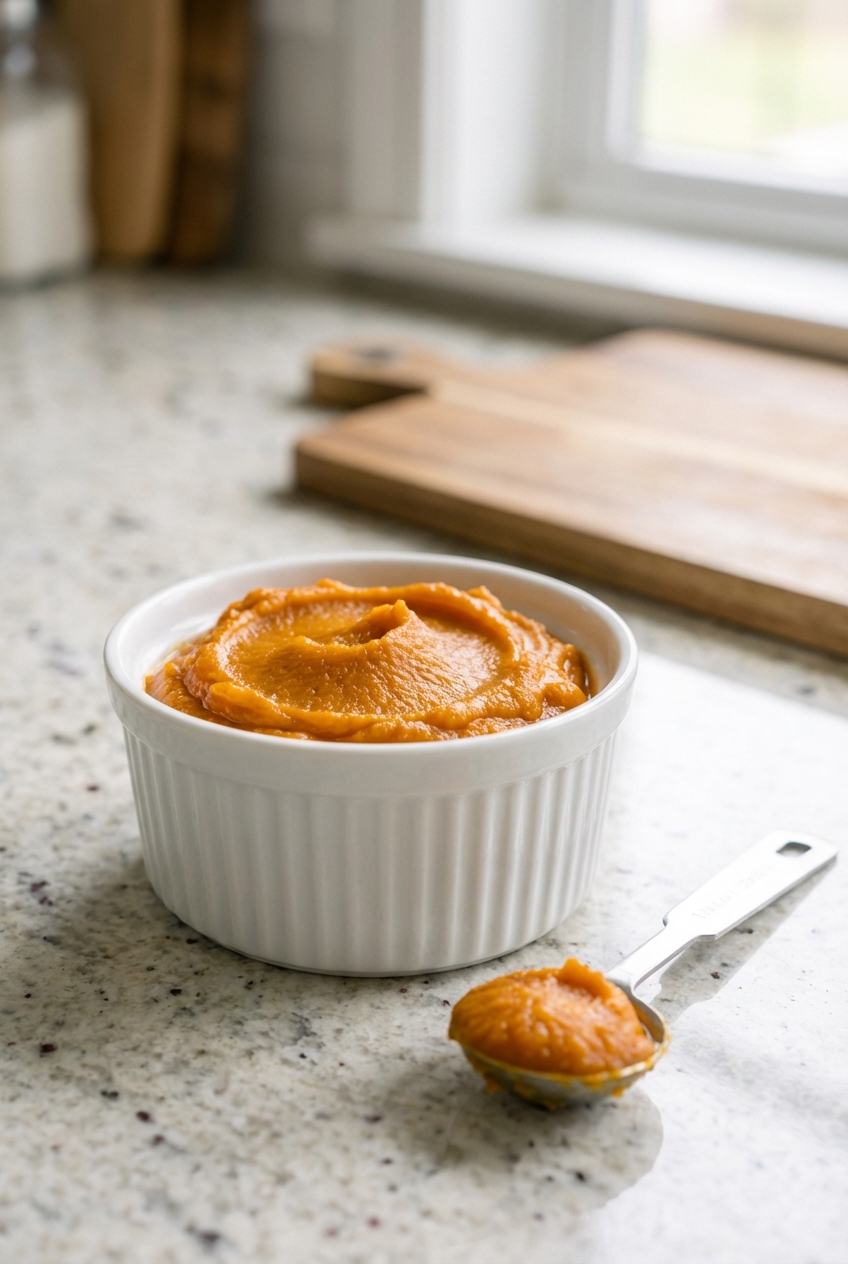
Plain canned pumpkin (not pie filling) is often used to support stool quality. It can help some dogs by adding soluble fiber, but it is not a cure for infections, parasites, or pancreatitis.
A common starting amount is about 1 teaspoon per 10 pounds of body weight, once or twice daily. Start small. Too much can worsen stool in some dogs. If your dog is diabetic, on a prescription diet, or has had pancreatitis, ask your vet first.
Avoid human anti-diarrheals
Avoid over-the-counter anti-diarrheal medications unless your vet tells you to. Medications like loperamide can be dangerous for certain dogs (especially some herding breeds such as Collies, Australian Shepherds, and Shetland Sheepdogs due to MDR1 gene mutations) and can worsen some infections by slowing the gut when it should be clearing a pathogen.
Also avoid these common mistakes
- Do not give Pepto-Bismol or bismuth products unless your vet specifically directs you to. They can be risky in dogs and can also darken stool, which may confuse the picture if bleeding is a concern.
- Do not give human pain relievers (ibuprofen, naproxen, aspirin) unless your vet directs you to. They can cause ulcers and serious toxicity.
- Do not start leftover antibiotics. Wrong drug, wrong dose, and it can make diarrhea worse.
Step 5: What the pattern can suggest
Vets often think in terms of small bowel versus large bowel signs. This does not diagnose the cause by itself, but it helps narrow down next steps.
Small bowel diarrhea often looks like:
- Large volumes
- Less frequent trips
- Possible weight loss if ongoing
- May include vomiting
Large bowel diarrhea often looks like:
- Frequent small amounts
- Straining, urgency, accidents
- Mucus is common
- Bright red blood can occur from inflammation
Either type can be caused by diet change, stress, parasites, infection, inflammatory bowel disease, pancreatitis, antibiotic side effects, or something your dog swallowed that does not belong in a stomach.
Step 6: Stool sample and vet tests
If diarrhea lasts beyond a day or two, recurs, or comes with red-flag symptoms, your vet will often recommend a fecal test.
How to collect a useful stool sample
- Use a clean bag or container.
- Bring the sample the same day if possible.
- If needed, refrigerate briefly (do not freeze) and bring it in within 24 hours.
Common vet diagnostics
- Fecal flotation and/or Giardia testing
- Fecal PCR panel (increasingly common for infectious causes)
- Parvovirus test for puppies or unvaccinated dogs
- Bloodwork if dehydration, systemic illness, or pancreatitis is suspected
- X-rays or ultrasound if foreign body, obstruction, or organ disease is a concern
Treatment might include fluids, deworming, targeted antibiotics only when appropriate, anti-nausea medication, intestinal protectants, probiotics, or a prescription diet.
Step 7: Transition back slowly
Once stool is improving and your dog is acting normal, transition back gradually to avoid a relapse.
- Days 1 to 2: 75% bland, 25% regular food
- Days 3 to 4: 50% bland, 50% regular
- Days 5 to 6: 25% bland, 75% regular
- Day 7: 100% regular if stool stays normal
If diarrhea returns during the transition, pause and call your vet. Some dogs need a longer transition or a different long-term diet plan.
Prevention
You cannot prevent every upset stomach, but you can lower the odds dramatically with a few consistent habits.
Prevention checklist
- Keep trash secured and counters clear.
- Avoid frequent treat switching. Choose a few trusted options.
- Use parasite prevention as recommended by your vet.
- Practice “leave it” and supervise chews.
- Transition foods slowly over 7 to 10 days.
- Be cautious with boarding and dog parks, and ask about sanitation and vaccine requirements.
If multiple pets are affected
If more than one pet in the home has diarrhea, treat it as potentially contagious until your vet says otherwise.
- Pick up stool promptly and disinfect soiled areas.
- Wash hands after cleanup.
- Keep sick dogs away from puppy areas, shared water bowls, and high-traffic pet spaces.
- If you are worried about parvovirus risk, ask your vet what disinfectant to use. Not all household cleaners kill parvo.
If your dog has recurring diarrhea
Recurring or chronic diarrhea deserves a deeper look. Food sensitivities, inflammatory bowel disease, chronic parasites, pancreatitis, endocrine disease, and microbiome imbalance are all possibilities. A tailored plan with your veterinarian can make a huge difference in comfort, coat quality, and energy.
Quick action list
- Check for red flags and seek emergency care if present.
- Prioritize hydration. Offer small, frequent sips if needed.
- Feed bland, low-fat meals in small portions if your dog is otherwise stable.
- Skip rich treats and avoid over-the-counter anti-diarrheals unless your vet approves.
- Call your vet if diarrhea lasts more than 24 to 48 hours based on age and size, worsens, or includes blood, vomiting, fever, or lethargy.
Your dog does not need perfection from you. They need calm observation, simple supportive care, and timely veterinary help when it is warranted.