A practical 24–72 hour diet and hydration plan for mild dog diarrhea, with bland food options, safe add-ons like probiotics, foods to avoid, and clear red ...
Article
•
Designer Mixes
Diarrhea in Dogs: Causes, Care, and When to Worry

Shari Shidate
Designer Mixes contributor
As a veterinary assistant here in Frisco, Texas, I can tell you one thing with confidence: diarrhea is a very common reason dogs end up at the vet. It can be as simple as getting into the trash, or it can be an early warning sign that your dog needs medical help. The good news is that you can often support your dog safely at home if you know what to watch for and when to call your veterinarian.
What diarrhea may mean
Diarrhea is a symptom, not a diagnosis. It can happen when the intestines move food and fluid through too quickly (so the colon cannot absorb enough water), but it can also be caused by inflammation, infection, or changes in how the gut handles water and electrolytes. The result is loose, watery stool and sometimes an urgent need to go out.
Most cases fall into two buckets:
- Acute diarrhea: sudden onset, often from diet changes, a treat that did not agree with them, stress, or a mild infection.
- Chronic diarrhea: lasts more than 2 to 3 weeks or keeps coming back, which raises concern for underlying disease or long-term food intolerance.
Clues in the poop
You do not need to diagnose this at home, but these details help your vet narrow things down:
- Large bowel diarrhea: smaller amounts, more frequent trips, straining, mucus, and sometimes bright red blood.
- Small bowel diarrhea: larger volume, watery stool, and sometimes weight loss or poor body condition over time.
Clinic tip: If you can, snap a quick photo (gross but helpful) and write down when it started and how often your dog is going.
Common causes in dogs
1) Dietary indiscretion and sudden food changes
This is the classic “my dog got into something” scenario: greasy leftovers, spoiled food, too many rich treats, a new chew, or a quick switch in kibble. Dogs’ gut microbiomes can be sensitive to abrupt diet changes.
2) Stress and routine disruptions
Boarding, travel, new pets, house guests, fireworks, or even a change in your schedule can trigger stress diarrhea. It is real physiology, not “behavior.”
3) Parasites
Giardia, roundworms, hookworms, and whipworms can cause loose stool, mucus, and sometimes weight loss. Puppies and dogs who visit dog parks or daycare are at higher risk.
4) Viral or bacterial infections
Some infections are mild and self-limiting, while others can be serious. Parvovirus, for example, can cause severe, often bloody diarrhea and dehydration, especially in unvaccinated puppies.
5) Food sensitivity and chronic intestinal inflammation
Some dogs develop recurring loose stool due to food intolerance, dietary fat sensitivity, or chronic intestinal inflammation (often grouped under inflammatory bowel disease). These cases tend to be recurrent or persistent and may come with vomiting, poor appetite, or weight loss.
6) Pancreatitis
Pancreatitis can occur after a fatty meal and often causes vomiting, abdominal pain, and diarrhea. It can become an emergency quickly.
7) Medications and toxins
Antibiotics, NSAIDs, and many human medications can upset the gut or cause ulcers. Common toxins, including xylitol and certain plants, can also cause GI signs. If you suspect poisoning, do not wait it out.
8) Other causes your vet may consider
If diarrhea is persistent, recurrent, or paired with weight loss or weakness, your vet may also look at issues like Addison’s disease, exocrine pancreatic insufficiency (EPI), or other metabolic or endocrine problems.
At-home care for mild diarrhea
If your adult dog is bright, alert, drinking water, and has mild diarrhea without red-flag symptoms, supportive care may help while you monitor closely. This section is not meant for young puppies, seniors, or dogs with chronic illness, because they can dehydrate or crash faster.
Step 1: Hydration first
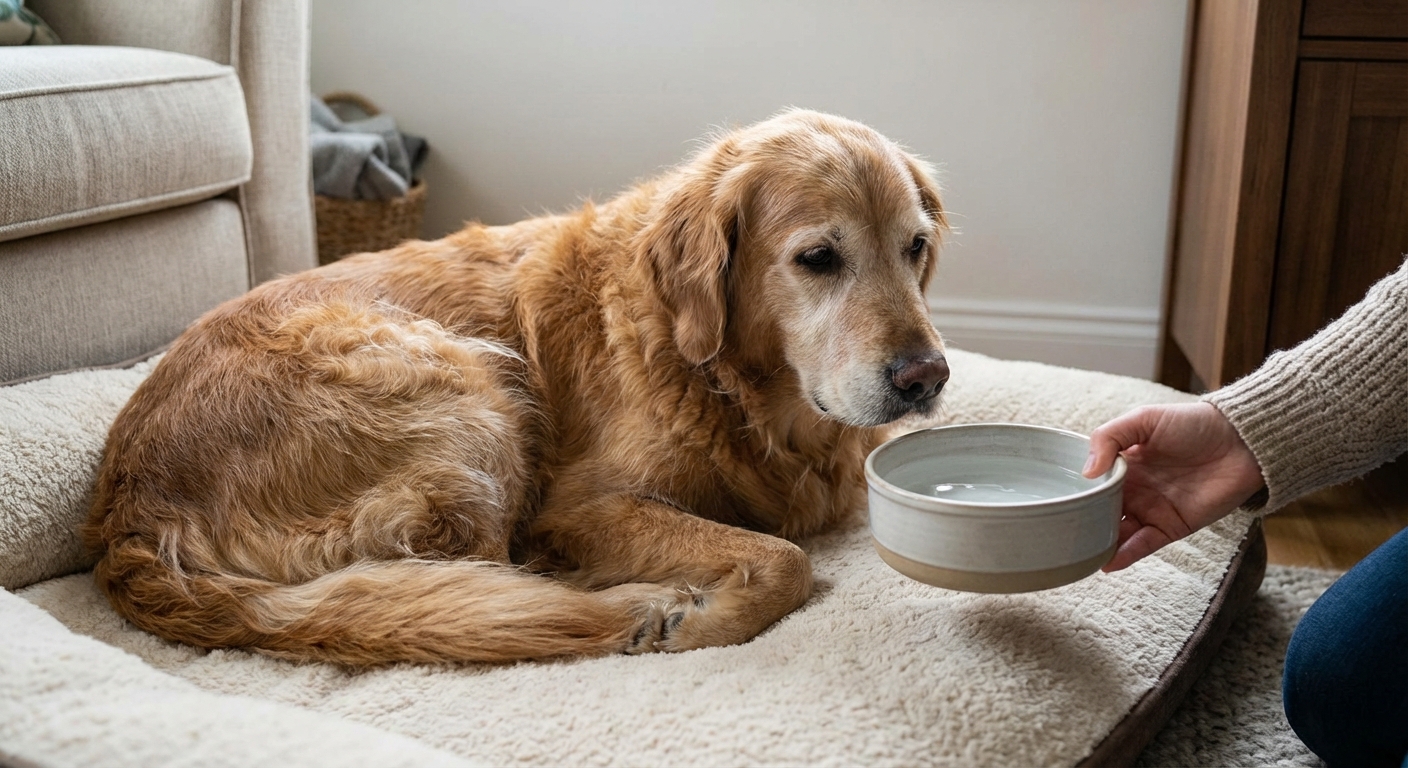
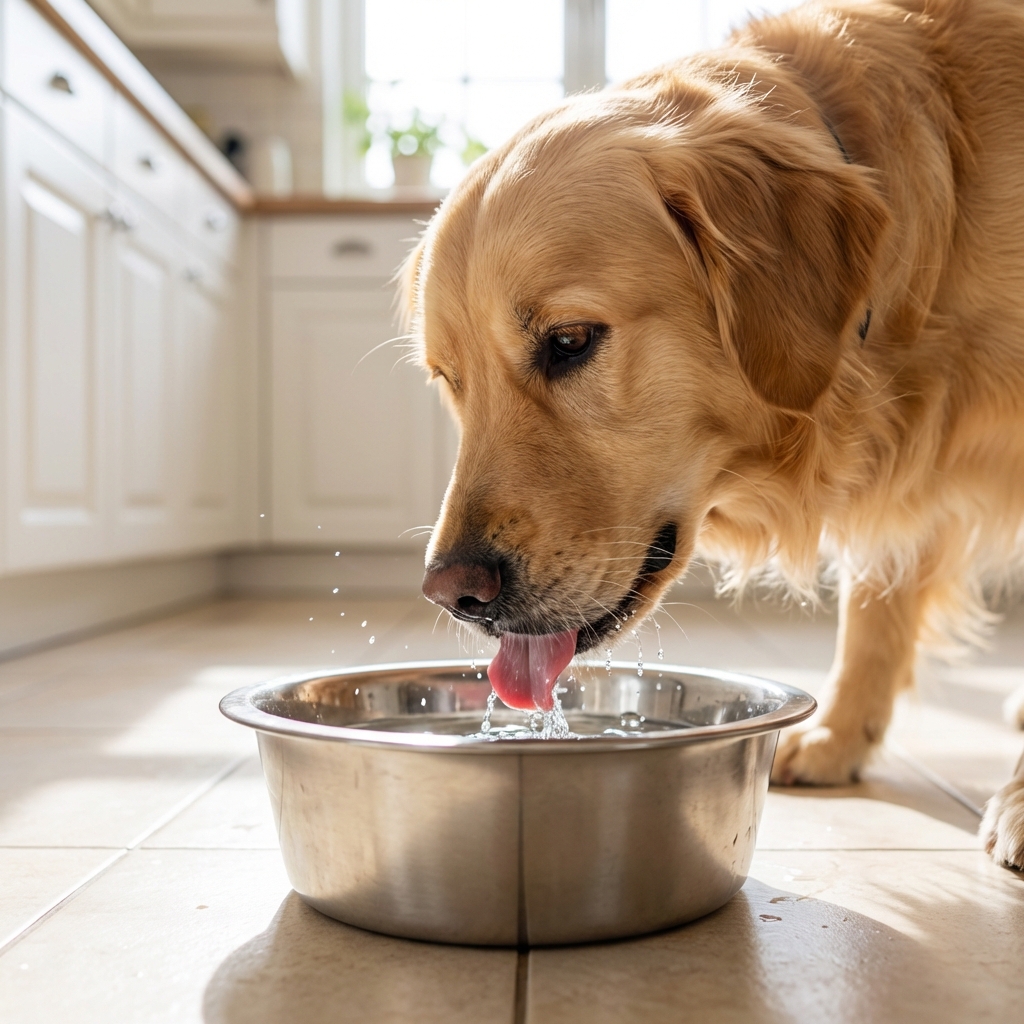
Dehydration is the main risk with diarrhea. Make sure fresh water is always available. If your dog is not drinking normally, that is a reason to call your vet.
- Offer water frequently.
- Ask your veterinarian whether an oral electrolyte solution is appropriate for your dog. Some human sports drinks or electrolyte products can have too much sugar or sodium.
Step 2: Feed a bland, low-fat diet short term
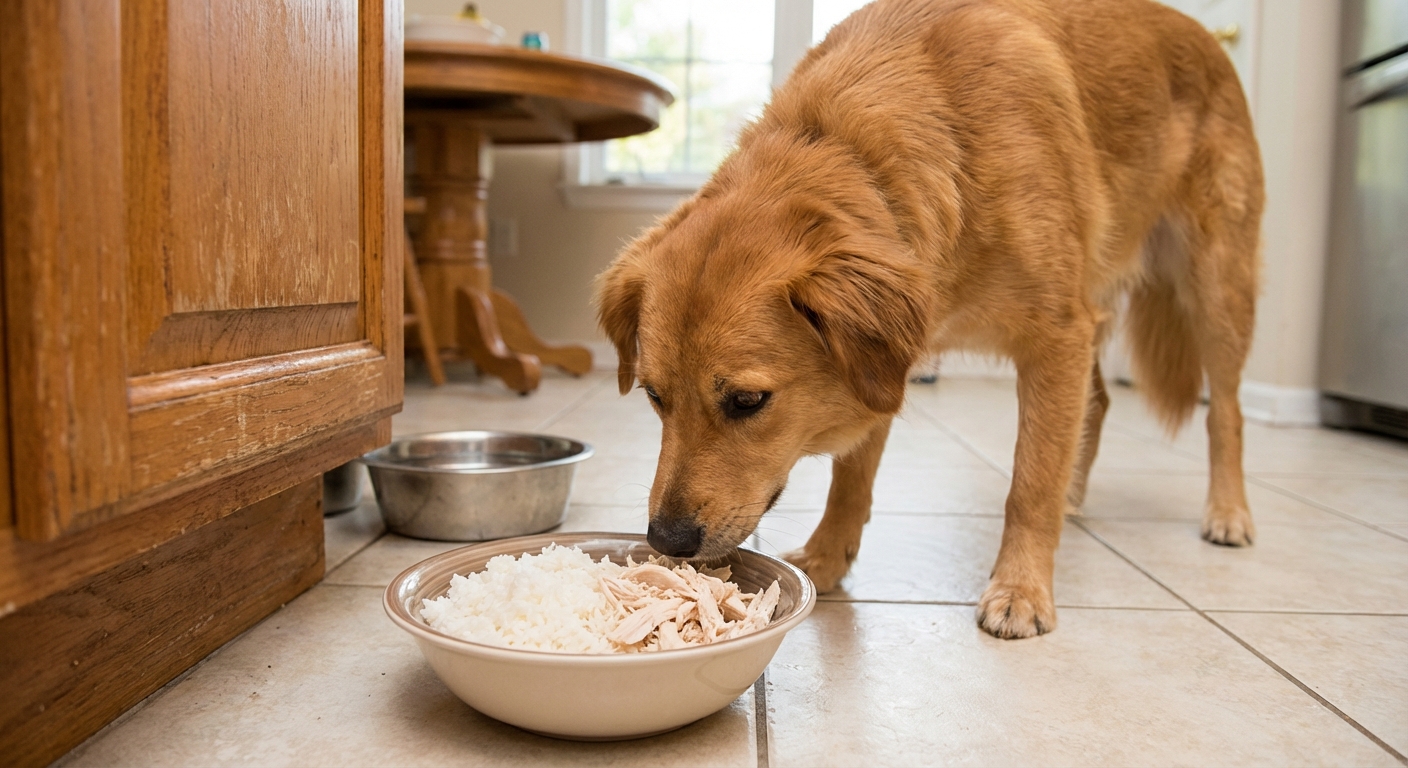
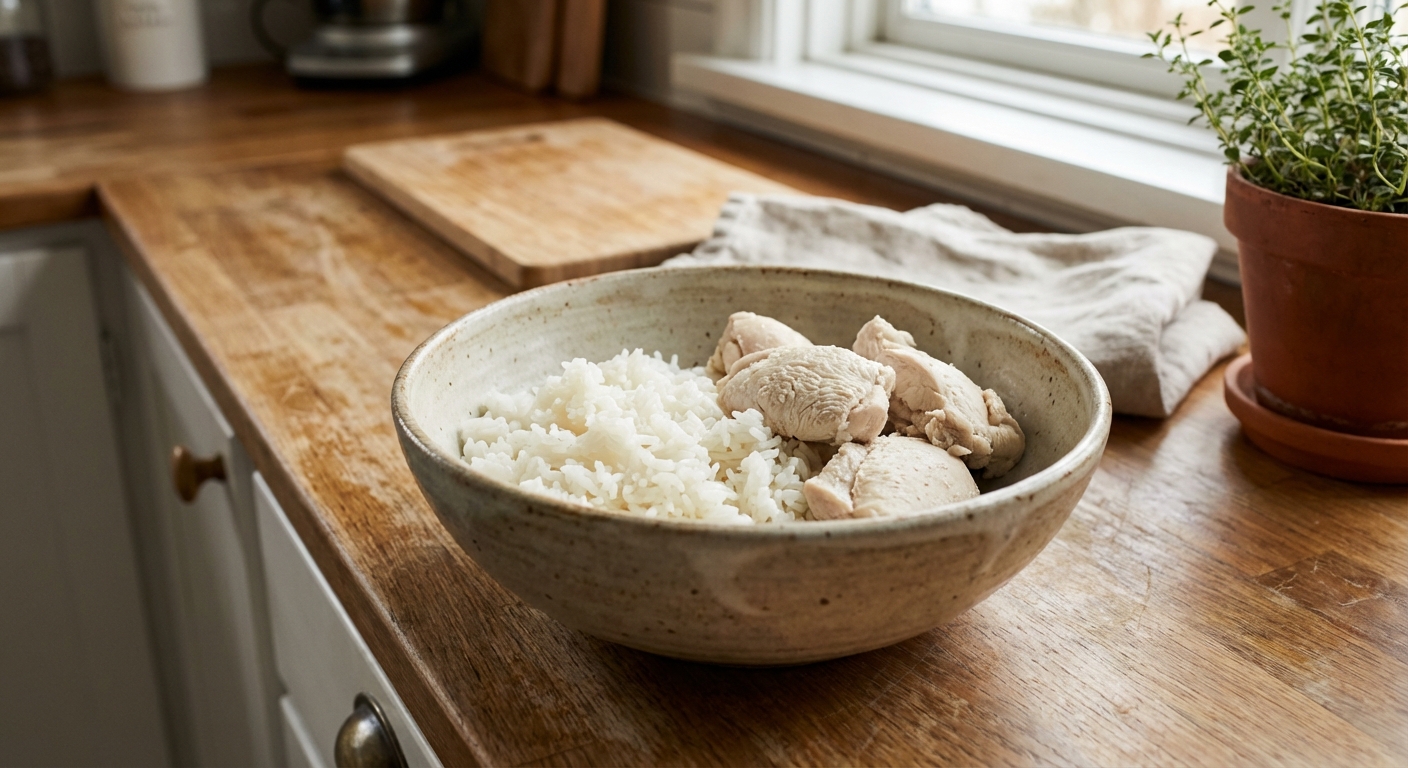
A short-term bland diet for 24 to 48 hours can give the gut a break while still providing calories. Common vet-approved options include:
- Boiled skinless chicken breast with white rice
- Boiled turkey with white rice
- Prescription GI diets recommended by your veterinarian
Feed small meals. Think: several mini meals rather than one big one.
Once stools are improving, transition back to your dog’s normal diet gradually. Mix the bland diet with the regular food over about 2 to 3 days (or longer if your vet advises).
Step 3: Consider probiotics (with guidance)
Evidence supports certain veterinary probiotics for acute diarrhea and stress diarrhea. Ask your veterinarian for a dog-specific product. In general, products containing well-studied strains like Enterococcus faecium may be recommended, but the right choice depends on your dog. If your dog is immunocompromised or very young, ask your veterinarian first.
Step 4: Avoid common mistakes
- Do not give human anti-diarrheal medications unless your veterinarian tells you to. For example, loperamide (Imodium) can be risky for some dogs and certain breeds, and bismuth products can make stool appear darker and hide important changes.
- Do not stop prescribed medications without veterinary guidance.
- Do not add rich foods like cheese, bacon, or fatty broth “to tempt appetite.” That can worsen diarrhea or trigger pancreatitis.
When to go to the vet fast
Please contact your veterinarian urgently or seek emergency care if you notice any of the following:
- Blood in the stool (bright red or black, tarry stool)
- Repeated vomiting, or vomiting plus diarrhea together
- Marked lethargy, weakness, collapse, or signs of pain
- Refusing water or inability to keep water down
- Bloated abdomen or repeated unproductive retching
- Suspected toxin exposure, foreign body ingestion, or pancreatitis
- Diarrhea in a puppy, senior dog, or a dog with known chronic illness
- Diarrhea lasting more than 24 to 48 hours despite bland diet support
Tip from the clinic: Bring a fresh stool sample if you can. Parasite testing is quick and often very helpful.
What your veterinarian may do
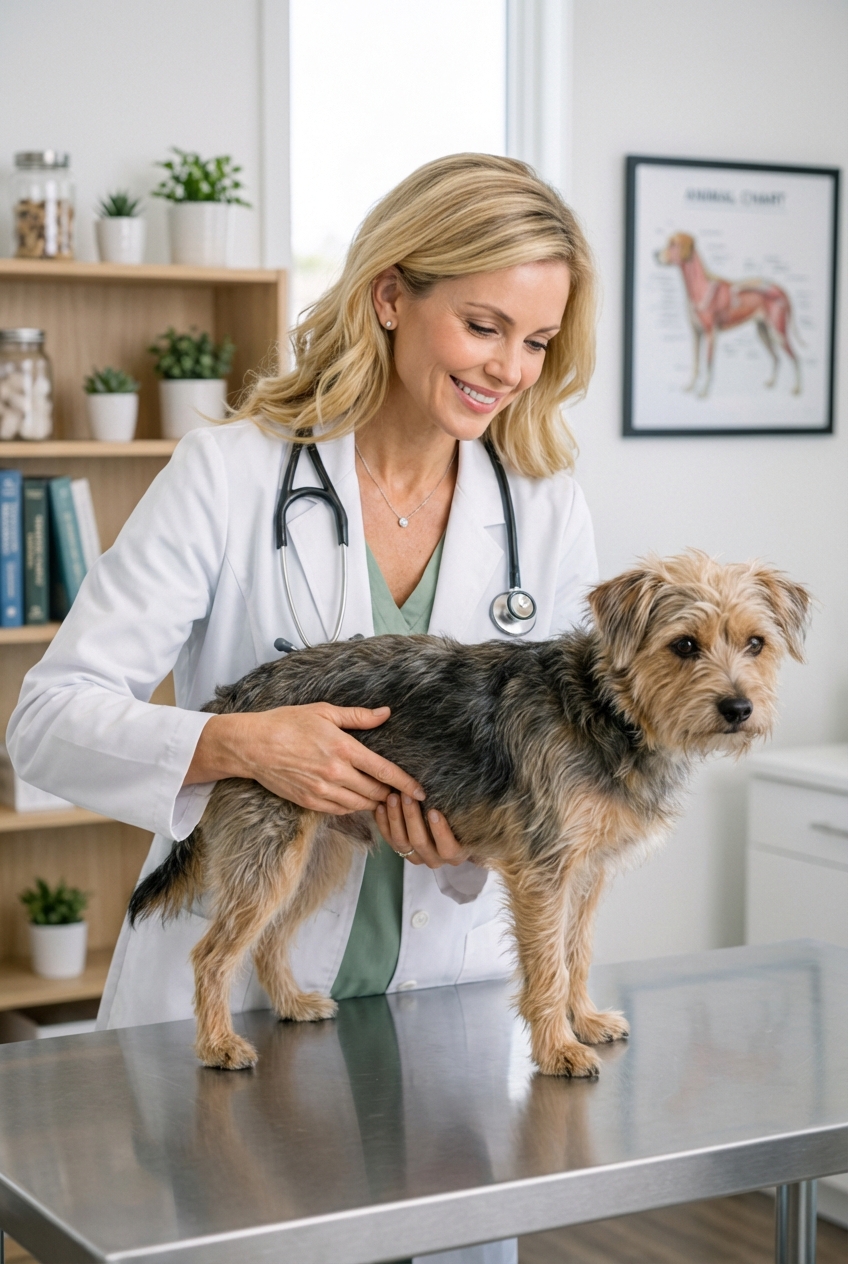
Vet care is not just about stopping the symptom. It is about finding the cause, protecting hydration, and preventing complications. Depending on your dog’s signs, your vet may suggest:
- Fecal testing (including Giardia testing)
- Parasitic deworming when appropriate
- Bloodwork to check hydration, electrolytes, and organ function
- Parvo testing for at-risk puppies
- X-rays or ultrasound if a foreign body is suspected
- Prescription GI diet, probiotics, or medications for nausea and intestinal inflammation
Clinic tip: If you are headed in, write down what your dog ate (including treats and chews), any new medications, and whether you saw them get into trash or a toy. That short list saves time in the exam room.
Prevention that works
Not every case can be prevented, but these steps reduce the odds significantly:
- Transition foods slowly: mix new food in over 7 to 10 days.
- Limit rich treats: especially fatty table scraps.
- Keep trash and toxins secured: use a locking can if needed.
- Stay current on parasite prevention: ask your vet what is best for your region and your dog’s lifestyle.
- Vaccinate appropriately: especially puppies and dogs with unknown vaccine history.
- Support gut health: consistent diet, routine, and vet-approved probiotics for stress-prone dogs.
Simple monitoring checklist
If you are caring for mild diarrhea at home, keep notes. It helps you stay calm and gives your vet better information if you need to call.
- How many stools per day?
- Watery, pudding-like, mucus, or formed?
- Any blood?
- Appetite normal or reduced?
- Drinking normally?
- Any vomiting?
- Energy level normal?
If anything worsens, or you see red flags, trust your gut and call your veterinarian. You are not overreacting. You are being a good advocate for your dog.