Vet-assistant guidance for mild cat diarrhea: fluids, bland meals, cat-specific probiotics, pumpkin, stress tips, hygiene, what to avoid, and when to see you...
Article
•
Designer Mixes
Diarrhea in Cats: Causes and What to Do

Shari Shidate
Designer Mixes contributor
Seeing diarrhea in the litter box can be alarming, and I get it. As a veterinary assistant, I have talked with many cat parents who feel worried, grossed out, and unsure what counts as an emergency. The good news is that many cases are mild and short-lived. Still, diarrhea can lead to dehydration, and it can also be a sign of parasites, toxins, or a deeper medical issue.
This guide walks you through common causes, what you can do at home safely, when to call your veterinarian, and how to prevent it from happening again.
What counts as diarrhea in cats?
Diarrhea means stool that is softer than normal, watery, or passed more often than usual. Some cats may also have:
- Mucus on the stool
- Blood that looks bright red or makes the stool dark and tarry
- Urgency or accidents outside the litter box
- Straining (tenesmus) that can happen with diarrhea and may be mistaken for constipation
Quick tip: If your cat is frequently visiting the litter box and straining, call your vet. Straining can also be a urinary blockage in male cats, which is an emergency.
Large vs small bowel clues
This is not a diagnosis, but it can help you describe what you are seeing:
- Large bowel diarrhea often shows up as frequent small stools, urgency, mucus, and sometimes bright red blood.
- Small bowel diarrhea is often larger-volume stool, fewer trips, and may be paired with weight loss or a poor coat over time.
Common causes of diarrhea in cats
Diarrhea is a symptom, not a diagnosis. Here are the most common categories we see in clinics.
1) Diet changes or intolerance
Cats have sensitive GI tracts. Switching foods quickly, new treats, table food, dairy, or rich people foods can trigger diarrhea.
2) Stress
Moves, visitors, boarding, new pets, construction noise, and even a new litter can cause stress-related diarrhea.
3) Parasites
Intestinal parasites are very common, especially in kittens, outdoor cats, and newly adopted cats. Common culprits include roundworms, hookworms, coccidia, and Giardia. Other parasites can occur too, and your vet can guide testing based on your area and your cat’s lifestyle.
4) Infections
Viral or bacterial infections can cause diarrhea, sometimes along with vomiting, fever, or lethargy. Kittens and immunocompromised cats are at higher risk.
5) Medication side effects
Some medications disrupt the gut microbiome. Antibiotic-associated diarrhea is a classic example. Do not use leftover antibiotics, and do not stop or change prescriptions without checking with your veterinarian.
6) IBD and chronic enteropathies
If diarrhea is recurring or ongoing, chronic inflammation of the intestines may be involved. Cats may also lose weight, vomit, or have a picky appetite.
7) Hyperthyroidism
Older cats with hyperthyroidism can have diarrhea, weight loss, increased appetite, and a fast heart rate.
8) Pancreatitis or systemic illness
Diarrhea can be part of a bigger picture, including pancreatitis, liver disease, kidney disease, and more.
9) Toxins
Ingestion of toxins, plants, human medications, essential oils, and spoiled food can cause diarrhea and much more. If you suspect this, treat it as urgent.
At-home steps that are cat-safe
If your cat is bright, alert, still eating, and has mild diarrhea, there are a few gentle steps that are generally safe. I consider a home trial for a sturdy adult cat to be a conservative 24 hours, and in some cases up to 24 to 48 hours if your cat is otherwise completely normal and improving. If symptoms are worsening, not improving, or you are unsure, call your veterinarian sooner.
If your cat is a kitten, senior, has other illnesses, or seems “off,” skip the home trial and call your veterinarian right away. Kittens can dehydrate quickly.
Step 1: Protect hydration
- Make sure fresh water is always available.
- Consider adding a second water bowl or a pet water fountain.
- If your cat eats wet food, offering extra wet meals can increase fluid intake.
Do not force water with a syringe unless a veterinarian instructs you, as aspiration is a real risk. Also, if your cat will not drink at all, that is a reason to call your vet.
Step 2: Keep food simple, not scarce
Unlike dogs, cats should not be fasted for long periods because of the risk of hepatic lipidosis (fatty liver), especially if they already do not eat well.
Instead, offer smaller, more frequent meals of a highly digestible diet. Options to ask your veterinarian about include:
- Prescription GI diets (often the easiest on the gut)
- Simple, veterinary-approved bland options when appropriate
If you are considering homemade bland food, check with your vet first, especially if your cat has kidney disease, diabetes, or food allergies.
Step 3: Call before giving any OTC meds
Please do not give human anti-diarrheal medications (like loperamide) or bismuth products unless your veterinarian explicitly recommends it for your cat. Cats are more sensitive to medication side effects and toxicities, and dosing errors happen easily.
Step 4: Ask your vet about cat probiotics
Veterinary probiotics may help some cats, especially when diarrhea is mild or related to stress or antibiotics. Use a product made for pets and follow your clinic’s guidance.
Step 5: Clean up safely
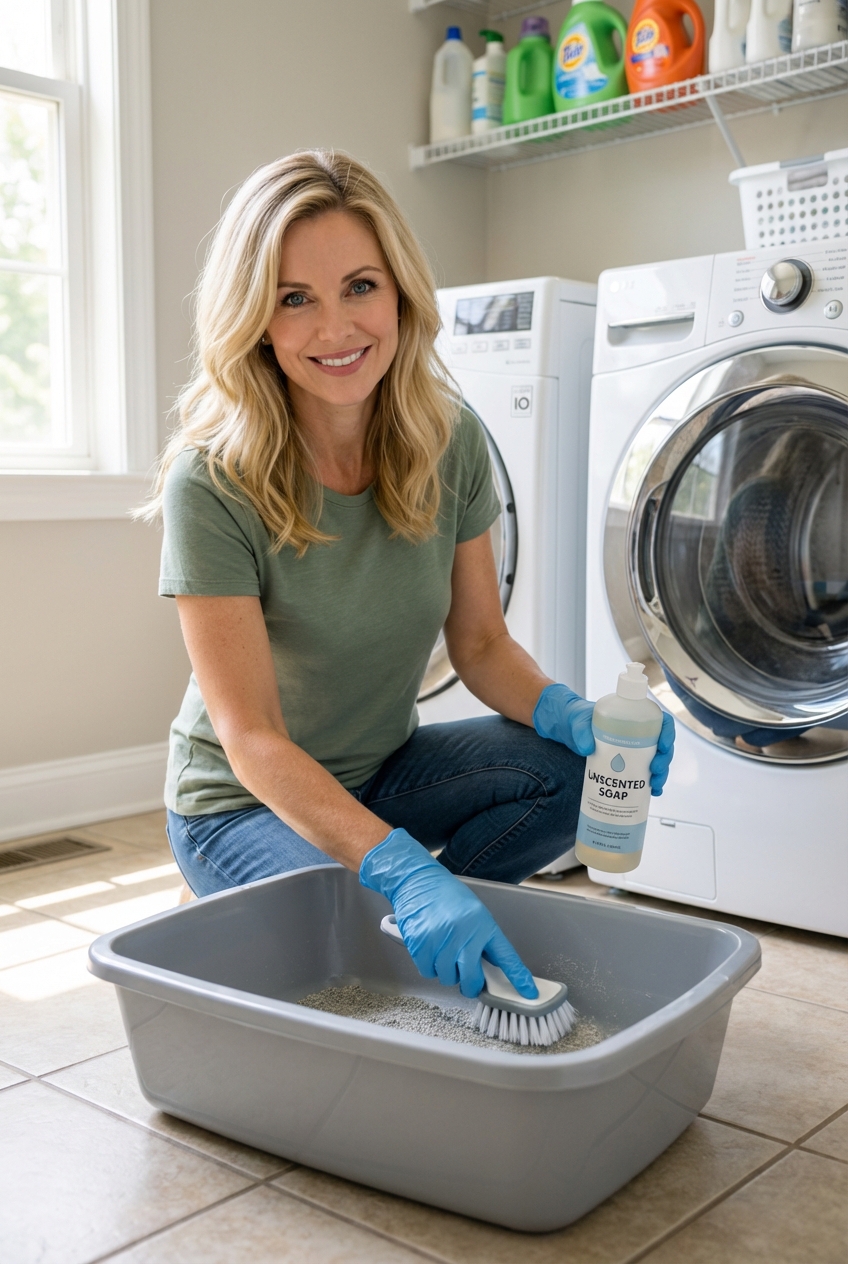
Diarrhea can spread parasites and pathogens. Wear gloves and scoop promptly. Wash the litter box regularly, then use a vet-recommended disinfectant when appropriate. Some organisms (like Giardia and coccidia) can be stubborn and may require specific cleaners and contact times, so ask your clinic what they recommend.
When diarrhea is an emergency
Trust your instincts. If your cat seems unwell, do not wait it out. Contact your veterinarian or an emergency clinic right away if you notice any of the following:
- Blood in stool (especially dark, tarry stool)
- Repeated vomiting or your cat can’t keep food or water down
- Lethargy, weakness, hiding, or collapse
- Signs of dehydration (tacky gums, sunken eyes, not peeing much)
- Severe watery diarrhea or frequent large-volume diarrhea
- Diarrhea lasting more than 24 to 48 hours (sooner for kittens and seniors)
- Known or suspected toxin exposure (plants, meds, chemicals)
- Kittens with diarrhea at any intensity, because they can decline quickly
- Existing conditions like kidney disease, diabetes, hyperthyroidism, cancer, or if your cat is on steroids or chemo
Safety note: Straining in the litter box can be diarrhea, constipation, or a urinary issue. If your cat is straining and producing little to no urine, that is an emergency, especially in male cats.
What your veterinarian may do
Getting help early can shorten the episode and prevent dehydration. Your vet may recommend:
History and exam
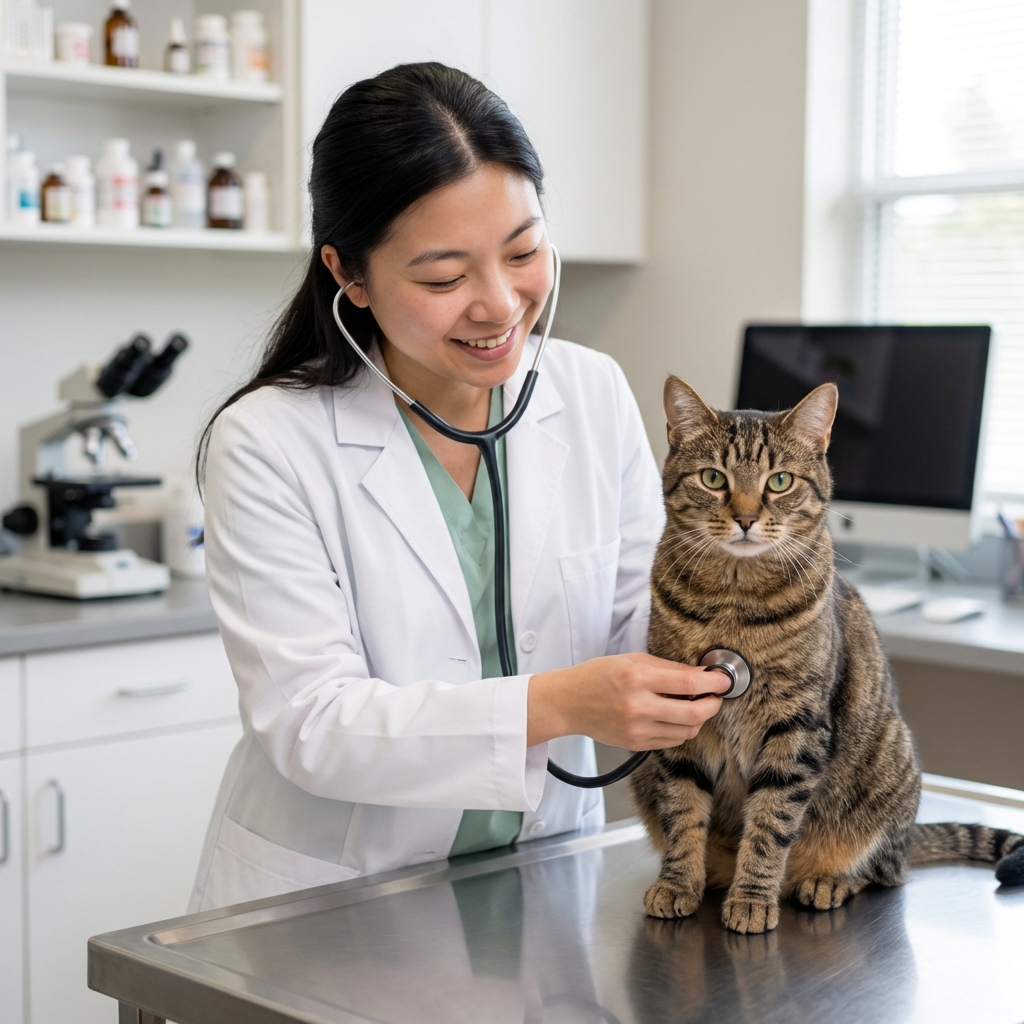
They will ask about diet changes, new treats, houseplants, stressors, medications, and whether other pets are affected.
Fecal testing
Many causes cannot be seen with the naked eye. A fecal float, Giardia test, or PCR panel can identify parasites and infectious agents.
Supportive care
- Fluids (subcutaneous or IV) for dehydration
- Prescription GI diet
- Veterinary probiotics when appropriate
- Anti-nausea medications when needed
Targeted medications
These depend on the cause. Dewormers, specific antibiotics, or anti-inflammatory medications may be appropriate, but only when indicated.
Further diagnostics
If diarrhea is chronic or recurring, your vet may recommend bloodwork (including thyroid in older cats), ultrasound, and sometimes endoscopy or biopsy.
How to prevent diarrhea in cats
Not all diarrhea is preventable, but you can reduce the odds significantly with a few practical habits.
Transition foods slowly
When switching diets, aim for a gradual transition over 7 to 10 days, mixing increasing amounts of the new food with the old.
Stick to cat-appropriate treats
Keep treats to a small portion of daily calories. Avoid fatty table foods and dairy unless your vet confirms it is safe for your cat.
Keep parasite prevention current
Ask your veterinarian about a monthly product that covers common parasites relevant to your area and your cat’s lifestyle.
Reduce stress
- Maintain a consistent routine
- Provide hiding spots, vertical space, and enrichment
- Introduce new pets slowly
- Use pheromone diffusers if your vet recommends them
Keep the litter box clean
Scoop daily and wash the box regularly. A clean box helps you notice stool changes early, which is one of your best “health monitoring” tools.
Quick checklist before you call
Having details ready can help your clinic triage your cat faster.
- When the diarrhea started and how many episodes
- Appearance (watery, soft, mucus, blood, black tar-like)
- Any vomiting, appetite changes, or behavior changes
- Diet changes, new treats, chews, or people food
- Any medications or supplements
- Access to toxins (plants, cleaners, human meds)
- Vaccination and parasite prevention status
- Whether other pets or people are sick
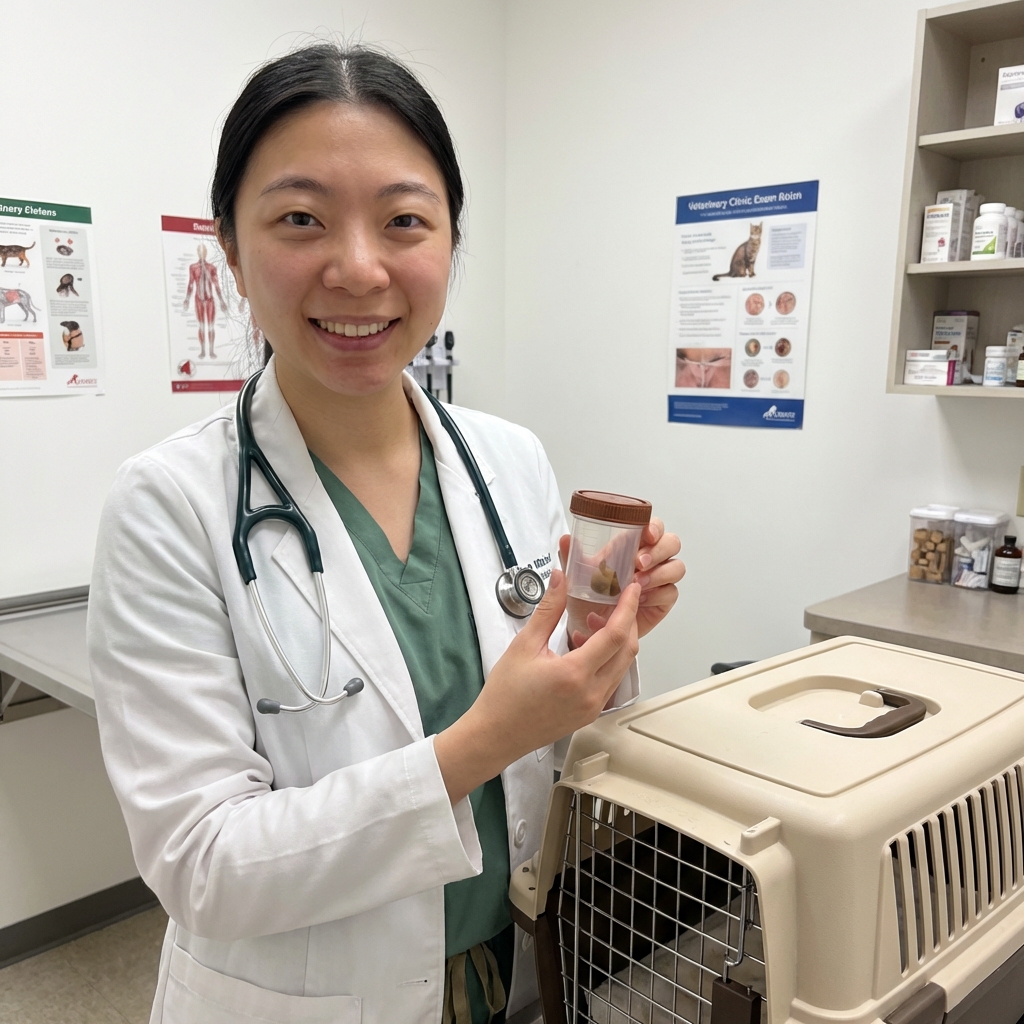
If possible, bring a fresh stool sample to your appointment. Ideally collect it within 12 to 24 hours. If you cannot bring it right away, seal it in a clean container or bag and refrigerate it. Try to avoid collecting a sample that is heavily contaminated with litter.