Support steadier glucose with high-protein, low-carb homemade meals. Get macro targets, safe ingredients, what to avoid, portion guidance, and 4 simple recip...
Article
•
Designer Mixes
Diabetes Symptoms in Cats

Shari Shidate
Designer Mixes contributor
When a cat develops diabetes, it can feel confusing and even a little scary for the whole family. The good news is that feline diabetes is very manageable, especially when you catch it early and build a simple routine at home. In the vet clinic, I have seen cats go from tired and unwell to bright-eyed and playful again once their blood sugar is under control.
This article will help you recognize diabetes symptoms in cats that families can spot at home, understand what is happening inside your cat’s body, and know what to do next.

What diabetes is and why it happens
Most cats with diabetes have a condition that looks a lot like type 2 diabetes in people. Their bodies do not respond to insulin well (insulin resistance), and over time the pancreas may not produce enough insulin. Insulin is the hormone that helps move sugar (glucose) from the bloodstream into the cells for energy.
Cat diabetes does not always fit neatly into human categories, and many cats still need insulin therapy, especially at the beginning. The good news is that with the right plan, many do very well.
When insulin is not doing its job, glucose builds up in the blood. The body tries to get rid of that excess sugar through the urine, which pulls extra water with it. That is why the classic symptoms involve thirst and urination. On lab reports, you may see this described as increased drinking and urination.
Common risk factors
- Extra weight or obesity
- Older age (often middle-aged to senior cats)
- Indoor, low-activity lifestyle
- Male cats (diagnosed more often than females)
- Some medications, especially corticosteroids, can increase risk
- Other health issues like pancreatitis or hormonal diseases
Early symptoms you can spot
You do not need medical training to notice many early signs. You just need to know what “normal” looks like for your cat and pay attention to patterns.
1) Drinking more water than usual
This is often the first clue. Your cat may visit the water bowl more frequently, linger longer, or start drinking from faucets or cups when they never used to.
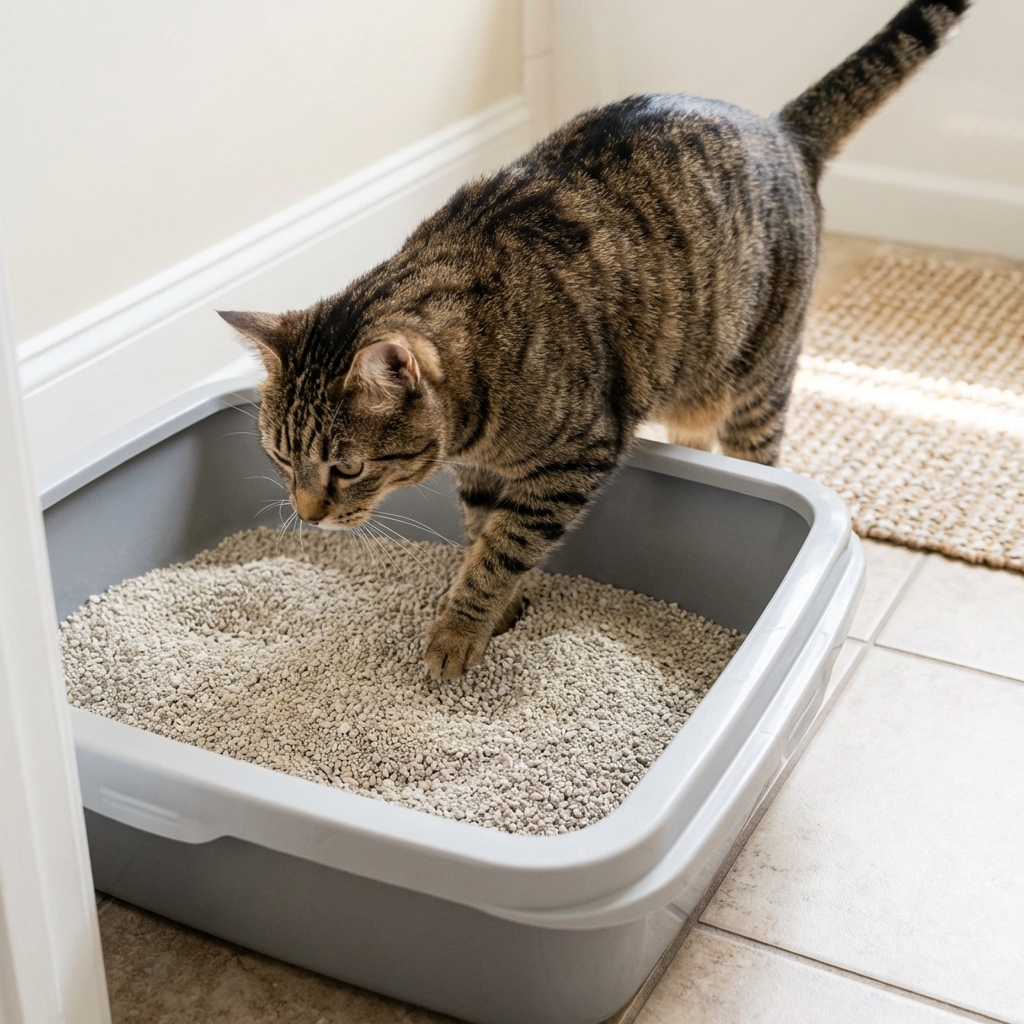
2) Peeing more and larger clumps in the litter box
If you use clumping litter, you might notice bigger or more frequent clumps. Some families assume this is a behavioral issue, but it is often medical.
3) Increased appetite but weight loss
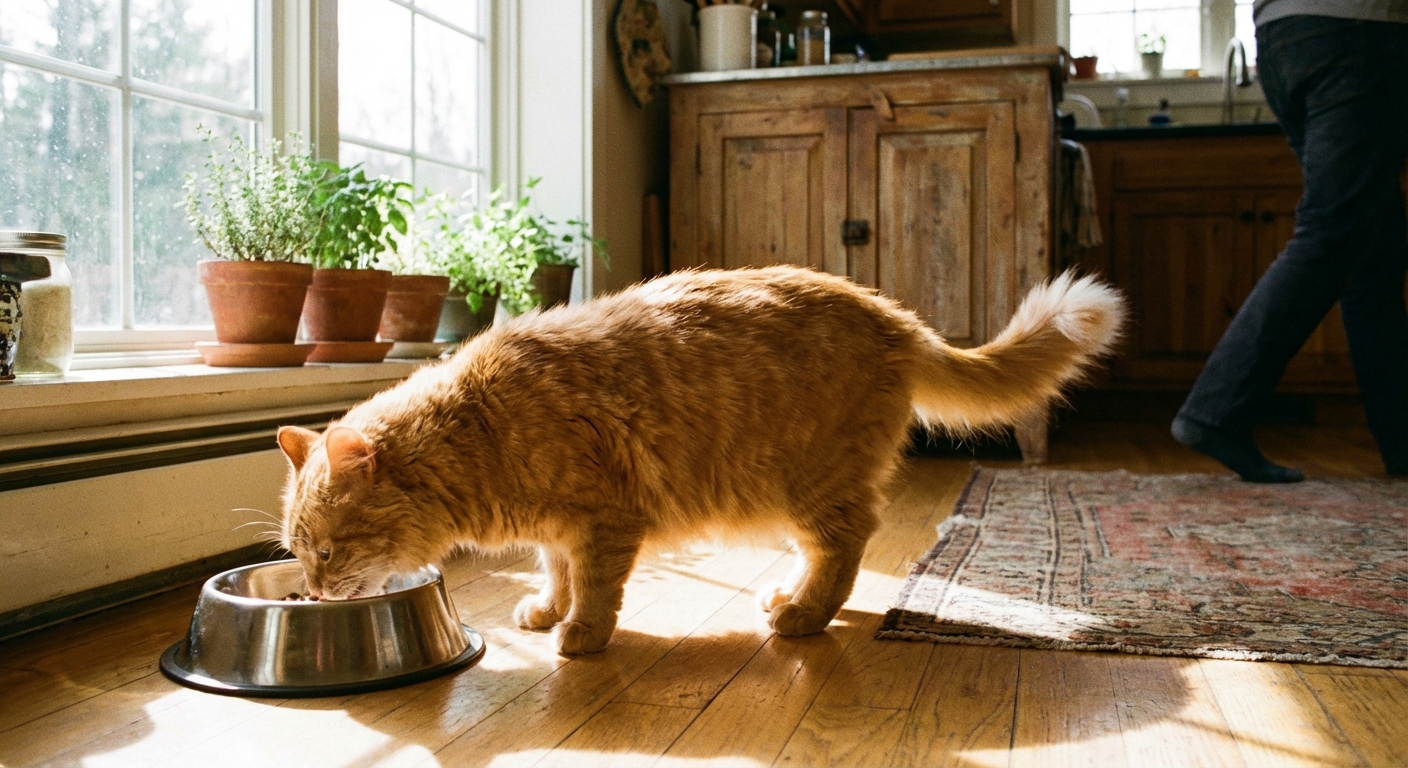
This one surprises many people. Since the cat’s cells cannot access glucose properly, the body acts like it is “starving,” even though the cat is eating. You may see a cat begging for food while still slimming down.
4) Low energy and less interest in play
High blood sugar can make cats feel tired, dehydrated, and generally unwell. A once-social cat might hide more or seem cranky.
5) Changes in coat quality
Some diabetic cats stop grooming as thoroughly. Their coat may look greasy, dull, or slightly matted.
Could it be something else?
Increased thirst, increased urination, and weight loss are classic for diabetes, but they can also show up with other common cat conditions. That is exactly why testing matters.
- Kidney disease
- Hyperthyroidism (overactive thyroid)
- Urinary tract infection or other urinary issues
- Some medications, including steroids
When families tell me, “Something is off, but I cannot put my finger on it,” a basic blood and urine check often gives us answers quickly.
More serious signs that need urgent care
If diabetes progresses untreated, symptoms can become more intense. Please call your veterinarian promptly if you notice any of the following.
Weakness in the back legs
Some diabetic cats develop a nerve issue called diabetic neuropathy. Families may notice the cat walking low to the ground, especially on the back legs, sometimes with a “down on the hocks” posture.
Vomiting, not eating, or rapid decline
These can be signs of a dangerous complication called diabetic ketoacidosis (DKA). DKA is an emergency and requires immediate veterinary treatment.
Signs of worsening dehydration
- Dry or sticky gums
- Sunken-looking eyes
- Extreme lethargy
If your cat is drinking a lot, urinating a lot, and losing weight, do not wait it out. Those three together are a strong reason to schedule a vet visit.
What to do if you suspect diabetes
Step 1: Schedule a vet appointment
Your veterinarian will typically confirm diabetes with:
- Blood glucose testing
- Urinalysis (checking for glucose and ketones)
- Fructosamine testing, which helps evaluate average blood sugar over time
Because stress can raise a cat’s blood glucose temporarily, vets interpret results carefully and often look at the full picture.
Step 2: Bring helpful information
- How much your cat is drinking (estimate is fine)
- Litter box changes (bigger clumps, accidents)
- Weight changes and appetite
- Any recent medication (especially steroids)
Step 3: Avoid drastic changes at home
Nutrition matters a lot for diabetic cats, but sudden changes without a plan can complicate regulation. It is best to make changes with your vet’s guidance.
How diabetes is treated
Most cats do well with a combination of insulin, diet, and consistent monitoring. Many families are intimidated by insulin at first. In my experience, with a little coaching and a calm routine, most people become confident quickly.
Insulin therapy
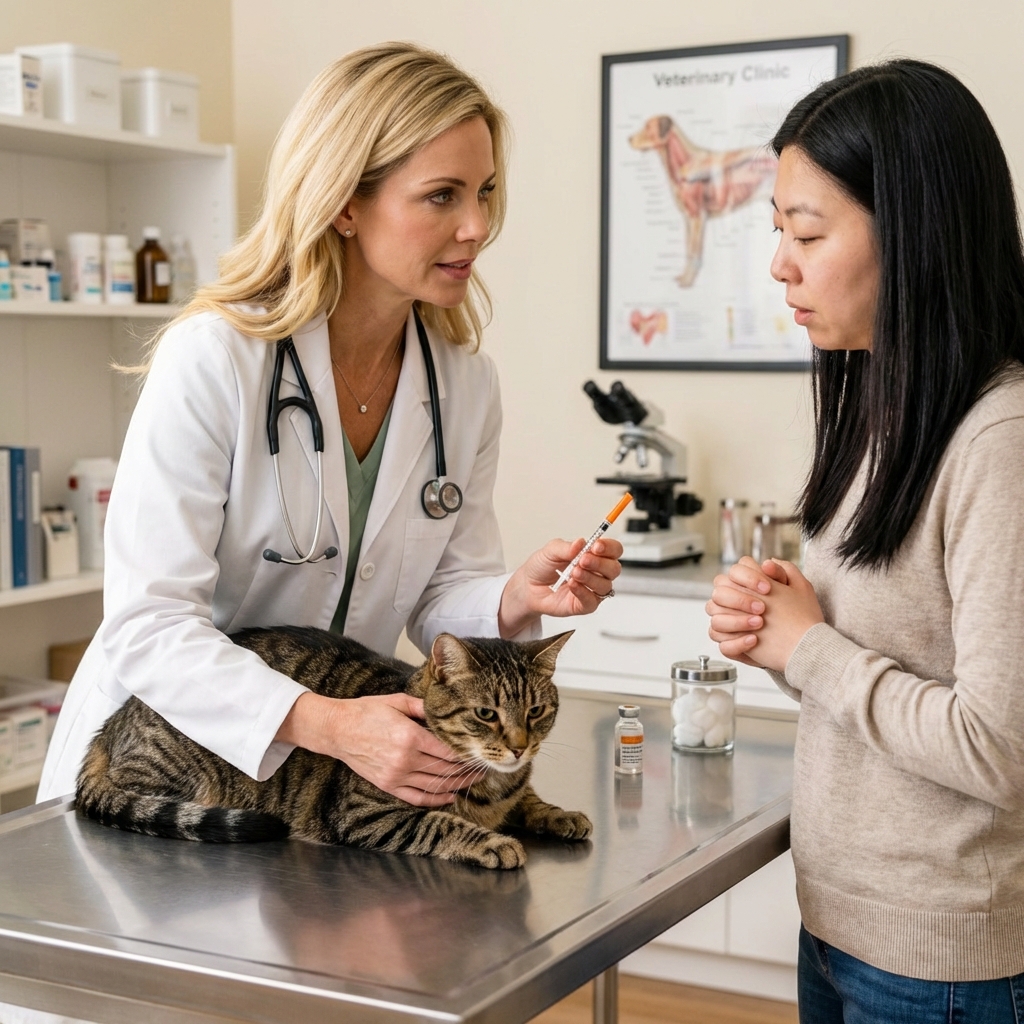
Many cats require insulin injections. These are given with very small needles. Depending on the insulin type and your cat’s feeding plan, injections are often timed around meals as directed by your vet. Your veterinarian will choose the type and starting dose and adjust based on response.
Diet and weight management
For many diabetic cats, a high-protein, low-carbohydrate diet helps reduce glucose spikes. That said, diet needs to match the whole cat. For example, cats with kidney disease or other medical issues may need a different approach. If your cat is overweight, gradual weight loss can improve insulin sensitivity. Your vet may recommend a specific prescription diet or a carefully chosen over-the-counter option depending on your cat’s overall health.
Monitoring
Monitoring may include periodic glucose curves at the clinic or at-home blood glucose checks. Some cats also use continuous glucose monitors placed on the skin for a short period. Monitoring helps your vet adjust insulin safely. If your vet recommends at-home meters, follow their guidance on which meter to use and how to interpret results.
The first couple of weeks
The early phase of treatment is usually the most hands-on. It is normal to need a few dose adjustments before things feel steady.
- Recheck plans often include a follow-up visit and a glucose curve, either in the clinic or at home, depending on what your vet recommends.
- Appetite and thirst may improve within days, but regulation can take longer.
- Do not change the dose or skip around on timing without veterinary guidance, even if numbers look better or worse on a single day.
Family routines that work
Diabetes management does not have to take over your life. The goal is a simple routine that keeps your cat stable and helps everyone in the household feel confident.
Keep a steady schedule
- Feed at the same times each day
- Give insulin exactly as prescribed
- Use phone alarms until it becomes automatic
Make the litter box a health dashboard
Choose a litter you can monitor easily and scoop daily. If clumps suddenly get larger again, or your cat has accidents, that is useful information to share with your vet.
Give kids safe roles
- Refill the water bowl and notice if it empties faster than usual
- Help with play sessions to encourage gentle activity
- Help record a daily checklist (meals, energy level, litter box notes)
Kids should not give injections unless trained and supervised, but they can absolutely be part of the care team in safe ways.
Insulin safety basics
- Store and handle insulin exactly as the label and your vet instruct.
- Use the syringe or pen needles your vet prescribes, and double-check the insulin concentration.
- Never change the dose on your own. Call your vet if you are worried.
Know the signs of low blood sugar
Hypoglycemia can happen if insulin is too high or if a cat does not eat enough. Call your vet or an emergency clinic right away if you see:
- Sudden weakness or wobbliness
- Trembling
- Disorientation
- Seizures
If your cat is awake and able to swallow, offer food. If your cat is collapsing, very weak, or seizing, many veterinary teams advise rubbing a small amount of corn syrup or honey on the gums while you arrange immediate emergency care. Be careful with your fingers around a frightened or seizing cat, and follow your veterinarian’s instructions if you have been given a specific emergency plan.
Can cats go into remission?
Yes, some cats can achieve diabetic remission, especially when diagnosed early and managed with the right combination of insulin and nutrition. Remission means a cat maintains normal blood sugar without insulin for a period of time. Even in remission, regular check-ins matter because diabetes can return.
Think of remission as a wonderful goal, not a guarantee. The real win is a cat who feels good and has stable, safe blood sugar.
When to call the vet right away
Reach out urgently if your cat has any of the following:
- Not eating, vomiting, or acting very lethargic
- Rapid breathing or collapse
- Walking suddenly becomes weak or uncoordinated
- Signs of low blood sugar after insulin
- Ketones detected in urine if your vet has you checking at home
If you are unsure, it is always okay to call and ask. It is what your veterinary team is there for.
A hopeful note from the clinic
Diabetes is a diagnosis, not a goodbye. With early detection, a supportive vet team, and a routine that fits your household, many diabetic cats live happy, comfortable lives for years. Start with the basics: watch for thirst, urination changes, and weight loss. Then take the next step and get answers.