Meet the Devon Rex—curly-coated, big-eared, and highly social. Explore temperament, grooming and bathing needs, enrichment, nutrition, common health risks,...
Article
•
Designer Mixes
Devon Rex Personality, Health, and Grooming

Shari Shidate
Designer Mixes contributor
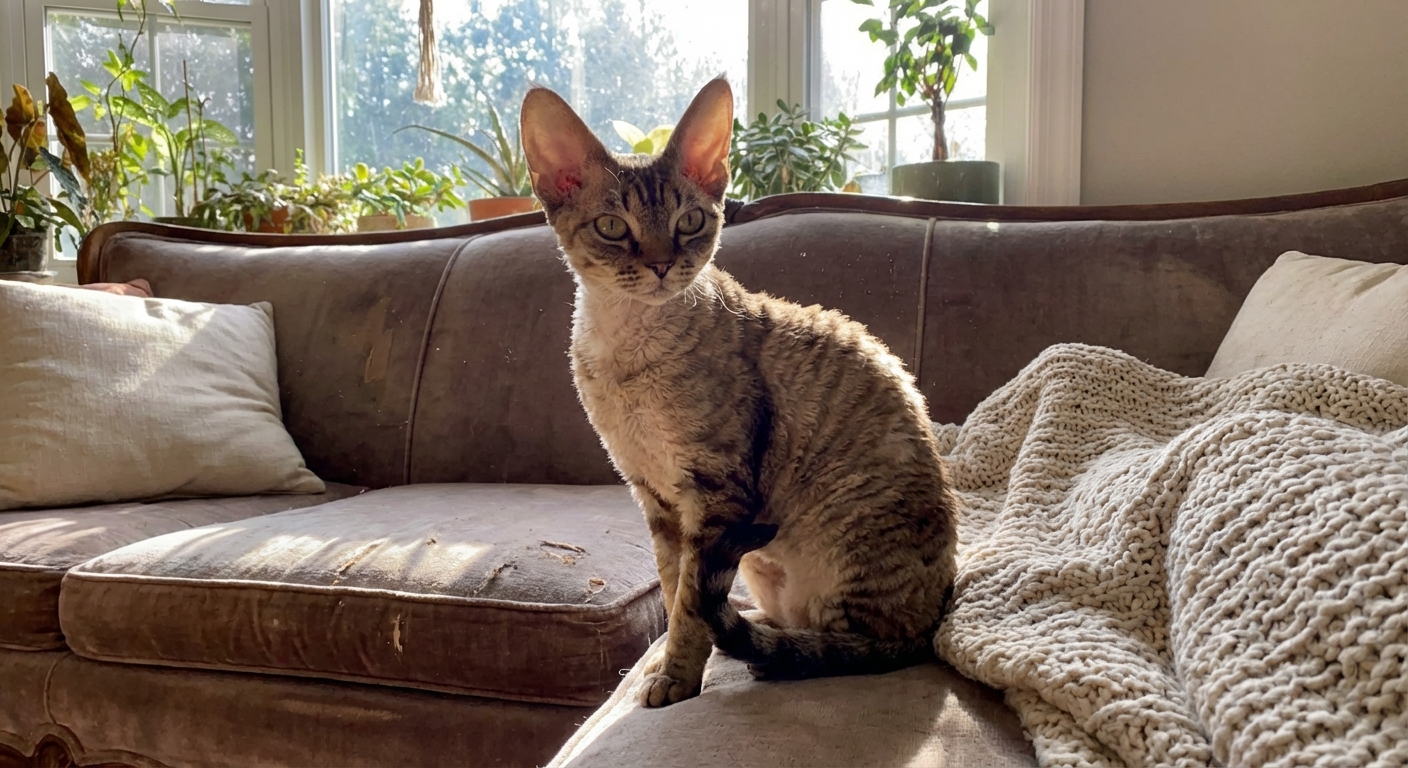
The Devon Rex is one of those cats that surprises people in the best way. They look like tiny, curly-coated elves, but their real magic is in how social, playful, and human-focused they often are. If you want a cat that feels more like a little sidekick than a quiet roommate, the Devon can be a wonderful match.
Quick facts
- Size: Often small to medium (individuals vary)
- Lifespan: Commonly reaches the low to mid teens, and sometimes longer with good care
- Coat: Fine, curly, and more delicate than it looks
- Big misconception: Not truly hypoallergenic
About allergies: Some people with cat allergies find they do better with certain individuals, including some Devon Rex cats, but no cat breed is guaranteed hypoallergenic. If allergies are a concern, spend time with the specific cat before committing.
Devon Rex personality
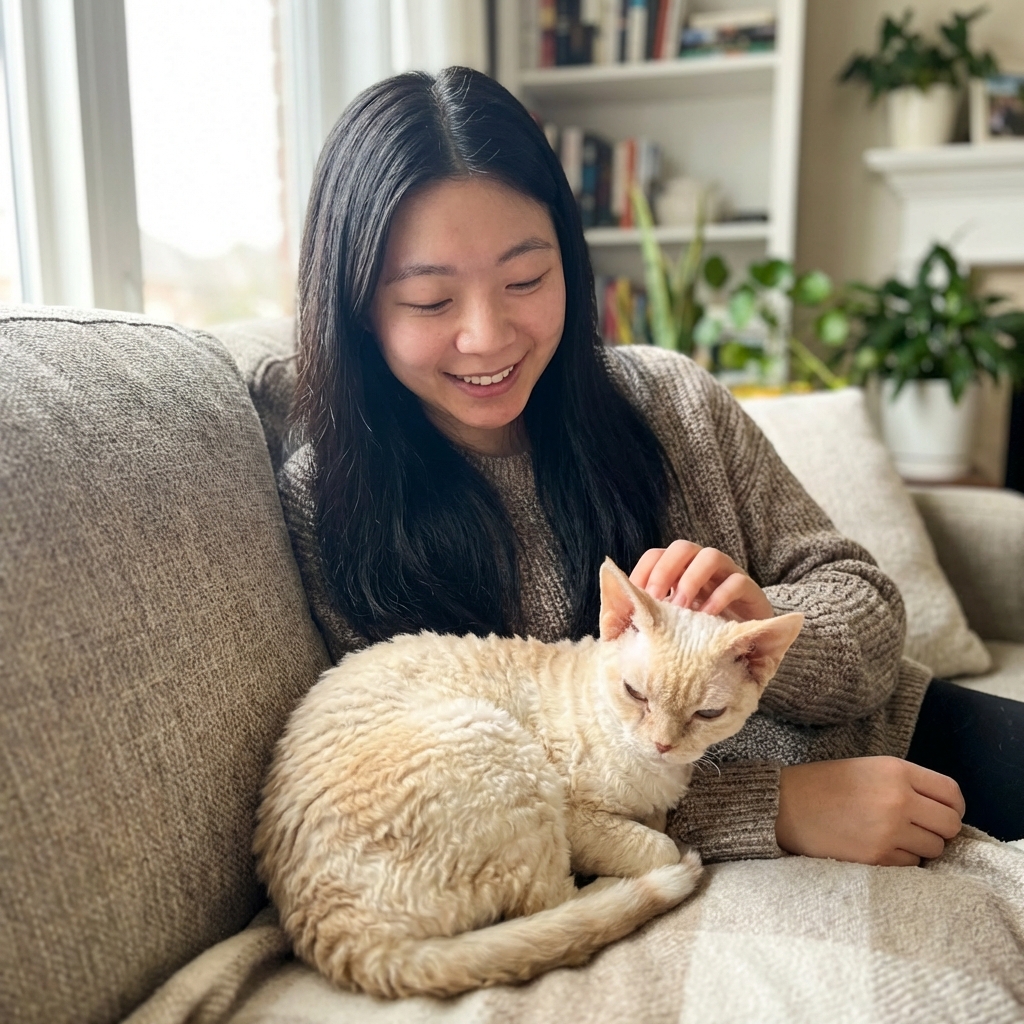
Devon Rex cats are famously people-oriented. Many will follow you from room to room, hop onto your shoulder, or wedge themselves under a blanket like a heat-seeking missile. They are often described as confident, curious, and emotionally tuned in to their families.
What living with a Devon feels like
- Affectionate and involved: Many want to be where you are, doing what you are doing.
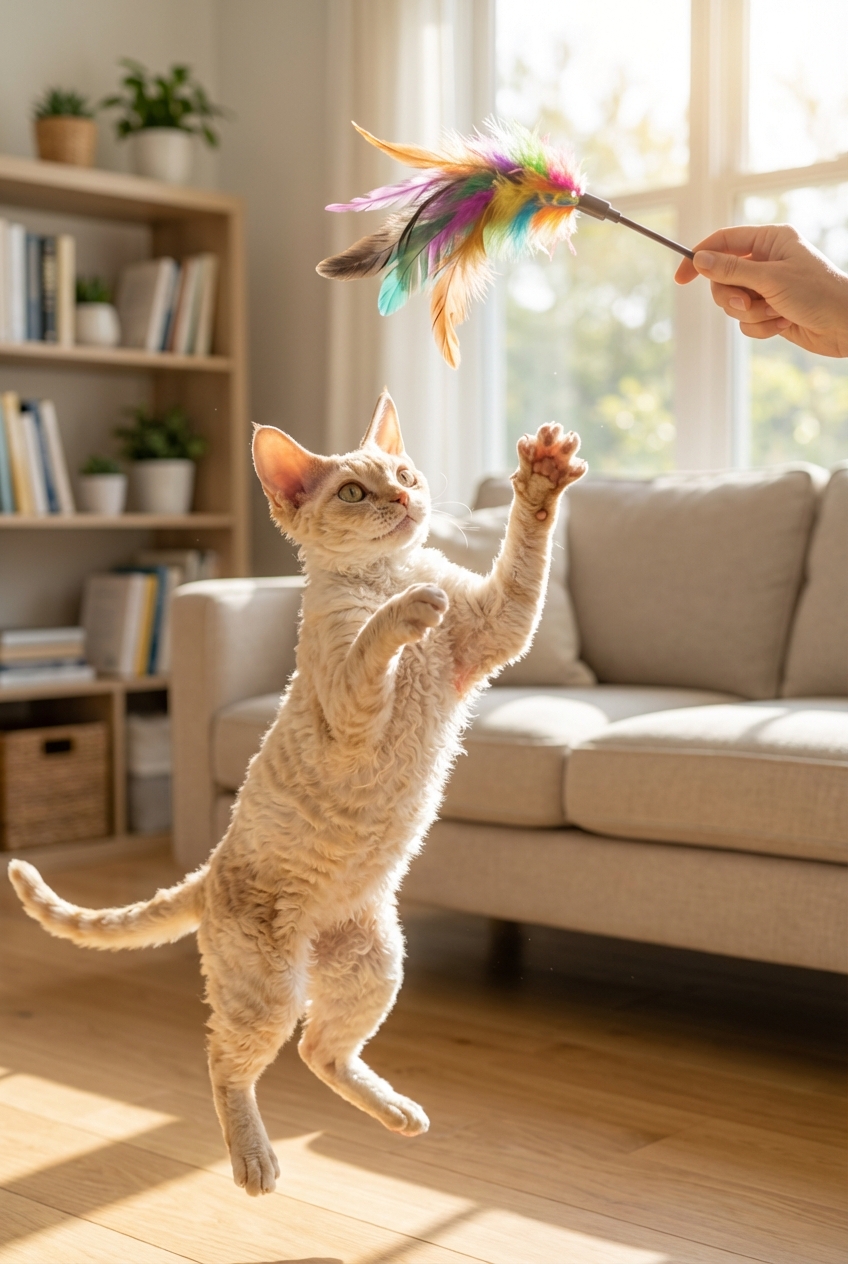
- Playful into adulthood: A lot of Devons keep kitten energy for years, especially with daily playtime.
- Smart and easily bored: Puzzle toys, training, and new “jobs” can help prevent mischief.
- Warmth lovers: Their coat often does not insulate like many other breeds, so they seek sunny spots, laps, and blankets.
Great fit for some homes
A Devon Rex usually does best with someone who enjoys interaction. If you work very long hours and prefer a more independent cat, you may find the Devon’s need for attention a little intense. If you are away often, consider a second friendly pet, regular enrichment, or a pet sitter check-in to reduce boredom and stress behaviors (things like counter surfing, chewing cords, or nuisance meowing).
Health concerns to know
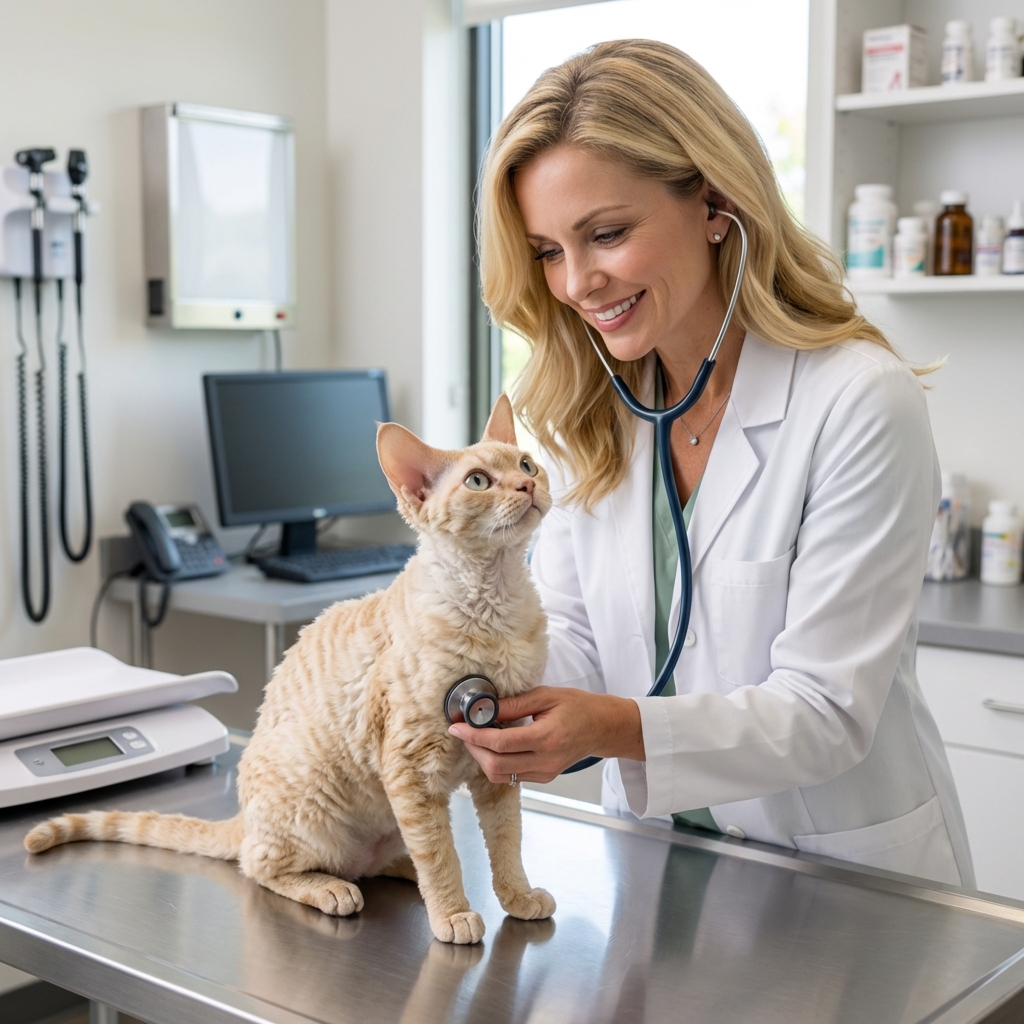
Devon Rex cats can be quite healthy, but like many purebred cats, there are a few conditions that are important to understand. The best thing you can do is choose a reputable breeder who can share health testing documentation for the parents where available, then build a relationship with a veterinarian who is comfortable tracking breed-related risks.
Health issues reported in the breed
- Hypertrophic cardiomyopathy (HCM): A heart condition seen across many cat breeds and reported in Devon Rex lines. If there is a family history or clinical concern, an echocardiogram (heart ultrasound) is the gold standard for evaluation. Ask your breeder and veterinarian about screening options.
- Patellar luxation: A kneecap that can slip out of place, sometimes causing intermittent limping.
- Hereditary myopathy: A rare muscle weakness condition reported in the breed. Responsible breeding is key.
- Skin and ear issues: Their coat and skin can be more sensitive, and some cats build up oils or ear wax more noticeably than average.
- Dental disease: Some Devons are prone to plaque and gingivitis, especially without routine home care. Diet, individual anatomy, and genetics can all play a role.
Call your vet promptly if you see
- Open-mouth breathing, panting at rest, or sudden lethargy
- Repeated vomiting, diarrhea, or appetite changes lasting more than 24 hours
- Limping that persists, worsens, or returns frequently
- Persistent head shaking, ear scratching, or dark ear debris with odor
- Itchy skin, scabs, redness, or recurrent greasy coat
Preventive care that pays off
The cats who tend to do best long-term are the ones whose families stay consistent with the basics.
- Annual or twice-yearly exams: Helpful for catching dental, skin, and heart changes early.
- Weight management: Keep them lean. Extra weight can worsen joint issues and may reduce longevity.
- Dental routine: Vet-approved brushing, dental diets or treats if appropriate, and professional cleanings when needed.
- Parasite prevention: Use veterinarian-recommended flea prevention, and discuss heartworm prevention if you live in an endemic area or your cat has risk factors (including time outdoors).
Grooming a Devon Rex
Devon Rex grooming is different from grooming a typical short-haired cat. Their coat is fine and curly, and skin oils can be more noticeable. The goal is gentle maintenance, not heavy brushing.
Coat care
- Skip harsh brushing: Brushing can break the delicate hair and make the coat look sparse. If needed, use a very soft baby brush or simply your hands.
- Occasional bathing: Some Devons need periodic baths if they become oily or develop buildup. Use a cat-safe, fragrance-free shampoo. Ask your vet for product suggestions if your cat has sensitive skin.
- Wipe-down option: For cats that hate baths, a warm damp cloth can help remove light oil and dander.
Ears, nails, and skin
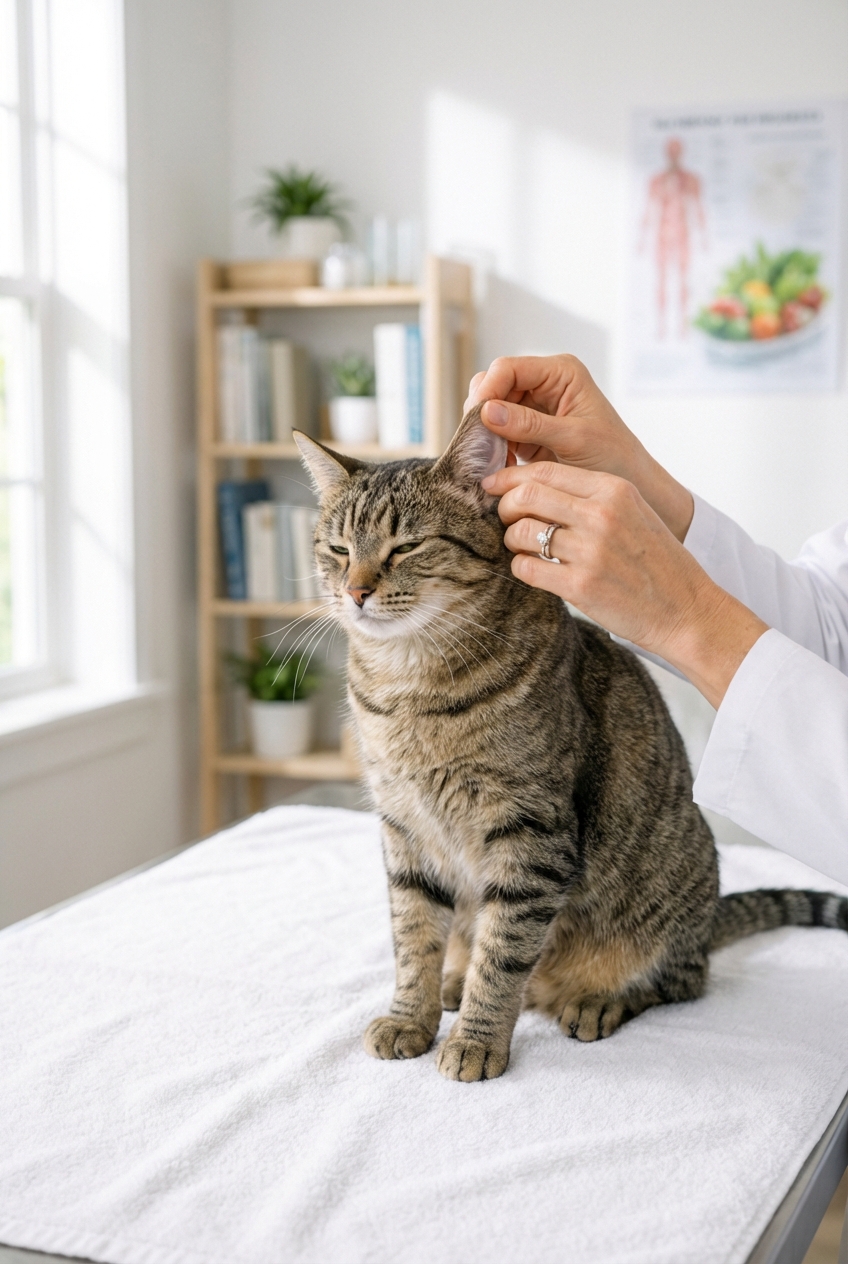
Many Devon Rex cats need more frequent ear checks than average. Wax can accumulate faster, and yeast or bacterial infections can happen if moisture and debris sit in the ear canal.
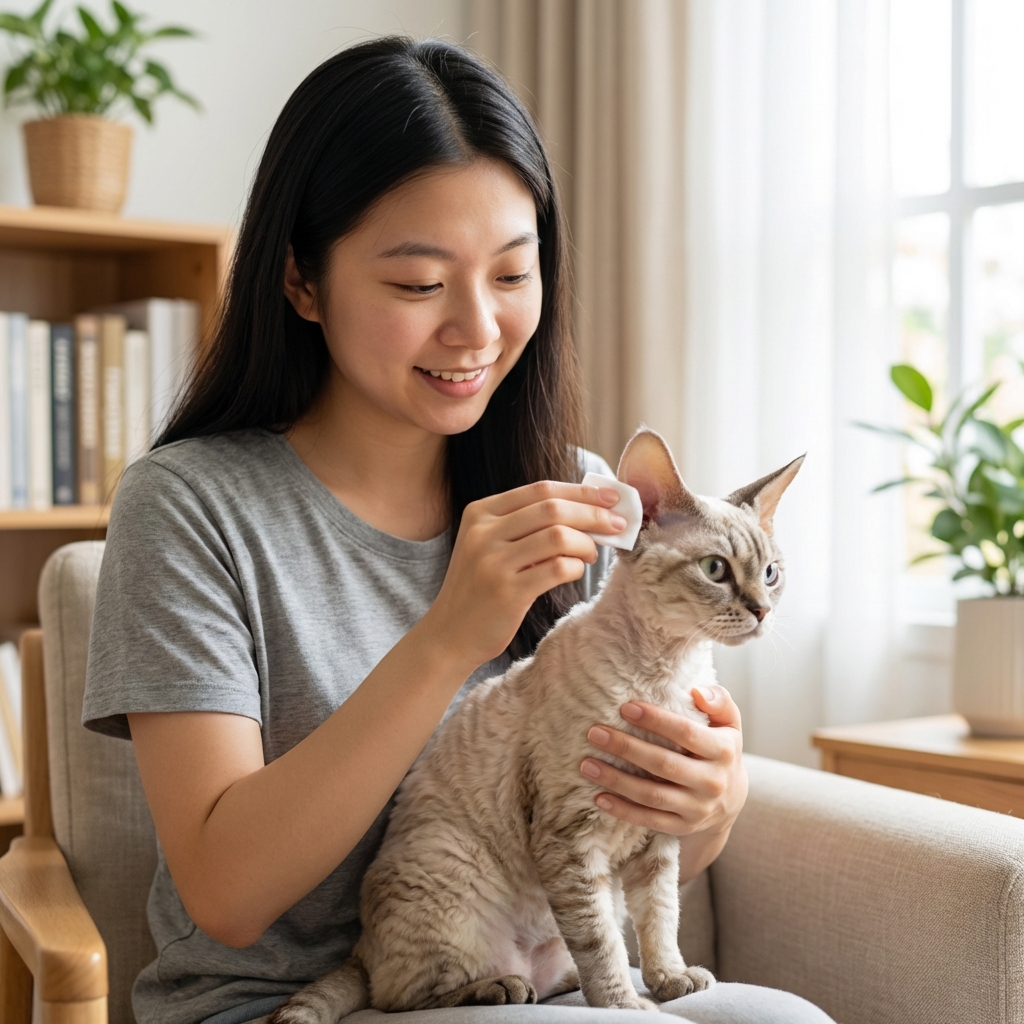
- Ear cleaning: Check weekly. Clean only the visible parts with a veterinary ear cleaner and cotton pad. Never use cotton swabs down the ear canal.
- Nail trims: Every 2 to 4 weeks is common, especially for indoor Devons who climb and perch a lot.
- Skin folds and chin: Some Devons get chin acne or greasy areas. Gentle cleaning and veterinary guidance can help, especially if it recurs.
A schedule you can stick with
- Weekly: Quick ear check, coat feel-over for oil or scabs, and a short play session to keep handling positive.
- Every 2 to 4 weeks: Nail trim and a more thorough ear clean if needed.
- As needed: Bath or wipe-down when coat oil increases, plus a vet visit for persistent itch, odor, or redness.
Warmth and safety
Devons love heat, but safety matters. If your cat is a dedicated sunbather, provide warm blankets and heated cat beds made for pets, and skip makeshift heat sources. Avoid direct contact with heating pads or space heaters, and keep an eye on sunny windows if your cat has very thin fur or light skin, since sunburn can happen.
Daily enrichment
Because Devon Rex cats bond so strongly and stay playful, enrichment is not optional. It is wellness. A stimulated Devon is often less anxious, less destructive, and easier to groom and handle.
- Interactive play: 10 to 15 minutes once or twice a day with a wand toy can do wonders.
- Climbing and perches: Cat trees, window hammocks, and shelves meet their need to be up high near their people.
- Food puzzles: Great for mental work and slowing down fast eaters.
- Training: Many Devons learn sit, spin, and recall using positive reinforcement and tiny treats.
If you are considering a Devon Rex, my best advice is simple: plan for connection. When you meet their social needs, keep up with gentle grooming, and stay proactive about health checks, these curly little companions often thrive for many happy years.
Breeder or adoption tips
If you are buying from a breeder, look for someone who welcomes questions, provides veterinary records and relevant health screening information for the parents, raises kittens in the home with early handling, and offers a contract that includes a return policy. If you prefer adoption, keep an eye on breed rescues and shelters. Devon Rex mixes do show up, and the personality you love is often there even without the pedigree.