Curly-coated and people-focused, the Devon Rex thrives on attention. Explore temperament, common health concerns like HCM, and gentle grooming steps for coat...
Article
•
Designer Mixes
Devon Rex Cat Breed: Origin, Personality, Care, and Health

Shari Shidate
Designer Mixes contributor
Meet the Devon Rex
The Devon Rex is one of those cat breeds that stops people in their tracks. With a soft, wavy coat, oversized ears, and a playful, people-focused personality, this breed often feels more like a tiny roommate who wants to be involved in everything you do. If you love an affectionate cat that seeks connection, enjoys play, and happily follows you from room to room, the Devon Rex may be an excellent fit.
A quick and important note: You may hear the Devon Rex described as “hypoallergenic.” In reality, no cat breed is truly hypoallergenic. Some people with allergies find they do better with certain cats, but Devon Rex cats still produce common allergens (like Fel d 1) and can still trigger symptoms. If allergies are a concern, it is worth spending time with the breed before committing.
Origin and Breed History
The Devon Rex originated in Devon, England in the late 1950s. A curly-coated kitten was discovered among a litter of stray cats, and breeders soon realized this kitten carried a unique genetic mutation responsible for the breed’s signature wave-like coat. Although the Devon Rex is sometimes compared to the Cornish Rex, the two breeds have different coat genetics and distinct looks.
Over time, careful breeding helped establish the Devon Rex as a recognized breed known for its curly coat, “pixie-like” facial features, and social temperament.
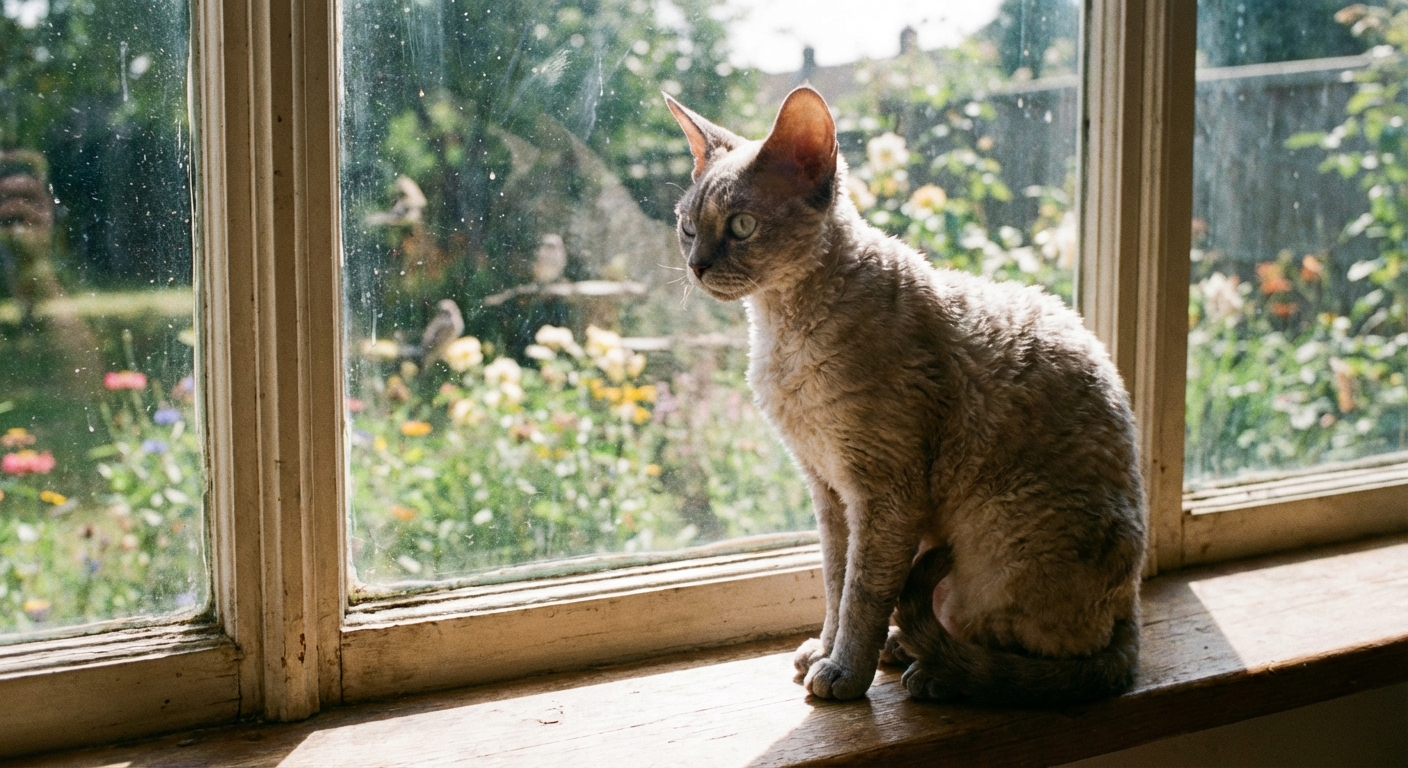
Appearance: Curly Coat, Big Ears, and a Light, Athletic Build
Devon Rex cats are typically small to medium in size with a lean, athletic body. Their most recognizable features include:
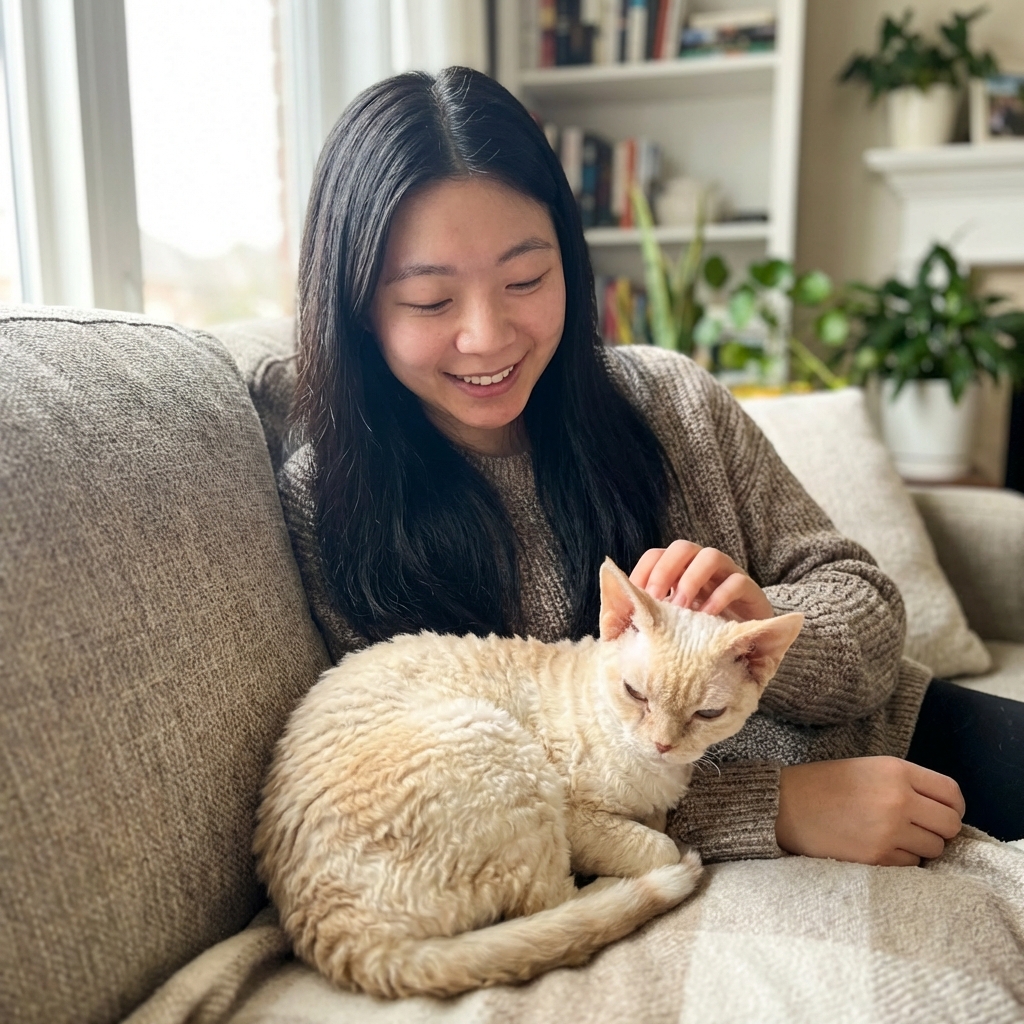
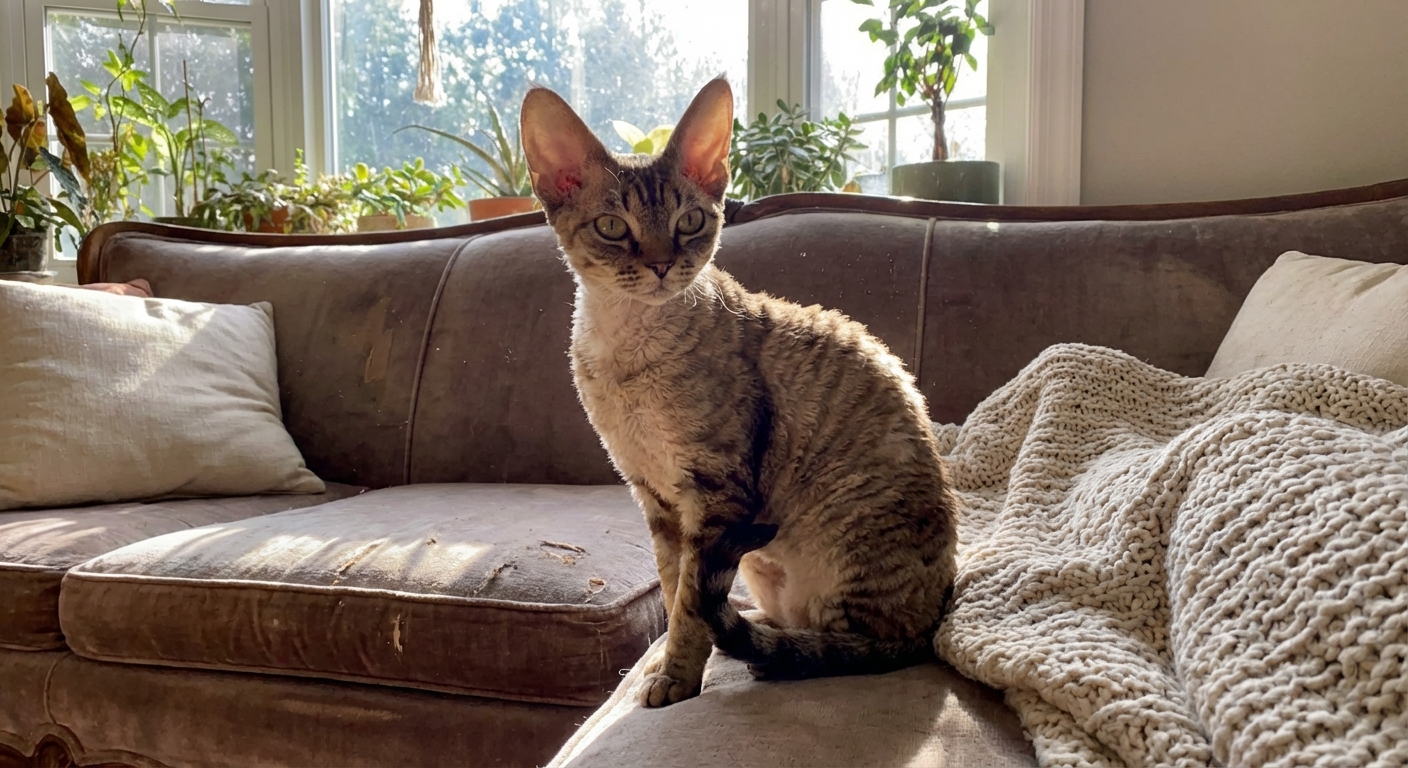
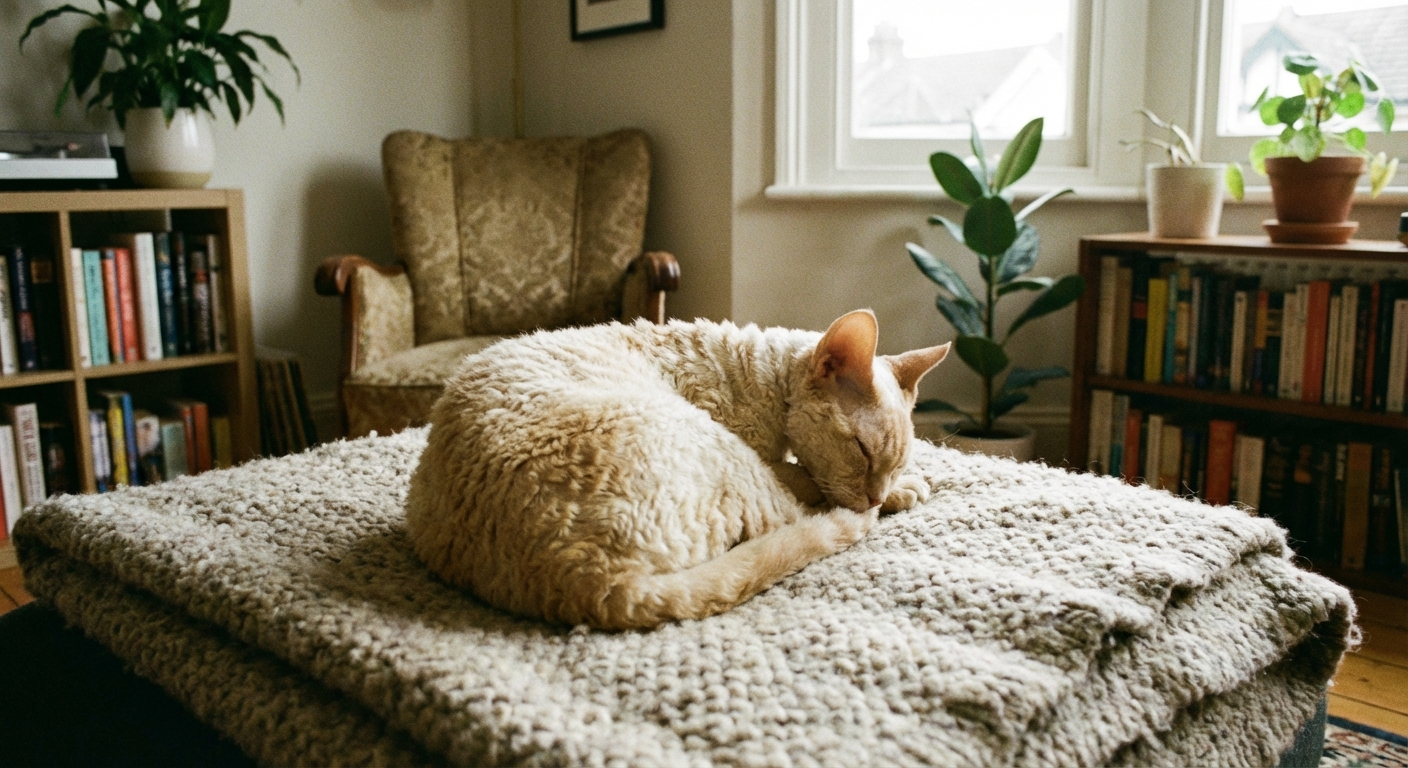
- Coat: Soft, fine, and wavy, often described as a “suede” texture. Some cats have thinner fur in certain areas, especially around the neck or belly.
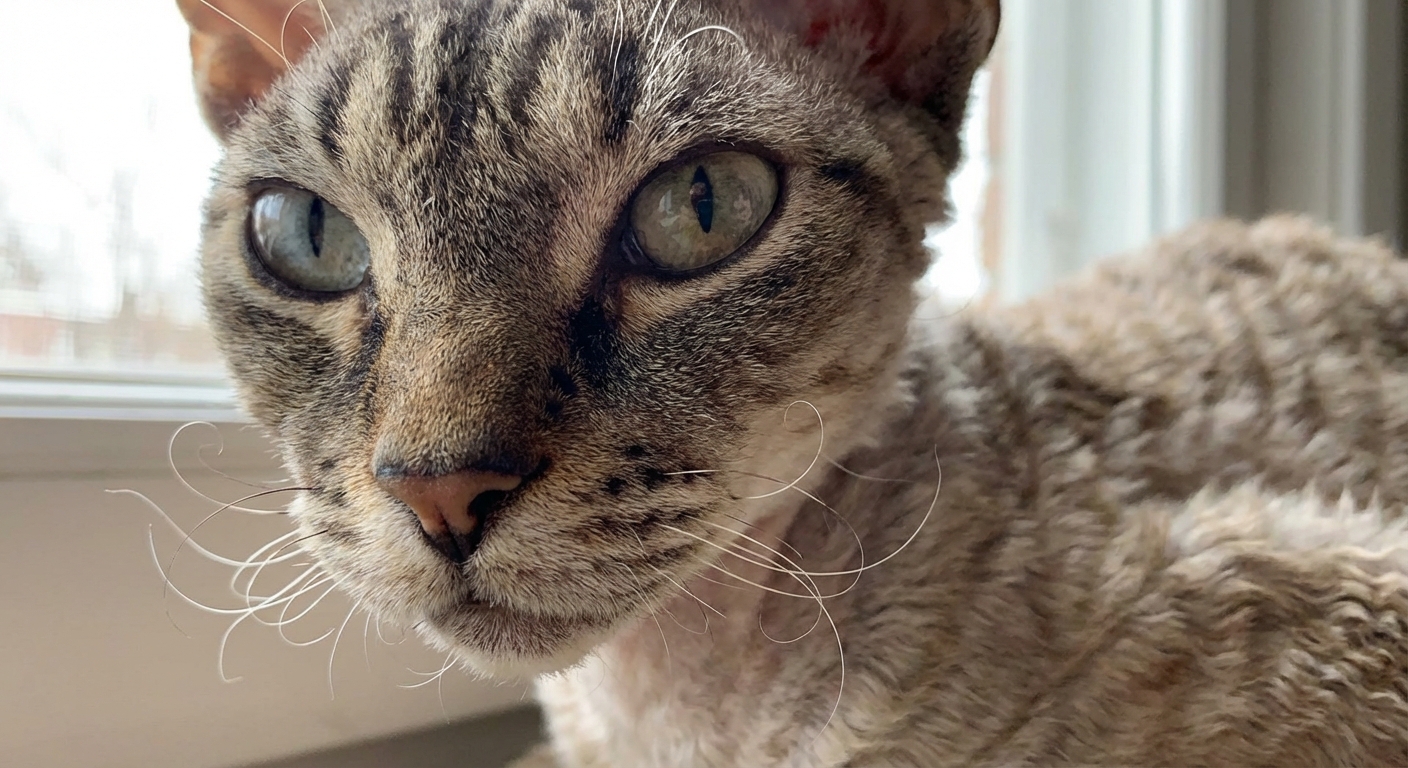
- Ears: Very large and set low on the head, giving the breed an alert, whimsical expression.
- Eyes: Large and expressive, commonly adding to their curious, engaged look.
- Whiskers: Often short or curled, and sometimes sparse.
Devon Rex cats come in many colors and patterns, so you can find everything from solid coats to tabby, tortoiseshell, and colorpoint variations.
Temperament: Social, Playful, and People-Oriented
In my experience working with families on lifestyle and home routines, a pet’s temperament matters as much as their appearance. The Devon Rex tends to thrive in homes where someone enjoys interacting with them daily. This is not typically a “keep to itself” cat.
Common personality traits
- Affectionate: Many Devon Rex cats love snuggling and will seek warmth by curling up near you.
- Highly social: They often do well with respectful children, cat-friendly dogs, and other cats when properly introduced.
- Playful and curious: Expect climbing, exploring, and a strong interest in whatever you are doing.
- Smart: They can learn routines quickly and may enjoy puzzle toys or clicker training.
If you want a cat that feels like a companion rather than a quiet observer, this breed is a strong contender.
Is the Devon Rex a Good Pet for You?
I always tell people that the best pet choice is the one that fits your daily life, not the one that looks cutest online. The Devon Rex can be a wonderful family member, especially if you enjoy a more interactive relationship with your cat.
Great match for
- Households that can provide daily play and attention
- People who want a lap cat that also enjoys games
- Apartment dwellers who can enrich the indoor environment with climbing and toys
- Families who will teach children gentle, respectful handling
May be challenging for
- People who are away from home for long hours every day without a plan for enrichment
- Those wanting a very independent cat
- Homes that prefer minimal grooming and minimal shedding expectations (Devon Rex cats can shed, just differently, and the fine hair can still end up on furniture)
Care Needs: Grooming, Bathing, and Daily Enrichment
Grooming
The Devon Rex coat is delicate. Heavy brushing can sometimes damage the fine hairs, so many owners do best with very gentle grooming or simply using hands to smooth the coat. Always follow your veterinarian’s or breeder’s guidance for your individual cat’s coat type.
Bathing and skin care
Some Devon Rex cats may need occasional baths because skin oils can build up more noticeably on their fine coat. Frequency varies. Overbathing can irritate skin, so it is best to use a cat-safe shampoo and keep baths occasional unless your vet recommends otherwise.
Ears and nails
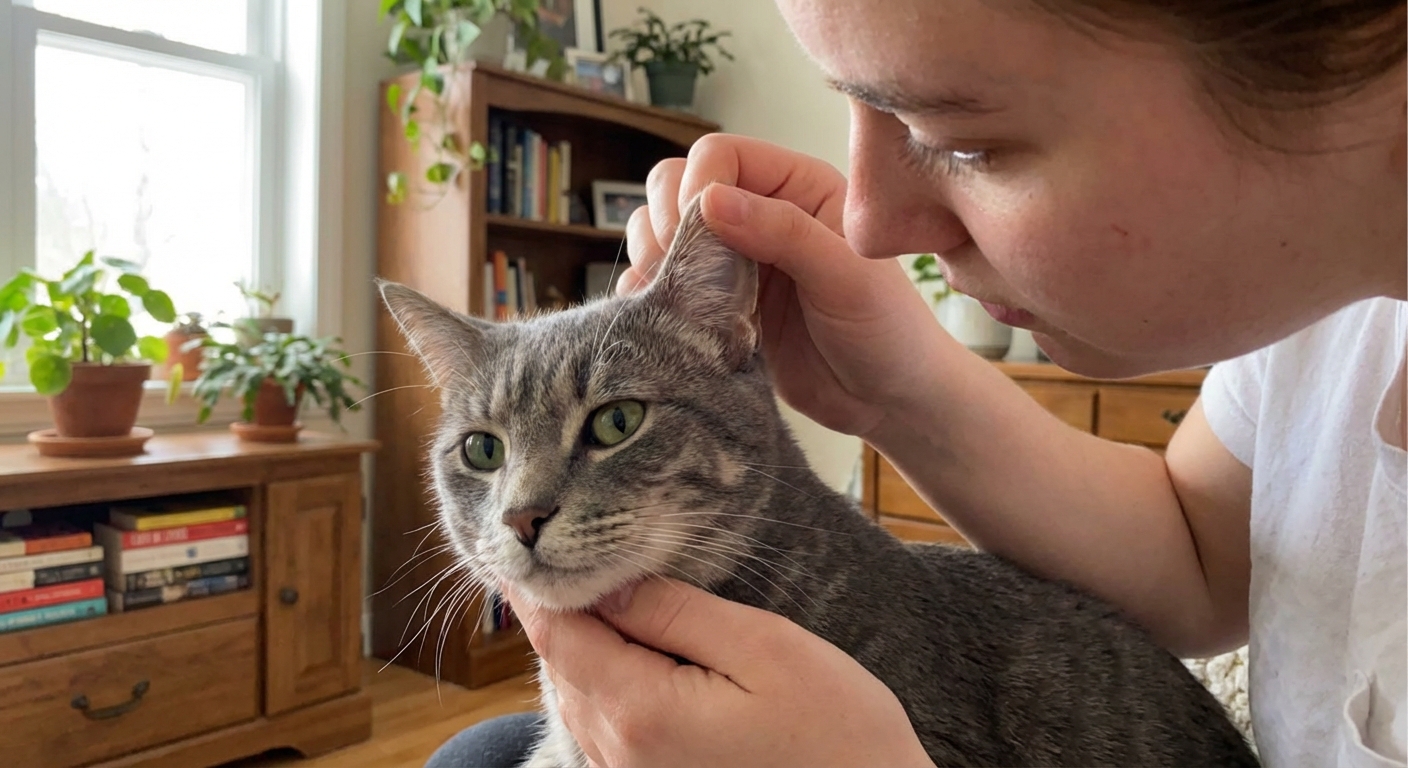
- Ears: Their large ears can collect wax. Check weekly and clean only as directed by your veterinarian.
- Nails: Trim every 2 to 4 weeks, depending on growth and scratching habits.
Enrichment and exercise
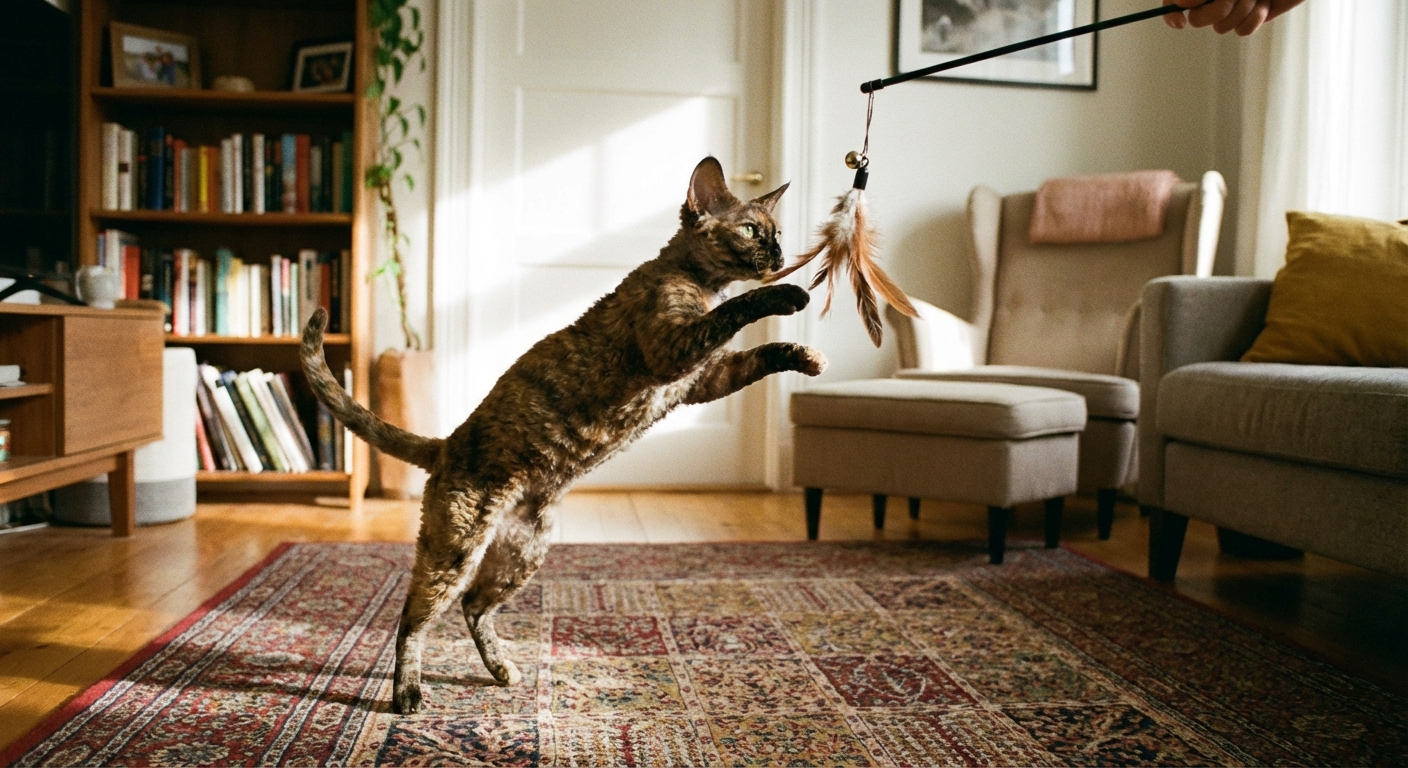
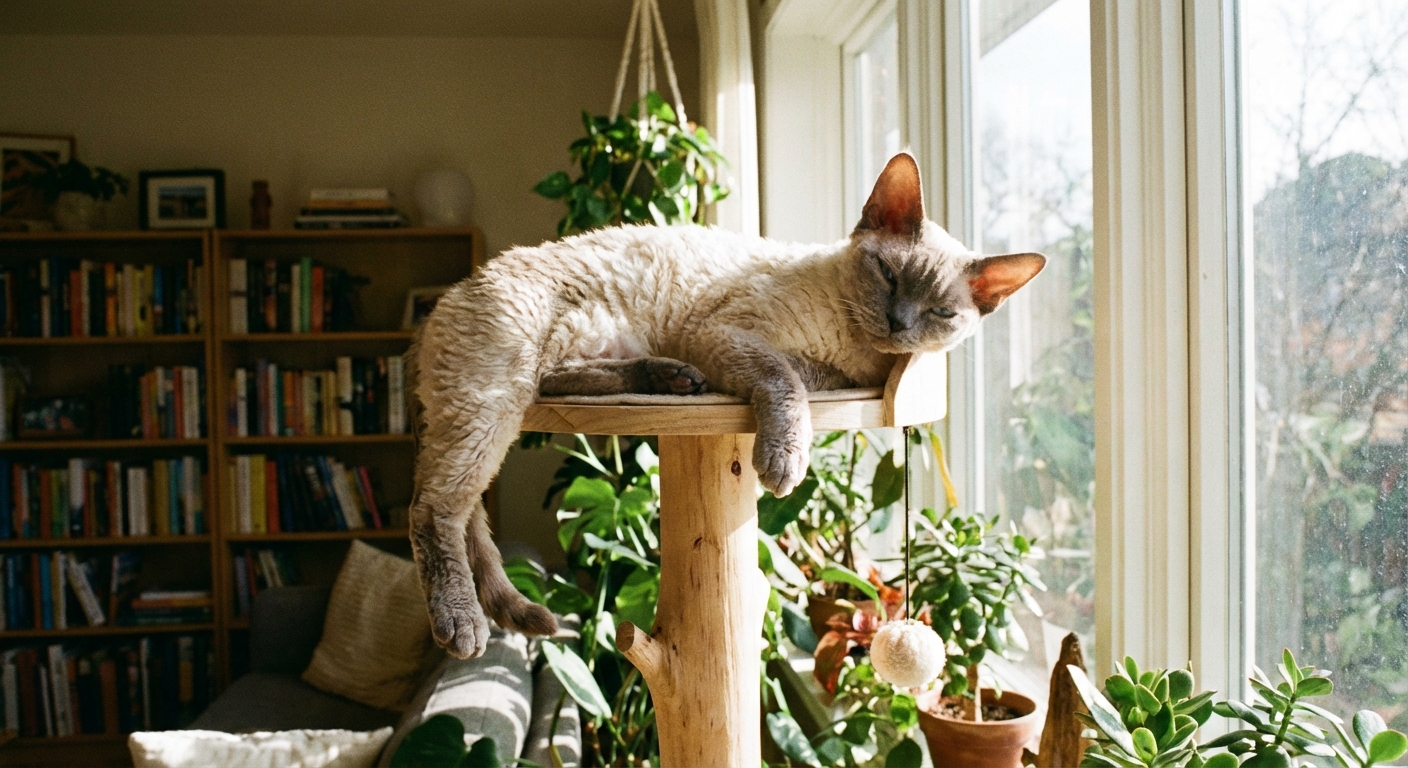
This breed benefits from predictable play sessions. Two to three short play periods a day can help meet their needs and reduce boredom-related behaviors. Cat trees, window perches, puzzle feeders, and rotating toys can make a big difference.
Nutrition: Supporting a Lean, Active Body
Devon Rex cats are typically energetic and benefit from high-quality, complete-and-balanced nutrition appropriate for their life stage. Because they can be enthusiastic eaters, portion awareness matters, especially for indoor cats.
Practical feeding tips
- Use measured portions and adjust based on body condition, not just the feeding guide.
- Consider puzzle feeders to slow eating and add mental stimulation.
- Prioritize hydration. Wet food can help boost water intake, and fountains encourage drinking in many cats.
If you are unsure about the best diet for your Devon Rex, your veterinarian can help tailor a plan based on weight, activity, and any medical history.
Health Considerations
No breed is completely free of health risks, and responsible breeding and proactive veterinary care matter. Devon Rex cats are often generally healthy, but they may be predisposed to certain conditions.
Potential concerns to discuss with your vet
- Skin issues: Some individuals may have sensitive skin or oilier coats that need monitoring.
- Ear wax buildup: Large ears can mean more routine checks and occasional cleaning.
- Hypertrophic Cardiomyopathy (HCM): A heart condition seen across many cat breeds. Ask what screening is done in the breeding lines and what a vet recommends for ongoing monitoring.
- Devon Rex Myopathy: A hereditary muscle-related disorder reported in the breed. If you are working with a breeder, ask about the line history and what health information they can share about related cats.
- Blood type considerations: Devon Rex cats have a higher prevalence of Type B blood compared to the general cat population. This matters for emergencies, surgeries, and especially blood transfusions. Your veterinarian can type your cat’s blood if needed.
- Dental health: Like many cats, they benefit from dental care habits and routine cleanings if recommended.
When choosing a kitten, ask for details on health screening, family history, and the return policy. A reputable breeder should welcome questions and prioritize long-term welfare.
Living Environment and Comfort
The Devon Rex is known for seeking warmth. Their fine coat and lean build may make them more likely to cuddle up in cozy spots. Provide soft beds, warm blankets, and comfortable perches away from drafts.
Because they are curious climbers, cat-proofing is important. Secure breakables, provide safe vertical spaces, and keep toxic plants and human foods out of reach.
Training and Bonding
Devon Rex cats often enjoy interactive learning. Simple training can strengthen your bond and provide mental stimulation.
- Clicker training: Many learn sit, touch, or come quickly with positive reinforcement.
- Carrier comfort: Leave the carrier out with a cozy blanket and treats so vet visits are less stressful.
- Routine: Consistent feeding and play times can reduce anxiety and encourage stable behavior.
Starting your home routine right sets the tone for daily life. Small, consistent habits like a five-minute play session before dinner can compound into calmer evenings and a happier cat over time.
Adoption and Breeder Tips
Whether you adopt or buy from a breeder, prioritize transparency and health-focused care.
If working with a breeder
- Ask what health testing is performed on parents and how often cats see a veterinarian. If they mention heart screening, ask specifically about Hypertrophic Cardiomyopathy (HCM) practices in their lines.
- Ask what they can share about Devon Rex Myopathy in the pedigree, including any known history.
- Request details on early socialization, diet, and litter training routines.
- Look for a contract that supports the cat’s welfare, including a return policy if needed.
If adopting
- Check Devon Rex rescues or specialty cat rescues.
- Ask about skin, ear, and dental history, plus any notes on sociability and play style.
- Ask your veterinarian whether blood typing makes sense for your situation, especially if your cat may ever need surgery.
Quick Summary: Devon Rex at a Glance
- Best known for: Curly coat, big ears, affectionate personality
- Energy level: Moderate to high, enjoys daily play
- Grooming: Gentle coat care, possible occasional bathing, routine ear checks
- Good for: People who want a social, interactive cat
- Watch for: Skin and ear maintenance needs, Hypertrophic Cardiomyopathy (HCM), Devon Rex Myopathy, and responsible breeding practices
If you are looking for a loving, playful companion who wants to be part of your everyday life, the Devon Rex can be a delightful choice with the right care and attention.