Noticing a withdrawn, sleepy, or less playful cat? Discover the most common causes—from pain and stress to boredom or illness—plus vet red flags and simp...
Article
•
Designer Mixes
Depression in Cats: Signs, Causes, and Care

Shari Shidate
Designer Mixes contributor
Cats can show depression-like signs such as withdrawal, low interest in play, or changes in sleep and appetite. While it can look similar to human depression, it is not a formal mood diagnosis in the same way, and it can be hard to confirm as a primary issue in cats. The practical goal is to notice changes from your cat’s normal baseline, rule out pain or illness, and then rebuild a sense of safety, predictability, and enrichment.

What it can look like
Veterinary teams often describe depression-like signs as a cluster of behavior changes that can persist for days to weeks. The biggest clue is a change from your cat’s normal baseline.
Common signs
- Less interest in play or stopping favorite games entirely
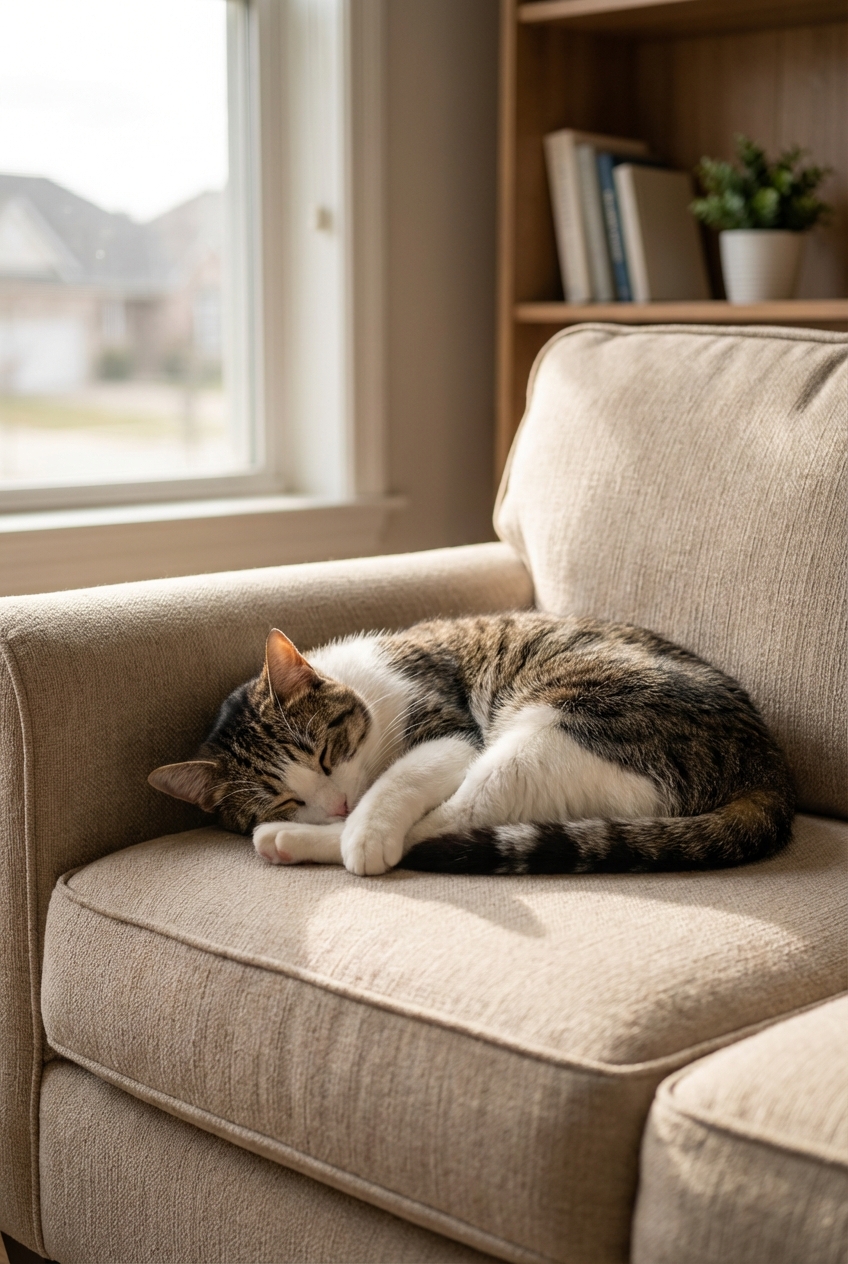
- Sleeping more than usual, especially at unusual times or in unusual places
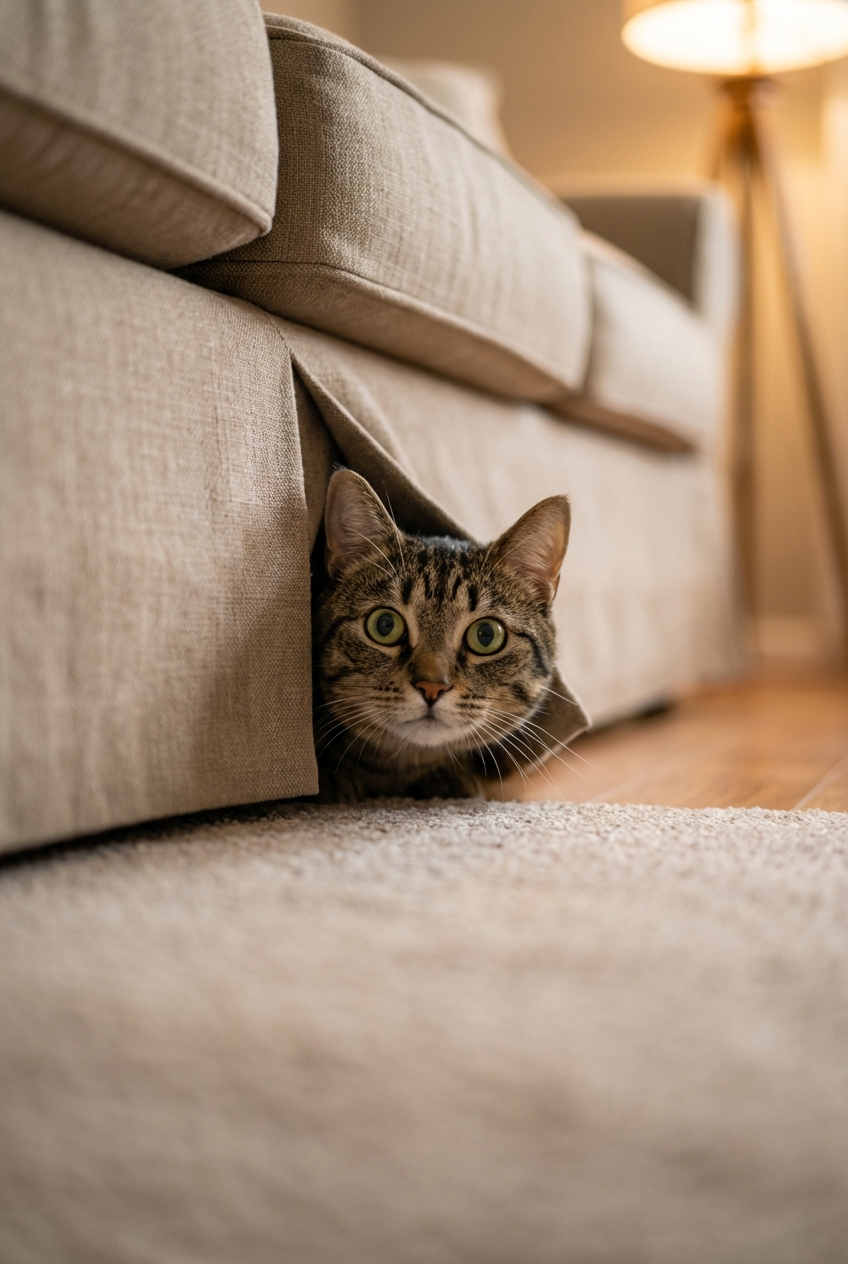
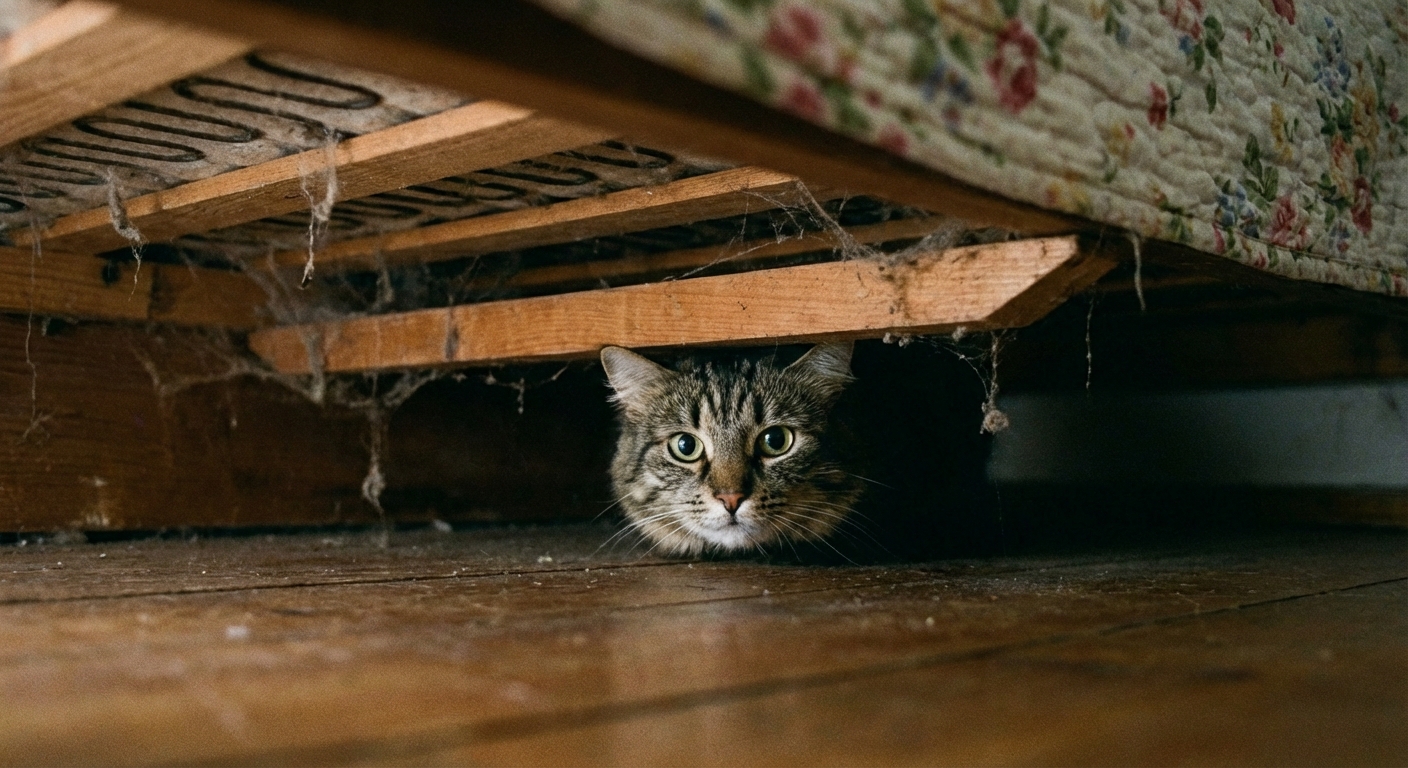
- Hiding more often or choosing hard-to-reach hiding spots
- Reduced appetite or eating less enthusiastically
- Less grooming (unkempt coat) or sometimes overgrooming
- More clingy than usual or, the opposite, withdrawn
- Low energy, slower movement, less curiosity
- Changes in vocalizing, either more crying or being unusually quiet
- Litter box changes, including accidents or not covering waste
When it may be more than mood
A cat who seems down may actually be uncomfortable. Pain, nausea, dental disease, arthritis, urinary issues, and thyroid or kidney problems can all change mood and behavior. That is why medical rule-outs matter early, especially when appetite, litter box habits, or activity change.
Common causes and triggers
Cats are routine-driven. When something shifts in their environment or social structure, some cats cope well and others struggle.
- Loss: a person moving away, a pet passing, or changes in a bonded relationship
- Changes at home: moving, remodeling, schedule shifts, new baby, frequent guests
- New pets or tension between household cats
- Boredom: under-stimulating environment, especially for indoor-only cats
- Chronic stress: loud noise, lack of safe space, unpredictable handling
- Medical problems: illness or pain that reduces activity and interest in normal behaviors
First step: rule out medical issues
If your cat’s behavior has changed and it is not quickly returning to normal, a veterinary check is a smart next step. Go sooner if appetite drops, your cat is unusually lethargic, there is vomiting or diarrhea, or hiding is paired with other concerning signs.
Why appetite changes matter
Cats can become seriously ill if they stop eating. One major concern is hepatic lipidosis (fatty liver disease), which can develop after roughly 24 to 72 hours of very poor intake, with higher risk in overweight cats. If your cat is eating only tiny amounts or not eating at all, contact your veterinarian promptly.
What your vet may check
- Full physical exam and weight check
- Dental exam for painful teeth or gums
- Bloodwork and urinalysis to screen for common medical causes
- Discussion of recent stressors, routine changes, and litter box setup
If medical causes are ruled out or treated and your cat still seems withdrawn, it is time to focus on supportive care at home and, when needed, behavior medication guided by your veterinarian.
Supportive care at home
Think of this as rebuilding three things: predictability, control, and enrichment. Small changes done consistently are usually more effective than a big overhaul.
1) Routine and safety
- Feed on a schedule and keep mealtimes calm.
- Create a safe room if your home is busy: bed, water, litter box, scratching surface, and a hiding option.
- Offer choices: more than one resting spot, multiple perches, and multiple litter boxes in multi-cat homes.
2) Bring back play, gently
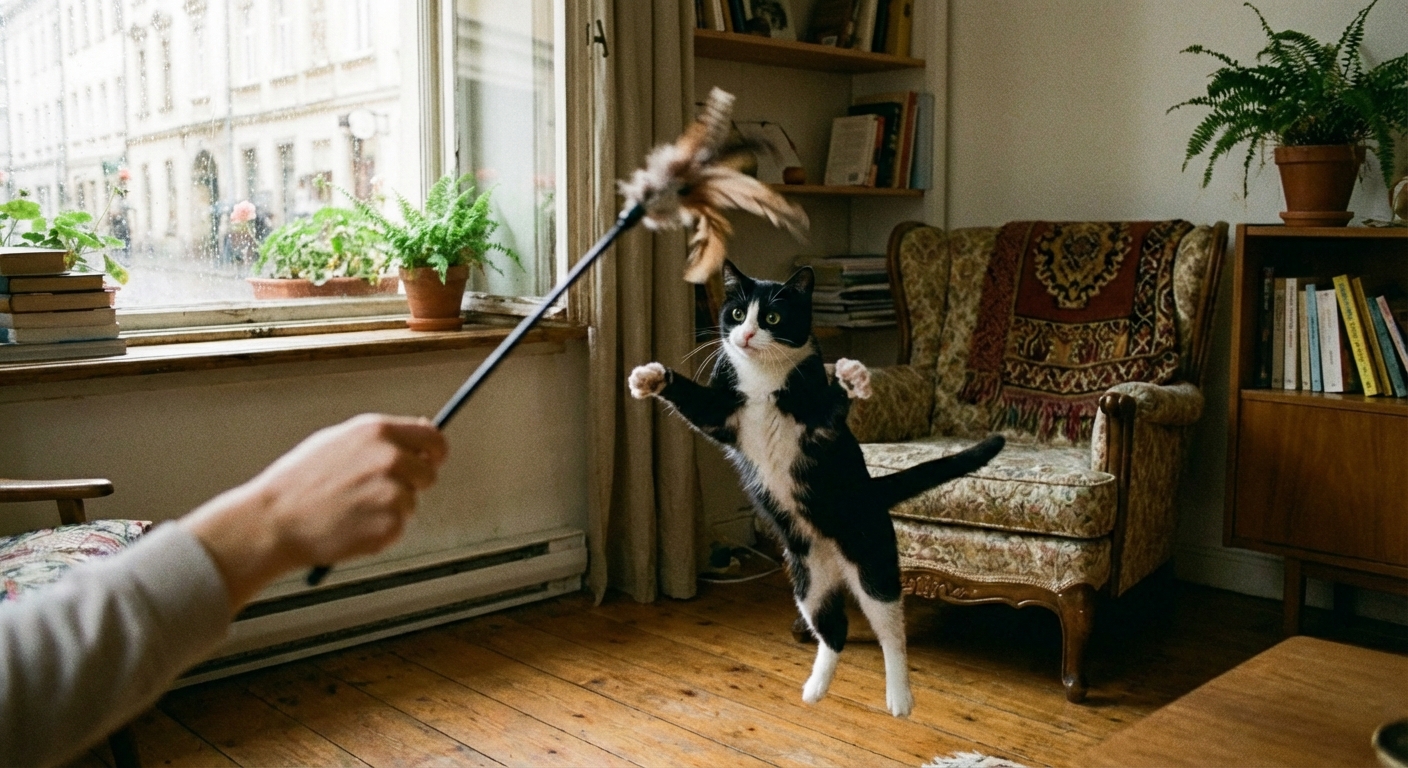
When a cat is down, they may not jump into long play sessions. Start with 2 to 5 minutes once or twice a day.
- Use wand toys that mimic prey: slow, hiding, darting.
- End with a small treat or meal. This mirrors a sequence many cats find satisfying: hunt, eat, groom, rest.
- Rotate toys weekly to keep things fresh.
3) Enrichment without pressure
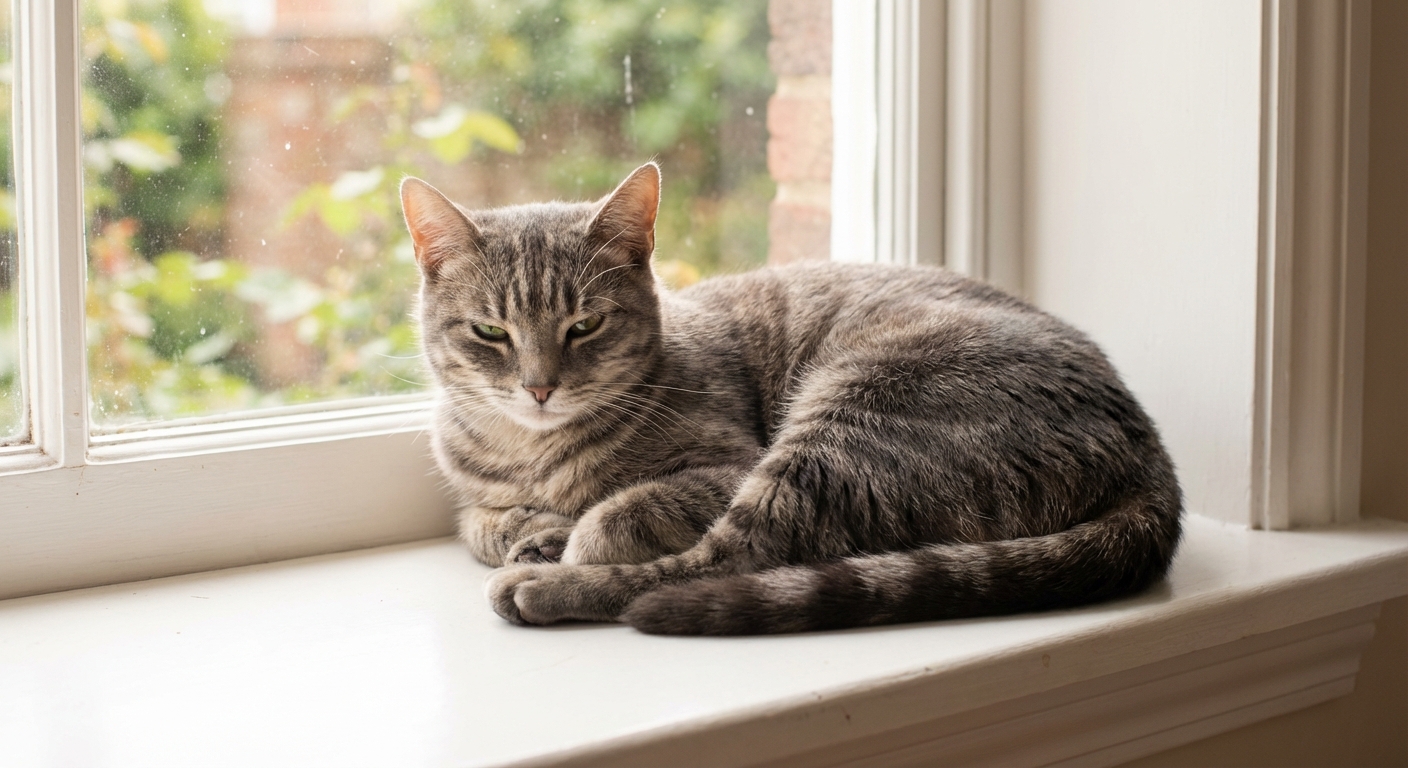
- Window time: a perch near a window can help. If you add a bird feeder outside, place it safely and be mindful it may attract outdoor cats or wildlife.
- Food puzzles or treat balls for mental stimulation.
- Scent enrichment: catnip or silvervine for cats who respond. Avoid essential oils and strongly scented products, which can be irritating or harmful to cats.
- Vertical space: cat tree, shelves, or cleared bookcase levels.
4) Support appetite safely
If your cat is eating less, prioritize getting calories in while you work with your vet on the why. Helpful options include warming wet food slightly, offering stronger-smelling foods, and feeding in a quieter location. Avoid forcing your cat to eat. Do not give human appetite stimulants or other human medications unless your veterinarian specifically directs you.
5) Reduce stress at home
- Keep litter boxes clean and easy to access.
- Use gentle introductions for new pets and avoid letting them work it out.
- Consider a veterinarian-recommended pheromone diffuser. Some cats benefit, but results vary.
Litter box basics
Because litter box changes can be a major clue, it helps to tighten the setup even if you think the box is fine.
- Number: one box per cat, plus one extra.
- Location: quiet, easy to reach, and not trapped in a dead-end where another cat can block access.
- Size: large enough for your cat to fully turn around comfortably.
- Cleanliness: scoop daily if possible, wash regularly, and avoid harsh scents.
- Substrate: many cats prefer unscented, fine-grain litter. If you change litter types, transition gradually.
Multi-cat homes
In multi-cat homes, depression-like signs are sometimes a cat who feels socially unsafe. Even subtle bullying can cause hiding, litter box avoidance, and appetite changes.
- Provide multiple feeding stations and water stations.
- Use the general guideline of one litter box per cat, plus one extra.
- Add multiple high perches so cats can pass each other without conflict.
- Watch for blocking behaviors near hallways, stairs, or doorways.

Senior cats and aging
In older cats, withdrawal can also overlap with normal aging, arthritis pain, sensory decline (vision or hearing), or feline cognitive dysfunction. If your senior cat seems confused, vocalizes more at night, misses the litter box, or appears stiff or hesitant to jump, ask your veterinarian about a senior-focused evaluation and pain management.
When to get help fast
Contact your veterinarian promptly if you notice any of the following:
- Not eating for about 24 hours, or eating only tiny amounts
- Rapid weight loss, vomiting, diarrhea, or increased thirst
- Hiding plus signs of pain: hunched posture, grimacing, growling when touched
- Sudden litter box issues, especially straining or blood in urine
- Male cat straining to urinate or producing little to no urine: emergency
- Major behavior change after a new medication or possible toxin exposure
If behavior support at home is not enough, your vet may recommend working with a veterinary behaviorist. In some cases, prescription anti-anxiety medication can be truly life-changing for cats when paired with environmental adjustments. Medication options vary and may include long-term daily medications or short-term situational support, but they should be chosen and monitored by a veterinarian. Do not use human psychiatric medications in pets unless specifically prescribed for your cat.
Quick plan
If you do only three things, start here:
- Book a vet check if appetite is reduced, energy is low, or changes persist.
- Restore routine with calm, predictable feeding and a safe resting space.
- Do short daily play and simple enrichment, keeping it low pressure.
Gentle progress you can track
Track a few simple daily wins for 1 to 2 weeks:
- Appetite: ate most of a meal, ate half, or refused
- Social: came out when you entered the room, accepted petting, relaxed nearby
- Activity: played for 2 minutes, used a scratching post, sat at the window
Depression-like signs often improve in small steps. Those steps matter, and your consistency is a big part of what helps a cat feel secure again.
Optional references for further reading: American Association of Feline Practitioners (AAFP) and International Society of Feline Medicine (ISFM) feline-friendly and environmental needs resources, Cornell Feline Health Center guidance on common feline illnesses and appetite concerns.