Worried your senior cat seems confused or yowls at night? Learn feline cognitive dysfunction (CDS) signs, DISHA checklist, stages, vet rule-outs, and home ca...
Article
•
Designer Mixes
Dementia in Cats: Signs, Help, and Care

Shari Shidate
Designer Mixes contributor
Cats are masters at hiding when something feels “off.” So when a sweet, steady older kitty starts yowling at night, staring into corners, or seeming lost in their own home, it can feel unsettling and heartbreaking.
One possible reason is cognitive dysfunction syndrome, sometimes called dementia in cats. It is an age-related brain condition that can change sleep patterns, memory, and behavior. The good news is that there are practical steps you can take to help your cat feel safer and more comfortable.
What it means
Feline cognitive dysfunction is similar in concept to Alzheimer’s-type changes in humans, in that it can involve age-related brain changes and a gradual shift in behavior. It is not a perfect one-to-one match, but the comparison can be helpful for understanding why familiar routines may suddenly feel harder for your cat.
As the brain ages, cats may experience changes in:
- Learning and memory
- Sleep and wake cycles
- Spatial awareness (navigating familiar rooms)
- Social interactions
- House habits
Most cats who develop noticeable cognitive changes are seniors. Signs are often reported in cats over roughly 11 to 12 years old, and they tend to become more common as cats reach their mid to late teens. Not every “odd” behavior is dementia, though, which is why a veterinary checkup matters.
Common signs
Veterinary teams often describe symptoms using a simple framework similar to the “DISHA” pattern used in dogs. You might notice one sign or several, and they often start subtly.
Disorientation
- Getting “stuck” behind furniture or in corners
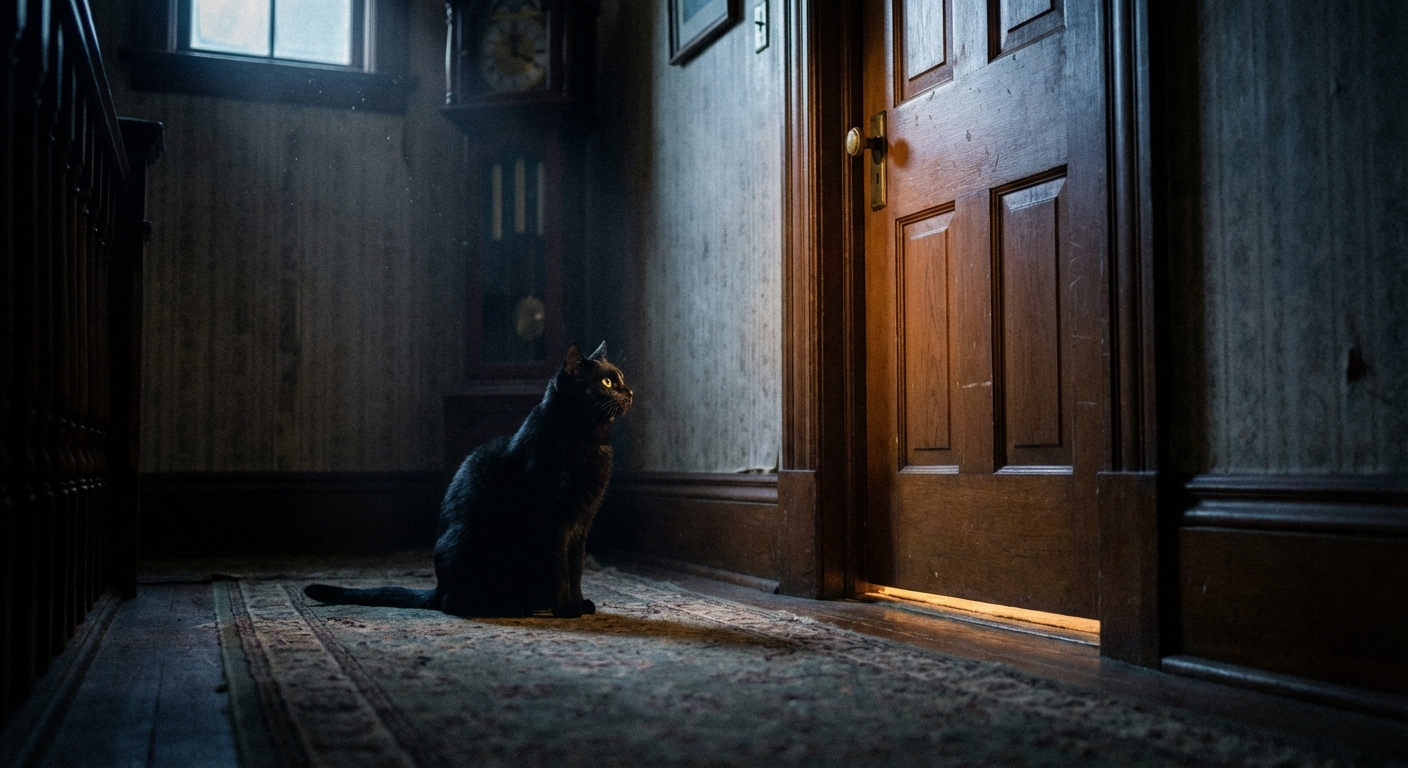
- Staring blankly at walls or into space
- Seeming lost in familiar rooms
- Hesitating at doorways or stairs they used to manage easily
Social changes
- Clingier than usual, following you constantly
- More withdrawn, hiding, or less interested in affection
- Seeming irritable with handling or changes in routine
Sleep changes
- Restless pacing at night
- Sleeping more during the day
- Loud nighttime meowing or yowling
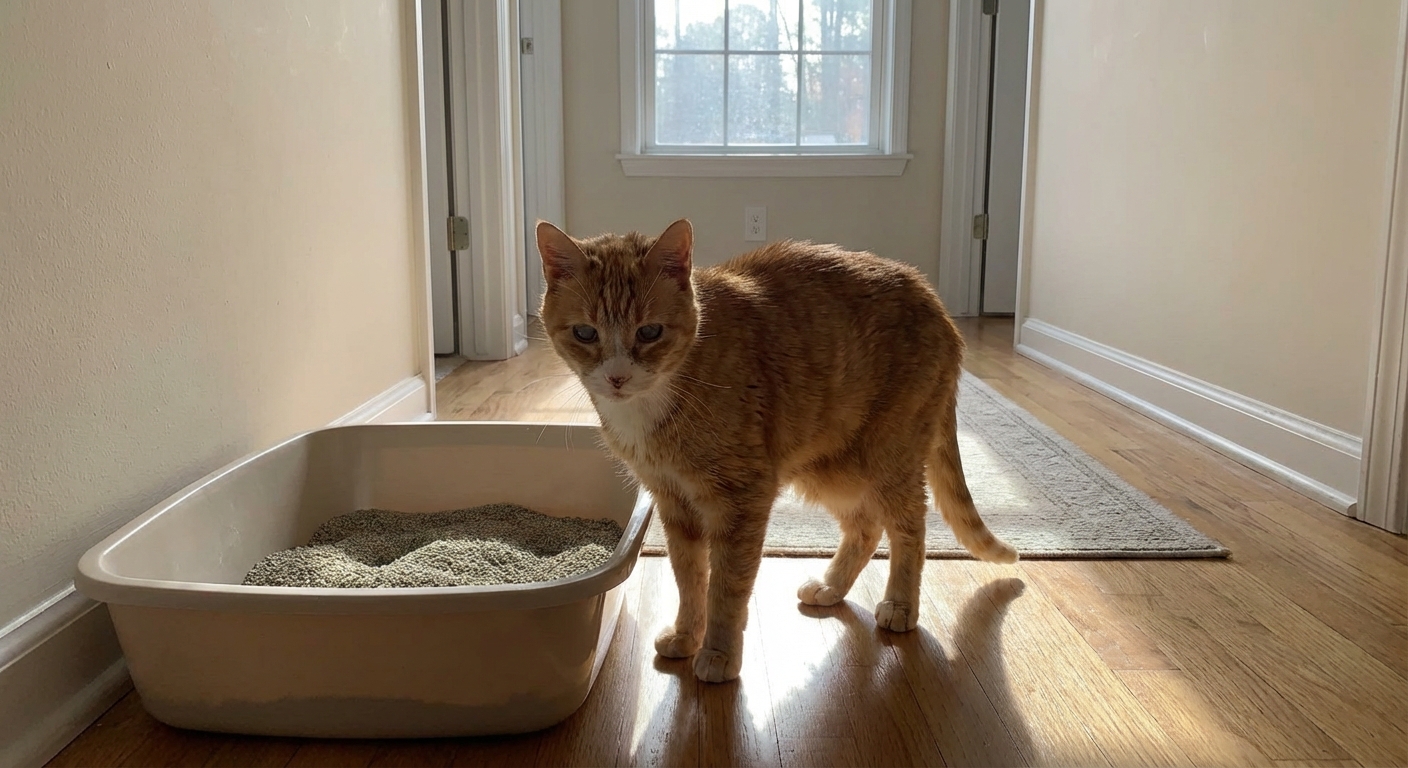
Litter box changes
- Urinating or defecating outside the litter box
- Standing in the box but not using it
- Missing the box due to mobility or vision issues
Activity changes
- Less grooming or a messier coat
- Reduced play or exploration
- Repetitive behaviors like pacing or licking
Rule out look-alikes
In my experience as a veterinary assistant, the most important first step is this: many medical issues can mimic dementia. Treating the underlying problem can dramatically improve behavior.
Common conditions that can look like cognitive decline include:
- Hyperthyroidism (often causes yowling, restlessness, weight loss)
- Kidney disease (can cause nausea, dehydration, toxin buildup, weakness, and “not themselves” behavior)
- High blood pressure (can lead to sudden vision changes)
- Arthritis or pain (cats may avoid the litter box or seem irritable)
- Dental disease (chronic pain changes mood and appetite)
- Hearing or vision loss
- Urinary tract disease
- Brain disease (less common, but possible)
Schedule a vet visit if you see new behavior changes, especially if they started suddenly. Your vet may recommend bloodwork, a urine test, a blood pressure check, and a careful pain and mobility exam.
How vets check it
If your cat seems “different,” your veterinarian’s job is to sort out what is treatable, what is pain-related, and what may be true cognitive change. That process is also what keeps your cat safe, because some look-alike conditions can become urgent quickly.
There is not a single “dementia test” for cats. Diagnosis is usually based on:
- Your observations (what changed, when, how often)
- Ruling out medical causes with exam and lab work
- Behavior patterns that fit cognitive decline over time
What to bring
- Short videos of pacing, vocalizing, staring, or litter box struggles
- A list of medications and supplements (including flea and tick products)
- Diet details (brand, flavor, wet versus dry, treats)
- Litter box notes (litter type, box style, locations, cleaning schedule)
A helpful tip is to keep a simple log for 1 to 2 weeks:
- Night vocalization times and duration
- Accidents outside the litter box and location
- Appetite, thirst, weight changes
- Any “lost” or stuck moments
That record gives your veterinarian real data to work with and helps you track whether interventions are helping.
At-home care
When cats are cognitively struggling, your goal is comfort and predictability. Small changes often make a big difference.
Make navigation easier
- Keep furniture consistent. Avoid rearranging layouts.
- Add plug-in night lights in hallways and near litter boxes, food, and water.
- Use rugs or runners on slippery floors for stability.
- Create easy routes to favorite resting spots and key resources.
Improve litter box success
- Provide more boxes: a common rule is one per cat plus one extra.
- Choose low-entry boxes for older joints.
- Avoid covered boxes if your cat seems hesitant or disoriented.
- Use unscented litter if possible, since strong fragrance can be a dealbreaker for some cats.
- Place boxes on every level of the home.
- Keep them very clean and easy to reach, away from loud appliances.
Support sleep and nighttime anxiety
- Gentle play and interaction earlier in the day to encourage better nighttime rest.
- Offer a bedtime snack if your vet says it fits your cat’s diet.
- Create a calm sleep zone with a familiar bed and soft lighting.
- Use white noise if outside sounds startle your cat.
Keep routines steady
- Feed at consistent times.
- Keep daily patterns predictable.
- Introduce new pets or major changes slowly, if possible.
Gentle enrichment
Many senior cats do better with small, low-pressure mental and sensory activities. The goal is engagement without frustration.
- Food puzzles that are easy, with big openings and a quick payoff
- Scent games like a few treats tucked under a washcloth
- Short, calm play sessions (1 to 3 minutes) with a wand toy
- Simple training like “touch” for a treat, if your cat enjoys it
If your cat becomes overstimulated, anxious, or confused, scale it back. For many seniors, “a little” truly is plenty.
Nutrition and supplements
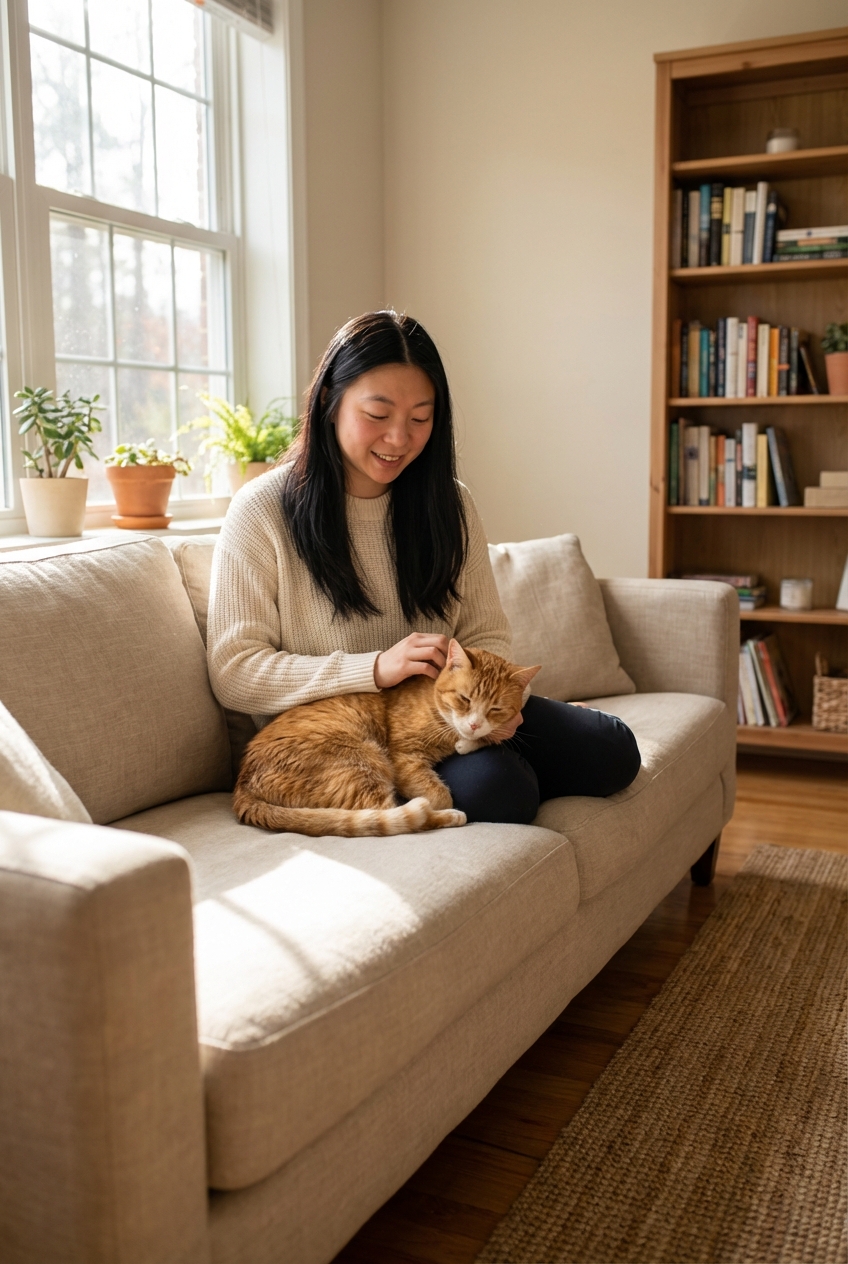
Food is not a cure for cognitive dysfunction, but nutrition can support overall brain health and reduce inflammation. Since every cat has different medical needs, especially seniors, run any diet change or supplement by your veterinarian first.
It is also worth noting that evidence for specific cognitive supplements in cats is more limited than it is in dogs and humans. Your vet can help you choose options that are safe and appropriate for your cat’s health conditions.
Topics worth discussing:
- Senior diets that support healthy weight, kidney function, and muscle maintenance
- Omega-3 fatty acids (like DHA and EPA), which may support brain health
- Antioxidants and nutrients that support aging tissues
- Appetite support if your cat is eating less or becoming picky
If your cat also has kidney disease, hyperthyroidism, diabetes, or pancreatitis, the “best” diet for the brain still has to fit those conditions first.
Medications and therapies
Depending on your cat’s symptoms and overall health, your veterinarian may recommend:
- Pain control if arthritis is contributing to behavior changes
- Anxiety support for nighttime distress or agitation
- Sleep-wake support when nights and days are reversed
- Prescription diets or targeted supplements
There is no single medication that works for every cat with cognitive dysfunction, and your vet’s approach will be based on your cat’s specific signs, exam findings, and medical history.
Safety checklist
As cognition changes, safety becomes just as important as comfort.
- Keep cats indoors if possible. Disorientation increases risk outdoors.
- Block unsafe spaces like steep stairs, balconies, or tight gaps behind appliances.
- Use pet steps for beds and couches if jumping is unreliable.
- Update ID: collar tag and microchip registration.
- Watch water intake. Dehydration can worsen lethargy, disorientation, and constipation.
When it is urgent
Contact a veterinarian promptly if you notice:
- Sudden disorientation that starts within hours or a day
- Not eating for 24 hours, or not drinking
- Labored breathing, collapse, seizures, or extreme lethargy
- Straining to urinate or crying in the litter box
- Sudden blindness or bumping into objects
Fast changes are more likely to be a medical crisis than slow cognitive decline.
Quality of life
Dementia care is not about perfection. It is about helping your cat feel secure and keeping daily life manageable for both of you.
Consider tracking a few simple weekly markers:
- Is your cat eating enough and maintaining weight?
- Are they comfortable when moving, resting, and using the litter box?
- Are “bad nights” happening less often, or are they escalating?
- Do they still seek out favorite spots, gentle affection, or treats?
If care becomes overwhelming, you are not failing. Ask your vet team about adjusting the plan, adding support, or discussing humane quality-of-life options.
You do not have to do everything at once. Start with the basics: a vet check, a steady routine, easier litter access, and a calmer nighttime environment.