Make meals more tempting and nutritious with simple dog food toppers: bone broth, cooked eggs, sardines, pumpkin, and steamed veggies—plus portions, storag...
Article
•
Designer Mixes
Dehydration in Dogs

Shari Shidate
Designer Mixes contributor
Dehydration can sneak up on dogs, especially in hot, humid weather. It is one of those health issues that looks mild at first, but can become serious fast if your pup keeps losing fluids or cannot take enough in. The good news is that most cases can be prevented with a few simple habits, and you can learn the early signs so you know when to call your veterinarian.
What dehydration means
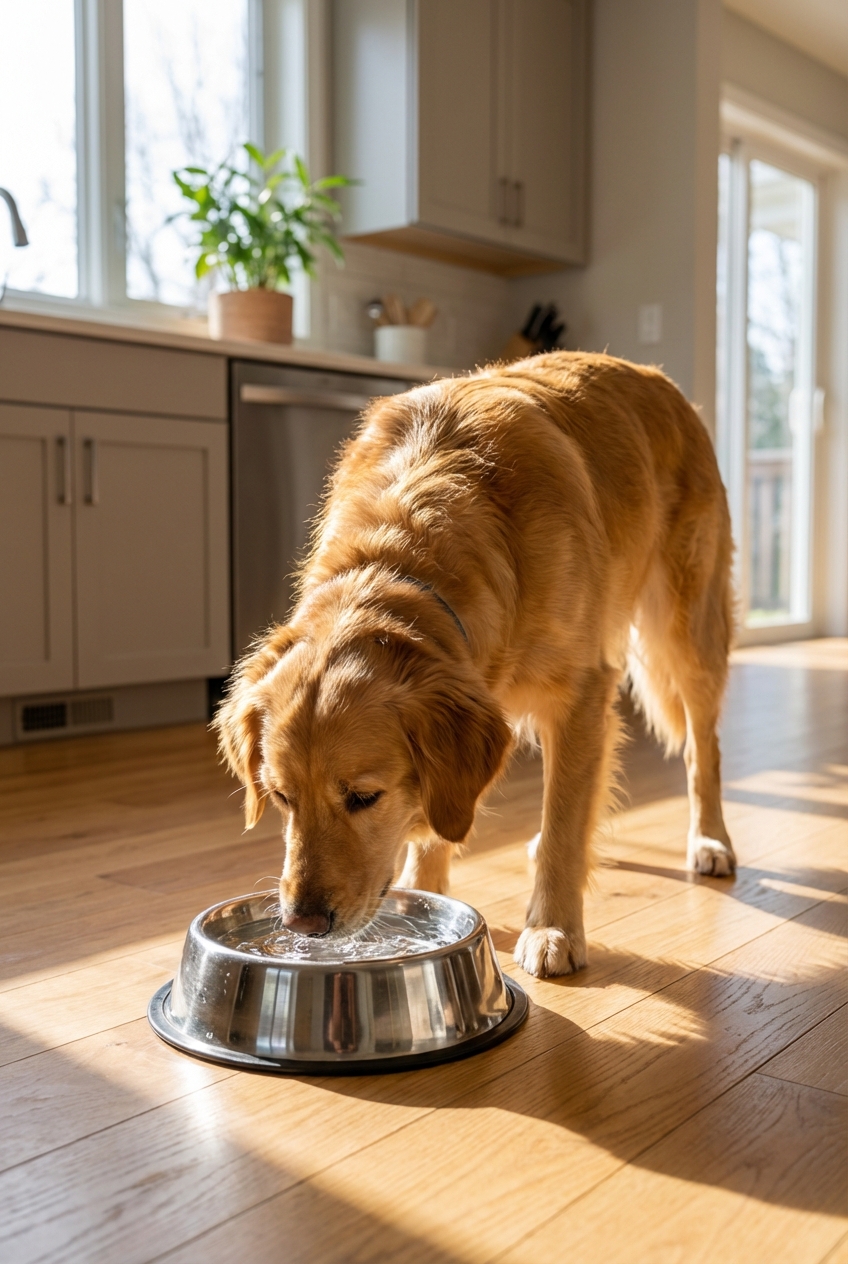
Dehydration happens when your dog loses more water (and electrolytes like sodium and potassium) than they take in. Water is not just for thirst. It supports circulation, temperature control, digestion, joint lubrication, and healthy kidney function.
Even mild dehydration can make dogs feel tired, nauseated, or “off.” Moderate to severe dehydration can affect blood pressure and organ function and can become an emergency.
Common causes
Some causes are obvious, like not enough water on a hot day. Others are easy to miss.
- Heat and exercise: Warm weather, long walks, dog parks, agility, hiking, or time in a hot car.
- Vomiting or diarrhea: This is one of the fastest ways dogs lose fluids and electrolytes.
- Not drinking enough: Travel, stress, new environments, or painful mouth issues can reduce drinking.
- Fever or infection: Increases fluid needs.
- Kidney disease, diabetes, Cushing’s disease: Conditions that increase water loss through urination.
- Medications: Some drugs can increase urination or cause GI upset.
- Puppies and seniors: Puppies can dehydrate quickly due to their small reserves. Seniors may have a reduced thirst drive, and home tests like the skin tent can be harder to interpret.
Early signs at home
Trust your instincts. If your dog “just seems not right,” dehydration is worth considering, especially after heat, exercise, or an upset stomach.
- Dry or tacky gums (instead of slippery, wet gums)
- Excessive panting or seeking cool surfaces
- Sunken-looking eyes
- Less energy, reluctance to play or walk
- Reduced appetite
- More concentrated urine than usual (darker yellow) or peeing less often
- Sticky saliva or thick drool
Simple hydration checks
These quick checks are helpful, but they are not perfect. Coat, age, body condition, and stress can affect what you see. If your dog is sick, very young, very old, very small, or you are concerned, call your veterinarian.
- Gum check: Gums should be moist. Tacky or dry can suggest dehydration.
- Capillary refill time: Press your finger on your dog’s gum until it turns pale, then release. It should turn pink again in about 1 to 2 seconds. Slower refill can be a concern.
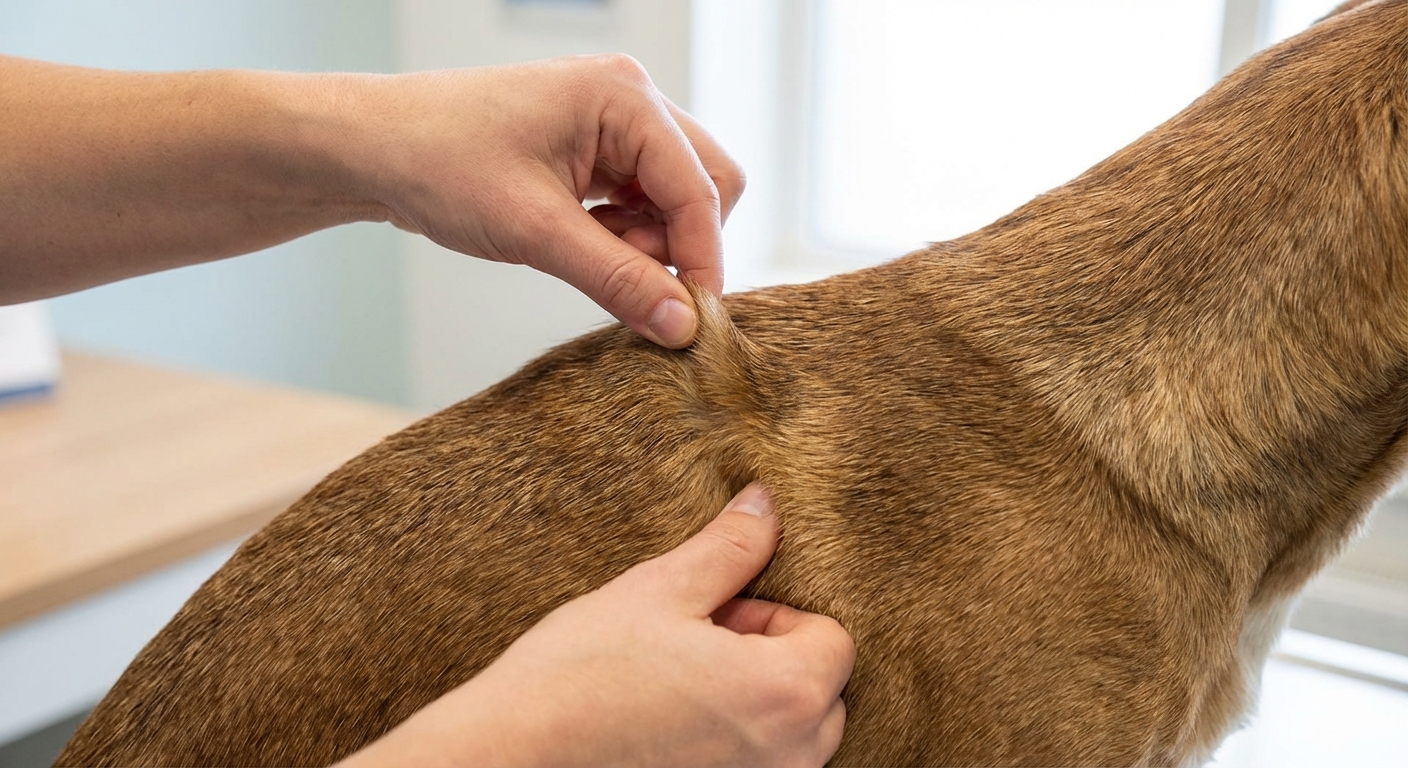
- Skin tent test: Gently lift skin over the shoulder blades and let go. It should snap back quickly. If it stays “tented,” dehydration may be present. This test is less reliable in seniors and some breeds.
When it is an emergency
Please seek urgent veterinary care if you notice any of the following:
- Repeated vomiting or diarrhea, or blood in stool or vomit
- Collapse, weakness, wobbliness, or confusion
- Pale or white gums, brick red gums (possible heatstroke), or blue or purple gums (poor oxygen)
- Rapid breathing that does not settle with rest
- Signs of heatstroke (heavy panting, brick red gums, drooling, vomiting, trouble walking)
- A dog that cannot keep water down
- Known kidney disease or diabetes with new lethargy or reduced drinking
Quick tip: if your dog has vomiting or diarrhea plus lethargy, dehydration can escalate quickly. It is always appropriate to call your veterinarian the same day.
Also keep in mind that dehydration can look like other serious problems (like pancreatitis, an intestinal blockage, or toxin exposure). When in doubt, it is safer to call.
How much water is enough?
A common guideline many veterinary teams use is about 0.5 to 1 ounce of water per pound of body weight per day (roughly 40 to 60 mL per kg per day). Needs vary based on diet (wet food vs kibble), heat, exercise, nursing, fever, and salty treats.
Examples (per day):
- 10 lb dog: about 5 to 10 oz
- 30 lb dog: about 15 to 30 oz
- 60 lb dog: about 30 to 60 oz
If your dog is suddenly drinking a lot more than normal (for example, you are refilling bowls much more than usual), that is also worth a veterinarian call. Increased thirst can be a sign of an underlying medical issue.
Prevention tips
Make water easy
- Offer multiple bowls in the home, especially for seniors.
- Refresh the bowl often. Many dogs dislike stale or warm water.
- Try a pet water fountain if your dog prefers moving water.
- Use wide bowls for flat-faced breeds to make drinking easier.
Add moisture with food
Food can help a lot with daily hydration, especially for dogs who are not enthusiastic drinkers.
- Wet food or mixing water into kibble
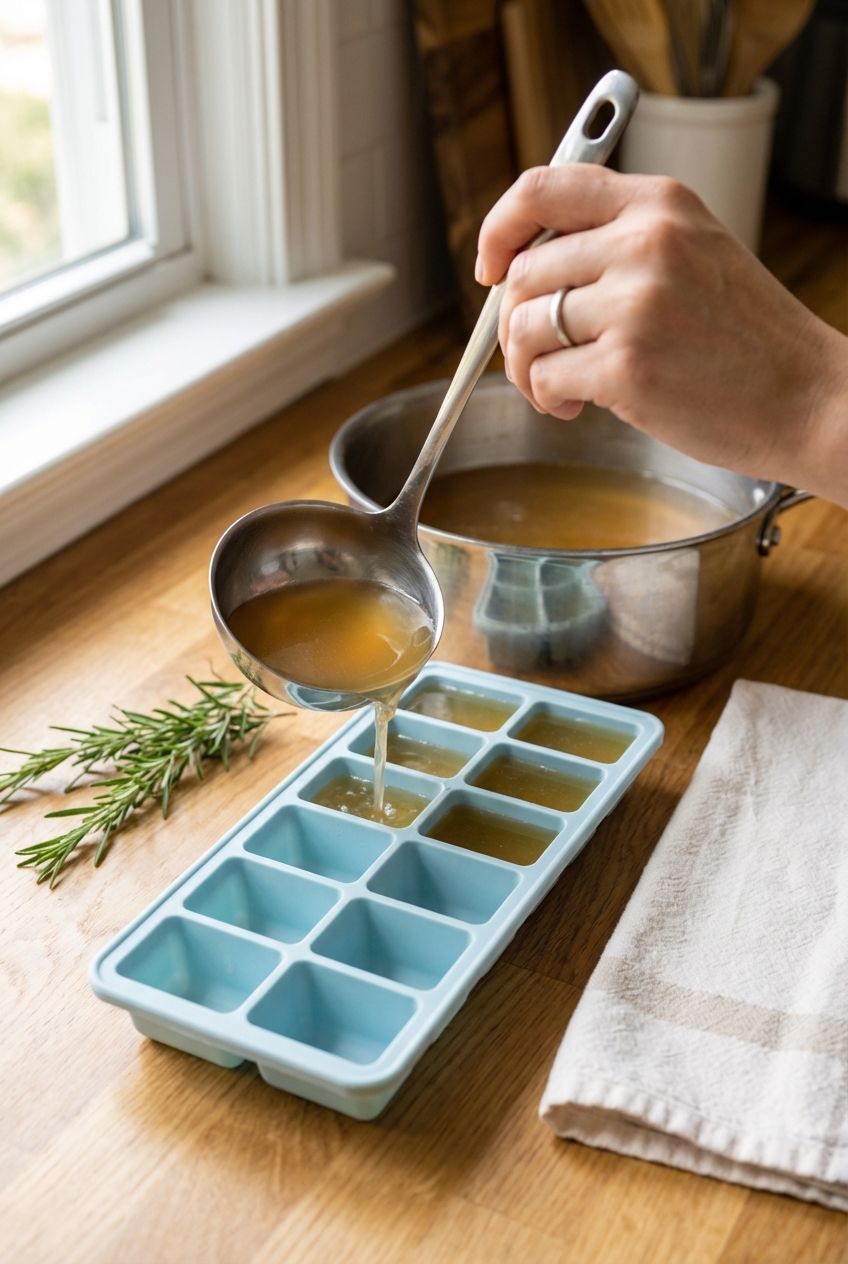
- Dog-safe broth: choose low sodium, and make sure it has no onion, no garlic, and no xylitol. “Natural” broths and bone broths can still be very salty, so check the label.
- Hydrating snacks: watermelon (no rind or seeds), cucumber, blueberries, or a small amount of plain pumpkin
- Homemade moisture boosters: freeze diluted low-sodium broth into ice cubes for a fun, slow treat
Rehydration at home
If your dog is alert, able to walk, and not vomiting, you can try gentle rehydration while you monitor closely.
- Offer small, frequent drinks rather than one big bowl at once.
- Keep your dog cool: shade, AC, a fan, and a cool floor to rest on.
- Pause strenuous activity until your dog is back to normal energy and urine concentration.
- Do not force water. Avoid pouring water into your dog’s mouth, and do not syringe water unless your veterinarian tells you to. Forced liquids can lead to choking or aspiration.
- Consider electrolytes only with guidance. Many human sports drinks are too sugary or high in sodium. Ask your veterinarian about a veterinary-formulated or veterinarian-approved option and the right amount for your dog.
If vomiting or diarrhea is part of the picture, or if your dog refuses water, it is time to call your veterinarian. Some dogs need subcutaneous fluids or IV fluids, plus treatment for the underlying cause.
Heat safety
Dogs cool primarily by panting. They can sweat a little through their paw pads, but not enough to keep up in the heat. Panting causes fluid loss quickly, and dehydration makes it harder to regulate temperature, so it can become a risky cycle.
- Walk early or late during hot months.
- Bring water on walks and offer breaks in shade.
- Use the pavement test: if you cannot keep your hand on the ground for 7 seconds, it is too hot for paws.
- Never leave your dog in a parked car, even for a short errand.
Higher-risk dogs
- Flat-faced breeds (French Bulldogs, Pugs, Boston Terriers): heat stress can happen faster.
- Giant breeds and very small dogs: harder to balance fluids in extremes of size.
- Puppies and seniors: more vulnerable to rapid changes.
- Dogs with chronic conditions: kidney disease, heart disease, diabetes, GI disease.
- Very active dogs: working dogs, sport dogs, and weekend warriors.
What your veterinarian may do
If dehydration is suspected, your veterinary team may:
- Assess gum moisture, heart rate, temperature, and hydration status
- Run bloodwork to check kidney values and electrolytes
- Test urine concentration
- Provide fluids under the skin or through an IV
- Treat the cause, such as anti-nausea meds, GI support, parasite treatment, or diet changes
The goal is always twofold: replace fluids safely and treat the reason fluids were lost.
Quick checklist
- Fresh water available all day
- More water access during heat, travel, and exercise
- Moisture added to meals when needed
- Know your dog’s normal drinking and urination habits
- Call your veterinarian quickly if vomiting, diarrhea, lethargy, or heat stress shows up
Bottom line: dehydration is preventable most of the time, and early action makes a huge difference. If you are unsure, it is always okay to call your veterinarian and ask.