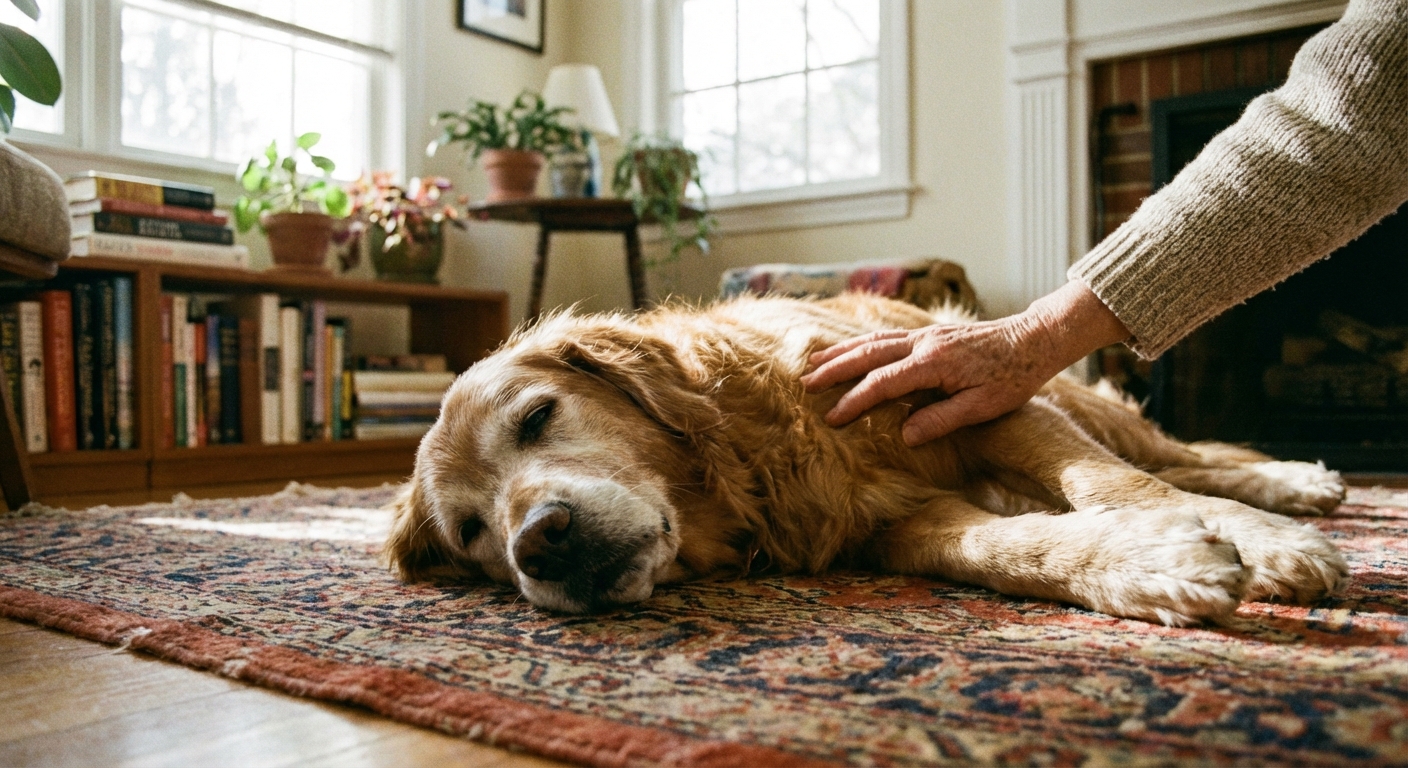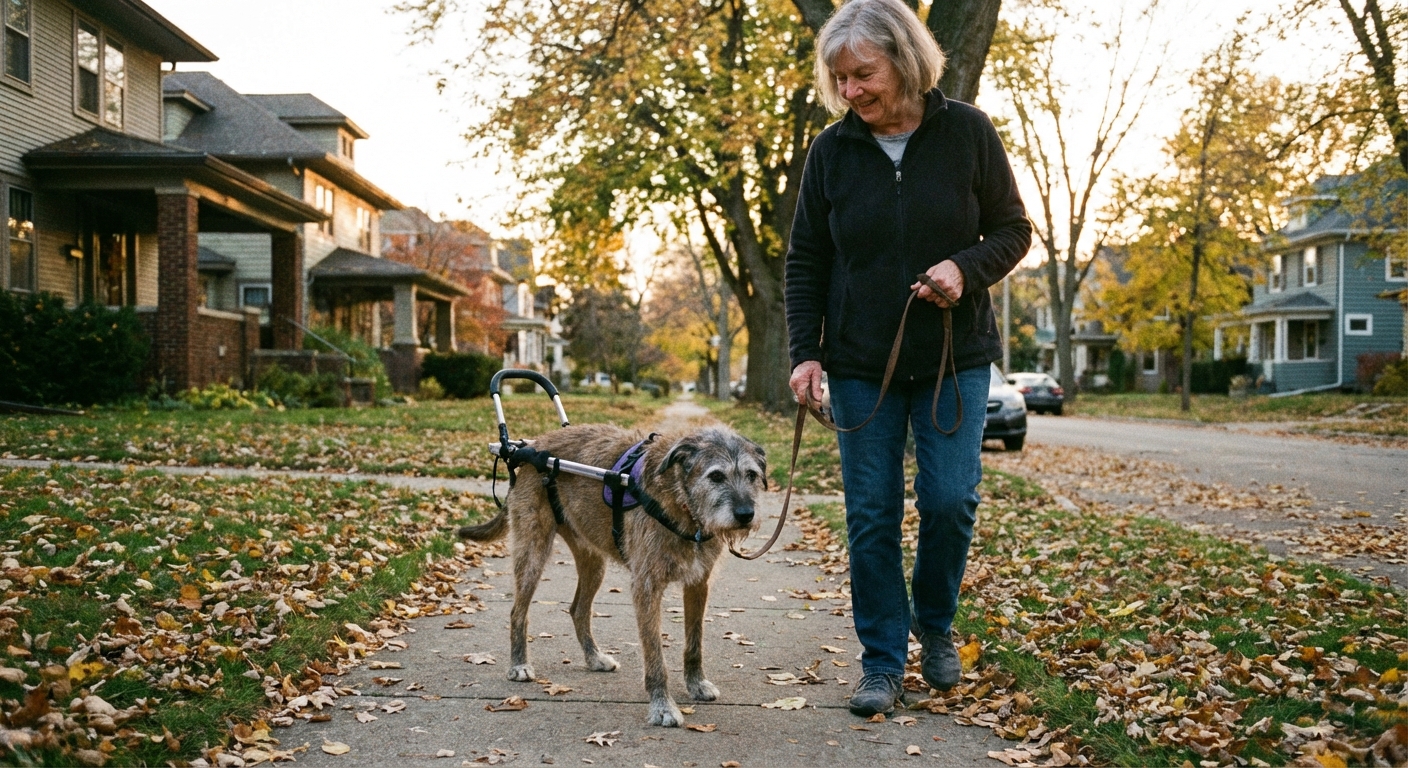
Learn practical, vet-informed ways to support a dog with arthritis, weakness, or paralysis—pain control, safer flooring, ramps, harnesses, exercise, and we...
Article
•
Designer Mixes
Degenerative Myelopathy in Dogs

Shari Shidate
Designer Mixes contributor
Degenerative myelopathy, often called DM, is a progressive disease of the spinal cord that causes weakness and coordination problems, especially in the back legs. It is scary because it often starts subtly, then becomes more noticeable over time. The good news is that many dogs can still enjoy a wonderful quality of life with the right plan, supportive care, and a home setup that keeps them safe and comfortable.
As a veterinary assistant, I always remind families of two things: you are not alone in this, and there is a lot you can do starting today. I also want to add one important point up front: DM can look like other, sometimes treatable problems, so it is important not to assume and to get a thorough exam.
What is degenerative myelopathy?
Degenerative myelopathy is a disease that affects the white matter of the spinal cord. Over time, the nerve pathways that carry signals from the brain to the limbs begin to break down. That makes it harder for a dog to know where their feet are and to coordinate movement, particularly in the rear legs.
DM is most commonly seen in middle-aged to senior dogs. It is classically associated with certain breeds (like German Shepherd Dogs, Pembroke Welsh Corgis, Boxers, and others), but mixed-breed dogs can absolutely be affected too.
Is DM painful?
DM itself is typically not considered painful because it is a degenerative neurologic condition, not an inflammatory injury. However, many dogs with DM are seniors, and arthritis, hip issues, or disc disease can coexist and are painful. That is why a thorough veterinary evaluation matters so much.
Early signs at home
Early DM can look subtle and can be mistaken for “just getting older.” Many families first notice something small that keeps happening.
- Rear-leg weakness that comes and goes at first
- Wobbliness in the back end, especially when turning
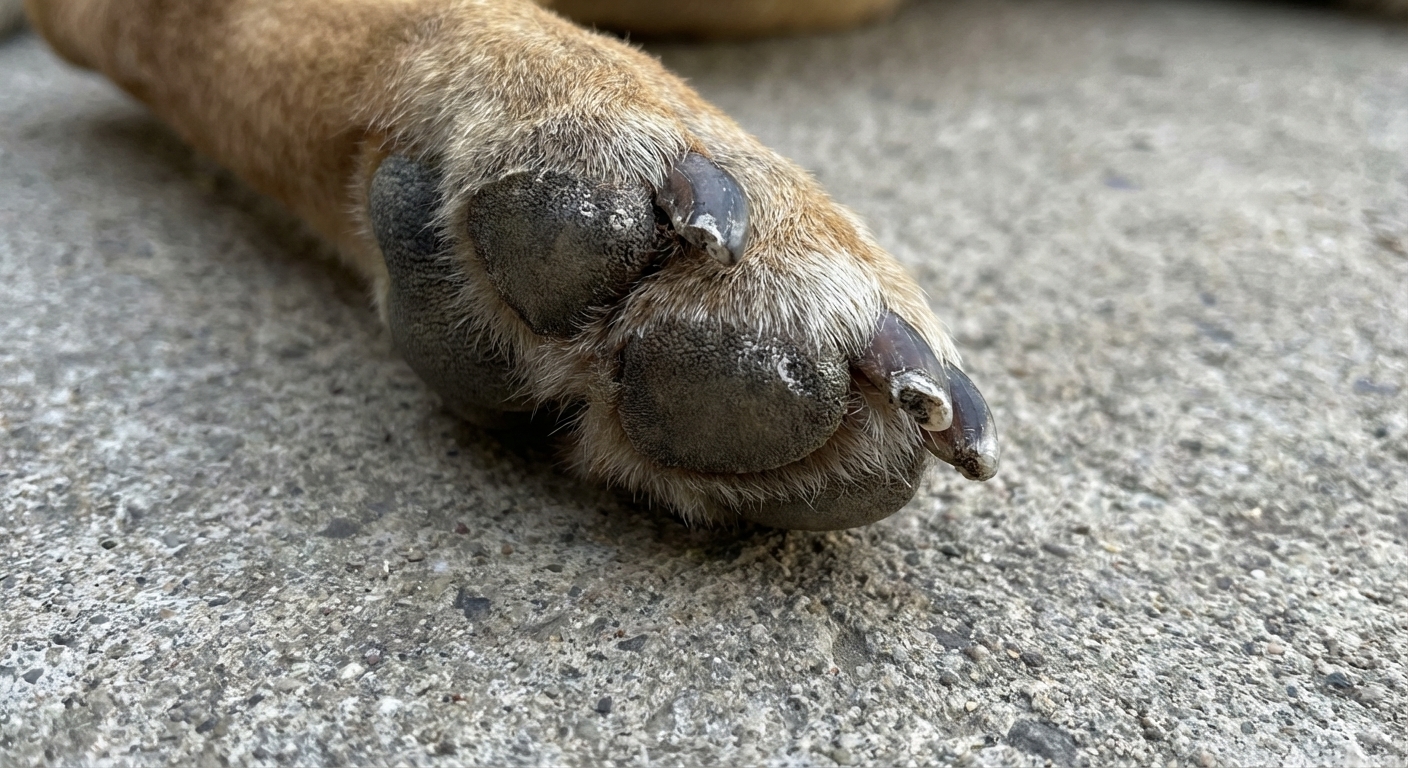
- Scuffing nails on pavement or worn toenails on the back feet
- Knuckling (the paw flips under briefly)
- Crossing legs or stepping on one rear foot with the other
- Difficulty rising from slick floors
- Dragging toes or occasional stumbling without obvious pain
If you are seeing these signs, it is worth scheduling a vet visit sooner rather than later. Early support helps you protect muscle, mobility, and confidence.
Stages of DM
DM progression varies by dog. Many dogs decline gradually over months, and a commonly cited timeframe is roughly 6 to 18 months to severe mobility loss, but some dogs progress faster and others maintain function longer, especially with consistent supportive care.
DM is often discussed in stages so you can plan ahead. Your veterinarian or neurologist may describe it differently, and not every dog fits neatly into a staging chart.
Stage 1: Mild incoordination
In this stage, dogs may sway slightly in the back end, drag toes occasionally, or slip more on smooth flooring. Many dogs can still go on normal walks, just with more frequent stumbles. You may hear nails scraping on the ground.
Stage 2: Clear weakness
Rear-leg weakness becomes more obvious. Dogs may fall, have trouble getting up, and fatigue faster. This is often when families begin using a support harness or rear sling for stability and confidence.
Stage 3: Limited rear-limb mobility
Dogs may lose the ability to stand or walk unassisted. Some dogs can still move with help, while others transition to a wheelchair cart. Hygiene and skin care become more important because dragging can cause scrapes and pressure sores.
Stage 4: Advanced disease
In some dogs, weakness can progress to the front limbs later in the disease. Not every dog develops front-limb involvement, but overall mobility can become very limited in advanced stages. Bowel and bladder changes can occur later as well, and your veterinary team can help you plan for cleanliness, comfort, and complications like urinary tract infections.
Tip: Keep a simple weekly note of changes: how long walks last, how often your dog slips, whether toenails are scuffing more, and how easily your dog gets up. It helps you spot trends and helps your vet tailor support.
How DM is diagnosed
There is no single quick in-clinic test that definitively confirms DM in a living dog. In practice, DM is often a diagnosis of exclusion, meaning your veterinarian works to rule out other conditions that can look similar.
Definitive confirmation of DM is done with post-mortem histopathology of the spinal cord. While that is not helpful for day-to-day decision-making, it is important context for why diagnosis during life focuses on clinical signs and rule-outs.
What can mimic DM
- Arthritis and orthopedic pain (hips, knees, spine)
- Intervertebral disc disease (IVDD)
- Lumbosacral stenosis
- Tumors affecting the spine
- Infections or inflammatory neurologic disease
Common diagnostic steps
- Neurologic exam to localize the problem to the spinal cord
- Orthopedic exam to assess pain and joint stability
- Bloodwork as part of senior screening and to rule out systemic issues
- Imaging (often MRI, sometimes CT or X-rays depending on the case) to help rule out disc disease or masses
- CSF testing in select cases when inflammatory disease is a concern
- SOD1 genetic testing, which can indicate risk in some breeds
About the genetic test: A positive result means a dog carries a risk-associated mutation, but it is not a stand-alone diagnosis. Some dogs test positive and never develop clinical DM, and some dogs with weakness have a different cause entirely.
What DM is not
DM usually progresses gradually. If signs show up suddenly, if your dog seems painful, or if weakness worsens rapidly over hours or days, that pattern is less typical for DM and can point to problems like IVDD or other urgent conditions. Please treat sudden changes as a “call your vet now” situation.
Help at home
Supportive care is where you can make the biggest day-to-day difference. Think of it as a combination of safety, mobility support, muscle maintenance, and emotional confidence.
1) Make the home safer
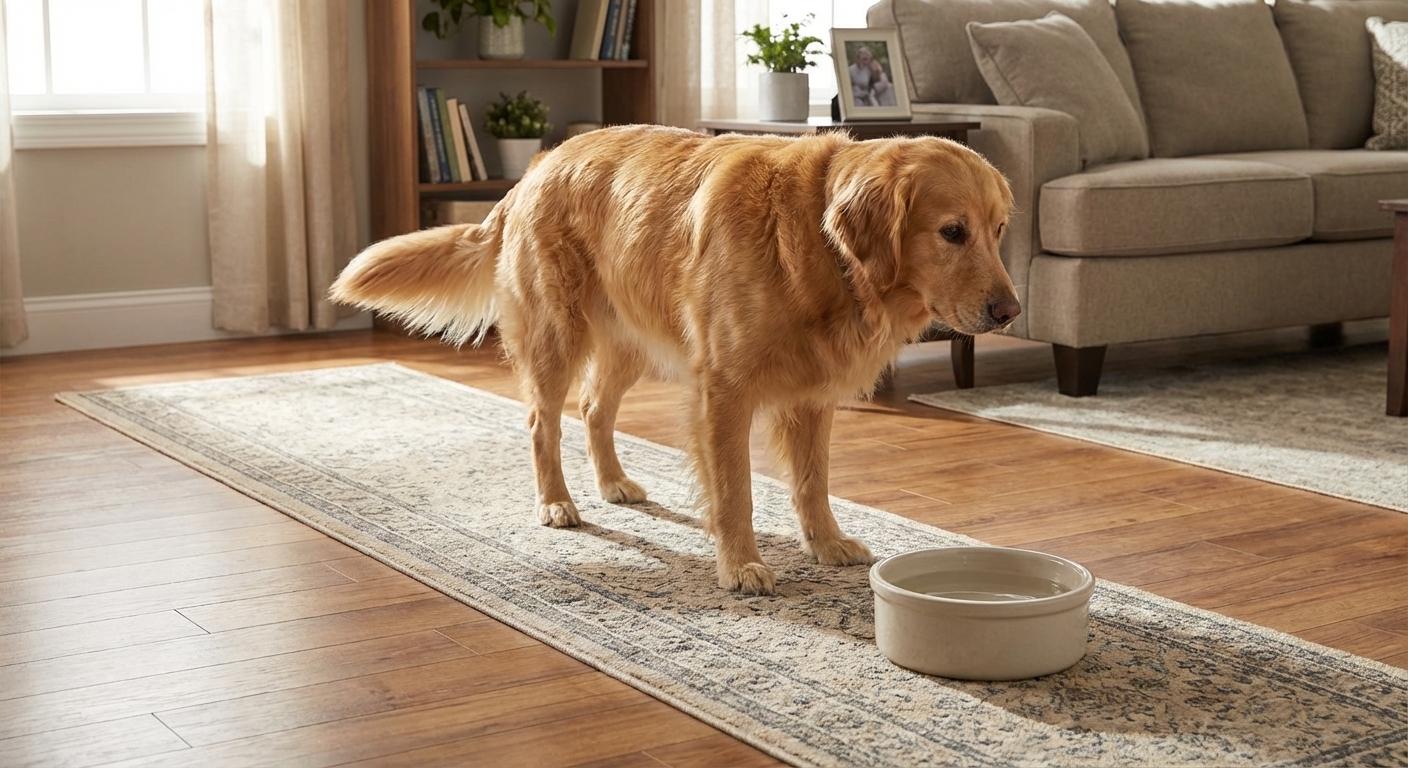
- Add traction: rugs, runners, and non-slip mats are game-changers on tile or hardwood.
- Block stairs if your dog is wobbling. Use baby gates.
- Use ramps for couches, beds, and car entry.
- Keep nails trimmed to improve grip and reduce toe injuries.
2) Use the right mobility tools
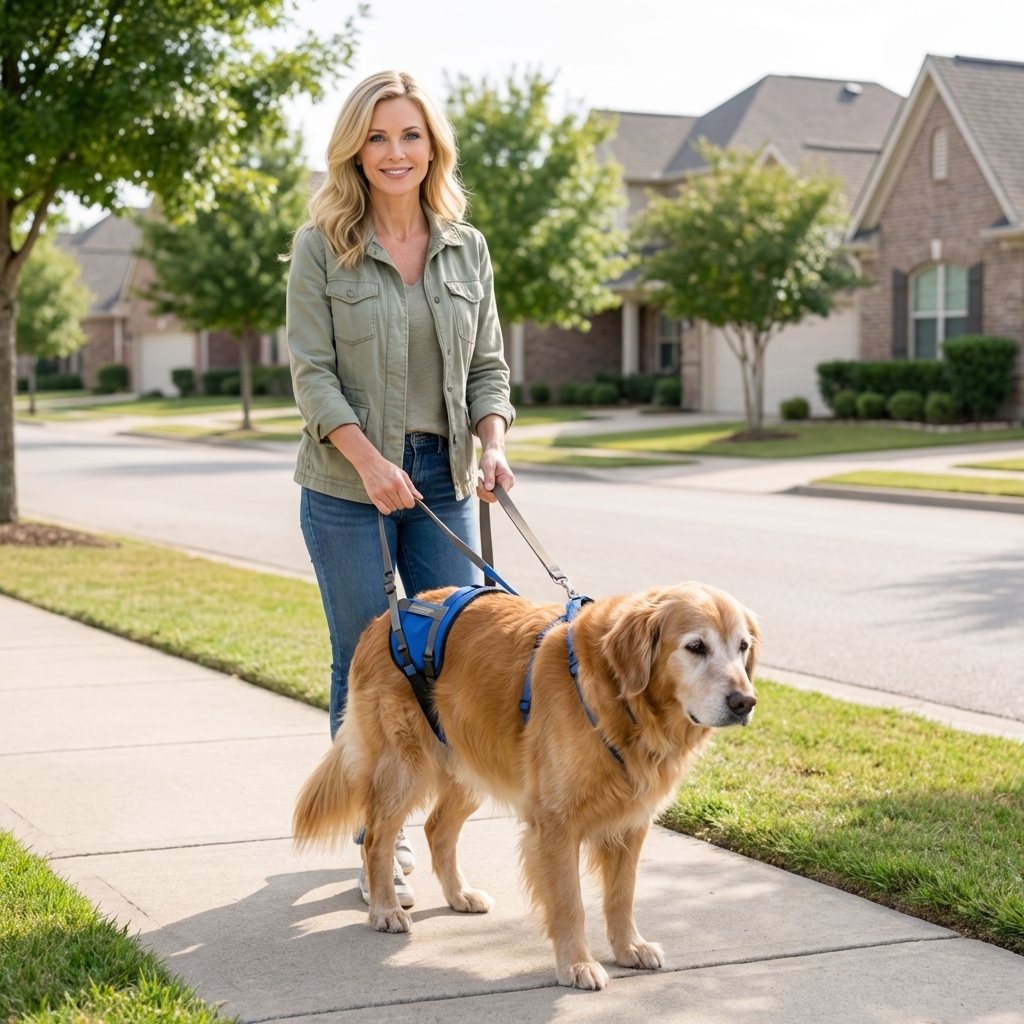
Many families wait too long because they think a harness means their dog is “worse.” In reality, a harness often helps dogs stay active longer.
- Rear support harness or sling: helpful for stairs, potty breaks, and short walks.
- Booties, drag bags, or toe grips: can reduce scuffing and protect skin, but some dogs need a gradual introduction.
- Wheelchair cart: can be wonderful for some stage 2 to stage 3 dogs who still have good front-end strength and enjoy moving. For safety and comfort, aim for veterinary or rehab guidance on timing, fit, and conditioning.
3) Physical therapy and exercise
Many dogs do better with structured rehabilitation and regular, appropriate exercise. Evidence is still evolving, but clinical experience suggests rehab may help maintain strength, coordination, and function longer, and it often improves confidence and safety.
- Underwater treadmill or swimming with professional guidance
- Strength and balance work like controlled sit-to-stand, cookie stretches, and gentle hill walking (if safe)
- Range-of-motion exercises to keep joints comfortable and slow stiffness
Ask your veterinarian for a referral to a certified canine rehabilitation practitioner if one is available near you.
4) Skin, paws, and pressure sore prevention
- Check feet daily for scrapes if your dog drags toes.
- Keep fur around toes and paw pads tidy to reduce slipping.
- If nails are scuffing, ask your vet or groomer about a safe trim plan. Many families do best with more frequent light trims rather than occasional big trims.
- Use supportive bedding that is easy to clean and dries quickly.
- If your dog is less mobile, help them change positions regularly and watch for redness over bony areas. Ask your vet before using any creams or barrier products.
5) Bathroom routines and hygiene
Some dogs develop bowel or bladder changes later in the disease. If you notice leaking urine, accidents, straining, or a new odor, talk to your veterinarian. Issues like urinary tract infections or incomplete bladder emptying can sometimes be managed, and staying ahead of them makes a big difference in comfort.
6) Nutrition and supplements
There is currently no diet that cures DM, but nutrition still matters for muscle maintenance, body weight, and inflammation management from other conditions like arthritis.
- Keep your dog lean. Extra weight makes mobility harder and increases fall risk.
- High-quality protein supports muscle, especially in senior dogs.
- Omega-3 fatty acids (EPA and DHA) may support joint comfort and overall health in many dogs.
Talk with your veterinarian before adding supplements, especially if your dog takes medications or has conditions like pancreatitis or clotting disorders.
Call your vet quickly
DM usually progresses gradually. If you see sudden changes, we want to rule out more urgent causes.
- Sudden inability to walk or rapid worsening over hours or days
- Signs of pain: yelping, trembling, hunched posture, refusing to move
- Loss of bladder or bowel control that is new or worsening
- Open sores on feet or legs from dragging
- Not eating or drinking, or significant lethargy
Quality of life
One of the hardest parts of DM is that many dogs remain bright, happy, and hungry even as mobility declines. That can make it emotionally confusing for families.
Consider tracking quality of life with simple questions:
- Can my dog get comfortable and rest well?
- Can they still enjoy favorite things like sniffing outside, family time, and meals?
- Are they staying clean and free of sores?
- Is helping them feel manageable and safe for the family physically?
Support is love in action. A harness, a ramp, and a few home adjustments can help your dog stay included, confident, and comfortable.
If you are facing advanced stages, ask your veterinarian about a hospice-style plan. It can include mobility support, skin care, bathroom routines, and honest guidance about when comfort is slipping.
FAQs
How long can a dog live with DM?
Progression varies widely. Many dogs decline over months, and some reach severe mobility loss within about 6 to 18 months, but others progress faster or slower. Your veterinarian can help you set realistic expectations based on your dog’s exam findings and overall health.
Can DM be prevented?
We cannot reliably prevent DM. For at-risk breeds, responsible breeding practices and genetic awareness may reduce risk over time. For individual dogs, the best approach is early recognition, maintaining a lean weight, and proactive mobility support.
Is it okay to keep walking my dog?
Usually yes, as long as it is safe and your dog is not exhausted or injuring themselves. Shorter, more frequent walks with good footing are often better than one long walk. A harness can help prevent falls and help your dog feel steadier.
Next step
If you suspect degenerative myelopathy, schedule an appointment for a neurologic and orthopedic exam. Bring notes and, if you can, a short video of your dog walking on a flat surface and turning. That simple video helps your veterinary team see what you see at home.
You do not have to solve everything in one day. Start with traction on floors, a nail trim, and a well-fitted support harness. Those three steps alone can make daily life feel safer and more hopeful.