Help your dog feel better with gentle homemade meals for sensitive stomachs. Learn a 3-ingredient bland reset, easy recipes, transition steps, and what signs...
Article
•
Designer Mixes
Daily Treat Upset Stomach in Dogs: Advice You Need

Shari Shidate
Designer Mixes contributor
If your dog is getting an upset stomach “out of nowhere,” I want you to take a close look at one sneaky habit: daily treats. As a veterinary assistant here in Frisco, Texas, I see it all the time. A dog seems fine on their regular food, but they get multiple treats every day, plus chews, plus table bites, and then we wonder why we are dealing with soft stool, gurgly tummy sounds, grass-eating, or occasional vomiting.
The good news is that most treat-related tummy trouble is fixable. You do not have to swear off treats forever. You just need a smarter treat plan.
Why daily treats can upset your dog’s stomach
Most dogs do best with consistency. Their digestive tract and gut microbiome like predictable ingredients and steady amounts. Extra treats, chews, and table food can cause problems for a few common reasons.
- Too many calories and too much fat: Rich treats, especially high-fat ones, can trigger loose stool and in some dogs can contribute to pancreatitis risk.
- Ingredient overload: Treats often include multiple proteins, flavorings, and additives. More ingredients means more chances for irritation or sensitivity.
- Sudden changes: Rotating treats constantly is like changing your dog’s diet daily. Some dogs tolerate it, but many do not.
- Sugar alcohols and sweeteners: Some “low-calorie” products can cause diarrhea. Xylitol is toxic to dogs, so if you suspect xylitol exposure, contact your veterinarian or pet poison control immediately.
- Chews that linger: Long-lasting chews can deliver a surprising amount of fat, protein, and additives over time, and some dogs may swallow small pieces that irritate the GI tract.
A helpful benchmark many veterinarians use is to keep treats at 10 percent or less of your dog’s daily calories. That is not a perfect rule for every dog, but it is a strong starting point. For example, if your dog eats about 500 calories per day, aim for 50 calories or less from treats.
Signs your dog’s upset stomach may be treat related
Not every stomach issue is caused by treats, but these patterns are common when treats are the culprit:
- Soft stool or intermittent diarrhea that comes and goes
- Vomiting after certain chews or “special” treats
- Extra gas, burping, or loud tummy gurgles
- Itching, ear debris, or paw licking along with GI upset (possible food sensitivity)
- Symptoms that improve when treats stop and return when treats resume
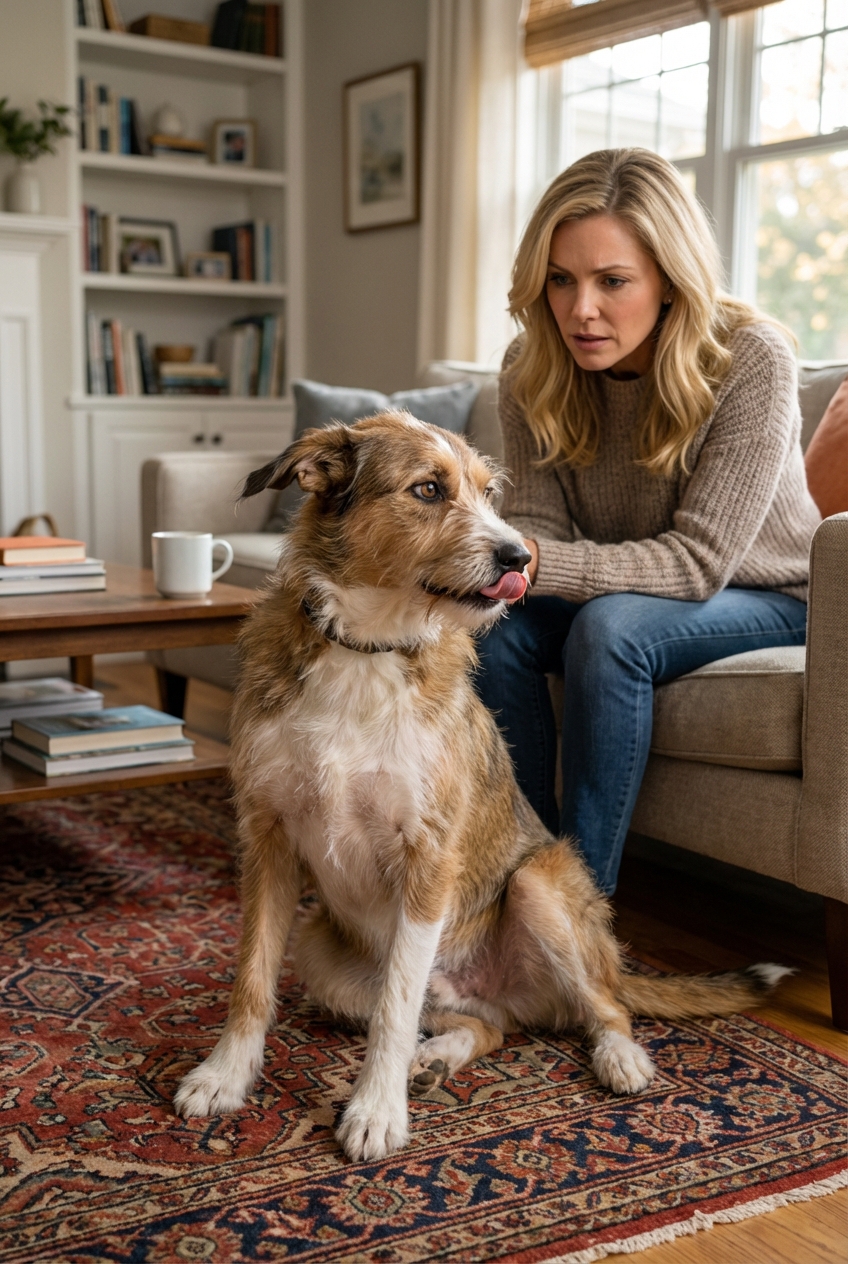
The top treat types that commonly cause stomach upset
1) High-fat treats
Bacon-style treats, fatty meat trimmings, some jerky, and many “training bites” are richer than they look. It depends on fat percentage and portion size, but fat is a frequent trigger for loose stool.
2) Dairy
Many adult dogs do not tolerate lactose well. Cheese, milk, ice cream, and whipped cream can lead to gas and diarrhea, even if your dog begs like they can handle it.
3) Novel or multiple proteins
A treat bag might contain chicken, beef, pork, fish, and egg all together. If your dog has a sensitivity, it becomes very hard to identify which ingredient is the problem.
4) Rawhide and very hard chews
These can cause GI irritation, choking hazards, tooth fractures, and blockages. If your dog is vomiting, straining, or cannot keep food down after chewing, call your veterinarian.
5) Table scraps and “tiny bites”
From your perspective, it is one bite. From your dog’s digestive perspective, it is a diet change. Also, some human foods are dangerous, including onions, grapes and raisins, macadamia nuts, alcohol, and foods made with xylitol.
What to do today if treats are upsetting your dog’s stomach
Step 1: Pause all treats for 3 to 7 days
If your dog has mild stomach upset but is otherwise bright and acting normal, a short “treat reset” is often very revealing. Feed their normal diet only, with access to fresh water. Stopping treats abruptly is not harmful for most dogs, but if signs are moderate to severe, or if they are not improving within 24 to 48 hours, check in with your veterinarian.
Step 2: Keep it simple and consistent
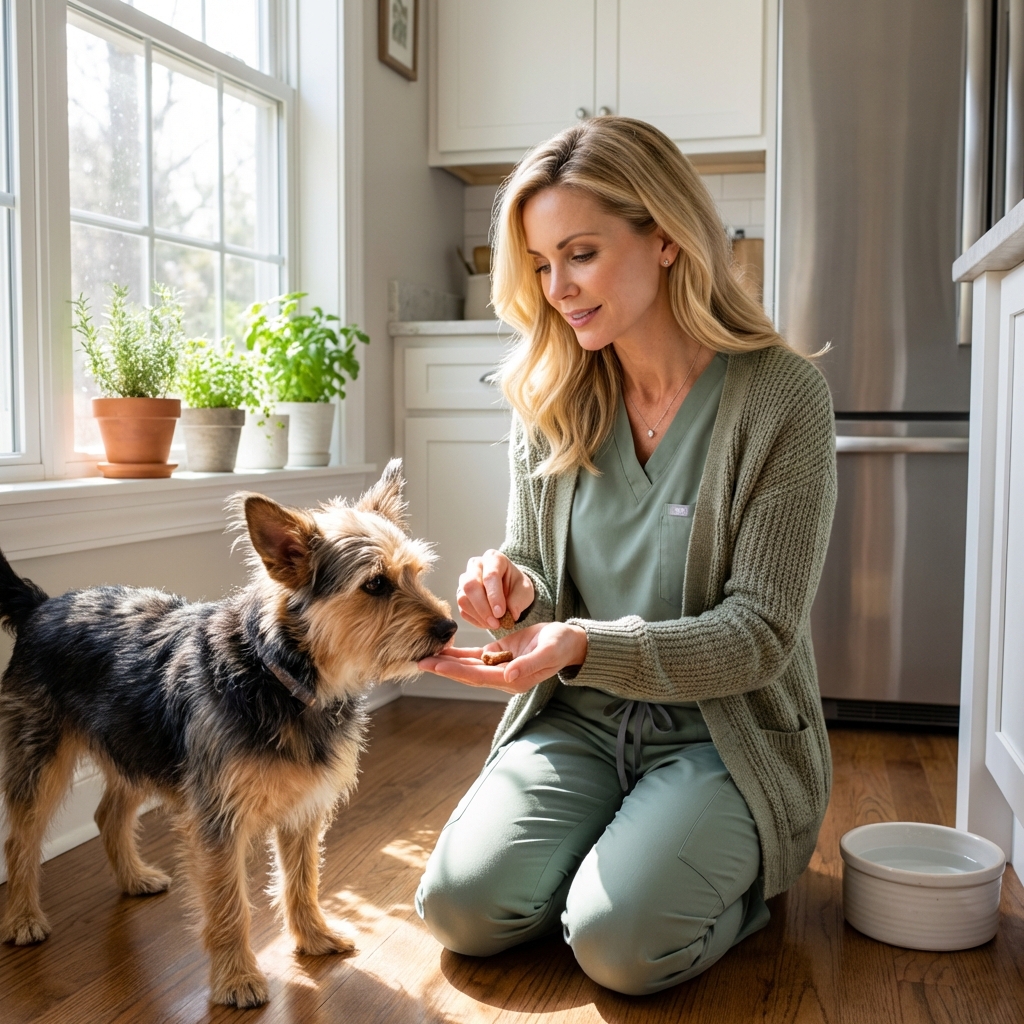
For training, use part of their regular kibble or their regular balanced food as the reward. This is one of my favorite tricks because it removes mystery ingredients without removing reinforcement.
Step 3: Reintroduce one treat at a time
After the reset, introduce one simple treat and stick with it for several days. If symptoms return, you have valuable information.
Step 4: Watch stool and behavior, not just appetite
Many dogs still want to eat even when their stomach is irritated. Track stool quality, frequency, and any vomiting or discomfort.
Step 5: Measure treats like a real ingredient
It helps to portion treats into a small container each morning. When the container is empty, treats are done for the day.
Gentle treat options for sensitive stomachs
Every dog is different, so there is no single perfect treat. These are commonly tolerated by dogs who have mild treat-related GI upset, as long as you introduce them slowly and keep portions small.
- Single-ingredient freeze-dried treats (one protein only). If your dog has suspected protein allergies, choose a protein that matches their tolerated diet.
- Dehydrated sweet potato in small pieces (too much can still loosen stool)
- Plain cooked chicken (tiny training-sized bits). If chicken has ever been a problem for your dog, skip this and stick with their safe protein.
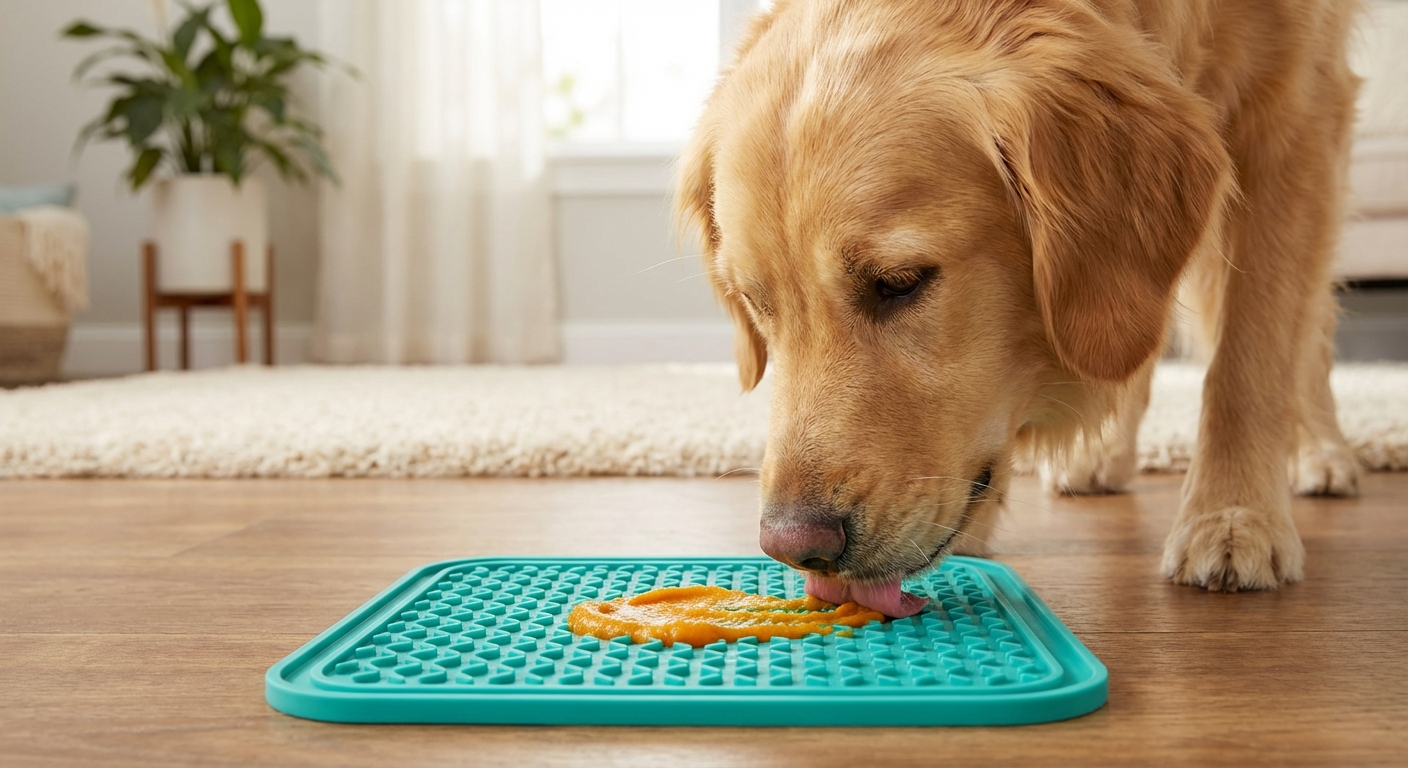
- Plain pumpkin in a lick mat, very small amount (more is not better here)
- Fresh crunchy options like a few slices of cucumber or carrot for dogs who tolerate them
If your dog has a history of food allergies or chronic GI issues, talk with your veterinarian about the best protein choice. Sometimes “simple” still needs to be strategic.
How many treats are too many?
Instead of counting treats, think about treat impact. One small low-fat training treat might be fine, but one rich chew can equal a whole mini-meal.
As a practical goal:
- Keep treats to 10 percent or less of daily calories when possible.
- Choose low-fat treats for dogs with sensitive stomachs.
- Use smaller pieces more often rather than large treats.
If your dog is gaining weight or their stool is consistently soft, that is your signal to reduce treat quantity or richness.
When an upset stomach is not just treats
Treats are common culprits, but they are not the only cause. Please contact your veterinarian promptly if you notice any of the following:
- Repeated vomiting or cannot keep water down
- Bloody diarrhea or black, tarry stool
- Severe lethargy, weakness, or collapse
- Swollen or painful abdomen
- Suspected toxin exposure (xylitol, grapes, medications, mushrooms, etc.)
- Puppies, seniors, or dogs with chronic illness showing GI signs
- Signs of blockage like vomiting, straining to poop, or sudden loss of appetite after chewing something
Evidence-based care matters here. A quick exam can prevent a small issue from becoming a big one.
A better daily treat routine
Treats can absolutely be part of a healthy life. The goal is to make them predictable and gentle on your dog’s gut.
- Pick one or two treat types and stick with them.
- Choose single-ingredient options when possible.
- Keep treats small and use your dog’s meals for training rewards when needed.
- Avoid high-fat surprises like rich chews and greasy table foods.
- Introduce anything new slowly, especially if your dog has a sensitive stomach.
If you want to do one simple thing today, do this: take a 5-day treat break, then reintroduce one simple treat. It is one of the clearest, kindest ways to figure out what your dog’s stomach is trying to tell you.