Step-by-step dog tick removal with tweezers, what to do if mouthparts remain, aftercare warning signs, and proven prevention plus home and yard tick control ...
Article
•
Designer Mixes
Daily Tick Symptoms in Dogs: Care Tips

Shari Shidate
Designer Mixes contributor
As a veterinary assistant here in Frisco, Texas, I can tell you ticks are not just a “woods problem.” They show up in neighborhood yards, on walking trails, and even in parks where dogs love to sniff and explore. In North Texas, ticks can be active much of the year, with higher activity in the warmer months. The tricky part is that tick bites can look mild at first, but some tick-borne illnesses can become serious if we miss the early signs.
This guide walks you through daily tick symptoms in dogs, what to check at home, and when to call your veterinarian.
Quick daily symptom checklist
If your dog spends time outside, do a quick scan every day and watch for symptoms that can start subtle.
- New tiredness or “slower than normal” behavior
- Less interest in food or skipping a meal
- Limping or shifting lameness (limp changes from one leg to another)
- Stiffness, reluctance to jump, or soreness when touched
- Possible fever signs like shivering, panting at rest, and acting unwell (warm ears alone are not a reliable fever check)
- Swollen lymph nodes (under jaw, in front of shoulders, behind knees)
- Digestive upset such as vomiting or diarrhea
- Unusual bruising, tiny red or purple dots on gums or belly skin, or nosebleeds
- Dark urine or yellow tint to the whites of the eyes (urgent)
- Visible tick attached, or a new bump or scab where a tick may have been
Not every tick bite causes disease, but if you notice symptoms plus a known tick exposure, it is worth a veterinary call.
What a tick bite can look like
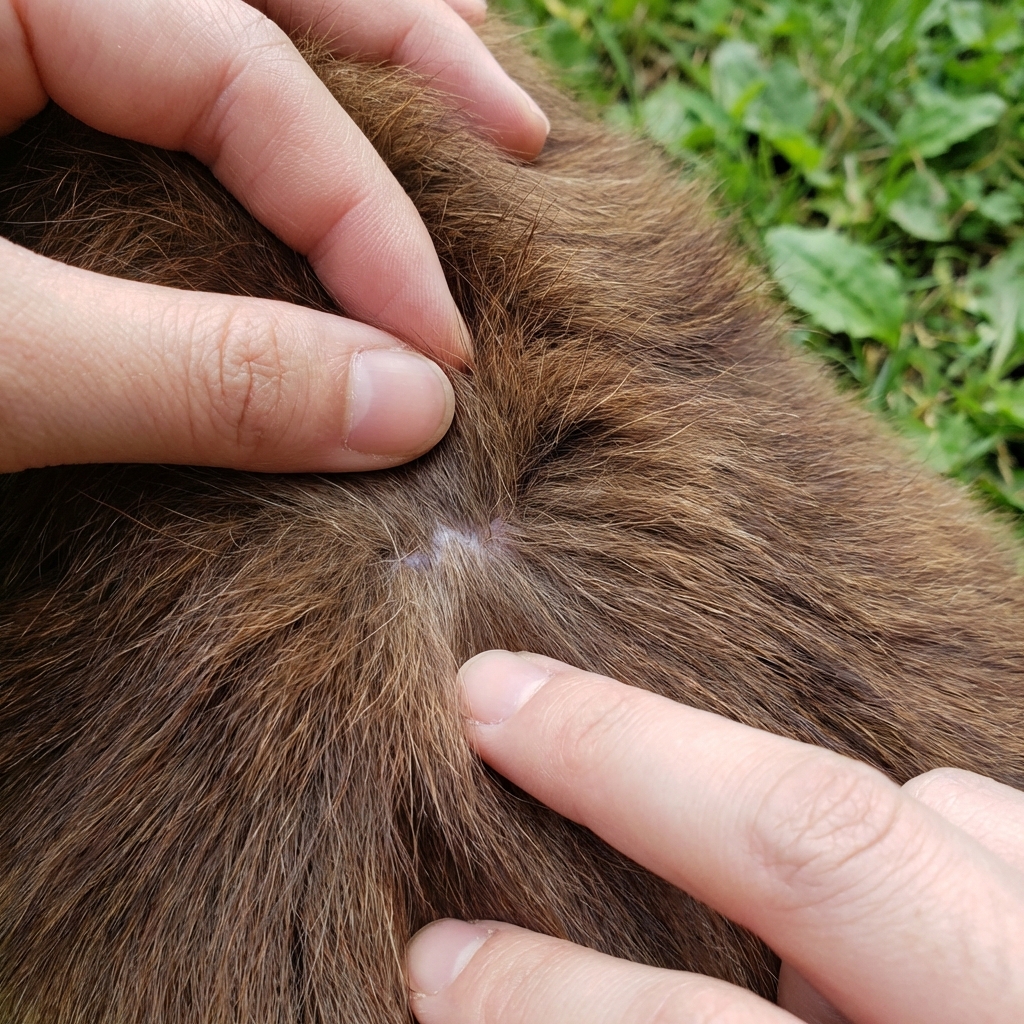
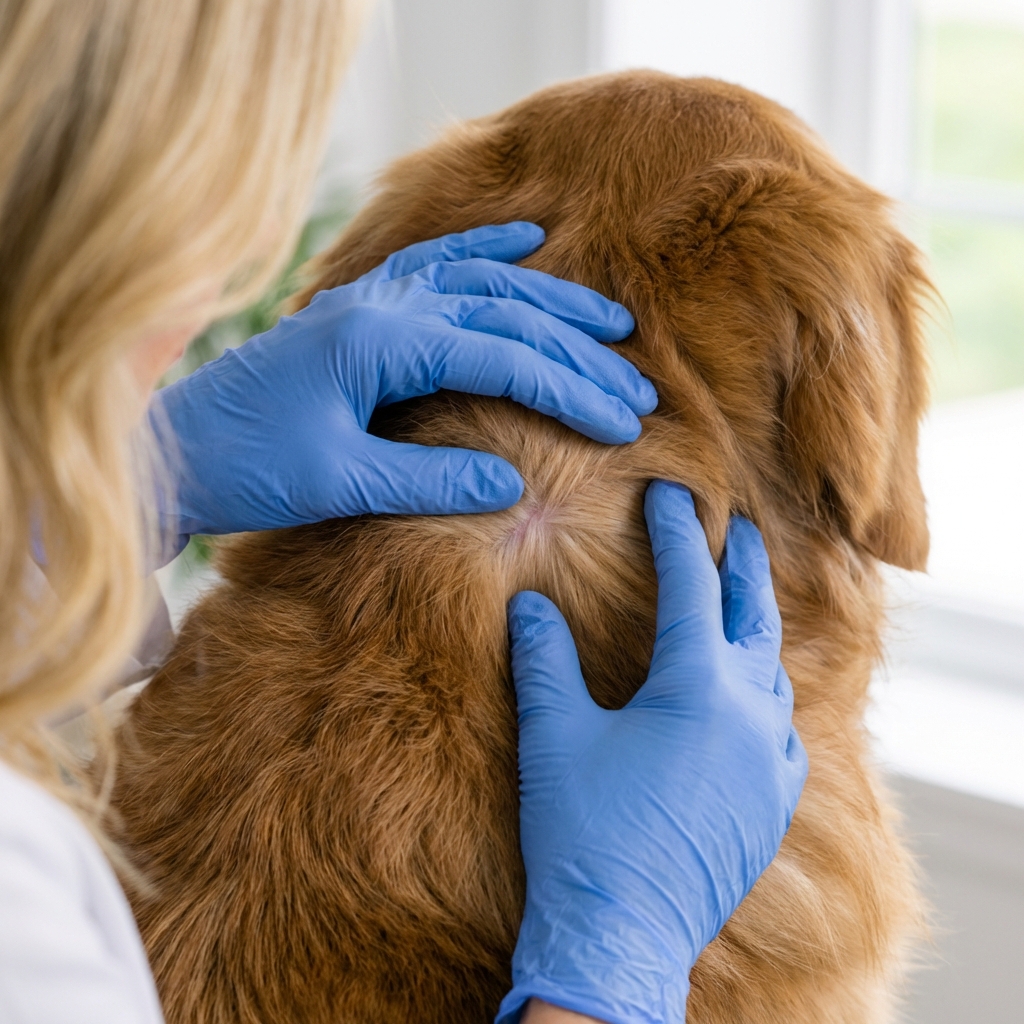
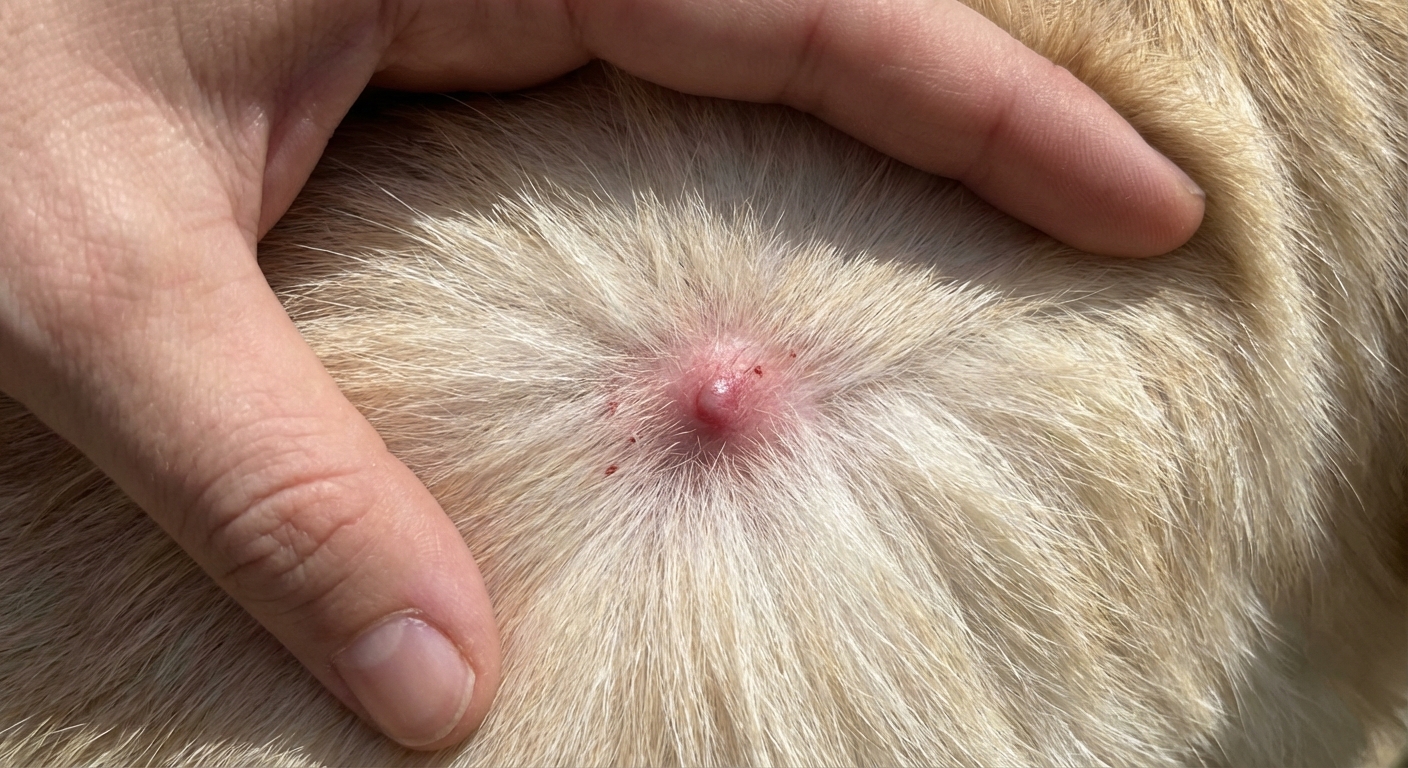
A tick bite site often looks like a small red bump, a scab, or a slightly irritated patch. Mild itchiness can happen, especially if the tick was removed recently.
What is not normal is a bite site that becomes increasingly swollen, painful, oozing, or hot to the touch. That can signal infection or a strong local reaction.
Early illness symptoms to watch
Ticks can transmit several diseases in the U.S. (including Lyme disease, ehrlichiosis, anaplasmosis, Rocky Mountain spotted fever, babesiosis, and others). Your local risks can vary by region and even by neighborhood, so your vet is the best source for what is most common where you live.
Also, timing matters. Some infections are more likely after longer attachment times, while others may transmit faster. That is one reason prompt removal and daily checks are so important.
1) Low energy and fever
This is one of the most common early clues. You might notice your dog sleeping more, being less playful, or seeming “off.” Some dogs also eat less.
If you are concerned about fever, the most reliable home method is a rectal thermometer used correctly, but many owners prefer to have temperature confirmed at the vet.
2) Joint pain or limping
Tick-related joint inflammation can look like stiffness when getting up, hesitation to climb stairs, or a limp that comes and goes. Some owners describe it as “good in the morning, worse after a walk,” or the reverse.
3) Swollen lymph nodes
Lymph nodes can swell when the immune system is responding to infection. You may feel small, firm lumps under the jawline or behind the knees.
4) Gastrointestinal signs
Vomiting, diarrhea, or a sudden lack of appetite can be part of tick-borne disease, especially when paired with fever or lethargy.
5) Bleeding or bruising signs (take seriously)
Some tick-borne illnesses can impact platelets and clotting. Call your vet promptly if you notice:
- New bruises without an obvious cause
- Bleeding gums, nosebleeds
- Tiny red spots on gums or skin
- Black or tarry stool
6) Weakness or neurologic signs (urgent)
Rarely, ticks can cause tick paralysis or severe systemic illness. Seek urgent veterinary care if you see wobbliness, weakness, trouble standing, or difficulty breathing.
Daily tick check: where to look
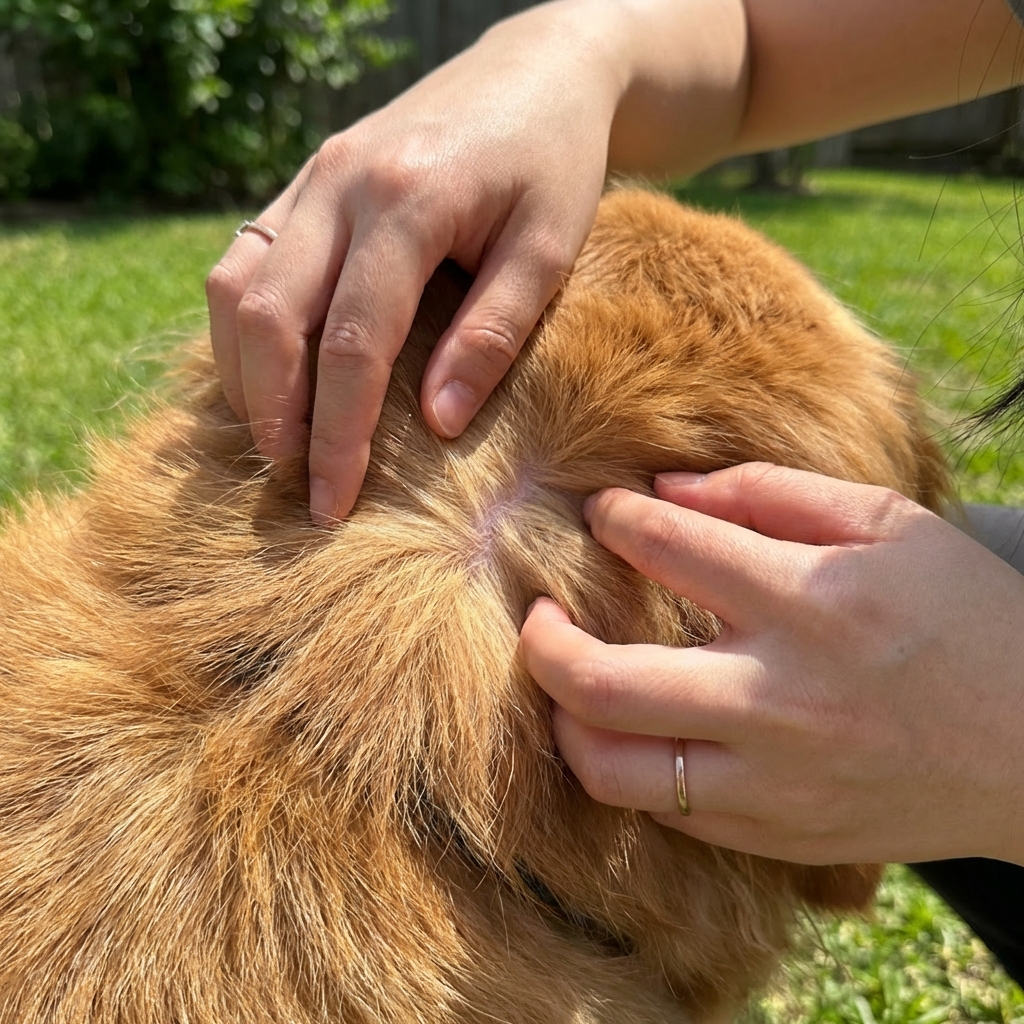
A daily tick check is one of the simplest, most powerful habits you can build. Use your fingertips and look for tiny bumps that were not there yesterday.
- Head and ears: inside ear flap, around ear base, under collar
- Face: around eyes, lips, and chin folds
- Neck and chest: especially under collars or harness straps
- Front legs: armpits and between toes
- Belly and groin: thinner fur makes ticks easier to spot
- Hind end: around tail base and under tail
For short-haired dogs: do a hands-on “petting” check first. Run your fingers against the grain over the neck, chest, legs, and belly to feel for tiny bumps.
For thick or long coats: part the hair in small sections and look at the skin. After hikes, run your hands down the legs and belly first since ticks often climb upward.

How to remove a tick safely
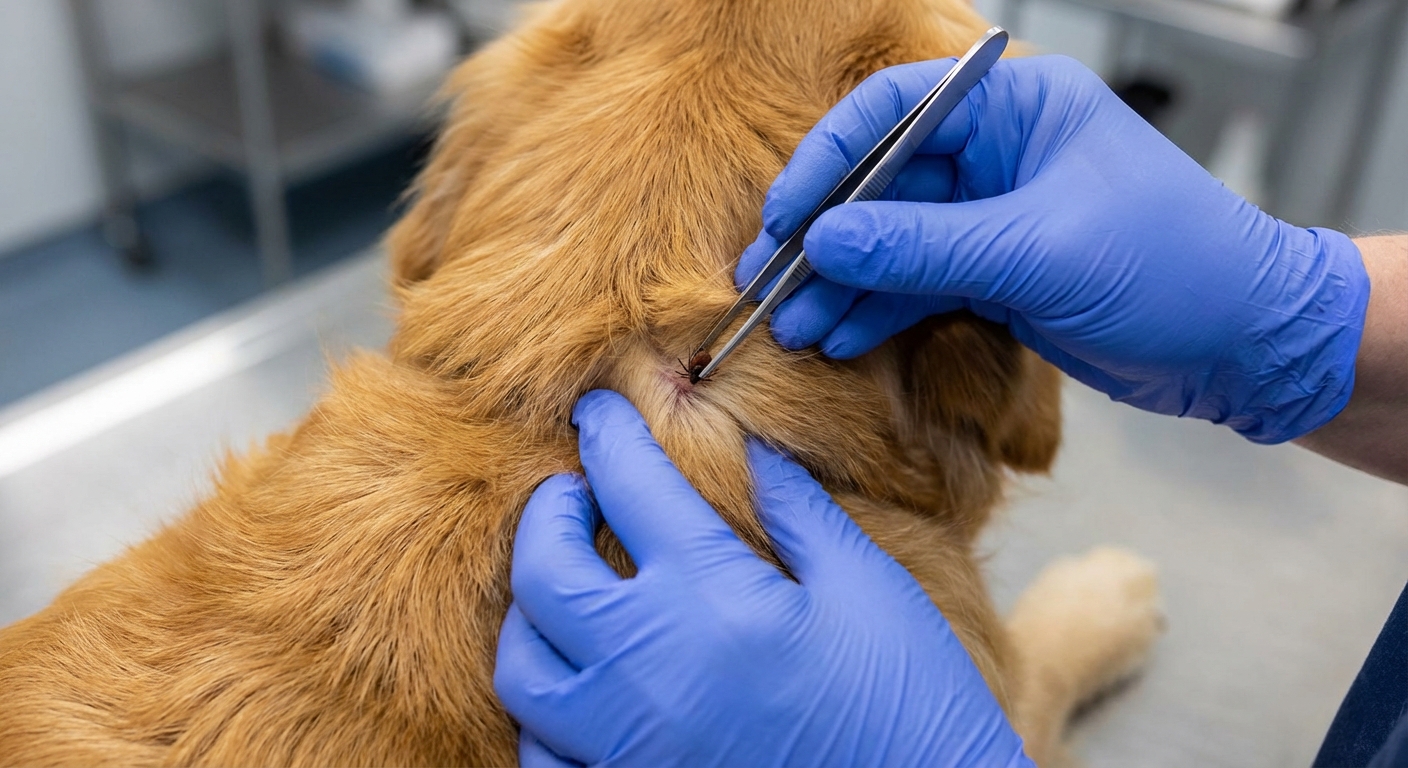
If you find an attached tick and your dog is stable, you can remove it at home. The goal is to remove the tick promptly and intact, without squeezing the body.
What you need
- Fine-tipped tweezers or a tick removal tool
- Gloves or tissue
- Rubbing alcohol (for cleaning tools)
- Soap and water
- A small container or zip bag (optional, to save the tick)
Step-by-step
- Part the fur and grasp the tick as close to the skin as possible.
- Pull with steady, even pressure, following your tool instructions. Avoid jerking or crushing the tick.
- If mouthparts stay in the skin, do not panic. Clean the area and call your vet if irritation grows.
- Clean the bite site with soap and water. Clean your tool with alcohol.
- Monitor the site for redness, swelling, or discharge over the next few days.
Avoid: burning the tick, using petroleum jelly, essential oils, or nail polish. These can irritate the skin and may cause the tick to salivate or regurgitate, which can increase exposure risk.
How to dispose of the tick: place it in a sealed container or bag (you can add a little rubbing alcohol), then discard it. If your vet wants to identify it, keep it sealed and bring it with you.
If your dog is painful, the tick is in a sensitive area (eye, inside ear canal), or you are not confident, let your veterinarian handle it.
When to call the vet
Call your veterinarian within 24 hours if:
- Your dog has a tick plus lethargy, fever, limping, or appetite loss
- You removed a tick and your dog develops symptoms within the next days or weeks
- The bite site becomes increasingly swollen, painful, or oozing
- Your dog is immunocompromised, elderly, very young, or has chronic disease
Seek urgent or emergency care if you see:
- Weakness, wobbliness, collapse
- Labored breathing
- Severe vomiting, repeated diarrhea, or dehydration
- Pale gums, yellow gums, or abnormal bleeding or bruising
- Dark urine or signs of severe pain
Your veterinarian may recommend an in-clinic screening test (for example, a SNAP 4Dx or similar), plus bloodwork like a CBC and chemistry, and sometimes a urinalysis, depending on symptoms and local disease risk.
Daily care after exposure
Track symptoms
Write down the date you found the tick, where it was attached, and any symptoms you notice. This helps your vet connect the dots if your dog becomes ill later.
Hydration and rest
If your dog seems a bit run down, encourage water and keep activity gentle until you have guidance from your veterinarian.
Do not start leftover antibiotics
It is tempting, but giving partial or incorrect antibiotics can complicate diagnosis and treatment. Tick-borne illnesses require the right medication and duration.
Check other pets and your home
Ticks can hitchhike. Check other pets daily for a week, wash bedding, and vacuum common lounging areas.
Prevention that works
Prevention is where you win this battle. The best plan is the one you can stick with consistently.
Use vet-recommended prevention
Options include oral preventives, topical treatments, and tick collars. Your veterinarian can help you choose based on your dog’s age, lifestyle, and health history. Always follow weight and age guidelines, and do not use human tick products on pets.
Yard and walk habits
- Keep grass trimmed and remove leaf litter
- Stay on clear paths in tall grass and brushy edges
- Do a tick check after outdoor time
Vaccines where appropriate
In some areas, your veterinarian may discuss the Lyme vaccine based on risk. It is not a replacement for tick prevention, but it can be one more layer of protection for certain dogs.
Frequently asked questions
How soon will my dog show symptoms?
It depends on the disease. Some dogs can show signs within days, while others may not show symptoms for weeks. That is why daily checks and simple notes about changes in energy, appetite, or movement matter.
Should I save the tick?
If you can, yes. Put it in a sealed container or bag. Your veterinarian can advise whether identification or testing makes sense for your situation.
My dog has a tick but feels fine. What should I do?
Remove the tick promptly, then keep an eye on your dog over the next few weeks for changes in energy, appetite, or limping. Make sure your dog is on reliable tick prevention. If your dog is not on a preventive, call your vet to discuss the best option for your area and your dog’s needs.
The bottom line
Ticks are common, but serious outcomes do not have to be. A daily tick check, quick removal, and watching for early symptoms like low energy, fever, and limping can make a real difference. If something feels off, trust your instincts and call your veterinarian. Early treatment is often simpler and more successful.