Worried about puppy vomiting or diarrhea? Learn common causes, quick at-home triage, hydration checks, bland diet tips, what not to do, and urgent red flags.
Article
•
Designer Mixes
Daily Puppy Stomach Ache Facts & Insights

Shari Shidate
Designer Mixes contributor
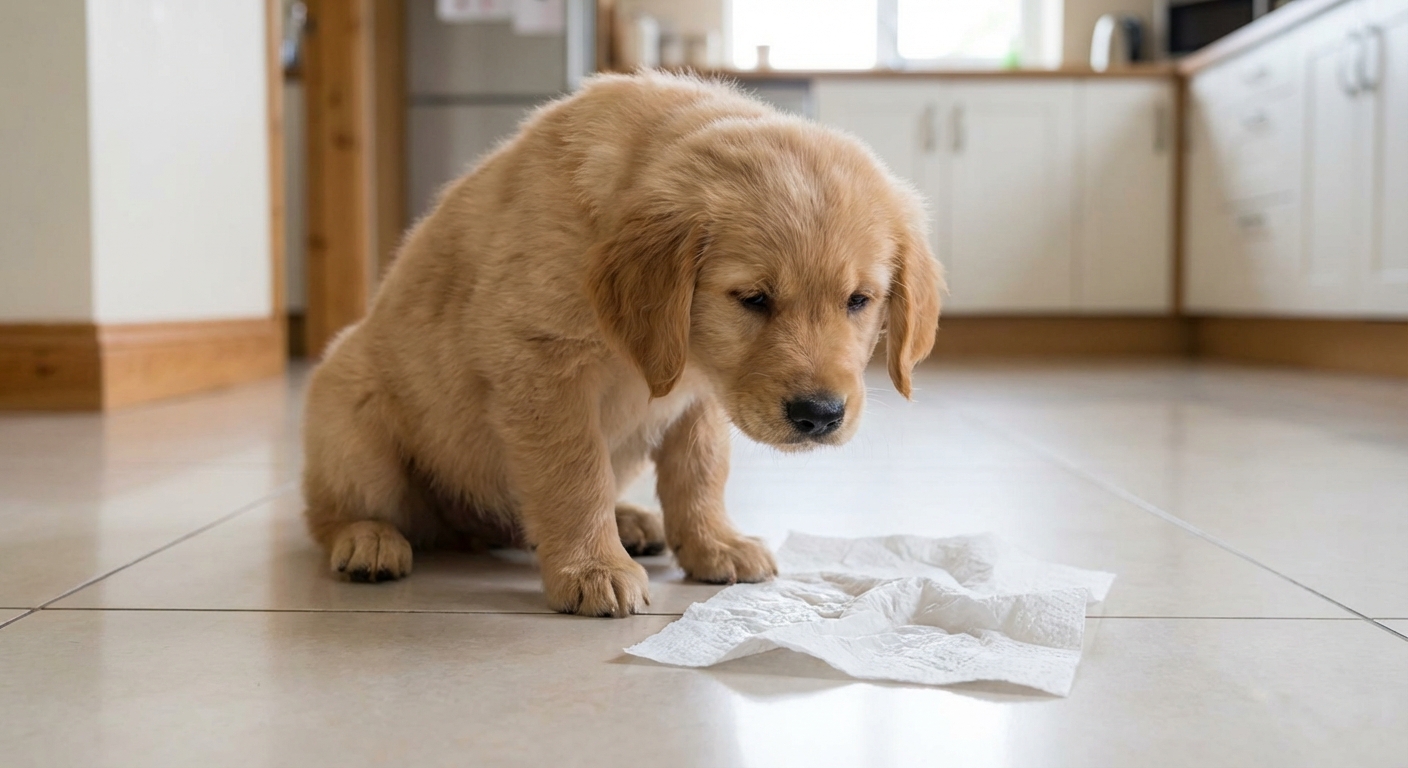
Puppy tummies are sensitive on a good day. Add in growth spurts, curiosity, a brand-new environment, and a habit of tasting the world, and it is no surprise that many families deal with what feels like a daily puppy stomach ache or daily stomach upset.
As a veterinary assistant here in Frisco, Texas, I want to reassure you of two things: most mild stomach upsets are short-lived, and there are also clear red flags that deserve quick veterinary care. Let’s walk through what is normal, what is not, and what you can do today to help your puppy feel better.
Quick note: This article is general education, not a diagnosis. If you are worried, calling your veterinarian is always a good next step.
Is daily upset normal?
Occasional soft stool, a brief bout of nausea, or mild gas can happen during puppyhood, especially during transitions. But stomach upset every day is a clue that something in the routine is not working for your pup.
Common patterns I see include:
- Diet changes that happened too fast (new food, new treats, new chews)
- Overfeeding or too many extras during training
- Dietary indiscretion (“garbage gut,” scavenging, raiding the trash, kids’ snacks, dropped food, cat litter)
- Parasites, which are extremely common in puppies
- Stress from rehoming, crate training, travel, or a busy household
- Vaccines or deworming sometimes cause a short-lived soft stool in some puppies (still monitor closely)
What it can look like
Puppies cannot tell us “my belly hurts,” so we watch their behavior and their output. Signs can range from mild to urgent.
Common mild signs
- Soft stool or mild diarrhea
- Increased gurgling sounds
- Licking lips, swallowing more than usual (nausea)
- Grass-eating
- One isolated vomit with normal energy and appetite afterward (still monitor)
More serious signs
- Repeated vomiting or repeated diarrhea
- Blood in stool (bright red) or black, tarry stool
- Bloated belly, restlessness, or inability to get comfortable
- Hunched posture, trembling, or yelping when picked up
- Not eating, acting “off,” or drinking less, especially with vomiting or diarrhea
Top causes
1) Diet changes and rich treats
Puppies do best with consistency. Switching foods quickly, adding new treats, or using rich chews can inflame the gut and trigger vomiting or diarrhea.
Practical note: Sudden diet changes are a common trigger for stomach upset in dogs. Puppies are still developing good digestive “rhythm,” so many seem less forgiving during transitions.
2) Overfeeding and training treats
Training is wonderful, but treats add up fast. A puppy who is slightly overfed may have soft stool, gas, and intermittent nausea.
- Use tiny treat pieces.
- Consider using part of your puppy’s regular kibble as training rewards.
- Many veterinarians and veterinary nutrition resources recommend keeping treats to about 10% or less of daily calories (ask your vet what fits your puppy’s size and diet).
3) Parasites (very common)
Roundworms, hookworms, giardia, and coccidia are frequent culprits, even in puppies that “seem fine.” These can cause recurring loose stool, mucus in stool, poor growth, and tummy discomfort.
If your puppy has daily stomach issues, a fecal test at your vet is one of the highest-value next steps.
4) Eating non-food items
Puppies explore with their mouths. Socks, rocks, toys, string, corn cobs, and even bits of bully stick can become a problem. Some items irritate the stomach. Others create an obstruction, which is an emergency.
Extra caution: String, ribbon, tinsel, and similar items can cause a dangerous linear foreign body. If you see string hanging from your puppy’s mouth or rear, do not pull it. Go to a vet right away.
5) Infection risk (including parvo)
Puppies are more vulnerable to infectious causes of vomiting and diarrhea. Parvovirus is the biggest concern for unvaccinated or incompletely vaccinated puppies. Always call your veterinarian right away if your puppy is lethargic, vomiting repeatedly, has severe diarrhea, or has not finished core vaccines.
If parvo is a possibility, call ahead before arriving so the clinic can advise you on safe entry and reduce exposure risk to other dogs. Until you are told otherwise, keep your puppy away from other dogs and shared potty areas.
6) Food intolerance or allergy
True food allergies are less common in very young puppies, but food intolerance can show up early. If the upset is frequent and predictable after eating, your vet may recommend a diet change or a veterinary-directed elimination trial.
7) Toxins and unsafe foods
Puppies can get into things quickly. Human medications, nicotine products, cannabis edibles, xylitol (in some gums and peanut butters), grapes or raisins, rodent bait, and some household cleaners can cause serious illness.
If you suspect toxin exposure, contact your veterinarian or a pet poison hotline immediately.
8) Cough-related vomiting
Some puppies vomit or gag after coughing. If you notice vomiting that seems linked to coughing, a honking cough, or trouble settling at night, ask your vet about respiratory illness.
9) Pancreatitis (less common, but possible)
Pancreatitis is less common in young puppies, but it can happen, especially after very fatty foods. If vomiting is persistent, your puppy seems painful, or they refuse food and water, get checked promptly.
Call the vet today
For puppies, I lean conservative because they can dehydrate quickly. Contact your veterinarian or an emergency clinic the same day if you notice any of the following:
- Repeated vomiting or cannot keep water down
- Diarrhea that is frequent, watery, or lasting more than 24 hours
- Blood in vomit or stool, or black/tarry stool
- Lethargy, weakness, collapse, or pale gums
- Swollen, painful belly or unproductive retching
- Suspected foreign body (missing toy, chewed sock, string, corn cob)
- Puppy is very young (especially under 16 weeks) and looks unwell
- Not vaccinated or behind on vaccines and has vomiting or diarrhea
- Signs of dehydration like tacky gums, sunken eyes, or extreme sleepiness
Trust your instincts. If your puppy is “not acting like themselves,” it is worth a call. A quick check can prevent a small issue from becoming a big one.
What you can do at home
Step 1: Pause the extras
For 48 to 72 hours, stop new treats, table scraps, chews, and flavored dental products. Feed only the main diet your puppy already tolerates.
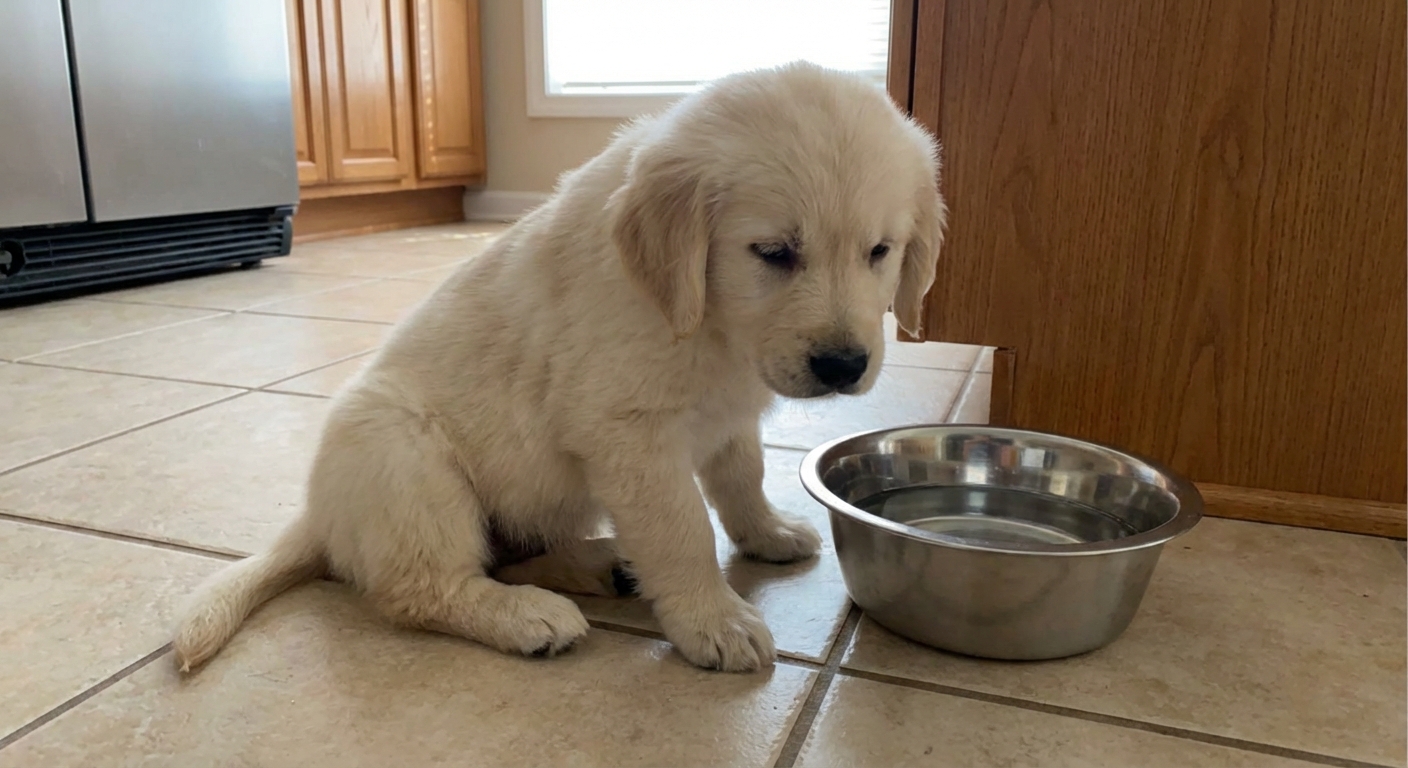
Step 2: Hydration first
Make sure fresh water is always available. If your puppy is vomiting, do not force water. Call your vet for guidance, especially for small breeds.
If you are unsure, check for dehydration signs like tacky gums, dry nose with other symptoms, sunken eyes, and unusually low energy. Puppies can worsen quickly.
Step 3: Keep a simple log
Daily stomach aches become much easier to solve when you track patterns. Note:
- Meal times and exact foods
- Treats and chews (brand and protein source)
- Stool consistency and frequency
- Vomiting episodes and what it looked like
- Energy level
Step 4: Ask about fecal testing
Even if your puppy was dewormed by a breeder or rescue, parasites can persist or recur. A fecal test is straightforward and often provides fast answers.
Step 5: Probiotics (ask first)
Some veterinary probiotics may help in some cases of diarrhea, but results depend on the product and the situation. Use a product designed for dogs and discuss it with your veterinarian, especially for very young pups or any puppy with ongoing symptoms.
Step 6: Bland diet guidance
For puppies, check with your vet before switching to a bland home-cooked diet. Puppies have unique nutritional needs, and we do not want to accidentally underfuel growth.
If your vet recommends a short-term gastrointestinal reset, many clinics prefer a complete and balanced veterinary GI diet (canned or dry) designed for sensitive stomachs.
Do not do at home
- Do not give human OTC meds like Pepto-Bismol (bismuth), Imodium (loperamide), aspirin, or “leftover antibiotics” unless your veterinarian tells you to. Some can be dangerous or mask symptoms.
- Do not fast very young puppies without vet direction. They can get weak or low blood sugar.
- Do not pull string from the mouth or rear if you suspect they swallowed it.
- Do not wait it out if there is repeated vomiting, blood, severe diarrhea, or your puppy is unusually quiet.
Feeding tips
Transition foods slowly
If you are changing diets, many veterinarians recommend a gradual transition over about 7 to 10 days. Slow is especially helpful for sensitive pups:
- Days 1 to 3: 25% new, 75% old
- Days 4 to 6: 50% new, 50% old
- Days 7 to 9: 75% new, 25% old
- Day 10 and beyond: 100% new
Keep meals predictable
Most puppies do best on multiple small meals per day. A consistent schedule can reduce nausea related to an empty stomach and helps you spot changes sooner.
Be thoughtful with chews
Chews can be a double-edged sword. They can soothe and entertain, but they can also be too rich or too hard. If stomach aches are frequent, choose easier-to-digest options, supervise closely, and remove small pieces that could be swallowed whole.
Before your visit
If you are heading to the clinic, these details can help your veterinarian move faster:
- A fresh stool sample (or a photo if you cannot collect one)
- Photos of vomit or stool (gross, but useful)
- A list of foods, treats, chews, and supplements
- Vaccine and deworming dates (bring paperwork if you have it)
- Any known exposures: dog parks, boarding, new dogs in the home, trash access, possible toxins
Quick FAQ
Why is it worse in the morning?
Some puppies get nausea from an empty stomach overnight, sometimes called “hunger pukes.” If this happens regularly, talk with your vet. Sometimes a small bedtime snack (vet-approved) or meal timing adjustment helps.
Can stress cause stomach upset?
Yes. Big changes like new home routines, crate training, visitors, or loud noises can affect gut movement and may impact the gut environment. Pair a consistent schedule with calm enrichment and plenty of rest.
Can vaccines or deworming cause diarrhea?
Sometimes, yes, some puppies have a short-lived soft stool afterward. It should be mild and brief. If symptoms are severe, include vomiting, last more than a day, or your puppy seems unwell, call your vet.
Bottom line
A puppy with a stomach ache now and then is common. A puppy with stomach trouble every day deserves a closer look. The best first steps are simplifying the diet, cutting extras, tracking symptoms, and scheduling a vet visit for a fecal test and a tailored plan.
You are not failing your puppy. You are learning their body, their triggers, and what helps them thrive. With a little detective work, most pups settle into a happy, steady digestive rhythm.
Attribution note: General guidance in this article reflects common recommendations used in small-animal practice and veterinary nutrition, including gradual food transitions, keeping treats to roughly 10% of calories, and cautious use of veterinary probiotics. Your veterinarian can personalize these for your puppy’s age, size, and health history.