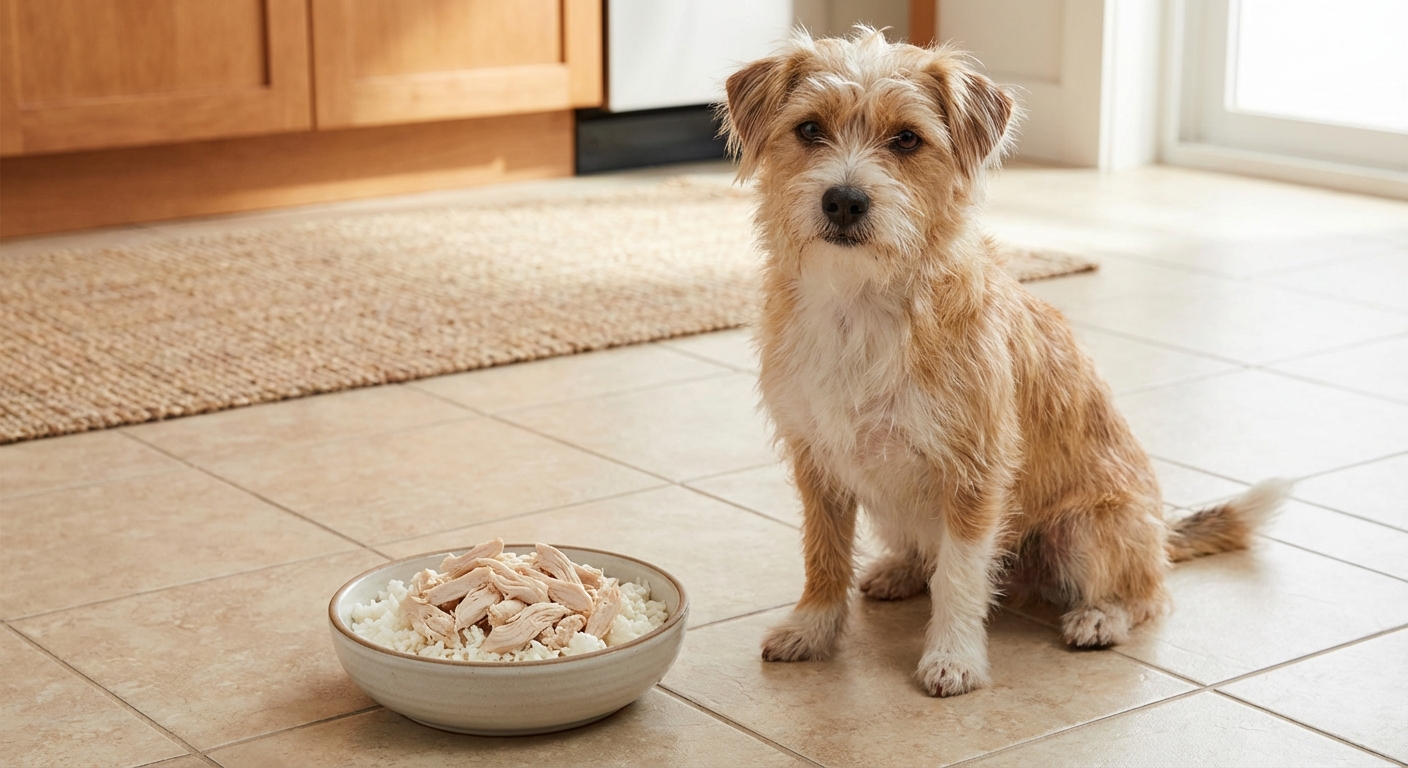
Chicken and rice can soothe mild stomach upset and help dogs transition back to normal food. Learn safe recipes, portions, how long to feed it, and when to c...
Article
•
Designer Mixes
Daily Pica in Dogs

Shari Shidate
Designer Mixes contributor
If your dog is eating non-food items every day, you are not alone. In the clinic, we see pica regularly, especially in curious young dogs and in dogs dealing with stress or stomach upset. The important thing to know is this: daily pica is not just a quirky habit. It can quickly turn into an emergency if your dog swallows something that blocks the intestines, causes choking, or leads to poisoning.
This guide walks you through what to do today, how to make your home safer, and when to partner with your veterinarian for deeper answers.
What pica is (and what it is not)
Pica means eating items that are not meant to be food. Common examples include:
- Socks, underwear, towels
- Rocks, dirt, mulch, sticks
- Plastic, rubber, foam, stuffing from toys
- Cat litter, poop (technically a different behavior, but it can overlap)
Pica is different from normal puppy mouthiness. Puppies explore with their mouths, but daily swallowing of objects, especially beyond the teething stage, deserves a closer look.
Why daily pica is risky
Daily pica raises the odds of:
- Intestinal blockage (foreign body obstruction), which may require emergency surgery.
- Toxicity from medications, nicotine products, xylitol gum, cleaners, rodenticides, certain plants, and more.
- Mouth and GI injury including broken teeth, esophageal irritation, and stomach or intestinal perforation.
- Parasite and infection exposure when dogs eat soil, feces, or wildlife remains. The risk depends on what they ate and where they live, but it is worth taking seriously.
If you only take one thing from this page, let it be this: if pica is happening daily, treat it as a safety issue first; investigate causes second.
First, rule out an emergency
If you suspect your dog swallowed an item, do not wait for it to “pass” if any of the signs below appear. Call your veterinarian or an emergency clinic right away.
Also, if you witnessed the ingestion, call immediately. There can be a limited window where your veterinarian may be able to induce vomiting safely or remove the item with endoscopy before it moves further into the GI tract.
Go to the vet now if you notice
- Repeated vomiting or dry heaving
- Loss of appetite, especially after chewing or swallowing something
- Abdominal pain (tense belly, hunched posture, yelping when picked up)
- Lethargy, weakness, pale gums
- Straining to poop, no stool, or very small amounts of stool
- Diarrhea with blood, black tarry stool
- Excess drooling, gagging, repeated swallowing
Clinic tip: if you can, bring a photo of what your dog swallowed or chewed. Knowing the material and size helps your veterinarian decide next steps.
High-risk items to watch for
Some objects are more likely to cause an emergency than others. Call a vet right away if your dog may have swallowed:
- String, ribbon, yarn, dental floss (linear foreign bodies)
- Socks, underwear, towels (common obstruction items)
- Corncobs (classic blockage risk)
- Batteries (chemical burns and toxicity)
- Magnets (can trap tissue between them and cause severe damage)
- Sharp objects like skewers, needles, fish hooks, or bones that splinter
- Medications, nicotine products, cannabis edibles, xylitol-containing gum
Linear items, especially string-like material, can cut into the intestinal wall and cause perforation. They are not a “wait and see” situation.
Daily pica causes
Pica is usually multi-factorial. Many dogs have more than one trigger at the same time. Most cases are not caused by a single vitamin or mineral deficiency, but nutrition, digestion, behavior, and stress can all play a role.
1) Boredom and low enrichment
High-energy mixes often create their own entertainment when their brains and bodies are not getting enough healthy outlets.
2) Anxiety and stress
Separation anxiety, changes in routine, new pets, moving, or loud noises can all increase oral behaviors.
3) Scavenging and learned behavior
If your dog has ever found something rewarding to chew or swallow, the habit can stick fast. Some items also carry your scent, like socks, which can be very reinforcing.
4) GI upset
Reflux, nausea, inflammatory bowel disease, parasites, or food intolerance can drive dogs to eat grass, dirt, paper, and more.
5) Diet mismatch or malabsorption
Some dogs seem to seek out odd items when they are not feeling satisfied, their food is not agreeing with them, or they have trouble absorbing nutrients. True nutrient deficiencies are not a clearly established common primary cause of pica in dogs, but diet quality and digestibility are absolutely worth discussing with your vet, especially when pica is frequent or GI signs are present.
6) Medical conditions and medications
Conditions that increase appetite, nausea, or discomfort can worsen scavenging. Your vet may consider issues like diabetes, Cushing’s disease, anemia, GI disease, or medication side effects (for example, steroids) depending on your dog’s overall signs. Thyroid disease is not a typical primary driver of pica, but your vet may still screen based on the big picture.
7) Compulsive behavior
In some dogs, pica becomes repetitive and compulsive, especially when stress is high. These cases often need a combination of management, behavior modification, and sometimes medication support through your veterinarian.
Your 7-day action plan
This plan is designed to reduce risk immediately while you gather information that helps your veterinarian and trainer pinpoint the cause. Most dogs need both management and investigation, not one or the other.
Day 1: Make your home “toddler-proof”
- Pick up laundry and place it in a closed hamper with a lid.
- Use baby gates to block bedrooms, closets, and bathrooms.
- Keep trash behind a closed door or in a latched can.
- Remove tempting chewables: kids’ toys, foam, strings, hair ties.
- Supervise outdoor time and consider a basket muzzle if your dog eats rocks or mulch.
A properly fitted basket muzzle allows panting, drinking, and treats, and it can greatly reduce scavenging. It is not a guarantee, especially for tiny items, so fit and supervision still matter. Ask your vet or trainer for sizing help and muzzle-conditioning steps.
Day 2: Start a pica journal
Track patterns. You are looking for clues, not perfection.
- What was eaten (item, size, material)
- Time of day
- What happened right before (owner left, dog got excited, after meals)
- Stool quality and frequency
- Any vomiting, lip licking, grass eating, pacing
- What your dog ate that day (including treats and chews)
Day 3: Tighten the feeding routine
- Feed measured meals, not free-choice grazing.
- Choose a complete and balanced diet appropriate for life stage and size.
- Limit random snacks that can unbalance the diet.
- Ask your veterinarian whether your dog would benefit from a diet trial or GI-support diet.
If you are interested in adding homemade food, go slowly and do it in an evidence-based way. Balanced nutrition matters, especially for growing dogs and active mixes.
Day 4: Add safe chewing and licking outlets
Many dogs with pica have a strong oral need. Give them a “yes” option.
- Frozen stuffed KONG-style toys
- Lick mats with a thin spread of dog-safe food
- Veterinarian-approved dental chews
- Long-lasting chews matched to your dog’s chewing style (avoid brittle bones and anything that splinters)
Safety note: if your dog swallows chews whole, skip them and focus on licking toys and food puzzles instead.
Day 5: Add enrichment, not just exercise
A tired body helps. A satisfied brain helps more.
- Scatter feeding or snuffle mats
- Short training sessions: sit, down, stay, touch, leave it
- “Find it” games with kibble or treats
- Rotate toys weekly so they stay interesting
Day 6: Teach two skills: Leave it and Trade
These two cues can prevent emergencies.
- Leave it: reward for disengaging from the item before it is grabbed.
- Trade: calmly exchange an item in the mouth for a high-value treat.
Avoid chasing your dog when they grab something. Chasing turns it into a game and can increase swallowing.
If your dog stiffens, growls, or guards items, stop practicing on your own and contact a qualified trainer. Resource guarding is common and very fixable, but it needs the right approach.
Day 7: Book the vet visit if it continues
If your dog is eating non-food items daily, schedule an appointment. Bring your journal. Your vet may recommend a fecal test, bloodwork, dietary changes, parasite prevention review, and guidance on anxiety management.
What not to do
- Do not punish your dog after the fact. It increases stress and often makes the behavior sneakier.
- Do not induce vomiting unless a veterinarian tells you to.
- Do not pull string, ribbon, floss, or fabric if it is hanging from your dog’s mouth or anus. Call a vet immediately.
- Do not give oils, laxatives, or “flush it through” home remedies without veterinary advice.
- Do not chase your dog to retrieve items.
How vets evaluate pica
Your veterinarian will tailor testing based on your dog’s age, diet, and symptoms. Common steps include:
- History and physical exam including abdominal palpation and oral exam.
- Fecal testing to check for parasites.
- Bloodwork to evaluate anemia, organ function, blood sugar, and more.
- Imaging if a foreign body is suspected. X-rays can help, but some objects (fabric, foam) are hard to see, so ultrasound may be recommended. In some cases, contrast studies or endoscopy may be considered.
- Diet assessment including treat load, chew habits, and GI signs.
Nutrition support (with your vet)
Because I care so much about whole-food nutrition, I always encourage a balanced, digestible diet that matches your dog’s needs. That can be a high-quality commercial diet that meets WSAVA-style best practices, or a veterinary nutritionist-formulated homemade plan. Depending on the situation, your veterinarian may suggest:
- A highly digestible diet for sensitive stomachs
- A fiber adjustment if stool quality or satiety is part of the picture
- A diet trial if food intolerance is suspected
- Probiotics for some dogs with GI signs
If you want to do homemade meals, do it in a way that is complete and balanced. It is easy to accidentally under-supplement minerals like calcium or skew the calcium-to-phosphorus ratio. A veterinary nutritionist or a vet-approved recipe is the safest path.
Home safety checklist
- Laundry: closed hamper, keep socks off the floor, shut bedroom doors.
- Trash: latched trash can, bathroom doors closed.
- Kids’ items: pick up small toys, Legos, crayons, slime, batteries.
- Outdoor hazards: fence off compost, remove rocks, limit mulch access.
- Strings: keep yarn, thread, dental floss, and ribbon locked away.
- Medications: keep all pills and supplements in cabinets. Dogs can chew through bottles.
One of the most dangerous items we see in practice is string-like material. If your dog swallowed string, ribbon, or fishing line, call your vet right away.
When pica is anxiety
If pica happens most when you are gone or when your dog is worked up, treat anxiety as a core issue. Helpful steps include:
- Predictable routine for meals, walks, and rest
- Calm departures and arrivals, keep them low-key
- Enrichment provided before alone time
- Crate training or safe-room setup, if your dog finds it comforting
- Work with a qualified trainer experienced with anxiety and compulsive behaviors
Some dogs need medication to fully break the cycle. That decision is between you and your veterinarian, and it can be life-changing for dogs who cannot settle. Medication works best when paired with behavior modification and management.
FAQ
Is pica common in puppies?
Mouthiness is common. Repeated swallowing of objects or daily pica is not something to ignore, even in puppies, because they are more likely to obstruct.
Should I induce vomiting at home?
Only do this if a veterinarian instructs you to. Some items can cause more damage coming back up, and some dogs are not safe candidates.
Can pica be cured?
Many dogs improve dramatically with environmental management, training, enrichment, and addressing underlying medical or dietary issues. Some dogs need long-term management, especially if anxiety or compulsive behavior is part of it.
The bottom line
Daily pica is your cue to act quickly and kindly. Start by preventing access, offering safe oral outlets, and tracking patterns. Then bring your notes to your veterinarian so you can rule out medical causes and build a realistic plan.
You do not have to solve this alone. With a little structure and the right support, most dogs can learn safer habits and feel better in their bodies and their minds.