Learn what to feed a cat with pancreatitis, from wet GI diets and hydration-boosting strategies to small frequent meals, safe transitions, and foods to avoid.
Article
•
Designer Mixes
Daily Pancreatitis Treatment for Cats

Shari Shidate
Designer Mixes contributor
When a cat has pancreatitis, the pancreas is inflamed and irritated. Because the pancreas helps with digestion and blood sugar regulation, flare-ups can make your cat feel deeply unwell. Depending on the severity and symptoms (like vomiting, diarrhea, or not eating), pancreatitis can also lead to dehydration, electrolyte imbalances, and anorexia (not eating). The day-to-day plan is usually not about one magic medication. It is about consistent support: fluids, nausea and pain control, nutrition, stress reduction, and careful monitoring.
Important note: pancreatitis in cats can turn serious fast. This guide is for daily home care alongside your veterinarian, not as a replacement for veterinary treatment.
Know the signs of a flare-up
Cat pancreatitis can look subtle, especially compared to dogs. Many cats do not vomit a lot. Instead, they often just look “off.” Call your veterinarian promptly if you notice any of the following, especially in combination:
- Not eating or eating much less than normal
- Hiding, low energy, or acting withdrawn
- Repeated vomiting or gagging
- Diarrhea or very soft stool
- Drooling or lip smacking (often nausea)
- Weight loss
- Abdominal discomfort, hunched posture, or reluctance to be picked up
- Jaundice (yellow tint to gums, ears, or eyes)
- Dehydration signs like tacky gums
If your cat has diabetes, watch for sudden changes in thirst, urination, or glucose readings because pancreatitis can destabilize blood sugar.
Daily goals that matter
Most pancreatitis treatment plans aim for the same set of daily goals. When you understand the “why,” the routine feels much less intimidating.
Goal 1: Keep your cat hydrated
Dehydration worsens nausea and can make recovery harder. Your veterinarian may prescribe subcutaneous fluids at home for some cats. If so, ask for a hands-on demo and a written schedule.
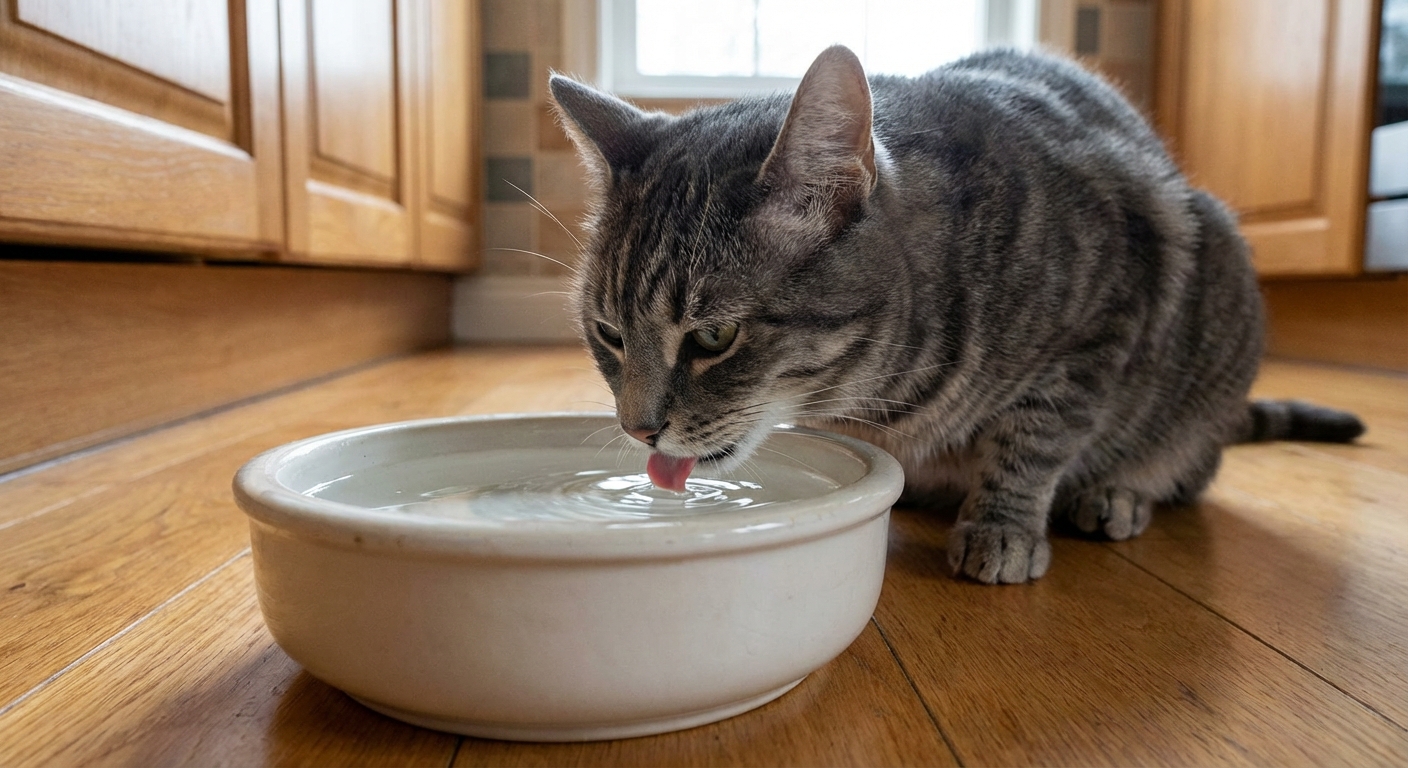
- Encourage drinking with a water fountain, multiple bowls, or adding water to wet food.
- Offer low-sodium broth made for pets if your vet approves. Avoid onion and garlic in broths.
- Track urination (and stool) in the litter box. A sudden drop in urine can signal dehydration or worse.
Quick safety note: Oral fluids are helpful, but they are not a substitute for prescribed fluids in moderate or severe cases. If your cat has kidney disease or heart disease, check with your veterinarian before increasing fluids, broths, or sodium.
Goal 2: Control nausea so eating becomes possible
In cats, nausea is a major reason they stop eating. Your veterinarian may use anti-nausea medications such as maropitant or ondansetron. Give these exactly as directed and do not stop early just because your cat looks better for a day. Doses and suitability vary, especially in cats with other conditions or medication interactions, so do not share meds between pets.
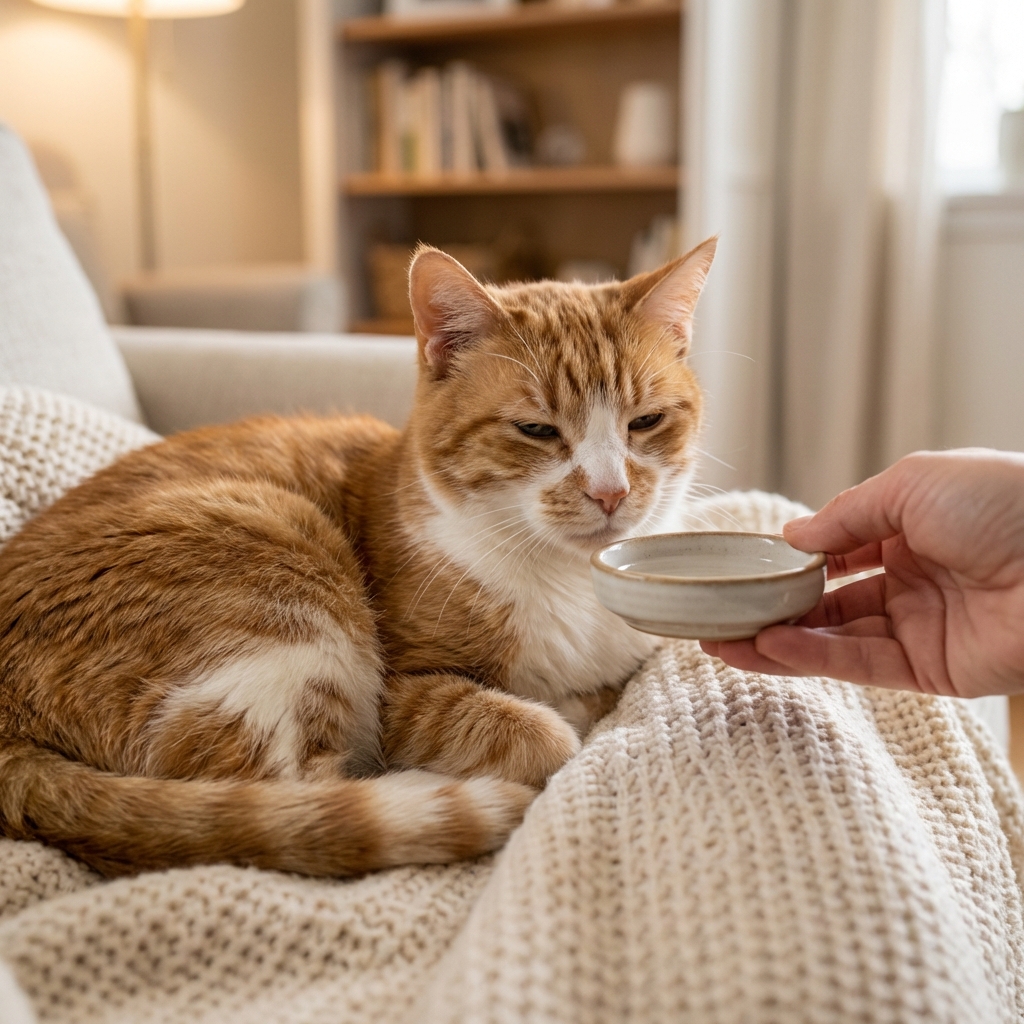
At home, nausea often looks like sniffing food and walking away, drooling, teeth grinding, or licking lips repeatedly.
Goal 3: Treat pain seriously
Pancreatitis is often painful, although severity varies. Cats are experts at hiding it. Pain control is not optional, because pain can suppress appetite and slow healing. Your veterinarian may prescribe pain medication (often an opioid-based medication such as buprenorphine) depending on severity.
Do not give human pain relievers. Many are toxic to cats.
Goal 4: Get calories in, safely
A cat that does not eat enough for a few days is at risk for hepatic lipidosis (fatty liver), which can become life-threatening. The modern approach is usually to support nutrition early, not to “rest the pancreas” by prolonged fasting.
Your veterinarian might recommend:
- Small, frequent meals
- Highly palatable wet food
- A therapeutic GI diet
- Appetite support medications when appropriate
- Assist feeding plans, or feeding tube support for severe cases
Feeding safety: Do not force-feed a nauseated cat. Syringe-feeding can increase stress and, in some situations, raises aspiration risk. If your cat is not eating, ask your veterinarian for a clear plan for appetite support, anti-nausea care, and whether assisted feeding is appropriate.
Feeding tubes sound scary, but they can be a recovery tool that reduces stress and protects the liver in cats that refuse food.
What to feed
Nutrition choices should be individualized. Some cats do well on a moderate fat, highly digestible GI diet, while others need a different strategy based on concurrent conditions like IBD, liver disease, or high triglycerides. Your veterinarian is your best guide here.
General feeding tips
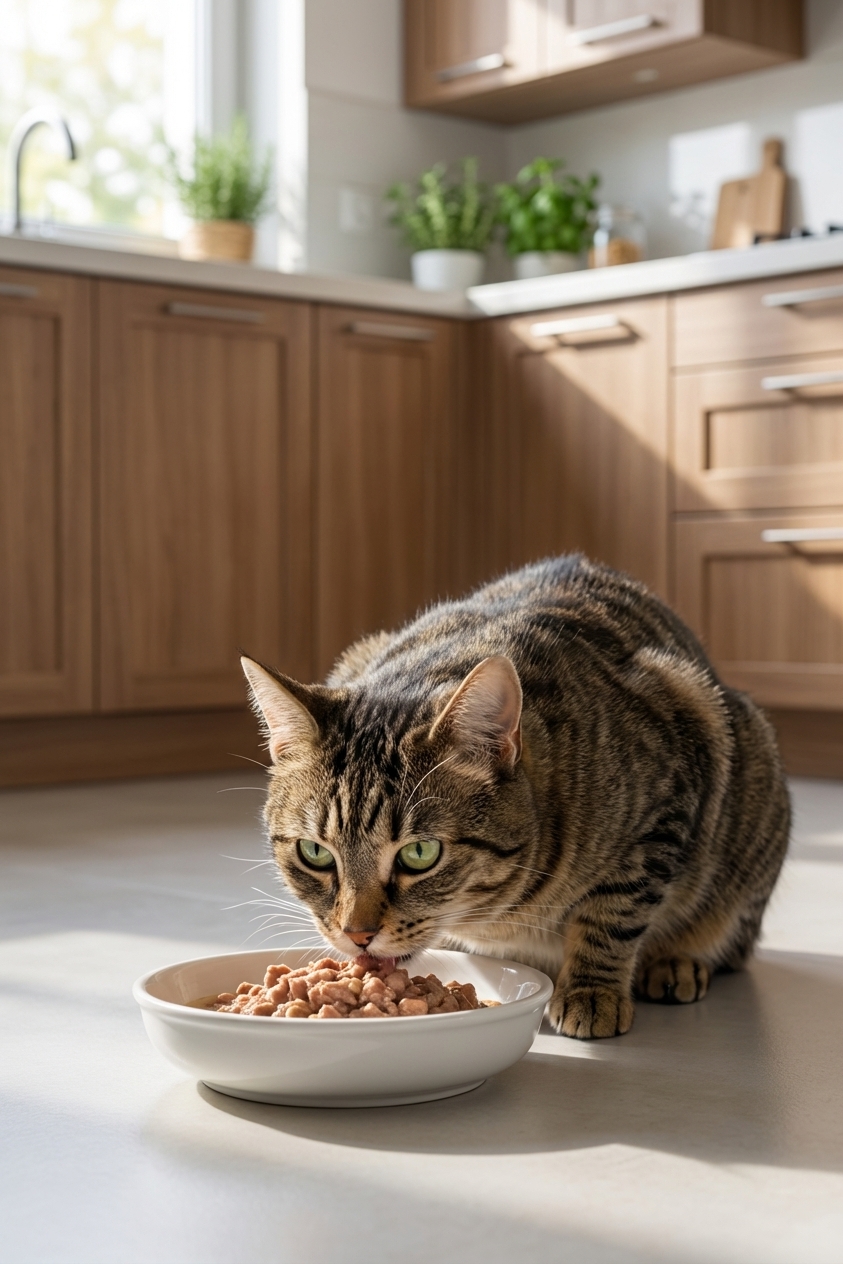
- Wet food is often your friend because it supports hydration.
- Warm the food slightly to increase aroma. A few seconds in the microwave is usually enough. Stir well and test temperature.
- Feed small portions every 3 to 6 hours if your cat will accept it.
- Keep it consistent. During a flare, frequent diet changes can backfire.
Low-fat or not?
Unlike canine pancreatitis, fat restriction is not always the central issue in cats. Some cats benefit from lower fat options, but many do best with a food they will reliably eat and digest. The top priority is often adequate calories and digestibility, then adjusting fat level based on your cat’s case, lab work, and comfort.
Homemade diets
I love whole foods, and I love an involved pet parent. But pancreatitis is not the moment for unbalanced “recipe experiments.” If you want to feed homemade, ask your veterinarian for a referral to a board-certified veterinary nutritionist. That way your cat gets the right protein, fat, taurine, vitamins, and minerals without triggering more GI upset.
Common daily meds and supplements
Your cat’s exact protocol depends on severity and underlying causes. These are common categories your veterinarian may use. Always follow your veterinarian’s dosing and timing. Some cats have contraindications based on liver disease, kidney disease, or drug interactions.
Anti-nausea
- Maropitant
- Ondansetron
Pain control
- Veterinary-prescribed analgesics, often buprenorphine
Appetite support
- Mirtazapine or other appetite stimulants as directed
Vitamin B12 (cobalamin)
B12 deficiency is common in cats with chronic enteropathy (including IBD) and can also show up in cats with pancreatitis or triaditis. Your veterinarian may recommend testing and prescribe B12 injections or oral supplementation depending on your cat’s labs and history.
Probiotics
Some cats benefit from veterinary probiotics, especially if diarrhea is present. Use products made for cats and clear them with your veterinarian.
Antibiotics?
Antibiotics are not automatically used for pancreatitis. They are typically reserved for specific concerns, such as suspected infection or certain complications. If your cat is prescribed an antibiotic, it is usually for a clear reason in their medical picture.
Your daily routine
Consistency helps you spot problems early. Here is a realistic daily routine many pet owners can follow.
Morning
- Offer breakfast, warmed slightly, in a calm area
- Give prescribed morning medications
- Check energy level, grooming, and posture
- Quick hydration check: gum moisture and general alertness
Midday
- Offer a small meal or snack portion
- Note any vomiting, drooling, or litter box changes
- If you are doing subcutaneous fluids, follow your vet’s schedule
Evening
- Offer dinner in small portions
- Give evening medications
- Record appetite, vomiting episodes, stool quality, water intake, and urination
Weekly
- Weigh your cat if possible, especially for chronic cases
- Review your notes and share trends with your veterinarian
Keeping a brief log can be incredibly helpful. You are not trying to create perfect data. You are looking for changes.
Comfort and stress support
Supportive care is not only medications. The environment matters, especially for cats who stop eating when they feel stressed.
- Set up a quiet room with cozy bedding and warmth (a safe heating pad on low, if your vet approves).
- Keep food, water, and the litter box close so your cat does not have to “push through” discomfort.
- Reduce household noise and interruptions. Let your cat rest.
- Offer gentle affection if your cat seeks it, and give space if they do not.
Chronic pancreatitis days
Some cats do not have a single dramatic episode. They have cycles of good days and low-grade nausea days. For these cats, the treatment plan often looks like maintenance plus flare-up support.
Maintenance focus
- A diet your cat reliably eats and tolerates
- Regular rechecks and lab work when recommended
- Managing related conditions like IBD, cholangitis, diabetes, or kidney disease
- B12 supplementation if indicated
Flare-up plan
Ask your veterinarian for a clear “if X then Y” plan. For example:
- If appetite drops below half for 24 hours, start prescribed anti-nausea meds (if your vet has provided a plan) and contact the clinic.
- If vomiting occurs more than once in 24 hours, call for guidance.
- If no food for 24 hours, treat it as urgent. Waiting 2 to 3 days can significantly raise the risk of fatty liver, and some cats are at risk even sooner.
Red flags
Please do not wait these out. Go to an emergency clinic or contact your veterinarian right away if you see:
- No eating for 24 hours, especially in an overweight cat
- Repeated vomiting, inability to keep water down, or vomiting with blood
- Marked lethargy, weakness, or collapse
- Difficulty breathing
- Yellow gums or eyes
- Signs of significant pain (crying, tense abdomen, unwilling to move)
- Dehydration that is worsening despite support
- In a diabetic cat: persistent high or low glucose readings, vomiting, or ketone concerns
If your gut says, “This is not my cat,” trust that instinct. Cats often look quiet rather than dramatic when they are truly sick.
What causes it?
Many cases are labeled idiopathic, meaning no single cause is confirmed. But veterinarians commonly consider:
- Inflammatory bowel disease (IBD)
- Cholangitis or other liver and bile duct inflammation
- Infections, toxins, or trauma
- Obesity as a possible contributing factor in some cats
- Metabolic disease, including diabetes, in some cases
Because the pancreas, liver, and intestines share connections, cats can develop a combination of problems that affect each other. You may hear your veterinarian mention triaditis, which refers to inflammation involving the pancreas, liver or bile ducts, and intestines together.
How it is diagnosed
Pancreatitis can be frustrating to confirm because signs are often vague and no single test is perfect. Veterinarians typically combine history, exam findings, and testing such as:
- Bloodwork (to evaluate hydration, electrolytes, liver values, and other organ stress)
- Spec fPL (a pancreas-focused blood test that can support the diagnosis, but is not flawless)
- Abdominal ultrasound (helpful for the pancreas and for checking liver, gallbladder, and intestines)
This is also why follow-up and trend tracking matters. Sometimes the “pattern” tells the story as much as one snapshot test.
Partner with your vet
As a veterinary assistant, I have seen how much better cats do when pet owners feel confident at home. Here are the most helpful questions to ask at your next visit:
- What should my cat eat right now, and what should be the backup plan if they refuse?
- Which symptom is the “call immediately” sign for my cat?
- Do we need B12 testing or supplementation?
- Should we recheck Spec fPL, ultrasound, or bloodwork? If so, when?
- Can you give me a written medication schedule with times and tips?
- If my cat will not eat, what is our safe plan for assisted feeding (and when do we consider a feeding tube)?
You are doing something powerful by showing up for your cat day after day. With the right support, many cats with pancreatitis can return to comfortable, happy routines.