Know what to expect from 8 weeks to adolescence. Get pet-friendly home setup ideas, reward-based training tips, potty and crate basics, teething help, and sa...
Article
•
Designer Mixes
Daily Kidney Disease Cat Symptoms: Secrets Revealed

Shari Shidate
Designer Mixes contributor
If you live with a cat, you already know they are masters at hiding discomfort. That is part of why chronic kidney disease (often shortened to CKD) can sneak up on even the most attentive families. As a veterinary assistant, I see it all the time: a cat seems a little off for weeks or months, and then suddenly the signs are too obvious to ignore.
The good news is that the earliest daily symptoms are often subtle but recognizable once you know what to watch for. Below are the real-life patterns I wish every cat parent knew. These are common things we notice in clinic and they can help you catch kidney disease earlier and protect your cat’s quality of life.
What CKD looks like daily
CKD is typically a slow, progressive loss of kidney function. Healthy kidneys help regulate hydration, electrolytes, blood pressure, and the removal of waste products. When kidney function declines, cats can look normal for a long time while their body compensates. In practice, we often see obvious signs only after substantial functional loss, which is why routine screening matters.
In daily life, the earliest symptoms usually show up in routines: drinking, peeing, appetite, grooming, and energy. Those patterns are your best early-warning system.
Early daily symptoms owners miss
1) Drinking more water (polydipsia)
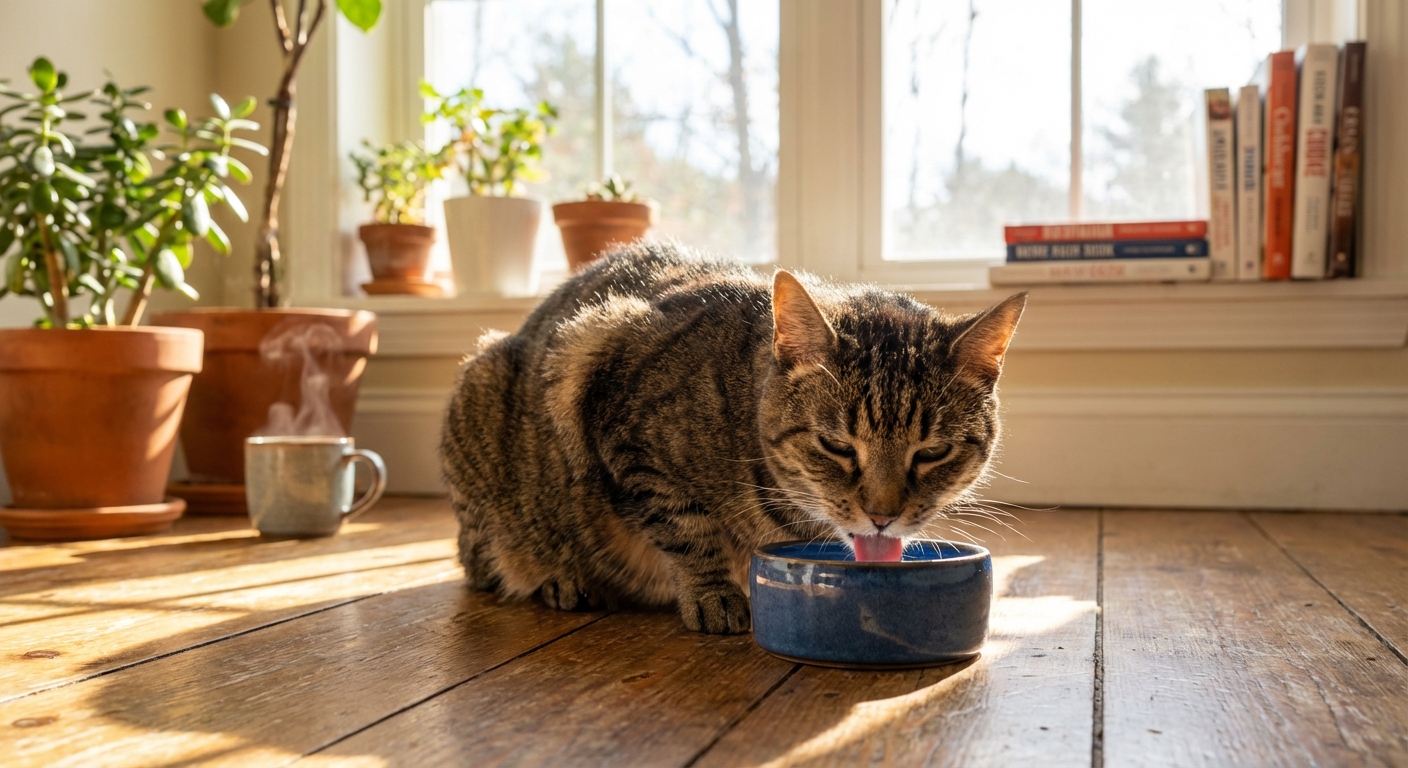
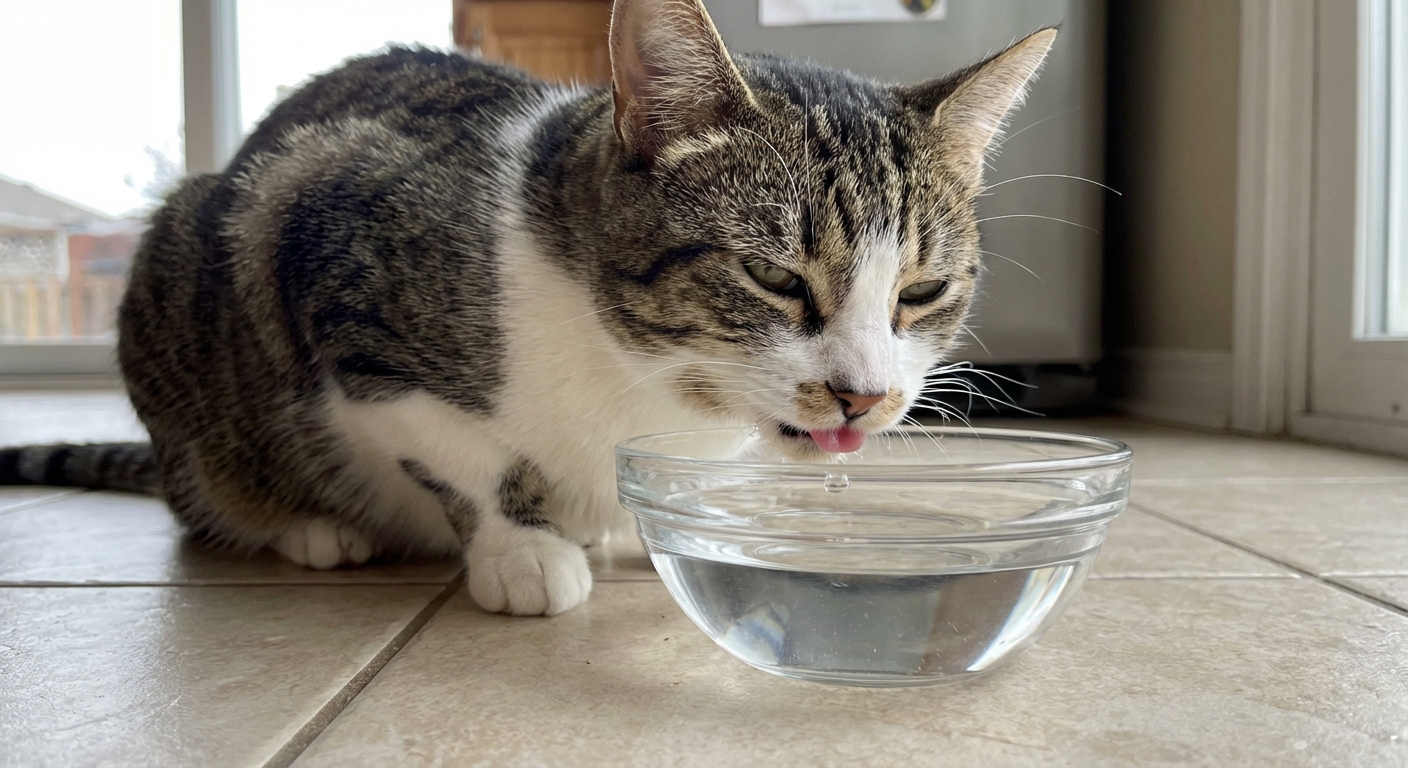
This is one of the most common early CKD clues. Cats with kidney disease often drink more because their kidneys cannot concentrate urine as well, so they lose more water.
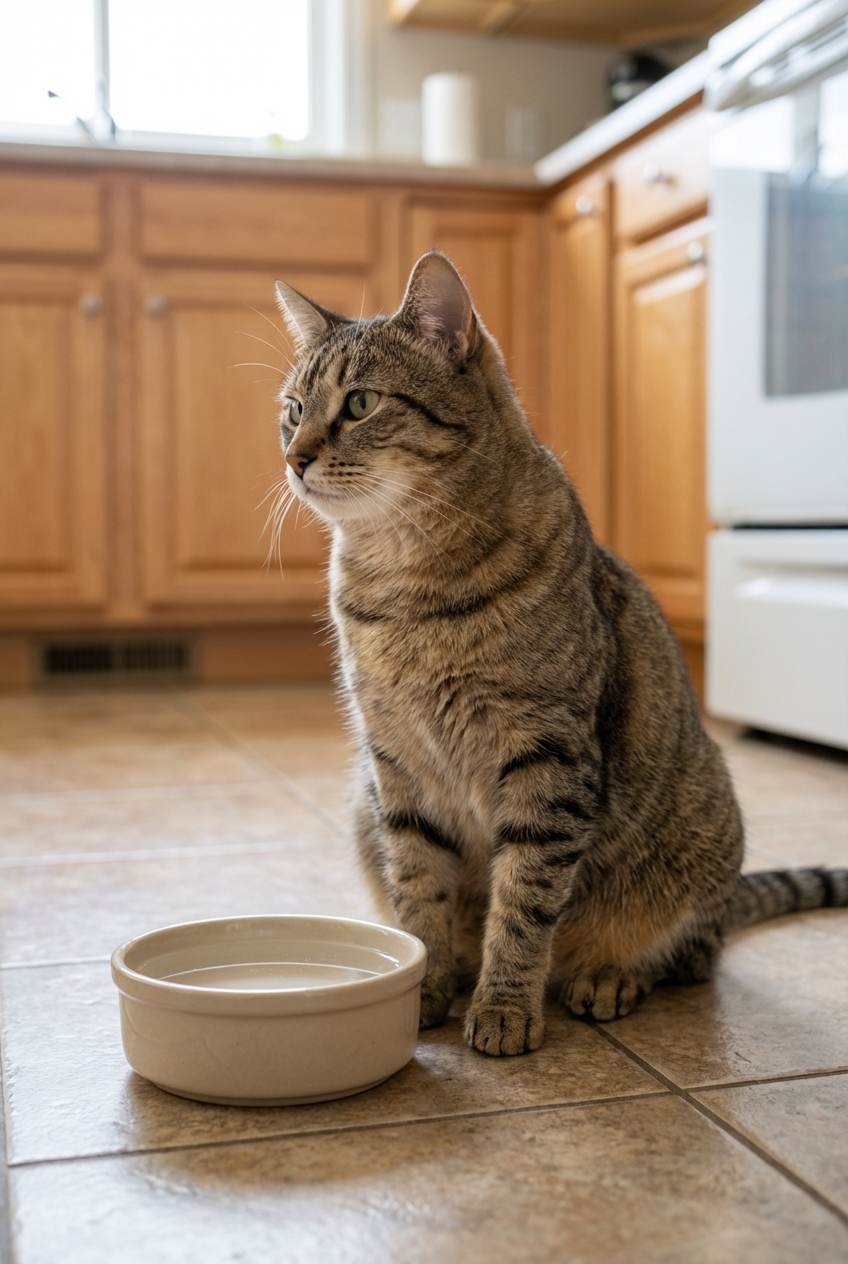
- What to look for: The bowl level drops faster, your cat visits fountains more often, or they start drinking from odd places like cups, the tub, or dripping faucets.
- Simple at-home tip: If you use a measured bowl, note how much you add each morning. A consistent change is more meaningful than a one-time big drink.
2) Peeing more (polyuria)
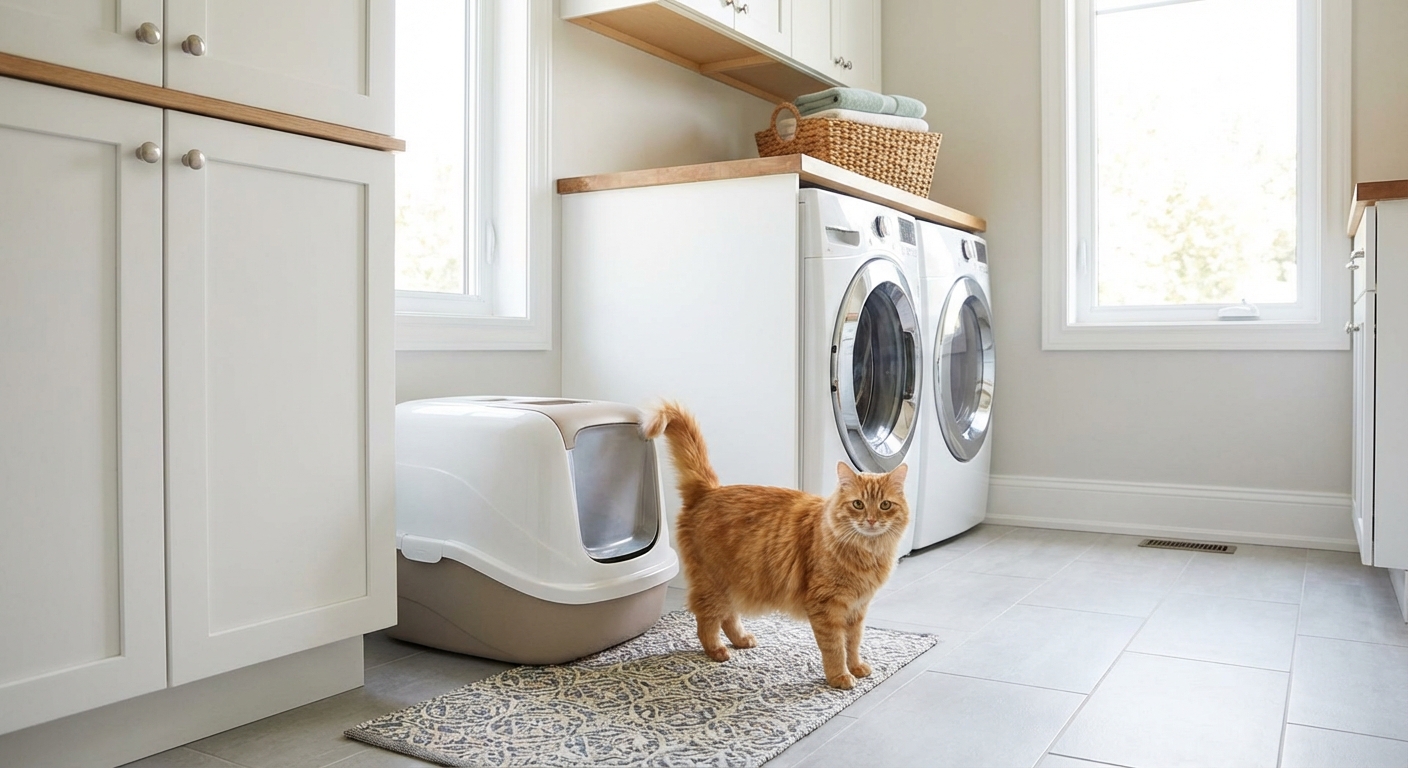
More water in usually means more urine out. You might notice larger clumps in the litter box or more frequent trips to urinate.
- What to look for: Litter seems to need changing more often, clumps are bigger, or there is urine outside the box because your cat cannot hold it like they used to.
- Important: Increased urination can also happen with diabetes, hyperthyroidism, urinary tract issues, certain medications (including steroids), and other conditions. The symptom is not diagnostic by itself.
3) Appetite changes that come and go
Many CKD cats do not lose appetite all at once. Instead, they have good days and bad days.
- What to look for: Sniffing food then walking away, eating treats but skipping meals, or eating less at breakfast but more at night.
- Why it happens: As waste products build up, nausea can increase and food can start to smell or taste different to them.
4) Weight loss, even if they still eat
Slow weight loss is incredibly common and easy to overlook under fluff. Muscle loss along the back and hips can show up before the scale alarms you.
- What to look for: A bony feel along the spine or shoulders, or your cat looks narrower from above.
- Best practice: Weigh monthly at home if possible, or ask your veterinary team to document weight and body condition at every visit.
5) More sleeping and less play
CKD can contribute to anemia, dehydration, and general malaise. Many cats respond by simply doing less.
- What to look for: They still come for cuddles, but they do not jump as high, stop greeting you at the door, or play for shorter bursts.
6) Messier grooming or a dull coat
When cats feel nauseated or tired, grooming often slips. Dehydration can also make the coat look less smooth.
- What to look for: Small mats appearing, dandruff, or a spiky coat texture, especially along the back.
7) Mild constipation
Dehydration and reduced appetite can contribute to constipation, which can then worsen nausea and create a frustrating cycle.
- What to look for: Smaller, harder stools, straining, or skipping a day more often than usual.
Later symptoms to never ignore
If you notice any of the following, contact your veterinarian promptly. These signs can indicate more advanced disease or complications that need treatment.
- Vomiting that is new, frequent, or persistent
- Marked appetite loss lasting more than 24 hours, especially in older cats (cats can be at risk for hepatic lipidosis with prolonged not eating)
- Bad breath that smells chemical or like ammonia (this can be uremia, but severe dental disease can also cause bad breath, so it still deserves a vet check)
- Mouth ulcers or drooling
- Weakness, stumbling, or hiding more than usual
- Dehydration (dry gums, sticky saliva, sunken eyes)
- Sudden weight loss
- Blindness or dilated pupils which can be linked to high blood pressure
What is going on inside
Cats compensate until they cannot
Cats can compensate for kidney changes for a long time. That is why routine bloodwork and urinalysis are so valuable, especially for cats over age 7.
Dehydration can make things worse
As urine becomes more dilute, cats lose water and may become chronically dehydrated. Dehydration can worsen how they feel and may reduce kidney perfusion. It can also exacerbate constipation and nausea.
Nausea is often the hidden problem
Many picky eater CKD cats are not being stubborn. They often feel queasy. Managing nausea can dramatically improve appetite and quality of life.
High blood pressure matters
Hypertension is common with CKD and can damage eyes, brain, heart, and kidneys. Blood pressure checks are a key part of monitoring, along with checking for protein in the urine.
CKD vs AKI
CKD is usually gradual. Acute kidney injury (AKI) is a sudden loss of kidney function that can happen from toxins, urinary blockage, severe infection, dehydration, or other causes.
- Why this matters: A cat who suddenly becomes very lethargic, vomits repeatedly, seems painful, or is not producing urine is not a wait-and-see situation. That is an emergency.
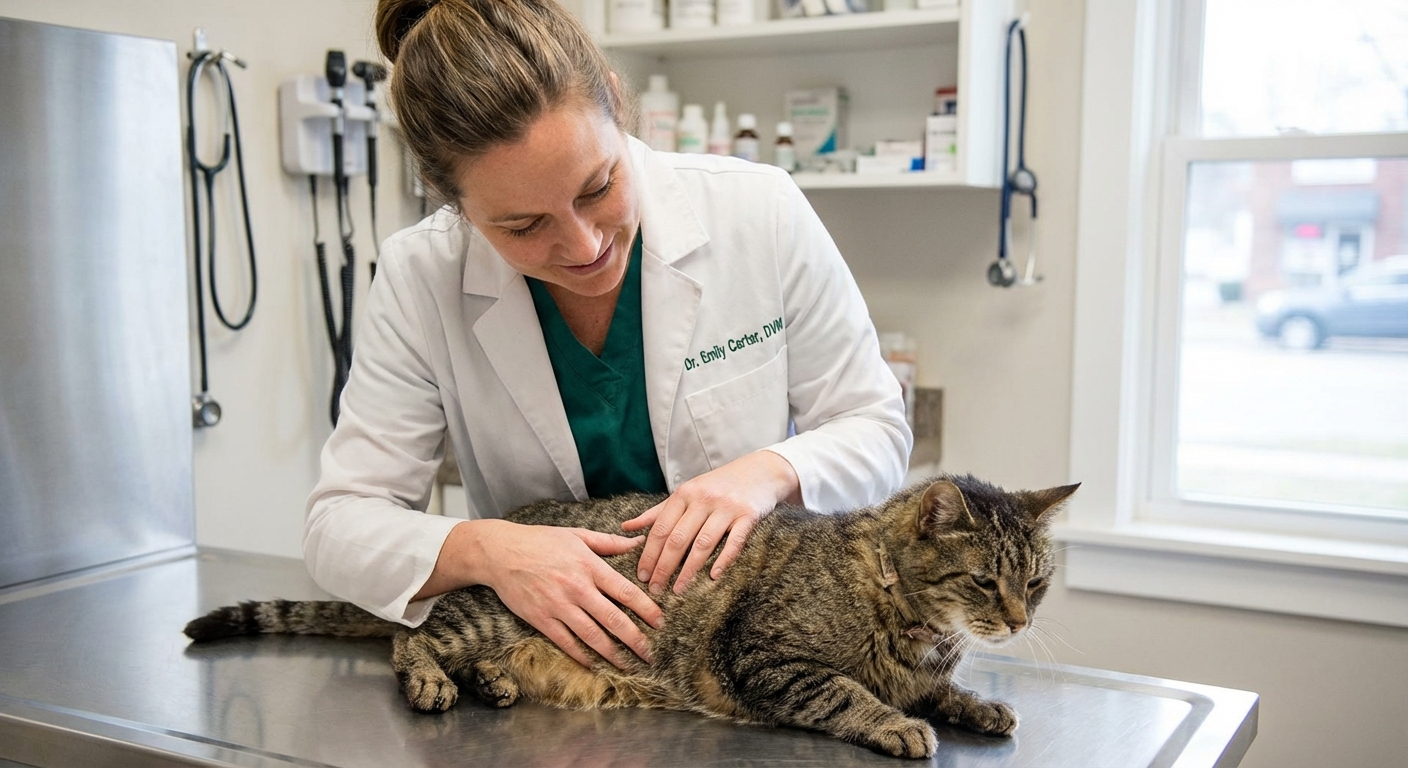
How vets diagnose kidney disease
Diagnosis is not based on one symptom. Your veterinarian will usually combine history, physical exam, and lab testing, such as:
- Bloodwork: creatinine, BUN, phosphorus, electrolytes, and SDMA (an early marker that can rise before creatinine)
- Urinalysis: urine specific gravity (how concentrated the urine is), protein, and signs of infection
- Urine protein testing: often a urine protein:creatinine (UPC) ratio if proteinuria is suspected or seen
- Blood pressure measurement
- Urine culture if infection is suspected
- Imaging (ultrasound or X-rays) when needed to assess kidney size, stones, or other changes
Many clinics stage CKD using IRIS guidelines. Staging often considers kidney values (like creatinine or SDMA), plus blood pressure and protein in the urine. That staging helps guide nutrition, medication choices, and monitoring.
Screening and tracking
If you are worried your cat may be developing kidney disease, you do not need to guess. You can start tracking a few basics for 7 to 14 days and share them with your vet.
- Water: Is the bowl emptier than usual?
- Litter box: Larger clumps? More frequent urination?
- Food intake: How much is eaten in 24 hours?
- Weight: Weekly weights if you can do it safely and calmly
- Energy: Less jumping, less play, more sleeping?
- GI signs: Vomiting, constipation, or lip-licking after meals
Routine screening tip: Many practices begin senior screening around age 7 and may recommend labs and urinalysis at least yearly, sometimes every 6 months for seniors or cats with known issues. Your veterinarian will tailor this to your cat’s age, history, and risk factors.
Bring your notes. Patterns are powerful.
At-home care (with vet guidance)
CKD management is not one-size-fits-all, but these are common, evidence-based tools your veterinarian may recommend:
- Kidney-support diets: Often lower in phosphorus with controlled, high-quality protein and added omega-3 fatty acids. Transition slowly to avoid food aversion.
- Hydration support: Water fountains, adding water to wet food, and in some cases subcutaneous fluids.
- Phosphate binders: If phosphorus remains high despite diet.
- Anti-nausea and appetite support: Medications can help cats feel like eating again.
- Blood pressure medications: If hypertension is present.
- Proteinuria support: If protein in the urine is significant, your vet may recommend medications to help reduce it, since protein loss can be a progression factor.
- Potassium supplementation: For cats with low potassium.
Safety note: Never start supplements, binders, or fluids without your veterinarian’s direction. Also avoid giving human medications. Many are toxic to cats, and some pain relievers (including NSAIDs) can be especially risky for cats with kidney concerns unless specifically prescribed by your vet.
One more real-life note: Older cats often have more than one thing going on at once. Arthritis, dental disease, and hyperthyroidism are common comorbidities that can overlap with appetite, weight, and coat changes. That is another reason lab work and a full exam matter.
When to call the vet now
Contact your veterinary clinic urgently if your cat:
- Stops eating for 24 hours or more
- Is vomiting repeatedly or cannot keep food down
- Seems weak, collapses, or is breathing abnormally
- Has significantly reduced urination, cannot pee, or is straining
- Seems suddenly blind or disoriented
CKD is common, but suffering is not something your cat should have to push through. There are many options that can help.
Bottom line
Daily kidney disease symptoms in cats are usually quiet at first: more thirst, bigger litter clumps, subtle appetite changes, and slow weight loss. If you catch these early and partner with your veterinarian, many cats can live comfortably for years with the right nutrition, hydration support, and monitoring.
If you are seeing any of these signs, trust your gut and schedule a checkup. You are not overreacting. You are listening to your cat in the language they use: routine.