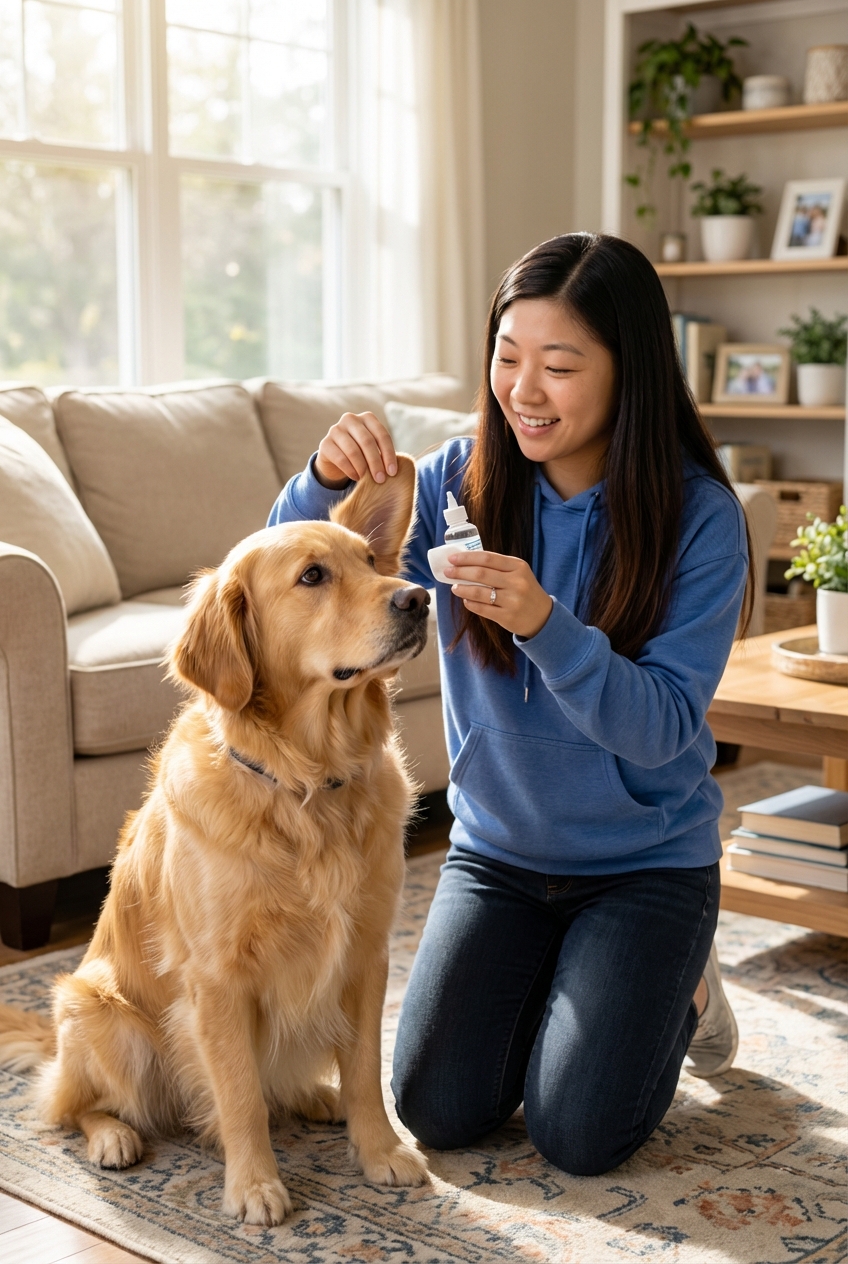
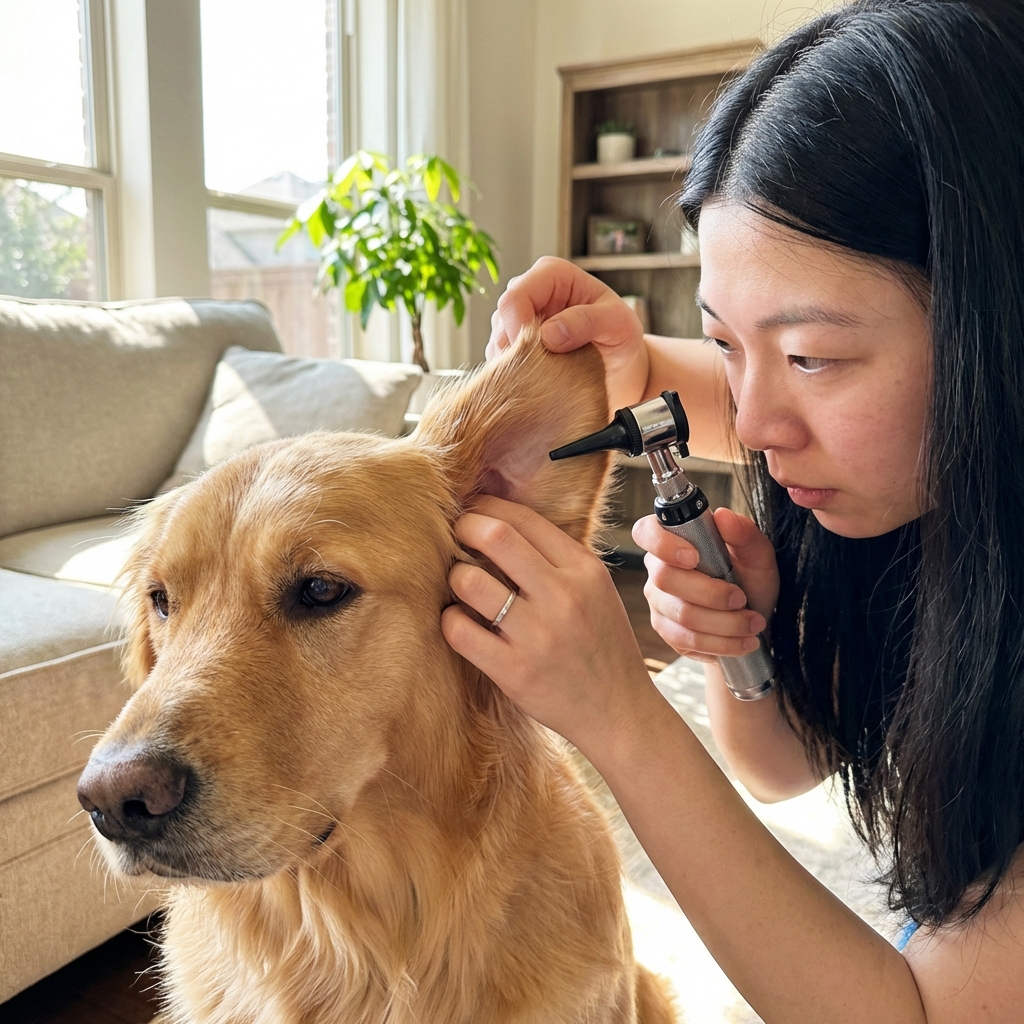
A calm, pet-friendly guide to cleaning your dog’s ears at home: safety checks, supplies to use (and avoid), step-by-step technique, frequency tips, and vet...
Article
•
Designer Mixes
Daily Home Remedies for Dog Ears

Shari Shidate
Designer Mixes contributor
Dog ears can go from “totally fine” to itchy, smelly, and inflamed fast. As a veterinary assistant in Frisco, Texas, I have seen how a little prevention can save a lot of discomfort later. The key is knowing what you can safely do at home, and what you should never try without your vet.
This article covers gentle, evidence-based everyday ear care, simple home steps that are actually safe, and the red flags that mean it is time to stop and get medical help.
Educational note: This is general information and not a substitute for veterinary diagnosis or treatment.
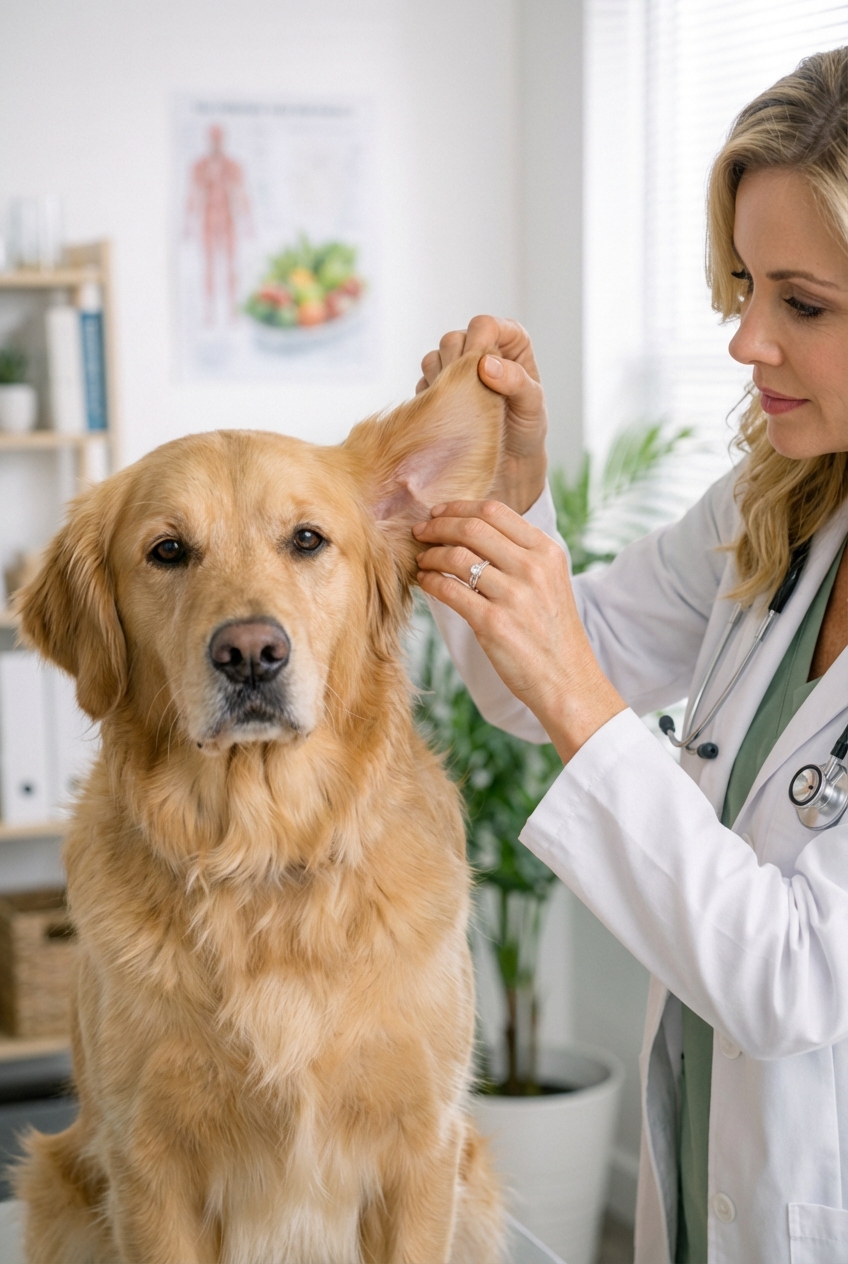
What normal ears look like
Before you reach for any remedy, get familiar with your dog’s baseline. Healthy ears usually have:
- Light pink skin inside the ear flap
- Little to no odor (a faint “doggy” smell is normal)
- Minimal wax that is pale yellow to light brown
- No pain when you touch or gently massage the base of the ear
If your dog’s ears are already red, hot, painful, full of thick debris, or strongly smelly, that is often an infection or allergy flare. Home care can help with comfort, but it should not replace diagnosis and treatment.
Why ear problems happen
Most day-to-day ear trouble comes down to moisture and inflammation. Dogs have a canal with a vertical portion and a horizontal portion (often described as “L-shaped”), which can trap debris and humidity. Add in allergies, yeast, bacteria, or ear mites, and you can end up with an itchy ear that your dog cannot stop scratching.
Common triggers
- Seasonal or food allergies that inflame the ear canal lining
- Water after baths or swimming, especially in floppy-eared dogs
- Wax and debris buildup that creates an environment where yeast and bacteria can overgrow
- Hairy ear canals that reduce airflow
- Underlying skin disease or chronic inflammation
- Foreign material like foxtails or grass seeds
Some dogs are simply more prone due to ear shape and lifestyle. Retrievers and spaniels who swim, dogs with long floppy ears, and breeds with lots of hair around the ears can need more prevention than a short-coated dog with upright ears.
Safe daily care
Let’s get very practical. When people search for “daily home remedies,” what they usually need is a low-risk routine. Think: daily checking, keeping ears dry, and cleaning only when indicated or recommended by your veterinarian.
1) The sniff-and-peek check (30 seconds)
Once a day, especially during allergy season or after outdoor play:
- Lift the ear flap.
- Look for redness, swelling, debris, or discharge.
- Smell the ear. A stronger-than-usual sour, musty, or “yeasty” odor can be a warning sign, but odor alone is not a diagnosis.
This simple habit helps you catch issues early, when they are easiest to treat.
2) Dry ears after water
Moisture is a major enemy of healthy ears. After bathing, swimming, or heavy rain:
- Use a soft towel or cotton round to gently dry the ear flap and the visible outer opening.
- Keep it surface-level only. Do not push anything down into the canal.
If your dog swims often and is prone to infections, ask your vet about a drying ear rinse made for dogs. Do not improvise with alcohol or vinegar mixes.
3) Gentle wipe (outer ear only)
If you see a little wax on the inner flap (not deep inside), you can wipe it away with:
- Pet-safe ear wipes, or
- A clean cotton round lightly dampened with a veterinarian-approved ear cleaner
Cleaning is not automatically a daily job. Over-cleaning can irritate the ear canal and disrupt the normal skin barrier. For many dogs, 1 to 3 times per week is plenty unless your veterinarian recommends otherwise.
4) Allergy support that helps ears
Ear inflammation is often part of whole-body allergies. While ear habits help, you may get better results by reducing itch overall:
- Consistent flea prevention (fleas can trigger major skin flares)
- Omega-3 fatty acids from fish oil, with dosing guidance from your veterinarian
- Gentle grooming and regular bathing using a vet-recommended shampoo for allergic dogs
If your dog has recurring ear issues, it is worth asking your vet about a food trial or environmental allergy management.
Home remedies to avoid
I know the internet is full of DIY ear “cures.” Some are risky, especially if the ear drum is damaged or the ear canal is already inflamed.
Skip these unless your vet says
- Hydrogen peroxide: can irritate tissue and delay healing
- Rubbing alcohol: often stings and can worsen irritation
- Essential oils (tea tree, oregano, etc.): can be toxic and highly irritating
- Vinegar mixes: sometimes used in very specific situations, but often too harsh for irritated ears and unsafe if the skin is raw or ulcerated
- Coconut oil in the ear canal: may trap debris and moisture, making overgrowth more likely
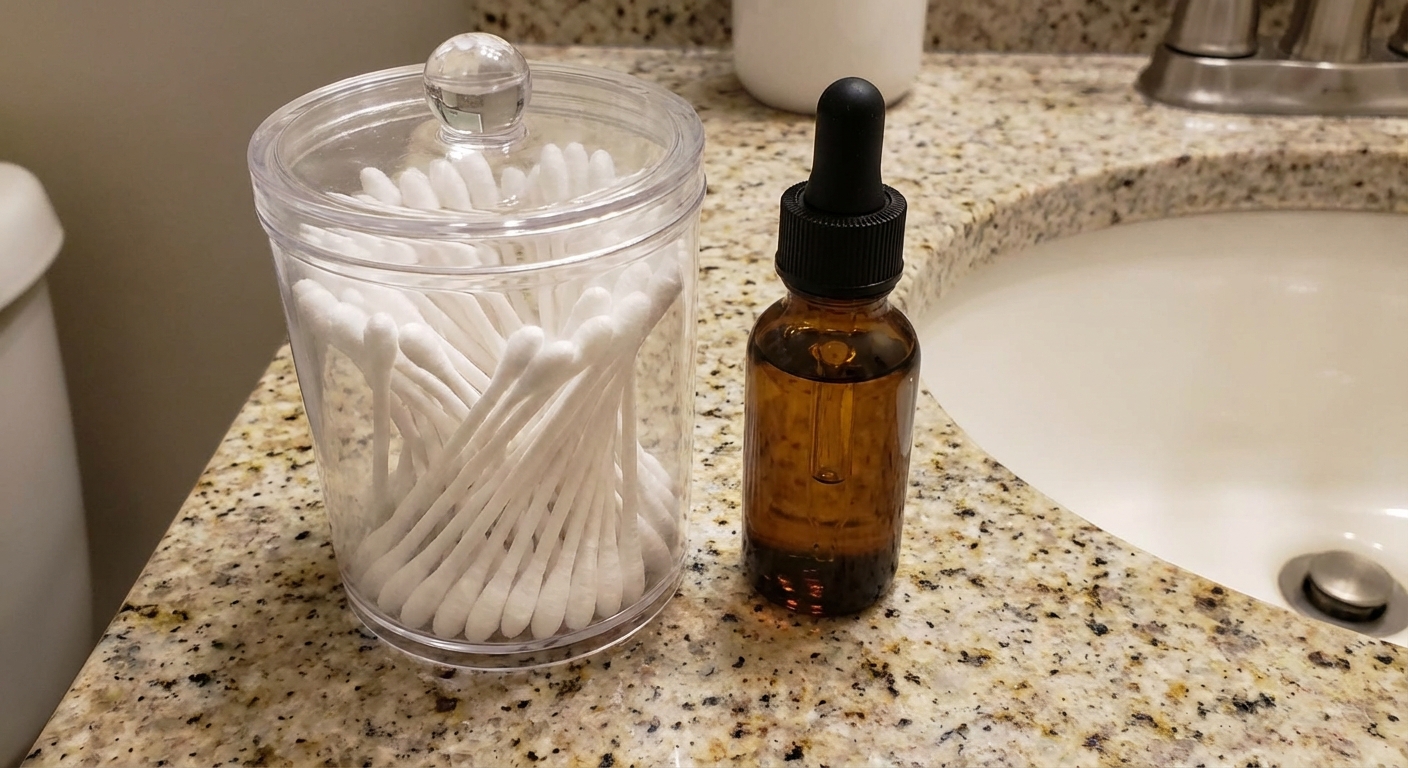
- Q-tips: push debris deeper and risk injury
Also avoid these common mistakes
- Old prescription ear drops from a prior infection: the cause may be different this time, and some meds are unsafe if the ear drum is not intact
- Human ear products unless your veterinarian specifically directs you
- Plucking ear hair unless your veterinarian recommends it for your dog: plucking can inflame the canal in some dogs, so this should be individualized
Rule of thumb: if the ear is painful, very red, has discharge, or smells strongly, do not experiment. Get a proper exam. And if you suspect a ruptured ear drum or see neurologic signs (head tilt, balance issues, odd eye movements), do not put any liquid in the ear.
How to clean ears
If your dog benefits from routine cleaning and your veterinarian has said it is safe, here is the basic method used in many clinics. This “fill the canal” approach should be done only with a veterinary ear cleaner and only when your vet has advised routine cleaning for your dog.
What you need
- A veterinarian-recommended dog ear cleaner
- Cotton balls or cotton rounds
- Towel (ear cleaning can get messy)
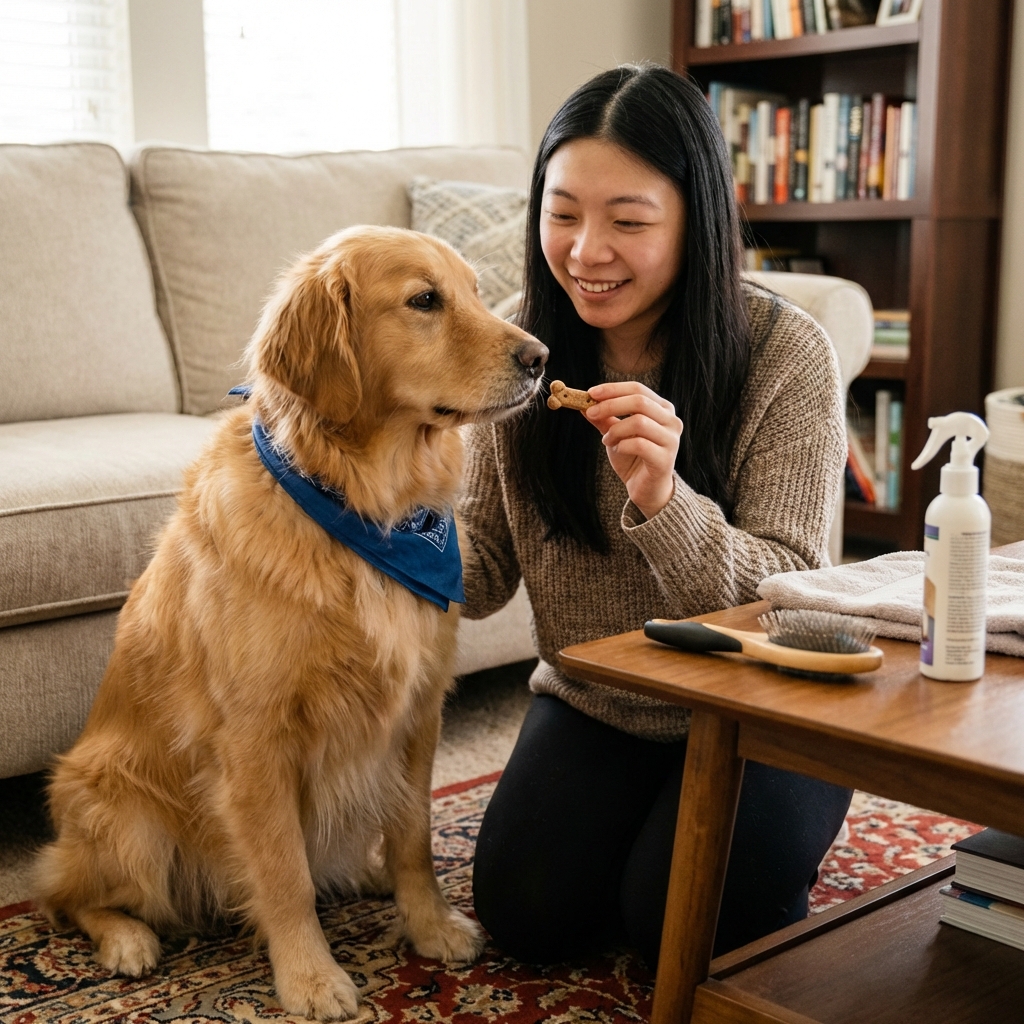
- Treats for positive reinforcement
Step-by-step
- Set up calmly. Choose a non-slip surface and have treats ready.
- Lift the ear flap. Aim the bottle tip toward the opening, without inserting it.
- Add cleaner. Squeeze gently until you hear a little “squish.”
- Massage the base of the ear for 20 to 30 seconds. This loosens debris.
- Let your dog shake. This is normal and helpful.
- Wipe what you can see. Use cotton to remove debris from the inner flap and outer opening.
Do not keep cleaning until the cotton comes out perfectly white. A little residue is normal, and over-cleaning can inflame the canal.
When home care is not enough
Ear infections are painful. They also tend to recur if the underlying cause is not addressed. A veterinary exam can confirm whether the issue is yeast, bacteria, mites, allergy inflammation, a foreign body, or something else entirely.
Call your veterinarian if
- Head shaking that keeps coming back
- Strong odor (musty, sour, or “rotting” smell)
- Dark brown, yellow, green, or bloody discharge
- Ear redness and heat
- Crying, flinching, or pulling away when touched
- Swelling of the ear flap or canal narrowing
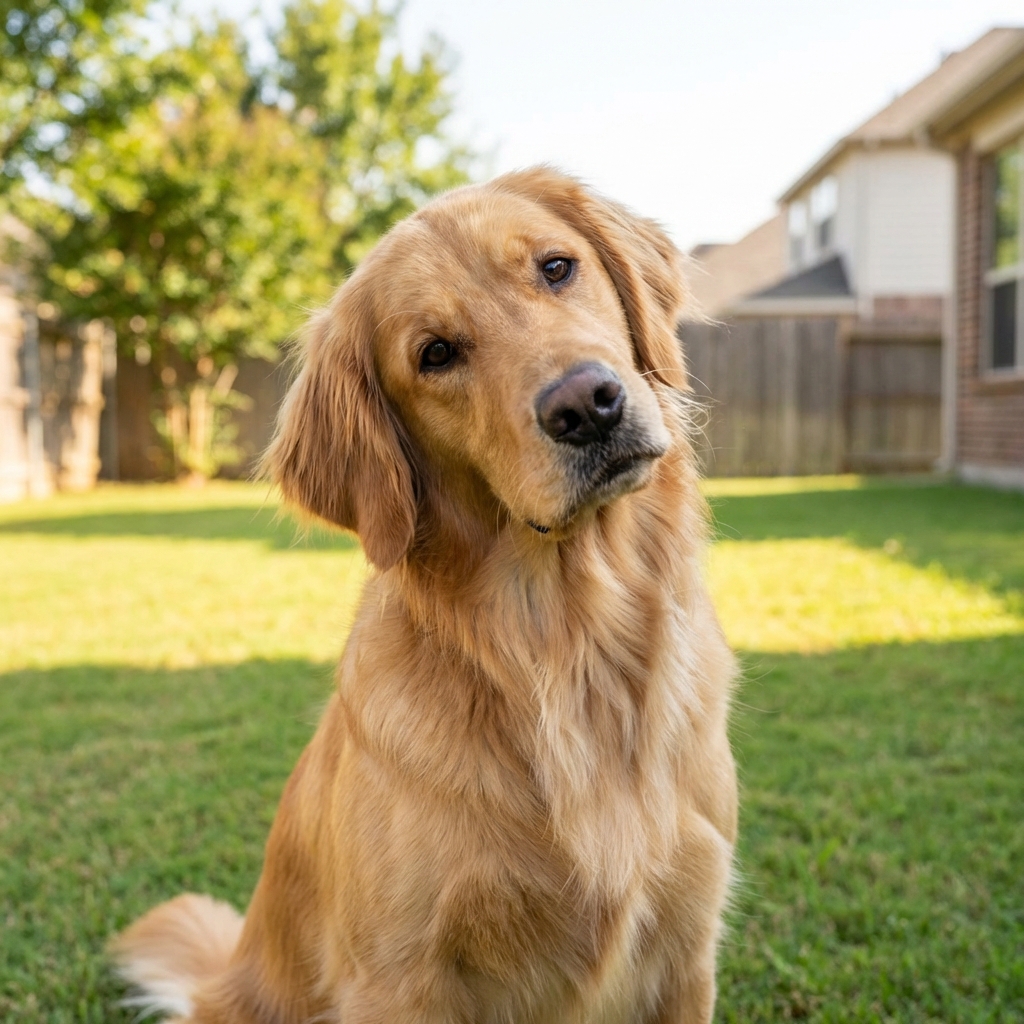
- Head tilt, balance issues, or odd eye movements
If your dog seems dizzy, is walking oddly, or has a significant head tilt, treat that as urgent. Inner ear disease can become serious quickly.
A routine you can keep
The best “remedy” is a routine that is easy enough to do consistently.
A simple rhythm
- Daily: quick sniff-and-peek check
- After water exposure: towel-dry outer ear and flap
- 1 to 3 times per week (if needed): gentle wipe of the ear flap and outer opening (or cleaner if your vet recommends it)
- Monthly: review flea prevention and allergy control plan with your household routine
If your dog has chronic ear issues, ask your veterinarian for a tailored plan. Some dogs need a medicated cleaner on a schedule. Others do best with less cleaning and more allergy management.
My final word
Home remedies for dog ears should be gentle and boring. That is a good thing. Daily checks, keeping ears dry, and using the right cleaner when needed can prevent many problems. But if you are seeing pain, strong odor, or discharge, that is your sign to stop DIY and get an exam. Ear infections are not only uncomfortable, they can become complicated when treatment is delayed.
If you want, tell me your dog’s breed, age, and what you are noticing (odor, wax color, scratching, swimming history), and I can help you decide what is safest to try at home and what questions to ask your veterinarian.