A practical, vet-informed guide to Giardia in dogs: signs, best fecal tests, common medications, and step-by-step home, yard, and hygiene cleaning to stop re...
Article
•
Designer Mixes
Daily Giardia Symptoms in Puppies

Shari Shidate
Designer Mixes contributor
If your puppy suddenly has loose, messy poop that will not quit, Giardia is one of the first things I think about in the clinic. It is a common intestinal parasite that spreads easily in places puppies share water, grass, and play spaces. That said, lots of other issues can cause puppy diarrhea too, including diet changes, stress, other intestinal worms (like roundworms and hookworms), bacterial or viral infections, and in unvaccinated puppies, serious illnesses like parvovirus. The tricky part is that Giardia symptoms can look mild one day and much worse the next, so doing a quick daily check at home can help you catch patterns early and protect other pets (and people) in your household.
What Giardia is (and why puppies get it)
Giardia is a microscopic protozoan parasite that lives in the intestines. Puppies get exposed by swallowing Giardia cysts, often from:
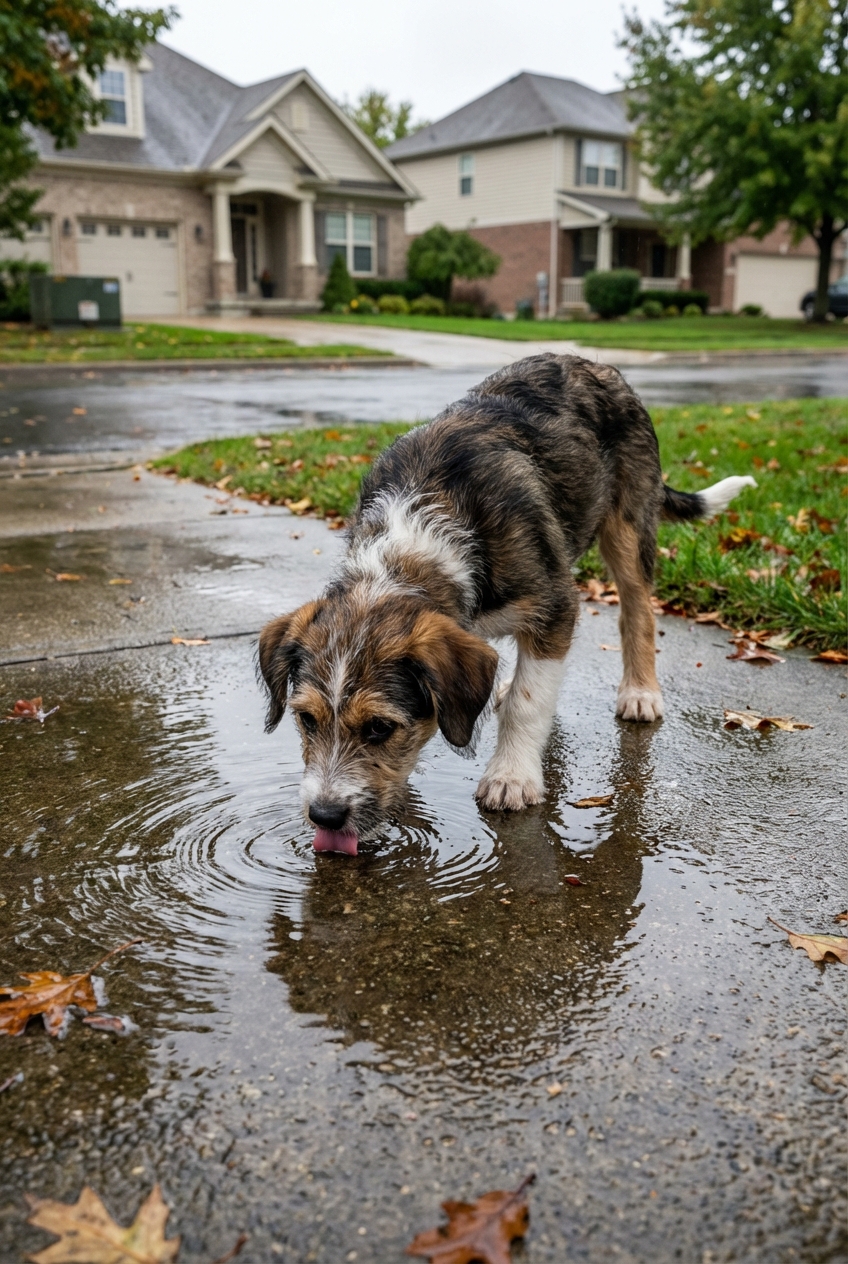
- Shared water bowls, puddles, dog park water features
- Contaminated soil or grass (especially high-traffic potty areas)
- Daycare, shelters, breeders, and multi-dog homes
- Grooming or licking feet and fur after walking in contaminated areas
Puppies are more vulnerable because their immune systems are still developing, and they are more likely to put everything in their mouths.
Daily symptoms quick guide
Giardia symptoms often come and go. That is why a daily routine helps. Here is what to watch for each day.
1) Stool changes (the most common clue)
- Soft stool to watery diarrhea, sometimes suddenly
- Mucus in the stool (a slippery, jelly-like coating)
- Greasy or shiny stool that can look pale
- Strong, foul odor beyond what is normal for your puppy
- On-and-off diarrhea that seems to improve, then returns
Some puppies still act fairly normal while their stool looks awful. Do not let “high energy” fool you.
2) Appetite and belly
- Decreased appetite or picky eating
- Gassiness or tummy gurgles
- Mild abdominal discomfort (may hunch, stretch, or seem restless)
3) Weight and growth
- Slow weight gain or unexpected weight loss
- Ribby appearance despite eating
- Dull coat from poor nutrient absorption
4) Energy and hydration
- Lower energy, more napping than usual
- Signs of dehydration: tacky gums, sunken-looking eyes, reduced urination
- In more significant cases: weakness, marked lethargy, or seeming “not themselves”
Daily reality: Many Giardia puppies have normal energy early on. The biggest consistent sign is stool that is loose, smelly, mucusy, or recurrent.
How fast symptoms can change
Giardia can cause a “roller coaster” pattern because the parasite sheds intermittently. One day you see pudding-like stool, the next day it seems better, and then the diarrhea comes right back. This on-and-off pattern is a classic reason pet parents feel stuck in a cycle of “maybe it is just stress” or “maybe it was a treat.”
Timeline after exposure
Many puppies start showing signs about 1 to 2 weeks after exposure, but it can vary. That is another reason Giardia can be confusing: by the time diarrhea shows up, the “source” (a puddle, daycare, a play date) may be days to weeks in the past.
When to call the vet today
Call your veterinarian promptly if you notice any of the following:
- Diarrhea lasting more than 24 hours in a young puppy
- Blood in stool (bright red or black/tarry)
- Vomiting with diarrhea
- Refusal to eat, marked lethargy, or pain
- Any dehydration concerns
- Very small breeds (they can decline quickly)
Puppies can dehydrate faster than adult dogs. If you are debating whether it is “bad enough,” it is worth a call.
Extra note: If your puppy is not fully vaccinated and has diarrhea (especially with vomiting or lethargy), ask your vet about parvovirus risk and whether your pup needs urgent care.
How Giardia is diagnosed
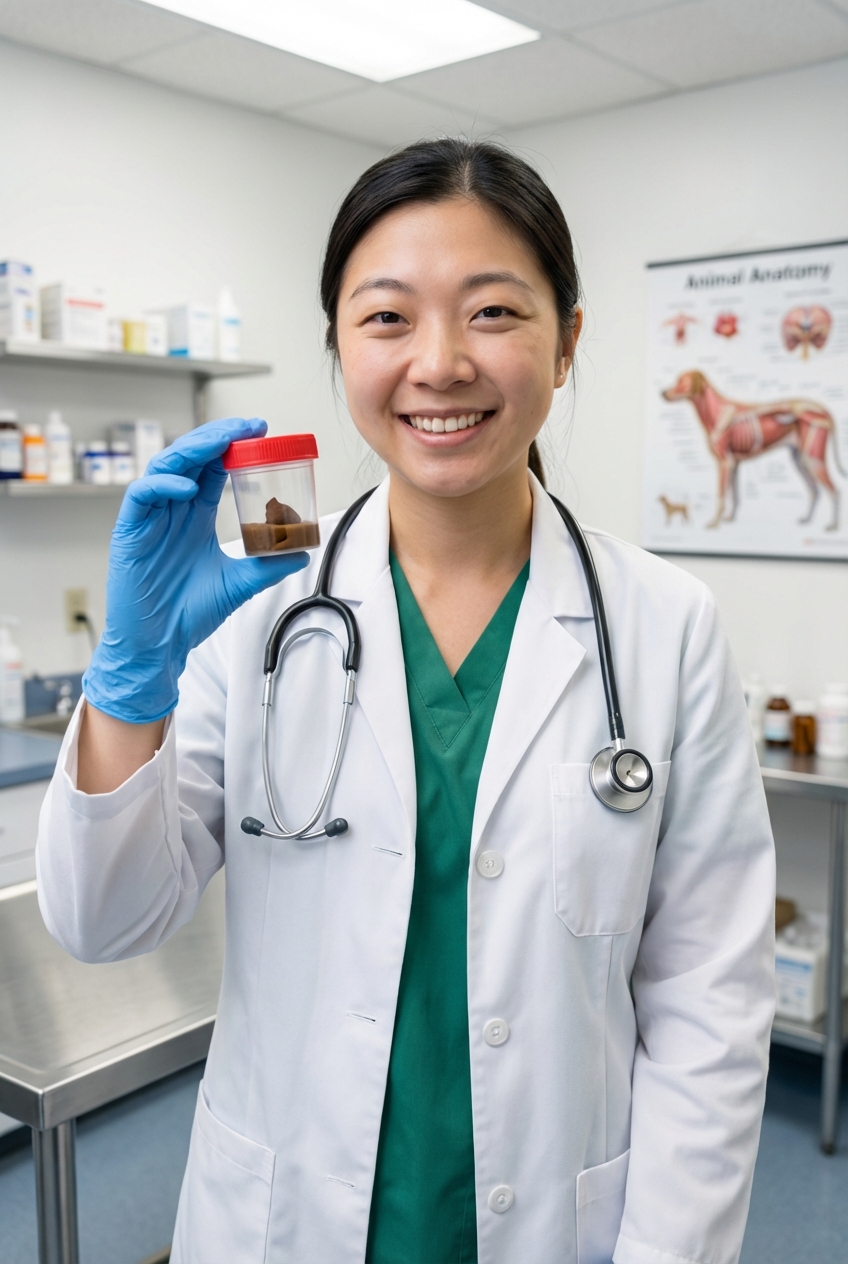
Giardia is diagnosed with a fecal test. Your vet may use one or more approaches:
- Fecal antigen test to detect Giardia proteins
- Fecal flotation or microscopic exam to look for cysts (a single test can miss it)
- Direct smear (a quick microscope check that may spot organisms, especially with fresh diarrhea)
- Repeat testing if the first test is negative but symptoms strongly fit
Tip: Bring a fresh stool sample if possible. If stool is watery, your clinic can tell you the best way to collect it. Sometimes multiple samples on different days help because shedding is intermittent.
What treatment usually involves
Your veterinarian will choose the best treatment based on your puppy’s age, size, symptoms, and other health factors. Common care plans may include:
- Prescription antiparasitic medication (often fenbendazole; sometimes other medications are used depending on the case)
- Supportive care for hydration and gut recovery
- Diet adjustments that are gentle on the intestines for a short period
Many puppies improve quickly once treatment starts, but reinfection is a big reason symptoms return. That is why the home hygiene piece is just as important as medication. Your vet may also recommend follow-up testing or a recheck depending on your puppy’s response and household situation.
At-home daily checklist (5 minutes)
If you suspect Giardia, do this quick daily check until you see your vet:
- Poop: Take a quick photo of stool once daily to track changes.
- Water intake: Note if your puppy is drinking less or seems extra thirsty.
- Energy: Normal playful behavior, or quieter than usual?
- Appetite: Ate full meal, partial, or refused?
- Hydration: Gums should feel slick, not sticky. If unsure, call your vet.
That little log helps your veterinarian decide which tests to run and how aggressive to be with treatment.
Prevent reinfection at home
Giardia spreads easily through tiny amounts of contaminated feces, and cysts can survive in damp environments. These steps make a big difference:
- Pick up poop immediately in the yard and on walks.
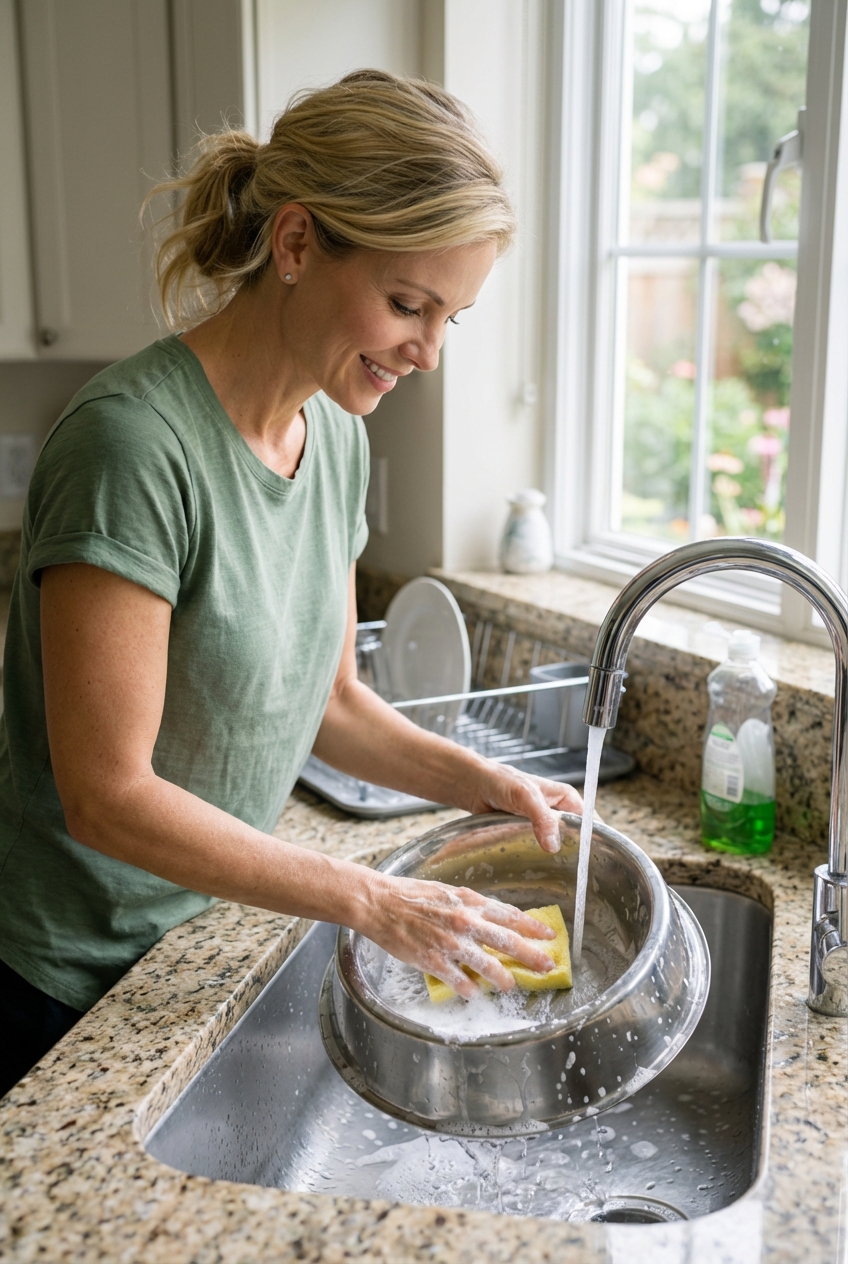
- Clean bowls daily with hot, soapy water, and consider running them through the dishwasher if safe for the material.
- Wash bedding frequently on hot if fabric allows.
- Bathtime matters: A bath near the end of treatment can remove cysts from fur, especially around the rear and paws.
- Disinfect the right way: Many routine household cleaners do not reliably kill Giardia cysts. Your veterinarian can recommend options that are appropriate for your home, surfaces, and pets, plus how long the product needs to stay wet to work.
- Dry it out: Cysts survive best in cool, damp areas. Drying, sunlight, and thorough cleaning help reduce contamination.
Also important: Avoid daycare, dog parks, and communal water bowls until your veterinarian says your puppy is cleared. In multi-dog homes, other pets may need testing or treatment too, depending on what your vet recommends.
Can people catch Giardia from puppies?
Some types of Giardia are more likely to infect people than others, and many cases are species-specific. Transmission from dogs to humans is generally considered uncommon, but it is still possible, so good hygiene is smart, especially with kids, seniors, and anyone immunocompromised.
- Wash hands after picking up stool and after bathing your puppy.
- Do not let puppies lick faces while actively having diarrhea.
- Clean and disinfect potty areas as best you can.
If anyone in the home develops ongoing diarrhea, contact a human healthcare provider and mention possible Giardia exposure.
Bottom line
Giardia in puppies often shows up as recurring, smelly, loose stool with mucus, sometimes paired with gas, poor weight gain, or a “not quite right” appetite. Many other conditions can look similar, so do not guess. If your puppy has diarrhea for more than a day or shows any dehydration, vomiting, blood in stool, or lethargy, loop in your veterinarian promptly. The fastest wins usually come from a two-part plan: the right medication plus strong cleanup routines to prevent reinfection.