Vet-minded hummingbird feeder guide: ideal bright-shade placement, safe 1:4 sugar-water recipe, how often to change nectar, cleaning steps, and ant/bee contr...
Article
•
Designer Mixes
Daily Food for Squirrels

Shari Shidate
Designer Mixes contributor
Squirrels are resourceful little neighbors, and if you choose to feed them, a small daily offering can be a fun way to watch wildlife up close. The key is doing it in a way that supports their health and your local ecosystem. From my background in animal care, I always come back to the same principle: food should add nutrition, not just calories.
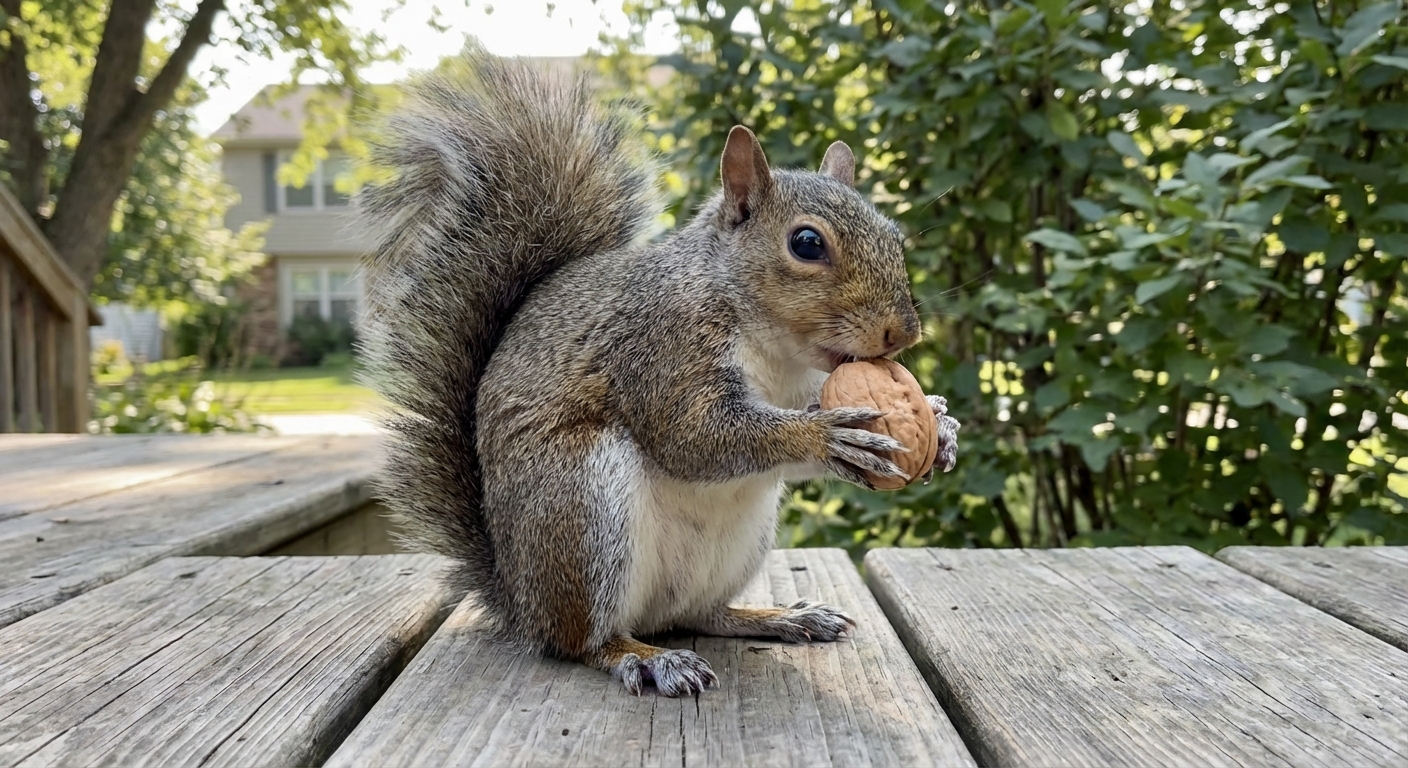
Should you feed squirrels every day?
It depends on your goals, your neighborhood, and local guidance. Squirrels do not need humans to survive in most areas, and daily feeding can sometimes increase habituation or crowding. If you do it, keep it small, predictable, and easy to stop at any time.
- Pros: Can supplement natural foraging during harsh weather, make wildlife watching easier, and concentrate activity in one spot you can monitor.
- Cons: Can attract other animals (rats, raccoons), increase crowding and conflict, and may lead to bolder behavior around people.
If you feed daily, aim for a tiny “snack station” instead of a buffet. Squirrels are excellent at storing food, and overfeeding can quickly turn into more pests, more fighting, and more mess.
Quick note: Some cities, parks, and wildlife agencies discourage or prohibit feeding wildlife. If you are unsure, check local regulations in addition to HOA rules.
What squirrels should eat daily
This guidance is geared toward common tree squirrels (like gray and fox squirrels). Wild squirrels do best with a diet that resembles what they naturally find: nuts, seeds, buds, and seasonal plant foods. The best daily foods are the ones that provide healthy fats, fiber, and minerals without loads of sugar or salt.
Best daily staples
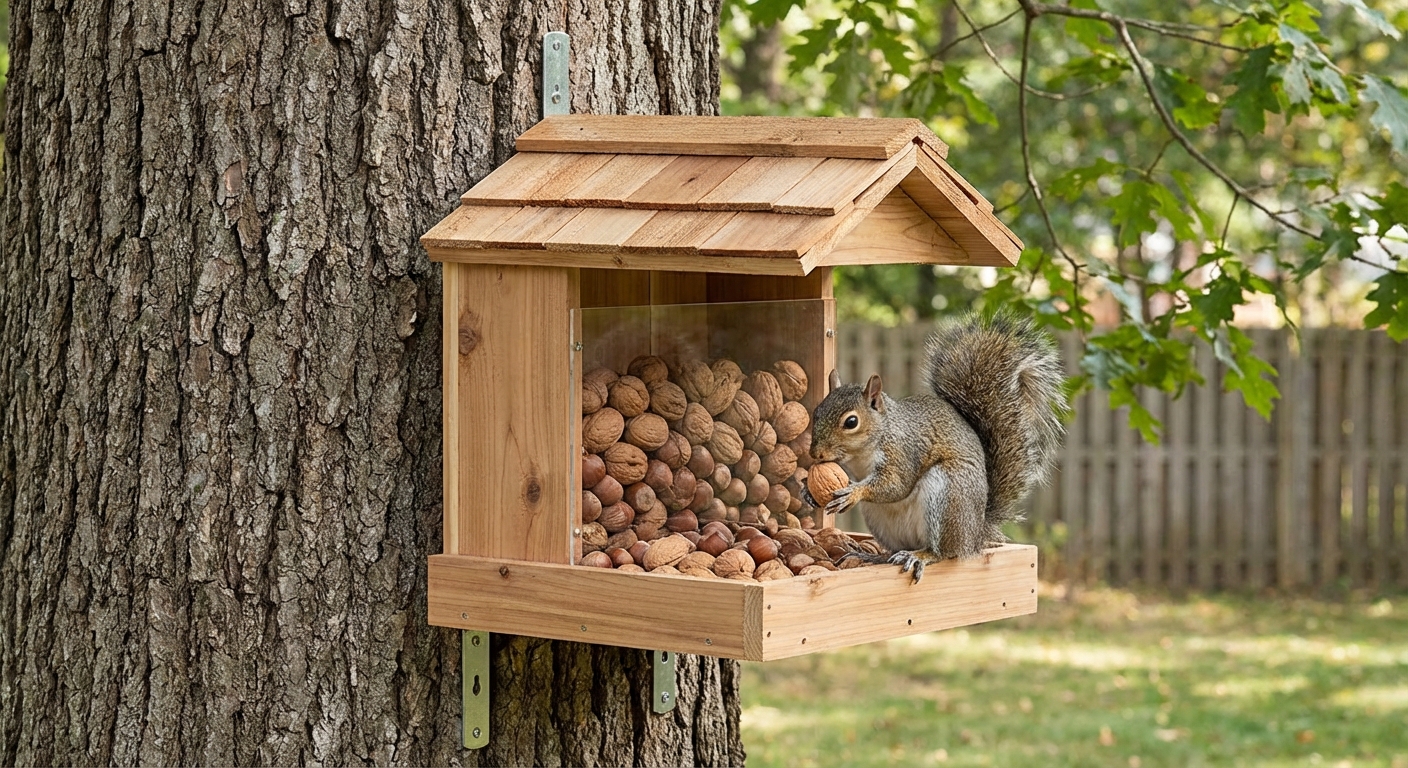
- Whole nuts in the shell: acorns (if available), walnuts, hazelnuts, pecans.
- Seeds in moderation: sunflower seeds and pumpkin seeds are fine as part of a mix, but do not make them the only item.
- Squirrel blocks: wildlife-specific squirrel blocks are formulated to help cover common nutritional gaps, including minerals like calcium.
Fresh foods to rotate
Think of these as “side dishes” a few times a week, not the main course. I like to rotate these in and watch what gets nibbled versus ignored.
- Vegetables: leafy greens, zucchini slices, carrots, broccoli stems.
- Fruit: small pieces of apple, berries, or melon. Keep fruit limited because it is sugar-heavy.
Portion sizes
One of the most common issues with backyard feeding is simply too much food. Portion needs vary by species, body size, time of year, and how many animals show up, so treat this as a starting point and adjust downward if food is left behind or crowding increases.
- For one to two squirrels: start with 1 to 2 nuts in the shell per day, or
- A small handful of mixed natural foods total (not a mound).
If you regularly see many squirrels, resist the temptation to scale up endlessly. Large feed piles can change behavior, increase fighting, and attract rodents.
Foods to avoid
Squirrels are curious and will eat things that are not good for them. Avoid anything salty, sugary, processed, or seasoned. These foods can contribute to digestive upset and poor overall nutrition.
Do not offer
- Salted or flavored nuts
- Bread, crackers, chips, cereal
- Candy or chocolate
- Cooked foods with seasonings (as a precaution, skip spice blends and powders like onion or garlic)
- Large amounts of corn (not “toxic,” but it is not a balanced staple and can crowd out better foods)
Also skip anything moldy or old. Mold toxins can be dangerous for wildlife.
Why calcium matters
Here is a tip many squirrel lovers never hear until something goes wrong: squirrels need adequate calcium for strong bones and healthy teeth. Diets that lean heavily on peanuts, sunflower seeds, and corn may be calcium-poor compared to what squirrels need, especially if those foods crowd out a more varied menu.
To support better balance, consider:
- Offering squirrel blocks regularly (they are formulated for this purpose)
- Rotating leafy greens and other vegetables a few times a week
- Using peanuts as an occasional treat, not the everyday default
If you want a simple daily plan: offer a squirrel block plus one whole nut in the shell, and rotate fresh veggies a few times a week.
Clean feeding habits
Daily feeding can be lower-risk if you keep the area clean, reduce crowding, and stay alert for signs of illness.
- Feed in one spot so you can easily monitor leftovers and activity.
- Use a feeder or tray to keep food off the ground and reduce rodent interest.
- Remove uneaten fresh foods within a few hours, especially in hot weather.
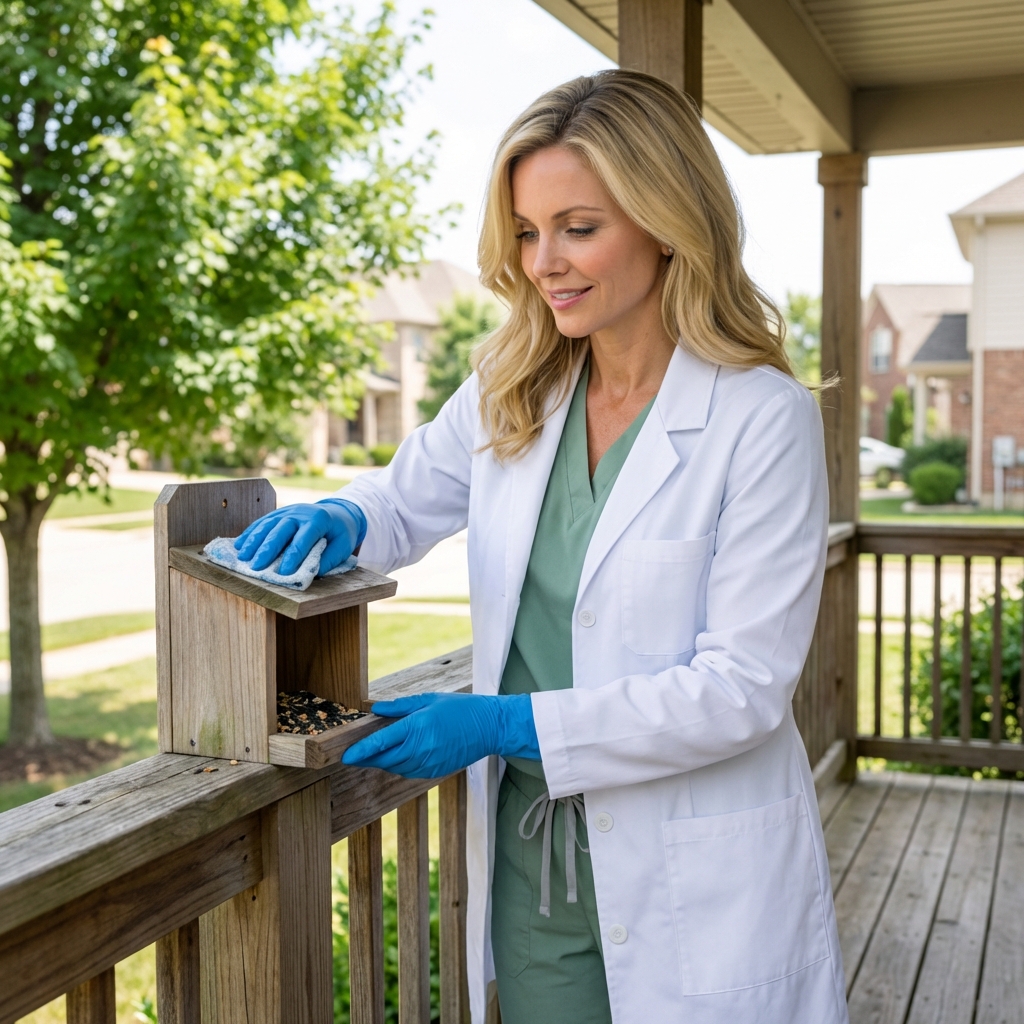
- Rinse feeders weekly with hot, soapy water and let them dry completely.
- Wash your hands after handling feeders or old shells.
Disease note: Shared feeding stations can increase disease and parasite transmission. If you notice a squirrel that looks ill (hair loss, scabs, crusty skin, lethargy, swelling, or unusual behavior), pause feeding and clean feeders. Also consider pausing during local wildlife disease advisories, especially if many squirrels are gathering at once.
Seasonal tips
Spring and summer
Natural foods are plentiful, so keep portions small. Offer water nearby, especially during heat. A shallow, sturdy bowl refreshed daily can help wildlife stay hydrated.
Fall
This is caching season. Nuts in the shell are perfect. You will see squirrels “planting” them around the yard, which is normal behavior.
Winter
In colder snaps, slightly higher-calorie foods like walnuts and pecans can be helpful, but still avoid overfeeding. Fresh water can be just as important as food.
Safety and boundaries
Responsible wildlife feeding includes respecting your community and keeping squirrels wild.
- Do not hand-feed. It increases bite risk and teaches squirrels to approach people.
- Keep pets supervised near feeding areas.
- Check local rules (city, park, wildlife agency, and HOA) before you set up a feeding routine.
- Do not feed near attics or rooflines. You do not want squirrels associating your home structure with food.
- Reduce crowding by keeping portions small and using multiple small stations only if needed to prevent fighting.
If squirrels begin chewing property or getting too bold, pause feeding for a couple of weeks and remove easy access points. A healthy boundary is kind to both squirrels and humans.
If you want a more ecosystem-friendly approach than daily feeding, add habitat support: native trees and shrubs, a water source, and leaving some natural leaf litter can help squirrels and other wildlife without concentrating animals at a feeder.