Ear mites can cause intense itching and “coffee-ground” debris. Learn safe, vet-backed home support, what not to put in ears, when to seek urgent care, a...
Article
•
Designer Mixes
Daily Ear Mites in Dogs: Home Care Help

Shari Shidate
Designer Mixes contributor
If your dog is shaking their head, scratching at their ears, or you are spotting dark, crumbly debris that can look a bit like coffee grounds, ear mites may be on your radar. I am Shari Shidate, a veterinary assistant here in Frisco, Texas, and I want to help you sort out what is safe to do at home, what is not, and when it is time to get your vet involved.
Ear mites are common, frustrating, and very contagious, but the good news is that they are also very treatable with the right plan. “Daily home remedy” searches usually come from a caring place: you want relief for your pup right now. Let’s walk through evidence-based options and supportive care you can do at home while still protecting your dog’s ears.
Quick note: This article is for education and does not replace an exam and diagnosis from your veterinarian.
What ear mites are
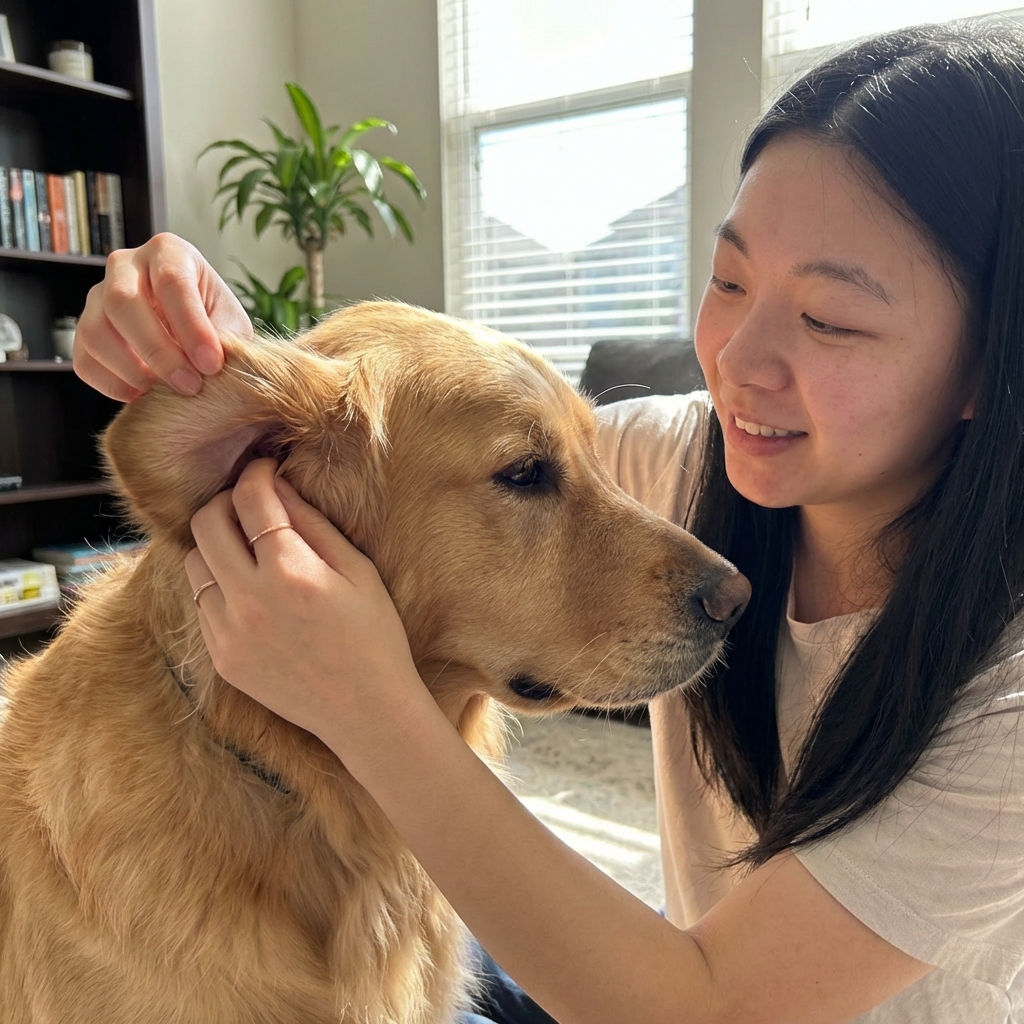
The most common ear mite in dogs is Otodectes cynotis, a tiny parasite that lives on the surface of the ear canal skin and feeds on skin debris and secretions. Prevalence can vary by region and setting, but mites are especially common in puppies, shelters, and multi-pet households.
Their presence triggers inflammation, intense itch, and increased waxy discharge. Dogs will often:
- Scratch or rub their ears and face
- Shake their head frequently
- Develop red, irritated ear canals
- Have dark, crumbly discharge
- Develop an odor, especially if there is a secondary infection
Important: ear mites can look similar to yeast or bacterial ear infections. The dark debris is a clue, but it is not proof, since other ear problems can look similar. Dogs can also have mites and an infection at the same time, which is why persistent symptoms deserve a veterinary exam.
Cats matter here: cats are a common source of ear mites, and mites can spread between cats and dogs through close contact. If you have both, plan on discussing the whole household with your vet.
Can you treat ear mites at home?
You can support comfort at home, and you may be able to reduce debris and irritation, but here is the key: most true ear mite infestations clear fastest and most reliably with veterinarian-guided parasite treatment.
Many vets use modern flea and tick preventives (often in the isoxazoline family) because they can be highly effective against ear mites. Label indications and dosing vary by product and country, and sometimes this is an extra-label use, so your veterinarian will choose the safest option for your dog.
Topical ear medications and “drops” can also work well when the product is appropriate, the ear is properly cleaned, and the medication is used exactly as directed. The bigger issue is that DIY or mismatched products often fail, and painful, inflamed ears can make home dosing difficult.
That said, home care can still be helpful in three ways:
- Gentle cleaning to remove debris and reduce inflammation triggers
- Comfort care to reduce scratching while treatment works
- Prevention to reduce re-exposure and treat all pets appropriately
Daily home care that is safe
1) Gentle ear cleaning
Cleaning does not kill mites on its own, but it can make treatment more effective and help your dog feel better.
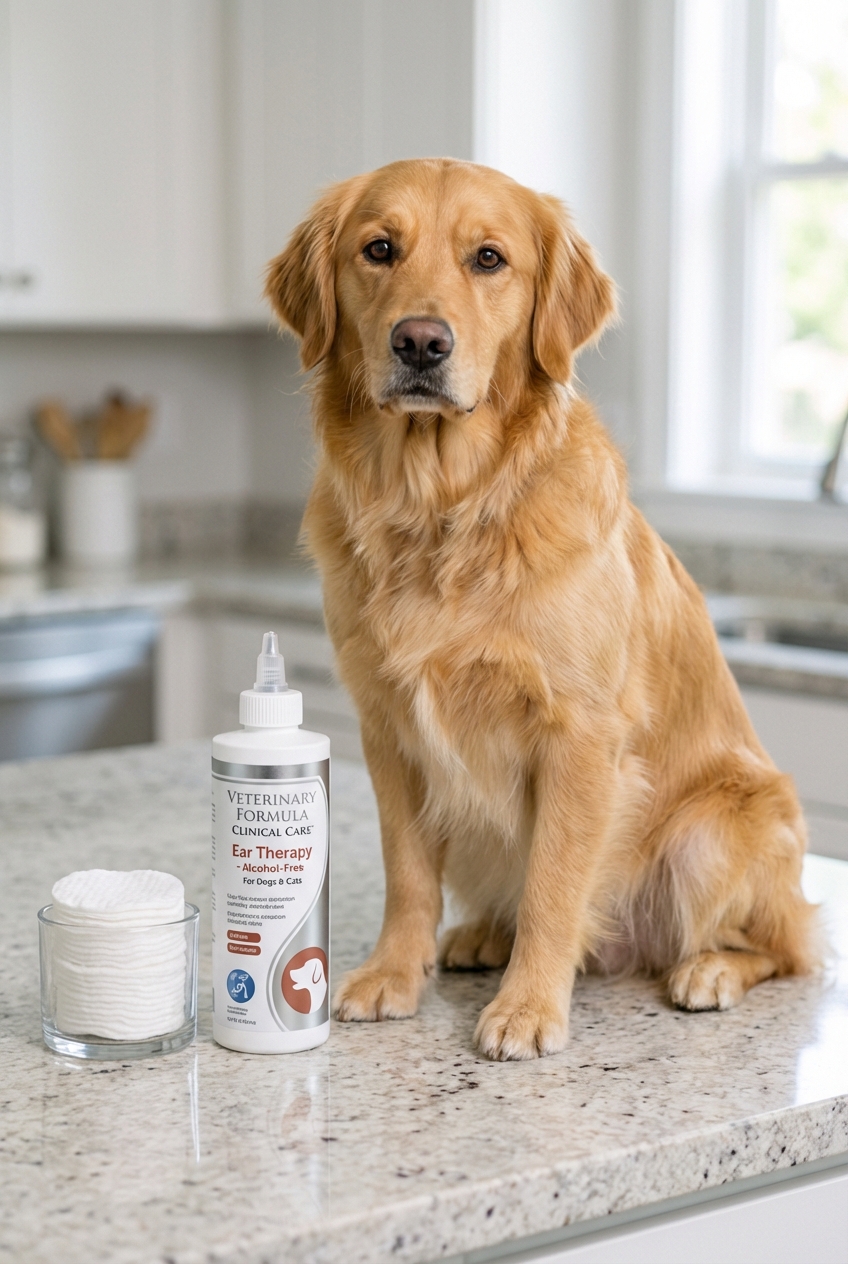
- Use a dog-specific ear cleaner (ideally one your veterinarian recommends).
- Warm the bottle in your hands so it is not cold.
- Fill the ear canal as directed, gently massage the base of the ear for 20 to 30 seconds, then let your dog shake.
- Wipe only what you can see with gauze or cotton rounds.
- Do not push cotton swabs down into the ear canal.
- Do not use human ear drops unless your veterinarian specifically tells you to.
How often? For many dogs, once daily for a few days is plenty during the messy phase, then every other day as debris decreases. Over-cleaning can inflame ears, so if the ear looks angry and wet, scale back and call your vet.
Safety first: do not put anything in the ear if your dog is in severe pain, you suspect a ruptured eardrum, or you notice neurologic signs like head tilt, loss of balance, or abnormal eye movements. Those need a prompt veterinary exam.
2) Prevent self-trauma
When ears itch, dogs can scratch hard enough to create painful sores or even a swollen ear flap (aural hematoma). While you work on treatment:
- Keep nails trimmed
- Use an e-collar if your dog cannot stop scratching
- Ask your vet about itch relief if your dog is miserable
DIY remedies to avoid
I see a lot of well-meaning DIY attempts. Some are harmless, some can make things worse, and a few can be dangerous.
Oils (olive oil, coconut oil, mineral oil)
Oils are often suggested to “smother” mites, but this is not a reliable, evidence-based way to eliminate an infestation. Oils may loosen debris, but they can also trap moisture and create a friendlier environment for yeast and bacteria, especially if your dog already has an inflamed ear canal.
If you choose to use an oil at all, use it only as a very short-term softener after you have checked with your veterinarian, and stop if odor, redness, or discharge increases.
Apple cider vinegar
Vinegar is sometimes used for yeast, but it can sting badly in inflamed ears and should never be used if there are tiny scratches, sores, or a possibly ruptured eardrum. It also does not reliably eliminate ear mites.
Hydrogen peroxide or alcohol
These can irritate delicate ear tissues, worsen inflammation, and delay healing. They are not appropriate for routine ear mite home care.
Essential oils (tea tree oil, eucalyptus, peppermint)
Please avoid these. Essential oils can be toxic to pets, and tea tree oil in particular has been associated with serious adverse effects when misused. “Natural” does not always mean safe, especially in an ear canal where irritation and absorption are real concerns.
Vet treatment that works
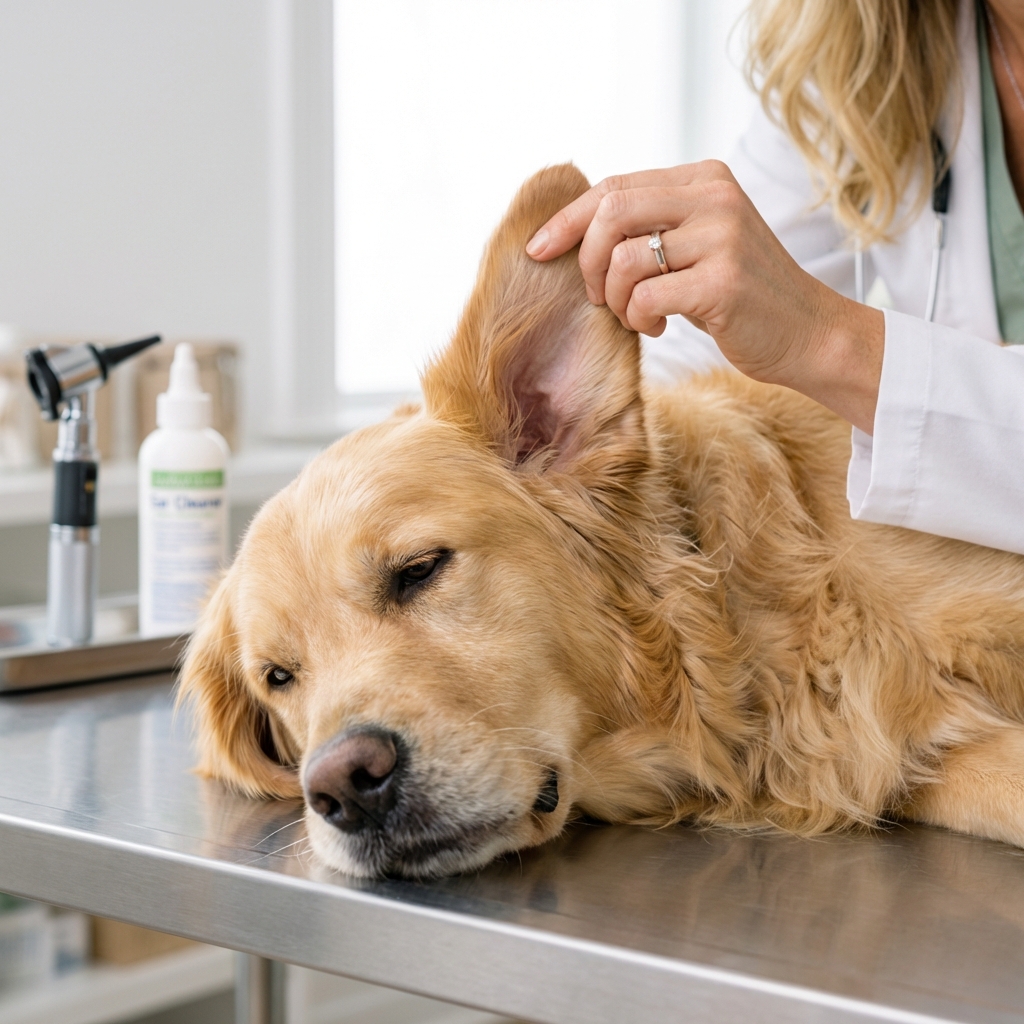
Your veterinarian will typically confirm what is going on with an ear exam (otoscopy) and may recommend cytology to check for yeast and bacteria. Sometimes mites are seen directly, and sometimes the diagnosis is based on the overall pattern plus exam findings.
Depending on what your vet sees, treatment may include:
- Prescription ear medication labeled for mites, sometimes combined with anti-inflammatory and antibiotic or antifungal components
- Systemic parasite control (oral or topical) that is effective against ear mites, selected and dosed by your veterinarian
- In-clinic ear cleaning if debris is heavy or the canal is too painful for home cleaning
Many dogs feel better quickly, but full clearance can take time. Treatment length depends on the product used and the mite life cycle, and it is often a few weeks. Follow-up may be recommended to make sure the ear canal is fully healed and any secondary infection is gone.
Preventing reinfestation
Ear mites spread between pets through close contact. If you treat only the itchy dog but ignore the other pets in the house, mites can keep cycling back.
Supportive daily habits while treating:
- Ask your vet if all dogs and cats in the home should be treated
- Wash bedding regularly in hot water
- Vacuum favorite nap spots
- Limit bed sharing until treatment is underway
These cleaning steps are supportive. The most important step is treating the pets themselves.

Call your vet now
Please do not wait it out if you see any of the following:
- Head tilt, loss of balance, or walking “drunk”
- Severe pain when the ear is touched
- Swelling of the ear flap (possible hematoma)
- Bleeding, open sores, or foul odor
- Pus-like discharge or thick yellow or green discharge
- Symptoms that are severe, worsening, or not clearly improving within a few days of appropriate cleaning and treatment
- Your dog is a puppy, senior, immunocompromised, or has chronic ear issues
These signs can mean a middle ear infection, a ruptured eardrum, a foreign body like a foxtail, or another condition that needs medical treatment.
Comfort and recovery
While your dog heals, aim to reduce inflammation triggers and support the skin barrier.
Nutrition and allergy awareness
Dogs with underlying allergies are more prone to recurring ear inflammation, and inflamed ears are more vulnerable to secondary infections. If your dog has recurring ear problems, talk with your vet about food allergies, environmental allergies, and whether a diet change makes sense.
Keep ears dry
Moisture is a common contributor to recurrent ear issues. After baths or swimming, dry the outer ear gently with a towel and ask your vet whether a drying ear rinse is appropriate for your dog.
A simple daily routine
Here is a safe, simple routine while you are scheduling or following veterinary treatment:
- Day 1 to 3: Clean once daily with a dog-safe ear cleaner if your dog tolerates it. Use an e-collar if scratching is intense.
- Day 4 to 14: Clean every other day if debris is improving. Continue medications exactly as prescribed.
- Ongoing: Treat all pets if your veterinarian recommends it, wash bedding regularly during the treatment period, and keep nails trimmed.
If your dog seems worse after cleaning, stop and call your vet. Painful ears need a gentler approach, not more scrubbing.
Bottom line
Ear mites are treatable, but they are not a situation where you want to experiment with harsh DIY ingredients. The best home “remedy” is supportive care plus effective parasite treatment that actually kills mites. Gentle cleaning, preventing scratching, and treating all pets in the home will get you to relief faster and help prevent the daily itch from becoming a chronic ear problem.
If you are unsure whether it is mites or infection, an ear exam and cytology at your vet clinic can save you weeks of discomfort and a lot of trial and error.