Scooting or fishy odor? Learn what anal glands do, common warning signs, when home care is safe, prevention for firmer stools, and cooperative care training ...
Article
•
Designer Mixes
Daily Dog Scooting: Treatment, Care, and Training Tips

Shari Shidate
Designer Mixes contributor
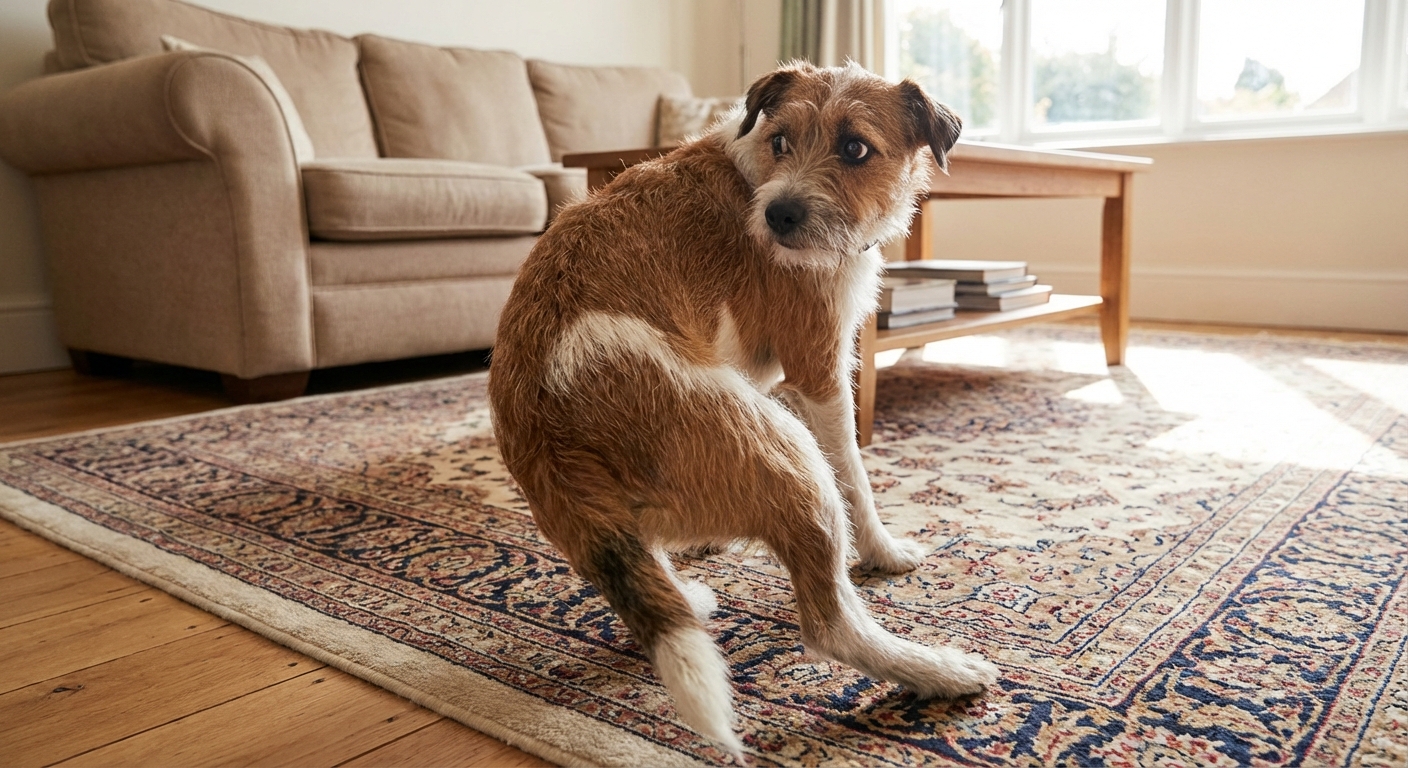
Dog scooting can be a little funny and also genuinely worrying. As a veterinary assistant here in Frisco, Texas, I can tell you scooting often has a real, fixable cause, but some dogs do deal with chronic triggers (like allergies or recurring anal gland trouble) that need ongoing management. The key is to identify the underlying issue, protect your dog’s skin, and build a simple post-potty routine and predictable potty schedule so the problem is less likely to keep coming back.
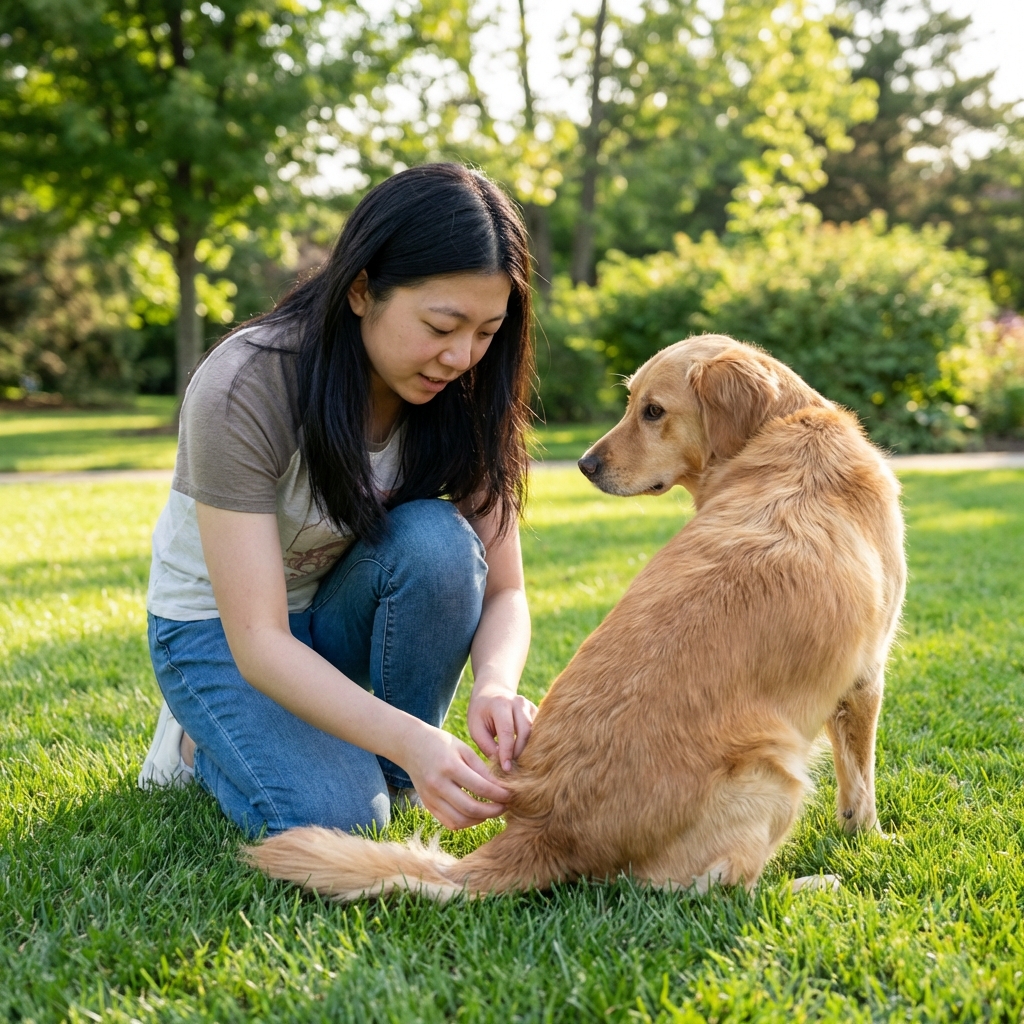
This guide walks you through safe daily care, when to call your veterinarian, and simple training tips that support healthier poops and fewer rear-end irritations.
Why dogs scoot
Scooting is usually your dog’s way of saying “something back here is uncomfortable.” Common causes include:
- Anal gland irritation or impaction: The small scent glands near the anus may not empty well, especially if stools are soft or your dog has repeat gland issues.
- Itchy skin or allergies: Environmental allergies, food sensitivities, and flea allergy dermatitis can all trigger rear-end licking and scooting.
- GI upset or parasites: Diarrhea, intestinal inflammation, or worms can make the area feel irritated.
- Matting or debris: Long hair, dried stool, or litter can pull at the skin and cause rubbing.
- Rectal issues: Less commonly, infections, perianal fistulas, polyps, or masses can cause ongoing discomfort.
Important: Scooting is a symptom, not a diagnosis. If it is frequent, sudden, recurrent, or paired with other signs, it is time for a vet check.
In clinic, we most often see a mix of soft stool plus anal gland irritation, or itch from allergies and fleas. The good news is that once you find the pattern, it usually gets much easier to manage.
When scooting needs a vet
Skip home care and call your veterinarian promptly if you notice:
- Blood or pus
- Swelling next to the anus, a draining hole, or a painful lump
- Crying, snapping, or refusing to sit
- Straining to poop, constipation, or very thin ribbon-like stool
- A sudden strong fishy odor with frequent scooting, pain, swelling, or discharge
- Diarrhea lasting more than 24 to 48 hours, or sooner in puppies, seniors, small dogs, or if there is blood
- Vomiting, lethargy, fever, or loss of appetite
- Visible worms, or a “rice grain” look in stool or around the rear (often tapeworm segments)
Anal gland abscesses and painful infections can worsen quickly, and they are not something you want to “wait out.”
Daily care you can do at home
Home care is best for mild cases and short-term comfort while you arrange an exam if needed, especially if scooting is new or keeps coming back.
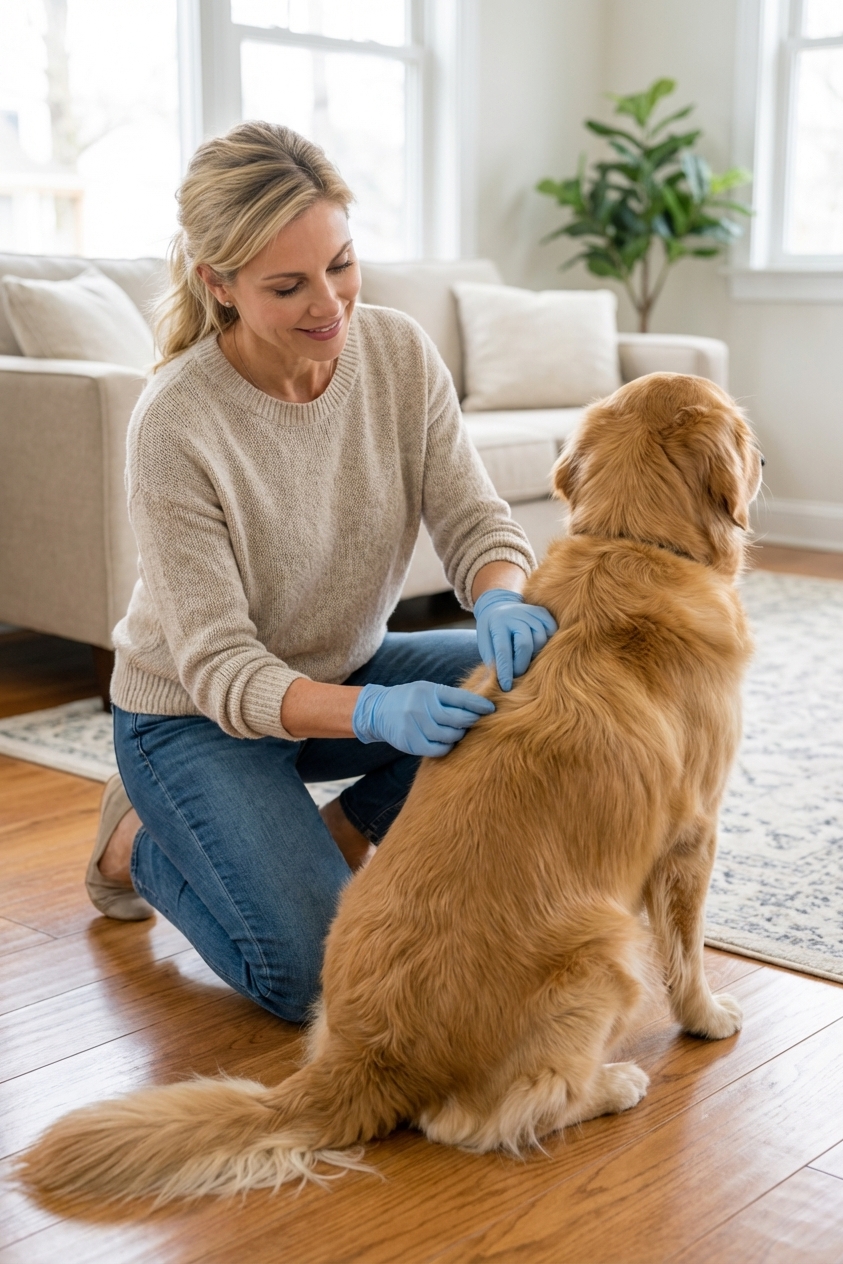
1) Check and clean, gently
Do a quick look after scooting episodes or once daily, whichever is more practical. Try not to overdo it because frequent wiping can irritate skin.
- Check for stuck stool, mats, redness, swelling, or open skin.
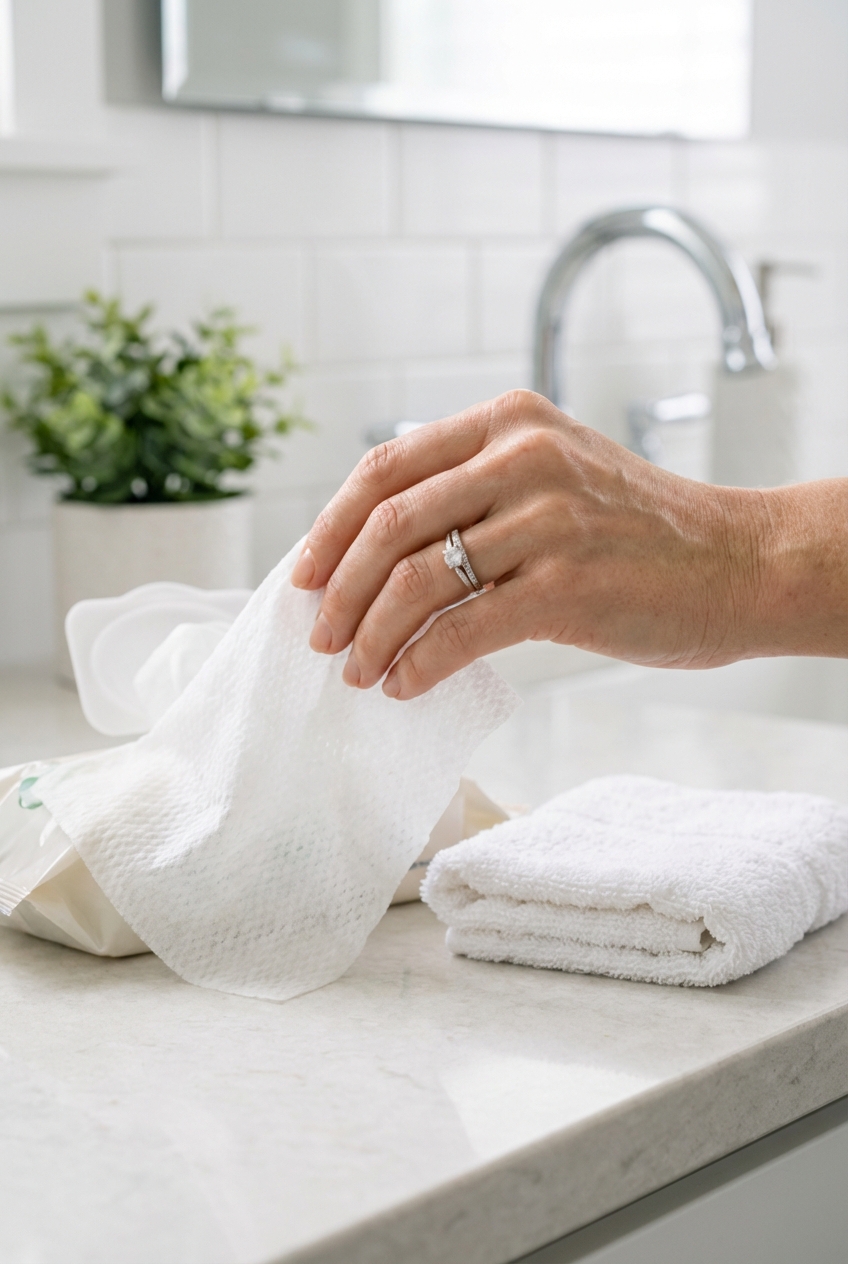
- Wipe the area with a pet-safe, fragrance-free wipe or a soft cloth dampened with warm water.
- Pat dry. Moisture can worsen irritation.
Avoid: hydrogen peroxide, alcohol, essential oils, and heavily scented baby wipes. These can sting and inflame delicate tissue.
Also avoid: over-bathing the rear or scrubbing. More cleaning is not always better here.
2) Protect irritated skin
If you see mild redness from rubbing, ask your vet about a thin layer of a pet-safe barrier product. The goal is to reduce friction while you address the cause.
Do not apply human hemorrhoid creams or strong medicated ointments unless your veterinarian specifically directs you to.
3) Keep hair trimmed
For fluffy designer mixes and long-haired pups, a sanitary trim can make a huge difference. If your dog mats easily, schedule regular grooming and ask for a hygienic trim around the rear.
4) Stop licking and chewing
Constant licking can quickly turn mild irritation into inflamed skin or a hot spot. If your dog will not leave the area alone, an e-collar or soft recovery collar can be a short-term lifesaver while you get a diagnosis and treatment plan.
5) Track the pattern
Write down a few simple notes for 3 to 5 days:
- How often scooting happens
- Stool consistency (firm, soft, diarrhea)
- Any new foods, treats, chews, or table scraps
- Itching in other spots (ears, paws, belly)
- Any fleas seen, or missed flea prevention doses
This helps your vet narrow causes like anal gland issues versus allergies, fleas, parasites, or GI upset.
Anal glands: do not DIY
I know it is tempting, especially when you read “anal glands” online. But expressing glands incorrectly can cause bruising and inflammation, and in some cases can contribute to chronic problems. Many dogs scoot for reasons that have nothing to do with anal glands, so you could put your dog through discomfort and still not solve the issue.
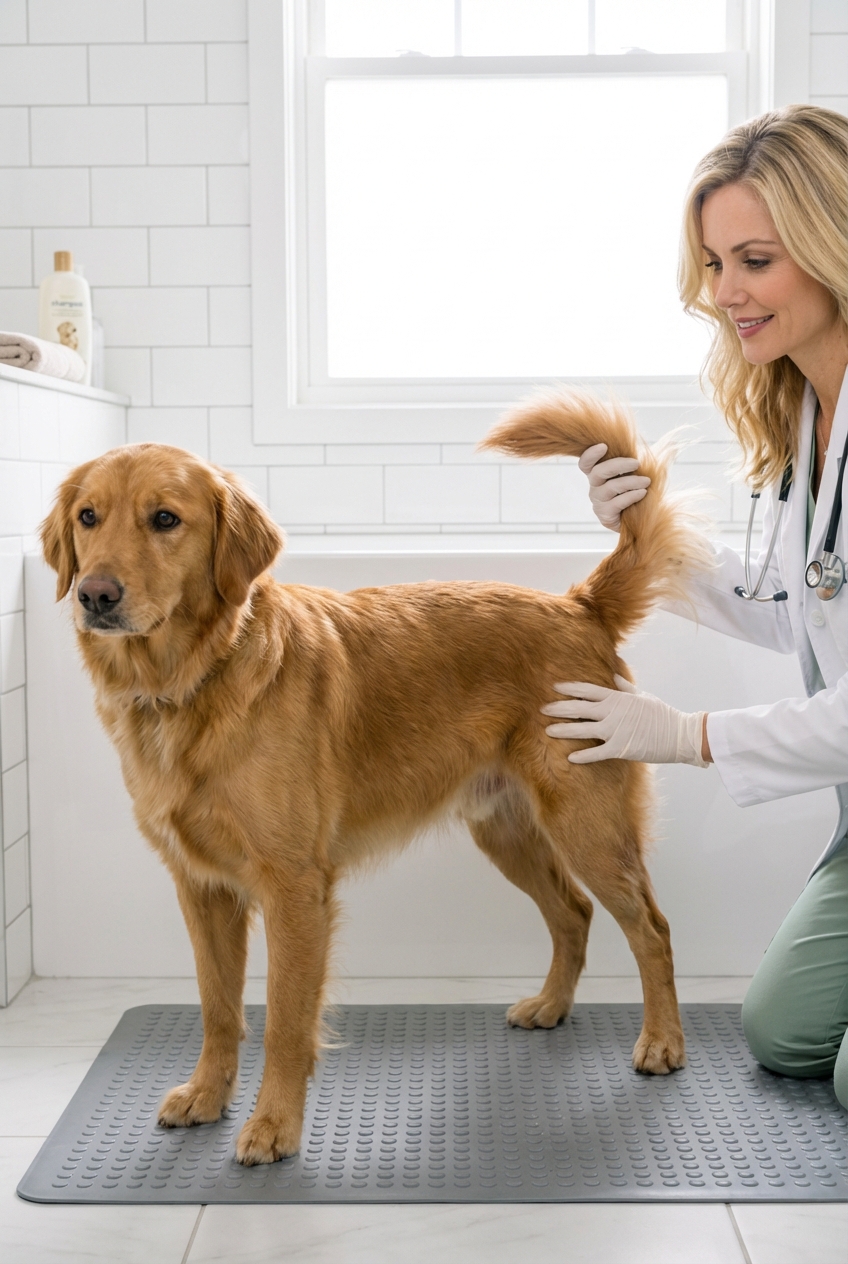
If anal glands are suspected, have your veterinarian or a trained professional check them first. They can also tell you whether the glands are impacted, infected, or normal, and whether your dog needs a prevention plan for recurring issues.
Food and stool matter
In many dogs, anal gland trouble begins with soft stool. In those dogs, the glands may empty more effectively when your dog passes a firm, well-formed poop, but it is not universal. Either way, stool quality is a big piece of the puzzle, and improving it often reduces scooting.
Support better stool
- Make changes slowly: Sudden diet shifts can cause diarrhea and more scooting.
- Consider fiber with guidance: Some dogs benefit from added fiber, but the right type and amount matter. Ask your vet what is appropriate for your dog’s size, health, and stool pattern.
- Hydration matters: Adequate water supports normal digestion.
- Limit rich treats: Fatty or highly processed treats can soften stool fast.
- Talk about weight and activity: In practice, we often see anal gland issues more in overweight or low-activity dogs. A healthy weight and regular walks can support more normal bowel movements.
If you feed homemade
Homemade diets can be wonderful when they are balanced, but unbalanced meals can trigger GI issues. If your dog is scooting and you feed homemade, consider a vet nutrition consult to confirm calcium, fiber, and overall balance. A small tweak can make a big difference.
Training tips that help
Training will not fix medical scooting, but it can reduce irritation, prevent carpet damage, and help you spot patterns earlier.
Post-potty check routine
For dogs with longer coats or sensitive skin, build a calm routine after bowel movements:
- Say a cue like “check” and offer a treat.
- Briefly look for debris or stuck stool.
- If needed, wipe once, reward, and move on.
Keep it quick and positive. You are teaching your dog that handling is safe and normal, which helps a lot if you ever need to medicate the area.
Reward calm sitting and standing
If your dog scoots, many owners react with big energy. Instead, calmly interrupt and redirect:
- Call your dog to you and ask for a sit or stand.
- Reward the position.
- Then do your gentle check or take a short leash walk to reset.
This reduces frantic rubbing on carpet and helps you manage the behavior while you address the cause.
Keep a steady potty schedule
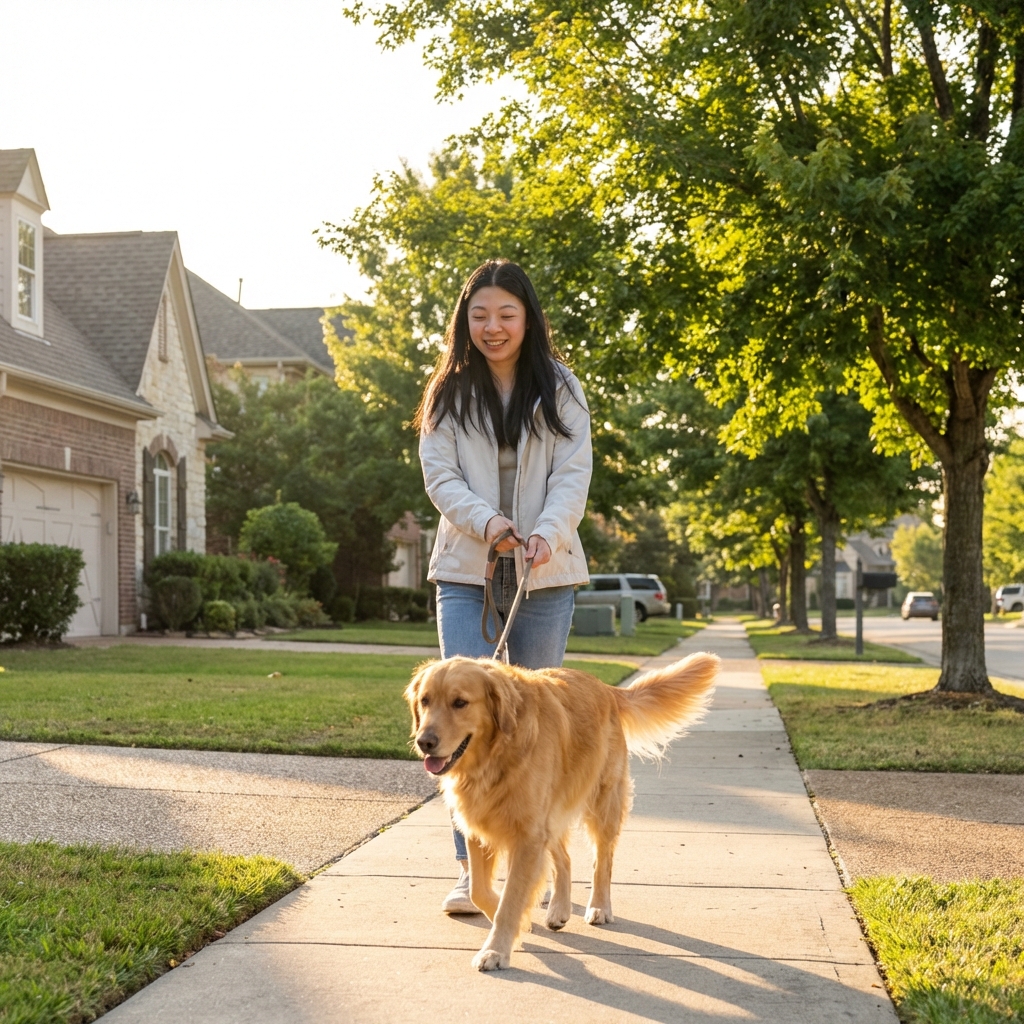
Regular potty breaks and moderate exercise support predictable bowel movements and can improve stool quality for some dogs. A consistent schedule also makes it easier to notice changes early.
What your vet may do
Depending on the cause, your veterinarian may recommend one or more of the following:
- Anal gland expression and, if infected, medication
- Fecal testing and targeted deworming if needed
- Allergy and itch control including flea prevention, diet trial, or a long-term plan
- Treatment for diarrhea or colitis if stool issues are driving irritation
- Topical therapy for inflamed skin around the anus
Flea and tapeworm note: Those “rice grain” pieces are often tapeworm segments, and fleas are a common source. If tapeworm is suspected, your vet will typically treat the worm and make sure flea prevention is solid so it does not come right back.
The best long-term results come from matching treatment to the real cause. If your dog has repeat anal gland issues, ask your vet about prevention strategies rather than repeating the same quick fix.
Simple daily checklist
- Check the area once daily (or after scooting) for redness, swelling, debris, or mats
- Gently clean and dry as needed, but avoid over-wiping
- Prevent licking if skin is irritated
- Watch stool quality and note changes
- Stay consistent with flea prevention
- Call your vet if scooting continues more than a couple days, keeps returning, or worsens
Scooting is your dog’s signal. If you treat the cause, protect the skin, and support healthy digestion, most dogs improve quickly. For recurring cases, a long-term plan with your vet can make a big difference.