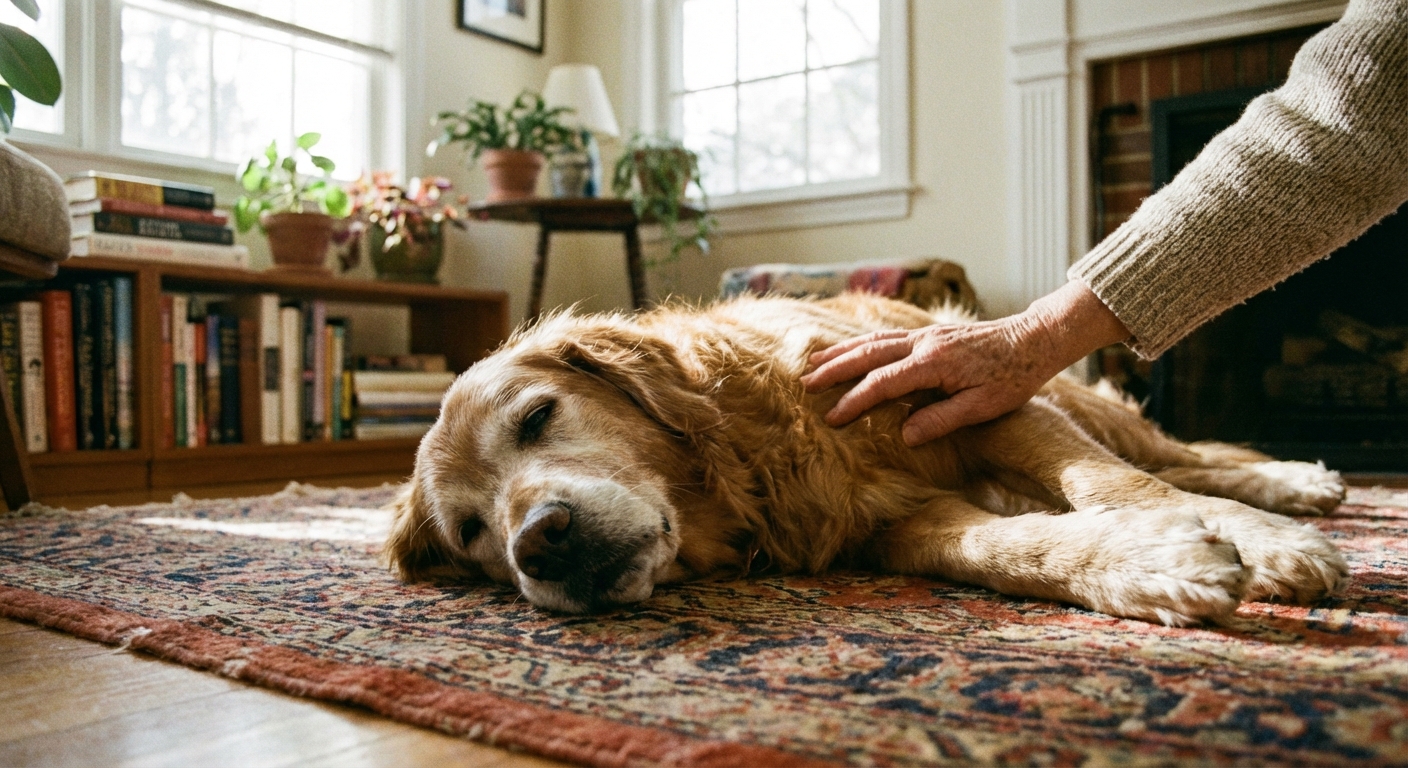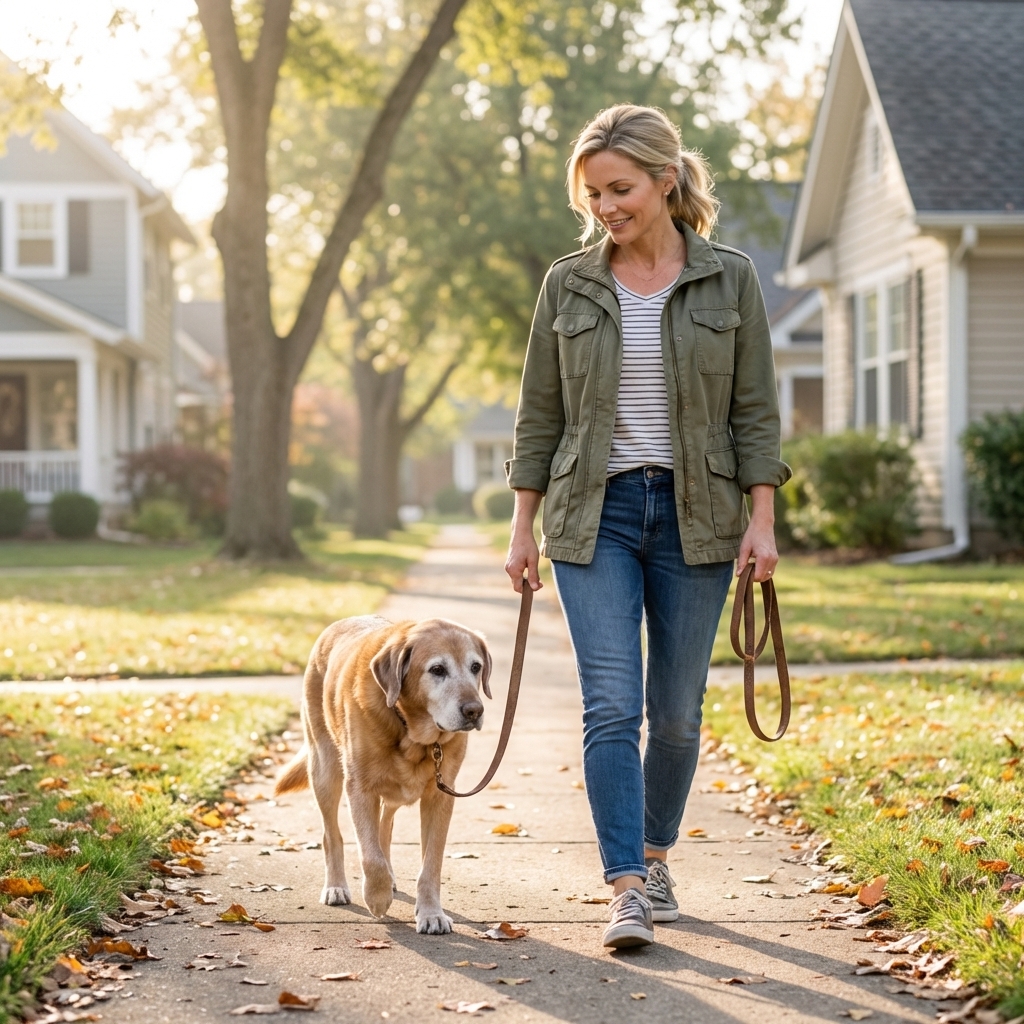
A practical, vet-informed guide to dog arthritis care: recognize signs, confirm diagnosis, improve traction and comfort at home, use joint supplements, and k...
Article
•
Designer Mixes
Daily Dog Pain Signs

Shari Shidate
Designer Mixes contributor
As a veterinary assistant here in Frisco, Texas, I have learned something important from hundreds of everyday appointments: many dogs are incredibly good at hiding pain. Plenty will still wag their tail, eat dinner, and follow you around, even when they are uncomfortable. That is why a simple daily check-in can make such a difference.
This guide is specifically for dogs. It will help you spot common, easy-to-miss signs of pain, understand what they might mean, and know when it is time to call your veterinarian.
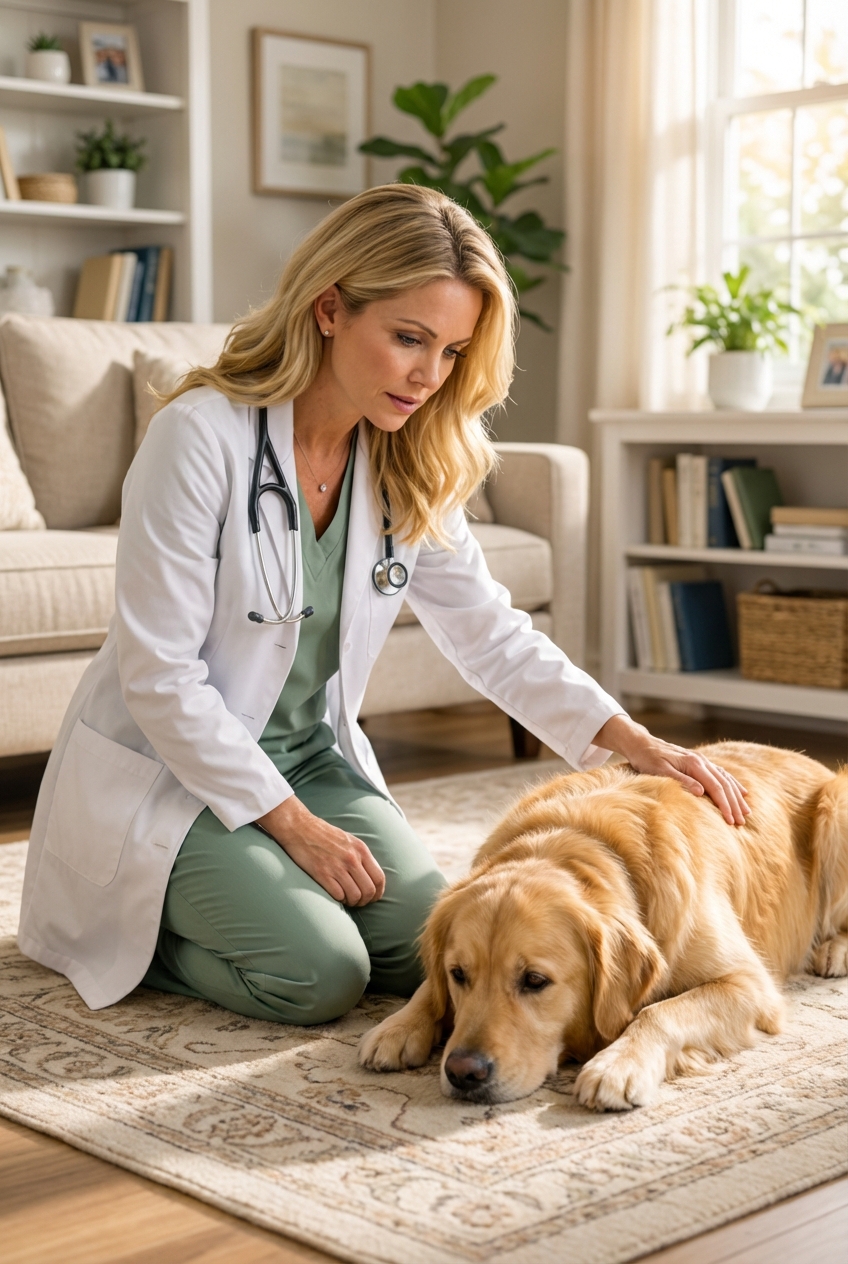
Why daily checks matter
Pain is not just about comfort. Untreated pain can affect appetite, sleep, mobility, and behavior, and it may also affect recovery and overall health over time.
Many pain issues start small, like a slightly shorter walk or a new hesitation at the stairs. Catching those early often means easier treatment, lower costs, and a better quality of life. In the clinic, we often hear, “It started as a tiny change,” and those details really help us help your dog.
Daily signs of pain to watch for
Think of pain signs in five areas: movement, behavior, body language, appetite and digestion, and touch sensitivity. You do not need to see all of these. Even one persistent change is worth taking seriously.
1) Movement and posture
- Limping or favoring one leg, even if it comes and goes
- Stiffness after sleeping, especially in the morning
- Slower pace on walks, lagging behind, or stopping more often
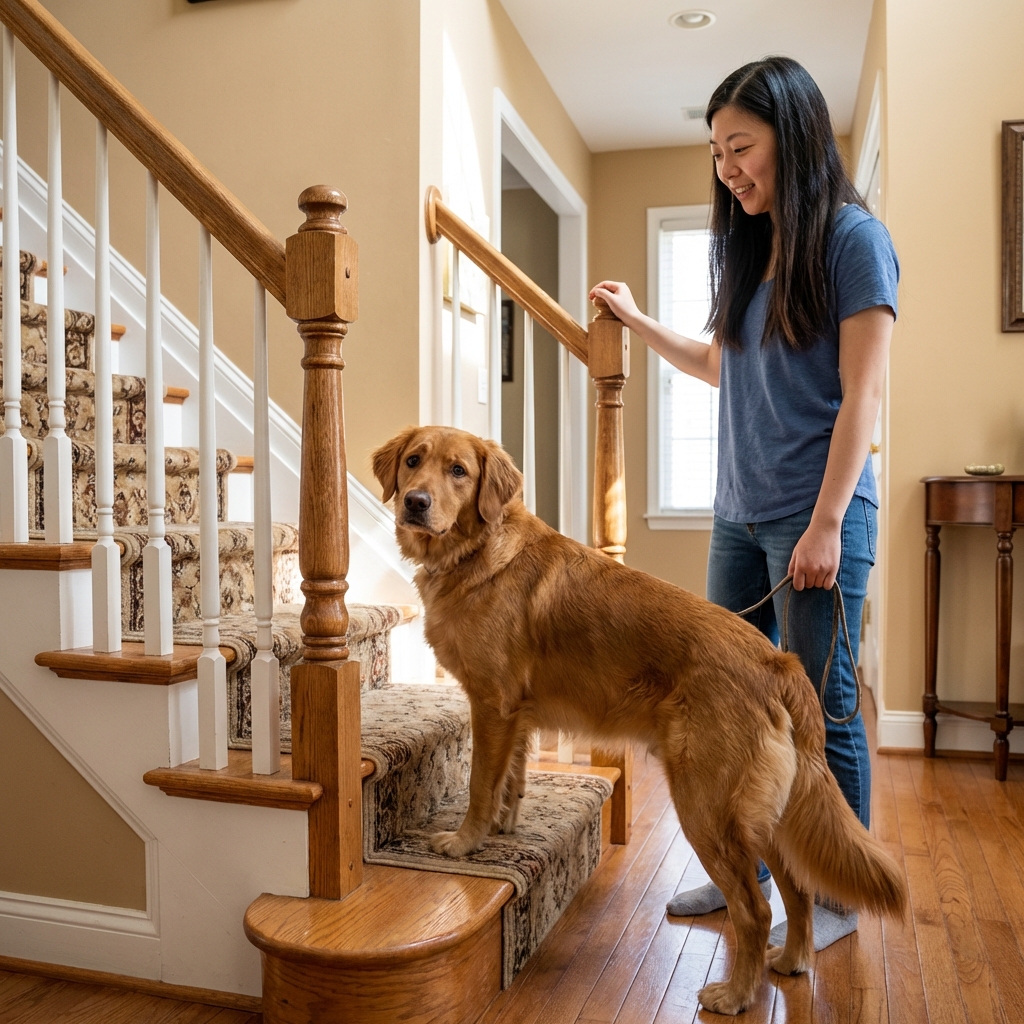
- Reluctance to jump into the car, onto the couch, or go up and down stairs
- Difficulty rising from sitting or lying down
- Shifting weight from side to side when standing
- Hunched back, tucked abdomen, or unusual posture (can be a sign of spinal or abdominal discomfort)
2) Behavior and mood
- Irritability, less patience, or snapping when normally tolerant
- Withdrawal, hiding, or choosing to be alone
- Clinginess or restlessness, pacing, inability to settle
- Less interest in play, toys, or greeting people
- Changes in sleep, especially waking often or not wanting to change positions
3) Body language and face
- Frequent panting when it is not hot and they are not exercising (some flat-faced dogs pant more at baseline, so look for a change from normal)
- Trembling or shaking
- Licking lips, yawning, or a “worried” facial expression
- Pinned back ears or wide eyes
- Tail held low or tucked
- Guarding a body part by turning away or blocking access
4) Eating, drinking, and digestion
- Reduced appetite or eating more slowly than normal
- Dropping food or chewing only on one side (can be dental pain)
- Sudden picky eating, especially with hard kibble
- Vomiting or diarrhea, especially if repeated, accompanied by lethargy, or seen in puppies and seniors
- Straining to poop, crying during bowel movements, or not producing stool (can be constipation or something more serious)
- Drinking less because getting up hurts, or drinking more due to underlying illness
5) Touch and grooming
- Flinching when you pet them in a normal spot
- Growling or pulling away when touched
- Sudden dislike of brushing, nail trims, or being picked up
- Licking or chewing one area repeatedly (a classic sign of discomfort)
Common sources of pain
Pain signs can overlap, so this is not meant to diagnose your dog at home. It is meant to help you notice patterns you can share with your veterinarian.
Joint and mobility pain
- Stiffness, limping, trouble with stairs and jumping
- Muscle loss in a back leg or shoulder over time
- Shorter strides or “bunny hopping” in the back legs
Dental pain
- Bad breath, drooling, pawing at the mouth
- Dropping kibble, chewing on one side, refusing hard treats
- Swelling along the jaw or under the eye (can be urgent)
Ear pain
- Head shaking, scratching, ear held down or sensitive
- Odor, redness, discharge
- Reluctance to have the head touched
Abdominal pain
- Hunched posture, or a “prayer position” (front end down, rear end up) that can be seen with abdominal discomfort and sometimes other pain
- Vomiting, diarrhea, refusal to eat
- Restlessness, unable to get comfortable
Skin pain
- Intense licking, chewing, rubbing on furniture
- Red, moist patches, scabs, hair loss
- Sudden sensitivity to touch in one area
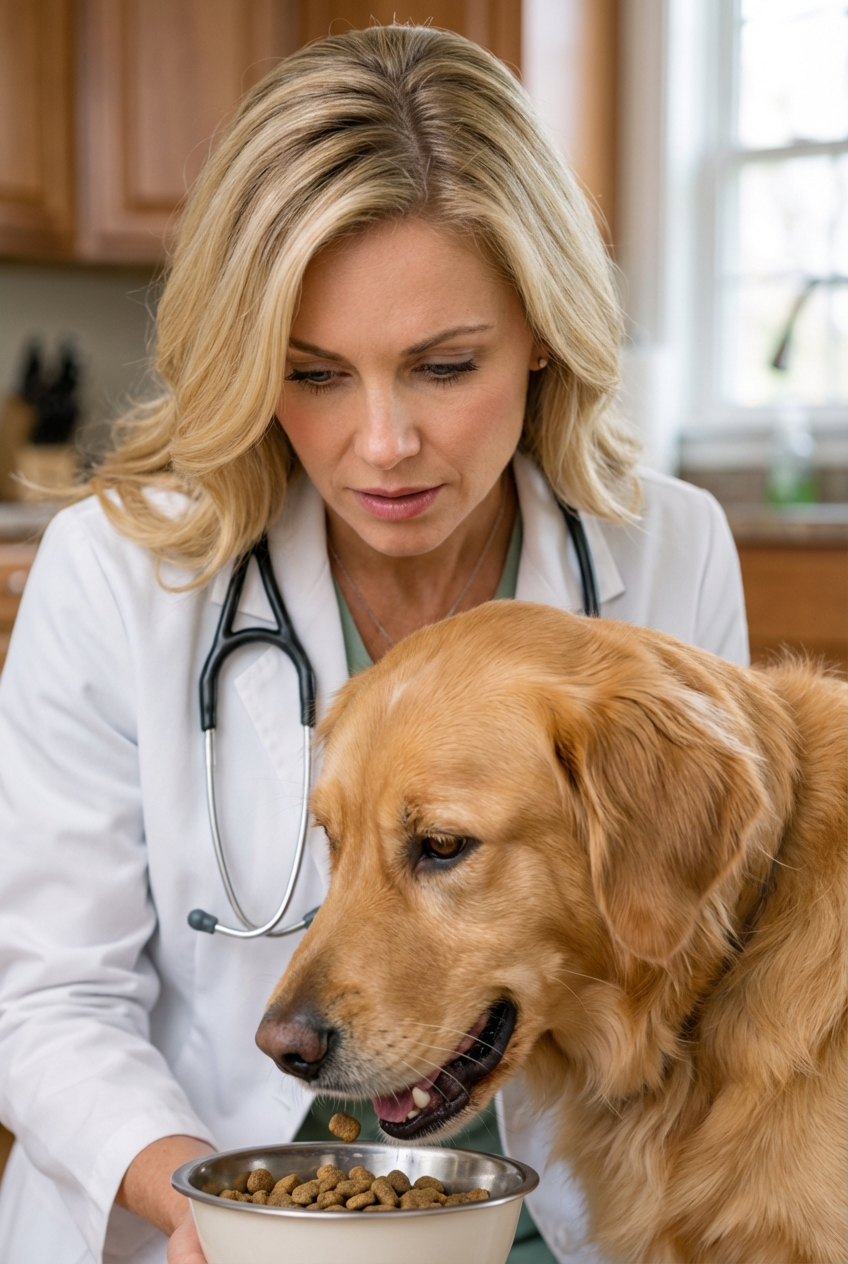
Red flags
Go to ER now
If you see any of the following, do not wait. Go to an emergency hospital now.
- Difficulty breathing, collapse, or blue, gray, or very pale gums
- Collapse, inability to stand, or sudden severe weakness
- Bloat signs: hard swollen abdomen, repeated unproductive retching, severe restlessness
- Unable to urinate or straining to urinate with little or no output (especially in male dogs)
- Back pain with wobbly walking, dragging toes, sudden weakness in the back legs, or loss of bladder control
- Eye injury, squinting, or a suddenly cloudy or bulging eye
- Heatstroke signs (heavy panting, drooling, weakness, collapse), especially in warm Texas months
Call today
If these signs are new or worsening, contact your veterinarian the same day. If your regular clinic is closed, consider urgent care.
- Repeated vomiting or diarrhea, vomiting with blood, black stools, or vomiting paired with lethargy or a painful belly
- Refusing food for 24 hours (sooner for puppies, seniors, or dogs with health conditions)
- Crying out in pain, a suddenly painful swollen limb, or sudden aggression when touched
- Straining to poop with discomfort, especially if it is persistent or there is blood
2-minute home check
You do not need special equipment. The goal is consistency and noticing changes.
Step 1: Watch them move
- Walk across the room or down the driveway (about 10 to 20 steps). Look for limping, stiffness, or hesitation.
- Ask for a sit and a stand. Notice if it looks slower, stiffer, or uneven.
Step 2: Quick body scan
- Gently pet from head to tail. Pause if they flinch, tense, or look back at you.
- Look at ears and eyes for redness, discharge, or squinting.
- Check paws for cuts, broken nails, swelling, or foxtails between toes.
Step 3: Appetite and bathroom
- Did they eat normally and seem interested in food?
- Any vomiting or diarrhea, and was it repeated?
- Is poop normal for them, and is urination normal and comfortable?
Step 4: Rate it and note it
If it helps, use a simple 0 to 10 scale for mobility or comfort, and write one sentence like: “Hesitated on stairs, ate fine.” Your clinic may also use a formal pain scale during exams, and your notes can support that assessment.
What to do if you suspect pain
Helpful next steps
- Reduce high-impact activity for 24 to 48 hours, especially if limping appeared suddenly.
- Use traction on slippery floors with rugs or yoga mats to prevent slips.
- Take a short video of the limp, the stairs hesitation, or the behavior change to show your vet.
- Schedule an exam if signs last more than a day or two, or sooner if they worsen. For vomiting, diarrhea, refusal to eat, or straining, call sooner if it is repeated, severe, or paired with low energy.
Handling safety
Pain can make even the sweetest dog try to bite. If your dog is growling, stiffening, or guarding a body part, do not force an at-home exam. Give them space and call your clinic for next steps. If your dog is muzzle-trained, a basket muzzle can be a helpful safety tool for transport and exams.
Important safety note
Do not give human pain medications unless your veterinarian specifically instructs you to. Drugs like ibuprofen and naproxen are especially dangerous for dogs, and acetaminophen can also be toxic at relatively low doses.
Comfort habits long-term
- Keep a lean body weight. Extra pounds add real stress to joints.
- Feed a high-quality diet with appropriate protein and anti-inflammatory fats, and ask your vet about omega-3s if your dog has joint issues.
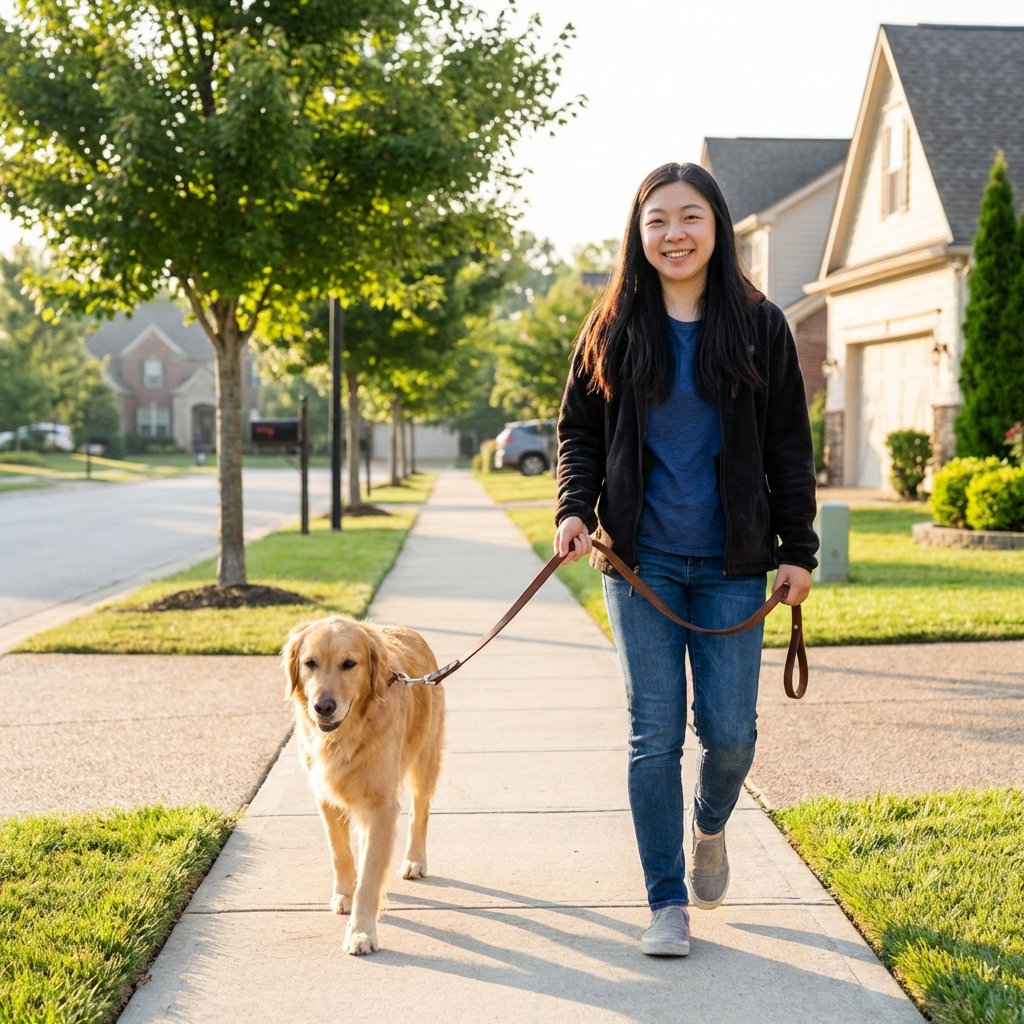
- Build gentle strength with regular, controlled walks rather than weekend-only bursts of activity.
- Prioritize dental care with vet-approved brushing and professional cleanings when needed.
- Plan ahead for seniors and post-surgery dogs. Older dogs and dogs recovering from procedures often benefit from ramps, non-slip surfaces, and shorter, more frequent potty breaks.
When in doubt
If your dog is acting “not quite like themselves,” that is meaningful. You know your dog’s normal better than anyone. Small daily observations often lead to the biggest health wins, especially with pain. In our exam rooms, the owners who notice the little changes are often the ones who help us catch problems earlier.
Tip from the clinic: If you are unsure, record a 10-second video of the behavior and send it to your veterinary team. Seeing the sign at home can speed up the right diagnosis and treatment.