Learn safe, fast at-home steps to help a constipated dog poop: hydration, pumpkin puree, gentle walks, wet food, and when straining means an ER visit.
Article
•
Designer Mixes
Daily Dog Constipation Home Treatment

Shari Shidate
Designer Mixes contributor
When your dog is straining, producing tiny dry stools, or going longer than usual without pooping, it is easy to worry. As a veterinary assistant here in Frisco, Texas, I can tell you this is one of the most common calls pet parents make. The good news is that many mild cases improve with simple, safe at-home care. The key is knowing what is normal, what is not, and when to stop home care and call your veterinarian.
Quick note: This article is general education, not a diagnosis for your individual dog. If you are unsure, it is always okay to call your vet for guidance.
What constipation looks like in dogs
Constipation is most often a stool consistency and motility issue, not a single “missed poop.” Many dogs have an off day. We worry more when the pattern and effort change. Also, normal poop frequency varies. Some healthy dogs go once a day, some go two or three times, and some go every other day. What matters most is whether your dog is uncomfortable, straining, or producing hard, dry stool.
Common signs
- Straining to poop with little or no stool produced
- Small, hard, dry stools
- Longer time between bowel movements than is normal for your dog
- Whining, posture changes, or repeatedly squatting
- Decreased appetite, licking lips, or mild nausea
- Occasional vomiting, especially if the problem is more severe
Constipation vs. “looks like constipation”
Two other problems can mimic constipation:
- Diarrhea with straining: Dogs can strain from colitis and pass only mucus or small soft amounts.
- Urinary trouble: Straining to pee can look like straining to poop. If your dog is trying to urinate and little to nothing comes out, treat it as an emergency.
Why dogs get constipated
Most constipation has a simple trigger, and fixing the trigger often fixes the stool.
- Not enough water or dehydration
- Low fiber in some dogs
- Diet changes: sudden changes more often cause diarrhea, but they can also disrupt GI motility and stool consistency in sensitive dogs
- Too much bone (bone-based treats, raw meaty bones, bone meal)
- Hair, grass, or foreign material swallowed
- Lack of exercise or disrupted routine
- Pain (arthritis, back pain) making it uncomfortable to posture
- Medications (some pain meds, antihistamines, supplements) and certain health issues
- Anal gland discomfort or rectal irritation
- Prostate enlargement in intact male dogs (can press on the colon and make stool hard to pass)
- Less common but important causes: pelvic masses, neurologic problems, or chronic motility issues like megacolon
Daily home care you can try (mild cases)
These steps are meant for dogs who are bright, alert, eating at least somewhat, and not vomiting repeatedly. If your dog seems unwell, in pain, or is repeatedly straining without producing stool, do not try home care. Call your vet.
1) Hydration first
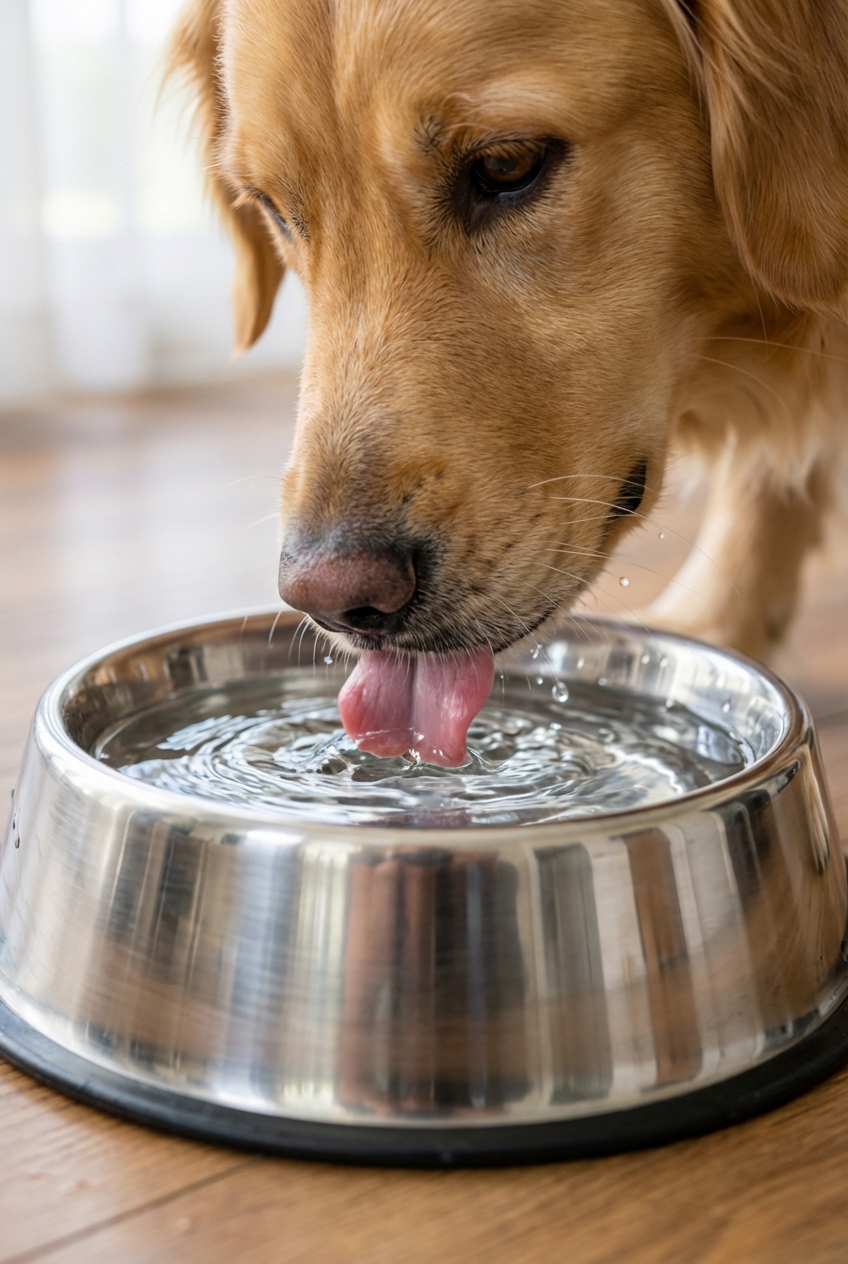
Hard stool is often a hydration problem. The stool gets dry, then it gets harder to pass, and the cycle continues.
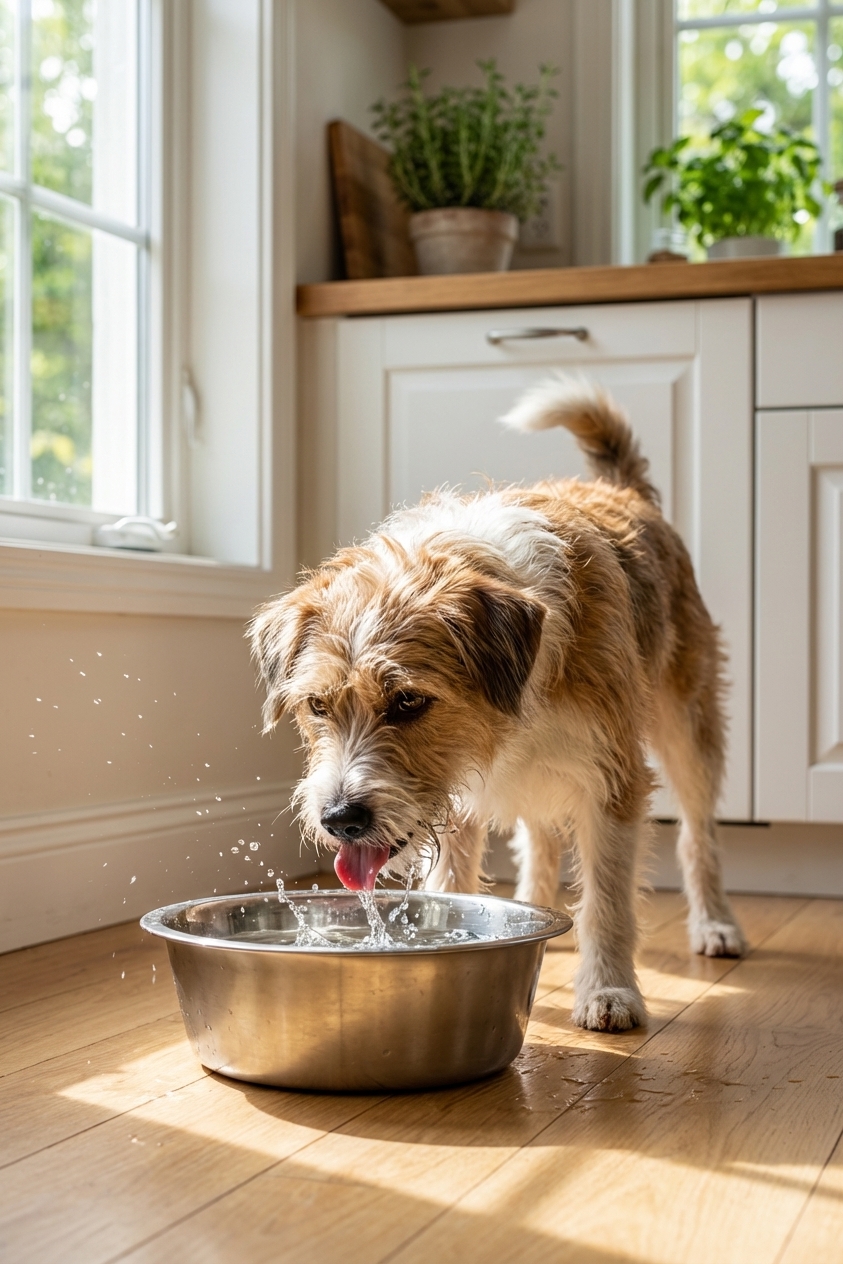
- Refresh water bowls and add an extra bowl in a second location.
- Offer wet food or add warm water to meals to make a “stew.”
- Use low-sodium broth (no onion or garlic powders) to encourage drinking.
- Try a pet water fountain if your dog prefers running water.
2) Add gentle fiber
For many dogs, fiber helps stool hold water and move more normally. Introduce it slowly, and start low. Doses are not perfectly standardized for every dog, so if your pet is very small, has other medical issues, or you are unsure, confirm a plan with your veterinarian.
- Plain canned pumpkin (not pie filling): start with a small amount once daily, then adjust as needed. Typical starting points are small dogs 1 teaspoon; medium dogs 1 to 2 tablespoons; large dogs 2 tablespoons. Some dogs may tolerate more, but more is not always better.
- Cooked sweet potato: a spoonful to a few tablespoons depending on size.
- Psyllium husk: ask your veterinarian for a dose for your dog’s weight, and always mix it into moist food with extra water.
If your dog is already gassy or has a sensitive stomach, go slower. Too much fiber too fast can cause bloating or loose stools.
3) Support motility with movement
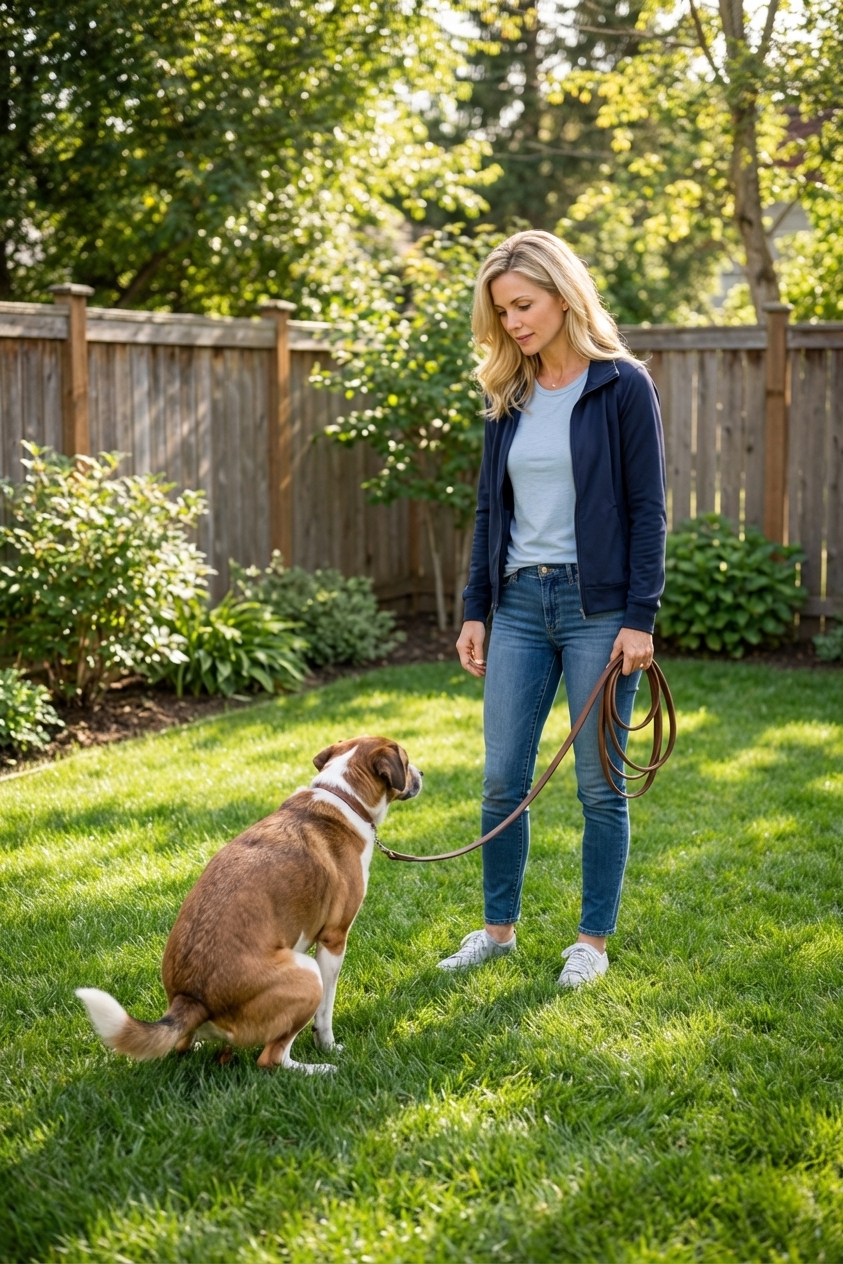
A calm walk can stimulate the bowels. Short, frequent walks often work better than one long outing.
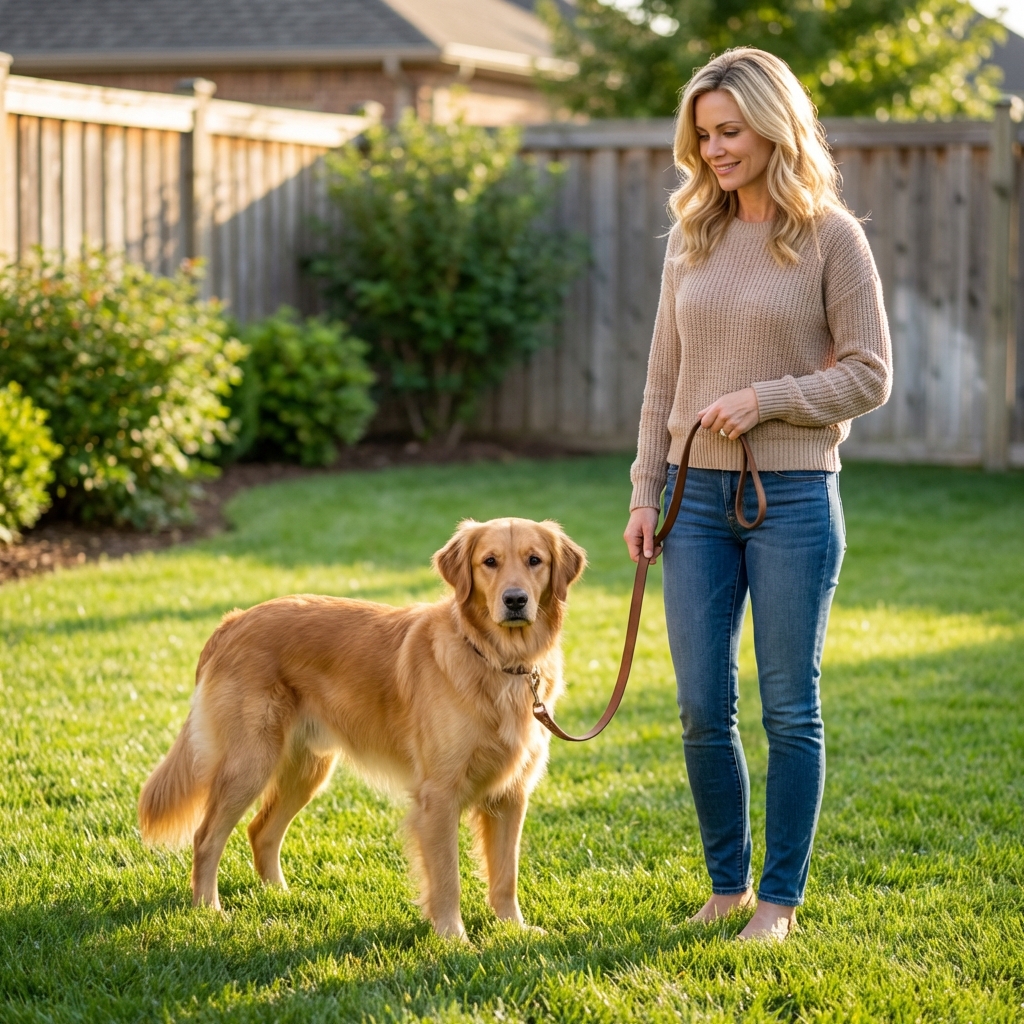
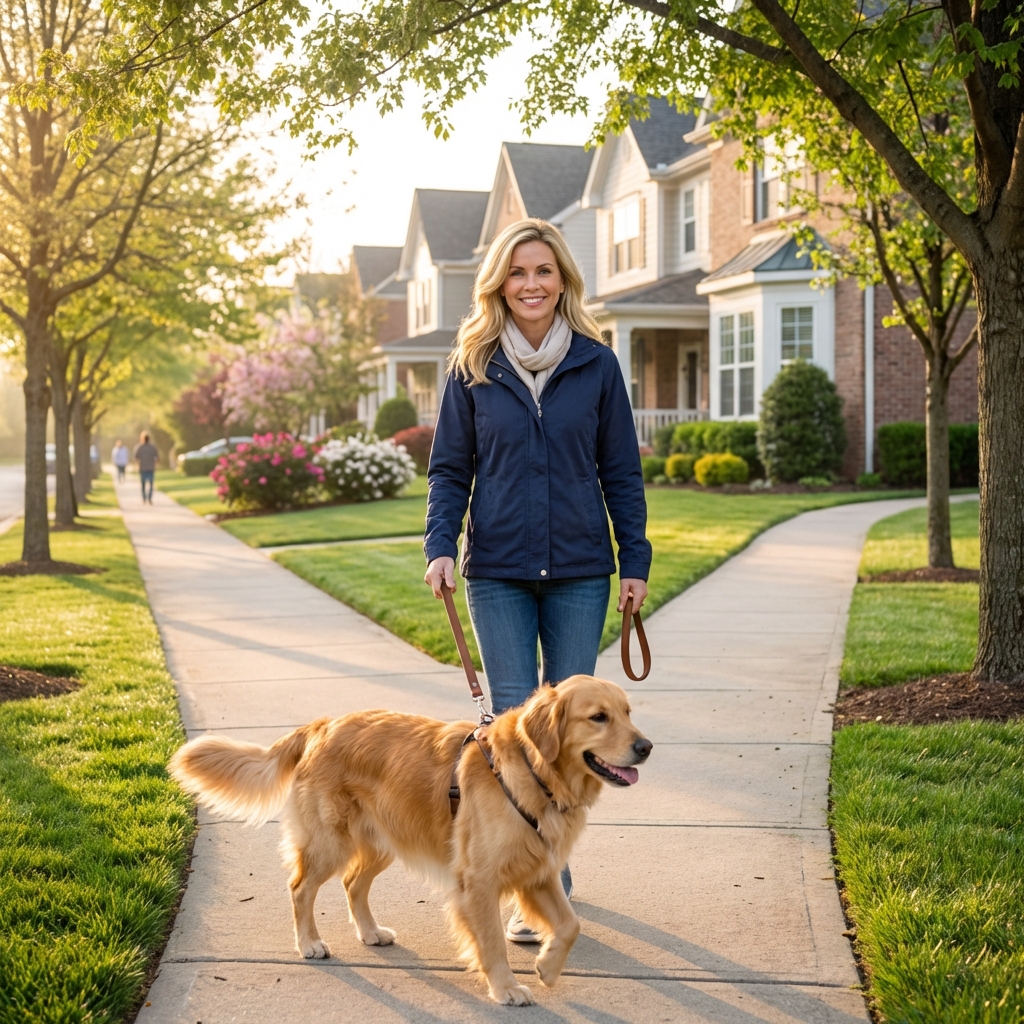
- Take 2 to 4 leash walks through the day.
- Encourage sniffing and a relaxed pace. Stress can tighten the body, including the gut.
4) Adjust meals for 24 hours
For a dog who is mildly constipated but otherwise well, a simple “gut-friendly day” can help:
- Moist meals with added water
- Moderate, easily digestible protein
- Fiber add-in such as pumpkin
If you feed homemade or fresh food, aim for a balanced approach and avoid sudden dramatic changes. Gentle is the goal.
5) Oils and laxatives
Many people reach for oils. Please be cautious. High-fat oils or fatty add-ons (like coconut oil, olive oil, butter) can trigger diarrhea and may increase pancreatitis risk in dogs that are pancreatitis-prone.
- Mineral oil: generally not recommended at home because aspiration can be dangerous.
- Human laxatives: do not give without veterinary guidance. Some are unsafe or require very specific dosing.
If your dog needs a stool softener, your veterinarian can recommend the right product and dose based on weight and medical history.
6) What not to do
- Do not give an enema at home unless your veterinarian specifically instructs you. Some products, especially sodium phosphate enemas (often sold for people), can be dangerous for dogs.
- Do not force-feed oils, water, or large volumes of liquid.
- Do not ignore posture pain. If your dog cries, trembles, or seems unable to squat normally, constipation may not be the main problem and your vet should check for pain or orthopedic issues.
What to watch each day
Tracking a few details helps you decide whether home care is working or whether it is time to be seen.
- Frequency: When was the last normal stool for your dog?
- Effort: Is your dog straining, circling, or uncomfortable?
- Stool quality: Hard pellets, dry logs, mucus, or blood?
- Appetite and energy: Normal, slightly off, or clearly sick?
- Vomiting: Vomiting once is a “watch closely” sign. Repeated vomiting is a “seek care” sign.
When to call your vet
Home care is only appropriate for mild cases. Contact your veterinarian or an emergency clinic if you notice any of the following:
- Repeated straining with no stool produced
- Obvious pain, crying when trying to poop, or a hunched, tense posture
- Vomiting, especially more than once
- Bloated or painful abdomen
- Weakness, collapse, fever, or your dog seems clearly unwell
- Black tarry stool, large amounts of blood, or persistent bleeding
- Suspected foreign body, bone ingestion, string, toys, or rocks
- Signs of urinary blockage (straining to pee with little to no urine)
- No meaningful stool for about 48 hours with signs of discomfort (the clock matters less than straining, pain, vomiting, or worsening appetite). Also note that true constipation can happen even if small amounts are passing.
- Puppies, seniors, or dogs with chronic disease like kidney disease, diabetes, or a history of pancreatitis
- Recurrent constipation or constipation that keeps coming back (needs an exam to look for underlying causes like prostate disease, pelvic issues, neurologic problems, or megacolon)
Veterinary teams can safely assess hydration, pain, rectal health, and whether there is an obstruction. If needed, they may recommend X-rays, fluids, enemas performed safely, or medications to help the colon move.
Preventing constipation
Once your dog is back to normal, prevention becomes the easy win.
- Keep water intake up: wet meals, clean bowls, multiple water stations.
- Consistent fiber: some dogs do best with a small daily pumpkin or psyllium routine (with your vet’s guidance).
- Regular exercise: daily walks help gut motility.
- Grooming: especially for fluffy designer mixes, regular brushing reduces hair ingestion.
- Diet consistency: change foods slowly over 7 to 14 days.
- Rethink bones: if your dog constipates after bones or bone-heavy treats, skip them.
Bottom line
Most mild constipation responds beautifully to three things: hydration, gentle fiber, and movement. Start small, watch closely, and trust your instincts. If your dog seems painful, vomits, or cannot pass stool, that is not a “wait it out” situation. Getting help early can prevent a small problem from becoming a big one.