A veterinary assistant’s guide to cat diarrhea: common causes, small vs. large bowel clues, safe home steps, what not to do, and when to call urgent care.
Article
•
Designer Mixes
Daily Cure for Diarrhea in Cats

Shari Shidate
Designer Mixes contributor
When your cat has diarrhea day after day, it is exhausting and honestly a little scary. As a veterinary assistant, I want you to know two things can be true at once: there are safe, practical steps you can take at home today, and ongoing diarrhea is also a medical clue that deserves a thoughtful workup.
Let’s talk about what “daily diarrhea” really means, what you can do right away to help your cat feel better, and when it is time to see your veterinarian.
Is there a daily cure?
Usually, no. There is no single “one-size-fits-all” daily cure for cat diarrhea because diarrhea is a symptom, not a diagnosis. A food intolerance needs a different solution than parasites, stress colitis, inflammatory bowel disease, hyperthyroidism, or an infection.
That said, there are reliable strategies that may improve mild diarrhea within 24 to 72 hours. Response varies by cause, and if diarrhea is persistent or recurring, you still want a veterinary plan.
Define what you are seeing
The details matter, because they point to different causes.
- Small bowel signs: larger volume stool, can be watery or soft, weight loss is more common, vomiting may occur.
- Large bowel signs: smaller frequent stools, mucus, straining, urgency, fresh red blood can occur. Stool can be soft or watery.
- Acute: sudden onset and lasting less than about 7 to 14 days.
- Chronic: more than 2 to 3 weeks, or recurring frequently.
If you can, take a quick photo of the stool and write down frequency, appetite, energy, vomiting, and any diet changes. This helps your veterinarian more than you might think.
Tip for multi-cat homes: If possible, separate litter boxes briefly (or use a room separation schedule) so you can confirm which cat is affected. It changes the urgency and the workup.
Red flags: go today
Skip the home trial and call your veterinarian (or urgent care) if you notice any of these.
- Kitten, senior cat, pregnant cat, or a cat with chronic disease (kidney disease, diabetes, hyperthyroidism)
- Repeated vomiting, not keeping water down
- Marked lethargy, weakness, hiding more than usual
- Black, tarry stool or large amounts of blood
- Dehydration (sticky gums, sunken eyes) or your cat will not drink
- Suspected toxin exposure (plants, human meds, essential oils, spoiled food)
- Diarrhea lasting more than 48 hours or diarrhea that is recurring most days (for example, several episodes per week or ongoing “on and off” for weeks)
Kittens deserve an extra note. Parasites are common, but dehydration happens fast, so it is better to be seen sooner rather than later.
What you can do today
1) Hydration first
Diarrhea pulls water and electrolytes out of the body. Cats are not great drinkers to begin with, so we want to make water intake easy.
- Offer multiple water bowls in quiet spots.
- Try a pet fountain if your cat likes moving water.
- Feed wet food if your cat will eat it.
- Ask your veterinarian before using any unflavored electrolyte products. Some contain ingredients that are not ideal for cats.
- Avoid human sports drinks and most broths. Sports drinks can be too sugary or salty, and broths may contain onion or garlic, which are not safe for cats.
2) Short diet reset
For many cats, the best “daily cure” starts with removing triggers and feeding a highly digestible diet for a short period.
- Best option: a veterinary therapeutic GI diet recommended by your clinic.
- If you must use a home option: plain, unseasoned cooked poultry in small amounts can be used briefly as a bridge for appetite support. Stop and call your vet if it worsens diarrhea, and do not use it as a long-term plan because it is not complete nutrition for cats.
Important: avoid milk or dairy, rich treats, fatty table scraps, and seasoned human foods (especially anything with onion or garlic). Also avoid repeated rapid food switching, since it can keep the gut irritated and make triggers harder to identify.
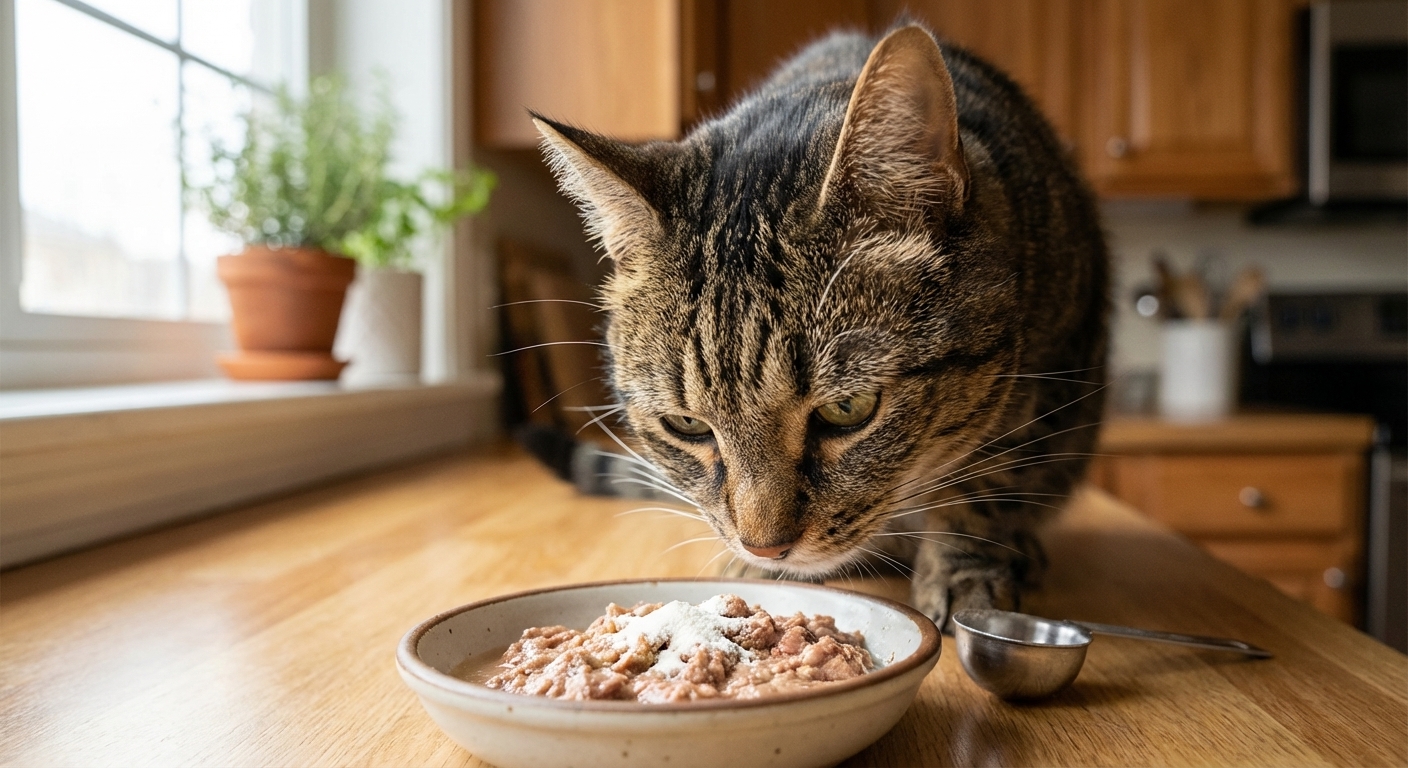
3) Use a cat probiotic
In practice, a veterinary probiotic is one of the most helpful and low-risk tools for uncomplicated diarrhea. Probiotics can support the gut microbiome and stool consistency.
- Choose a product specifically formulated for cats, ideally one your veterinarian carries or recommends.
- Use it daily for at least 7 to 14 days, or as directed.
4) Fiber only if appropriate
Some cats with large bowel diarrhea benefit from soluble fiber to help normalize stool and calm the colon.
- Veterinary GI diets often already include appropriate fiber.
- Do not add multiple supplements at once. Add one change, observe, then adjust.
- Do not use pumpkin, psyllium, or other fiber supplements as a DIY “dose it until it works” approach. Ask your veterinarian what is appropriate for your cat.
5) Lower stress and litter box pressure
Stress can show up in the GI tract. If diarrhea started around a move, new pet, visitors, or construction noise, calming routines matter.
- Keep feeding and playtimes consistent.
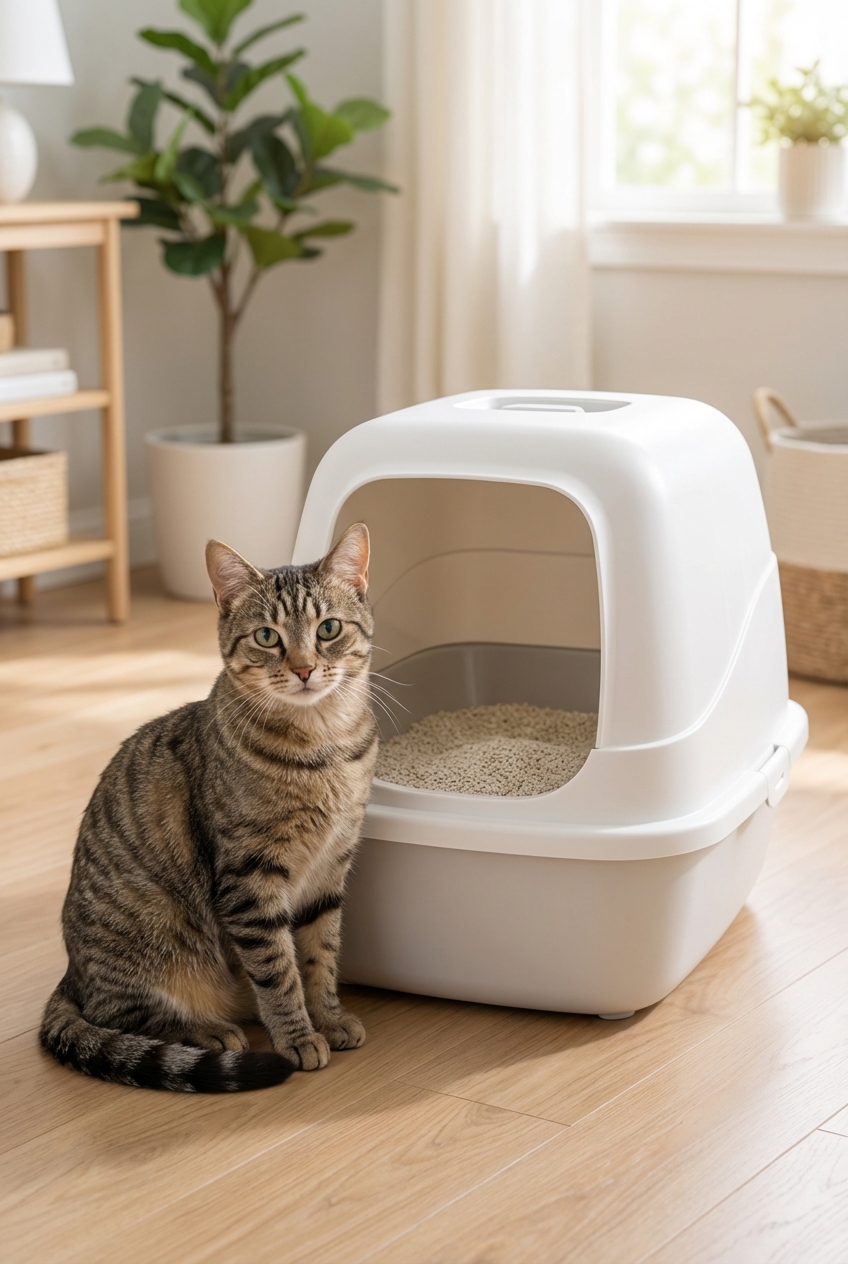
- Make sure you have enough litter boxes (a common guideline is one per cat, plus one extra).
- Clean boxes daily and keep them in quiet locations.
Common causes
Here are the most frequent culprits we see in clinics, especially when diarrhea becomes a pattern.
Diet
- Food intolerance or sensitivity (often protein-related)
- Sudden diet change
- Too many treats or rich foods
- Dairy
- Seasoned human foods (onion and garlic are a common hidden problem)
- Low-quality or highly variable foods
Parasites and infections
- Giardia
- Coccidia
- Roundworms or hookworms (more common in kittens and outdoor cats)
- Viral or bacterial infections (diagnosed by your vet based on history and testing)
Inflammatory conditions
- Inflammatory bowel disease (IBD)
- Food-responsive enteropathy
- Colitis
Systemic disease
- Hyperthyroidism (especially in older cats)
- Pancreatitis
- Liver disease
- Some cancers
Medication effects
- Antibiotics and some other medications can disrupt gut flora
Gut imbalance
- Gut microbiome imbalance (sometimes called dysbiosis). This is a veterinarian-diagnosed category and is often managed with diet, probiotics, and targeted treatment when needed.
What the vet may do
Chronic diarrhea is one of those problems where a step-by-step plan saves time, money, and your cat’s comfort in the long run.
Also, cats can decline quickly when they are not eating or drinking well. Dehydration is a big risk, and prolonged poor appetite in cats can lead to serious complications. If your cat is not eating normally, call your vet.
Common tests
- Fecal test(s): checks for parasites like Giardia and other intestinal organisms.
- Basic bloodwork: looks for dehydration, inflammation, organ function issues.
- Thyroid testing for older cats.
- Vitamin B12 (cobalamin) assessment in chronic small bowel disease.
- Abdominal ultrasound if symptoms persist or weight loss is present.
Common treatments
- Prescription GI diet or novel protein diet trial (often 6 to 8 weeks for chronic cases).
- Targeted deworming even if fecal tests are negative, based on risk and history.
- Probiotics and sometimes cobalamin supplementation.
- Anti-nausea medication if vomiting is also present.
- Anti-inflammatory therapy for IBD, only after your vet confirms it is appropriate.
What to bring to the appointment
- A fresh stool sample if your clinic requests it. If you cannot bring it right away, refrigerate it in a sealed container and bring it within 24 hours (do not freeze unless instructed).
- Photos of the stool and any vomit.
- A list of foods, treats, supplements, and medications (including flea and deworming products), plus any recent diet changes.
- Notes on frequency, timing, and whether your cat is still eating, drinking, and acting normal.
If diarrhea is happening daily, the goal is not just firmer stool. The goal is finding the reason your cat’s gut is irritated, then creating a plan you can actually stick with.
What not to do
- Do not give human anti-diarrheal medications unless a veterinarian specifically instructs you. Some can be dangerous for cats.
- Do not fast cats for long periods. Cats can be prone to appetite-related complications, especially if overweight. If your cat is refusing food, call your vet.
- Do not change foods repeatedly. Rapid switching can keep the gut inflamed and make it harder to identify the true trigger.
- Do not ignore weight loss. Weight loss plus diarrhea is a strong reason to book an exam.
Simple 3-day plan
If your adult cat is bright, eating, drinking, and has no red flags, this is a reasonable short plan while you monitor closely.
- Day 1: Offer wet food or a veterinary GI diet in small, frequent meals. Add a cat-specific probiotic. Encourage water intake.
- Day 2: Continue the same food and probiotic. Keep treats out. Track stool frequency and texture.
- Day 3: If stools are improving, stay consistent for a full week before slowly transitioning back (or continue the vet-recommended diet if advised).
If there is no improvement by 48 hours, if symptoms are worsening at any point, or if diarrhea is recurring most days, schedule a veterinary visit. Persistent diarrhea is not a “wait it out” situation in cats.
Preventing it from coming back
- Keep your cat on a consistent, high-quality diet and transition slowly when changing foods.
- Use parasite prevention as recommended for your cat’s lifestyle.
- Reduce stress with predictable routines and environmental enrichment.
- Book wellness exams, especially for senior cats where systemic disease is more common.
If you are dealing with daily diarrhea right now, you are doing the right thing by looking for answers. With a calm plan and the right diagnostics, most cats can get back to comfortable, predictable stools and a happier belly.