A vet assistant’s guide to feline probiotics: proven strains like SF68 and S. boulardii, safe food options, dosing tips, how long they take, and red flags ...
Article
•
Designer Mixes
Daily Cat With Diarrhea

Shari Shidate
Designer Mixes contributor
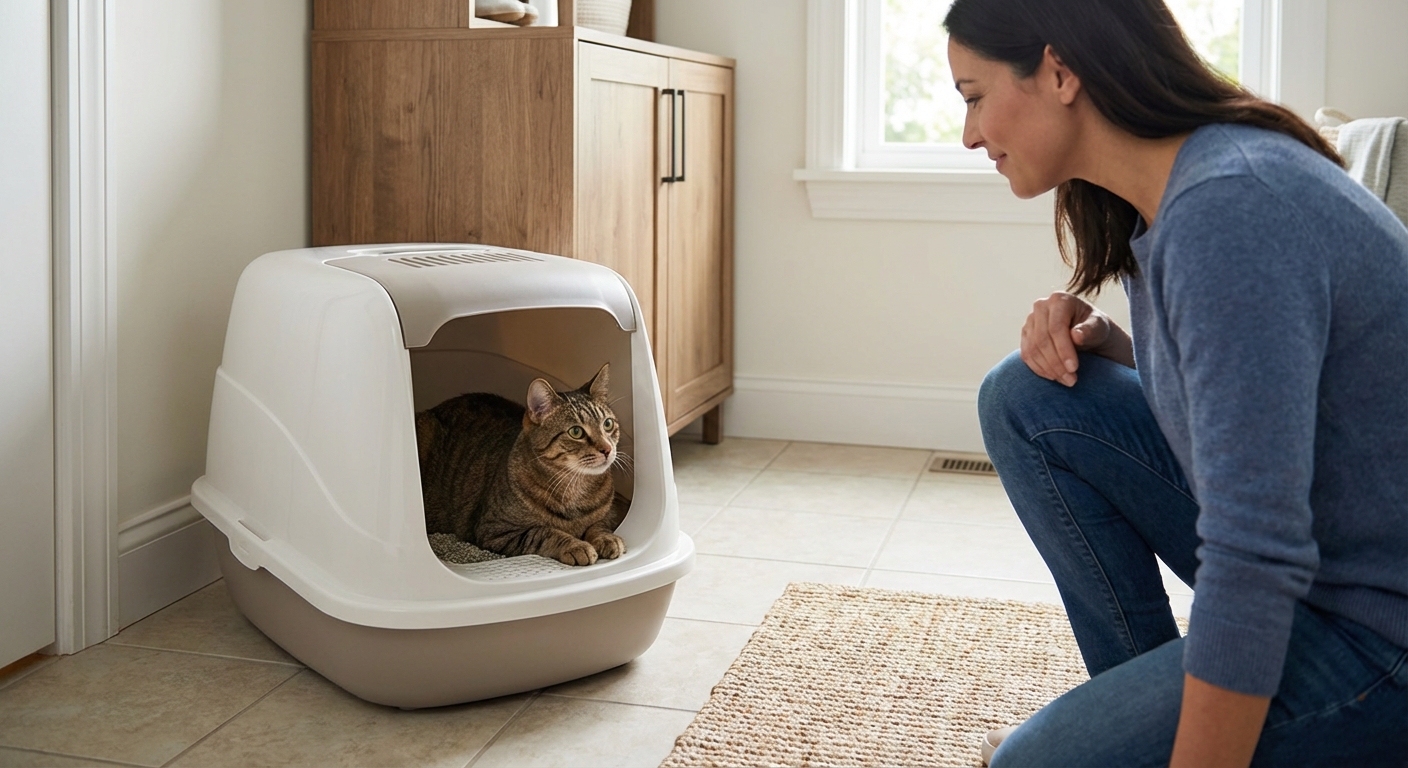
If your cat has diarrhea every day, it is more than a messy litter box problem. It can mean your cat is not absorbing nutrients well, is irritated or inflamed in the gut, or is fighting an infection or parasite. And because cats are small, they can get dehydrated faster than we expect.
I am Shari Shidate, a veterinary assistant in Frisco, Texas, and in clinic we prioritize ruling out medical causes while also tightening up diet and routines. The good news is that most cats improve a lot once you document what is happening and work step by step with your veterinarian.
Call your veterinarian if diarrhea is frequent or watery and lasts more than 24 to 48 hours, or sooner if your cat is a kitten, senior, has other illnesses, or seems “off.” If it has been going on for 2 to 3 weeks or longer, that is chronic diarrhea and it should be worked up.
First, check for red flags
Some situations should not wait for a home trial. Seek same-day veterinary care if you notice any of the following:
- Blood in the stool (bright red streaks or black, tarry stool)
- Vomiting repeatedly or your cat cannot keep water down
- Lethargy, weakness, collapse, hiding more than usual, or painful belly
- Dehydration signs: tacky gums, sunken eyes, very low energy
- Weight loss, poor appetite, or refusing food
- Fever or your cat feels unusually warm
- Kittens with diarrhea, even if they seem okay
- Possible toxin exposure (plants, human meds, essential oils, spoiled food)
Daily diarrhea can quietly lead to dehydration and electrolyte imbalance, and cats are very good at masking how sick they feel.
Your plan for 48 hours
Step 1: Keep them eating safely
If your cat will eat, keep food going. Cats who stop eating are at risk for a separate emergency called hepatic lipidosis, especially if they are overweight. If your cat refuses food for a full day, call your veterinarian.
Step 2: Track what you see
A simple log helps your vet make faster, more accurate decisions. Write down:
- How many bowel movements per day
- Consistency (pudding-soft, watery, mucus, formed then loose)
- Color and odor changes
- Any blood, mucus, or “rice-like” segments (often tapeworm segments)
- Appetite, water intake, vomiting, energy level
- Diet details: brand, flavor, treats, table foods, new foods
- Any recent changes: new pet, stress, boarding, move, construction noise
- Medications, supplements, flea and tick products
If you can safely do it, take a quick photo of the stool in the litter box. It can be surprisingly helpful.
Step 3: Note stool type clues
You do not have to diagnose anything at home, but these details can help you describe it clearly:
- Large-bowel signs: small amounts, frequent trips, mucus, bright red blood, straining, urgency
- Small-bowel signs: larger volume stools, weight loss, greasy appearance, less urgency, sometimes vomiting
Step 4: Support hydration safely
Dehydration is one of the biggest risks with ongoing diarrhea.
- Offer fresh water in more than one spot. Some cats drink more from a fountain.
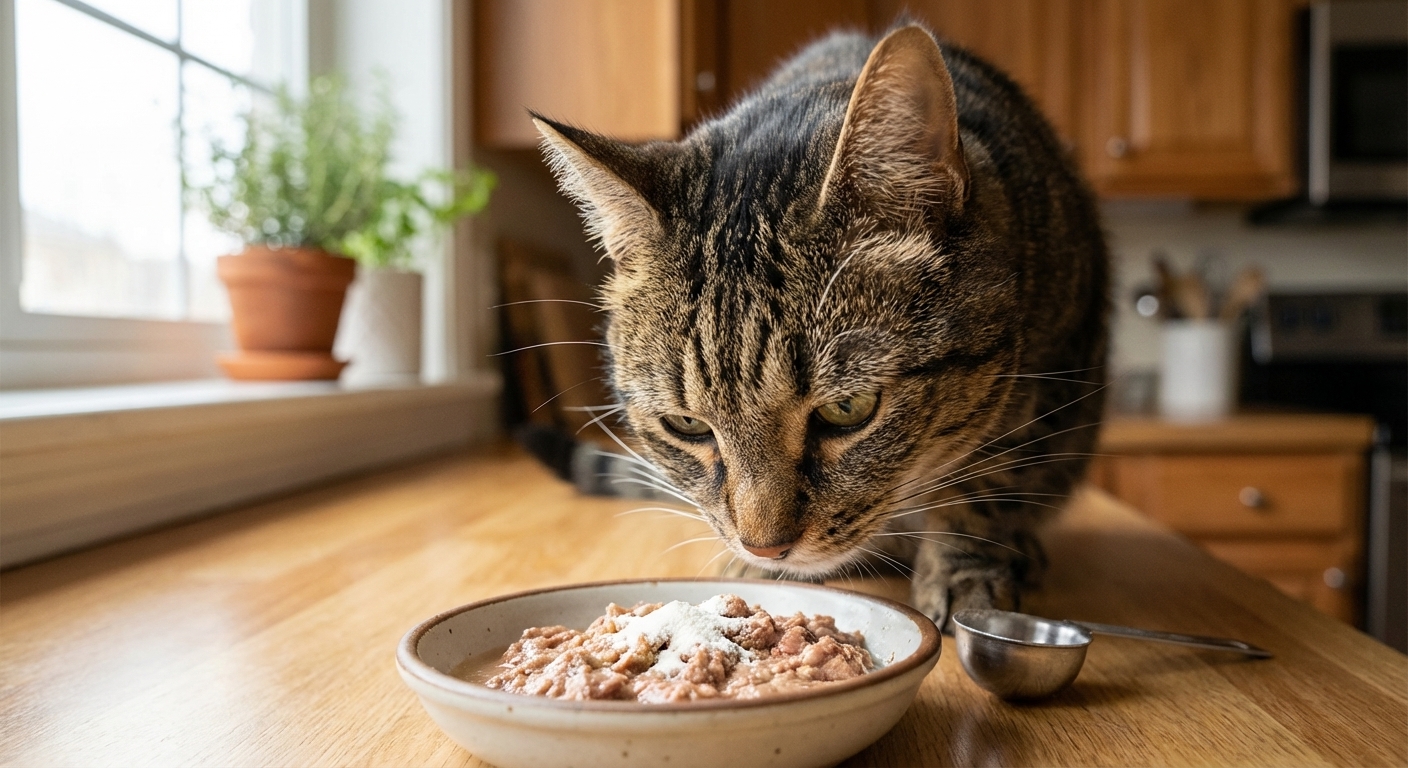
- Feed wet food if your cat will eat it, because it adds water intake.
- You can add a small amount of water to wet food to make a “gravy.”
Do not force water by syringe unless your veterinarian specifically instructs you. Aspiration is a real risk in cats.
Step 5: Stop the extras
For the next couple of days, remove variables:
- Pause treats, new toppers, table foods, and flavored meds unless prescribed.
- If you recently changed foods, do not keep switching back and forth repeatedly.
Step 6: Pick a vet-approved diet plan
For cats with ongoing diarrhea, a “bland diet” like we use in dogs is not always enough and can become unbalanced quickly. The most evidence-based option is usually a veterinary gastrointestinal diet or a hydrolyzed protein diet trial, depending on your cat’s history.
- GI diets are formulated to be highly digestible, with targeted fiber and nutrients.
- Hydrolyzed diets are often used when food allergy or intolerance is suspected.
If your cat is stable, eating, and acting normal, ask your veterinarian which diet is best for your situation. If you are doing an elimination diet trial for suspected food allergy, it often takes 6 to 8 weeks (or longer) of strict consistency to judge results.
Common causes
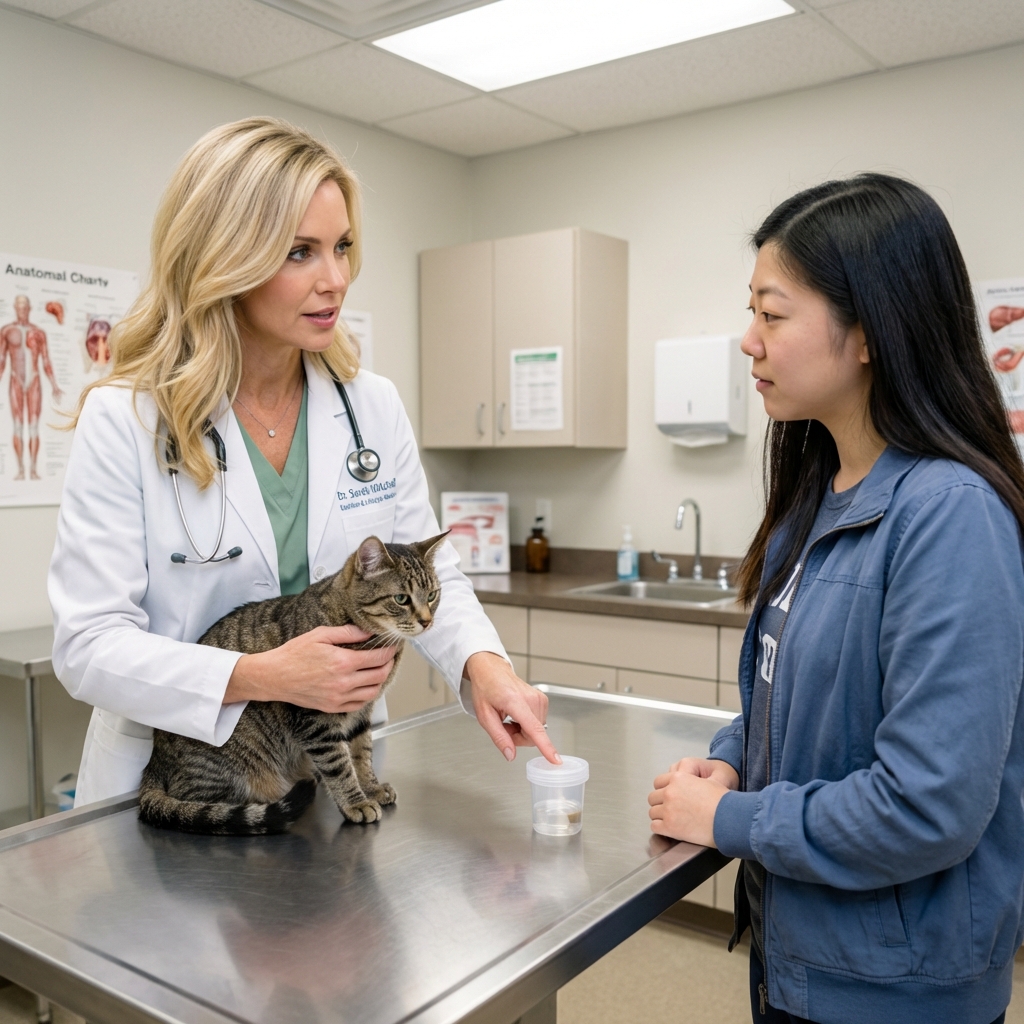
Chronic diarrhea has a wide list of causes. These are some of the most common categories we see:
- Parasites such as Giardia, roundworms, hookworms, or coccidia (yes, indoor cats can get them)
- Diet intolerance or sudden food changes
- Food allergy (often protein-related)
- Inflammatory bowel disease (IBD) and other chronic inflammation
- Stress colitis, especially with household changes or multi-cat tension
- Infections (including bacterial imbalance or dysbiosis, and some viral causes that are more common in kittens or unvaccinated cats)
- Antibiotic-associated diarrhea or medication side effects
- Hyperthyroidism (more common in older cats)
- Pancreatic disease or malabsorption disorders
- Constipation with overflow diarrhea, where liquid stool leaks around hard stool (often paired with straining or a history of constipation and confirmed by exam or x-rays)
Because the “right” fix depends on the cause, ongoing diarrhea is one of those problems where testing can save time, money, and discomfort in the long run.
What to expect at the vet
Bring a fresh sample
If possible, bring a stool sample collected the same day in a clean container or sealed bag. Your clinic may run one or more tests, such as:
- Fecal flotation to check for parasite eggs
- Giardia testing (often a specific antigen test)
- Fecal PCR panel in certain cases to look for infectious organisms
Because some parasites are intermittent shedders, your veterinarian may recommend more than one sample over several days for the best chance of catching them.
Other helpful tests
When diarrhea is daily or has been going on for weeks, vets may recommend:
- Bloodwork to evaluate hydration, electrolytes, kidney and liver function, inflammation, anemia
- Total T4 for older cats to check for hyperthyroidism
- Vitamin B12 and folate, because chronic gut disease can reduce absorption
- Urinalysis and sometimes abdominal imaging if needed
Depending on the findings, treatment might include deworming, diet therapy, probiotics, B12 support, anti-inflammatory medications, or other targeted therapy.
Home care tips
Do
- Keep your cat eating if they are willing. Not eating can create a separate emergency in cats called hepatic lipidosis.
- Feed small, frequent meals if your veterinarian agrees.
- Use only probiotics formulated for pets if your vet recommends them.
- Clean the litter box daily and wash your hands well, especially if parasites are suspected.
Don’t
- Do not give human anti-diarrheal medications (like loperamide) unless your vet directs you. Cats can have serious adverse effects.
- Do not start multiple supplements at once. You want to know what helps and what hurts.
- Do not do long-term home “bland diets” without guidance. Cats need complete nutrition, including taurine.
- Do not assume it is “just stress” if it is daily or persistent. Stress can contribute, but it should still be evaluated.
Multiple cats
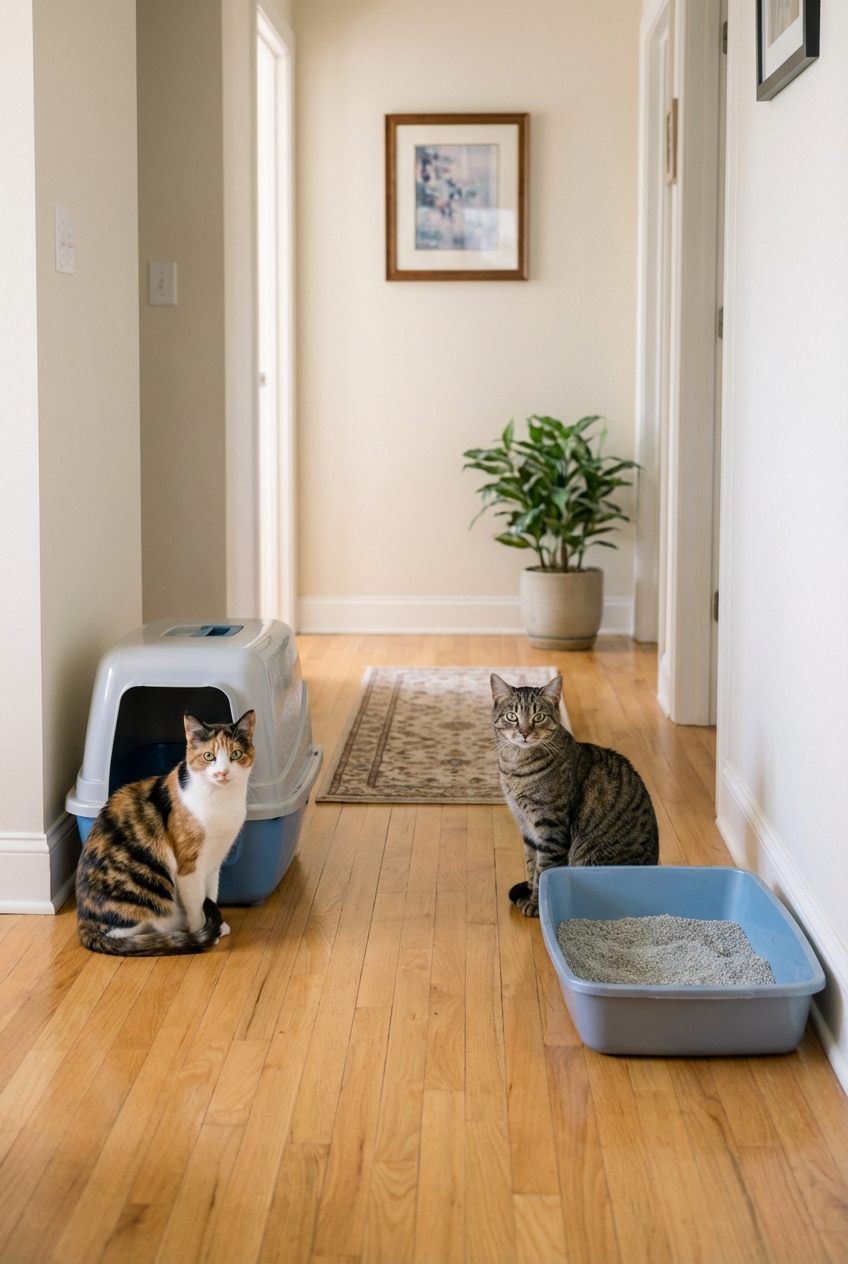
It is common to have one cat with diarrhea while the others look fine. Still, some causes are contagious. A few practical steps:
- Provide enough litter boxes: the general guideline is one per cat, plus one extra.
- Temporarily separate litter boxes if you are trying to identify which cat is affected.
- Discuss whether all cats should be tested or treated if parasites are found.
Prevention
After the diarrhea resolves, prevention is about consistency and gut health support:
- Transition foods slowly over 7 to 10 days.
- Use parasite prevention as recommended for your region and your cat’s lifestyle.
- Reduce stress triggers where possible, including resource competition in multi-cat homes.
- Keep treats minimal and consistent. Cats have sensitive GI systems.
- Schedule routine wellness exams. Subtle weight loss can be an early clue of chronic gut disease.
The bottom line is this: daily diarrhea is your cat asking for help. With a clear plan, good notes, and the right testing, most cats can get back to comfortable, healthy stools.
Questions for your vet
- Should we test for Giardia and other parasites, even though my cat is indoors?
- Do you recommend a GI diet or a hydrolyzed diet trial for my cat’s history?
- Should we check B12, thyroid, or do a broader GI panel?
- Is a probiotic appropriate for my cat, and which one?
- At what point should I call back if stools do not improve?