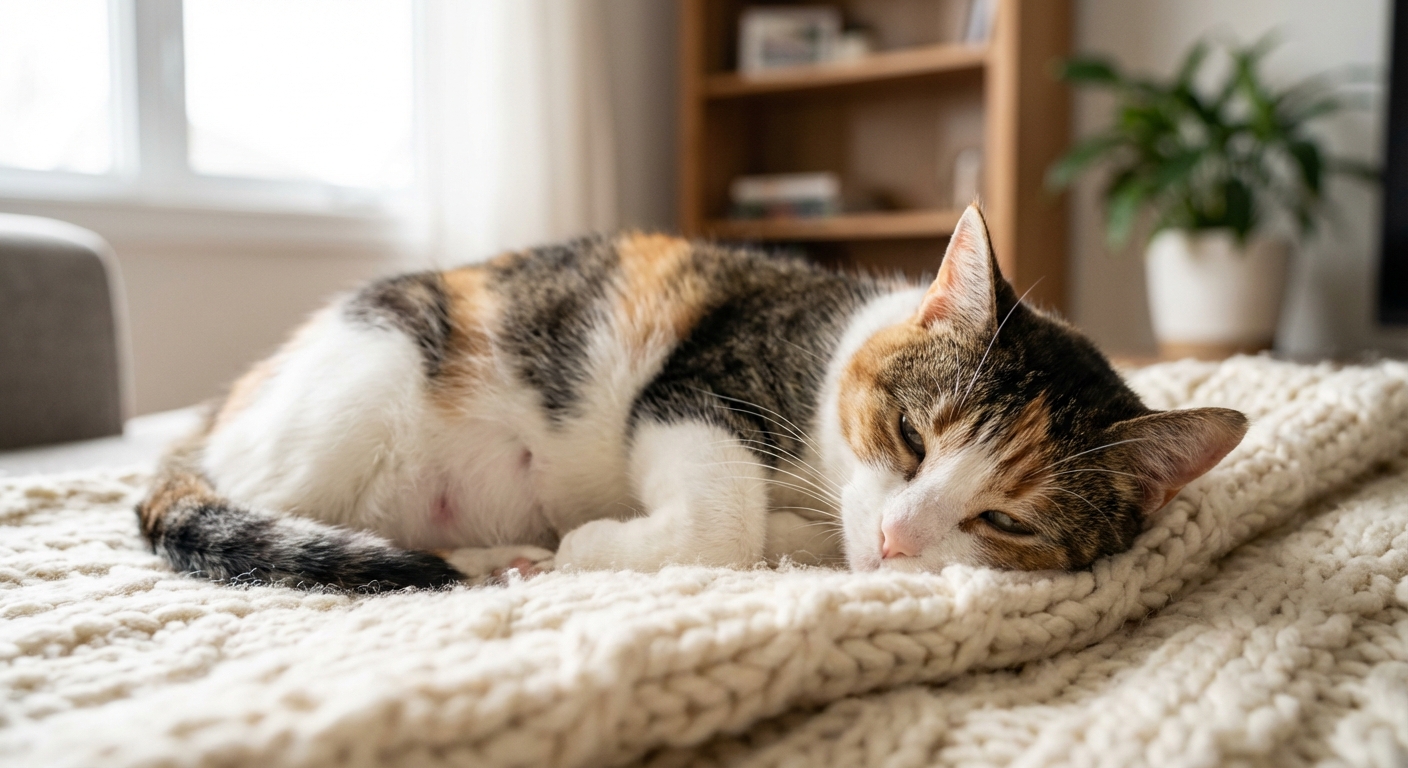
Wondering if your cat is pregnant? Learn early signs, how long pregnancy lasts, how vets confirm it, a week-by-week timeline, nutrition and nesting tips, and...
Article
•
Designer Mixes
Daily Cat Pregnancy Symptoms

Shari Shidate
Designer Mixes contributor
If you think your cat might be pregnant, you are probably watching her like a hawk, checking her belly, her appetite, and every little behavior change. I get it. As a veterinary assistant, I have talked with many cat parents who want a simple, evidence-based way to understand what they are seeing day by day.
Here is the most helpful truth up front: many early pregnancy signs look like normal hormonal changes, stress, or mild illness. The only way to confirm pregnancy is with your veterinarian, using an exam and often ultrasound. Still, tracking daily symptoms can help you support her safely and know when it is time to call in professional help.
One more reassurance before we dive in: some cats show very few outward signs until late pregnancy. Variation is normal.
Before you track symptoms
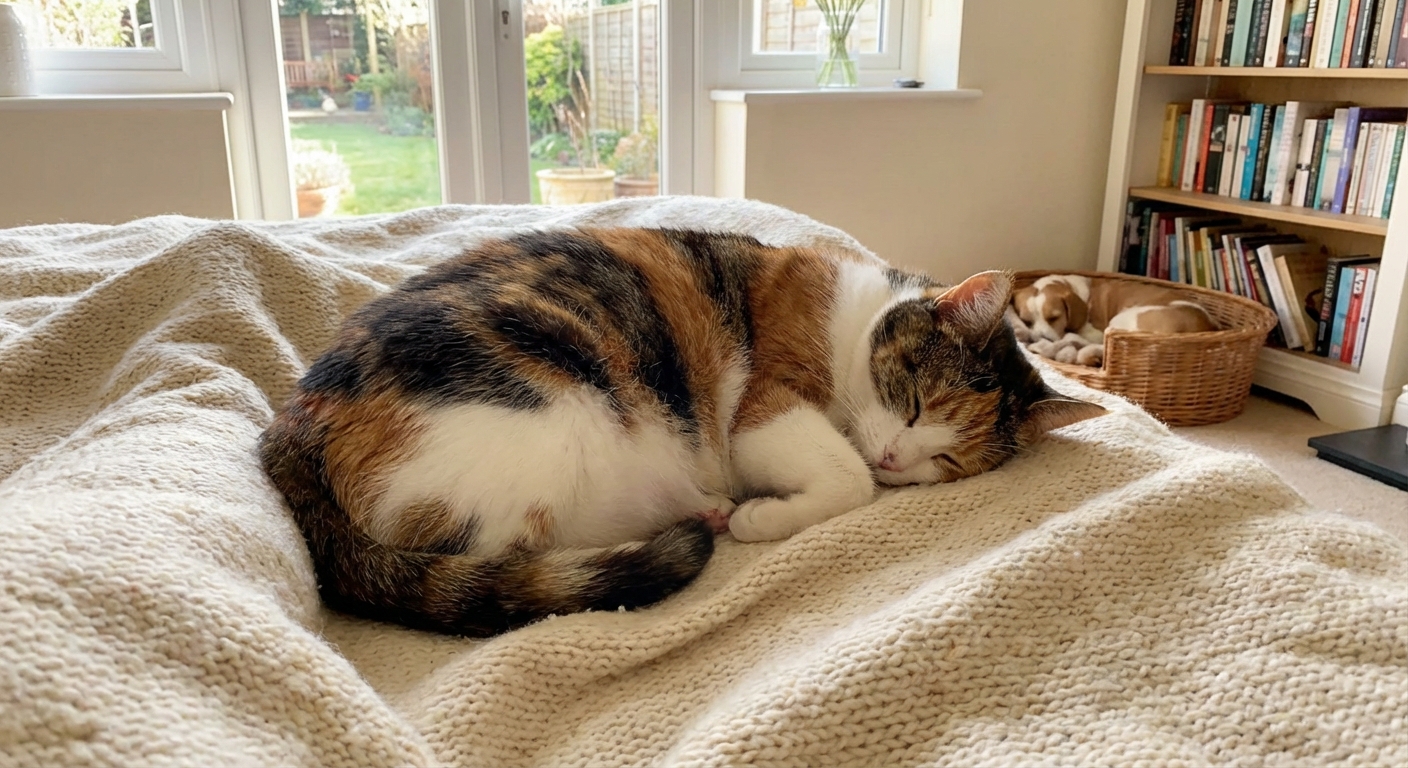
A cat pregnancy (gestation) is usually about 63 to 66 days. A broader normal range is often cited as roughly 58 to 71 days, with longer pregnancies being less common and worth a veterinary check-in if you are past the expected due date. “Daily” symptoms make more sense when you anchor them to a likely breeding date.
- Day 0 usually means the day of mating, but many households do not know the exact day.
- If you recently saw your cat in heat and she had access to an unneutered male, assume pregnancy is possible.
- Most cats show clearer signs in weeks 3 to 5, not the first few days.
If you are unsure of timing, your vet can estimate gestational age based on physical exam and imaging.
Daily symptom tracker by stage
Instead of listing 60 separate days, I am going to give you a practical “daily symptoms” view by stage, because cats do not follow a strict calendar the way human pregnancy apps do. Use these sections like checkpoints during your daily observations.
Days 1 to 7: usually quiet
In the first week, most cats look completely normal. You might notice subtle behavior shifts, but they are not reliable.
- Normal appetite and energy for many cats
- Slightly more affectionate or slightly more private
- Occasional extra sleep
What to do daily: Keep her routine stable, prevent outdoor roaming, and do not start, stop, or change any medications or supplements without your veterinarian. Some prescribed medications should not be stopped abruptly.
Days 8 to 14: mild changes can begin
Some cats show small shifts in appetite or mood during week two.
- Appetite changes (a little up or down)
- More resting and lower play drive
- Occasional nausea-like behavior (lip smacking, brief food disinterest). Mild vomiting can happen in some cats, but repeated vomiting is not normal.
Keep in mind: decreased appetite can also be illness. If she stops eating for a full day, call your vet.
Days 15 to 21: pinking up
This is when many people first notice classic pregnancy signs.
- Nipples enlarge and become pinker (often called “pinking up”)
- May be more cuddly or, for some cats, more sensitive to handling
- Subtle weight gain may start
Not every cat shows a dramatic nipple change, but when it happens, it is one of the more helpful early clues.
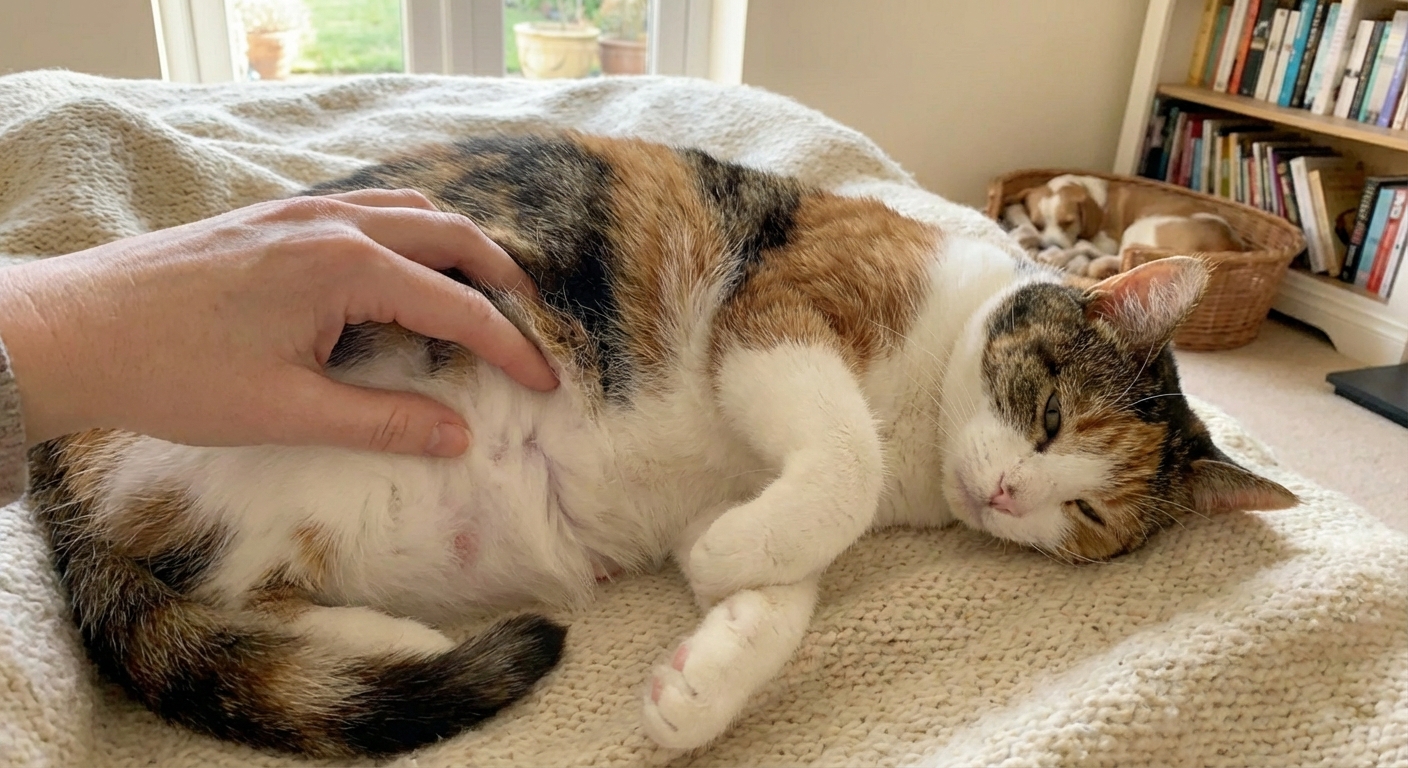
Days 22 to 35: rounding and steady appetite
For many cats, mid-pregnancy is where daily signs become easier to spot.
- Steadier appetite increase and more interest in food
- Gradual abdominal rounding (often more noticeable from above)
- Smooth, progressive weight gain
- Less tolerance for rough play or being picked up around the belly
Vet note: a veterinarian can often confirm pregnancy by ultrasound from about days 16 to 21, depending on equipment, the cat, and the clinic. Many clinics also confirm a bit later, which is still perfectly appropriate. Palpation should only be done by trained professionals to reduce risk of harm.
Days 36 to 49: comfort needs increase
Now your cat often looks visibly pregnant, and her day-to-day comfort matters more.
- Clearly enlarged abdomen
- More sleep and lower activity
- Preference for smaller meals as her belly gets bigger
- Some cats start mild “nest testing” by resting in closets, drawers, or quiet corners
What to do daily: Offer a high-quality, nutrient-dense diet, keep fresh water accessible, and avoid stressful changes like new pets, loud construction, or travel if possible.
Days 50 to 58: nesting and mammary changes
In late pregnancy, daily signs can accelerate.
- More obvious nesting (seeking warm, dark, quiet spots)
- Mammary glands enlarge and may become more visible under the fur
- More belly grooming in some cats
- Possible irritability if handled too much
Important: A small amount of clear mucus close to delivery can be normal. Green, foul-smelling, bloody, or pus-like discharge is not normal and needs urgent veterinary attention. Also call your veterinarian if you see any discharge earlier in pregnancy or if discharge is paired with lethargy, fever, poor appetite, or obvious pain.
Days 59 to labor: pre-labor signs
As delivery approaches, your daily check-ins can help you catch problems early.
- Restlessness, pacing, getting up and down often
- Frequent visits to the nesting area
- Decreased appetite in the last 12 to 24 hours for some cats
- More vocalization or clinginess in some, hiding in others
- A temperature drop can happen, but taking a cat’s temperature at home often causes stress and is not required for most families
Labor safety: Call your veterinarian or an emergency clinic if you see 20 to 30 minutes of strong straining with no kitten, more than 2 hours between kittens when she is actively straining, or more than 4 hours between kittens overall (even without constant straining). Also call if she seems weak, collapses, has heavy bleeding, or you are simply worried. Dystocia (difficult birth) can happen.
Normal vs not normal
This is where I like to keep things simple. Pregnancy is not an illness, but it does change the body a lot. Use these as daily “green flags” and “red flags.”
Often normal
- Gradual weight gain and belly enlargement
- Pinker, slightly enlarged nipples
- Higher appetite after the early stage
- More sleep and less playful energy
- Nesting behavior later in pregnancy
Call a vet promptly
- Not eating for 24 hours, especially if she seems lethargic
- Vomiting repeatedly or vomiting with weakness
- Diarrhea that lasts more than a day or contains blood
- Any breathing difficulty
- Swollen, painful mammary glands or discharge that looks infected
- Vaginal discharge that is green, thick, foul-smelling, pus-like, or bloody
- Suspected labor trouble: hard straining with no kitten, collapse, extreme pain, heavy bleeding, or stalled labor
Daily care tips
Daily symptom tracking is helpful, but daily care is what really moves the needle for a healthy mom cat. A quick note on language: you may hear veterinary teams call a pregnant female cat a queen.
Nutrition
- Choose a vet-recommended, complete diet. Many veterinarians recommend a growth or kitten-formulated food during pregnancy and nursing because it is calorie-dense and nutrient-rich.
- Offer smaller, more frequent meals as her belly gets bigger.
- Do not add calcium or vitamins unless your veterinarian specifically advises it. Over-supplementing can cause real problems.
- Keep fresh water available in multiple spots, especially if she is nesting in one room.
Parasite control and medications
- Ask your veterinarian what parasite prevention is safe during pregnancy. Some products are safe, others are not.
- Avoid over-the-counter medications without veterinary guidance.
Reduce stress
- Keep her indoors and away from intact males.
- Maintain a predictable routine.
- Provide a quiet nesting area before she demands it.
Nesting setup
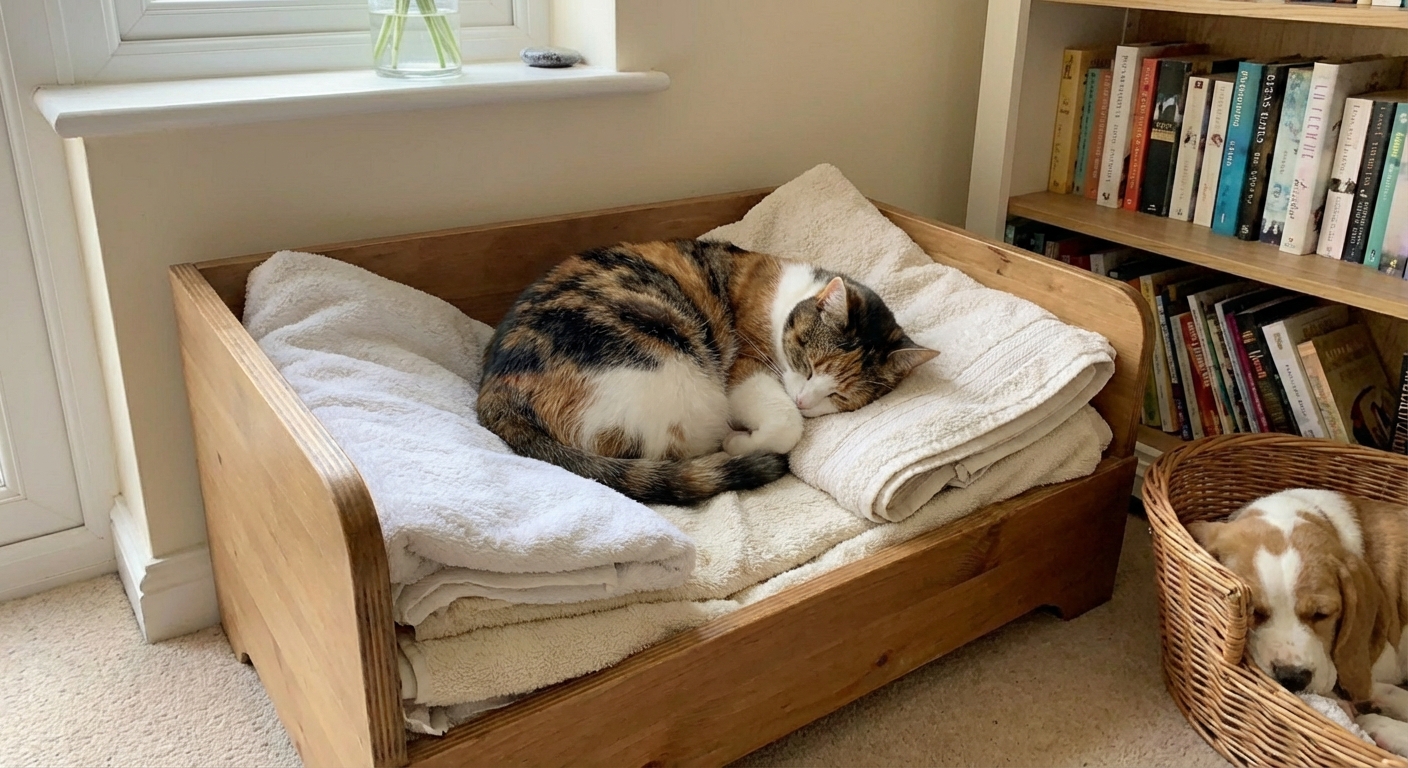
A simple box or covered cat bed lined with clean towels works well. Place it in a warm, low-traffic room. Many cats will still choose a closet, but offering a safe option early can prevent last-minute surprises.
False pregnancy
One reason veterinary confirmation matters is that cats can occasionally have a false pregnancy (pseudopregnancy), where hormonal changes cause nipple development, nesting, and behavior changes without kittens. Symptoms can look very convincing. If you are seeing signs but the timeline feels off, your veterinarian can help sort it out safely.
How vets confirm pregnancy
If you want confidence, your veterinarian can confirm pregnancy and help you plan for delivery.
- Physical exam: may suggest pregnancy later in the timeline.
- Ultrasound: can often confirm pregnancy from about days 16 to 21 (sometimes earlier or later) and assess fetal viability.
- X-rays: used later in pregnancy to count skulls and spines more accurately. This can be helpful for knowing when labor is complete. Modern digital radiography uses low doses, but it should be done only when clinically appropriate and timed correctly.
If your cat might be pregnant and you are not prepared for kittens, talk to your veterinarian as soon as possible about safe, ethical options in your area. In some locations, spaying during pregnancy may be an option, and it is time-sensitive, so the earlier you ask, the more choices you may have.
After delivery basics
Once kittens arrive, your job is mostly to provide a calm, clean environment and watch for trouble.
- Count kittens as they are born and keep notes. If your vet took late-pregnancy X-rays, that count can help you know when she is finished.
- Normal postpartum discharge can be small amounts of dark or reddish-brown lochia for a short time. Heavy bleeding, foul odor, bright red bleeding, or a sick-looking mom needs prompt care.
- Call your vet if mom will not eat, seems depressed, has a hot, painful mammary gland, ignores kittens, or if kittens are weak, cold, or not nursing.
Your veterinarian may recommend a postpartum check for mom and kittens, especially if labor was difficult or this is her first litter.
Daily checklist
If you want a quick routine, here is an easy daily check-in you can do in under two minutes.
- Appetite: ate normally, ate more, ate less, refused food
- Water intake: normal, increased, decreased
- Energy: normal, quieter than usual, very lethargic
- Litter box: normal stool, diarrhea, constipation, straining, blood
- Behavior: affectionate, hiding, nesting, restless
- Discharge: none, clear, bloody, green, foul-smelling
If anything jumps into a “red flag” category, trust your gut and call your vet. When it comes to pregnancy, early support is almost always easier than emergency care later.
Quick FAQs
Can I feel kittens move?
Some people can see or feel movement in late pregnancy, but you should not press on the abdomen. If you think something feels off or she seems painful, have a vet evaluate her.
Do all pregnant cats get morning sickness?
No. Some cats have mild nausea early on, while many have no vomiting at all. Repeated vomiting is not something to brush off.
Will her personality change?
It can. Some queens become clingy and sweet, others become more private. Both can be normal as long as she is eating, drinking, and acting comfortable.