Cut through Lyme disease hype with a vet-informed plan: early symptom recognition, smart testing, doxycycline treatment, pain support, kidney monitoring, and...
Article
•
Designer Mixes
Daily Canine Lyme Disease Symptoms Help & Care

Shari Shidate
Designer Mixes contributor
Lyme disease can feel confusing because dogs do not always look sick right away. As a veterinary assistant here in Frisco, Texas, I have seen many families catch early signs simply by paying attention to small day-to-day changes. The goal of this page is to help you recognize symptoms, know what to do at home, and understand when it is time to get your veterinarian involved.
Quick note: This guide is for education and support, not a diagnosis. If you are worried about your dog, call your veterinarian.
What Lyme is (and why signs can come and go)
Canine Lyme disease is caused by the bacterium Borrelia burgdorferi, spread through the bite of infected Ixodes ticks. In the Northeast and Upper Midwest, the blacklegged tick (Ixodes scapularis) is the best known vector. On the West Coast, Ixodes pacificus can also spread Lyme.
Here in Texas, Lyme disease is generally less common than in the Northeast and Upper Midwest, but it can still happen. Risk can go up if your dog travels, hikes in tick heavy areas, visits other states, or has regular exposure to wooded or brushy environments. Also, other tick borne illnesses can cause similar symptoms, so testing and your dog’s history matter.
A key point many pet parents do not realize is that a dog can be infected and still look completely normal for weeks or even months.
When symptoms do show up, they can come and go. You might see limping one day and a normal, bouncy dog the next. That does not mean you imagined it. It is part of how Lyme can behave in dogs.
Symptoms to watch for
If you are doing a quick check, focus on changes in movement, energy, appetite, and comfort. These are common signs reported in dogs with Lyme disease and other tick borne infections.
- Shifting-leg lameness: limping that seems to move from one leg to another
- Stiffness: especially after rest, in the morning, or after a nap
- Swollen, painful joints: your dog may flinch, avoid stairs, or hesitate to jump
- Fever: some dogs feel warm and act tired or uncomfortable, but only a thermometer can confirm a fever
- Low energy: less interest in walks, play, or greeting you
- Reduced appetite: eating less or skipping meals
- Enlarged lymph nodes: sometimes felt under the jaw or in front of the shoulders
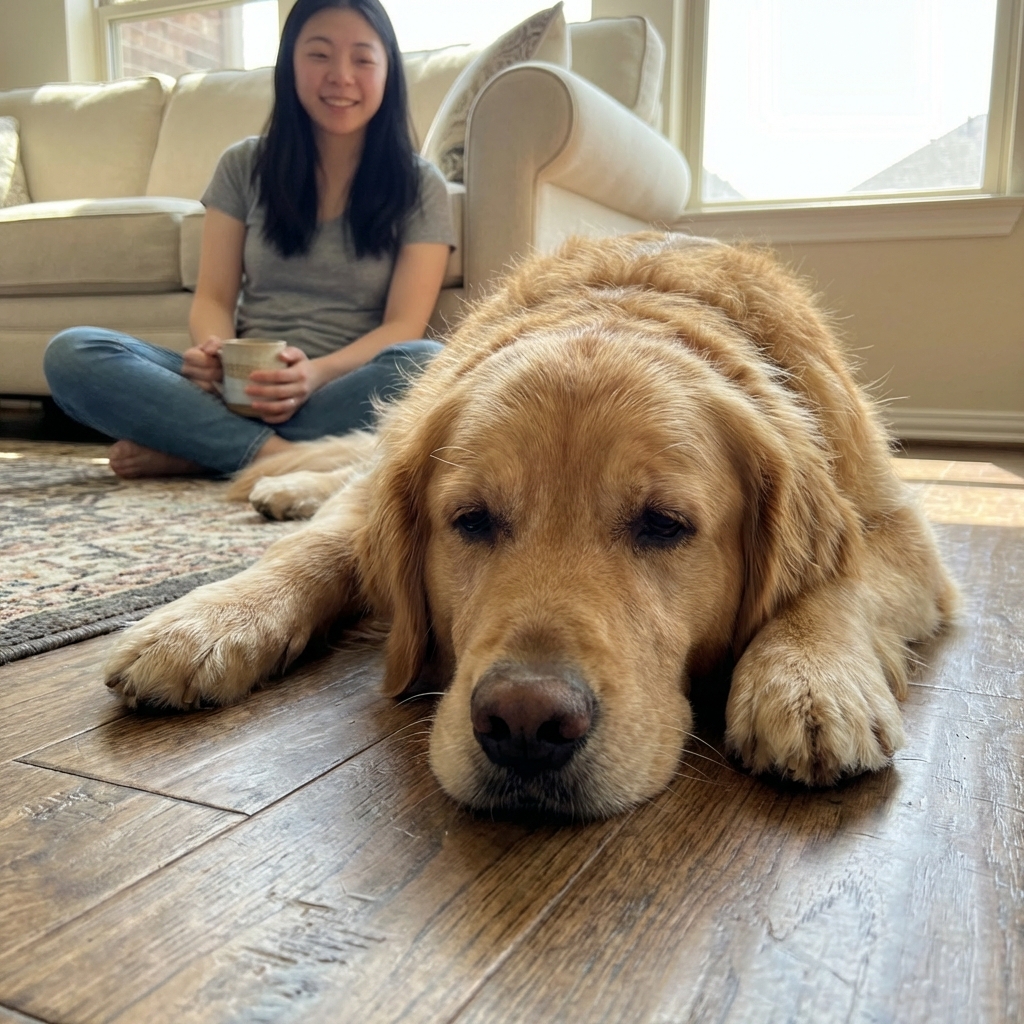
Important: Many dogs exposed to Lyme never develop noticeable symptoms. That is why prevention and vet guided testing discussions matter, especially after tick bites, travel, or heavy tick exposure.
When to call the vet fast
Lyme disease can affect the kidneys in a small number of dogs. Lyme nephritis is uncommon, but it is serious. This is one reason your veterinarian may recommend urine testing and kidney monitoring, especially if a Lyme test is positive or symptoms are concerning.
Same-day urgent
Call your veterinarian promptly if you notice:
- Vomiting or diarrhea that is persistent or worsening
- Refusing food for more than 24 hours or obvious weight loss
- Increased thirst and urination
- Swollen legs or belly (fluid retention can be a red flag)
- Very painful joints where your dog cries out, cannot get comfortable, or cannot bear weight
Emergency now
Seek emergency care immediately if your dog has:
- Extreme lethargy, collapse, or trouble breathing
- Severe weakness or cannot stand
If your dog seems suddenly “not like themselves,” trust your instincts and call your vet. Early care can prevent bigger problems.
Home care while you wait
Home care does not replace treatment, but it can keep your dog more comfortable and help you track changes clearly for your veterinarian.
1) Keep activity gentle
Limit rough play, long runs, and repetitive jumping. Short leash walks for potty breaks are usually best until pain and fever are addressed.
2) Support hydration and appetite
- Offer fresh water in multiple spots.
- Tempt appetite with warm, aromatic foods your vet has approved.
- If your dog is on a prescription diet, stick with it unless your vet tells you otherwise.
3) Track symptoms (simple notes help a lot)
Write down:
- Which leg is limping (if any) and when it happens
- Energy level (normal, mildly tired, very tired)
- Appetite (all, some, none)
- Bathroom habits (normal, more frequent urination, accidents)
- Any vomiting or diarrhea
4) Do not give human pain medications
Medications like ibuprofen and naproxen can be dangerous for dogs. Acetaminophen can also be harmful and should only be used if your veterinarian specifically instructs you to. Use only veterinary prescribed pain relief and anti-inflammatories.

What your veterinarian may do
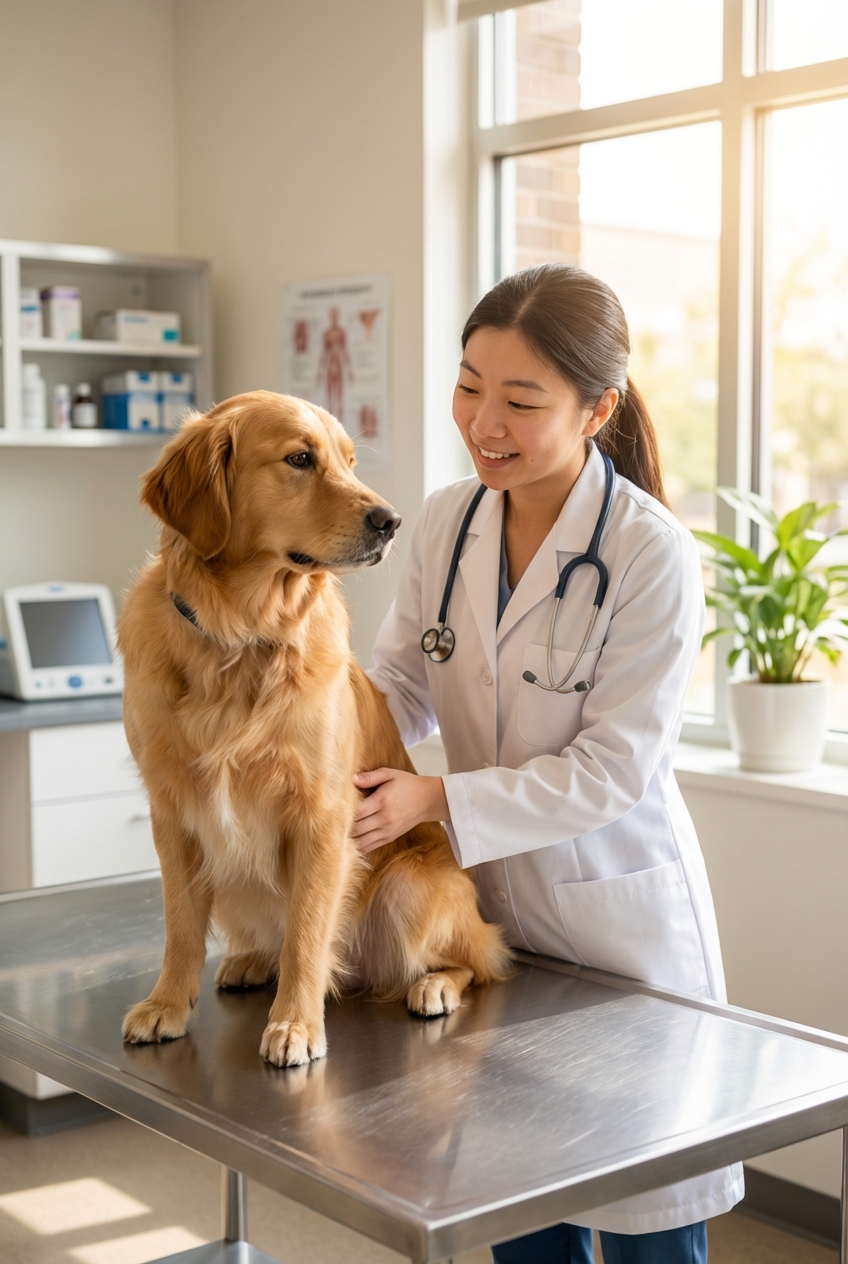
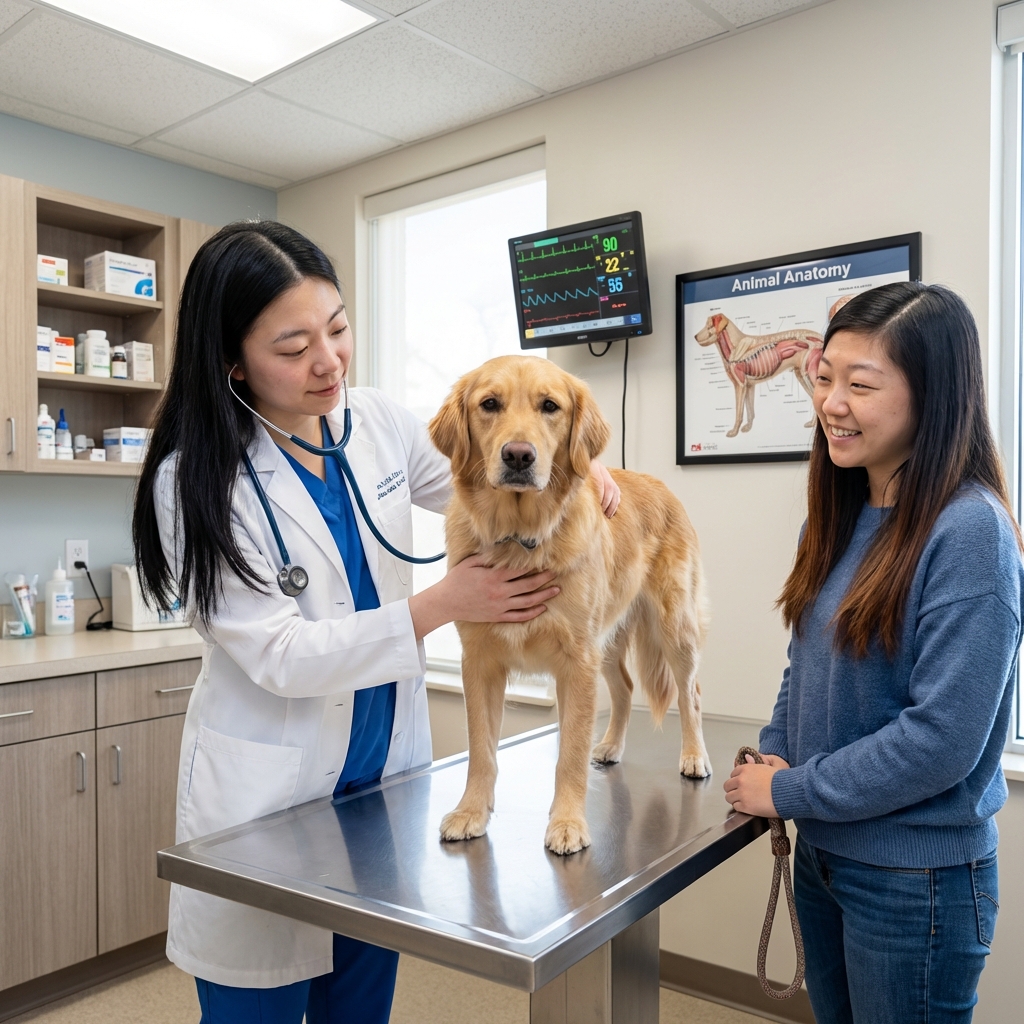
Your veterinarian will consider your dog’s symptoms, tick exposure risk, travel history, vaccination history, and test results. Common steps include:
- Physical exam: checking joints, temperature, and lymph nodes
- Blood testing: many clinics start with a Lyme screening test (often part of a 4DX test). These tests commonly detect antibodies, which can indicate exposure, not always active infection.
- Follow-up testing: your vet may recommend additional tests (such as a quantitative C6) or repeat testing to help interpret results alongside symptoms.
- Urinalysis and kidney values: especially if Lyme is suspected or confirmed, to screen for protein loss and kidney stress
- Antibiotics: doxycycline is commonly prescribed, and many dogs improve quickly once treatment begins
- Pain control plan: veterinary NSAIDs and other options depending on the dog
Even if your dog starts feeling better, complete the full medication course exactly as prescribed. Stopping early may increase the chance of persistent or recurring issues.
Tick checks and prevention
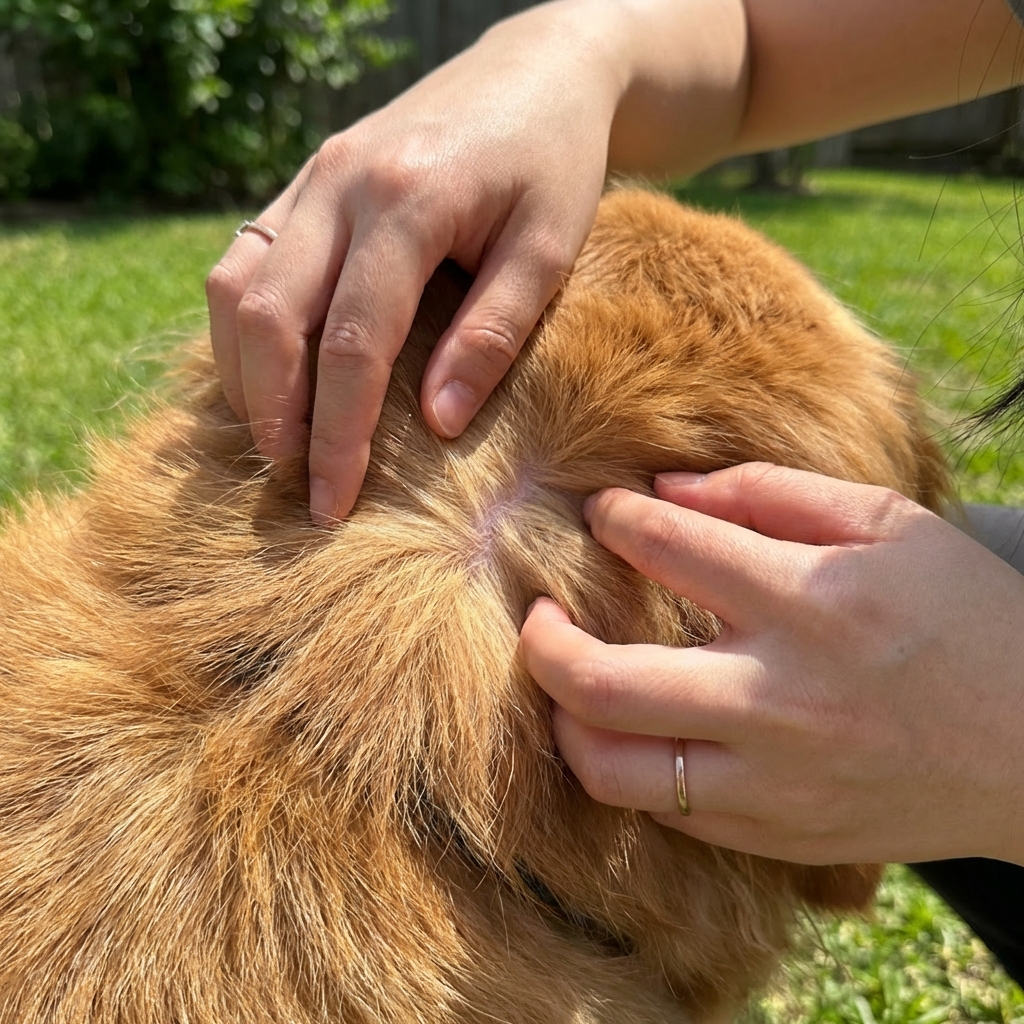
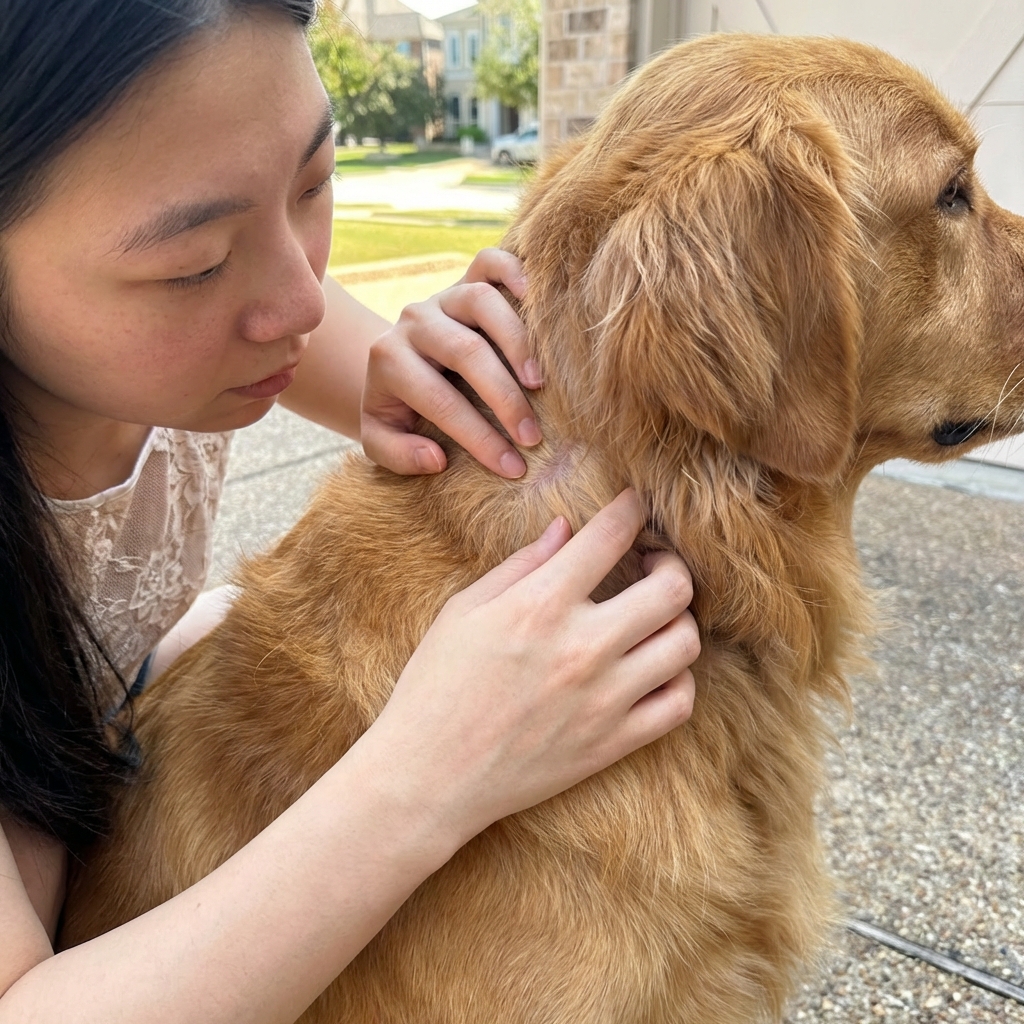
Tick checks are one of the simplest habits you can build. Ticks often attach in places we do not notice right away.
Helpful prevention detail: Lyme transmission typically requires a tick to be attached for a period of time (often cited as about 24 to 48 hours). Finding and removing ticks promptly can lower risk, even though it does not remove it completely.
Where to look
- Inside and around ears
- Under the collar and along the neck
- Between toes and around nail beds
- Armpits and groin area
- Under the tail
- Along the eyelids and around the mouth
If you find a tick
- Use fine-tipped tweezers to grasp close to the skin.
- Pull straight out with steady pressure.
- Clean the bite area and wash your hands.
- Contact your vet if you are unsure the tick was fully removed or if your dog becomes ill.
Prevention note: In many climates, tick prevention is a year-round need. Products vary (oral, topical, collars), and the best choice depends on your dog’s age, health, and lifestyle. Talk with your veterinarian about tick preventives and whether Lyme vaccination makes sense for your region and risk level.
Nutrition and comfort basics
Food is not a substitute for antibiotics, but a steady, high-quality diet can support recovery. When a dog is sore, tired, or feverish, simple choices matter.
- Keep meals consistent: sudden diet switches can upset the stomach.
- Prioritize protein and hydration: especially if appetite is low.
- Ask before adding supplements: some supplements can interfere with medications or be inappropriate for dogs with kidney concerns.
If your dog has any signs of kidney involvement, do not start new foods or supplements without your veterinarian’s guidance.
Frequently asked questions
Can my dog test positive but have no symptoms?
Yes. Many Lyme screening tests detect antibodies, which can mean exposure. Your vet will decide whether treatment is appropriate based on symptoms, risk factors, and additional testing, and they may also consider other tick borne diseases that can look similar.
How long after a tick bite do symptoms start?
It varies. Some dogs show signs weeks later, while others may not show symptoms for months. That is why tick prevention, tick checks, and paying attention to changes at home are so important.
Will my dog be okay?
Many dogs respond very well to veterinary treatment and return to normal activity. The best outcomes happen when symptoms are recognized early and kidney health is monitored when indicated.
A simple plan to follow
- Morning: quick mobility check, appetite check, fresh water
- After potty break: tick check on ears, neck, and feet
- Midday: note energy level and comfort, keep activity calm
- Evening: short walk only if comfortable, full-body tick check, write symptom notes
- Anytime: call your vet if new vomiting, worsening pain, collapse, trouble breathing, or changes in drinking and urination appear
You do not have to memorize everything. Just be consistent. Small daily observations are often what lead to the right help at the right time.