Is the lepto vaccine necessary for your dog? Learn how leptospirosis spreads, which dogs need it most, typical dosing schedules, signs, side effects, and vet...
Article
•
Designer Mixes
Daily Brucellosis in Dogs Explained

Shari Shidate
Designer Mixes contributor
Brucellosis is one of those dog health topics that can feel scary fast, especially because it can spread between dogs and, in some situations, to people. As a veterinary assistant in Frisco, Texas, I have learned that calm, consistent prevention beats panic every time. If you understand how it spreads, what signs to watch for, and what “daily prevention” really looks like, you can protect your dog and your household with confidence.

What it is
Canine brucellosis is usually caused by a bacterium called Brucella canis. It most often affects a dog’s reproductive system, but it can also impact lymph nodes, eyes, spine, and overall health. Some dogs look totally normal while still carrying and shedding the bacteria, which is a big reason this disease can quietly spread in breeding environments, shelters, and multi-dog homes.
Brucellosis is considered a zoonotic disease, meaning it can infect humans. Human infection is uncommon, but the risk is real, especially when people are exposed to reproductive fluids or blood from an infected dog.
How dogs get it
Brucellosis spreads through contact with infected bodily fluids. The highest-risk fluids are:
- Vaginal secretions and fluids from heat cycles
- Semen
- Birthing fluids, placenta, and aborted fetal tissue
- Blood and discharge from infected tissues
Other fluids can carry bacteria at times (including urine), but reproductive fluids and birthing or abortion material are the main concern in real-world spread.
Common ways dogs are exposed include:
- Mating (one of the most efficient routes)
- Contact with birthing or abortion material (including contaminated bedding, floors, towels, or hands)
- Licking or sniffing areas contaminated with reproductive discharge or blood
- Close contact in kennels, rescues, or breeding groups, especially when intact dogs mix
The bacteria can persist in the environment for a limited time, particularly in cooler, damp areas. That is why quick cleanup and proper disinfection matter.
Why people search “daily brucellosis”
Many people type “daily brucellosis in dogs” when they are really asking: “What can I do every day to reduce my dog’s risk?”
The honest answer is that there is no daily vitamin, food, or supplement that prevents brucellosis. Prevention is about daily habits that reduce exposure, plus smart testing decisions when breeding or bringing a new dog home.
Signs to watch for
Symptoms can be subtle, and some dogs never show obvious signs. When symptoms do show up, they can include:
- Reproductive issues: infertility, failure to conceive, testicular swelling, pain, or shrinking testicles over time
- In females: late-term miscarriage, stillborn puppies, weak newborns, persistent vaginal discharge
- General signs: lethargy, enlarged lymph nodes, mild fever (not always)
- Musculoskeletal issues: back pain, stiffness, reluctance to jump, limping (can be related to spinal inflammation)
- Eye issues: inflammation or discharge in some cases
If your dog is intact (not spayed or neutered) and you see reproductive changes, or if you adopted an intact dog with an unknown history, brucellosis should be on the list of “rule-outs” to discuss with your veterinarian.
Daily prevention that helps
1) Avoid contact with unknown fluids
Sniffing is normal, but brucellosis risk is higher when dogs have access to reproductive fluids, birthing material, or bloody discharge. On walks and in shared spaces, the goal is simple: prevent contact with anything that looks like a bodily fluid.
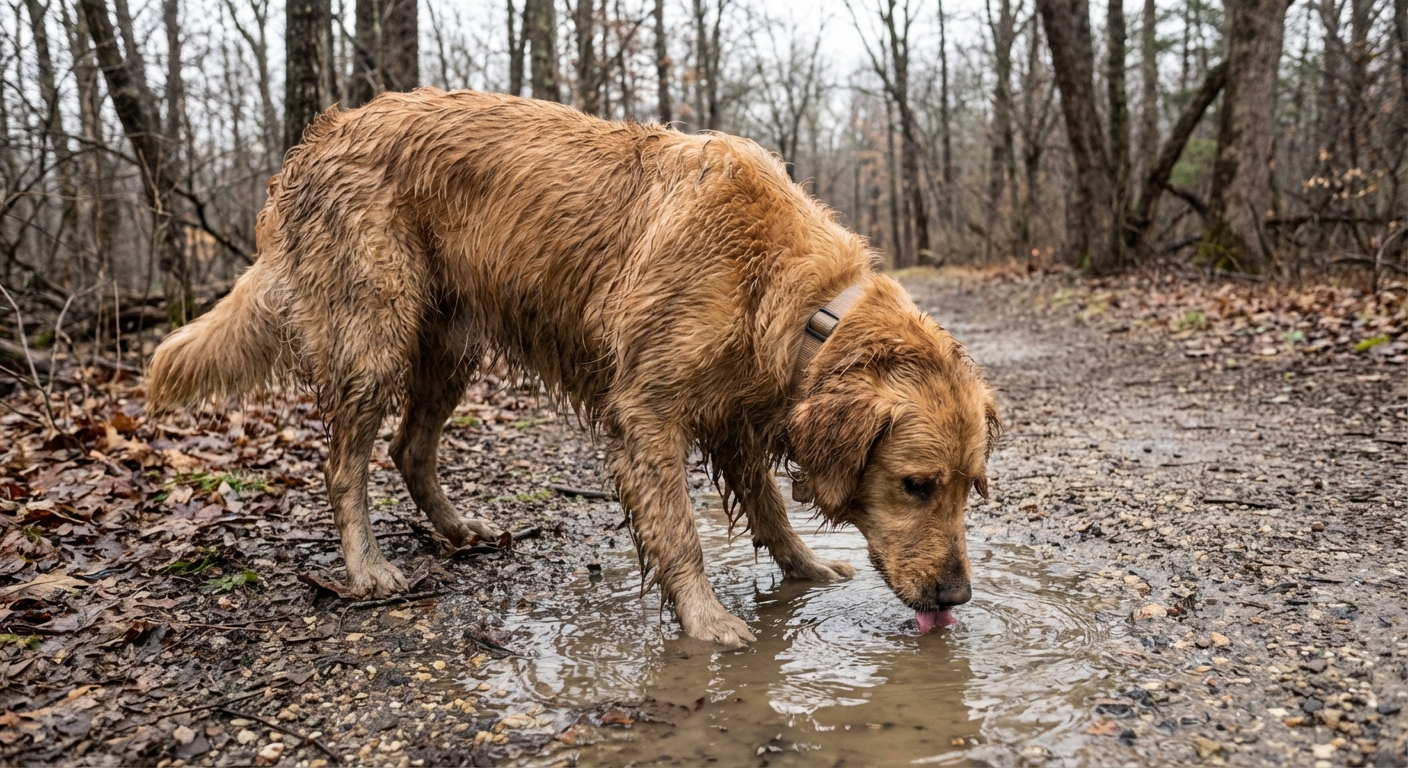
- Do not allow your dog to lick puddles or any wet, soiled ground with unknown residue.
- Avoid letting dogs investigate tissues, rags, or unknown debris.
- Be extra cautious around any visible discharge, blood spots, or areas that look like a recent mess from another dog.
2) Choose controlled social time
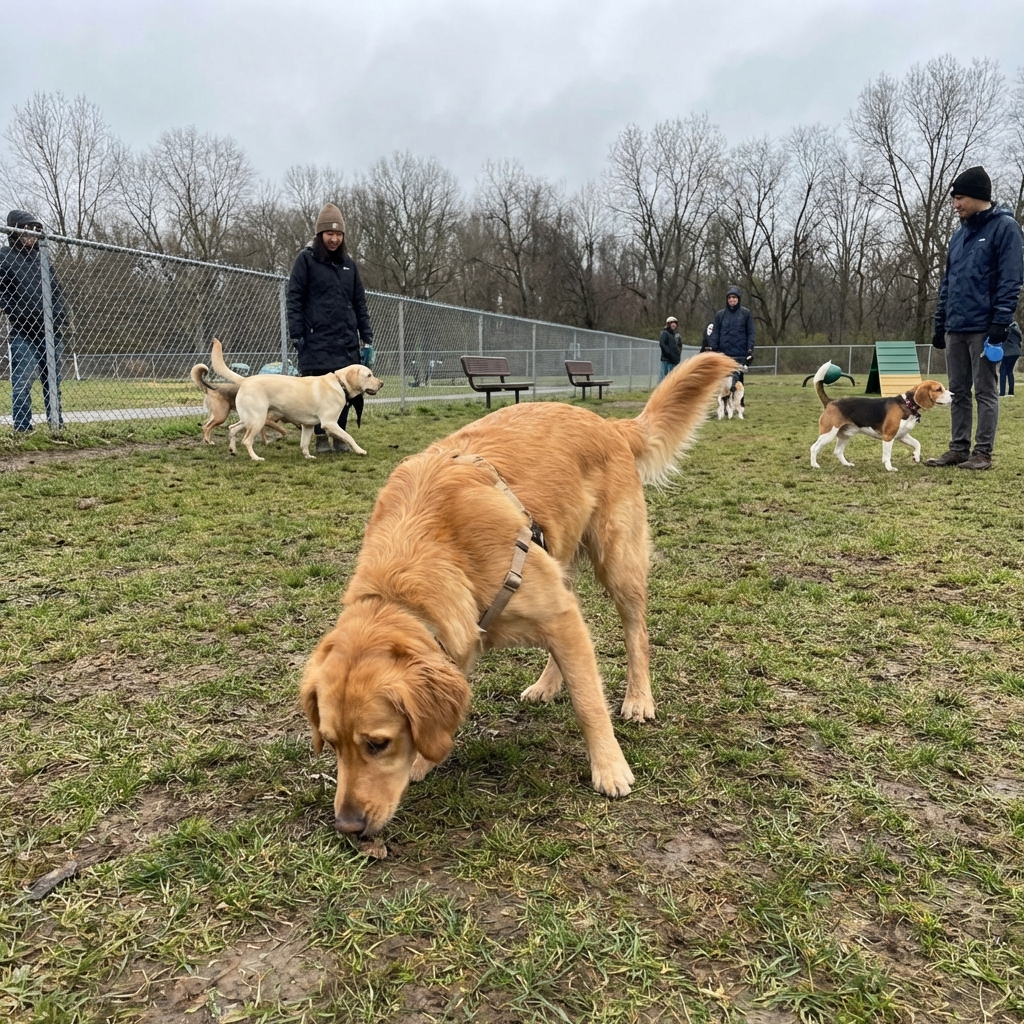
Risk rises with uncontrolled dog-to-dog contact, especially when unneutered and unspayed dogs mix. Keep social time selective and supervised.
- Avoid situations where intact dogs can mate or “tie.”
- Skip crowded, chaotic dog park situations if you cannot closely supervise.
- Ask your groomer, trainer, or daycare about intake screening and sanitation practices.
3) Keep a clean routine in multi-dog homes
For most single-dog households, basic cleanliness is enough. If you foster, breed, or have multiple dogs, daily hygiene matters more.
- Wash bedding routinely using hot water and detergent.
- Disinfect hard surfaces after any contact with blood or reproductive fluids.
- Wear disposable gloves for any cleanup involving bodily fluids, especially reproductive discharge or blood.
- Wash hands thoroughly after handling any discharge or contaminated items.
4) Spay and neuter when appropriate
Spay and neuter decisions are personal and should be made with your veterinarian, considering your dog’s breed, age, and health. From a brucellosis standpoint, reducing mating behavior and reproductive fluid exposure can lower risk and limit spread.
Important note: Spay or neuter does not cure brucellosis. Infected dogs can still be carriers, but altering can reduce transmission risk tied to breeding and reproductive activity.
5) Quarantine and test new dogs
This is one of the most important prevention steps in the real world, especially if you have multiple dogs or any breeding plans.
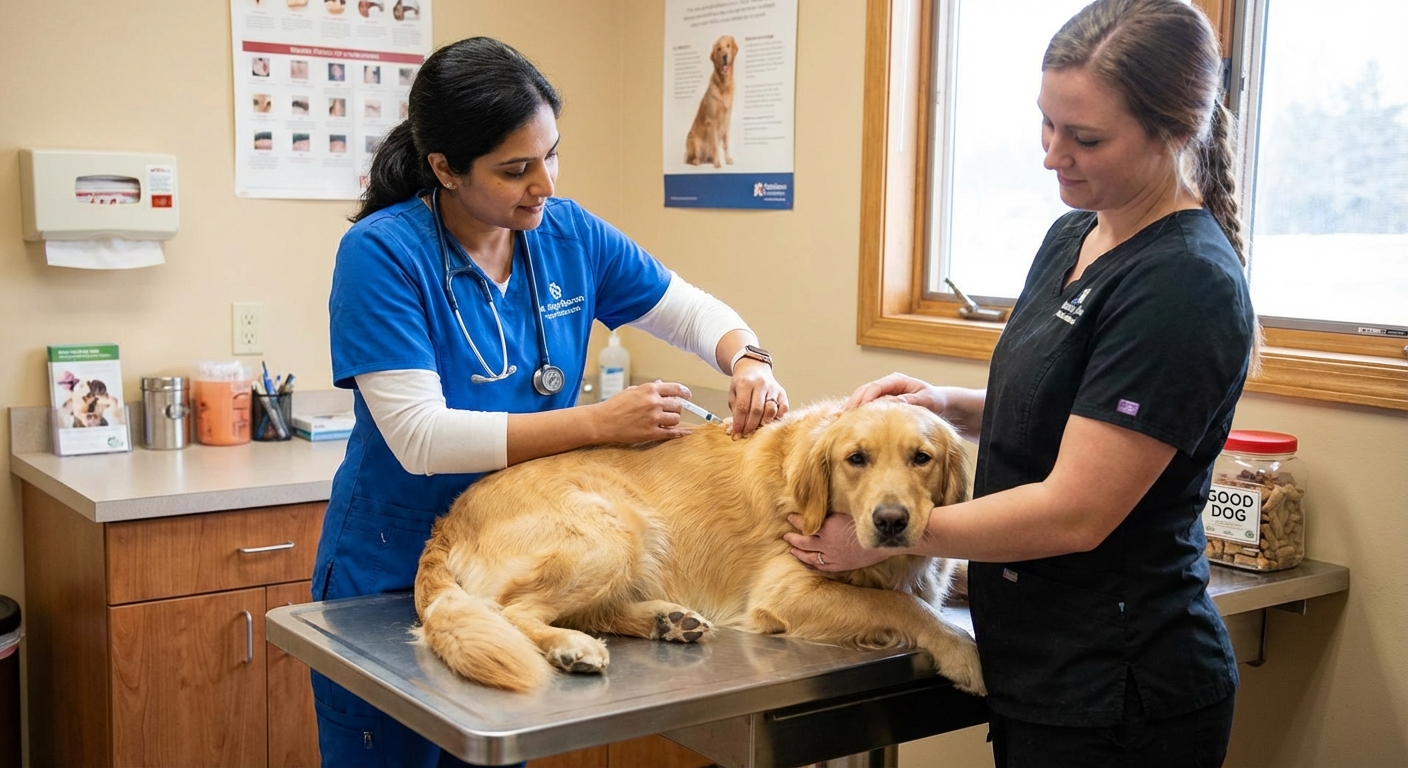
- If you are adding a new dog to your home, especially an intact adult, ask your veterinarian whether brucellosis testing makes sense.
- Consider a brief separation period for new arrivals until health status is clearer, particularly if you have intact dogs or a pregnant dog in the home.
Testing basics
Testing for canine brucellosis is not always as simple as a single yes or no result. Some tests are used for screening, and others are used to confirm. Dogs can test negative early in infection and later test positive, so repeat testing may be recommended based on timing and risk.
At a high level, many clinics start with a screening blood test, then follow up positives (or high-suspicion cases) with confirmatory testing. Depending on the situation, a veterinarian may also discuss additional options such as PCR or culture through specialized labs.
If you are planning to breed your dog, brucellosis testing is strongly recommended and considered a standard part of responsible breeding practices.
If you suspect it
If you suspect brucellosis, take these steps right away:
- Call your veterinarian and explain your concern before arriving.
- Limit contact between the suspected dog and other dogs.
- Avoid exposure to bodily fluids, especially reproductive fluids and blood. Use gloves for cleanup.
- Do not breed the dog.
Treatment can be challenging. Antibiotics may reduce symptoms, but relapses can happen, and some dogs remain carriers. Management decisions depend on your dog’s role in the household, breeding status, and public health risk. Your veterinarian will guide you through options based on current recommendations.
What happens after a positive
In shelters, kennels, and breeding programs, a positive brucellosis result usually triggers strict infection-control steps such as isolation, retesting, and tracing close contacts. Policies can vary by state, facility, and organization, so your veterinarian or the facility manager is the best source for what applies in your area.
Human safety
Most families will never deal with brucellosis, but it is smart to respect it. People at higher risk include anyone who is pregnant, immunocompromised, or routinely handling canine reproductive fluids (breeders, shelter staff, veterinary staff).
The highest human risk comes from exposure to reproductive fluids, birthing or abortion material, and blood.
Simple safety steps help a lot:
- Wash hands after handling dogs, bedding, or waste.
- Use gloves when cleaning up blood or reproductive discharge, and when handling soiled bedding from a suspected case.
- Do not allow dogs to lick open cuts or wounds.
If you believe a person has been exposed, especially someone who is pregnant or immunocompromised, contact a physician. Your local public health department may also be able to advise on next steps.

When to talk to your vet
Please reach out to your veterinarian if:
- You have an intact dog with unknown history (especially a rescue or rehome)
- You are planning to breed, even once
- Your dog had a miscarriage, stillbirths, or infertility concerns
- Your dog has persistent testicular swelling, discharge, or unexplained back pain
- You foster or have frequent new dogs entering your home
Action step you can do today: if your dog is intact and you regularly visit dog parks, daycare, or group training, ask your vet whether brucellosis screening is appropriate for your area and your dog’s lifestyle.
Friendly reminder: This article is for education and is not a substitute for veterinary care. If you are worried about brucellosis, your veterinarian can help you choose the right testing and next steps.
Bottom line
Daily brucellosis prevention is not about fear. It is about reducing exposure to the highest-risk fluids, making smart choices with intact dogs, and testing when risk is higher. With a few steady habits and a good relationship with your veterinarian, you can keep your dog safer and protect the rest of your pack too.