A vet assistant’s step-by-step crate training guide for puppies, adult rescues, and senior dogs. Learn crate setup, timing, whining fixes, safe duration, a...
Article
•
Designer Mixes
Daily Bringing Home a Rescue Dog Advice You Need

Shari Shidate
Designer Mixes contributor
Bringing home a rescue dog is one of the most meaningful things you can do. It is also a big change for your dog, even if they seem excited on day one. Most rescue pups have experienced at least one major life disruption, and your job in these early days is simple: create safety, predictability, and gentle structure.
As a veterinary assistant, I have seen it again and again. The dogs who settle in best are the ones whose people go slow, watch body language, and stick to a steady daily routine. Let’s walk through what to do each day, what to expect, and how to avoid the most common new rescue mistakes.
Before day one: set up a calm landing zone
Think of your home like a brand-new planet for your dog. New smells, new sounds, new humans, new rules. A “landing zone” gives them one predictable place where nothing scary happens.
- Choose a quiet area away from heavy traffic like the front door or kitchen.
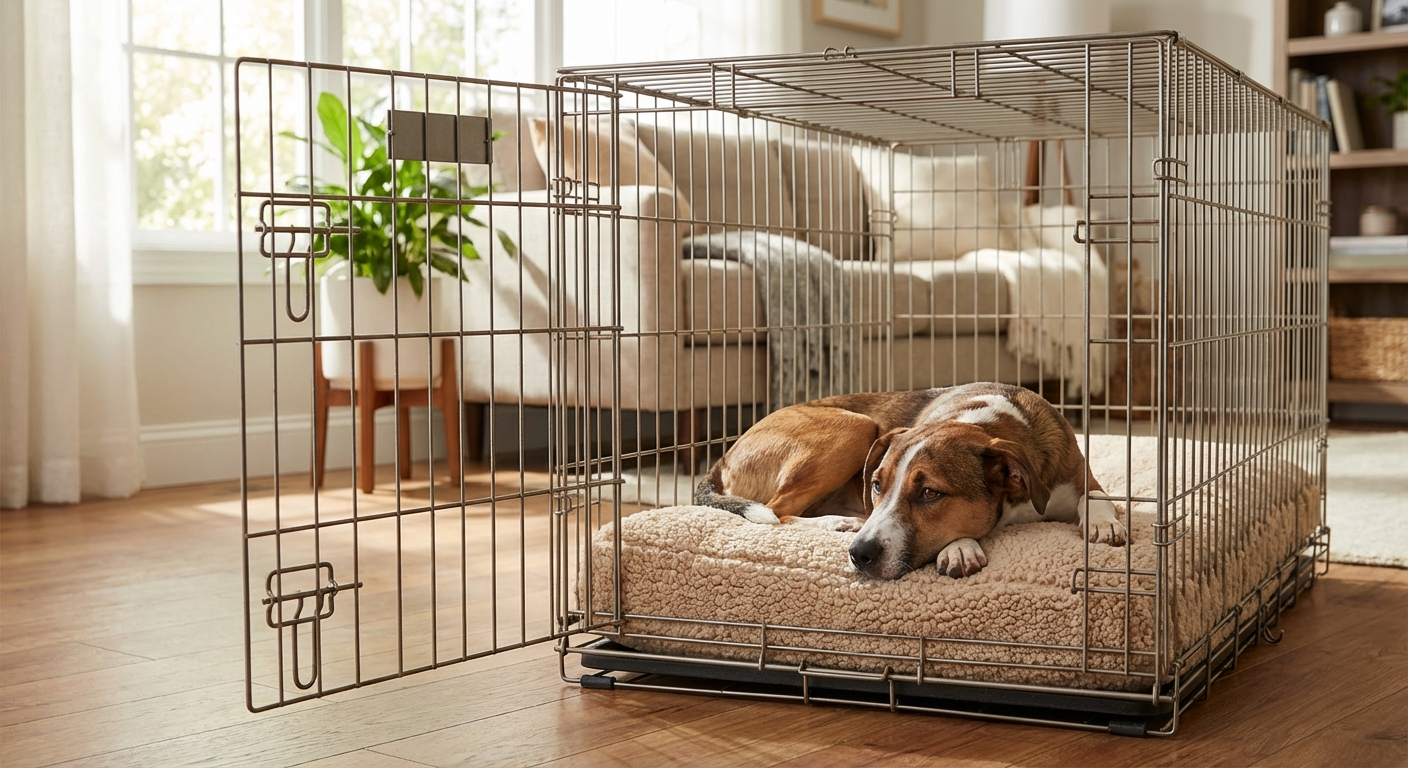
- Provide a comfy bed and a safe retreat, like a crate with the door open or an exercise pen.
- Add water immediately, and feed meals on a schedule instead of free-feeding if possible.
- Use baby gates to limit access at first. Too much freedom too soon can increase accidents and anxiety.
- Remove hazards like cords, kids’ toys, houseplants that may be toxic, and unsecured trash.
The 3-3-3 adjustment guideline
You will often hear the “3-3-3 rule” for rescue dogs. It is not a promise, but it is a helpful framework for what many dogs experience.
- First 3 days: your dog may feel overwhelmed, shut down, clingy, or unsure. Appetite and sleep can be weird.
- First 3 weeks: routines start to make sense. Personality begins to peek out. Some behavior issues can show up here.
- First 3 months: trust deepens. You will see more consistency, confidence, and true habits.
Progress is rarely a straight line. A “good week” can be followed by a rough day, especially after visitors, vet visits, storms, or schedule changes.
Your daily checklist for the first month
Morning: calm, predictable start
- Potty first before play. Use the same door and same potty spot.
- Reward potty with a treat within 1 to 2 seconds, so your dog connects the dots.
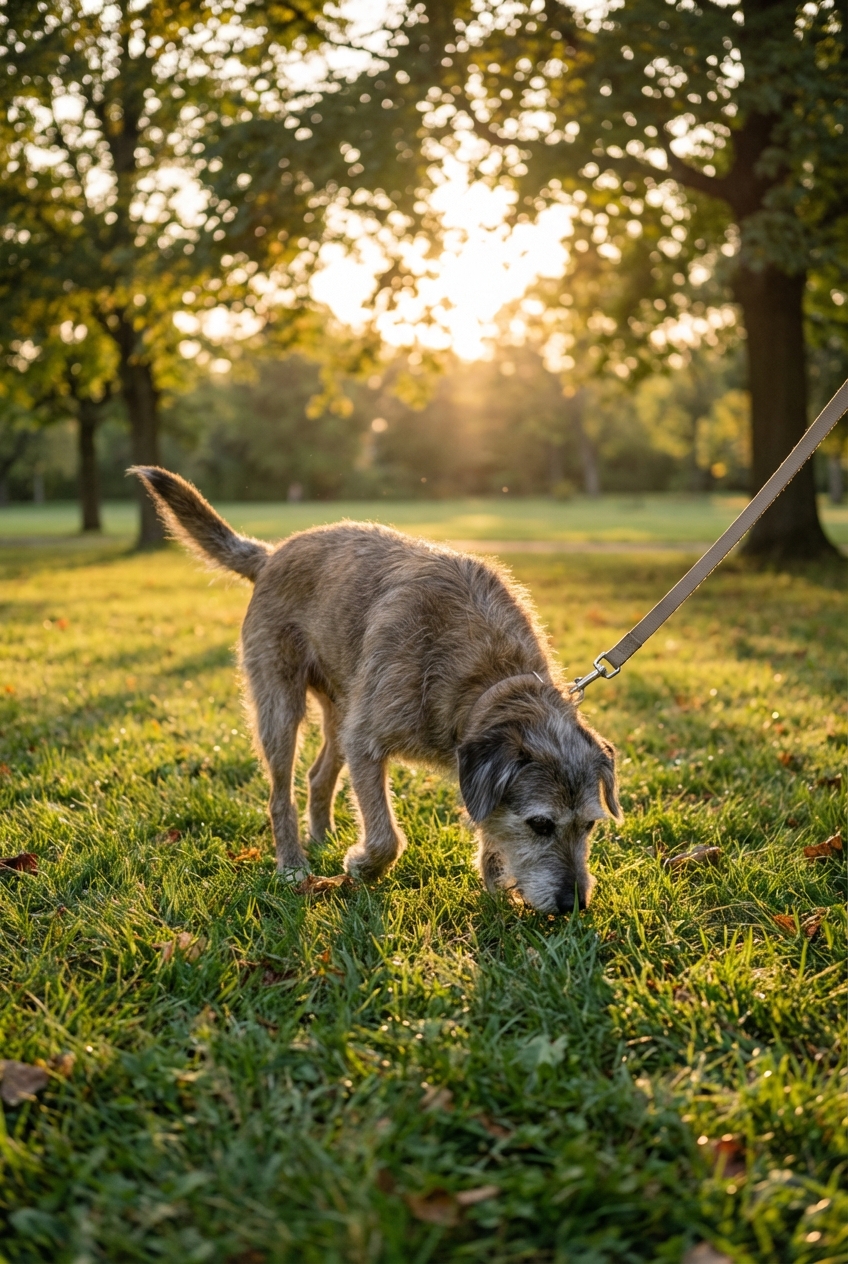
- Short decompression walk before busy streets. Let them sniff. Sniffing lowers stress for many dogs.
- Breakfast at the same time daily. Consistency helps digestion and reduces anxiety.
Midday: prevent boredom and stress
- One enrichment activity like a stuffed Kong, lick mat, snuffle mat, or food puzzle.
- One short training session (3 to 5 minutes). Focus on name response, “touch,” sit, and leash manners.
- Quiet time in their safe area. Many rescue dogs do not know how to truly rest at first.
Evening: set up a successful night
- Dinner on schedule, then a potty break.
- Gentle play based on your dog’s comfort. Avoid intense roughhousing that revs them up.
- Wind-down routine like a chew, soft music, dim lights, and predictable bedtime.
What to prioritize first (and what can wait)
Top priorities
- Safety: secure leash and collar or harness, proper ID tag, and microchip registration updated.
- Routine: same mealtimes, potty schedule, walk times, and bedtime.
- Relationship: reward-based training, gentle handling, and respect for boundaries.
- Health basics: plan a veterinary visit and keep parasite prevention consistent.
What can wait
- Dog park visits
- Big social events and lots of visitors
- Long road trips
- Fancy training goals
In the beginning, less is usually more. You are not “missing out.” You are building a stable foundation.
Feeding advice that supports a smooth transition
Digestive upset is incredibly common right after adoption. Stress alone can cause soft stool, and diet changes can add to it. The best approach is steady and simple.
- Keep the current food at first if you can, then transition slowly over 7 to 14 days.
- Measure meals and avoid constant treats. Weight gain happens fast, especially if your dog is spayed or neutered.
- Choose high-value treats wisely for training, but keep them tiny. Pea-sized is perfect.
- Watch stool quality daily. Sudden watery diarrhea, blood, vomiting, or lethargy is a vet call.
If you are interested in adding fresh, whole foods, go slow. A little cooked lean protein or plain pumpkin can be a gentle start, but always check with your veterinarian if your dog has any medical history you do not fully know yet.
Vet visit timing and what to ask
Even if your rescue came with medical records, a new-pet exam helps you establish a baseline. Many clinics recommend scheduling within the first 7 to 14 days, sooner if you notice coughing, vomiting, diarrhea, itching, ear odor, limping, or low appetite.
Bring this to your first appointment
- Any shelter or rescue paperwork and vaccine dates
- A list of current foods, treats, and supplements
- Photos or notes of concerning stool, skin, or behavior
Ask about
- Heartworm testing and prevention timing
- Flea and tick prevention options for your area
- Intestinal parasite screening and deworming
- Dental health and a home-care plan
- Spay or neuter status and any follow-up needed
- Behavior and anxiety support if your dog is struggling
Common behavior surprises in the first weeks
Many rescue dogs are “on their best behavior” at first, then shift as they feel safer. That is normal. It does not mean you made a mistake. It means your dog is finally letting their guard down.
If your dog is fearful
- Do not force greetings or petting.
- Let your dog approach you. Toss treats sideways, not directly at them.
- Use a calm voice and slow movements.
If your dog is mouthy or nippy
- Keep chew toys handy and redirect immediately.
- End play if teeth touch skin. Pause, then resume calmly.
- Consider that overstimulation and lack of sleep often make mouthiness worse.
If your dog guards food or toys
- Do not take items by force.
- Use trade-ups: offer a higher-value treat in exchange.
- Feed in a quiet, separated area and talk with a qualified trainer early.
Safety note: If your dog shows repeated growling, snapping, or biting, involve your veterinarian and a credentialed positive-reinforcement behavior professional. Early support can change the whole trajectory.
House training and crate comfort, day by day
Some rescue dogs are house trained, some are not, and many are confused in a new environment. Assume your dog needs a refresher.
Potty schedule that works for most dogs
- First thing in the morning
- After eating
- After drinking a lot
- After play
- After naps
- Right before bedtime
Crates are not for punishment. When introduced correctly, they are a cozy bedroom that helps with rest, travel safety, and house training. Feed meals near the crate or inside it, use special chews only in the crate, and keep sessions short and positive.
Kids, cats, and other dogs: go slower than you think
Even a friendly dog can struggle with sudden face-to-face introductions. Slow introductions protect everyone and reduce the odds of a scary incident.
With kids
- Teach kids to let the dog come to them.
- No hugging, no climbing, and no hand-in-the-face greetings.
- Give your dog a kid-free zone for naps and meals.
With resident dogs
- Start with parallel walks outdoors, not an immediate indoor meeting.
- Pick up toys and chews during early days to reduce conflict.
- Feed separately.
With cats
- Use baby gates and leash control initially.
- Provide high escape routes for the cat.
- Reward calm behavior and end sessions before excitement escalates.
Simple ways to build trust every day
- Be consistent: same cues, same expectations, same routine.
- Reward what you want: calm sitting, checking in on walks, choosing a toy instead of a shoe.
- Respect “no thanks” signals: turning away, lip licking, whale eye, tucked tail, freezing.
- Provide rest: many dogs need 12 to 14 hours of sleep in a day, sometimes more during adjustment.
- Keep a small journal: meals, stool, triggers, wins. Patterns show up fast when you write them down.
When to seek help right away
Please reach out to a veterinarian promptly if you notice any of the following:
- Repeated vomiting, inability to keep water down
- Watery diarrhea lasting more than 24 hours, or any blood in stool
- Coughing, labored breathing, blue or pale gums
- Extreme lethargy, collapse, or refusal to eat for more than a day
- Suspected toxin exposure, including chewing medications or certain plants
- Escalating aggression or biting
Rescue dogs deserve a fresh start, and you deserve support too. Asking for help is not failing. It is responsible pet parenting.
One last loving reminder
If your rescue dog seems distant, anxious, or “not grateful,” please do not take it personally. Gratitude in dogs looks like safety. It looks like deep sleep. It looks like relaxed body language. It looks like choosing to come to you on their own.
Give your dog time, keep your days predictable, and celebrate the small wins. Those little moments stack up into trust, and trust turns into a lifelong bond.