
Dachshund: Personality, Size Varieties, and Common Health Issues

Dachshunds are small dogs with big opinions. They were bred to hunt badgers, and you can still see that courageous, determined spirit in the way they move, sniff, dig, and decide what they will and will not do. If you are considering a Dachshund, it helps to understand two things up front: their size varieties are more nuanced than most people realize, and their health needs go well beyond “back problems.”
In this breed profile, we will cover standard vs. miniature vs. kaninchen sizes, the bold and stubborn personality, exercise and enrichment, grooming by coat type, and the most common health concerns including IVDD, obesity, dental disease, and a few other issues Dachshund parents should watch for.
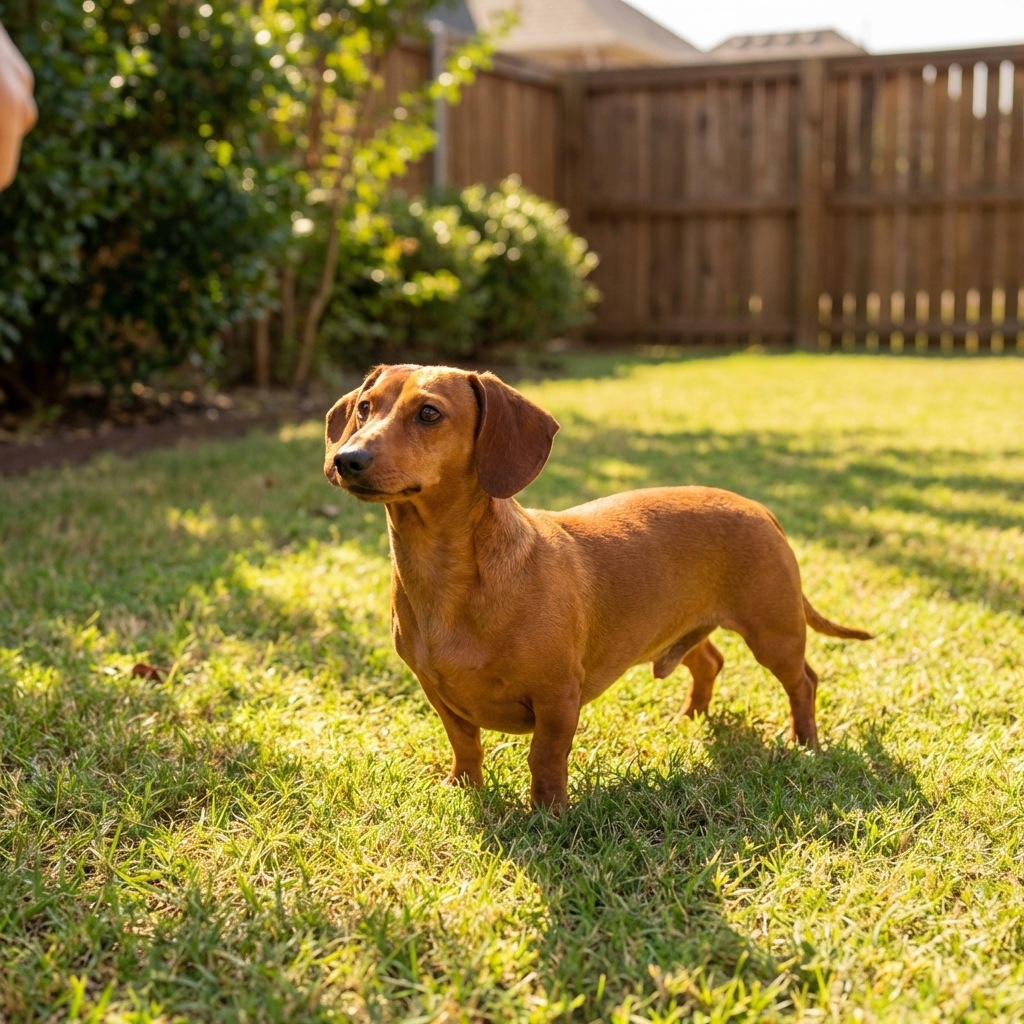
Quick Dachshund snapshot
- Group: Hound (in many kennel clubs)
- Temperament: Bold, curious, loyal, often stubborn and vocal
- Lifespan: 12 to 16 years
- Coat types: Smooth, longhaired, wirehaired
- Common health concerns: IVDD, obesity, dental disease, patellar luxation, eye disease, endocrine and skin issues in some lines
- Best fit for: People who enjoy training games, routine, and proactive health habits
Size varieties
Dachshunds come in three size categories commonly discussed by owners and breeders. Depending on where you live, “kaninchen” may not be officially recognized by your kennel club, but it is widely used to describe an especially small Dachshund originally bred for rabbit hunting.
Standard Dachshund
Standard Dachshunds are the classic, sturdier version. They are still low to the ground, but they usually have a bit more overall mass and bone. Adult weight is commonly described as about 16 to 32 pounds, although this can vary by club, region, and individual dog.
Miniature Dachshund
Miniature Dachshunds are typically defined as 11 pounds or less in many breed standards. Minis are popular with apartment dwellers, but do not let the size fool you. Minis can be just as athletic and intense as standards, and they still need structured exercise and training.
Kaninchen Dachshund
“Kaninchen” (German for “rabbit”) is a size designation recognized in some countries (including under the FCI system) but not recognized as a separate size by others (such as the AKC and The Kennel Club in the UK). Importantly, kaninchen is often defined by chest circumference (and sometimes weight) rather than a single universal number. You may see it described as smaller than a mini, but exact cutoffs depend on the registry and the breeder’s program.
These dogs can be wonderful companions, but their tiny frames mean owners should be extra thoughtful about jump prevention, dental care, and safe handling.

Personality
As a veterinary assistant, I always tell Dachshund families this: your dog is not “being difficult” to annoy you. Many Dachshunds were bred to work independently underground, and that independent streak shows up as persistence and strong opinions.
What you will likely love
- Loyalty: Many Dachshunds bond deeply with their people.
- Confidence: They often act like they are ten feet tall.
- Comedy: They can be silly, expressive, and charming.
What may surprise you
- Vocal tendencies: Barking can be a real issue without training and enrichment.
- Selective hearing: They are smart, but they may negotiate.
- Protectiveness: Some can be wary of strangers or other dogs if not well socialized.
- Separation tendencies: Many bond intensely, which can turn into clinginess or stress if alone-time skills are not taught early.
Actionable tip: Start positive reinforcement training early, keep sessions short, and pay your dog for calm behavior. For Dachshunds, “quiet,” “leave it,” and “place” are life-changing cues. If barking is a challenge, add sound desensitization and teach an “alert, then settle” routine.
Exercise needs
Dachshunds need regular exercise to support a healthy weight, muscle tone, and mental wellbeing. The key is choosing activities that build strength and burn energy while minimizing repetitive high-impact jumping. Also, aim for consistency. A lean, fit Dachshund with good muscle tone is usually better supported than a couch potato who only does “weekend warrior” outings.
Great exercise options
- Leashed walks (several shorter walks can be better than one long one for some dogs)
- Sniff walks where your dog can explore and decompress
- Food puzzles and scatter feeding to turn meals into enrichment
- Low-impact play like fetch on flat ground with a soft toy
- Canine sports like scent work or barn hunt style games, when appropriate
Use caution with
- Stairs (especially repeated stair use)
- Couch and bed jumping
- Rough play with larger dogs that can twist the spine
Actionable tip: Consider pet ramps for couches and beds, and use baby gates to reduce stair access. These small changes can make a big difference over a lifetime.
Grooming by coat
Dachshunds are not one-coat-fits-all. Their grooming needs depend heavily on coat type, and meeting those needs helps prevent skin irritation, mats, and ear problems.
Smooth coat
- Maintenance: Low
- Routine: Weekly brushing or a grooming glove, plus nail trims and ear checks
- Watch for: Dry skin and seasonal shedding
Longhaired coat
- Maintenance: Moderate
- Routine: Brush several times a week to prevent tangles, especially behind ears, chest, and feathering
- Watch for: Mats and debris tracked in from outside
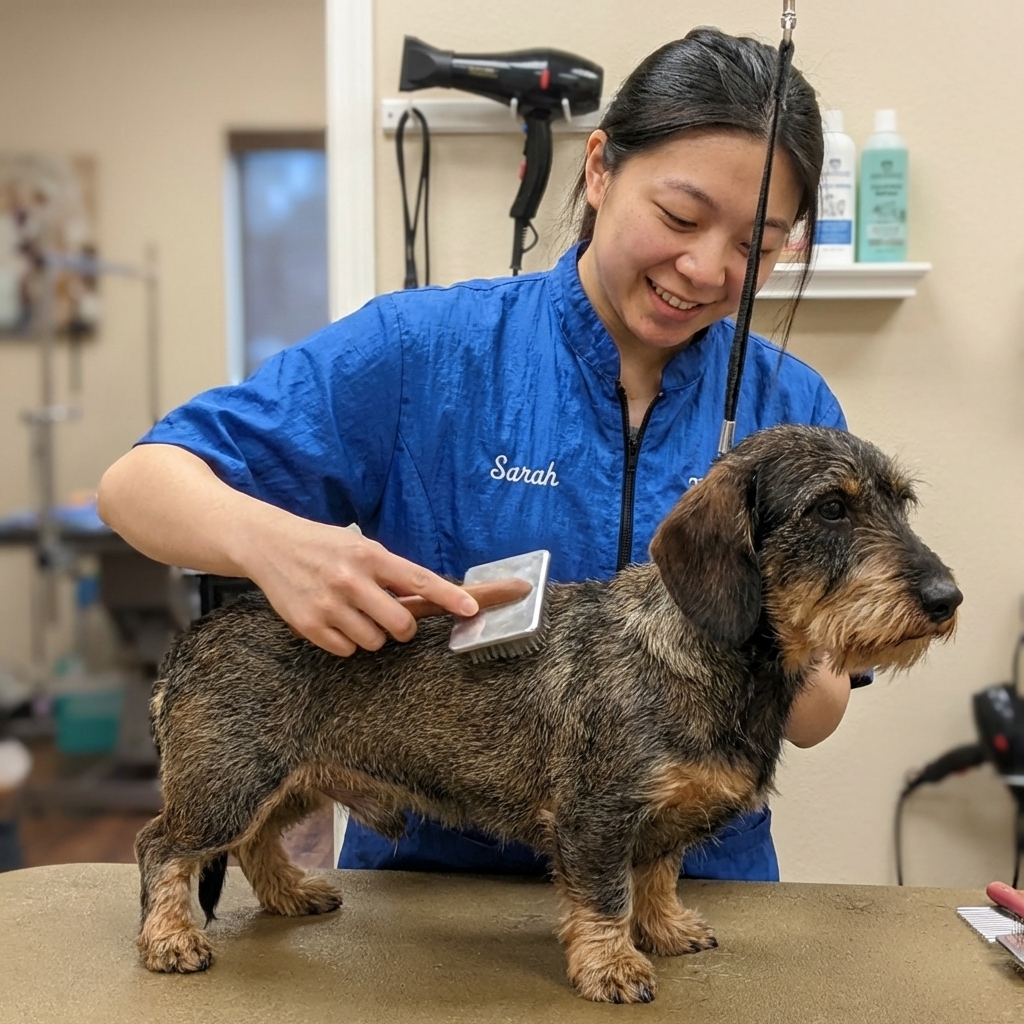
Wirehaired coat
- Maintenance: Moderate to high
- Routine: Regular brushing and, for many, periodic hand-stripping or professional grooming depending on coat goals
- Watch for: Skin sensitivity and follicle issues in some dogs
Common health issues
Dachshunds can live long, happy lives, but they do best with proactive care. Below are the most common concerns I see discussed in clinics and by dedicated breed owners.
IVDD (intervertebral disc disease)
IVDD is the health topic most associated with Dachshunds for a reason. Their long backs and genetic predisposition can increase the risk of disc degeneration and herniation. Signs can start subtly and then escalate quickly.
- Early warning signs: reluctance to jump, hunched posture, crying when picked up, shaking, a tight or tense belly, hiding, weakness
- Emergency signs: wobbly walking, dragging paws, inability to stand, loss of bladder control
If you want a deeper prevention-focused read, visit our dedicated resource: Dachshund Back Problems: Preventing IVDD.
Actionable tip: Learn safe handling. Support the chest and the rear end when lifting, keeping the spine level. Avoid letting your Dachshund launch off furniture. If your dog has sudden back pain, weakness, or coordination changes, contact your vet promptly for guidance on safe confinement and next steps.
Obesity and weight strain
Extra pounds are not just a cosmetic issue in Dachshunds. They increase stress on the spine and joints, and can worsen breathing, endurance, and overall comfort.
- Why it happens: enthusiastic appetites, too many treats, free-feeding, and not enough daily movement
- Why it matters: higher risk of back pain, arthritis, and reduced mobility
Actionable tip: Use a kitchen scale for meals, keep treats under 10 percent of daily calories, and choose low-calorie rewards like small pieces of lean protein or vet-approved treats.
Dental disease
Small dogs, including many Dachshunds, are prone to plaque and tartar buildup. Dental disease can lead to painful gums and tooth loss. It is also associated with chronic inflammation and may contribute to other health problems over time, which is one reason veterinarians take oral health so seriously.
- Clues at home: bad breath, red gums, drooling, pawing at the mouth, dropping food
- Prevention basics: daily tooth brushing, dental chews approved by your veterinarian, and routine professional cleanings as recommended
Actionable tip: If brushing feels intimidating, start slow. Let your dog lick pet toothpaste first, then progress to a finger brush, then a soft toothbrush. Consistency matters more than perfection.
Patellar luxation and joint concerns
Patellar luxation, when the kneecap slips out of place, is common in many small breeds. You may notice skipping, a sudden hop, or intermittent lameness.
Actionable tip: Keep nails trimmed to support healthy footing, maintain a lean body condition, and ask your veterinarian to check knees during wellness exams.
Eye problems
Dachshunds can be predisposed to certain eye conditions, which may include progressive retinal atrophy (PRA), cataracts, and other inherited issues depending on lines.
- Signs to watch: cloudiness, bumping into objects, reluctance in dim light, redness, discharge
Actionable tip: Choose breeders who perform appropriate health testing for eyes, and schedule veterinary visits promptly if you notice changes in vision.
Skin and ear issues
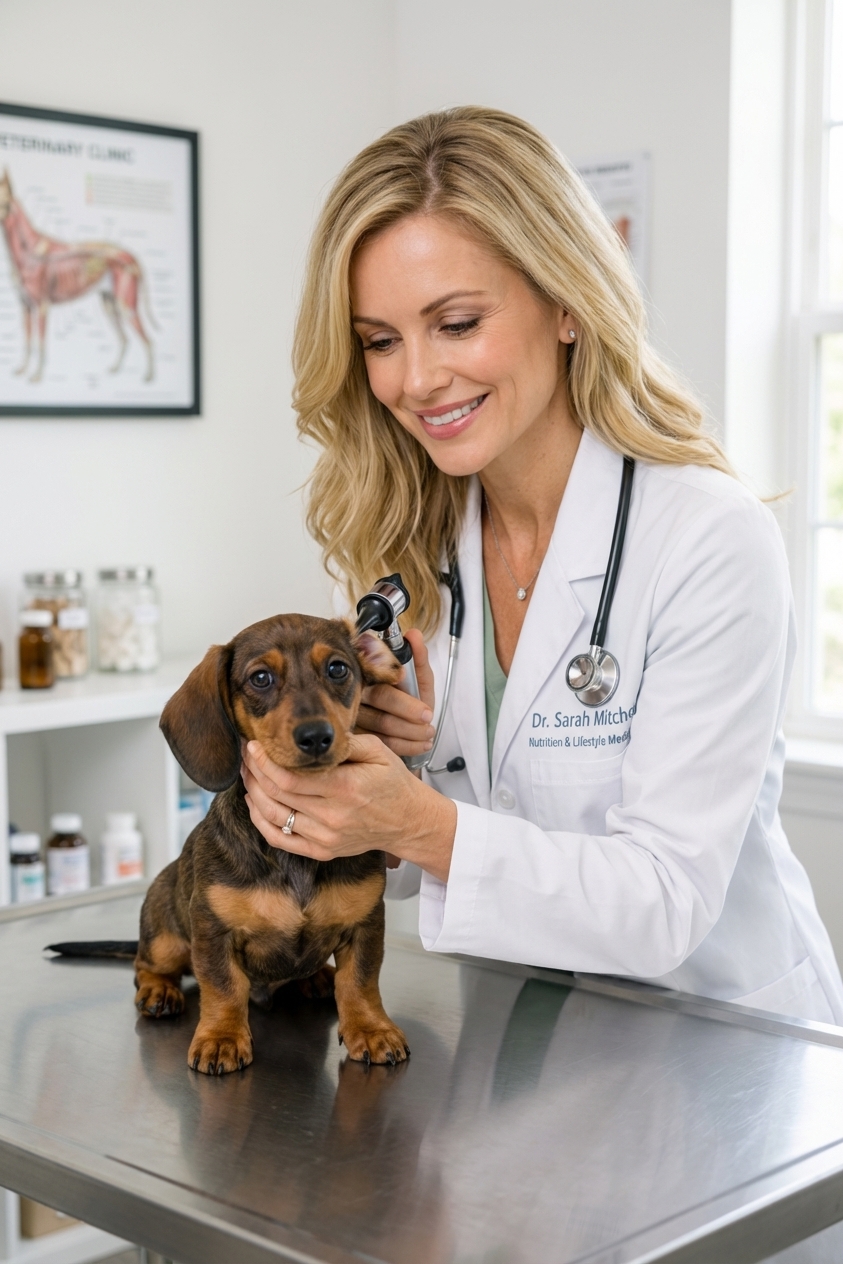
Allergies and recurring ear infections show up in some Dachshunds, especially in dogs with underlying sensitivities. Longhaired dogs may also trap moisture or debris around ears more easily.
- Common signs: itching, licking paws, recurrent ear odor, head shaking, redness
Actionable tip: Ask your vet before using over-the-counter ear products. The wrong cleaner can make some infections worse, especially if the eardrum is compromised.
Endocrine issues (including Cushing’s disease)
Dachshunds can be affected by endocrine conditions, including Cushing’s disease (hyperadrenocorticism). Not every Dachshund will develop it, but it is worth knowing the signs, especially as dogs age.
- Possible clues: increased thirst and urination, panting, pot-bellied appearance, thin skin, hair loss, increased appetite
Actionable tip: Bring pattern changes to your vet early. Many endocrine conditions are manageable when diagnosed and monitored carefully.
Other inherited conditions (line-dependent)
Like many purebred dogs, Dachshunds can also have line-dependent conditions that vary by coat type and region. For example, some wirehaired lines are screened for Lafora disease in certain countries. This is a good reminder to ask targeted questions and request documentation of relevant testing.
Choosing a healthy Dachshund
If you are shopping for a puppy, you are not just choosing a cute face. You are choosing the foundation of health for the next 12 to 16 years, sometimes longer.
- Ask about health testing relevant to Dachshunds. Depending on country and club, this may include eye exams (often listed as CAER or equivalent), patella evaluation, and other recommended screenings.
- Ask about IVDD risk in the line: there is no single definitive “IVDD test,” so responsible breeders lean heavily on family history, transparency about back events, and thoughtful pairing decisions (plus any emerging tools available in their region).
- Meet the parents if possible, and observe temperament.
- Watch movement for confidence and comfort, not stiffness or instability.
- Prioritize early socialization and good breeder support.
If you are adopting, ask the rescue about any known back history, previous injuries, dental status, and current weight management plan.
Home setup
Little changes at home can protect your Dachshund’s back and support long-term comfort.
- Add ramps to favorite furniture and use non-slip rugs on slick floors.
- Block stair access when you cannot supervise.
- Use a harness for walks rather than a neck collar to reduce strain.
- Keep nails short for better traction and joint alignment.
- Build core strength gently with vet-approved exercises, especially after any back pain episode.
My favorite mindset for Dachshund care is simple: protect the spine, protect the teeth, and protect the waistline. Those three habits can truly change a Dachshund’s quality of life.
When to call the vet
Dachshunds are tough dogs, and that toughness can sometimes mask pain. Call your veterinarian promptly if you notice:
- Reluctance to jump, climb, or go on walks
- Crying when picked up or sudden sensitivity along the back
- Wobbly walking, weakness, or dragging paws
- Changes in appetite, thirst, or urination that persist
- Bad breath, bleeding gums, or difficulty chewing
If your Dachshund cannot walk normally or has lost bladder control, treat it as an emergency.