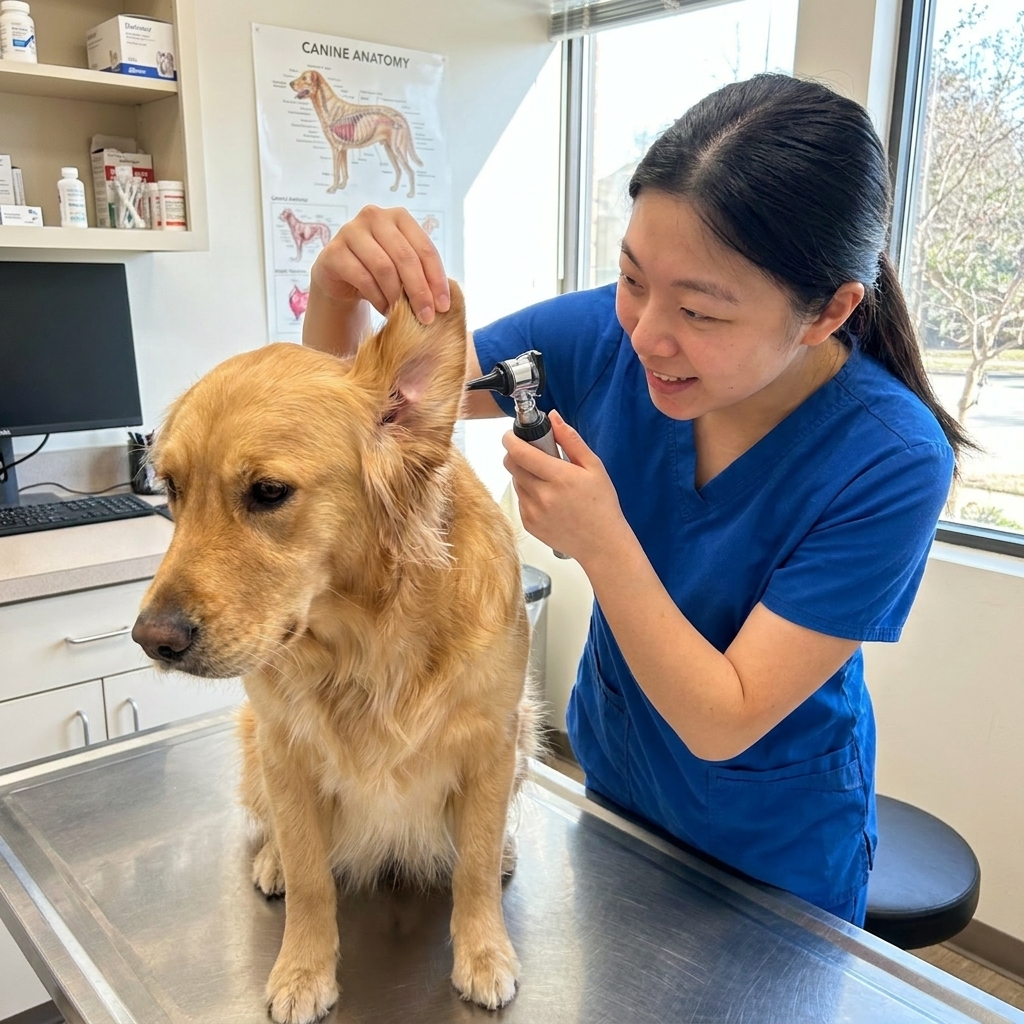
If your dog is licking paws nonstop, chewing their skin, or waking you up with the scratch-scratch-scratch, you are not alone. In my day-to-day work as a veterinary assistant, the two allergy tools I hear about most are Cytopoint and Apoquel. They can both be game-changers, but they work in very different ways, and that matters for speed, safety, cost, and which dogs they fit best.
Quick note: This is general education, not a diagnosis or a substitute for veterinary care. Itchy dogs often have more than one thing going on (fleas, infection, food, environment), so it is always worth getting your vet’s eyes on the skin.
This guide will walk you through what each medication does, what to watch for, and the practical questions to ask your vet so you can make a confident choice.

Quick comparison
- Type: Cytopoint is a biologic injection (a lab-made antibody). Apoquel is an oral tablet (a targeted immune signaling inhibitor).
- Main target: Cytopoint targets IL-31, a key itch messenger. Apoquel primarily inhibits JAK1 (and affects related signaling), which influences multiple itch and inflammation pathways.
- Onset: Apoquel helps many dogs within 4 to 24 hours. Cytopoint helps many dogs within about 1 to 3 days (some within 24 hours, some take a few days).
- Duration: Cytopoint can last 4 to 8 weeks per injection (individualized). Apoquel works only while it is being administered.
- Typical use: Apoquel is often chosen for fast flares and ongoing control. Cytopoint is often chosen for ongoing allergic itch, especially when owners want to avoid daily pills or when certain health conditions make other drugs less ideal.
One important reality: Neither Cytopoint nor Apoquel “cures” the underlying allergy. They help control itch and inflammation while you and your vet work on triggers (flea control, infections, diet trials, environmental management).
At a glance table
| Feature | Cytopoint | Apoquel |
|---|---|---|
| How it is given | Injection at the clinic (or as directed) | Pill at home |
| Typical start | Single injection, then repeat as needed | Often twice daily for up to 14 days, then once daily (vet-directed) |
| Best for | Owners who want fewer doses and steady control | Fast relief and flexible dosing |
| Big watch-outs | Rare hypersensitivity reactions | Not for dogs under 12 months; caution with infection and some cancers |
How they work
Cytopoint: a targeted “itch antibody”
Cytopoint (lokivetmab) is a monoclonal antibody, which is a type of biologic medication. Think of it like a very specific sponge that binds to interleukin-31 (IL-31). IL-31 is one of the major signals that tells the brain “this itches.” When Cytopoint binds IL-31, that itch message is reduced.
Why that is helpful: Because it is so targeted, Cytopoint generally does not broadly suppress the immune system the way older medications can. It is broken down like other proteins in the body, rather than being processed through the liver and kidneys the way many oral drugs are.
Apoquel: blocks itch and inflammation signaling (JAK inhibition)
Apoquel (oclacitinib) is an oral medication that inhibits Janus kinase enzymes, often shortened to JAK. JAK pathways help transmit signals from several cytokines involved in itch and inflammation. By primarily inhibiting JAK1, Apoquel can reduce itching and help calm allergic skin inflammation.
Why that is helpful: Apoquel can act quickly and is flexible. Your vet can use it for short-term flare control, long-term maintenance, or adjust dosing depending on your dog’s plan.
How fast do they relieve itching?
Apoquel onset
Apoquel is known for a quick start. Many dogs show meaningful itch relief within 4 to 24 hours. For a dog in an intense flare, that speed is a big reason veterinarians reach for it.
Common dosing rhythm owners ask about: Apoquel is commonly started twice daily for up to 14 days, then reduced to once daily for maintenance if needed. Your veterinarian will tailor this based on your dog’s case and the product label in your region.
Cytopoint onset
Cytopoint often improves itch within about 1 to 3 days. Some dogs improve within 24 hours, and others take a few days. It is not always instant, but when it clicks, many owners notice their dog settling down and sleeping better shortly after.
Tip from the clinic: If your dog is in a full-body flare with hot spots or secondary infection, your vet may treat the infection and pain first. No allergy med can outwork an untreated bacterial or yeast infection.

Best use cases
When Cytopoint is often a great fit
- Chronic allergic itch where owners want a long-acting option.
- Dogs who are hard to medicate with daily pills.
- Households seeking simplicity, especially for multi-pet homes with busy routines.
- Dogs with certain concurrent conditions where a veterinarian prefers to avoid an oral immunomodulator, depending on the full history.
When Apoquel is often a great fit
- Sudden flares needing fast relief.
- Ongoing atopic dermatitis management where daily control and dose flexibility matter.
- When an injection appointment is difficult, such as travel or scheduling issues.
Real-world truth: Many dogs do best with a long-term plan that includes more than one tool: allergy control plus skin barrier care, flea prevention, and infection management when needed.
Side effects and safety
Any medication can cause side effects, and each dog’s risk is different. Always follow your veterinarian’s prescribing instructions and report changes promptly.
Cytopoint side effects
Cytopoint is generally well-tolerated. Reported side effects are typically uncommon and may include:
- Vomiting or diarrhea
- Decreased appetite
- Lethargy
- Rare hypersensitivity or injection-related reactions such as facial swelling, hives, or sudden worsening itch shortly after dosing
Important note: Because Cytopoint is a biologic, some dogs respond differently over time. If you notice the injection is “not lasting as long” anymore, tell your vet. It may mean your dog’s allergies have shifted, there is infection present, or the overall plan needs adjusting.
Apoquel side effects
Apoquel can be very effective, but it has broader immune signaling effects than Cytopoint. Side effects owners and vets commonly discuss include:
- Vomiting or diarrhea (often early)
- Decreased appetite
- Lethargy
- Skin and ear infections may occur more easily in some dogs (otitis, pyoderma), since immune signaling is being modified
- Demodex mites flare in susceptible dogs is a known concern discussed in clinical practice and labeling-related cautions
What to call your vet about quickly: new lumps, persistent or recurring infections, significant lethargy, black or bloody stool, severe vomiting or diarrhea, or any behavior change that feels “off.”
Label cautions
Apoquel cautions (label-based)
Apoquel labeling includes specific cautions because it affects immune pathways. Veterinarians typically use extra care in dogs with:
- Age: Apoquel is not for dogs under 12 months of age (per labeling in many regions, including the US). Your vet will confirm what applies where you live.
- Serious infections or a history of recurrent infections
- Suspected cancer or a history of certain cancers (case-by-case risk assessment)
- Breeding, pregnant, or lactating dogs, where safety data may be limited
Cytopoint cautions
Cytopoint is often considered a very targeted option for allergic itch and is used in a wide range of dogs. That said, every medication choice should consider:
- Previous allergic reactions to injections or biologics
- Complex immune conditions where your veterinarian wants to plan carefully
Please do not self-switch meds: If your dog is already on Apoquel, steroids, or other immune-modifying drugs, changing plans without guidance can trigger rebound itch or mask an infection.
Monitoring and follow-up
Monitoring with Cytopoint
Cytopoint usually does not require routine lab monitoring solely because of the medication. Most follow-up is based on:
- How long the injection lasts for your dog (some need closer to 4 weeks, others go longer)
- Whether skin and ear infections are recurring
- Whether diet trials, flea control, or environmental management need tightening
Monitoring with Apoquel
Your vet may recommend periodic rechecks and, in some dogs, baseline or follow-up lab work. This is especially common when:
- Apoquel is used long-term
- Your dog has other medical conditions or is on additional medications
- Your dog develops recurring infections, weight loss, or other new symptoms
Cost
Prices vary widely by location, dog size, and whether your dog needs additional medications like antibiotics, antifungals, or medicated shampoos. These are very rough ranges, and exam fees or injection administration fees may apply.
Cytopoint cost
Cytopoint is dosed by weight and given as an injection typically every 4 to 8 weeks (sometimes closer to 4 weeks at first). In many areas, owners commonly see a range of about $70 to $200+ per injection, with larger dogs on the higher end.
Apoquel cost
Apoquel cost depends on tablet strength and dosing schedule. A common ballpark is about $60 to $150+ per month, and it can be higher for larger dogs or during the twice-daily start phase.
Budget tip: If cost is a concern, tell your vet. Options may include adjusting dosing once controlled, using Cytopoint seasonally, addressing underlying triggers more aggressively, or considering other therapies like prescription diets or immunotherapy.
Layering therapies
Allergic itch is often not one single problem. It is usually a mix of genetics, environmental allergens, skin barrier weakness, and secondary infections. Because of that, veterinarians often build a layered plan.
Common add-ons to either Cytopoint or Apoquel
- Prescription flea and tick prevention even if you “never see fleas.” One bite can trigger major itch in sensitive dogs.
- Medicated shampoos or mousse (chlorhexidine, antifungal options) to reduce microbes and soothe skin.
- Ear care for dogs prone to recurring ear infections.
- Omega-3 fatty acids to support skin barrier and inflammation balance.
- Allergy testing and immunotherapy (allergy shots or drops) for long-term control in some dogs.
Can Cytopoint and Apoquel be used together?
Sometimes, yes, under veterinary direction. Some vets may combine them short-term for severe itch or during a transition. This is not routine for every dog, and published evidence on long-term combination strategies is limited, so the decision is very case-dependent.
Important: Do not combine therapies without your veterinarian. Layering immune-modifying tools should be intentional and tailored to your dog’s health history.
Other options
If your dog cannot use one of these medications, or if you need a different long-term strategy, ask your vet about other tools that may fit your dog’s situation, such as allergen-specific immunotherapy, ciclosporin, short steroid courses for select situations, and topical therapies for skin barrier support.
Questions to ask your vet
- Do you think my dog’s itch is more consistent with environmental allergies, food allergy, fleas, or infection?
- Is there evidence of yeast or bacterial overgrowth that needs treatment first?
- Do you recommend Cytopoint seasonally, year-round, or only during flares?
- If using Apoquel, what is the starting schedule (including the first 14 days if needed), and what is the long-term plan for the lowest effective dose?
- What side effects should I watch for in my dog specifically?
- Should we schedule a recheck in 2 to 4 weeks to confirm we are truly controlled?
The bottom line
Cytopoint is a targeted biologic injection that blocks a major itch signal and can last weeks. Apoquel is a fast-acting oral medication that inhibits JAK signaling involved in itch and inflammation and works as long as it is being administered.
If your dog needs rapid relief, Apoquel is often the quickest path. If you want long-lasting itch control without daily pills, Cytopoint can be a wonderful choice. And in many real dogs, the best results come from a full allergy plan that includes skin care, infection control, and trigger management.
If you are feeling overwhelmed, take a breath. You do not have to solve everything today. Start with relief, then work with your vet to find the trigger and build a plan your dog can live with comfortably.
Sources and further reading
- Zoetis. Cytopoint (lokivetmab) product information and veterinary resources.
- Zoetis. Apoquel (oclacitinib) product labeling and safety information.
- American College of Veterinary Dermatology (ACVD). Client education resources on canine atopic dermatitis and pruritus.
- International Committee on Allergic Diseases of Animals (ICADA). Guidelines and reviews on canine atopic dermatitis management.