Nick your dog’s quick while trimming nails? Follow calm, vet-assistant-approved steps: direct pressure, styptic powder (or cornstarch), what not to do, and...
Article
•
Designer Mixes
Cut Dog’s Nails Too Short: Help & Care

Shari Shidate
Designer Mixes contributor
It happens to the best of us: you clip your dog’s nail and suddenly there is blood. Take a breath. A nail that is cut too short looks dramatic because the quick inside the nail has a rich blood supply, but most “quicked” nails can be handled at home with calm, steady first aid.
As a veterinary assistant, I have seen plenty of nail-trim oops moments, even from experienced pet parents. The goal is simple: stop the bleeding, keep the nail clean, and prevent your dog from turning it into a bigger injury by licking and running around.
Why nails bleed so much
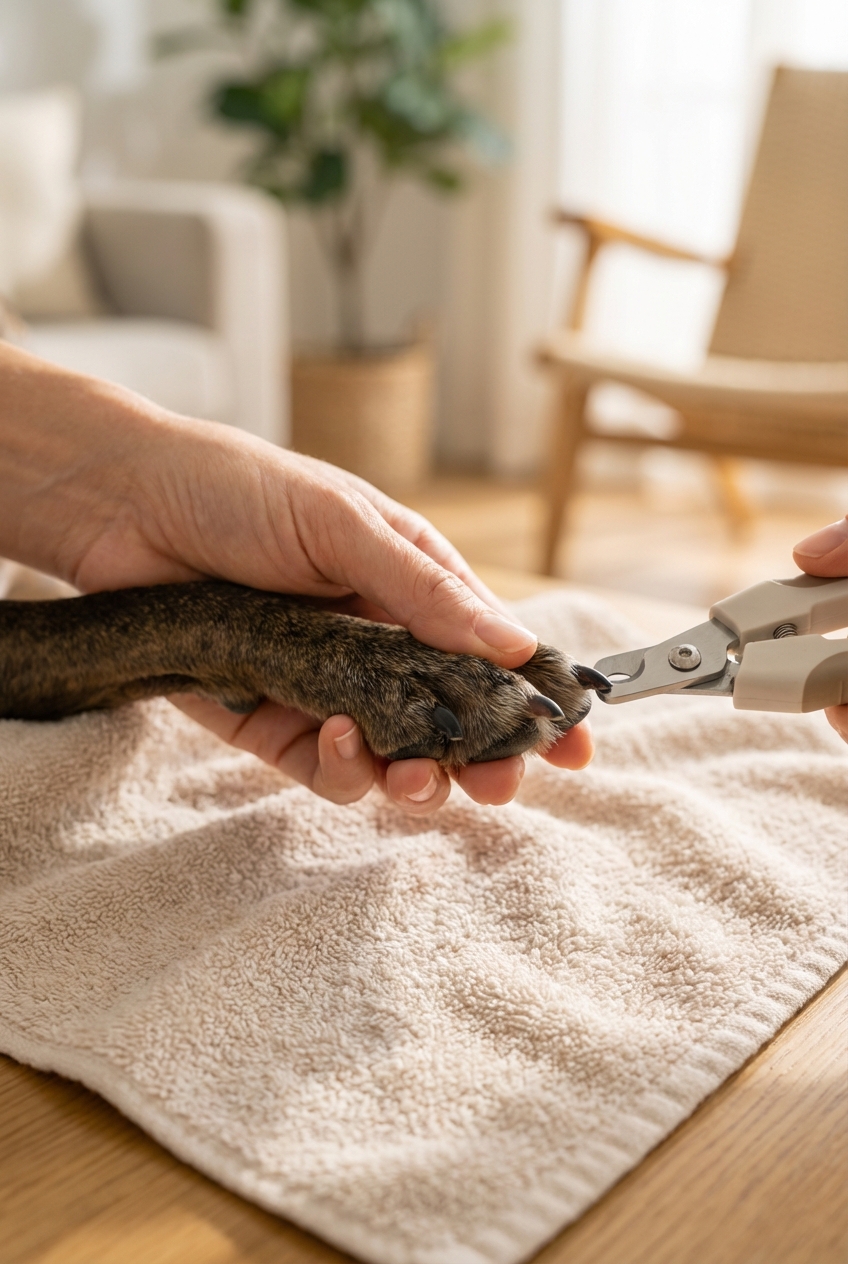
Inside each nail is a sensitive bundle of tissue called the quick. It contains blood vessels and nerves. When the nail is trimmed past the safe edge, the quick is nicked, causing bleeding and pain.
Dogs with dark nails are more likely to get quicked because the quick is harder to see. Long nails also tend to have longer quicks, which means there is less “safe” nail to remove at first.
What to do right away (step by step)
1) Stay calm and secure your dog
Stress makes dogs pull away and can make the injury worse. Use a calm voice, offer gentle restraint, and if needed, ask someone to hold your dog. If your dog is very anxious or mouthy when hurt, consider a basket muzzle for safety.
2) Apply firm pressure
Use clean gauze or a paper towel and press directly on the nail tip for 3 to 5 minutes without peeking. Keep the paw as still as possible, and do your best to prevent walking during this time. Peeking too soon breaks the clot.
3) Use a clotting agent (best option)
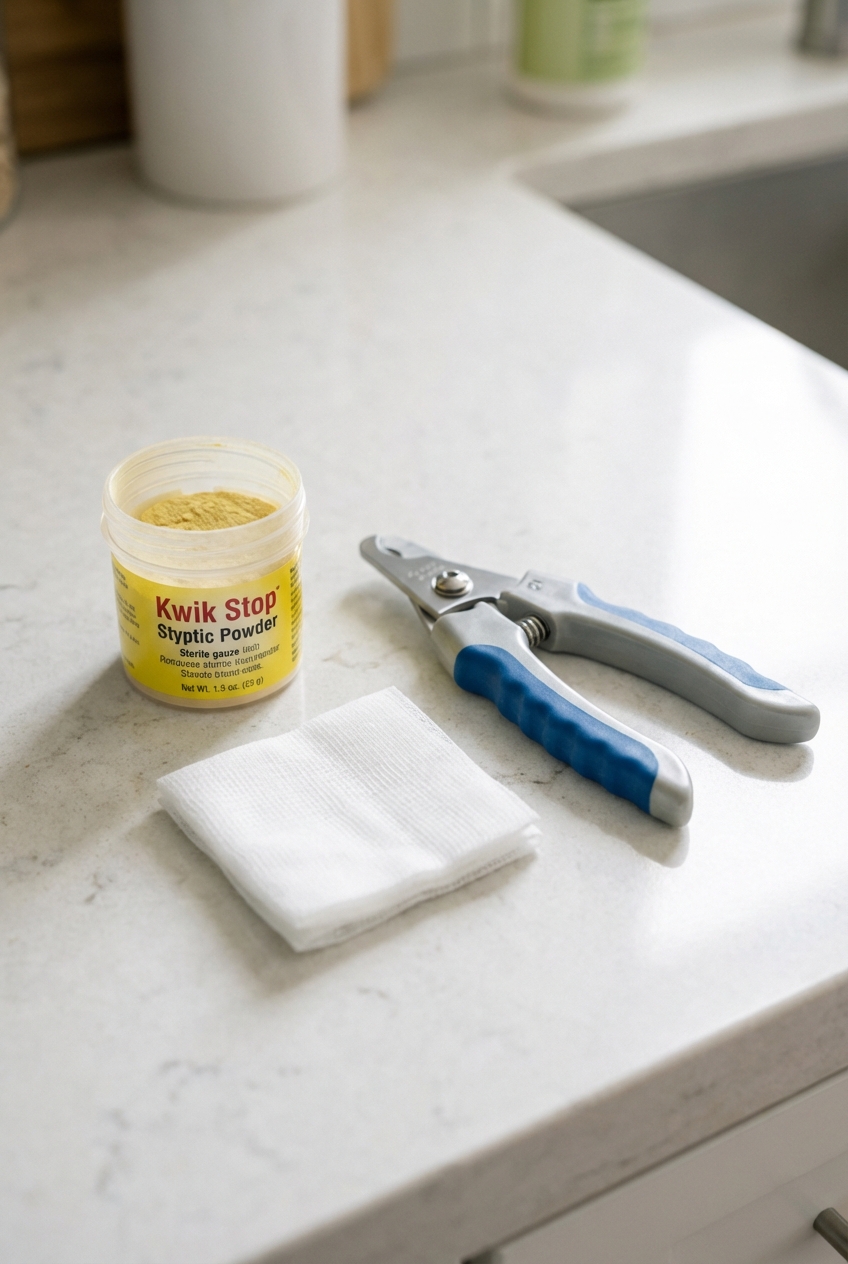
If you have it, dip the nail into styptic powder or press a styptic pencil to the tip. Maintain pressure for another 30 to 60 seconds.
- How to use styptic powder: Pour a small amount into the cap, then press the bleeding nail into it. You can also use a damp cotton swab to pack powder gently onto the tip.
- Important: Styptic stings. That is normal, but it can make dogs jerk away, so keep a steady hold.
- Tip: Press gently and hold steady. Do not scrape the nail with the pencil or stick, which can disturb the clot.
4) No styptic powder? Try cornstarch or flour
Cornstarch (or plain flour) can help form a plug, but it is not a true hemostatic agent. Firm pressure is still the main thing that stops bleeding. After you have applied pressure, pack a small amount onto the nail tip and hold pressure again. It is not as reliable as styptic powder, but it is a reasonable backup.
5) Reduce activity for the next hour
Running on hard floors can restart bleeding. Keep your dog calm, leash-walk only, and avoid zoomies. If the nail starts bleeding again, repeat pressure and styptic.
How long should bleeding last?
With proper pressure and styptic, most nails stop bleeding within 5 to 10 minutes. If you are still seeing steady bleeding at 10 minutes, continue firm pressure and re-apply styptic. If it is not clearly improving by 15 minutes, it is time to call your vet or urgent care.
When to call a vet
Please contact your veterinarian or an urgent care clinic if any of the following are true:
- Bleeding does not stop or is not improving after 10 to 15 minutes of firm pressure plus styptic (or cornstarch as a backup).
- The nail is split, cracked, or partially torn (these can be much more painful and prone to infection).
- Your dog is limping significantly, crying, or will not bear weight after the bleeding stops.
- You notice swelling, heat, pus, a bad odor, or worsening redness over the next few days.
- Your dog has a known bleeding disorder or is on medications that affect clotting (your vet can advise you).
What counts as “heavy bleeding”? Blood that continues to drip or pool despite firm pressure. If your dog seems weak, has pale gums, or you cannot safely handle them, treat it as urgent.
Aftercare at home (next 24 to 72 hours)
Keep it clean and dry
For the first day, avoid muddy yards, wet grass, and long walks. A quick rinse with clean water is fine if the paw gets dirty. Pat it dry afterward and skip harsh cleaners.
Discourage licking
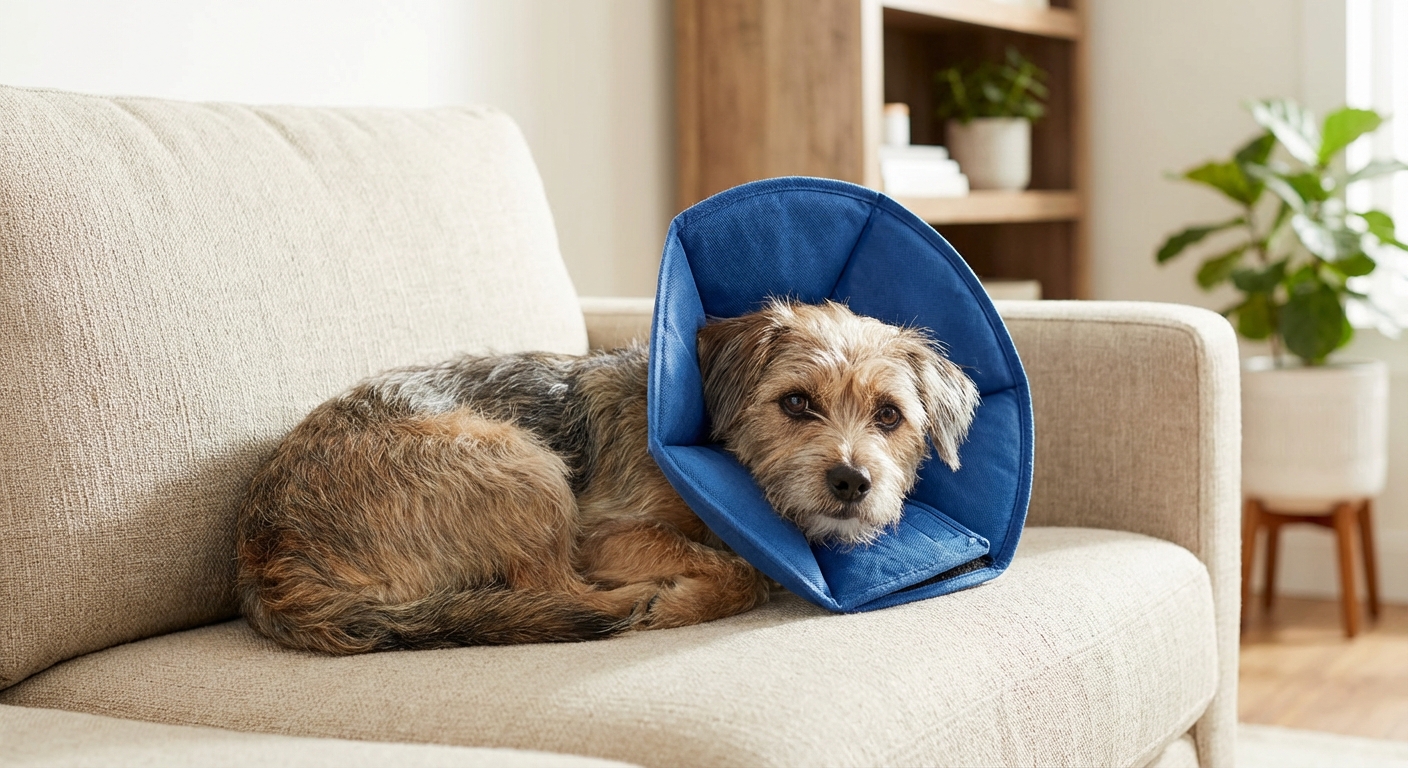
Licking can pull off the clot and introduce bacteria. If your dog will not leave the nail alone, use an e-collar or a soft recovery cone until the nail looks calm and dry.
Watch for infection
Nail quick injuries are usually minor, but they can become infected, especially if the nail is torn or your dog keeps licking. Keep an eye out for redness spreading up the toe, swelling, or discharge.
A quick safety note on pain meds
Do not give human pain relievers (like ibuprofen, naproxen, or acetaminophen) unless your veterinarian specifically tells you to. If your dog seems very painful, call your vet for guidance.
Common mistakes to avoid
- Using hydrogen peroxide: It is often not recommended for open wounds because it can irritate tissue and slow healing. Gentle cleaning with water is usually enough.
- Bandaging too tightly: Tight wraps can reduce circulation. If you must cover the paw briefly, keep it loose and check toes for warmth and normal color.
- Trimming more “to even it out”: Once you hit the quick, stop. The priority is comfort and clotting.
- Letting your dog run right away: Activity is the fastest way to restart bleeding.
Preventing it next time
Trim less, more often
If nails are long, do small trims every 1 to 2 weeks. Over time, the quick may recede a bit in some dogs, giving you more safe nail to work with.
Use the right tool
- Clippers: Good for confident, quick trims, but easy to take off too much at once.
- Grinders: Slower, more controlled, and great for smoothing edges, especially with dark nails.
Look for visual clues
On light nails, the quick appears as a pink center. On dark nails, trim tiny slivers and look at the cut surface. As you get close to the quick, the center often looks darker or more moist. That is your cue to stop.
Build nail-trim comfort
Practice handling paws when you are not trimming, reward with a treat, and keep sessions short. A calm dog is a safer dog to trim.
If your dog repeatedly gets quicked, or nail trims trigger severe fear or snapping, it is completely reasonable to use a groomer or your vet team and ask about anxiety strategies. Some dogs do better with training plans, anti-anxiety support, or a vet-guided approach.
Simple nail-trim emergency kit
I recommend keeping these items in a small container near your grooming tools:
- Styptic powder (or styptic pencil)
- Gauze squares or cotton rounds
- Paper towel
- Saline or clean water for a quick rinse
- An e-collar or soft cone (especially for determined lickers)
If you are nervous about trimming, it is completely okay to schedule a groomer visit or ask your vet team for a nail trim demo. You are not failing your dog by getting support. You are protecting them.