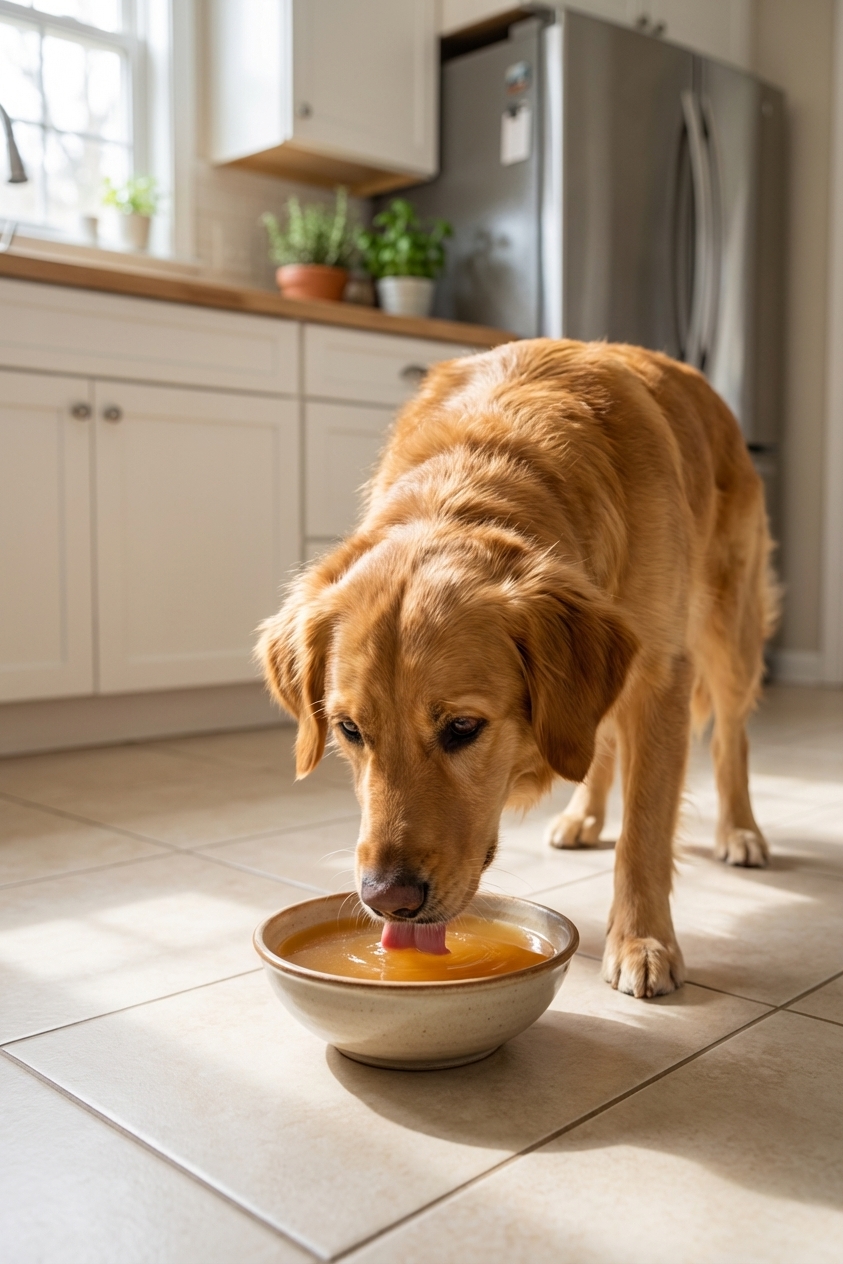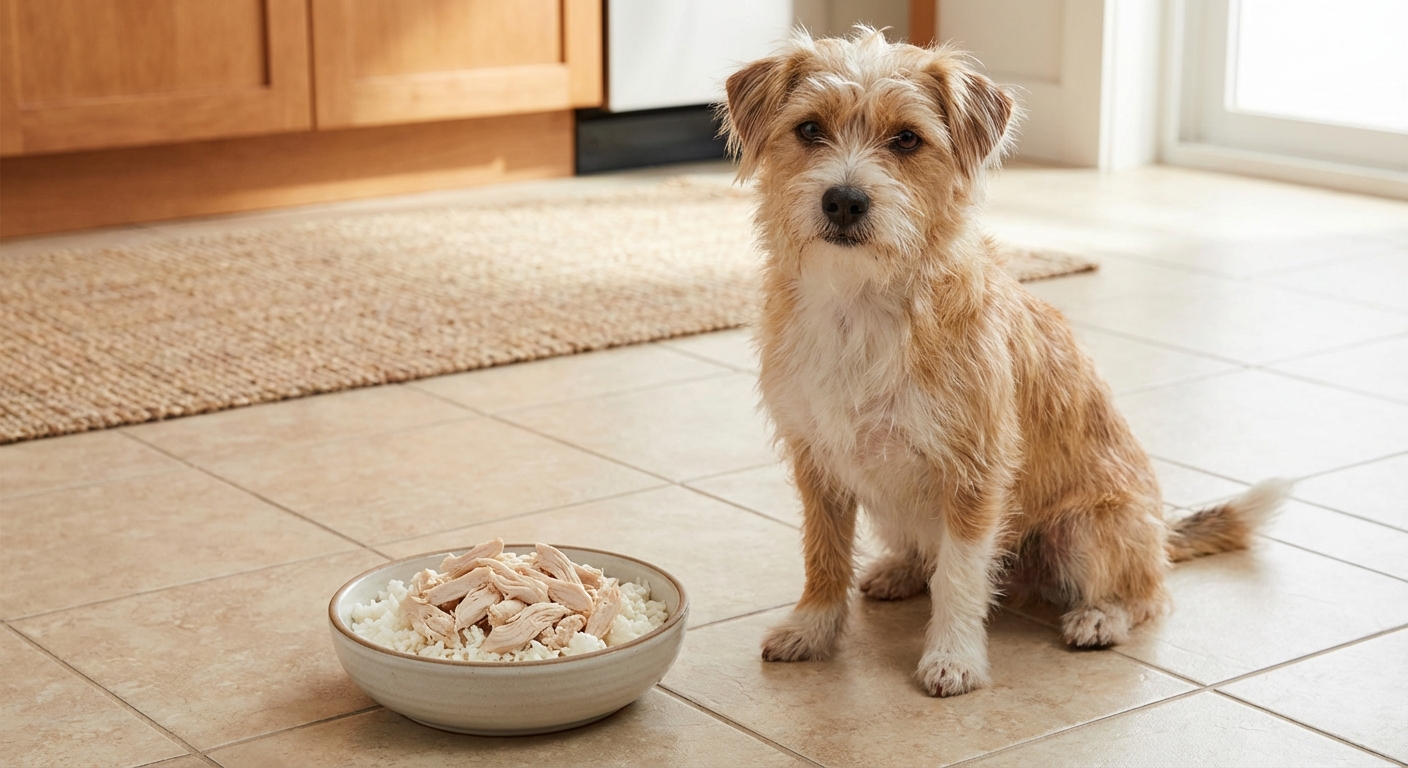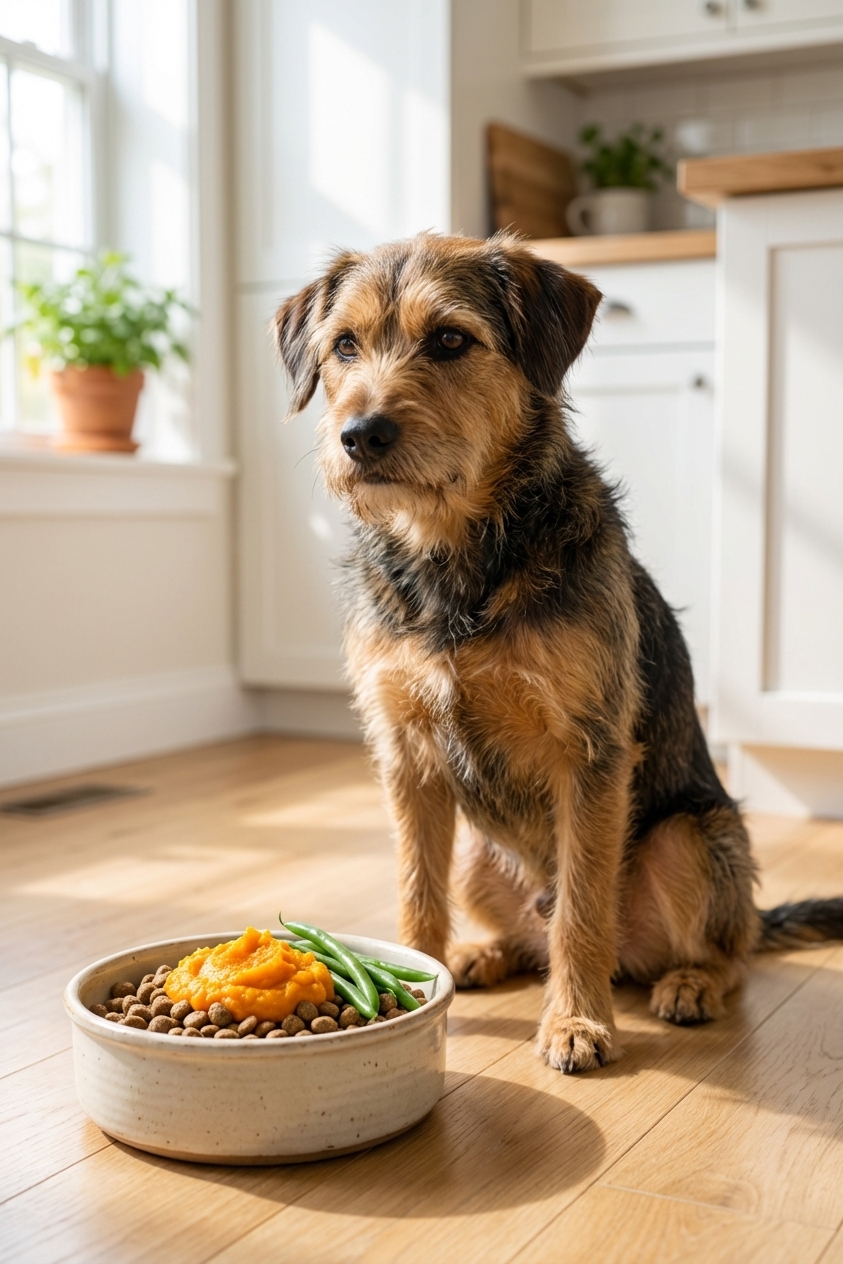
Make meals more tempting and nutritious with simple dog food toppers: bone broth, cooked eggs, sardines, pumpkin, and steamed veggies—plus portions, storag...
Article
•
Designer Mixes
Cushing’s in Dogs: Symptoms, Help, and Care

Shari Shidate
Designer Mixes contributor
Cushing’s in dogs, also called hyperadrenocorticism (HAC), is one of those conditions that can sneak up on you. Many dogs look “fine” at first, then you realize the water bowl is empty constantly, the accidents are happening, and your dog’s belly looks rounder than it used to. As a veterinary assistant in Frisco, Texas, I can tell you this: when you know the common signs and you act early, you give your dog the best chance at feeling comfortable and steady again.
Quick terminology note: many people use “Cushing’s disease” to mean HAC in general. Technically, “Cushing’s disease” is often used for the most common form, pituitary-dependent HAC. In this guide, I use “Cushing’s” the way most dog owners hear it in the clinic, meaning HAC overall.
This guide walks you through common signs, what they may mean, what testing typically looks like, and how to support your dog at home while working closely with your veterinarian.
What it is
Cushing’s happens when a dog’s body is exposed to too much cortisol (or cortisol-like steroid hormone) for too long. Cortisol is a normal hormone that helps with stress response, metabolism, and inflammation. The problem is not cortisol itself. The problem is chronic excess.
Common types
- Pituitary-dependent (most common): a usually benign pituitary tumor signals the adrenal glands to produce excess cortisol.
- Adrenal-dependent: a tumor in an adrenal gland produces excess cortisol.
- Iatrogenic (medication-related): caused by long-term use of steroid medications (like prednisone). These drugs mimic excess cortisol in the body and can also suppress the normal hormone pathway (the HPA axis), which is why tapering off must be done carefully.
Your vet’s diagnostic plan is designed to confirm Cushing’s and help determine which type is most likely, because that influences treatment choices.
Common signs at home
Cushing’s signs can be gradual. Many families assume their dog is “just aging,” but the pattern matters. Here are the signs that show up again and again in real-world cases.
Most common
- Drinking more and peeing more (polydipsia and polyuria). You might see larger wet spots in the yard, more frequent potty breaks, or accidents in a previously house-trained dog.
- Increased appetite (polyphagia). Some dogs act constantly hungry and may steal food.
- Pot-bellied appearance. This is often from muscle weakness and fat redistribution, not just “weight gain.”
- Panting, especially at rest or in cool rooms.
- Low energy or reduced interest in walks and play.
Skin and coat
- Thinning hair or hair loss, often on the trunk and sides.
- Recurrent skin infections, hot spots, or a musty odor.
- Thin skin, slower healing, or bruising more easily.
- Blackheads or changes in skin pigment.
Muscles and mobility
- Weakness, difficulty jumping, or shakier back legs.
- Muscle wasting along the spine or hind end even if the belly looks larger.
If you are seeing more than one of these issues together, it is worth a vet visit. Cushing’s is not diagnosed by symptoms alone, but symptoms are the reason to test.
Also, a quick reality check: several conditions can look a lot like Cushing’s at first, including diabetes, kidney disease, UTIs, and liver disease. That is another reason your vet will recommend labs instead of guessing.
When it is urgent
Most Cushing’s cases are not an immediate emergency, but complications can be. Seek urgent veterinary care if your dog has:
- Collapsing, severe weakness, or trouble standing
- Vomiting or diarrhea that will not stop
- Labored breathing, pale gums, or severe panting that seems out of proportion
- Sudden blindness or bumping into objects
- Sudden severe pain or breathing distress (blood clots are one possible cause, but several emergencies can look similar, so it is safest to be seen quickly)
Cushing’s can increase risk for issues like infections, high blood pressure, diabetes, and clotting problems. It is also associated with problems like pancreatitis in some dogs. It is always safer to call your vet or an ER if your dog seems “not right.”
How vets diagnose it
Diagnosis is usually a step-by-step process. Your vet is looking for a combination of history, physical exam findings, routine lab changes, and confirmatory endocrine testing.
Common first tests
- Bloodwork (CBC and chemistry): may show patterns consistent with cortisol excess and help rule out other causes. Some dogs have elevated liver enzymes (especially ALP), higher cholesterol, and a “stress leukogram.” These findings support the story but are not diagnostic on their own.
- Urinalysis: often shows dilute urine; may include urine culture if infection is suspected.
- Urine protein check: cortisol excess can impact kidney and vascular health.
Hormone testing
- Urine cortisol:creatinine ratio (UCCR): a helpful screening test. A normal result can help rule out Cushing’s, but an elevated result is not confirmatory and usually leads to additional testing.
- ACTH stimulation test: measures adrenal response; also commonly used for monitoring certain treatments.
- Low-dose dexamethasone suppression test (LDDST): a sensitive test many vets use to confirm Cushing’s and sometimes suggest pituitary dependence.
Imaging
- Abdominal ultrasound can evaluate adrenal glands and the liver and look for other issues.
- Advanced imaging (CT or MRI) may be recommended in select cases, especially if surgery or radiation is being considered.
One helpful mindset: Cushing’s testing can feel like a process, but each step gives your vet data to treat safely. Cortisol is powerful, and so are the medications used to control it.
Treatment options
Cushing’s is often manageable. The goal is not to eliminate cortisol completely, because dogs need it. The goal is to reduce cortisol from “too high all the time” to a healthier range.
Medication (most common)
- Trilostane: commonly prescribed to reduce cortisol production. It requires regular monitoring to keep dosing safe and effective.
- Mitotane: used in some cases; also requires careful monitoring.
With medication, many families see improvements in drinking, urination, appetite, energy, and panting over weeks to a few months.
Surgery and specialty care
- Adrenal tumor surgery may be an option for some adrenal-dependent cases, typically with a specialist.
- Pituitary-focused treatments like radiation are considered in certain cases and depend on tumor size, symptoms, and access to specialty centers.
If steroid medication caused it
If your dog has iatrogenic Cushing’s from long-term steroid use, your veterinarian may recommend a careful taper. Never stop steroids suddenly unless your vet directs you to, because the adrenal glands may be suppressed and your dog may not be able to make enough natural cortisol right away.
Home care support
At-home care does not replace medical treatment, but it can make a big difference in how your dog feels day to day.
1) Make water and potty easier
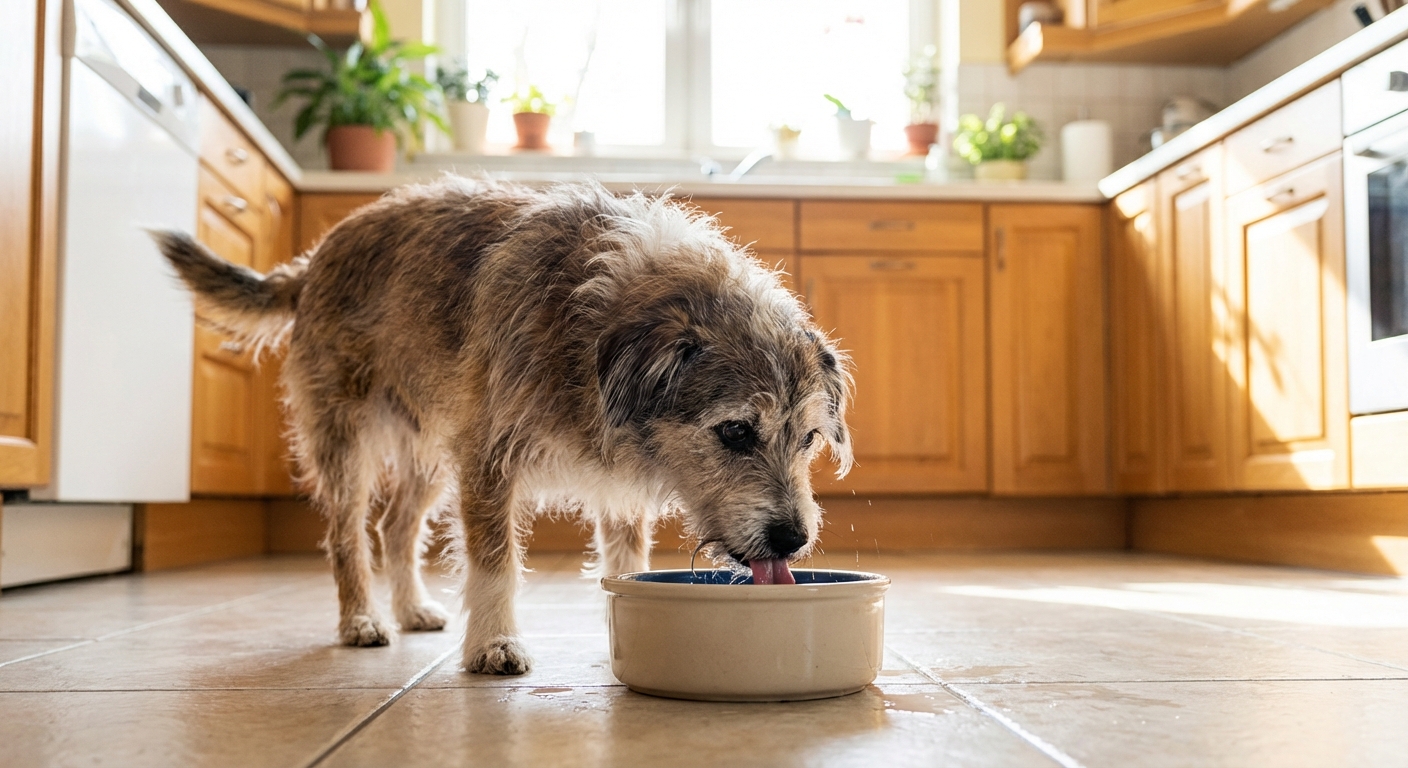
- Provide multiple water stations, especially for multi-level homes.
- Plan more frequent potty breaks, including a late-night trip if needed.
- Use washable pads temporarily if accidents are happening. This is a medical issue, not “bad behavior.”
2) Protect skin
- Ask your vet about antibacterial or antifungal shampoos if infections are recurring.
- Keep mats and bedding clean and dry to reduce reinfection.
- Report new lumps, sores, or persistent itch early.
3) Support muscle gently
- Short, consistent walks are often better than occasional long ones.
- Use rugs or traction runners on slippery floors.
- Consider ramps for beds or couches if jumping is hard.
4) Feed for steady energy
Many dogs with Cushing’s act ravenous. Extra calories can add up fast, and Cushing’s already encourages fat redistribution and muscle loss. Talk with your vet about an ideal calorie target and consider these basics:
- Prioritize high-quality protein to help preserve lean mass.
- Choose fiber-friendly options (vet-approved) to support satiety.
- Keep treats measured and simple. Use part of the daily food allotment as treats.
If you want to add fresh, whole foods, start slow and keep it consistent. A little cooked lean meat or lightly cooked veggies can be a helpful topper for some dogs, but Cushing’s dogs often have other issues going on, so your vet’s guidance matters here.

Monitoring and follow-up
Cushing’s medications can be life-changing, but they must be monitored. Your veterinarian will schedule follow-ups that may include bloodwork and endocrine tests to make sure cortisol is controlled without dropping too low.
Many dogs improve in the first few weeks of treatment, especially with drinking, urination, appetite, and panting. Skin and coat changes often take longer and may take a few months.
Track these at home
- Water intake: notice if the bowl is empty more often or if drinking suddenly decreases.
- Urination: accidents, frequency, and volume.
- Appetite: intense hunger is common, but a sudden drop can be a red flag.
- Energy and panting: improved comfort is a good sign; sudden lethargy is not.
- Skin: new infections, odor, or sores.
Call your vet quickly if your dog becomes weak, vomits, has diarrhea, refuses food, or seems unusually tired after starting or changing Cushing’s medication. Those signs can indicate cortisol has dropped too low (hypoadrenocorticism, sometimes called an Addisonian crisis) and needs prompt attention.
Living well with it
Cushing’s can feel overwhelming at first, especially if you are dealing with accidents, constant hunger, and coat changes all at once. The encouraging news is that many dogs do very well once the condition is identified and managed.
The best plan is a team approach: your observations at home plus your veterinarian’s testing and medication strategy. If something feels off, trust that instinct and speak up. You know your dog’s “normal” better than anyone.
If you are unsure whether your dog’s symptoms fit Cushing’s, bring a short log to your appointment: water intake, potty frequency, appetite changes, panting, and any skin issues. That simple record can speed up the diagnosis process.
Quick checklist
- Drinking and urinating more than usual
- Increased appetite and food seeking
- Pot-bellied look, muscle loss, weakness
- Panting at rest
- Thin coat, hair loss, recurring skin infections
- Low energy, reduced stamina
If several of these are true, schedule a veterinary visit and ask if Cushing’s testing is appropriate.