A clear, vet-backed guide to canine Cushing’s disease: types, diagnosis tests, trilostane vs mitotane, surgery options, home care routines, recheck schedul...
Article
•
Designer Mixes
Cushing’s in Dogs: Care Tips That Help

Shari Shidate
Designer Mixes contributor
Cushing’s syndrome (also called hyperadrenocorticism) can feel overwhelming at first, but with the right plan, many dogs live happy, comfortable lives for years. You may also hear the term “Cushing’s disease”. Technically, that name is most often used for the pituitary-driven form, but in day-to-day client education, people use it for the whole condition. As a veterinary assistant in Frisco, Texas, I have seen how much progress happens when families focus on daily routines, smart monitoring, and consistent veterinary follow-up.

What it is, in plain language
Cushing’s happens when a dog’s body is exposed to too much cortisol for too long. Cortisol is a normal hormone that helps regulate stress, metabolism, immune response, and blood sugar. The problem is the chronic excess.
Most cases are:
- Pituitary-dependent (most common): a small tumor in the pituitary gland tells the adrenal glands to make extra cortisol. This is what many vets mean when they say “Cushing’s disease.”
- Adrenal-dependent: a tumor on one adrenal gland produces excess cortisol. In select cases, surgery may be an option. Your veterinarian will guide you on next steps based on imaging and overall health.
- Iatrogenic: caused by long-term steroid medications (like prednisone). This is managed differently and should only be adjusted under veterinary guidance, usually with a careful taper.
Signs you might notice at home
Many families first come in saying, “Something is off, but I cannot pinpoint it.” These are common Cushing’s signs:
- Increased thirst and urination
- Increased appetite and food-seeking
- Panting, restlessness, or trouble settling
- Pot-bellied appearance
- Muscle weakness, less interest in walks or jumping
- Thin skin, hair loss, recurrent skin or ear infections
- More frequent urinary tract infections
If your dog has these symptoms, especially in combination, schedule a veterinary appointment. Many other conditions (like diabetes or kidney disease) can look similar, so testing matters.
Getting a diagnosis
Diagnosing Cushing’s is rarely a single test. Your veterinarian may start with bloodwork and urinalysis, then recommend a screening test such as a low-dose dexamethasone suppression (LDDS) test or an ACTH stimulation test. In many clinics, LDDS is commonly used for screening because it can be more sensitive. ACTH stimulation is often used in specific situations, such as suspected iatrogenic Cushing’s, and it is commonly used later for monitoring dogs on trilostane or mitotane.
Sometimes an ultrasound is used to evaluate the adrenal glands (and to help differentiate pituitary-driven versus adrenal-driven disease).
Care tip: bring a short written history to your appointment, including how much your dog is drinking, changes in appetite, accidents in the house, and any medications or supplements.
Medication tips
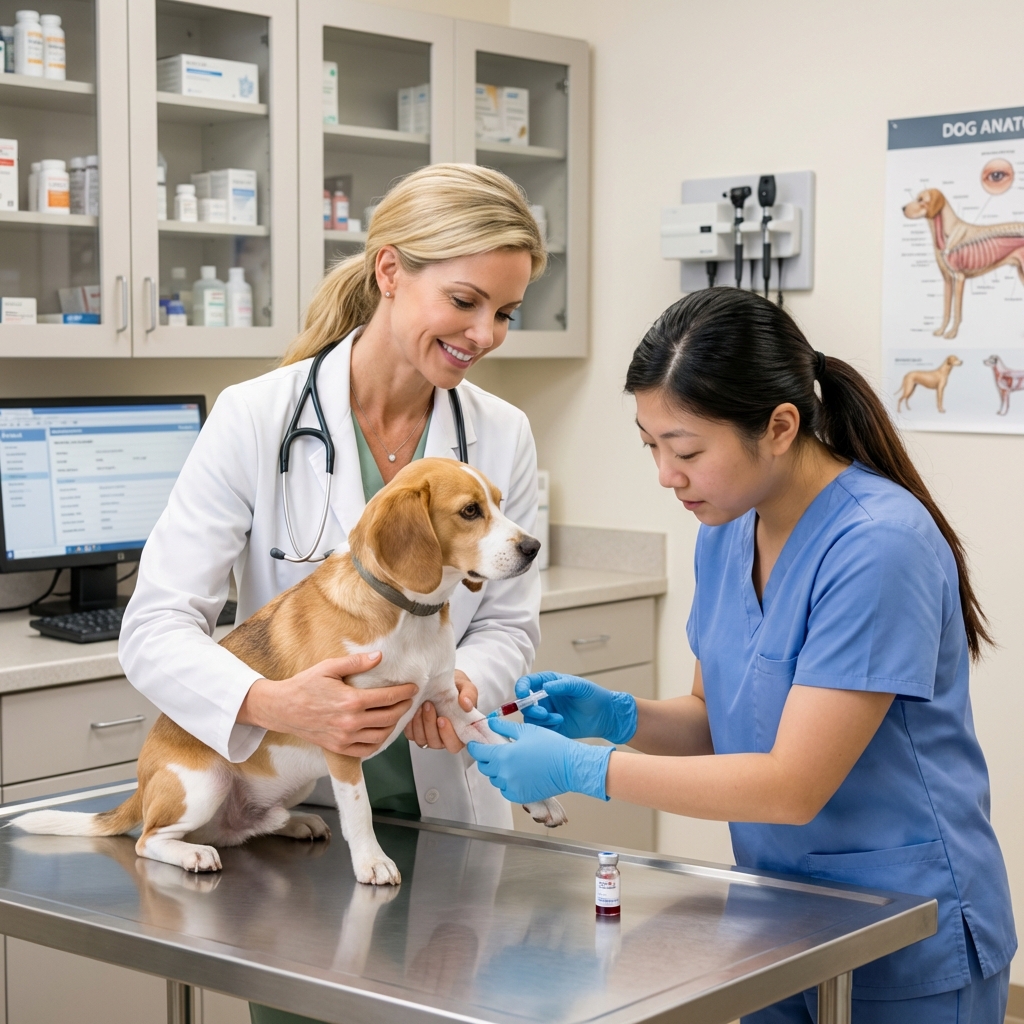
Most dogs with naturally occurring Cushing’s are treated with trilostane (common brand: Vetoryl). Some dogs may be treated with mitotane. Your veterinarian will choose based on your dog’s health, test results, and what is safest for your situation.
Medication is usually very effective, but it is also where we need to be the most careful. A good routine and quick action on red flags prevent most problems.
Keep dosing consistent
- Give medication at the same time each day, as directed.
- If your vet recommends giving it with food, do that consistently.
- Use a pill organizer or a phone reminder. Missed or doubled doses can cause big swings in cortisol control and side effects.
Know the urgent red flags
Over-suppression of cortisol can be dangerous. Call your veterinarian right away (or go to emergency) if you see:
- Vomiting or diarrhea that is new or persistent
- Extreme lethargy, weakness, collapse, or shaking
- Loss of appetite that lasts more than a meal or two
- Signs of dehydration (tacky gums, sunken eyes)
These can be signs of hypoadrenocorticism (Addisonian crisis) or medication intolerance, and they require prompt care. Many clinics will advise you to hold the next dose if these signs occur until you have spoken with the veterinary team, but follow your clinic’s specific instructions.
Home monitoring made simple
You do not need fancy equipment to be helpful here. Consistent observations are powerful.
Track the “Big 4” weekly
- Water intake: if you can measure, it helps. A common reference point is that drinking more than about 100 mL per kg per day can suggest polydipsia. This is not a diagnosis by itself, and it is hard to measure with shared bowls, spills, or outdoor water. Even so, a rough estimate can be very helpful for your vet.
- Urination: more frequent trips outside, accidents, or straining can be important clues.
- Appetite: is it stable, constantly intense, or suddenly decreased?
- Energy and mobility: willingness to walk, climb steps, jump, or play.
Weigh regularly
If you can, weigh your dog every 2 to 4 weeks. Small weight changes can signal shifting control, muscle loss, or other issues like diabetes.
Watch skin and coat
Because Cushing’s can thin the skin and weaken immune defenses, keep an eye out for:
- New lumps or slow-healing sores
- Blackheads, greasy coat, or odor
- Itching, redness, or recurrent ear debris

Food and weight support
There is no one perfect “Cushing’s diet,” but there are smart principles that support overall health and help many dogs feel better.
Aim for lean and steady
- Ask your vet for your dog’s target weight and daily calorie goal.
- Measure meals. “A little extra” adds up fast, especially with the increased appetite many Cushing’s dogs have.
- Choose a diet with high-quality protein to support muscle maintenance.
Be treat-smart
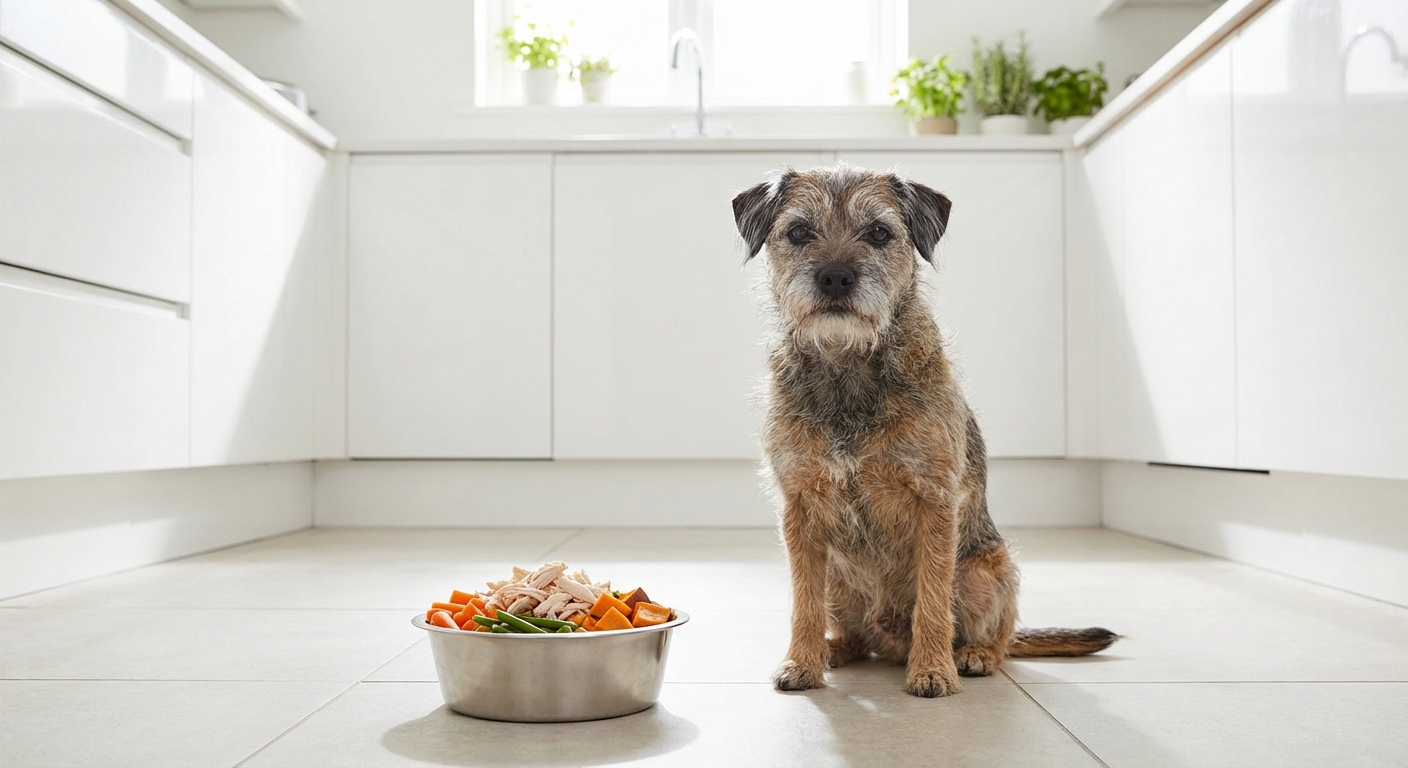
Because many Cushing’s dogs act hungry all the time, it helps to plan treats instead of reacting in the moment. Lower-calorie options can include:
- Very small pieces of cooked lean meat (avoid fatty cuts, which can raise pancreatitis risk in some dogs)
- Green beans or steamed carrots (if your dog tolerates them)
- Cucumber or zucchini slices (plain)
- Single-ingredient freeze-dried treats (portion controlled)
Care tip: if you are interested in adding homemade foods, start slowly and keep it simple. A little real, whole food alongside a balanced diet can be a gentle step, but it should not replace a complete diet unless you are working with your veterinarian or a veterinary nutritionist.
Ask before adding supplements
Some supplements can interfere with other conditions or medications. Before starting fish oil, CBD, adrenal support blends, or herbs, ask your veterinarian what is safe for your dog’s specific case.
Exercise that is kind
Cushing’s can cause muscle weakness and heat intolerance. The goal is consistent, gentle movement.
- Short, frequent walks are often easier than one long one.
- Avoid the hottest parts of the day, especially in hot or humid weather (Texas summers absolutely count).
- Use ramps or steps to reduce strain on joints and muscles.
- Try low-impact enrichment: sniff walks, food puzzles, or training games.
If your dog suddenly cannot keep up, pants excessively, or seems painful, check in with your veterinarian. Arthritis, ligament issues, and other conditions can coexist with Cushing’s.
Prevent infections
Dogs with Cushing’s are more prone to infections, especially skin and urinary tract infections. Small changes are worth a call.
UTI tips
- Let your dog out more often. Holding urine can worsen problems.
- Tell your vet if you see accidents, blood in urine, straining, or frequent squatting.
- Follow through with recheck testing if prescribed. Some infections linger quietly.
Skin tips
- Use vet-recommended shampoos if your dog gets recurrent infections.
- Keep ears dry after baths and report head shaking or odor early.
- Avoid harsh grooming that could tear thin skin.
Common complications
Your veterinarian may also keep an eye on issues that can travel with Cushing’s, especially in older dogs. These can include high blood pressure, protein in the urine, diabetes, pancreatitis, and in some cases an increased risk of blood clots. This is another reason routine testing matters, even when your dog seems “fine.”
Rechecks matter
Cushing’s management is not “set it and forget it.” Rechecks are how we keep the dose safe and your dog feeling good.
Many dogs need more frequent rechecks early on, then a steadier schedule once control is consistent. Your veterinarian may use an ACTH stimulation test or other cortisol monitoring approach depending on clinic protocol, plus routine bloodwork (and sometimes electrolytes) to watch for side effects and other changes.
Bring your notes to rechecks. A quick list of changes in thirst, urination, appetite, and energy helps your vet fine-tune care.
When to call today
- Vomiting, diarrhea, severe lethargy, collapse, or refusing food
- Sudden weakness or wobbly walking
- Labored breathing, extreme panting, or pale gums
- Signs of UTI (straining, blood, accidents)
- New skin sores, rapidly worsening infections, or significant behavioral changes
With Cushing’s, “small changes” are often the earliest clue. You are not overreacting by calling. You are being proactive.
Outlook
Cushing’s is a chronic condition, but it is also one we can often manage very well. Outcomes vary based on the cause (pituitary versus adrenal), other health conditions, and how your dog tolerates treatment. The most helpful care tips are the simplest: consistent medication, regular rechecks, and home monitoring that catches problems early. Your dog does not need perfection. They need your steady, loving routine and a veterinary team that listens.