Support a dog with Cushing’s disease using lean proteins, fiber-rich vegetables, smart carbs, and controlled fats. Get label tips, treat ideas, and safe fe...
Article
•
Designer Mixes
Cushing’s in Dogs

Shari Shidate
Designer Mixes contributor
Cushing’s syndrome, also called hyperadrenocorticism (HAC), can feel confusing at first. One day your dog seems a little thirstier and hungrier, and the next you are noticing accidents in the house, a belly that looks rounder, and hair that is thinning. The reassuring news is this: many dogs with Cushing’s live happy, comfortable lives for years with the right diagnosis, treatment plan, and home support.
You may also hear the term Cushing’s disease. Strictly speaking, that label is often used for the pituitary-driven form, but in everyday pet-owner conversations, people commonly use “Cushing’s” for all types.
As a veterinary assistant, I like to explain Cushing’s in simple terms: the body is dealing with too much cortisol effect for too long. Cortisol is a normal stress hormone, but when it stays elevated (or the body is exposed to steroid medications that mimic it), it affects nearly every system in the body.
At a glance
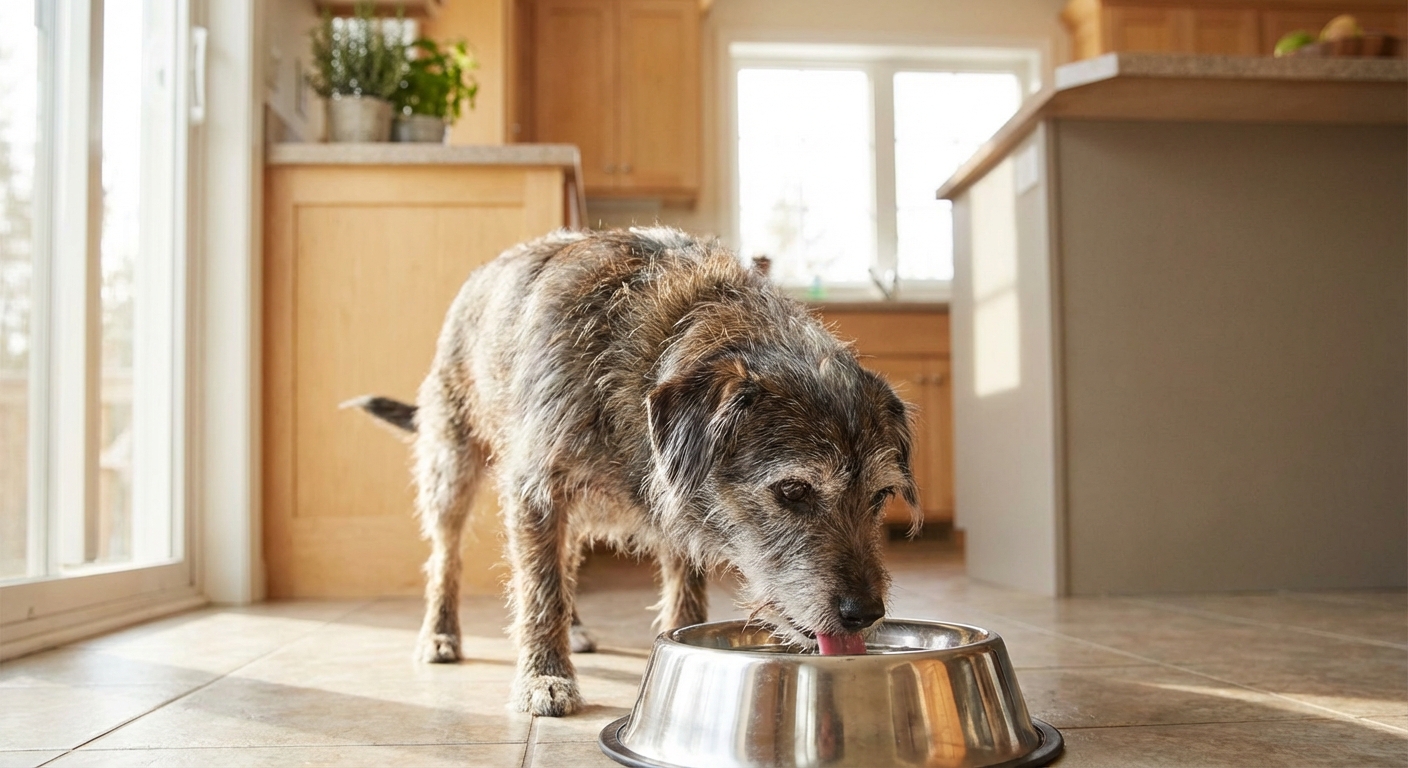
- Common signs: more drinking and peeing, increased appetite, panting, pot-belly, thin coat, infections
- Typical workup: bloodwork, urinalysis (often culture), then LDDST or ACTH stimulation, plus imaging when needed
- Main treatments: trilostane or mitotane, and in select cases surgery or radiation
- Key safety point: meds help, but they must be monitored to avoid cortisol dropping too low
What Cushing’s does inside the body
Cortisol helps regulate blood sugar, inflammation, immune function, and how the body uses fats and proteins. In most cases of Cushing’s, the adrenal glands are either:
- Signaled to make excess cortisol (most commonly from the pituitary gland), or
- Producing excess cortisol on their own (from an adrenal tumor)
In iatrogenic (medication-related) Cushing’s, the story is different. The body is exposed to external steroids, which can suppress normal ACTH signals and eventually suppress adrenal function, even though the overall steroid effect on the body remains too high.
Over time, this can contribute to:
- Muscle loss and weakness (especially in the back legs)
- Skin and coat changes like thinning hair, slow hair regrowth, and frequent skin infections
- Increased thirst and urination
- Increased appetite
- High blood pressure and changes in liver values
- Insulin resistance, and some dogs may develop diabetes
Because cortisol affects so many organs, symptoms can look like normal aging at first. That is why getting a clear workup matters.
Types of Cushing’s
Pituitary-dependent (most common)
This form starts in the pituitary gland, a small gland at the base of the brain. A usually benign tumor produces excess ACTH, which tells the adrenal glands to keep making cortisol.
Adrenal-dependent
Here, one adrenal gland typically has a tumor that produces cortisol. The other adrenal gland may shrink because it is not being used as much.
Iatrogenic (from medications)
This happens when a dog receives steroid medications (like prednisone) at doses or durations that disrupt normal hormone balance. Never stop steroids abruptly without veterinary guidance.
Common signs at home
Dogs can show a mix of symptoms, and they often develop gradually. The most common signs include:
- Drinking more water and needing to urinate more often
- Increased appetite and food-seeking behavior
- Pot-bellied appearance
- Panting more than usual, even at rest
- Thinning coat or symmetrical hair loss on the body
- Skin that seems thinner, darker, or more fragile
- Recurrent ear or skin infections
- Reduced stamina on walks or trouble jumping
Call your veterinarian promptly if you notice severe lethargy, vomiting, collapse, labored breathing, or sudden refusal to eat. If it is after hours, contact an emergency clinic.
How Cushing’s is diagnosed
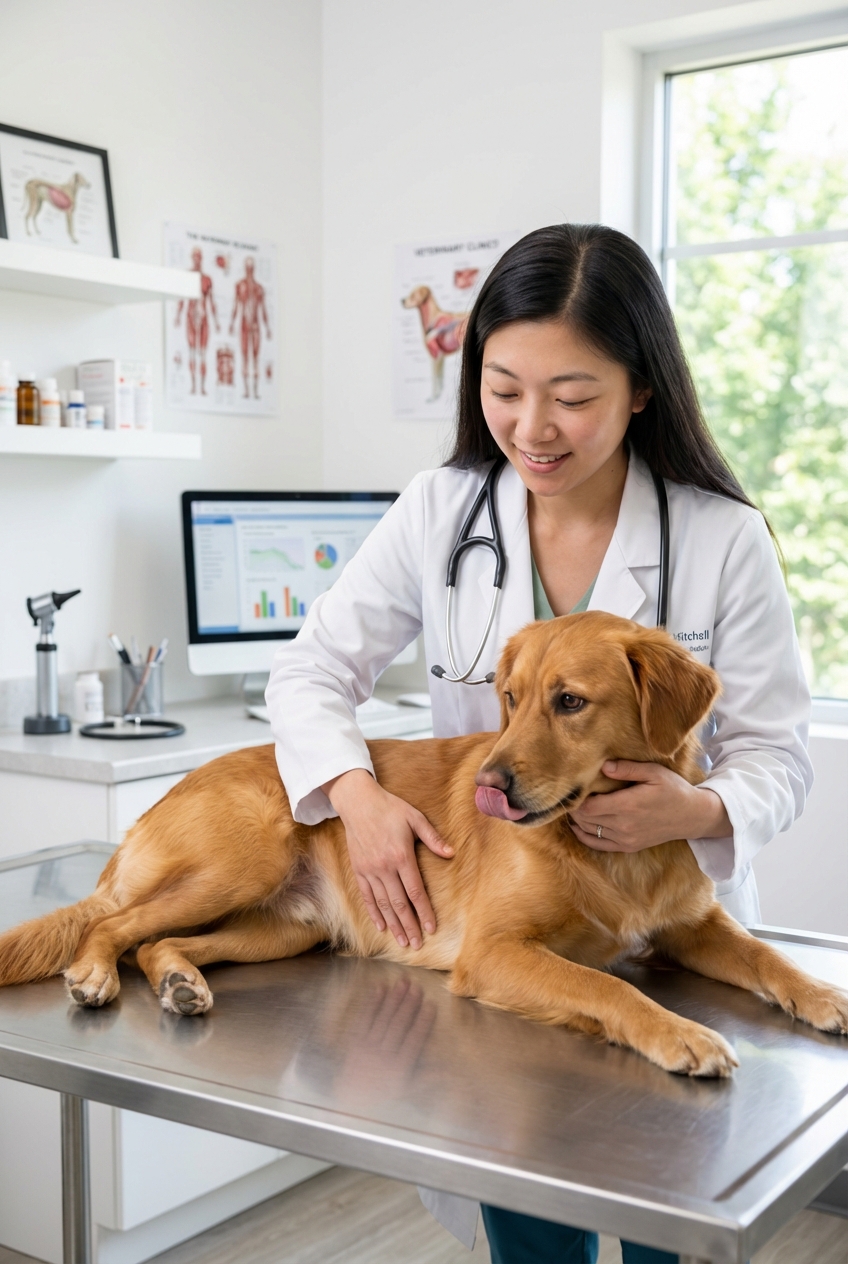
Diagnosis is rarely one single test. Most veterinarians combine your dog’s history and symptoms with screening bloodwork and then confirmatory hormone testing.
Step 1: Baseline testing
- Bloodwork: may show elevated liver enzymes (often ALP), cholesterol changes, stress leukogram, or other patterns
- Urinalysis: helps assess urine concentration and screen for urinary tract infection, which is common with Cushing’s
- Urine culture: often recommended even when there are no obvious UTI signs
Step 2: Hormone testing
- ACTH stimulation test: useful for monitoring some treatments and can support diagnosis
- Low-dose dexamethasone suppression test (LDDST): commonly used to diagnose and can sometimes suggest which type of Cushing’s is present, but it is not always definitive
Step 3: Imaging
- Abdominal ultrasound: evaluates adrenal size and can help differentiate pituitary versus adrenal disease
- Advanced imaging (CT or MRI): sometimes used when pituitary tumors are suspected, when neurologic signs are present, or for surgical planning
If your dog’s first test results are borderline, your vet may recommend repeating tests. That is not “bad news.” It is part of being accurate with a condition that can be tricky.
Treatment options
Treatment is individualized based on your dog’s type of Cushing’s, symptom severity, age, and other medical conditions. The goal is usually control, not cure, although surgery can be curative in select adrenal cases.
Medication management
Trilostane is a common first-line medication for many dogs. It reduces cortisol production. Your veterinarian will schedule follow-up testing to ensure the dose is safe and effective.
Mitotane is another medication used in some cases to reduce adrenal cortisol output. It requires careful monitoring.
What “good control” looks like: many families notice less frantic thirst, fewer accidents, less panting, and a calmer, steadier energy over weeks to a few months.
Watch for over-treatment (cortisol dropping too low): unusual tiredness, vomiting, diarrhea, weakness, shakiness, not wanting to eat, or collapse. If these appear, especially after a new dose or dose change, contact your veterinarian right away. If it is after hours, go to an emergency clinic.
Surgery
If an adrenal tumor is present, an adrenalectomy may be recommended in suitable candidates and at specialty centers. This is a serious surgery, but it can be life-changing for the right dog.
Radiation therapy
For certain pituitary tumors, radiation may be considered, especially if neurologic signs develop.
Monitoring matters. Dogs on Cushing’s medication need regular check-ins and follow-up testing. Many clinics use ACTH stimulation testing for trilostane monitoring, while others may use different cortisol-based protocols. The exact plan varies, but the goal is the same: keep your dog comfortable and safe.

Home care that helps
There is a lot you can do at home to make your dog feel better day to day, alongside veterinary care.
Track water and bathroom habits
Measure how much your dog drinks in 24 hours for a few days before your appointment, and write down accidents or nighttime bathroom needs. These are important clues for both diagnosis and medication adjustments.
Support skin and infection prevention
- Ask your vet if regular medicated baths are appropriate for recurring skin issues
- Keep ears clean and watch for redness, odor, or head shaking
- Request urine cultures as recommended, because UTIs can be “silent” in Cushing’s dogs
Gentle, consistent exercise
Muscle wasting is common. Short, frequent walks are usually better than occasional long outings. Think consistency, not intensity.
Nutrition basics
There is no single “Cushing’s diet,” but we often aim for steady energy and healthy body composition:
- Maintain a lean body condition: extra weight makes everything harder
- Choose a high-quality, complete diet appropriate for your dog’s life stage and health conditions
- Discuss treats: because appetite is elevated, treats can quietly add up
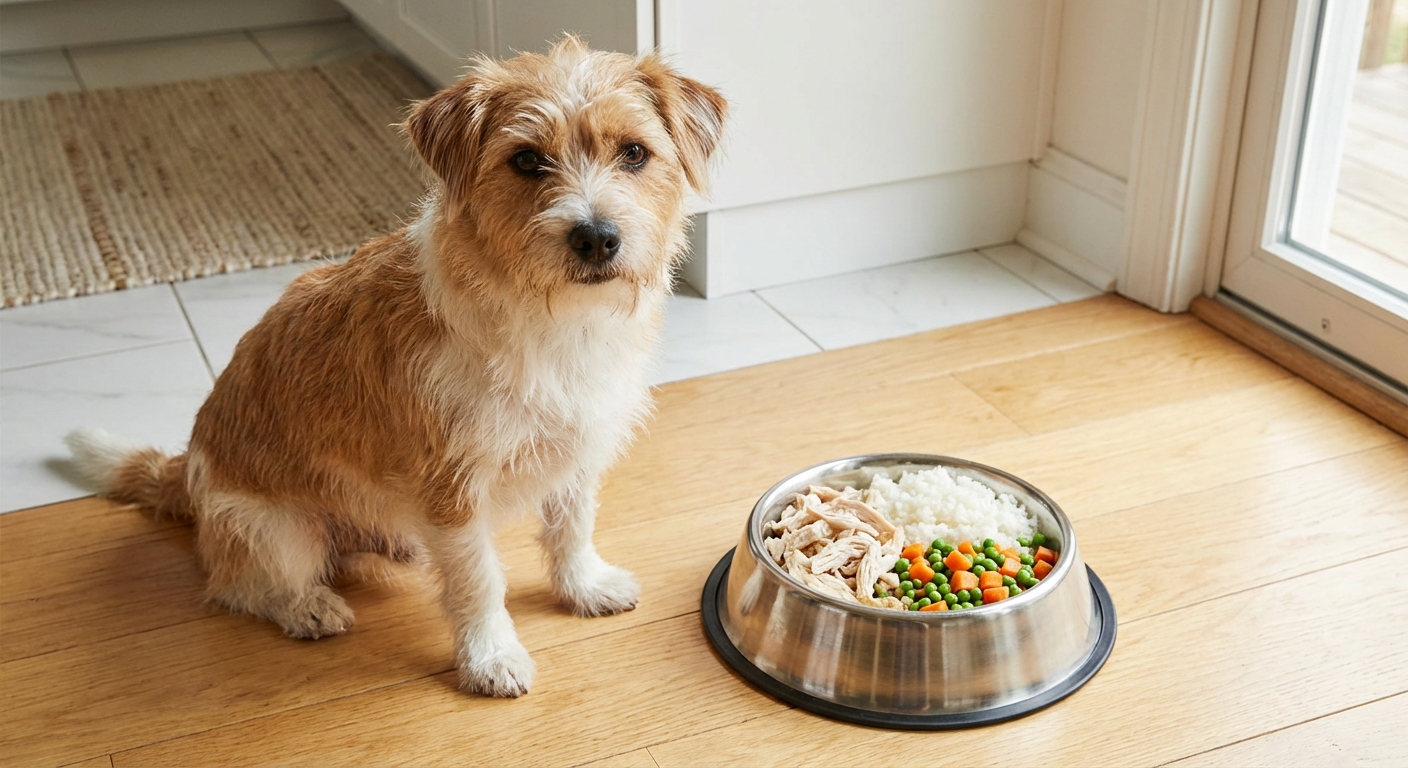
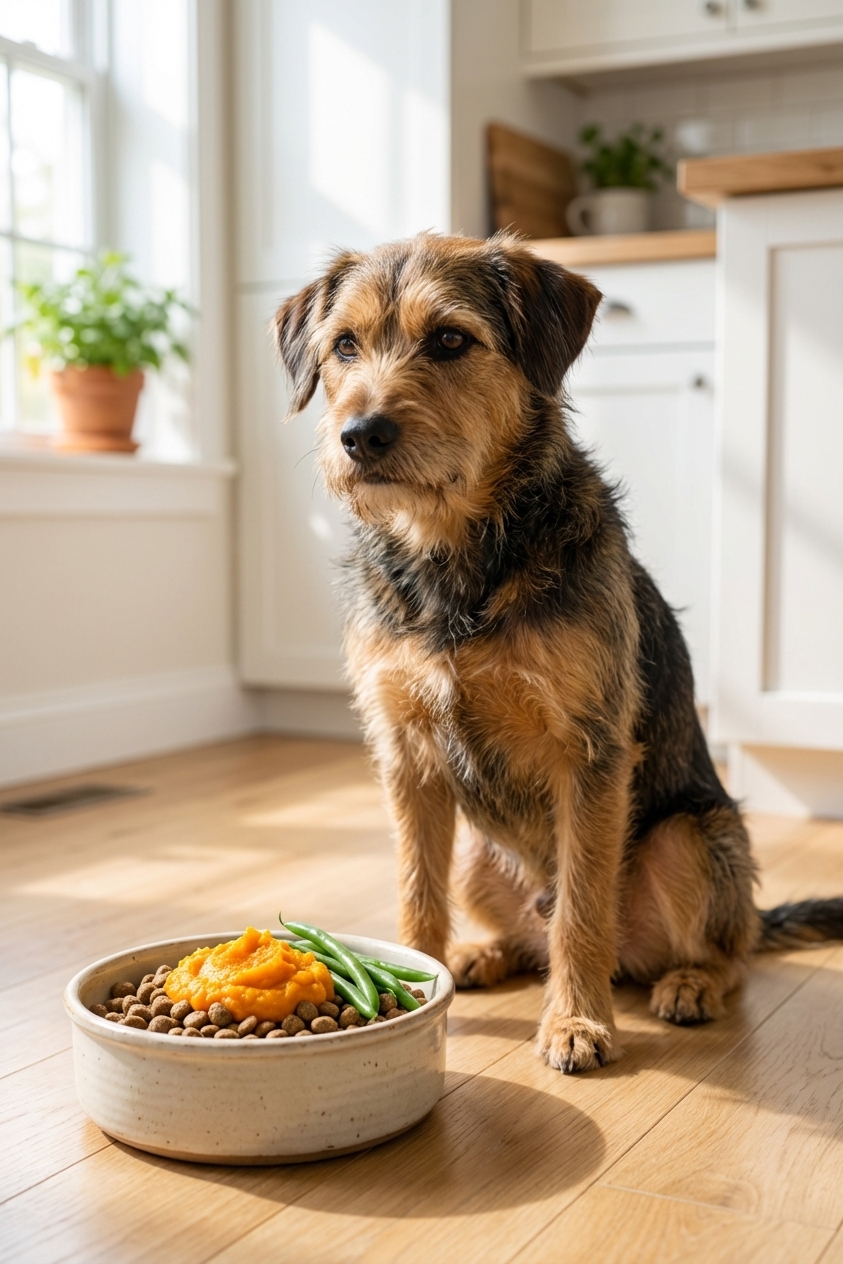
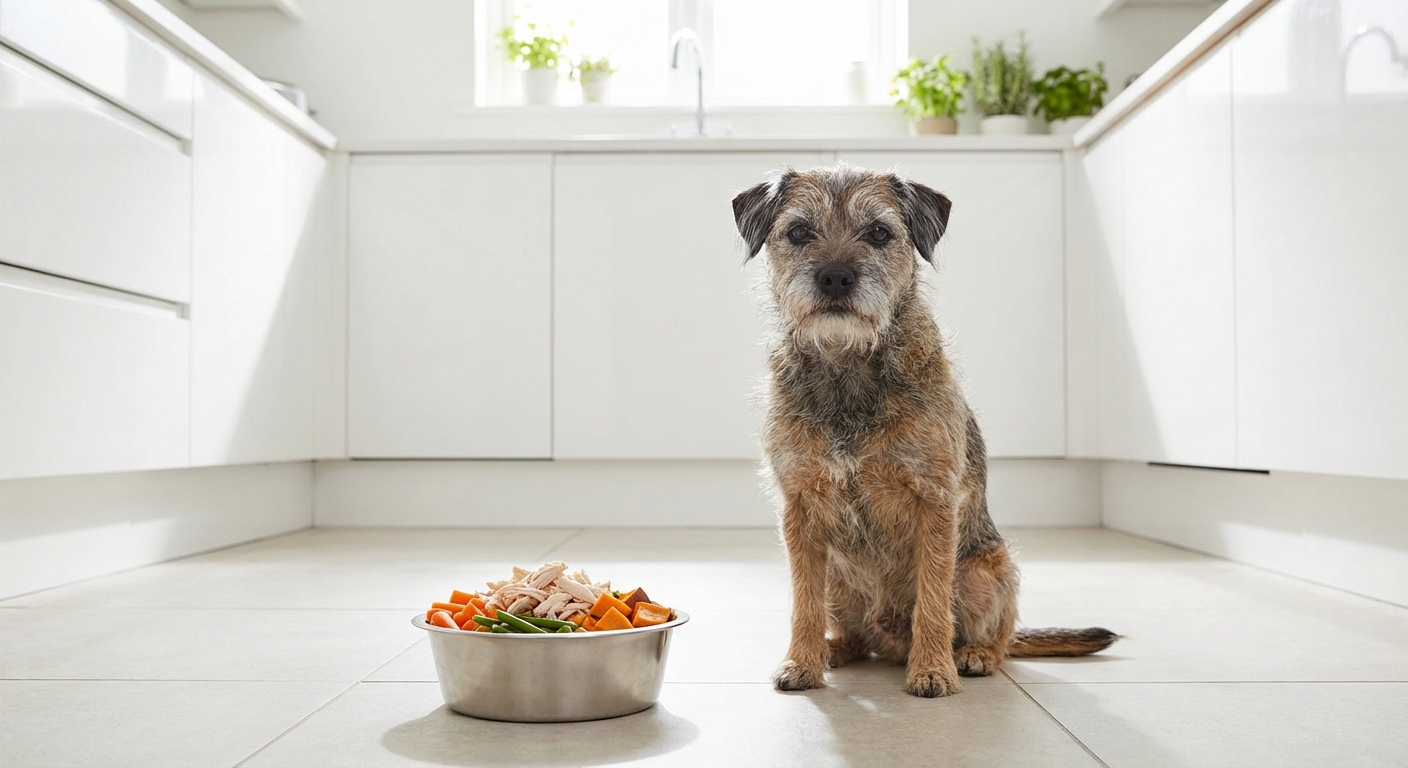
If you are interested in homemade meals, please do it in a balanced way. Cushing’s dogs may have other concerns like high blood pressure, protein in the urine, high triglycerides, a history of pancreatitis, kidney disease, or diabetes risk. A veterinarian or board-certified veterinary nutritionist can help you build a plan that is both comforting and correct.
Complications to know about
Not every dog will deal with complications, but it helps to be aware of the common ones so you can catch problems early:
- Urinary tract infections, sometimes without obvious symptoms
- High blood pressure
- Protein in the urine (your vet may recommend urine protein testing)
- Higher clot risk in some dogs, especially if other risk factors are present
Red flags and emergencies
Contact your veterinarian urgently if your dog has Cushing’s and develops:
- Sudden weakness, collapse, or severe lethargy
- Vomiting, diarrhea, or refusal to eat, especially after starting or adjusting medication
- Shaking, stumbling, or signs of dehydration
- Labored breathing or a dramatic change in panting
If it is after hours, contact an emergency clinic. These signs can indicate complications, medication dosing issues, or other urgent problems that need quick care.
Long-term outlook
With appropriate treatment and monitoring, many dogs improve noticeably within weeks to a few months. Often, families tell me the first changes they see are less frantic thirst, fewer accidents, and calmer energy.
As general trends, Cushing’s is most often diagnosed in middle-aged to senior dogs, and smaller breeds are commonly represented in pituitary-dependent cases. Your individual dog’s story and test results matter most.
Your role matters more than you might think. Keeping a simple log, staying consistent with meds, and showing up for rechecks creates the best chance for stable, comfortable years.
You do not have to have a perfect plan on day one. You just need a clear diagnosis, a monitoring schedule, and steady follow-through.