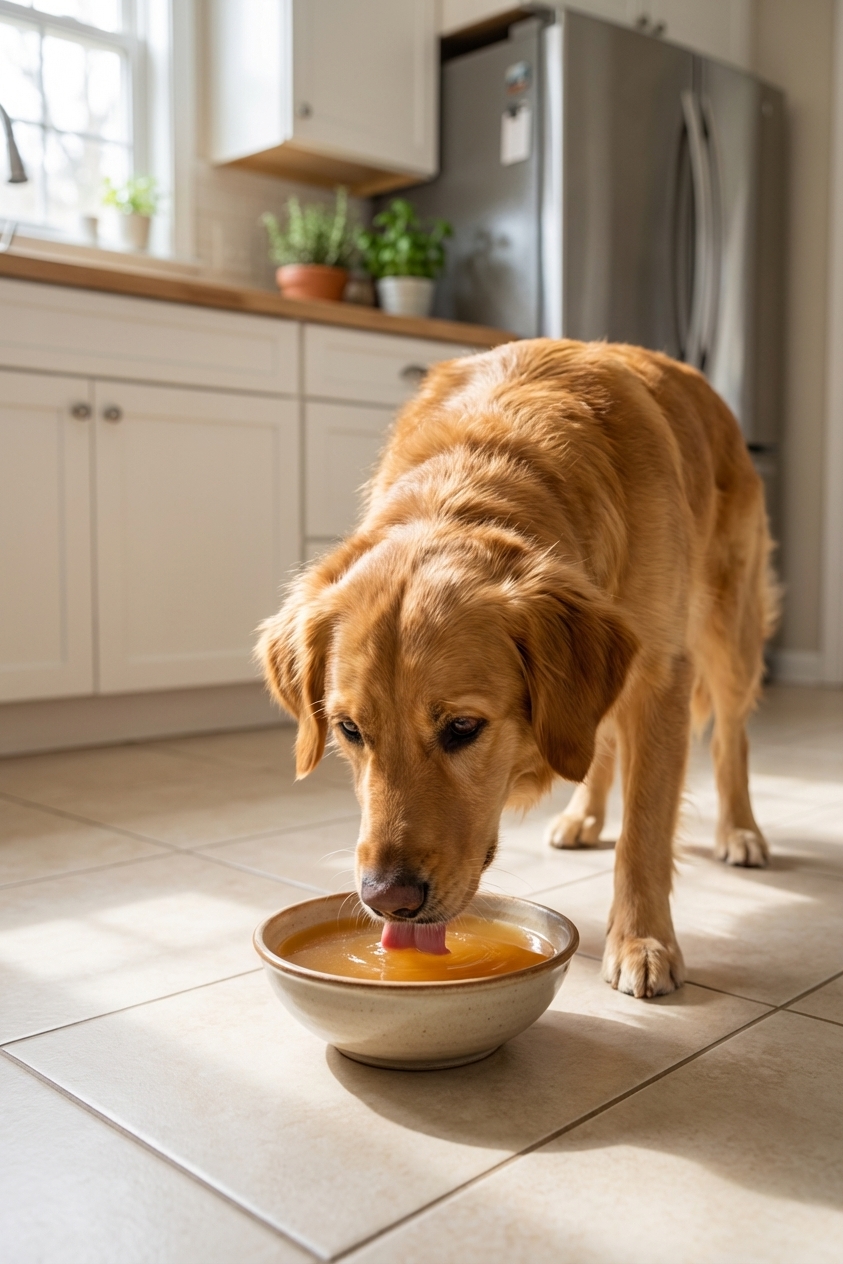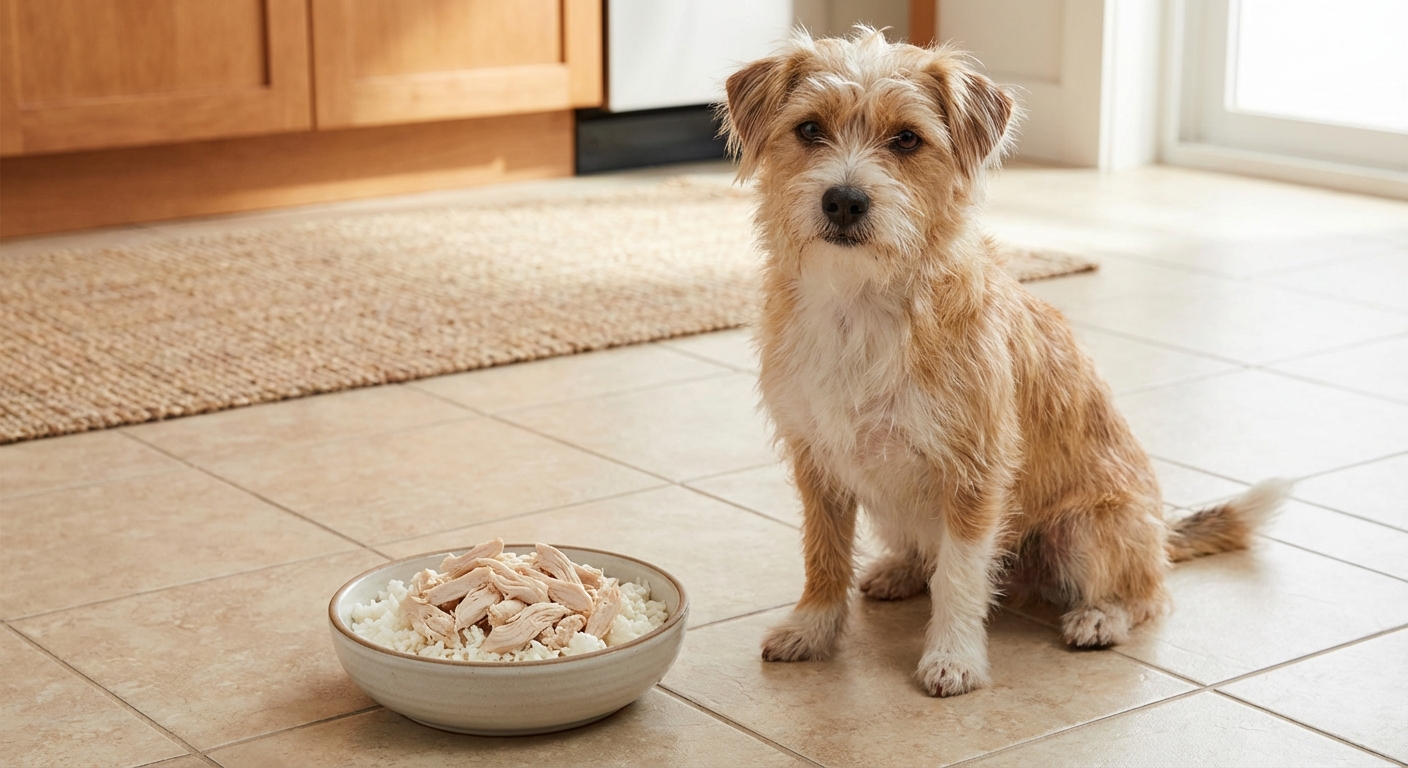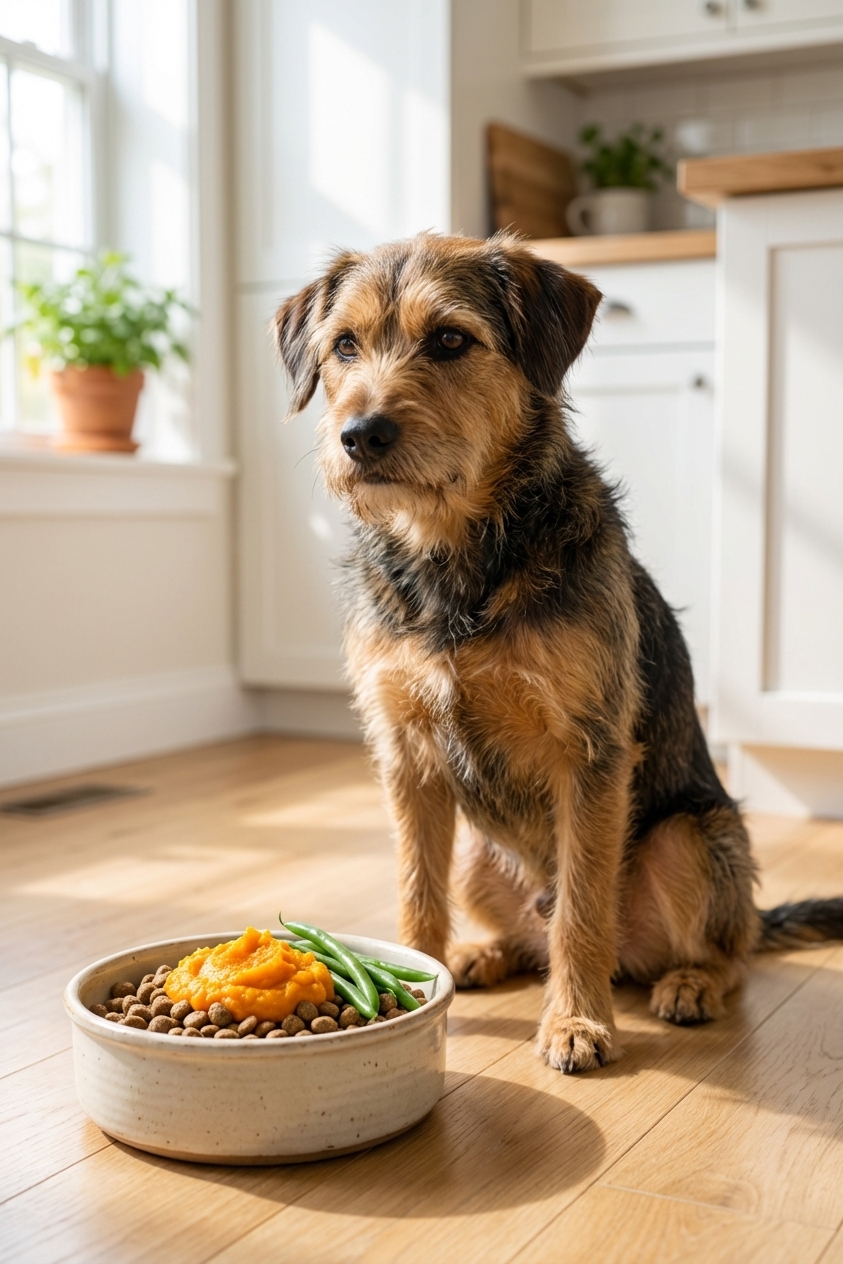
Make meals more tempting and nutritious with simple dog food toppers: bone broth, cooked eggs, sardines, pumpkin, and steamed veggies—plus portions, storag...
Article
•
Designer Mixes
Cushing’s Disease: Why Your Dog Is Drinking and Peeing More

Shari Shidate
Designer Mixes contributor
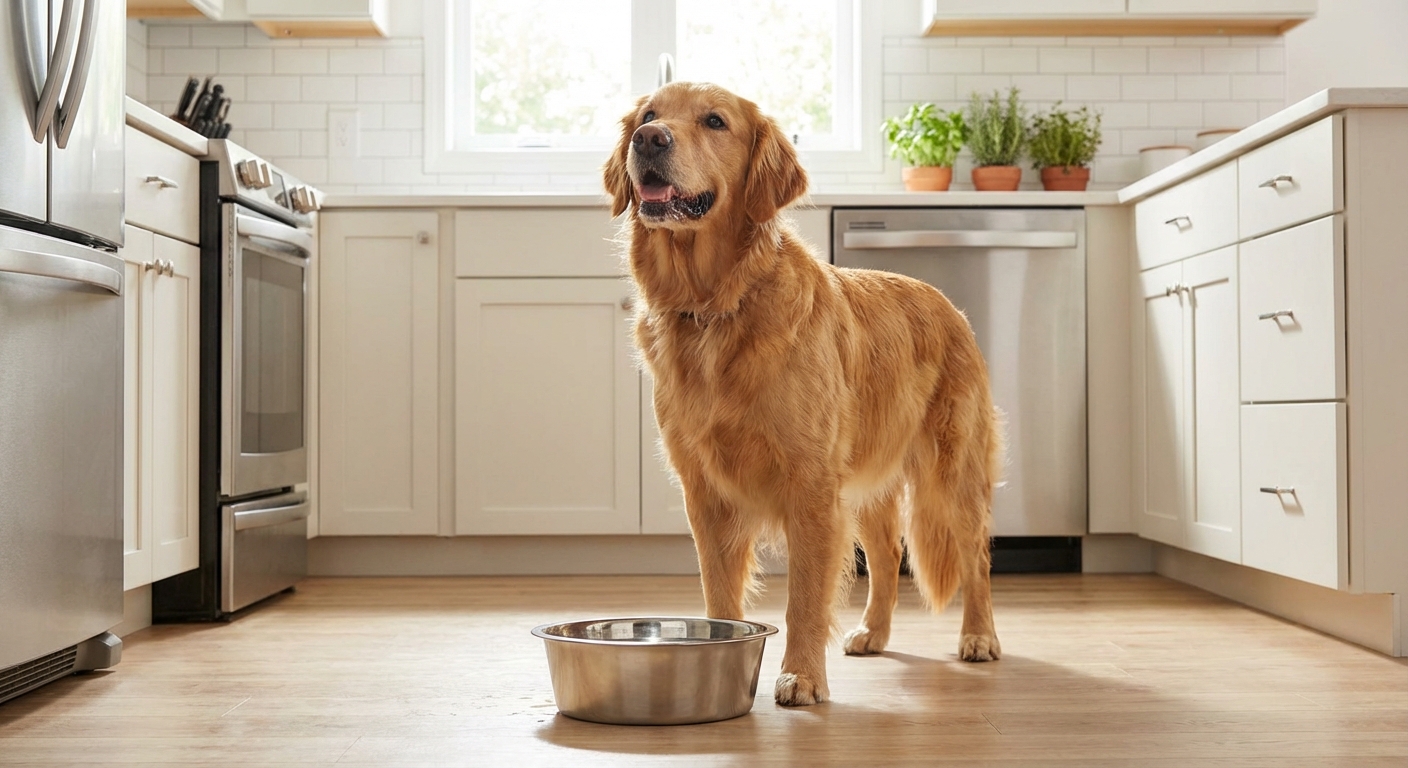
If you have a dog who suddenly can’t seem to get enough water and is having more accidents or asking to go out constantly, you’re not imagining things. Increased drinking (polydipsia) and increased urination (polyuria) are two of the most common signs of Cushing’s disease in dogs.
As a veterinary assistant, I always tell families the same thing: these signs are meaningful, but they are also shared by other conditions (including diabetes and kidney disease). The goal is not to panic. The goal is to get the right tests, protect your dog’s comfort in the meantime, and make a treatment plan you can actually stick with.
What it is
Cushing’s disease (also called hyperadrenocorticism) happens when a dog’s body is exposed to too much cortisol for too long. Cortisol is a natural hormone made by the adrenal glands. In healthy amounts it helps with stress response, metabolism, and inflammation. But when cortisol stays high, it starts affecting almost every body system, including how the kidneys handle water.
Most dogs have one of two main forms:
- Pituitary-dependent Cushing’s (most common): a small tumor in the pituitary gland signals the adrenal glands to keep producing cortisol.
- Adrenal-dependent Cushing’s: a tumor in an adrenal gland makes cortisol directly.
There is also iatrogenic Cushing’s, caused by long-term use of steroid medications (like prednisone). The signs can look very similar.
Why the thirst and peeing
Cortisol changes the way the kidneys respond to a hormone called ADH (antidiuretic hormone), which normally helps the body conserve water. When cortisol is chronically elevated, the kidneys often become less responsive to ADH, so they do not concentrate urine well. That means:
- Your dog produces more dilute urine.
- They lose more water through urine.
- They feel thirstier to replace that lost fluid.
This is why many dogs with Cushing’s can drain the water bowl and still act thirsty, and why potty habits can change fast even in a previously house-trained dog.
Other signs you may see
Not every dog has every symptom, but these are common patterns pet parents report:
- Increased appetite (acting “starving” all the time)
- Pot-bellied appearance
- Panting more than usual
- Muscle loss or weakness, difficulty jumping
- Thin skin, easy bruising, slower healing
- Hair thinning or symmetrical hair loss (often on the trunk)
- Recurring skin or ear infections
- Lethargy or less interest in walks
If you’re seeing the classic combo of more water, more pee, more hunger, it’s worth scheduling an exam soon.
How much is too much?
There is a normal range for water intake, but it varies with diet, temperature, exercise, and whether your dog eats kibble or wet food.
As a general veterinary guideline, a red flag is often:
- More than about 100 mL per kg per day (roughly 3.4 fluid ounces per kg, or about 1.5 fluid ounces per pound per day)
That said, you do not have to do perfect math to take action. If you are refilling the bowl far more than usual, your dog is waking you at night to go out, or accidents are happening despite training, it’s time to talk with your veterinarian.
A helpful at-home step
For 2 to 3 days, measure how much water you pour into the bowl each morning, and measure what is left at night. Write it down. Bring that information to your appointment. Real numbers help your vet narrow the possibilities.
Other look-alike causes
Increased thirst and urination are common signs of several medical issues. Your veterinarian may recommend tests to rule out:
- Diabetes mellitus
- Kidney disease
- Urinary tract infection (UTI) or pyelonephritis
- Hypercalcemia (high calcium)
- Liver disease
- Pyometra in unspayed females (a life-threatening uterine infection)
- Medication effects (especially steroids and some anti-seizure drugs)
This is why self-diagnosing from symptoms alone is so frustrating. The symptoms are real. They just are not specific to one disease.
How vets test
Diagnosis is usually a step-by-step process. Your vet may start with basic tests and then move to more specific endocrine testing.
First-line tests
- Urinalysis: checks urine concentration and looks for infection
- Bloodwork (CBC and chemistry): checks liver enzymes, cholesterol, glucose, kidney values, and more
- Urine culture if infection is suspected, even if symptoms are mild
Cushing’s screening tests
- ACTH stimulation test
- Low-dose dexamethasone suppression test (LDDS)
- Urine cortisol:creatinine ratio (often used as a rule-out test)
Type testing
If Cushing’s is confirmed, your vet may recommend an abdominal ultrasound and sometimes additional hormone testing to help differentiate pituitary versus adrenal causes.
Tip from the clinic: ask your vet what question each test is answering. That one conversation can reduce so much stress.
What to do at home now
When a dog is drinking excessively, it can be tempting to limit water. Please do not restrict water unless your veterinarian specifically instructs it. Dogs with Cushing’s can become dehydrated if water is withheld.
Practical steps
- More potty breaks: add a late-night trip outside and an early morning trip.
- Protect your floors: use washable pee pads or a waterproof cover while you wait for testing.
- Track symptoms: note appetite, panting, accidents, and any skin changes.
- Watch for UTI signs: straining, blood in urine, frequent small pees, licking at the vulva or penis.
When to go in urgently
Please seek prompt veterinary help if you see:
- Vomiting, severe lethargy, collapse, or refusal to drink
- Signs of pain when urinating, inability to urinate, or a very distended abdomen
- In an unspayed female: discharge, fever, sudden decline, or extreme thirst (pyometra concern)
Treatment and improvement
Treatment depends on the type of Cushing’s and your dog’s overall health. Many dogs do very well once cortisol is controlled, but it usually requires ongoing monitoring.
Medical management
- Trilostane is commonly prescribed to reduce cortisol production.
- Mitotane may be used in some cases.
With successful treatment, many families notice reduced thirst and urination and improved energy and panting over time. Skin and coat changes can take longer.
Surgery
If an adrenal tumor is present, surgical removal may be an option depending on imaging findings and surgical risk.
Monitoring matters
Follow-up tests are not “extra”. They are how your vet keeps treatment effective and safe. The dose that works for one dog might be too strong or not strong enough for another.
Nutrition and lifestyle
Food will not cure Cushing’s, but smart nutrition can support muscle maintenance, immune health, and weight management, which are common challenges in Cushing’s dogs.
- Keep calories appropriate if appetite is intense. Many dogs gain weight quickly.
- Prioritize high-quality protein to support muscle, especially in seniors.
- Avoid high-fat choices unless your veterinarian recommends otherwise. Many Cushing’s dogs are prone to hyperlipidemia, and high-fat diets can raise pancreatitis risk.
- Choose a consistent diet while your vet is stabilizing medication. Sudden diet changes can muddy the waters.
- Ask your vet before adding supplements. Some can interfere with other conditions or medications.
If you love the idea of gently adding whole foods, start small and focus on simple, dog-safe options (like lightly cooked vegetables in modest amounts), while keeping the main diet balanced.
Questions to ask
- What conditions are most likely causing my dog’s increased drinking and urination?
- Will you measure my dog’s urine specific gravity and run a urine culture?
- Which Cushing’s test do you recommend first, and why?
- If Cushing’s is confirmed, how will we monitor treatment and how often?
- What side effects should I watch for with the medication?
You are your dog’s advocate. The best outcomes happen when we pair good diagnostics with consistent follow-through at home.
The bottom line
Cushing’s disease is a very common reason dogs drink and pee more, especially in middle-aged and senior pups. It is also one of those conditions where early testing and good monitoring can make a big difference in day-to-day comfort.
If your dog is suddenly draining the water bowl, waking you up to go outside, or having accidents, schedule a veterinary visit and bring your notes about water intake and bathroom habits. You are not overreacting. You are paying attention, and that is exactly what your dog needs.