Support a dog with Cushing’s disease using lean proteins, fiber-rich vegetables, smart carbs, and controlled fats. Get label tips, treat ideas, and safe fe...
Article
•
Designer Mixes
Cushing’s Disease Treatment for Dogs

Shari Shidate
Designer Mixes contributor
If your dog has been diagnosed with Cushing’s disease, take a deep breath. In my work as a veterinary assistant here in Frisco, Texas, I have seen many dogs do well with the right plan, the right monitoring, and a supportive home routine. This guide will walk you through pet-friendly, evidence-based treatment options in plain language, plus the everyday steps that make a big difference.

Quick note: Cushing’s is manageable, but it is not a DIY condition. Work closely with your veterinarian, especially when starting or adjusting medication.
One helpful clarification: When people say “Cushing’s” in dogs, they usually mean naturally occurring disease (pituitary-dependent or adrenal-dependent). A separate form, iatrogenic Cushing’s, happens from steroid exposure.
What Cushing’s is
Cushing’s disease, also called hyperadrenocorticism, happens when a dog’s body is exposed to too much cortisol for too long. Cortisol is a normal hormone that helps with stress responses, blood sugar, and inflammation. The problem is chronic excess.
There are three main scenarios:
- Pituitary-dependent Cushing’s (most common, about 80 to 85%): a small tumor in the pituitary gland signals the adrenal glands to produce excess cortisol.
- Adrenal-dependent Cushing’s (less common, about 15 to 20%): a tumor in an adrenal gland produces cortisol.
- Iatrogenic Cushing’s (variable): caused by long-term or high-dose steroid medications (like prednisone).
Classic signs often include increased thirst and urination, increased appetite, panting, a pot-bellied appearance, thin skin, hair loss, and recurrent skin or ear infections.
Diagnosis basics
Because many Cushing’s signs overlap with other conditions, diagnosis usually involves a mix of history, physical exam, lab work, and specific endocrine testing.
Common tests your vet may recommend
- Bloodwork and urinalysis: looks for patterns consistent with Cushing’s and checks organ function before treatment.
- Urine cortisol:creatinine ratio: often used as a screening test (a normal result can help rule out Cushing’s, but an elevated result usually needs confirmation).
- ACTH stimulation test: checks adrenal response and is also used for monitoring some treatments.
- Low-dose dexamethasone suppression test (LDDST): commonly used to help diagnose Cushing’s. Certain patterns can suggest pituitary versus adrenal disease, but it is not definitive.
- Imaging (often abdominal ultrasound): evaluates adrenal size and checks the liver, gallbladder, and other organs. In some cases, referral imaging like CT or MRI is recommended, especially when a pituitary mass is suspected or surgery is being considered.
- Other differentiators (case-dependent): endogenous ACTH and additional imaging can help differentiate pituitary-dependent from adrenal-dependent disease.
If you feel overwhelmed by the testing plan, ask your vet which test is being used for screening, which is for confirmation, and which will be used for monitoring. That one conversation can make the whole process feel less confusing.

Treatment options
The best treatment depends on the type of Cushing’s, your dog’s symptoms, other health conditions, and your comfort level with monitoring. The goal is typically control, not cure, unless surgery is appropriate.
Medication: Trilostane
Trilostane is widely used for pituitary-dependent Cushing’s and is often considered the standard medical option. It works by decreasing cortisol production.
It may also be used in some adrenal tumor cases when surgery is not chosen or is not possible. In those situations, it is meant to control clinical signs rather than treat or remove the tumor itself.
- Why many vets like it: generally predictable, widely studied, and adjustable based on monitoring.
- What you may notice at home: less thirst and urination, less constant hunger, reduced panting, improved energy over time.
- Monitoring matters: dosing is individualized, and follow-up testing is essential to avoid cortisol dropping too low.
Pet-friendly tip: Give medication consistently and pair dosing with a routine your dog loves, like breakfast and a short sniff walk. Routine reduces stress for both of you.
Medication: Mitotane
Mitotane reduces cortisol by selectively damaging parts of the adrenal cortex. Some veterinarians use it for pituitary-dependent Cushing’s, but it requires careful supervision and clear owner instructions.
- Pros: effective for some dogs.
- Cons: narrower safety margin. Adverse effects can include GI upset (vomiting or diarrhea), lethargy, and hypoadrenocorticism (Addison’s), which can be life-threatening without prompt treatment.
Surgery: Adrenal tumor removal
If Cushing’s is caused by a tumor in one adrenal gland, adrenalectomy may be considered. This is a major surgery and is typically done by experienced surgeons, often at specialty hospitals.
- Best fit: dogs with operable adrenal tumors and acceptable anesthesia risk.
- Considerations: pre-surgical stabilization, advanced imaging in some cases, and post-op monitoring are critical.
Specialty options
In referral settings, some dogs may be candidates for advanced treatments like radiation therapy for larger pituitary tumors, or less commonly, pituitary surgery (hypophysectomy) in select centers. These are not the typical path for most families, but it can be reassuring to know they exist.
If steroids caused it: Tapering
If long-term steroid use caused Cushing’s signs, treatment usually involves a gradual taper under veterinary direction. Stopping steroids suddenly can be dangerous because the body needs time to resume normal hormone production.
What good control looks like
Many pet parents expect an overnight change. In reality, improvement is often gradual and happens in layers.
- Often improves first: drinking, urination, appetite, panting.
- Takes longer: hair regrowth, muscle strength, belly shape, skin thickness.
- May still happen sometimes: occasional flare-ups of skin infections or tummy upset, especially during dose adjustments.
Your vet will combine your dog’s clinical signs with lab results to decide whether the current plan is working.
Home care support
Nutrition
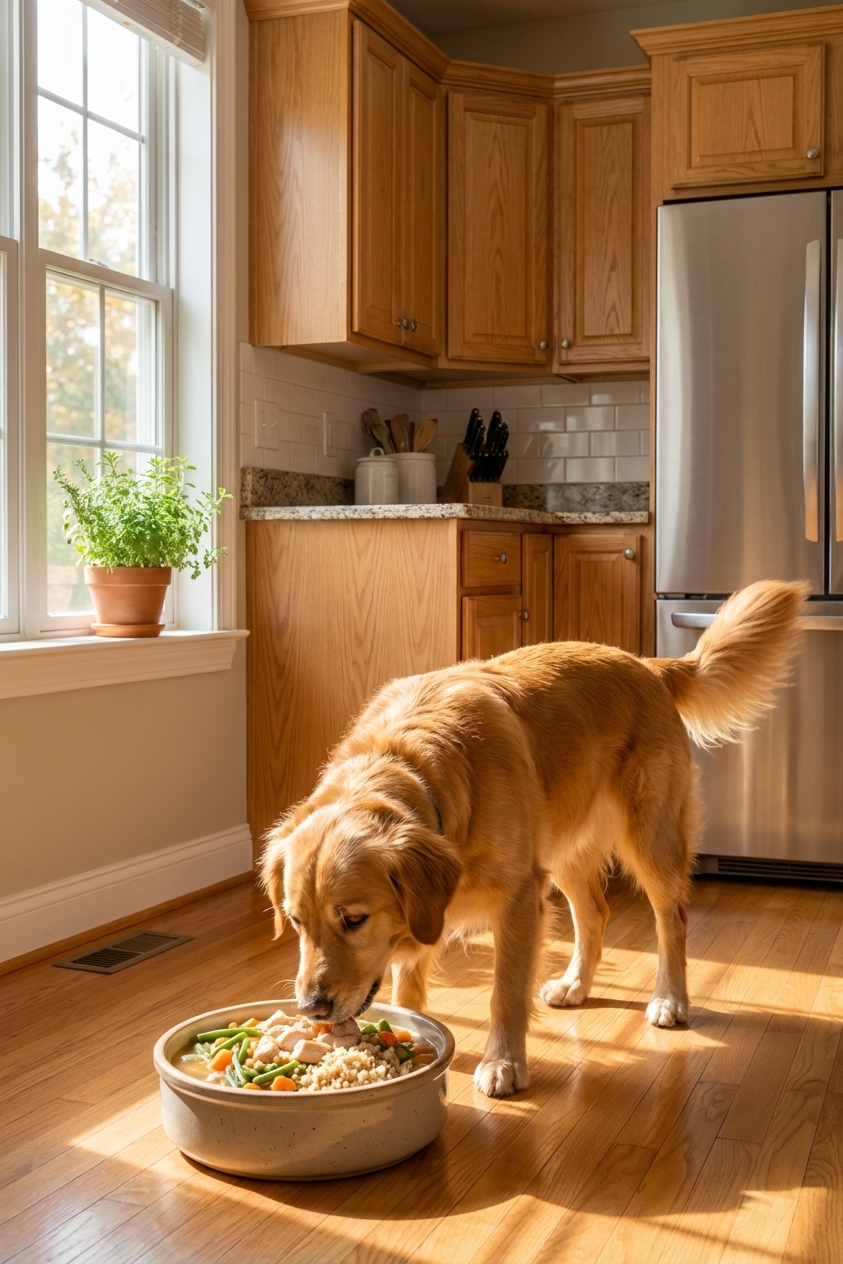
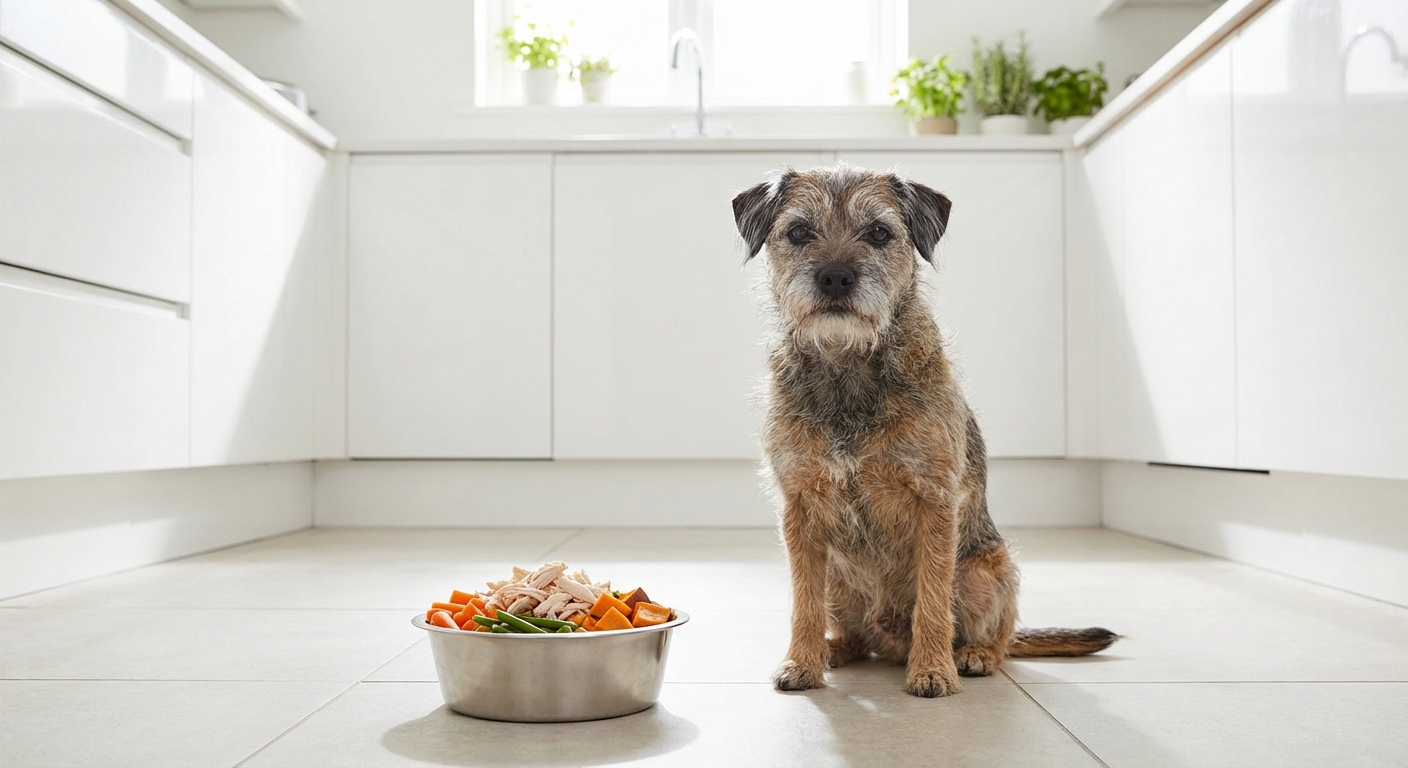
No food “cures” Cushing’s, but the right nutrition can support muscle maintenance, skin health, and metabolic stability. Many dogs with Cushing’s also struggle with weight gain, elevated fats, or concurrent conditions like diabetes or pancreatitis.
- Prioritize protein quality: helps support lean muscle mass.
- Choose appropriate fat levels: especially important if triglycerides are elevated or pancreatitis is a concern.
- Favor fiber-rich ingredients when tolerated: can help with satiety and steady digestion.
- Be careful with treats: Cushing’s hunger can be intense. Use measured treats like small pieces of cooked lean meat, green beans, or vet-approved options.
If you are interested in a homemade approach, ask your veterinarian for a referral to a board-certified veterinary nutritionist. It is absolutely possible to do homemade well, but endocrine dogs need careful balance and consistency.
Hydration and potty planning
Increased thirst and urination can be exhausting. Until the disease is well controlled:
- Never restrict water at home unless your vet specifically tells you to for a medical reason.
- Keep fresh water available at all times.
- Add extra potty breaks, especially before bed.
- Use waterproof covers or washable pads if accidents are happening. This is management, not failure.
Skin and coat support
Cushing’s commonly causes thin skin and recurrent infections. Gentle, consistent grooming helps you catch problems early.
- Brush lightly and avoid harsh de-matting on thin skin.
- Ask your vet about medicated shampoos if infections recur.
- Report new lumps, bruising, or slow-healing wounds promptly.

Exercise
Many dogs with Cushing’s have muscle weakness and fatigue. Short, frequent walks are often better than one long outing.
- Start with easy, low-impact movement.
- Keep an eye on panting and heat tolerance.
- Use puzzle feeders or scent games for mental enrichment on low-energy days.
Monitoring and rechecks
Monitoring is part of what makes Cushing’s treatment safer. Your veterinarian will schedule rechecks after starting medication and after dose adjustments. Timing and test choice depend on the medication used, your dog’s symptoms, and your clinic’s protocol.
A typical schedule
For trilostane, many clinics recheck labs around 10 to 14 days after starting, then again around 30 days and 90 days, then every 3 to 6 months once stable. Some dogs need more frequent checks.
Timing can matter
Some tests must be timed relative to dosing. For example, if your dog is having an ACTH stimulation test for trilostane monitoring, your veterinarian may want the medication given at a specific time before the test. If you are unsure whether to give the morning dose or to fast, call the clinic and ask. It saves stress and prevents a wasted visit.
Track these at home
- Water intake: note if you are refilling the bowl more often than usual.
- Urination: frequency, accidents, urgency.
- Appetite: steady, ravenous, picky, or suddenly decreased.
- Energy and behavior: pacing, restlessness, panting.
- Skin issues: new odor, redness, bumps, itching.
Pet-friendly tip: Keep a simple phone note with weekly check-ins rather than trying to remember everything during an appointment.
Light sourcing note: Many veterinarians follow internal medicine consensus recommendations (such as ACVIM guidance) for diagnosis and monitoring, then tailor the plan to the dog in front of them.
Red flags
Because treatment changes cortisol levels, side effects and complications need quick attention. Call your vet right away if you notice:
- Vomiting or diarrhea that does not resolve quickly
- Sudden lethargy, weakness, collapse, or refusal to eat
- Shaking, severe depression, or signs of dehydration
- Worsening panting and distress
- Any concern for an infection: fever, painful skin lesions, foul odor, intense itching
- Possible Addisonian crisis (cortisol too low): severe weakness or collapse, repeated vomiting or diarrhea, pale gums, or your dog seems “not themselves” in a way that feels urgent
If something feels off, trust that instinct and call. It is always better to ask early than wait and worry.
Long-term outlook
Cushing’s can be a lot. The appointments, the tests, the schedule changes, and the emotional side of watching your dog struggle with hunger or accidents can wear you down.
But here is the good news I see again and again: once cortisol is better controlled, many dogs return to a happy routine. They sleep more comfortably, pant less, and regain that spark that reminds you, “There you are.”
With consistent treatment and monitoring, many dogs live for years with a good quality of life.
Your job is not to be perfect. Your job is to be consistent, observant, and kind to yourself while you advocate for your dog.
Common related issues
Your veterinarian may recommend screening for other conditions that can travel with Cushing’s, especially if symptoms suggest them:
- High blood pressure (hypertension)
- Protein in the urine (proteinuria) and urinary tract infections
- Diabetes
- Gallbladder disease (including gallbladder mucocele)
- Blood clot risk (thromboembolic disease), especially in higher-risk dogs
FAQ
Why is my dog still so hungry?
Excess cortisol can drive appetite. Hunger usually improves as control improves, but some dogs remain food-motivated. Structured meals, measured treats, and high-fiber options (if appropriate for your dog) can help. If hunger suddenly worsens again, it can be a clue that control is slipping or another issue is brewing.
How long until the coat grows back?
Hair regrowth is often one of the slower changes. It can take months, and it may lag behind improvements in thirst, urination, and panting.
What does an emergency look like on trilostane?
The emergency concern is cortisol dropping too low (hypoadrenocorticism). Severe lethargy, collapse, repeated vomiting or diarrhea, pale gums, or refusing food are reasons to call an emergency clinic right away.
Questions to ask
- Which type of Cushing’s does my dog most likely have?
- What treatment option fits my dog’s health profile and our lifestyle?
- What side effects should I watch for with this medication?
- What is our monitoring schedule and which tests will we use?
- Do any tests need to be timed around dosing or fasting?
- Are there other conditions we should screen for, like diabetes, high blood pressure, urinary tract infections, proteinuria, or gallbladder disease?
- Would referral imaging (CT or MRI) or specialty care change our options?