Understand equine Cushing’s (PPID): early coat and behavior clues, laminitis warning signs, ACTH/TRH testing, and day-to-day management with pergolide, die...
Article
•
Designer Mixes
Cushing’s Disease in Horses: Symptoms Revealed

Shari Shidate
Designer Mixes contributor
Cushing’s disease in horses, more accurately called PPID (pituitary pars intermedia dysfunction), can feel like a “quiet” condition at first. A horse looks slow to shed, a bit more pot-bellied, or just “older.” Then suddenly you are dealing with recurring hoof issues, odd sweating, or a laminitis scare that seems to come out of nowhere.
As a veterinary assistant, I like to remind owners of two comforting truths: PPID is common, and it is very manageable when you catch it early. Let’s pull back the curtain on the symptoms that are easy to miss and what they can really be telling you.
What PPID Is (And Why It Shows Up Later)
PPID is a neurodegenerative condition. Over time, the brain’s dopamine control over the pituitary gland’s pars intermedia weakens, and that part of the pituitary becomes overactive. It produces increased levels of POMC-derived hormones. ACTH is the practical marker most commonly measured on bloodwork, and it helps your veterinarian assess whether PPID is likely.
The result is a body that can struggle more with coat regulation, immune function, muscle maintenance, and blood sugar balance.
Most cases are seen in older horses, but younger horses can develop PPID too. That is one reason symptoms can be overlooked: we expect “slowing down” with age, and PPID can hide in those expectations.
Early Signs People Miss
Classic signs like a long curly coat get the spotlight, but in real life the earliest clues are often more subtle. Here are the ones I see owners brush off most often.
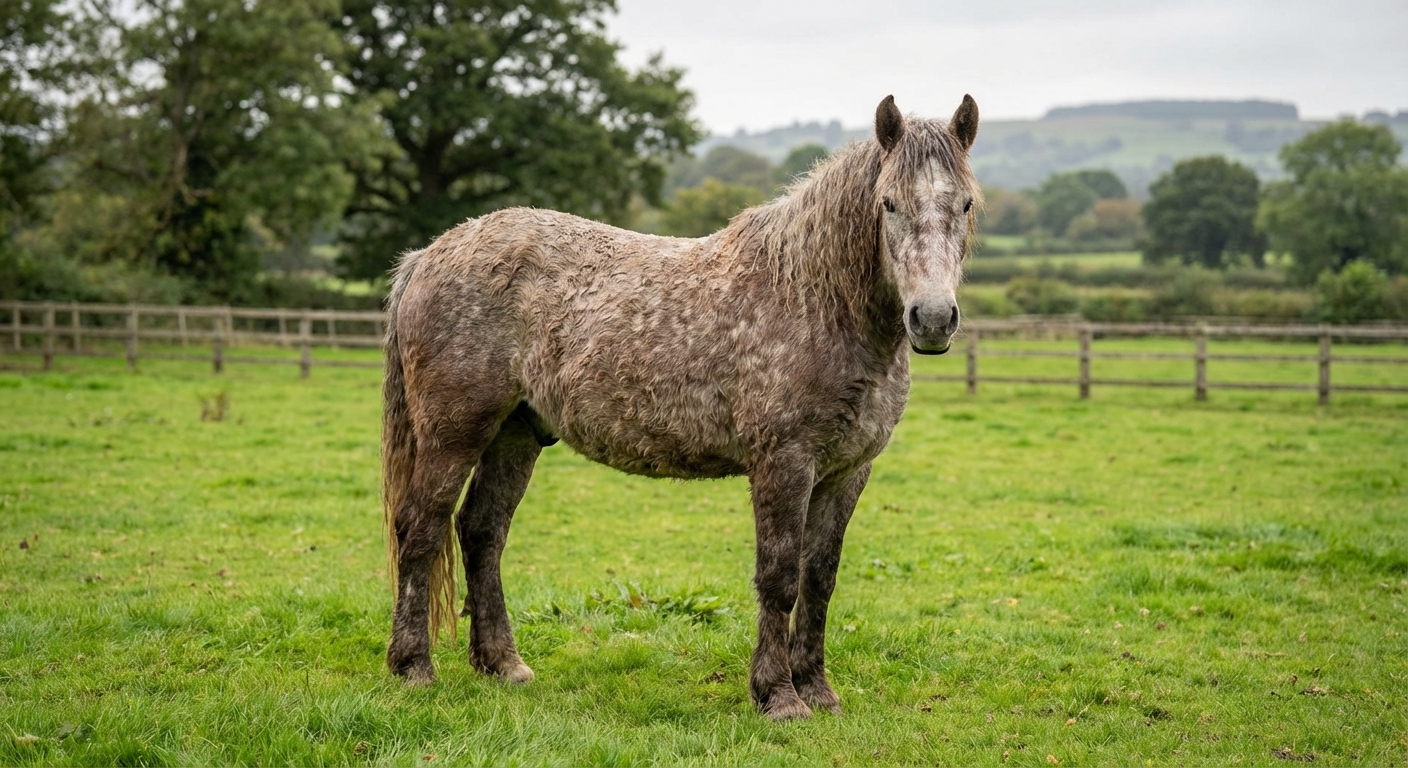
1) Delayed shedding or odd coat changes
Not every PPID horse starts with a full long coat. Early on you might notice:
- Slow shedding in spring
- Coat that looks sun-bleached, dull, or patchy
- Longer hair that hangs on the belly, jawline, or legs
2) Muscle loss and topline changes
PPID can cause muscle wasting even when a horse is eating well. You may notice a dipped back, loss along the neck and hindquarters, or an overall “weak” look that does not match the horse’s weight.
3) A pot-bellied look
That round belly can be a mix of reduced muscle tone and shifting fat distribution. Owners sometimes interpret it as “needs more exercise,” but if it is paired with other signs, it is worth a PPID discussion.
4) More drinking and urination
More water intake, wetter bedding, or bigger urine spots can be a real clue. It is also nonspecific and can overlap with other problems, so it should trigger a vet call rather than guesswork. Your veterinarian may want to rule out other causes such as kidney issues, pain, infection, or other endocrine disorders.
5) Odd sweating or heat intolerance
Some PPID horses sweat at unusual times, sweat in patches, or seem miserable in warm weather. This is another sign that is not unique to PPID, so consider the full picture (weather, blanketing, fitness, pain, infection) and loop your veterinarian in if it is new or persistent.
6) Recurrent infections or slow healing
Because PPID can reduce immune resilience, you might see:
- Skin infections
- Sinus or respiratory infections that recur
- Wounds that take longer than expected to heal
Dental disease is also common in senior horses regardless of PPID, but if your horse has frequent periodontal problems or complications (for example, painful pockets, food packing, or chronic mouth inflammation), it is worth mentioning to your vet as part of the overall pattern.
7) Changes in attitude or energy
Some horses become dull, less forward, or unusually quiet. Others can seem anxious. When hormones and metabolism are off, behavior can shift in ways that feel vague but are real.
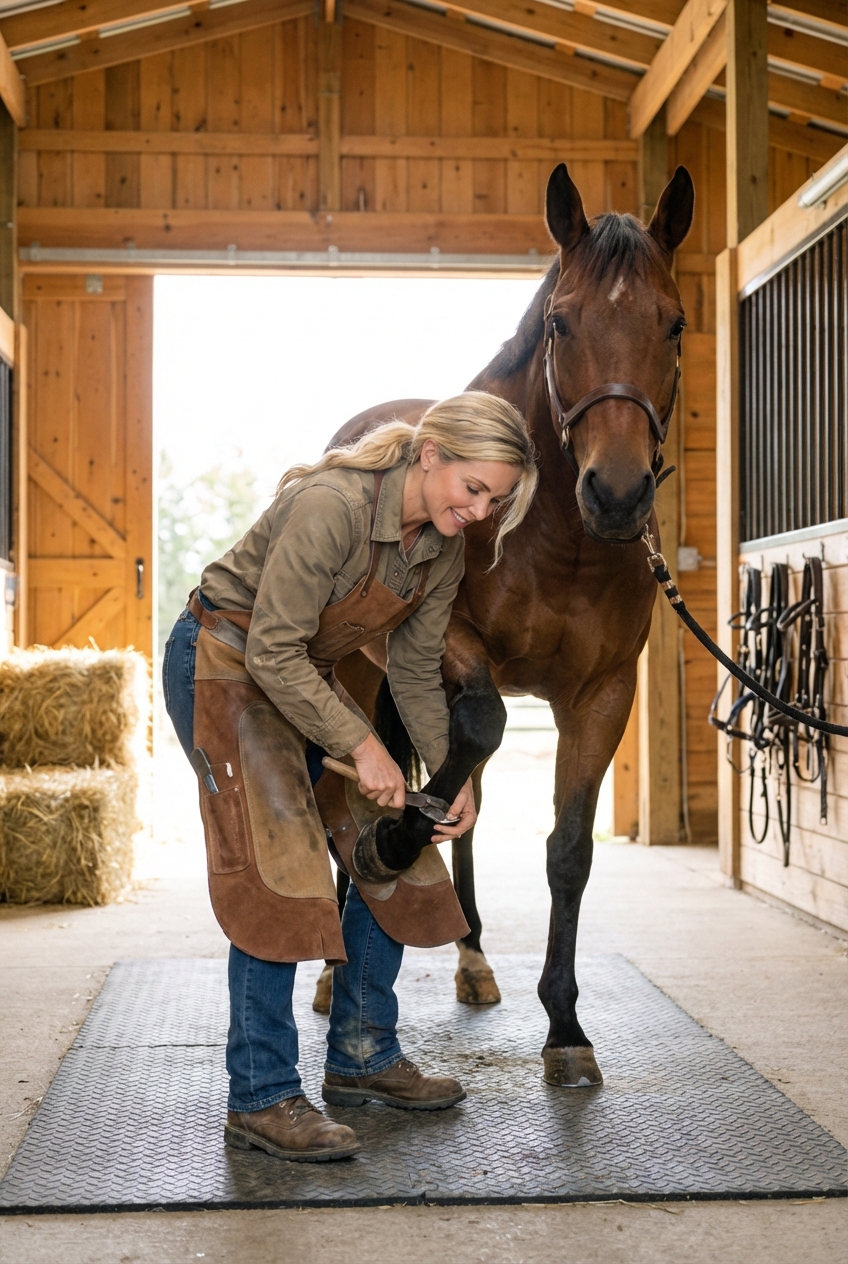
8) Hoof soreness or laminitis risk
This is one of the biggest reasons early detection matters. PPID is associated with laminitis, and the risk is especially high when PPID is paired with insulin dysregulation (which can overlap with Equine Metabolic Syndrome, or EMS). That is why insulin testing is such an important part of the conversation for many horses.
If your horse has an unexplained sore step, stronger digital pulses, heat in the feet, or reluctance to turn, treat it as urgent and call your veterinarian promptly.
Later Signs
As PPID progresses, signs often become more obvious. If you are noticing early clues, you do not have to wait for these to appear before testing or building a plan.
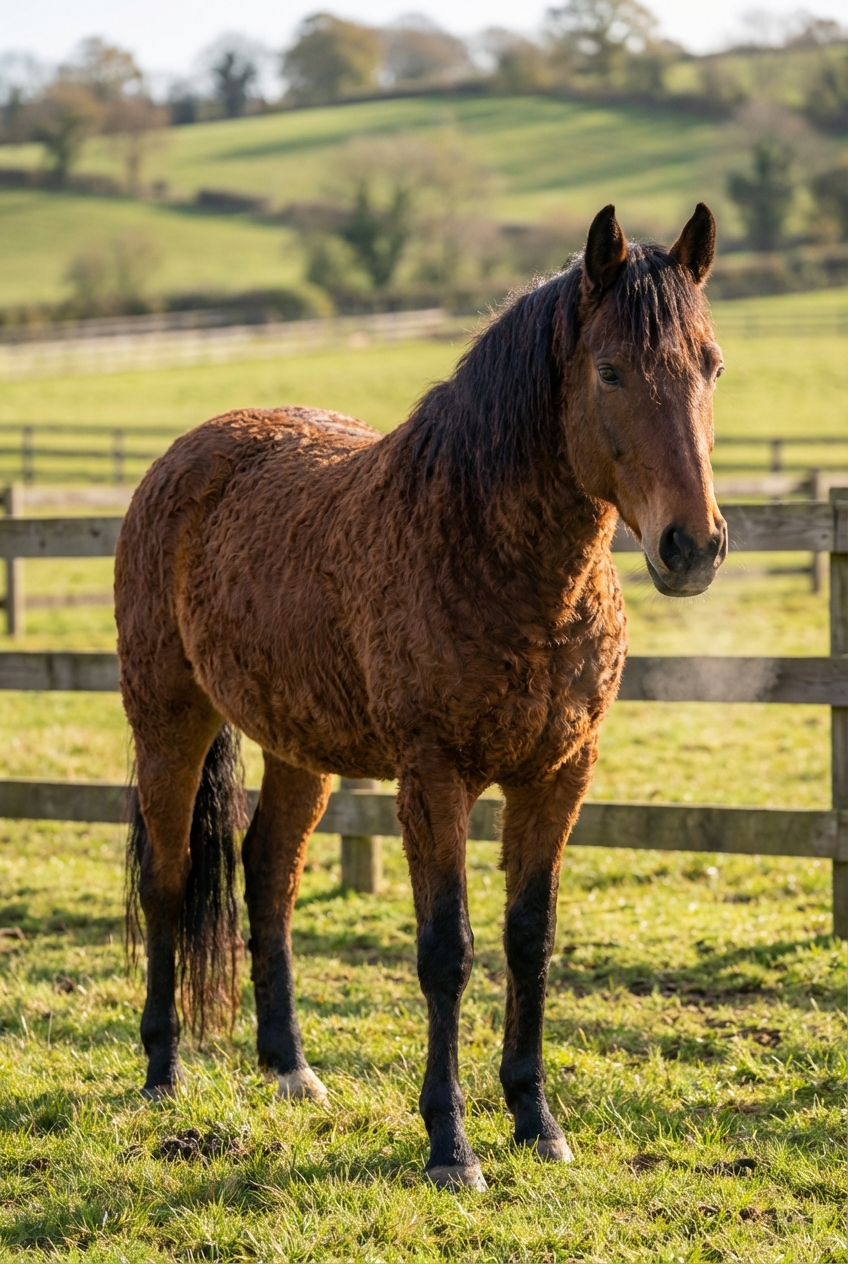
- Long, thick, sometimes curly coat that does not shed normally (hypertrichosis)
- Body changes, including abnormal fat pads or loss of muscle with a belly
- Lethargy and reduced performance
- More frequent infections
- Recurrent laminitis or repeated foot soreness episodes
Diagnosis (What to Expect)
Diagnosis is usually based on symptoms plus bloodwork. Your veterinarian may recommend:
- ACTH testing, commonly used to screen for PPID
- Seasonal interpretation, since ACTH values can shift in the fall
- Metabolic testing, especially insulin and glucose, because insulin dysregulation increases laminitis risk and can overlap with EMS
If results are borderline but your horse’s story fits, your veterinarian may discuss retesting or a different endocrine test. One common option (clinic-dependent) is the TRH stimulation test. The best plan often depends on the season and the horse’s risk level.
What You Can Do Now
You do not have to figure this out alone. Here are practical, evidence-based steps that help owners feel grounded and help horses feel better.
Track changes
- Take monthly photos from the side and behind to monitor topline and fat distribution
- Note shedding timeline, sweat patterns, and water intake
- Record any hoof soreness or farrier concerns
Protect hooves and metabolism
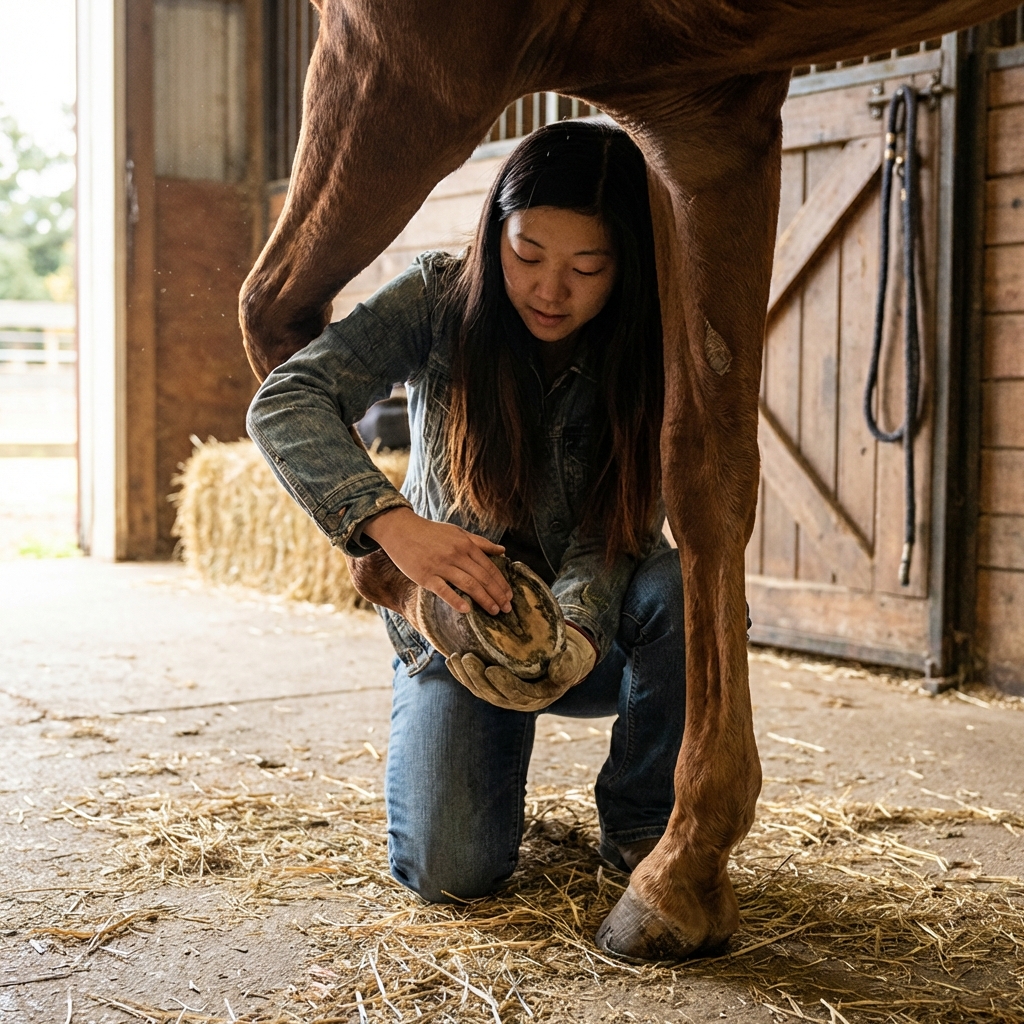
- Keep farrier care consistent and proactive
- Ask your vet if insulin testing is appropriate for your horse
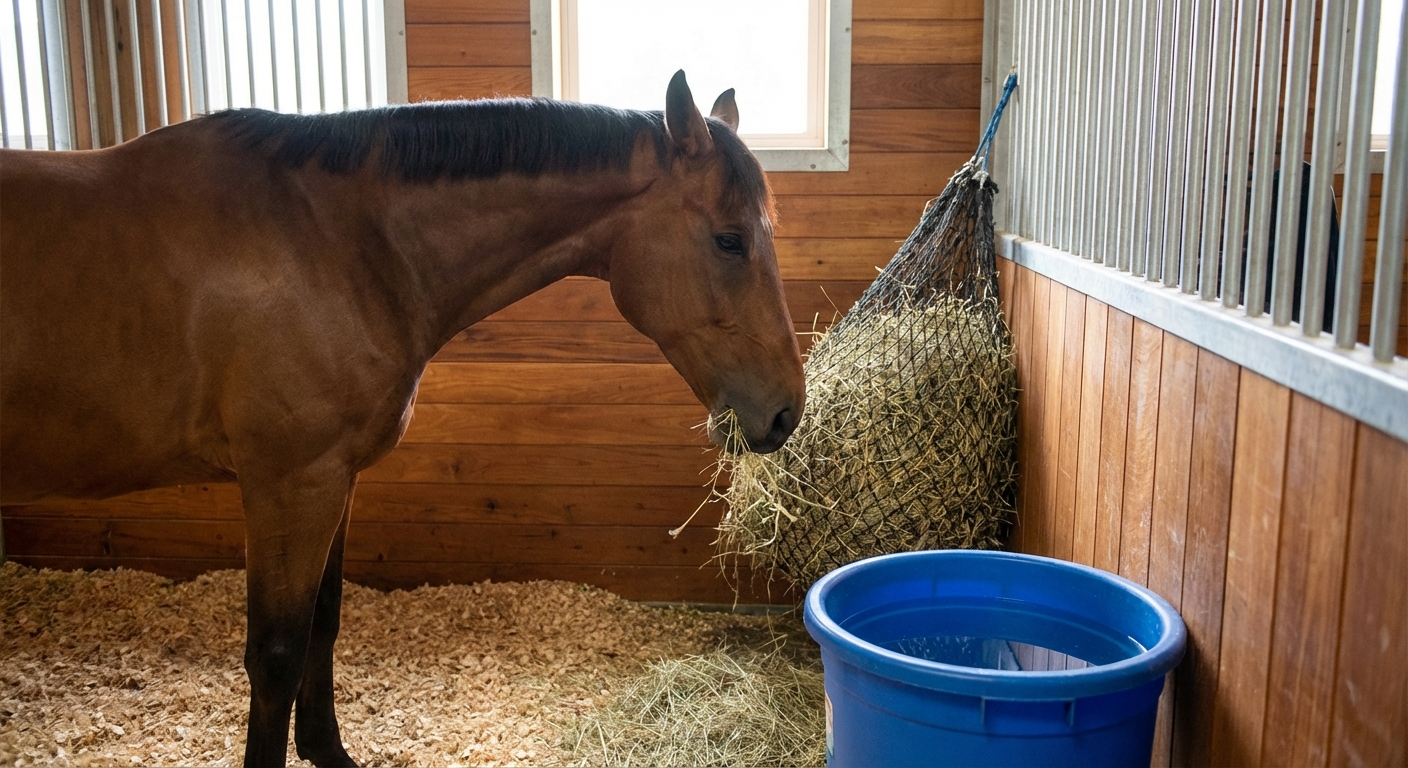
- Work with your vet on a feeding plan that supports healthy blood sugar
In many cases that means a forage-first approach and avoiding high-sugar, high-starch feeds. If your horse is insulin-dysregulated, your veterinarian may also recommend limiting or managing pasture time, since grass can be a trigger for some horses.
Exercise can help some horses too, as long as it is appropriate for age, soundness, and laminitis risk. Your veterinarian can guide what is safe.
Support comfort and skin health
- Body clip if the coat is heavy and the horse overheats easily
- Groom regularly and check for rain rot, wounds, and irritation
- Stay current on dental care since chewing and weight maintenance matter
Medication and monitoring
Many PPID horses do very well with medication prescribed by a veterinarian. The most common first-line medication is pergolide (often branded as Prascend), with dosing and adjustments directed by your vet.
Follow-up bloodwork helps confirm the plan is working and can reduce laminitis risk over time. Many veterinarians recheck ACTH after starting or changing medication, and then monitor on an ongoing schedule (often seasonally), depending on the horse and the time of year.
When It’s an Emergency
Call your veterinarian right away if your horse shows any signs of laminitis or sudden illness. Urgent red flags include:
- Reluctance to move, shifting weight, or a “sawhorse” stance
- Heat in the hooves or stronger digital pulses
- Acute lameness, especially in the front feet
- Signs of severe infection or profound lethargy
Takeaway
The biggest secret about Cushing’s disease in horses is that it often whispers before it shouts. A delayed shed, a changing topline, new drinking habits, or mysterious foot soreness can all be early clues.
If you have even a small suspicion, trust your instincts and talk with your veterinarian. Early testing and a thoughtful management plan can protect your horse’s comfort, performance, and long-term soundness.